





The politics of the Super Bowl halftime show
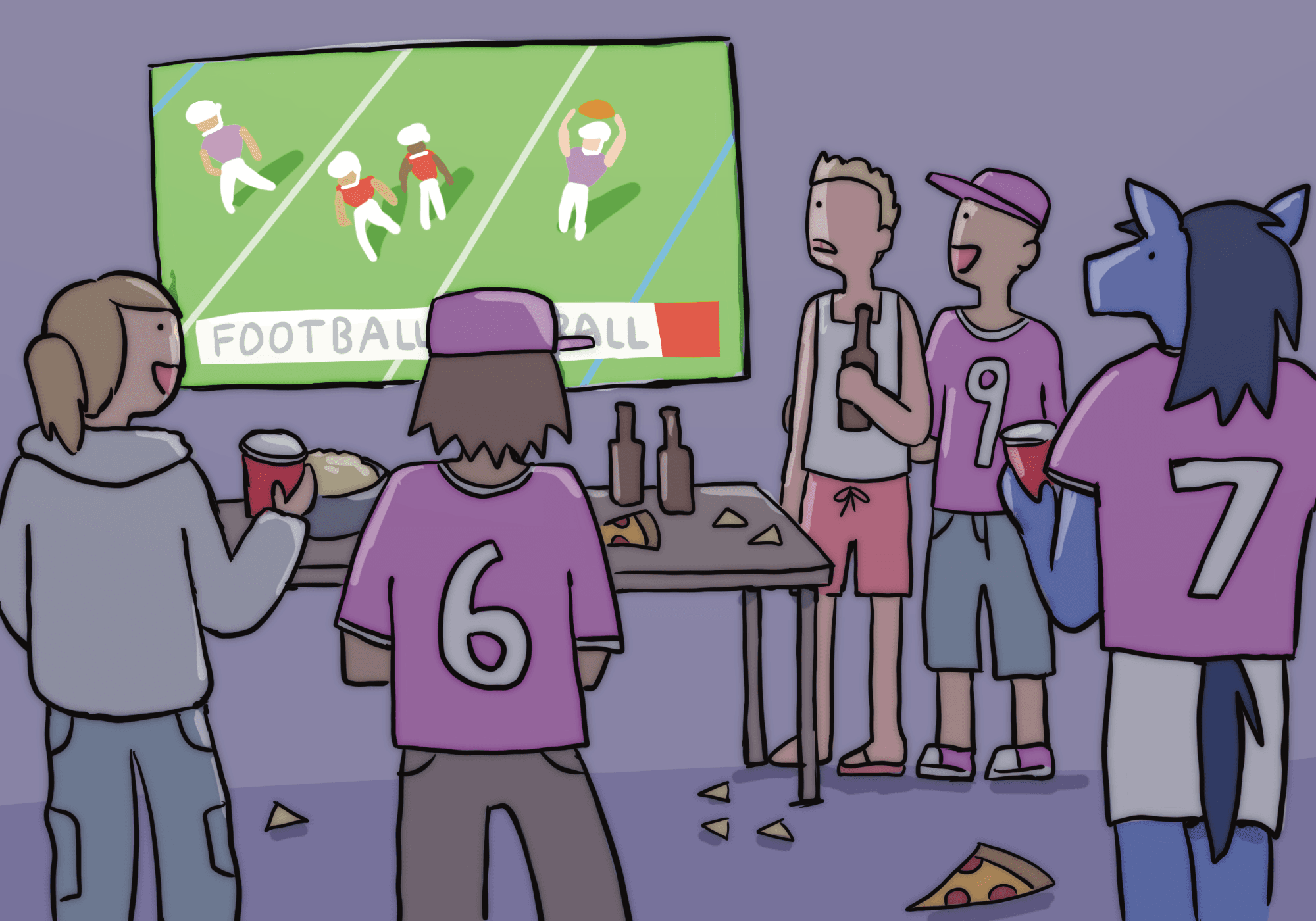
Recent memorable and political performances make the show an emerging stage for free speech
By SABRINA FIGUEROA — sfigueroaavila@ucdavis.edu
While I’m not the biggest football fan, I do watch the Super Bowl for the performances — especially the Apple Music Halftime Show. In the past, they’ve had performances by Katy Perry, Beyoncé, Rihanna and more, which are now fun, nostalgic memories for me and many of those who tuned in.
In 2025, Kendrick Lamar took the halftime stage for a memorable show. Taking place at the beginning of President Donald Trump’s second term, the political messaging that characterised the performance was intentional. Lamar took his powerful music, which captures modern African American life and earned him a Pulitzer Prize for his fourth studio album “DAMN.,” to critique the current state of American politics and race relations. The message was practically screaming at you. This was also the first time a sitting president had ever attended the Super Bowl, making the statement all the more direct.
Music has always been connected to social movements as well as historical change. The Super Bowl halftime show is now catching up to this standard, as Bad Bunny is set to perform at the 2026 Apple Music Halftime Show, and Green Day is also confirmed to perform at the special opening ceremony.
The choice of Green Day — a pop-punk rock band who created the song “American Idiot” and recently changed the lyrics from “I’m not a part of a redneck agenda” to “I’m not a part of a MAGA agenda” — is a more obvious political choice than Bad Bunny is. The rock band has made it clear many times throughout their career that they are anti-fascist, anti-racist, anti-war and, inevitably, anti-Trump.
But, Bad Bunny — a Puerto Rican artist who just made a Spanish album about the gentrification of Puerto Rico — is the more controversial of the two, and is still a blatant statement in the current political climate.
With Immigration and Customs Enforcement (ICE) doing full-scale deportation operations, targeting anyone who simply “looks” Latino, Bad Bunny originally planned to leave cities in the United States out of his new tour completely. He also made multiple anti-Trump comments, causing some to question whether it makes sense for him to perform at one of the most patriotic American events.
So, when he announced that he would be performing at the Super Bowl, it left many conservatives — including right-wing group Turning Point USA (TPUSA) — angry, arguing that he was an anti-American artist. TPUSA even announced it was throwing its own “All-American Halftime Show” with performances from Christian rock artists in protest, though they have yet to release the performers’ names.
Whether criticisms of Bad Bunny stem from the fact that he was born in Puerto Rico, speaks and sings in Spanish most of the time or is outwardly anti-Trump, this is the same rhetoric used to justify these inhumane ICE operations. An artist who is proud of being Puerto Rican and Latino singing about his cultural roots and the consequences of gentrification and U.S. occupation of his homeland (through genres popularized by Puerto Rico and other Latin American countries) is already an important political statement — an act of resistance.
This is not to fully credit the National Football League (NFL) with these acts of protest, as they’ve had their fair share of recent controversies. For example, they recently fined Houston Texans linebacker Azeez Al-Shaair $11,000 for wearing a “stop the genocide” message on his eye black. Their halftime choices are based on what makes them money — the political substance of the performance itself is because of the artists’ creative direction.
Regardless, at a time when the rights of Americans are under attack, the Super Bowl halftime show stage is becoming a clear platform for resistance. These upcoming performances will serve as a reality check to the current administration, proving that the people still have power.
Written by: Sabrina Figueroa — sfigueroaavila@ucdavis.edu
Disclaimer: The views and opinions expressed by individual columnists belong to the columnists alone and do not necessarily indicate the views and opinions held by The California Aggie.