






UC Davis Research Center secures $23 million dollar grant
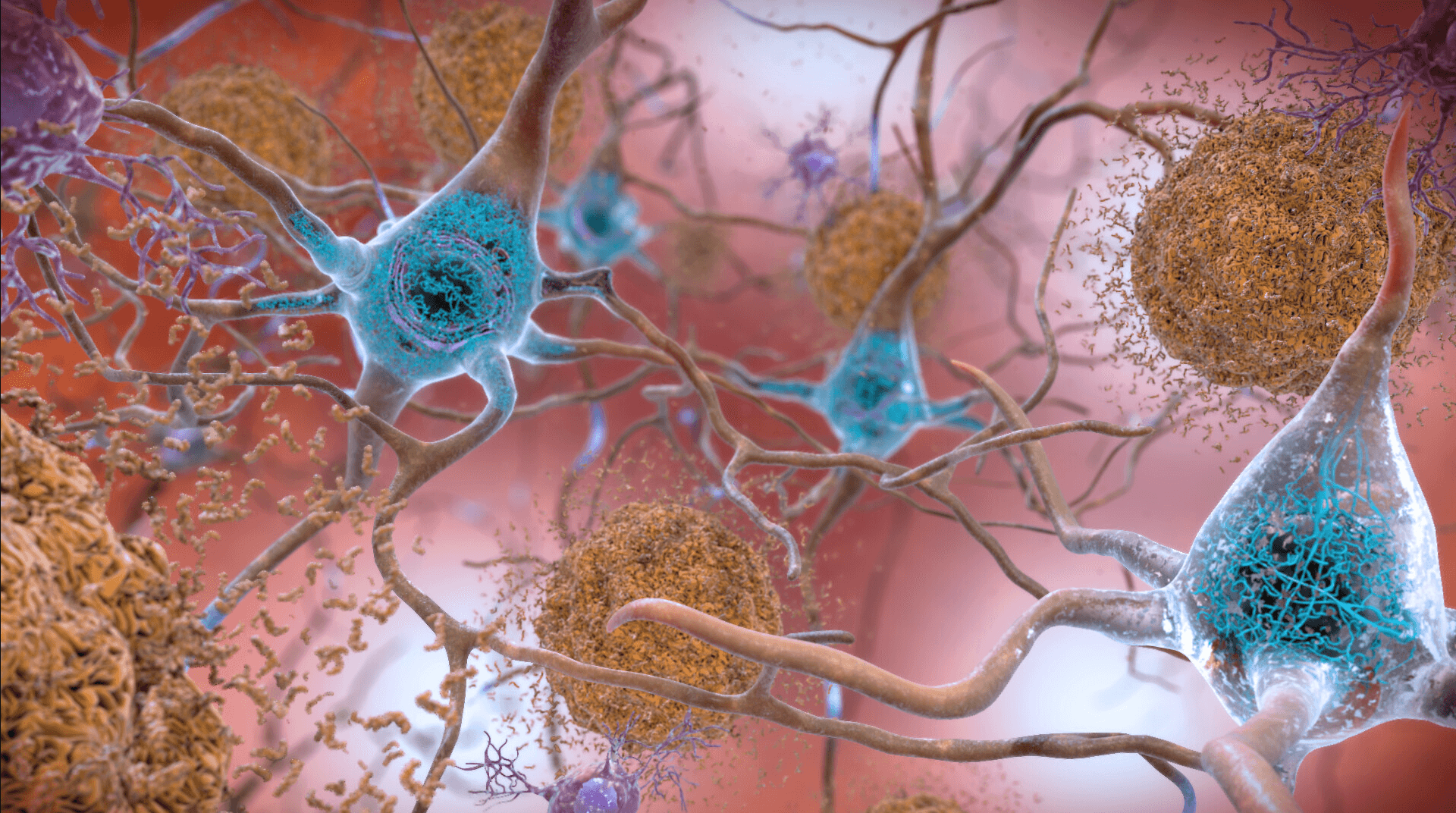
Researchers plan to explore multifactorial causes of Alzheimer’s, dementia and neurodegeneration
By ESHA KANNAN— science@theaggie.org
The UC Davis Alzheimer’s Disease Research Center (ADRC) is one of 34 nationally dedicated research facilities funded by the National Institutes of Health (NIH) to advance Alzheimer's disease research. Alzheimer's disease is a neurodegenerative disorder that gradually weakens memory and thinking skills — it can affect one’s ability to function, changing their personality and behavior.
Dr. Charles DeCarli is the co-director of the UC Davis ADRC. His research focuses on the genetics behind aging and dementia in relation to the development of Alzheimer's disease.
“Alzheimer’s disease […] is hypothesized to be related to the abnormal metabolism of a protein called APP, which is the Alzheimer's precursor protein, a misnomer,” DeCarli said.
“ [APP] is an important cellular protein that we believe is related to cellular signaling, and possibly even trafficking of important cellular constituents.”
The ADRC studies Alzheimer’s from a multifaceted perspective, focusing on groups of individuals across the country with specific core resources and research interests.
“The core resources involve the collection of individuals who wish to participate in clinical research,” DeCarli said. “Assessment of these individuals is particularly related to socio-cultural risk factors, health risk factors, imaging markers, blood markers, genetic markers and, in some cases, should the person consent, brain samples after death. These are then managed by [corporations] and shared and used to create scientific progress.”
On its 35th anniversary since opening in 1991, the ADRC celebrated receiving a $23 million P30 grant renewal from the National Institute on Aging (NIA). This five-year renewal will enable the center to continue to work towards its goal of meaningfully transforming brain health.
Dr. Rachel Whitmer is a professor of public health sciences and neurology at UC Davis Health and the co-director of the ADRC. She expressed her belief that the recent grant renewal provides vital support for the ongoing research and development of the center.
“What’s different about this grant is that it is an infrastructure grant specifically to fund a center and […] center activities,” Whitmer said. “It helps support all of the studies and all of the science by providing these ‘cores.’”
Cores are shared facilities used by multiple labs that contain specialized equipment for specific research interests.
“We have something called a neuropathology core, where we look at brain tissue,” Whitmer said. “We have a biomarker core, where we look at biomarkers and blood or saliva for Alzheimer's disease and related dementias. We also have something called an outreach core, where the goal is just to work with different communities, and talk about brain health and talk about research.”
Whitmer highlighted two other critical cores to the ADRC: one focused on mentorship and the other dedicated to clinical research.
“We have something called a Research Education Component core,” Whitmer noted. “That core is all about providing education about Alzheimer's disease but also mentoring and funding opportunities for trainees at different stages. We [also] have something called a clinical core, which is about 500 people that we've been following over time. This is for understanding risk and resilience to Alzheimer's disease and dementia.”
This specific grant is instrumental for the inspiration and execution of ongoing and future studies.
“If you think about a tree, this grant is the trunk of the tree, and then all of the branches and leaves coming off are other studies,” Whitmer said.
National funding is necessary for the UC Davis ADRC because its research is rooted in progress for everyone regardless of age, background or circumstance.
“What sets our center apart is we work with communities, very well and for a long time,” Whitmer said. “[Our] vision is a lifetime of brain health for all, so we're really interested in understanding risk and protective factors at all ages.”
The ADRC plans to expand its multifactorial approach to studying Alzheimer's disease and related dementia; future research is planned to study vascular factors that contribute to the disease.
“It [Alzheimer’s] is not just neurodegeneration,” Whitmer said. “There’s a lot of vascular changes that also happen, and our center has been a cornerstone in understanding how vascular injury works in tandem with neurodegeneration.”
To learn more about the ADRC’s progress, you can read its most recent annual report.
Written by: Esha Kannan— science@theaggie.org