




The Netflix adaptation of ‘East of Eden’ only scratches the surface of the novel’s themes
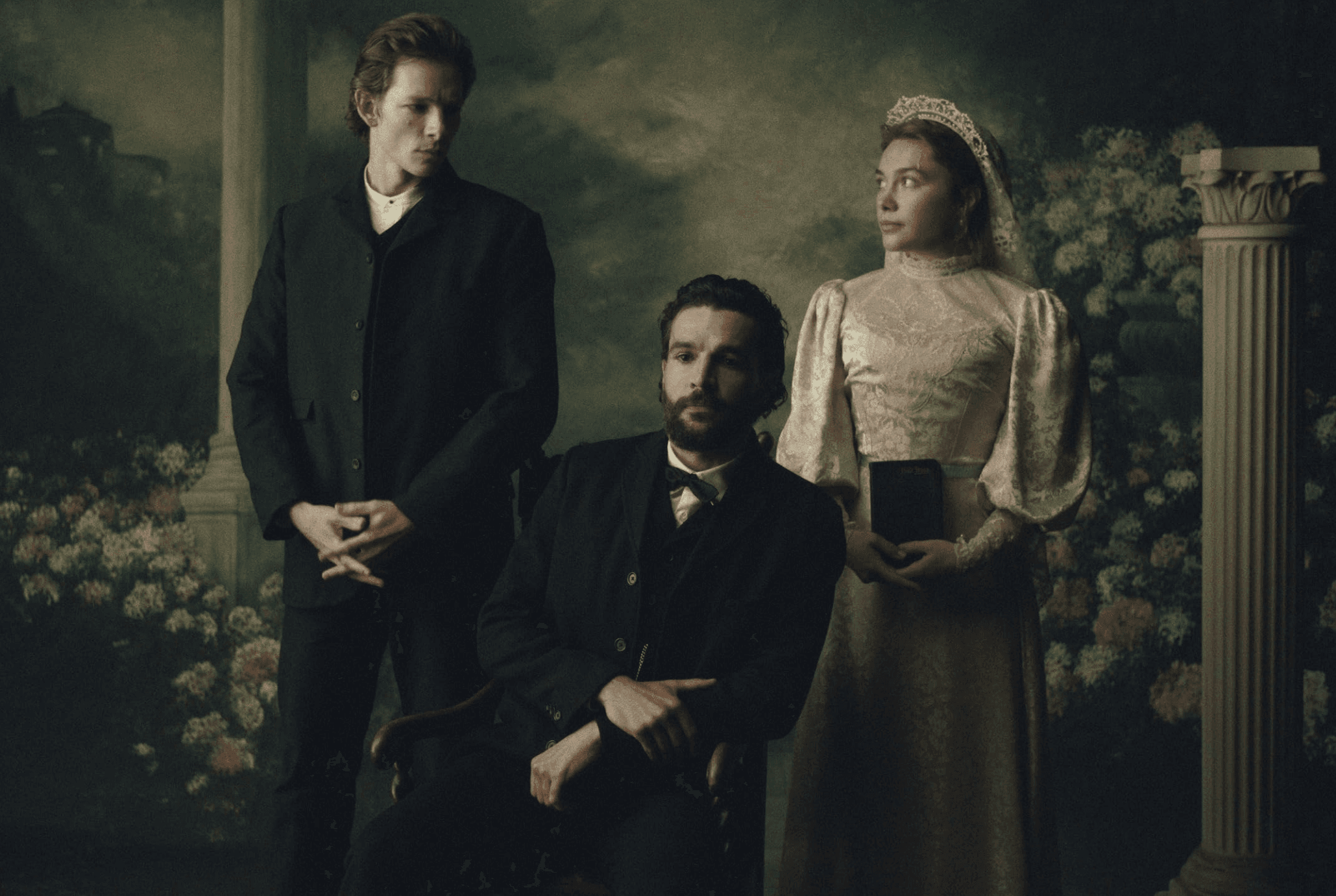
Zoe Kazan’s adaptation of Steinbeck’s original story limits itself in significant ways
By BELLA PETERSON — arts@theaggie.org
John Steinbeck’s novel “East of Eden” can easily be described as his magnum opus, with many regarding it as one of the best novels of all time.
The story reimagines the biblical tale of Cain and Abel in California's Salinas Valley, weaving together the stories of the Trask and the Hamilton families.
“East of Eden” addresses themes of grief, humanity and the divide between good and evil. Adapting such a complex story, especially one as cherished as Steinbeck’s masterpiece, is no small task to take on.
Zoe Kazan, creative lead of the adaptation, prioritized certain elements of the text over others, neglecting vital moments that shape the narrative. The main strength of this adaptation is the casting — acting powerhouses, such as Florence Pugh as Cathy Ames and Mike Faist as Charles Trask, share electric scenes that feel as if they were taken straight from the novel. Together, they deliver a masterclass in conquering the screen.
Pugh’s embodiment of Cathy is sensational, and possibly her greatest performance to date. She performs the character with an intensity that is unparalleled throughout the series.
Joseph Zada stars as Cal Trask, whose role in the story mirrors that of the biblical figure Cain. Even in scenes with Academy Award-nominated actress Pugh, Zada impressively holds his own in scenes, which is no small feat for any up-and-coming actor.
Another standout performance is Hoon Lee’s portrayal of Lee, who breathes vivid life into the character. Where so many other elements of the adaptation fall short, Lee effectively captures the novel’s spirit with his emotional performance.
Lastly, the mini-series benefits greatly from its ability to combine the heavier moments of Steinbeck’s narrative with a moving, potent soundtrack. The score transports the audience from their living room to the world of the story. Laura Karpman, the composer responsible for this powerful effect, elevates the epic feel of the original novel to an extraordinary level.
However effective these creative choices may have been, the adaptation’s flaws prevent it from reaching the same heights that the novel does. The series focuses almost entirely on the Trasks’ story alongside Cathy Ames, but overlooks the role of the Hamilton family almost completely — resulting in an incomplete adaptation of the story.
Extensive descriptions of the Salinas Valley, which acts almost as a character in its own right, are key elements of the original novel. The setting evokes the biblical paradise of Eden, further emphasizing the novel’s grand themes. Steinbeck’s own personal connection to the area colors his lush descriptions of scenery, but the adaptation fails to depict these details as vividly as the novel does.
Another major weakness is the miniseries’ pacing. The seven episodes do not convey the same meditative experience as the novel, making it clear that while Zoe Kazan’s take on the “East of Eden” story may be the most accurate adaptation to date, that doesn’t make it perfect.
Like any adaptation from page to screen, sacrifices and changes had to be made. The Netflix mini-series can only offer key moments from the novel’s content, omitting the smaller details that truly embody the world Steinbeck created.
Kazan’s adaptation of Steinbeck’s work can be described as accurate in many regards, but overall, the mini-series comes across as an oversimplification of a complicated story. As controversial as Kazan’s interpretation of “East of Eden” may be, it introduces viewers to one of the greatest stories written. However, the adaptation cannot replace the depth and lasting impact of the original novel.
Anyone curious to experience the iconic retelling of Cain and Abel’s tragedy for themselves would be remiss to choose the Netflix mini-series over reading the novel. Ultimately, the adaptation works better for those who have read the story before watching rather than for newcomers.
Written by: Bella Peterson — arts@theaggie.org