




Your feline friend may provide a crucial hint to fighting cancer
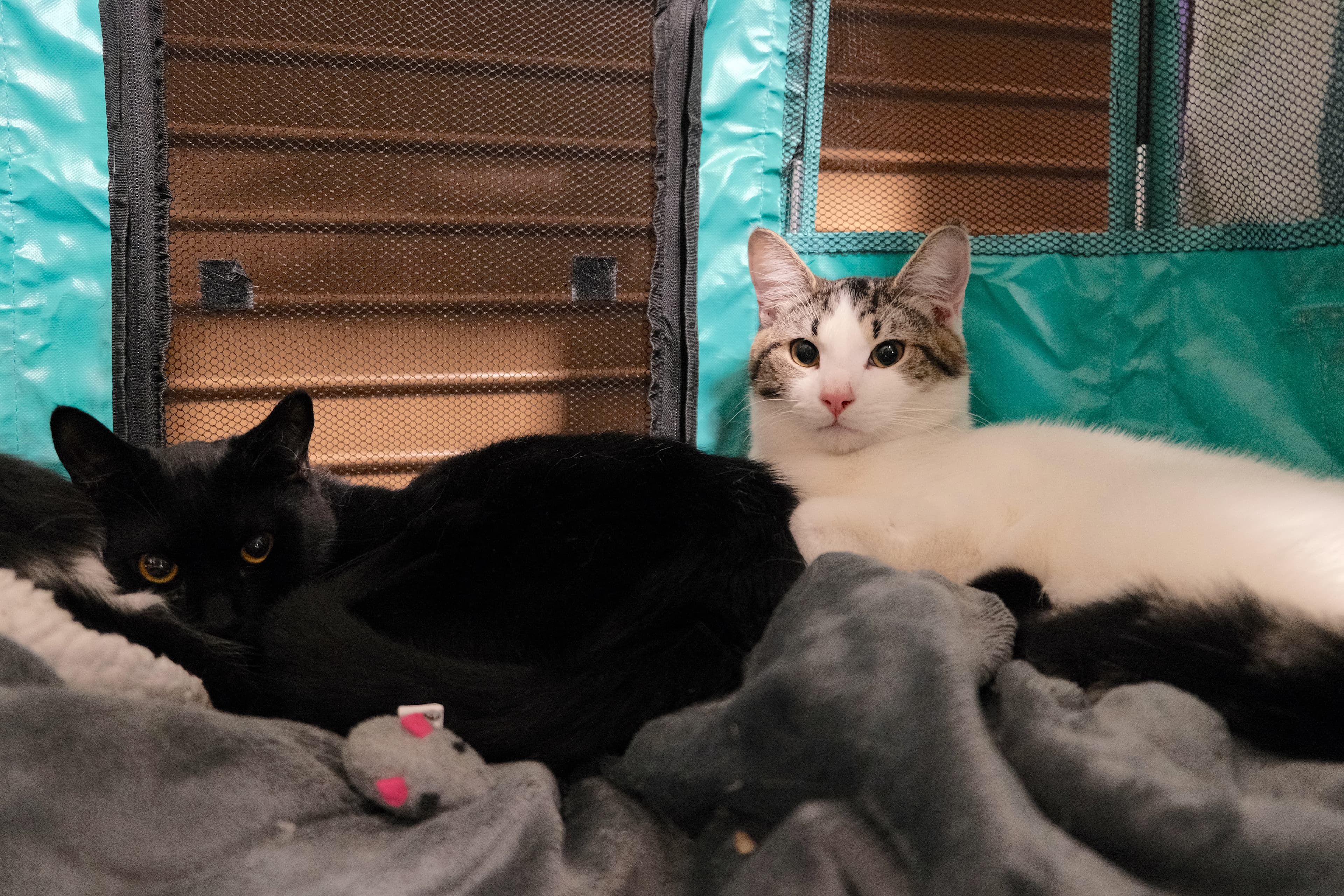
Comparative oncology between humans and cats provides insights into future advancements in treatment
By EMILIA ROSE — science@theaggie.org
Household cats may spend their days sleeping, looking out the window or playing with the water faucet, but their biology can help advance cancer research and treatment, according to a new study published in Science.
Cancer is a disease characterized by uncontrolled cellular growth, and determining what factors contribute to such aberrant growth is a challenge in studying it. Genetic mutations — changes in an organism's DNA code — in tumor suppressor genes and oncogenes can disrupt the systems that normally regulate cell growth and allow tumors to proliferate; however, identifying these exact mutations can be tricky and is only the first of many steps towards understanding how they affect a cancer.
Comparative oncology examines cancers in different species to identify shared biological mechanisms. Dr. Primo Lara, an oncologist and director of the UC Davis Comprehensive Cancer Center, explained why researchers are starting to adopt a comparative approach.
“Analyzing cancer genetics in cats and other species such as dogs can help identify changes in the genes that control cell growth and determine where those changes overlap with human cancers,” Lara said.
Although cancer is a common disease diagnosed in cats, it is not studied in extensive detail. To address this gap and to gain insight into potential shared characteristics between human and feline tumors, the researchers sequenced the oncogenome of the domestic cat. Researchers sequenced and analyzed tumors from nearly 500 cats across five countries and found genetic similarities between feline and human tumors. The study reads that cats and humans can develop naturally occurring cancers with similar genetic characteristics, while also sharing environmental exposures that researchers can investigate for possible connections to cancer risk.
Lara explains the importance behind finding similarities across different tumors.
“Similarities might reveal the core drivers of cancer and new therapeutic targets. These comparisons can deepen our understanding of cancer risk, reveal vulnerabilities that could be targeted with treatment and explain why some tumors respond to therapy while others resist it. This really is the value of comparative oncology.”
One of the similarities between feline and human cancers involves the gene FBXW7, which is involved in cell growth. More than half of feline mammary tumors examined carried mutations in this gene, which have also been associated with breast cancer in both humans and cats.
Dr. Michael Kent, a veterinary surgeon and professor at the UC Davis Weill School of Veterinary Medicine, explained that studying cats comes with its own challenges.
“The cat genome is not as well annotated as either the human or dog genome,” Kent said. “While sequencing a tumor or normal cat cell, for that matter, is not difficult, interpreting it is harder. The trick is in the decoding.”
While findings like FBXW7 suggest cats could help researchers better understand human cancers, Lara explained the limitations of using cat cancer research to help in human medicine.
“It is important to note that cancer is a complex disease,” Lara said. “Genetic factors, including mutations in oncogenes and tumor suppressor genes, can promote uncontrolled cell division and resistance to normal regulatory controls. Cancers also differ from one another, and even within a single cancer type, there can be tremendous variability.”
Kent explained that identifying more genetic targets could eventually benefit both veterinary and human medicine.
“As we identify more targets in cats, we hope this will also help us find more targets and then be able to test them,” Kent said. “This will also benefit my patients and, if we are lucky, will help people as well.”
The study does not establish a new cancer treatment for humans, but it does provide a foundation for further investigation. By examining a disease that affects a variety of species such as cats, scientists hope to answer new questions about treating it in other species.
Written by: Emilia Rose— science@theaggie.org