






To err is human
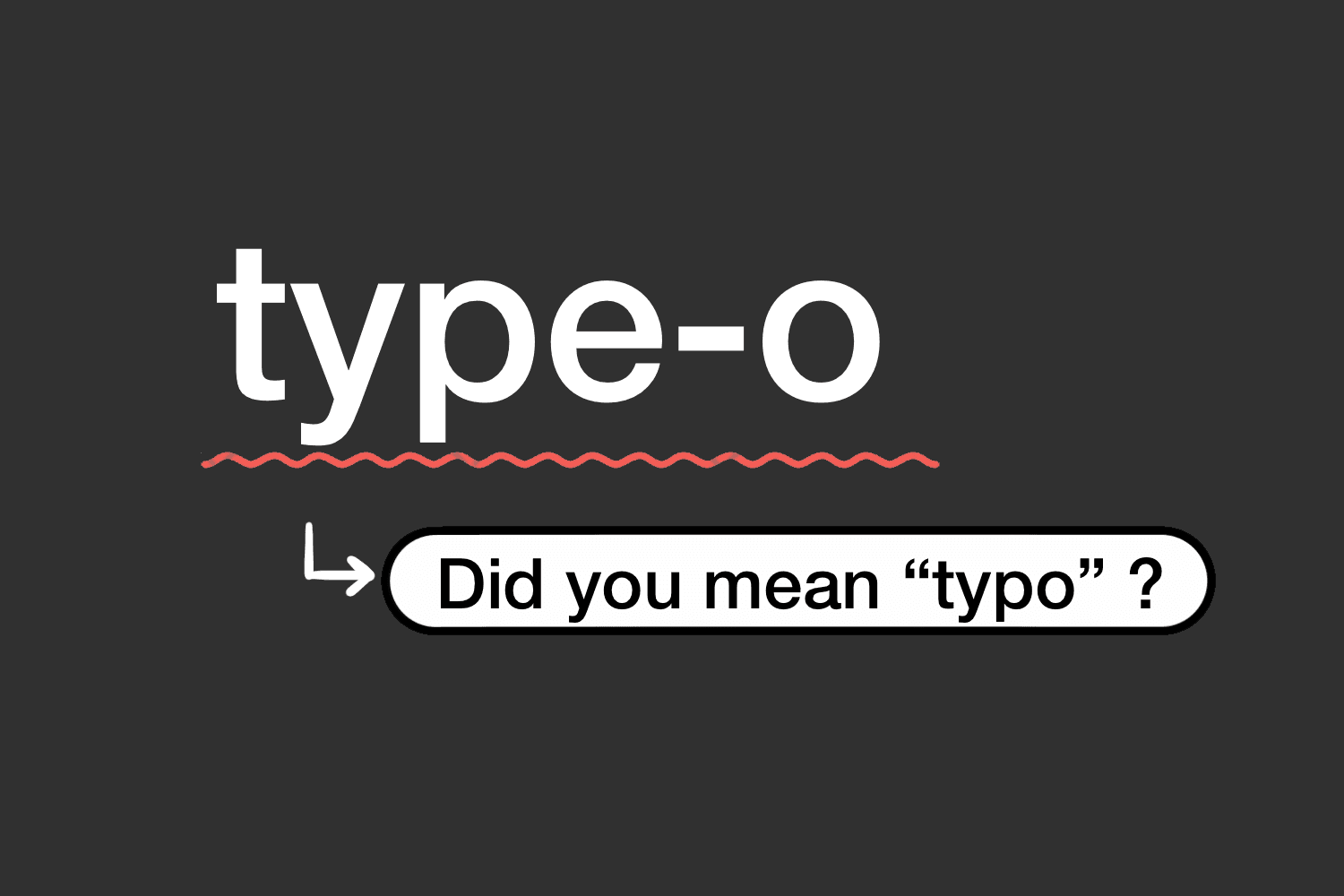
Have typos become a marker of legitimacy?
By ABHINAYA KASAGANI — akasagani@ucdavis.edu
There exists an odd cultural inversion that has come about with the rise of artificial intelligence (AI), wherein the machines’ ability to reproduce human imperfection has made our fallibility replaceable. As part of the generation that made it through the entirety of high school without the option of outsourcing their labor to the machine, I have a propensity for the whole shebang — all the hair-pulling, nail-biting and gimmicky coffee drinking that comes with the struggle to meet my own impossible creative standards.
For the longest time, machines were conceived as ways of streamlining our day-to-day clerical tasks, not only to boost workplace productivity, but to limit the frequency of user error. Now, however, we are becoming increasingly drawn to mimicking human behavior instead of simply channeling it.
Consider the prompt: “draft a cover letter in 300 words and make the first paragraph anecdotal.” The chatbot recounts the story as we would, hesitating as needed and occasionally making self-effacing jokes to avoid direct vulnerability. The competition, then, isn’t between which writer is more skilled or yields more results, but instead which writer can more convincingly communicate their humanity to their reader. The risk of AI becoming better at feigning emotion than humans is no longer a hypothetical artistic consideration but instead a very real possibility.
Recently, The Atlantic noted that several job applicants had admitted to littering their cover letters with typos in order to convince reviewers that they had written them themselves. In her 2006 study, University of Michigan professor Nicole Ellison concluded that the presence of typos made user profiles more endearing, with spelling mistakes signalling care and that people had taken the time to write it themselves. Here, the employers believed the applicants cared deeply about the position. While the ability to be simultaneously diligent and genuine is undoubtedly a skill that requires immense time and practice, our societal inclination toward unrealistic levels of productivity makes doing this all the more undesirable.
We no longer inconvenience ourselves with the challenge of reworking a piece — and getting to be frustratingly pedantic about diction, personal voice, humor or other stylistic attributes. Instead, we have added an extra step of prompting the machine with empty instructions like “make it sound less like AI and more human” (which unfortunately begets equally surface-level outputs) to conceal our original deception.
Additionally, this predicament is not simply a professional one but also personal. Using the AI features now available on dating apps like Tinder, some built their profiles in hopes that it would increase their outcomes on the platform. Even Tinder CTO Vinay Kuruvila claimed that the users’ inability to “represent themselves authentically” could be corrected with AI’s “tremendous potential.” Cowardly lurking behind the diction of “represent” so as not to allude to any inauthenticity in these dating profiles, Kuruvila essentially commodifies their personhoods by way of effective marketing. Instead of returning to the age-old tradition of assembling an advisory board consisting of your most trusted confidants, let’s let AI do its thing. Your friends knowing you too well might make you sound less robotic or untrue to yourself, which is not ideal. You need a machine that tells you to list “travel” as one of your hobbies.
What was once seen as the fallibility of man is now evidence of the artistic touch. This inadvertently lends itself to a unique brand of writing behavior — chock-full of deliberately imperfect grammar, explicit vulnerability and anecdotal storytelling — that results in aesthetic choices motivated less by the desire to hone the craft but instead to replicate humanity.
While originally able to help humans be more efficient and concise in their arguments, AI disallows subjectivity, rallying to make our creative approaches homogeneous and our spirits dull. Now, we omit em dashes and shy away from lists of three (how we were procedurally taught to write) in order to perform as human.
The issue is not entirely that our reliance on AI dulls our creative muscles, but that we now struggle to tolerate the risks involved with being human. We are stuck optimizing creative processes to meet certain productivity standards and fail to consider what authenticity looks like for us if machines dictate what we appreciate, reject and engage with. In order to maintain our creative faculties, we must remember that humanness cannot become an aesthetic category within which artistic work is produced.
What AI forgoes isn’t simply typos, but our ability to risk being wrong. Here, the ideal outcome isn’t the overuse of typos to prove authorship, but instead the recognition that failure is what makes us better writers. In becoming so averse to risk and investing time in finding ways to ensure our text sounds at least 80% human, we have forgone the possibility of writing altogether, making the imitation of authenticity the ultimate goal — remember, if it were easy, everyone would do it. We must instead begin drawing from our own wells — which, once replete with humanness, are now threatening to dry out.
Written by: Abhinaya Kasagani— akasagani@ucdavis.edu
Disclaimer: The views and opinions expressed by individual columnists belong to the columnists alone and do not necessarily indicate the views and opinions held by The California Aggie.