





Author Tommy Orange recontextualizes narratives of Indigenous identity
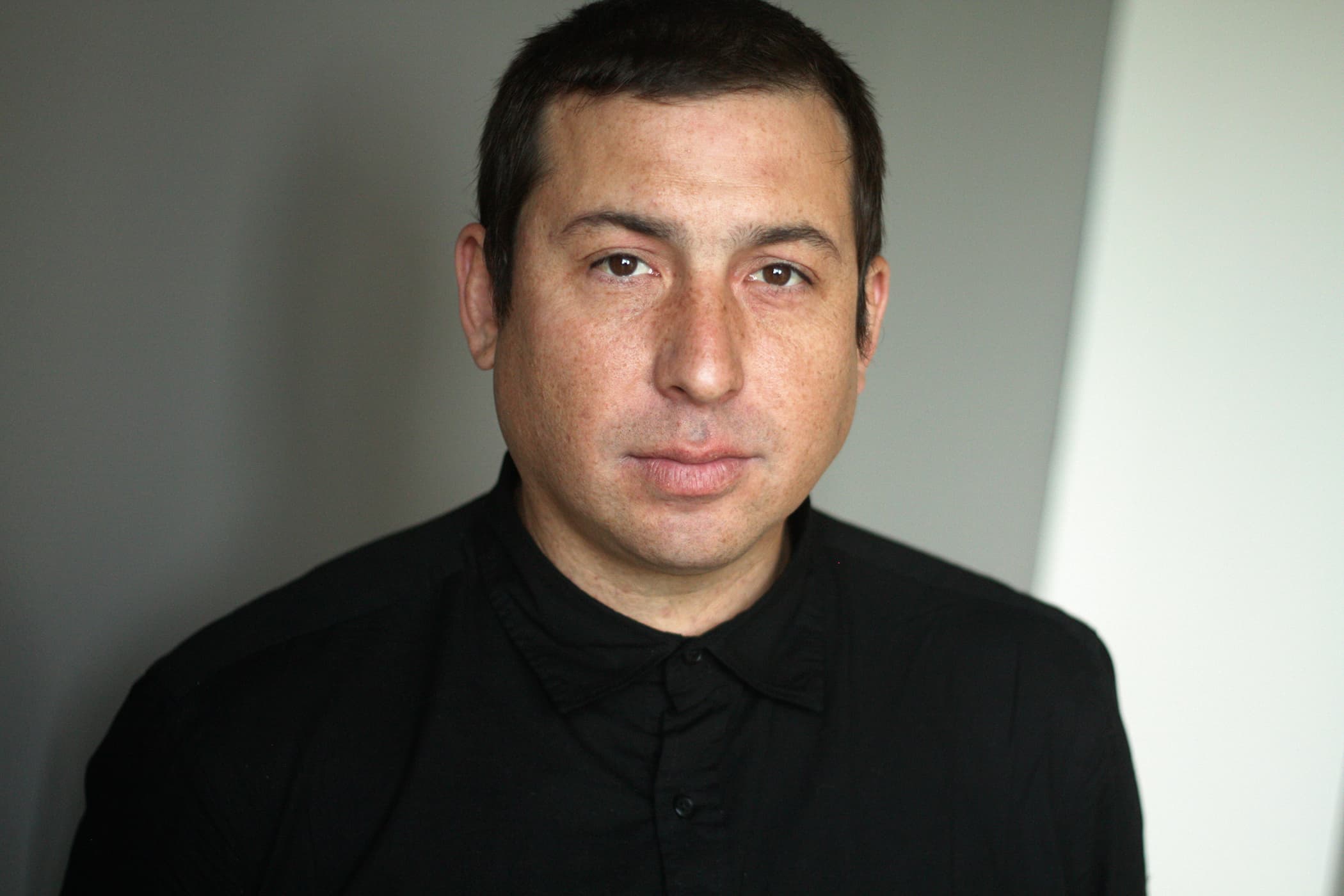
The author of ‘There There’ and ‘Wandering Stars’ discussed his work with UC Davis students and others at the Mondavi Center
By BELLA PETERSON — arts@theaggie.org
Tommy Orange gathered immense literary attention in 2018 with his debut novel, “There There.” The story details the journey of twelve characters, all from Native communities, traveling to the Big Oakland Powwow. The novel went on to earn multiple awards and even became a Finalist for the Pulitzer Prize in 2019 — no small feat.
On Nov. 4, Orange detailed his experiences to an audience at the Mondavi Center, revealing that there is much more to the writing process than simply deciding to start writing a novel — whether it be struggling with the practice itself or battling against preconceived false narratives.
The author shared about the arduous task of maintaining and writing about identity amid meticulously constructed narratives both in a historical and modern context.
“How can I write about the real form, but also the false depiction at the same time?” Orange said. “The stereotype and the way we depict ourselves is, a lot of the time, based on [the notion of] how do we get seen at all? There’s no representation of us.”
The lack of clear, positive representation for Indigenous communities adds an additional layer of pressure to Orange’s writing process. He unpacked what it means to engage with a demand for Indigenous stories that is not always consistent.
“Over time in American culture, the interest in our stories has died and come back for various different reasons,” Orange said. “There’s a lot of reasons to hope that there can be sustained attention toward our stories. I constantly want to work in contemporary stories to resist the historical negative.”
Orange shared that his process as a writer is not simply defined through conscious intention, but something almost incognizant.
“The novel landed on top of me,” Orange said. “Writing continues to baffle me. The whole thing is about not knowing. The more you don’t know what’s going to come out, the better the material is, mostly.”
Orange dedicates himself to platforming and telling Native American stories. Despite the progress that has been made, the author believes that there is still much to be done.
“We have a long way to go,” Orange said. “The interest in our story waxes and wanes. There’s not an anchored, valuable narrative point where we exist as Americans and in American history.”
There may be no clear solution to the challenges presented to Orange and his writing. However, the author believes the work is important to continue progress.
In 2024, Orange came out with his second novel, “Wandering Stars,” which acts as both a prequel and a sequel to “There There.” Similar to his first work, Orange’s second novel received widespread acclaim.
Both novels’ themes of identity and addiction play a vital role in contextualizing the modern perspective of living as an Indigenous person in a society that continues to turn a blind eye to the historical oppression and silencing faced by Native American communities.
The problem, Orange shared, was how often nuanced issues such as addiction got written off in regard to Indigenous people who were dealing with the weight of their own trauma.
“We don’t talk about it,” Orange said. “So the way I always wanted to approach addiction in my novels was to contextualize it. That’s the only thing they can afford to cope with something that’s a magnitude too big to know how to deal with.”
The author addressed how fictitious information spread about Indigenous people by many Americans actively works against them.
“The way they want to depict us is the comfortable way for them to think about us in their imaginations,” Orange said. “Because, if we’re historical and if we fit within this story frame of Native people […] you don’t have to think about where we went or how we got gone.”
When it comes to historical misinformation, Orange shared that the narrative being perpetuated by many shrouds the violent and ugly truth of the past.
“There was a myth that we were just naturally disappearing — very convenient — that allows for people [to] tell their family stories [in a way that] doesn’t include genocide,” Orange said.
Orange shared with the audience that he’s working on his next book. While he only hinted at its themes, the bestselling author may provide another thought-provoking work that will continue to recontextualize and reshape the narrative of Native American identity.
Written by: Bella Peterson — arts@theaggie.org