





UC Davis joins federally funded coffee and cacao research partnership
Researchers will study how processing affects coffee flavor and helps cacao growers adopt new tools
By ZAYNAB MOHIUDDEEN — campus@theaggie.org
UC Davis will study how the way farmers process coffee affects the quality of the final cup as part of a federally funded partnership that will also help cacao growers adopt new tools.
About two-thirds of adults in the United States drink coffee daily, and more than 99% of the country’s coffee and cacao supply is imported, according to a UC Davis news release. Keeping those crops healthy and productive abroad and in Hawaii helps protect the supply that U.S. businesses and consumers depend on.
The U.S. Department of State awarded the multi-year, cooperative agreement for the Feed the Future Innovation Lab for Coffee and Cacao to the University of Hawaii at Mānoa, which leads the project. Clemson University serves as co-lead, and UC Davis is a subrecipient responsible for parts of the coffee and cacao research.
The partnership will work with small farmers in the U.S., Latin America, Africa and Asia to develop varieties that can withstand disease and drought and improve farming and processing practices.
Irwin Donis-González, the project lead and principal investigator at UC Davis, is an associate professor of cooperative extension in postharvest engineering and is the co-director of the UC Davis Coffee Center. In this initial phase of the project, he estimated that $650,214 has been allocated to work in coffee, and $249,575 to work in cacao, with the potential to increase funding as they demonstrate progress in the project deliverables.
“The aim of the first year of this project is really to define what we’re going to do in years two and three based on what we’re learning from others,” Donis-González said. “It’s always tough to work from afar, and there will be a significant amount of travelling and understanding how different producing countries around the world do things.”
In later years of the project, researchers plan to combine post-harvest engineering, chemical analysis and taste evaluations to see whether changes to processing methods improve the quality of the coffee growers produce.
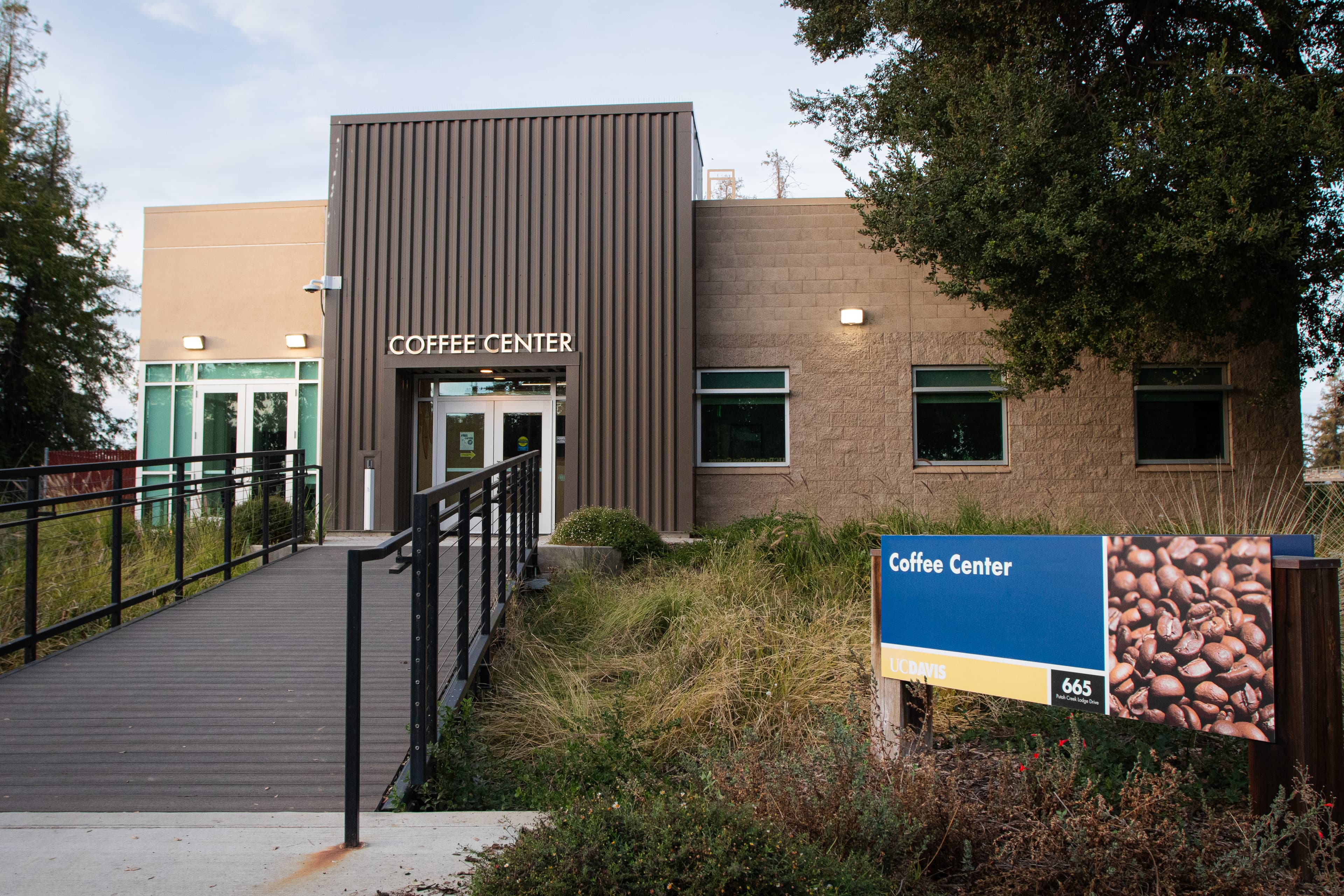
The UC Davis Coffee Center opened in 2024 as a research and teaching facility within the College of Engineering. It houses a pilot roastery, a lab for studying how green coffee beans hold up in storage and tasting booths where researchers can evaluate coffee’s flavor and aroma.
While part of the money received by UC Davis will go to the Coffee Center, some funding will go to the Mars Plant Science Center — a collaboration between the university and confection and food production company Mars, Inc.
“The Innovation Lab provides a powerful new means to help create tangible impact for cacao farmers in the U.S. as well as in cacao-growing regions around the world,” Ashley DuVal, a senior scientist at Mars, said in a press release.
The Mars Plant Science Center will introduce tools to cacao grower cooperatives and other producer groups; Amanda Crump, an associate professor of teaching in international agricultural development at UC Davis, will lead a collaboration to track whether growers adopt the tools and how households benefit.
Donis-González said understanding what affects coffee quality is important for any coffee consumer and can help students make more informed decisions if they go on to work for a roastery, an importer or a café.
“I am especially excited to learn from all our partners around the world,” Donis-González said. “I’ve been involved in coffee for over 20 years and there’s always something new to learn. I want to be part of that change [to] better produce products that we are consuming. I’m both a coffee and a chocolate consumer, and it just excites me to be part of something that I’m passionate about and that I appreciate too.”
Donis-González said undergraduate and graduate students could help handle samples and data in the second and third years of the project. He encouraged students interested in the coffee research to email him directly. Students can learn more through the UC Davis Coffee Center or email Donis-González at irdonisgon@ucdavis.edu about future research opportunities.
Written by: Zaynab Mohiuddeen — campus@theaggie.org