





The high cost of being outdoorsy
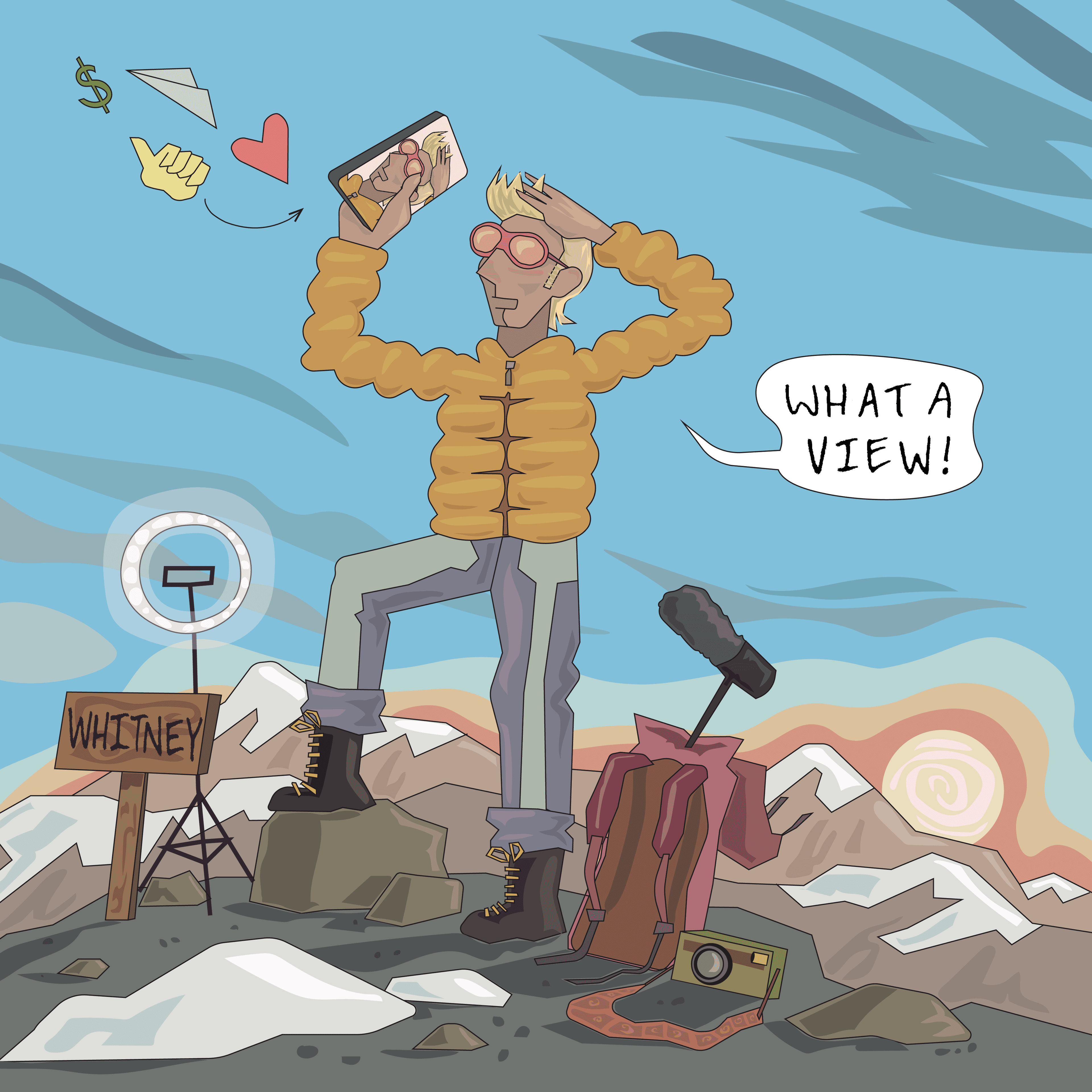
How high-end fashion trends like “gorpcore” are pricing people out of everyday nature
By Saanvi Edlabadkar — sredlabadkar@ucdavis.edu
When I went on my first backpacking trip, I noticed a type of hiker I hadn’t encountered before, despite my years of day hiking experience in national parks. Unlike the typical hiking gear I was used to seeing, they wore trendy outfits — impractically baggy pants, bright colors and bulky jackets, even in the middle of summer. One thing seemed to connect them all: Arc'teryx.
The brand’s name and recognizable skeleton logo seemed to be plastered across most people’s clothing. My Instagram feed was full of young, stylish people wearing Arc’teryx while posing on famous hiking trails and national monuments around the world. At first, I wasn’t sure what to make of it; I’d heard of Arc’teryx and seen it at Recreational Equipment, Inc. (REI), but its high prices were enough to make me avoid that section of the store entirely. Then I realized what I had seen on the trail was part of a much bigger trend. Amid all the scenic views, the clothes seemed almost as important as the places themselves.
This trend is referred to as “gorpcore,” a style named after GORP, or "good old raisins and peanuts," a classic blend of trail mix. Unlike the familiar "Granola Girl" image — which focuses on sustainability and practicality — gorpcore combines outdoor functionality with everyday fashion. Hiking attire was originally composed of daily clothes with functionality purposes, but recently it is no longer worn just to stay warm or keep dry as appearance is now valued over utility.
In other words, outdoor clothing is now fashionable. There’s nothing wrong with having a personal style, buying clothes you enjoy or wanting to look good while hiking — the issue is when clothes become the main attraction in an activity that is meant to be about appreciating nature rather than materialism.
Of course, good outdoor gear has its purpose. Depending on the weather and the difficulty of a hike, the right equipment can make a significant difference in safety and comfort. But an expensive jacket doesn’t automatically make someone a better hiker, a hefty price tag doesn’t automatically equate to a nicer product and wearing a recognizable brand doesn’t make someone more connected to nature.
This is where the trend becomes classist. Gorpcore can turn outdoor culture into another way to display wealth. When social media repeatedly presents expensive gear as the standard outdoorsy look, it can make an accessible hobby feel exclusive. Instead of simply wanting to explore a trail, people may feel pressured to buy popular clothes as a key to enter the realm of hiking. Not everyone can afford gear worth hundreds of dollars, and they shouldn’t have to.
People have been hiking in national parks and exploring the backcountry long before gorpcore became popular. The outdoors can be enjoyed regardless of the brand a hiker wears, and many experienced hikers prioritize comfort and practicality in ordinary clothes over recognizable logos. While specialized equipment can be necessary for certain conditions, there’s a difference between buying what we need for a safe trip and feeling pressured to buy a product to fit an aesthetic, especially if the quality doesn’t necessarily improve.
Ultimately, the commercialization of outdoor culture distracts us from why we explore nature in the first place. At its simplest, hiking is about connecting with the earth, regardless of who we are or where we’re from; the outdoors should not be a place where consumerism determines who belongs. Nature doesn’t care what we’re wearing or how much it costs, and going outdoors shouldn’t become another opportunity to flaunt wealth. The next time you want to go hiking, remember it’s not always about the aesthetic or what brands you’re wearing, but rather immersing yourself in the beauty of the natural world.
Written by: Saanvi Edlabadkar — sredlabadkar@ucdavis.edu
Disclaimer: The views and opinions expressed by individual columnists belong to the columnists alone and do not necessarily indicate the views and opinions held by The California Aggie.