





It's okay to be old
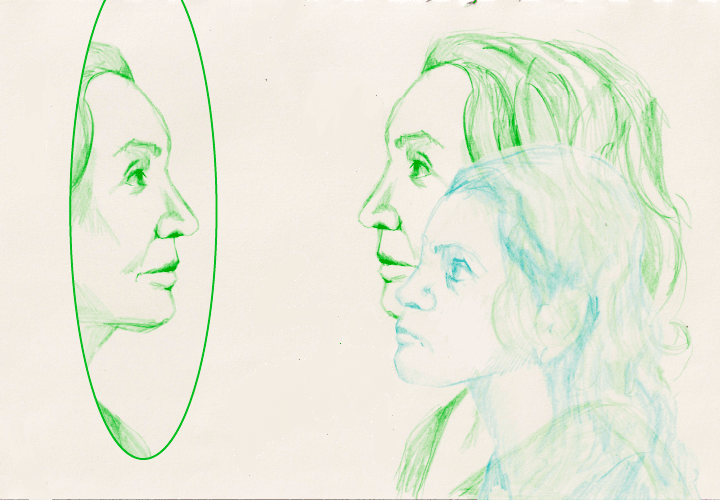
Why are we so determined to outrun time?
By Simar Gandhi — simkgandhi@ucdavis.edu
We ignore many things as adults: the socioeconomic state of the world, climate change, debt and — most of all –– growing older. As a child, the clock striking midnight on my birthday marked a shift into a new and exciting chapter of my life — a step closer to getting my first phone, learning how to drive and getting into college. Somewhere along the line, however, the passage of time started to feel less celebratory and more like a reminder of how little time I have to create a life I find fulfilling. This fear comes not only from the increase of age, but also the compounding of my limitations.
I put off relaxing until later because, as someone who views a rest day as lost potential, it creates pressure that I have to do work as soon as possible. However, “later” never comes, and I continue to glorify this productive version of myself that’s as smart and successful as the people I look up to; my same age or even younger. Seeking constant reassurance makes me feel that my worth is limited to what I produce in the time that I have. If I don’t push myself enough today, then I begin to question whether I can achieve the same goals tomorrow — or ever.
Where does this insecurity come from, and why can this pressure hit so early in life? In today’s digital age, the world is more interconnected than ever before — social media platforms allow us to communicate with others all over the world from different demographics. Algorithms cherry-pick the content they send to our feeds as it matches our gender, location, shared interests and, of course, age. Even as we mindlessly doomscroll, we internalize the media we consume. Watching the achievements and successes of people the same age (or younger) creates insecurities and anxieties, making us feel like Georgie in a world of Young Sheldons.
To combat the rapid race against time, many (myself included) find a solution in a concept called “grind culture” — the belief that hustling is equal to productivity and success. This is promoted by influencers such as Kay B Chung, a YouTuber who vlogs her life as a medical resident, often chugging RedBull energy drinks to get through the day. In a recent video, a majority of viewers discouragedly compared their career and life statuses to hers in the comment section. In this endless cycle of comparison, we mentally exhaust ourselves and self-inflict early midlife crises, fearing we won’t achieve our goals by a certain age. This begs the question: Is the world moving too fast, or are we?
While I’ve found no clear answer, one thing I’ve concluded is that the passage of time grants us the ability to reflect on our prior experiences. We can look back on our party-life days with admiration as we opt for more relaxing weekends, or remember the dark times at our first desk job in our 20s. Whether it’s a positive or negative memory, these defining moments serve as lessons that we apply to future situations or dilemmas: something that aging allows us to do, because we are constantly learning about ourselves and the world around us.
Internally, we also become more self-assured in our identities as we age. Much of our youth is spent following a continuous journey of self-discovery. Throughout our adolescence, every social interaction and decision feels like it determines our intrinsic value as a person. Yet, in college, we realize our lives aren’t based on one moment. Those small failures and successes can shape who we are, our preferences and how we can improve, giving us a sense of control in situations where we would’ve previously felt helpless. Acknowledging these moments and accepting the ups and downs allow us to appreciate the world with a richer mindset.
These lessons not only help us make informed decisions, but also help us mentor those younger as we share our experiences and advice — we were once in their shoes, after all. Passing on knowledge can change something as small as a wrong decision on a night out or a life-altering spark in a career change. In this way, we gain a new sense of purpose and find a way to help others through our self-reflections.
Age can bring stability in the world around us. Growing older is not something to fear, but simply a new phase that shifts our focus from discovering the world around us to consciously making decisions about the life we want to live. Confronting this reality has allowed me to mature and gain a sense of clarity. After enduring a variety of experiences, I am able to make judgments on how I spend my time in day-to-day life; I prioritize the important things or remove myself from commitments I felt were obligatory. As my interests continue to evolve, I now understand how to adapt my life to fit my (realistic) ideals.
So the next time you compare yourself to others or lament not pushing yourself hard enough, remember that time can be your biggest lesson. When time passes — and it will — know that it seeks not to limit, but to expand your horizons.
Written by: Simar Gandhi— simkgandhi@ucdavis.edu
Disclaimer: The views and opinions expressed by individual columnists belong to the columnists alone and do not necessarily indicate the views and opinions held by The California Aggie.