







From fourth grade to 14th grade
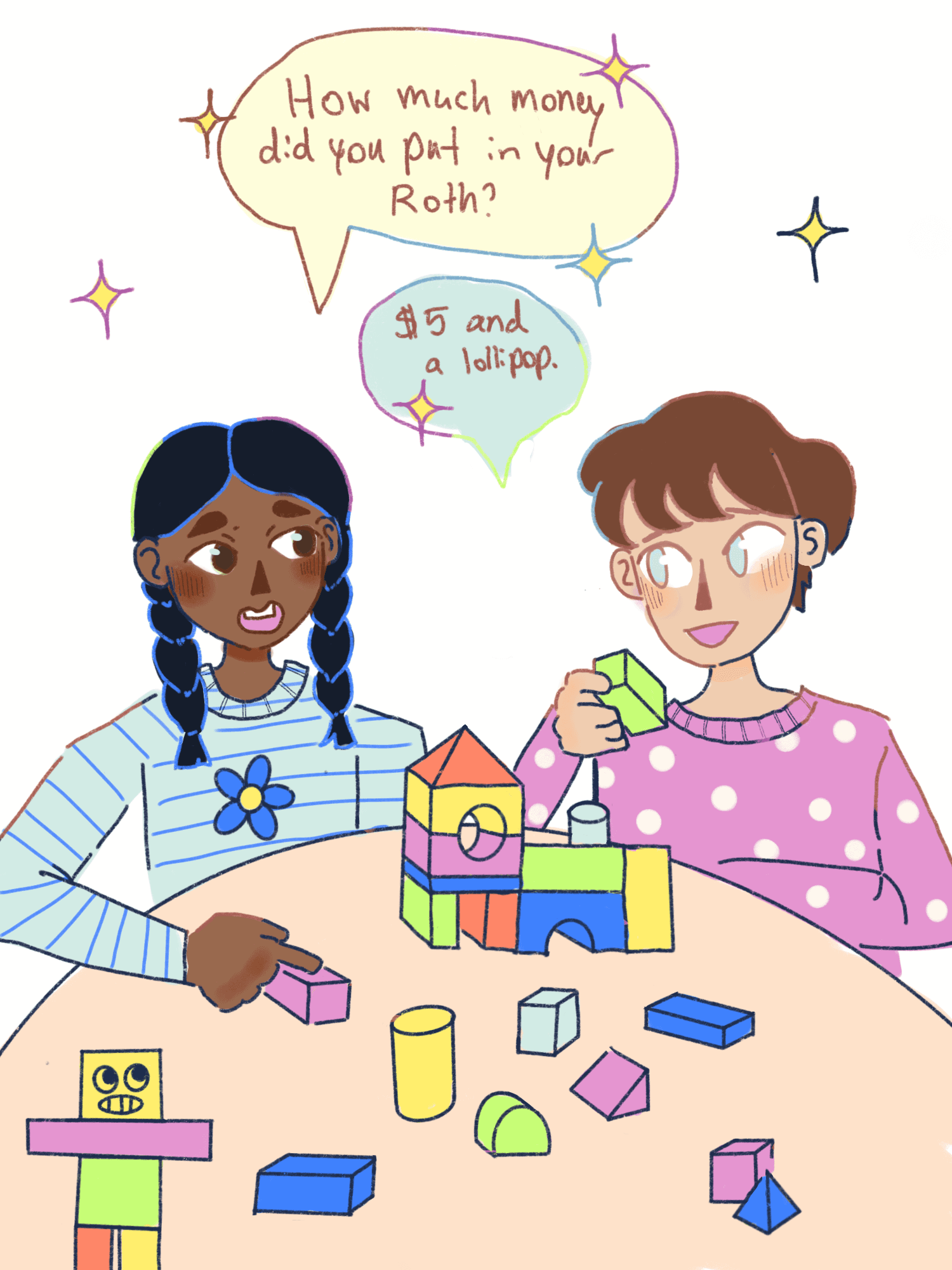
The passion we’ve lost along the way can be found in our youth
By AMBER DUHS — alduhs@ucdavis.edu
From silly summer camp games and make-shift ultimate frisbee competitions to coaching butterfly stroke and playing diving games in the lap pool, I’ve had the absolute privilege of experiencing my adolescent and young adult years surrounded by children as a camp counselor. Something about their presence has become inherently healing — buoyant laughter and contagious smiles infecting my demeanor. While children’s intelligence and introspection is often underestimated on account of their age and naivety, after spending long workdays and entire summers with them I can say one thing for certain: Kids have so much more to teach us than we give them credit for.
The first volunteer position I had was as a junior counselor at a local summer camp for three weeks with elementary and middle school girls. Assisting with camp activities and monitoring lunchtime antics, I spent an incredible amount of time either watching or directly interacting with the girls. What quickly became apparent was how much passion and whimsy infected their conversations, and how that was somehow lost in adult interactions I witnessed throughout my life.
The way the second graders shared the first topic that came to mind — often playground mischief or vivid family stories — bore a striking resemblance to how high schoolers struck conversation with classroom acquaintances, often about homework stress or mealtime cravings. While the nature of dialogue between varying age groups remained comparable, the use of irony intertwined with seriousness, animated expressions and tone shifted. The content matter had dimmed with age — and with it, the excitement for small talk and connections.
In becoming “real” adults, we’ve anchored ourselves to a sense of solemnity and discretion, subduing our zeal in fear of being perceived as unprofessional or overly enthusiastic. The best thing about overhearing a kid's conversation in public is the dire nature of the exchange coupled with a comedically unserious topic; lunchtime choices are debated with the same fervor as election results. Yet, somewhere along the way of growing up, we lost this sense of excitement and intensity. When’s the last time you passionately disputed your preferred flavor of jam with the same verve for the process of hunting for a summer internship?
Surrounded by young, elastic minds, my elder teenage brain was influenced by children's whimsical and care-free disposition. Providing what seemed like the perfect framework to guide me into my adult years, I set out a goal to not lose that “childish” excitement.
Through a wide lens, the traits that we seem to value the most in adults are often discouraged in kids once they start to confidently convey them. In childhood, we’re criticized for being too chatty when our rhetoric exceeded expectations, but as adults, conversational skills are viewed as a strong asset. The ability to connect with others from diverse backgrounds under any circumstances is valuable. On the elementary school playground, perceiving the bright side of things was an expected symptom of naivety, but as an adult, optimism has become a coveted attribute.
The traits and experiences we promised ourselves we’d never grow out of have slowly faded and are now assets that we must relearn to develop. Children possess the humility and ability to laugh at their own mistakes, as well as the tenacity to work through frustrations — like making light of messed up art projects or spilled paint. Kids are learning how to tackle life for the first time with social grace, which is something that most adults struggle with.
While we may not wish to return to the shenanigans of lunchtime drama or relive completing multiplication tables for the first time again, the way we approached the world around us as children was highlighted by a certain enthusiasm that we’ve lost. The ability to enjoy the mundane experiences, bring adoration for whimsical topics and laugh at ourselves might seem childish, but are actually the most pragmatic and grown-up characteristics.
Written by Amber Duhs — alduhs@ucdavis.edu
Disclaimer: The views and opinions expressed by individual columnists belong to the columnists alone and do not necessarily indicate the views and opinions held by The California Aggie.