






‘Lover, You Should’ve Come Over’
True beauty is found in authenticity
By NEVAEH KARRAKER — nakarraker@ucdavis.edu
“Lover, You Should’ve Come Over” by Jeff Buckley is a devastating song about the raw grief of heartbreak. From the first measure, a dense, impassive weight pools in your chest as the harmonium cries with longing and Buckley’s voice cracks with pain through each lyric.
There’s a safe border within the walls of art; emotional honesty has no place for judgment. Art expresses our soul in a way that we do not have the courage to vocalize. Sometimes, our true intentions are so entangled in the intricacies of our creativity that they aren’t recognized or processed until long afterward.
Although “Lover, You Should’ve Come Over” was released in 1994, it hit the Billboard Hot 100 this past month, over 30 years later. There’s an irony in art like this. Buckley’s message on how time hinders relationships reflects the belated notice of his work until after his death in 1997.
Despite the poetic piece deeply resonating with listeners, its popularity on social media has branded it as “performative” — a song you listen to just to seem cool. Yet, it’s possible to genuinely like something that’s considered performative and an element of a trend. It’s satirical that society scorns flocking to trends, despite the vast majority subconsciously assimilating to them.
Social media is known to be fake; each filter, clickbait headline and elaborate post only fuels the envy and self-doubt of users. This resentment causes viewers to yearn for authenticity that they can relate to. There’s been a polar progression in content, with body positivity, unfiltered “day-in-the-life” videos and creators showcasing the natural mess in their lives battling with the curated aesthetics we’re used to seeing.
Influencers are now (paradoxically) basing their content on marketable vulnerability to meet this demand. While this is a step in the right direction, even these details are prudently handpicked. The same problem still exists, it’s just camouflaged by another aesthetic. There’s a deep desire to create and to beautify, and, unfortunately, our emotions are no exception to this subjectification, especially when intoxicated with forums.
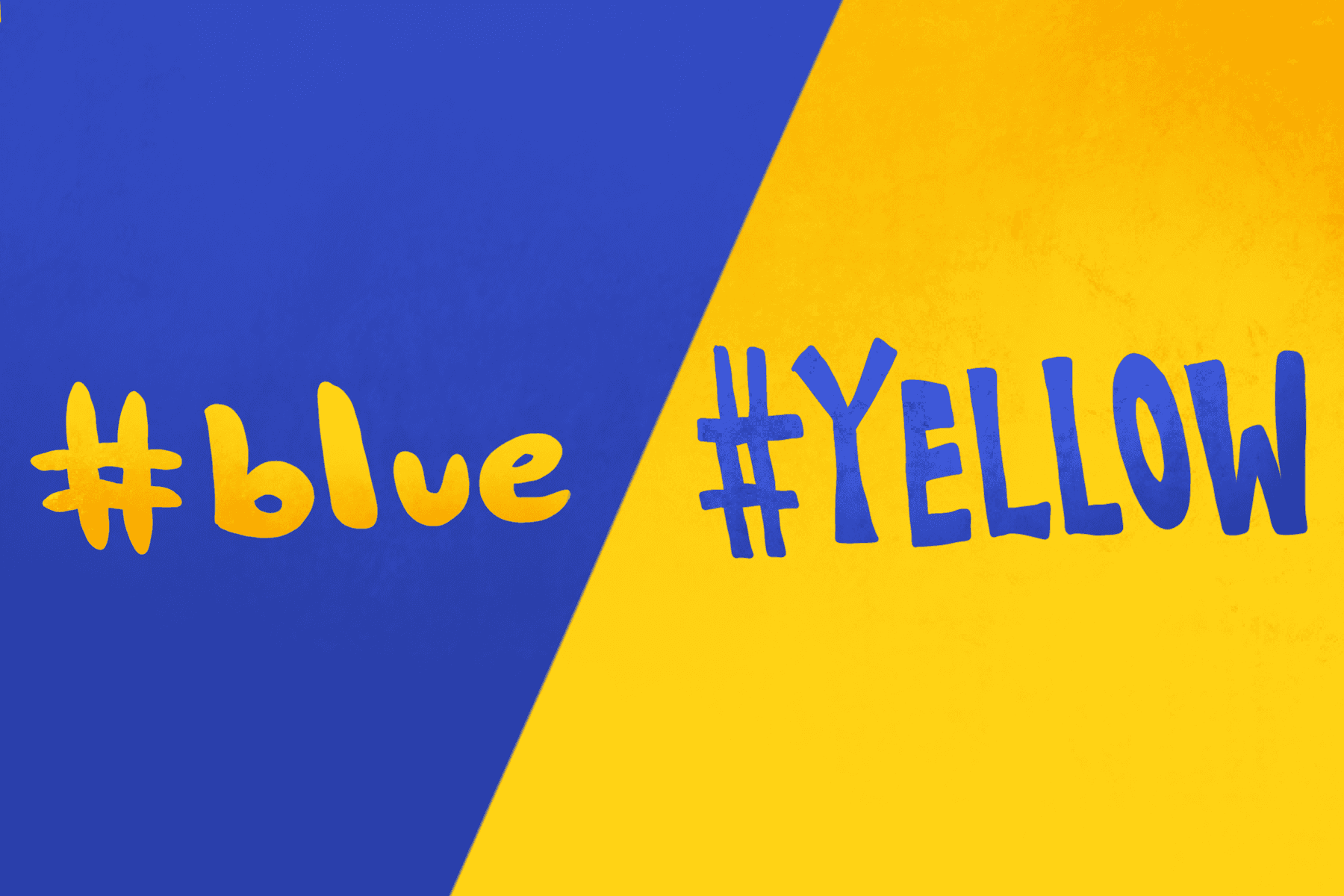
The “font theory” is one example of this, beginning its circulation at the end of 2025. “Font theory” posts generally use a popular, melancholic song (by artists like Radiohead or Buckley), coupled with words in pink or yellow font. With themes of romantic failures, trauma and haunting regrets, these colors indicate that the post was intended to be somber, introspective and emotionally open.
Yet, the narrative that we use in these posts is still false. We ration information about our lives — only revealing what we want others to hear, granting just enough information (even if it is sincere) that others believe we’re truly sharing something personal without disclosing so much that we feel exposed. We’re afraid of judgment and afraid of being perceived as attention-seeking, so we keep our cards close to our chests so as not to burden others with complaining. The broader we are, the more relatable we seem. The more we beautify our tragedies, the more our emotions and experiences will be validated by society.
This surge in apparent honesty across social media aggravates the conception that we aren’t allowed to be vulnerable unless it’s aesthetic. It has sanitized the rawness of human emotion and caused us to put more effort into veiling ourselves by mistaking performance of pain for processing it.
We often believe that because we hold conversations with others, we know them on a personal level — similar to how we believe we are familiar with an artist because we like one of their songs. But knowing the chorus isn’t the same as connecting with a person, and access doesn’t equate to intimacy: that’s when we learn that we never really knew them at all.
Perhaps that’s why “Lover, You Should’ve Come Over” has gained so much traction: Buckley doesn’t soften his grief as we do today. It’s not ritualistic or polished, but chaotic and desperate and candid in a way that we are scared of being criticized for.
That’s one thing social media heavily fails to confess: that just being human is not performative. The true beauty that we seek is found in being authentic — pain doesn’t have to be pretty in the eyes of society to matter.
Written by: Nevaeh Karraker—nakarraker@ucdavis.edu
Disclaimer: The views and opinions expressed by individual columnists belong to the columnists alone and do not necessarily indicate the views and opinions held by The California Aggie.