






The authorship of intimacy
A transition from receiver to facilitator
By NEVAEH KARRAKER — nakarraker@ucdavis.edu
The ways in which we influence people won’t dawn on us until years later, when we are quietly ruminating on a park bench. Like the tide, our old relationships recede while new ones spring forth — and although uncontrollable, we unknowingly wield the power of unity.
Each decision we make molds the future person we become and the future circles we will have through the most incomprehensible aspect: spontaneity. The moments we remember are always the impromptu ones — they act as dashes of authenticity and enrich our connections.
Healthy friendships seem so palpably obtainable because of how they’re portrayed in the media — a loyalty between Ponyboy and Johnny Curtis in “The Outsiders” and adventurous groups like the Dead Poets Society. The essence of love is visceral, heard in color and observed in dreams. Our eyes twinkle when we chatter passionately, and inside jokes are cackled into existence during nighttime drives. At the same time, a long-term bond is so paradoxically unattainable, like water as it spills over our pining palms.
Similarly, we precariously cradle the small tendencies of those we adore until they amalgamate with us; we mimic facial expressions, repeat phrases and adopt interests. Hence, it’s common to be preyed upon by the notion that we’re the only ones influenced by our friends. Our souls are sculpted by features of those we’ve known to the point of indistinguishability from where they end and where we begin; an enigma between sentimentality and a lack of individuality.
In this sentimentality, we neglect that we, too, have this same effect over others — the capacity to love like how sunflowers lean toward the warmth, and the ability to impact others like how honey bees are drawn to wildflowers; there’s an unknown harmony between the two. And even as one gives, the other takes, just as we assume our friendships can be transactional. The bee is not greedy, and the flower is not vain.
Both individuals play a role in the creation of honey and new life, and in strengthening the relationship itself.
As time passes, the accessibility to this role fades. People we used to socialize with in our first year now take separate classes, and we wind up encompassed by strangers. For me, I attempted to maintain these connections by hosting themed monthly dinner parties at my apartment. Once, I also invited peers I vaguely knew over for games after a networking event.
Without even realizing it, I laid the groundwork for some of the most memorable nights and closest friendships.
As I grew up cooking alongside my dad, a chef, he instilled in me a deep appreciation for the handmade. There’s an art in handmaking, since it’s intentional. Time is a chasm between the brink of alienation and fellowship, and intentionality splinters that barrier. Humans gravitate toward traditions; the ornaments decorate our calendars as art imitates life.
Hosting becomes an easy gateway into the next step of friendship. We learn that our friends love Shirley Temples, one is a vegetarian and another dislikes seafood. It’s an act of love when we cater (pun intended) to our friends, especially when it’s to our inconvenience. Yet with these evident, sacrificial actions that authorize them to behave more relaxed — it’s a blessing to have someone view you as an extension of their home as they drop by your residence unannounced and help themself to the pantry.
The living room is crowded with the ghosts of people who have left footprints on our hearts. The coffee table is dented with mugs and plates from shared food, the record player echoes with the chorus of past laughter and the couch contains imprints of those who felt comfortable enough to curl up with their legs softly brushing against each other.
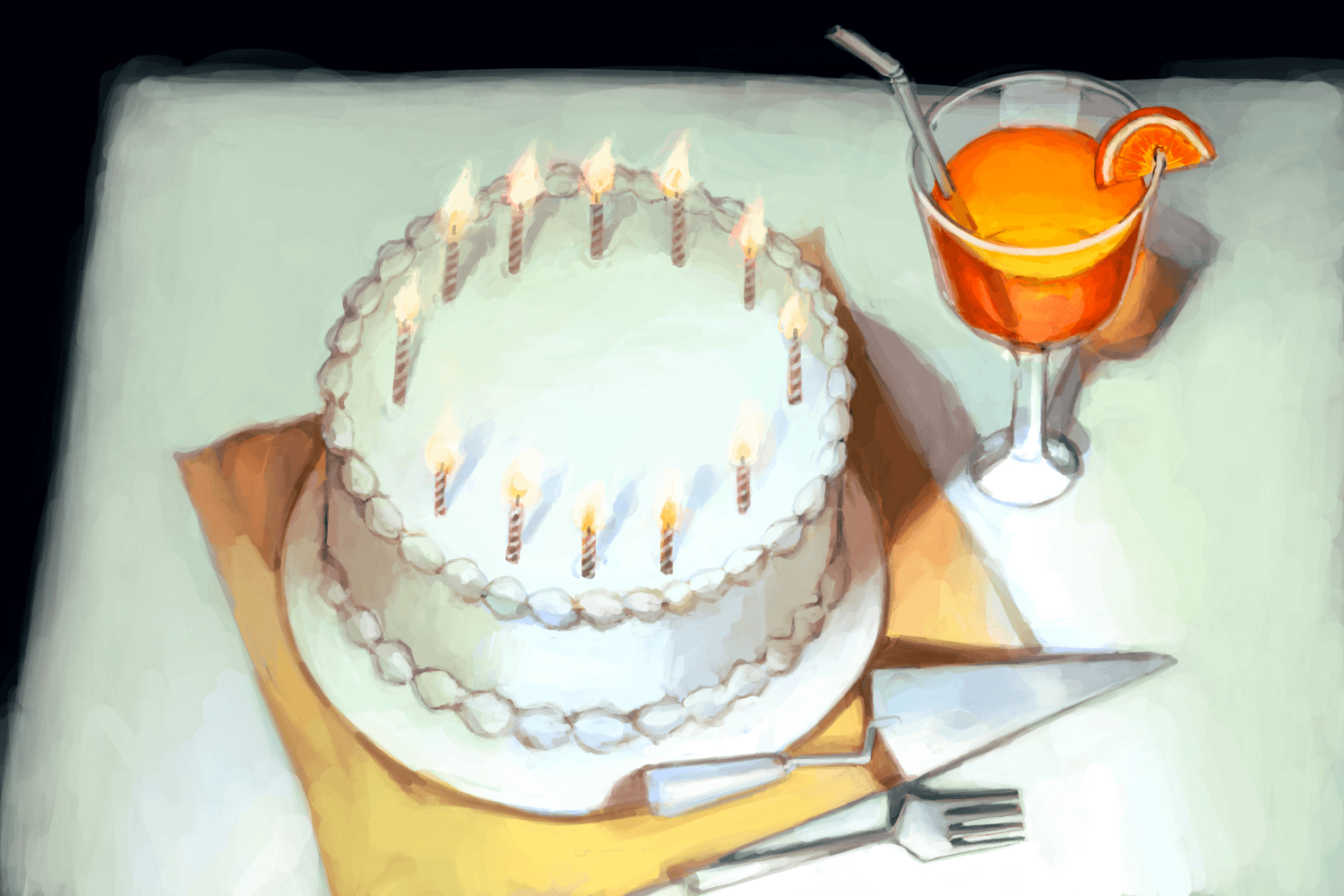
In front of the glow of candles with cheeks grinning so wide they ache, we become more vulnerable when exposed to light. Subconsciously, we begin to internalize this light and project it out to others.
While we may believe we are only receivers of the benefits of friendships, we also need to become the facilitators of them, which is a fulfilling and prolific role. I encourage you to reflect on opportunities you have to pour back into the relationships you value. Abstaining from this will plunge you into asphyxiating solitude, because you are the potential of the friendships you desire, of the stories you long to tell and of the impact you hope to have.
Written by: Nevaeh Karraker—nakarraker@ucdavis.edu
Disclaimer: The views and opinions expressed by individual columnists belong to the columnists alone and do not necessarily indicate the views and opinions held by The California Aggie.