





Sexists aren’t the problem
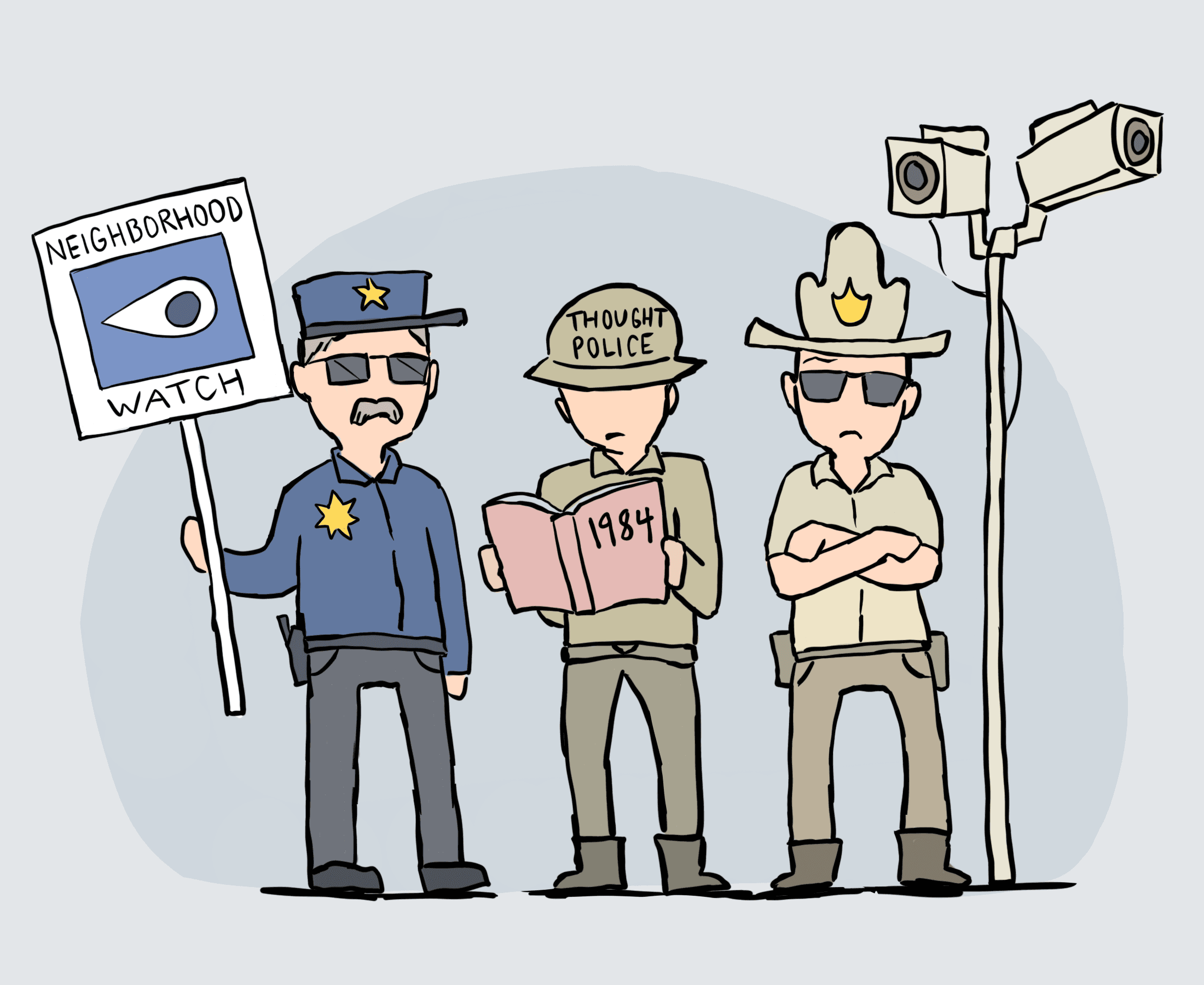
Individual people are not the problem, and political correctness won’t solve it
By VIOLET ZANZOT— vmzanzot@ucdavis.edu
Ignoring the truths embedded in stereotypes is a faux pas, just as being ignorant of where their truths stem from and what nuances may be embedded within them is. Operating alongside this notion is another ugly truth: your racist, sexist, classist, homophobic, Islamophobic neighbor is not the problem with society. Stereotypes and the people who fail to question them are symptoms of something larger, rather than pathogens in and of themselves.
For instance, there’s the idea that women are too emotional. This notion is not a web spun out of thin air and is not, simultaneously, a result of a monthly cycle, a need to nurture, the color pink nor any erratic crushes on boys.
I was raised to think about everything and everyone all the time. You have no idea it’s happening until you learn about the “hey girlie” text; starting a message off with this address is hardly ever positive. You learn that if your drink order is wrong, it’s probably best to stay silent. You learn that it's best to apologize for speaking when it may not have been your turn. You learn it never really feels like it’s your turn. It’s best to smile, to look polite and laugh when you’re uncomfortable — I’m sure he didn’t mean anything by it.
My tendency to react in such ways isn’t the result of my womanly ways or a natural need. It was the microexpectations, the little lessons and the gentle guiding hand that hid behind each “smile more” and “talk less.” I was taught to perform, to please, to provide people with a certain presence. I was asked gently and without my noticing to wonder constantly about everyone’s feelings, including my own. I was asked consistently. I was conditioned to be too emotional, and now I am. I am the stereotype. You resent the very thing you created.
But, what if, instead of asking why people believe that women are too emotional or hating them for seeing me as such or even being upset that there is truth to the notion, I asked about the systems that reinforce the stereotype to begin with? There are mechanisms built into the structures that surround me that enforce truths about these stereotypes. There are pieces that become true, intentionally, so that the harmful parts may slip through the cracks, and the entire machine doesn’t have to be replaced.
If parts of the stereotypes are true, there's no need to fix the systems that produce them. If parts of them are untrue, there is a constant need for people to feel upset by them. Two sides exist: the believers and the non-believers. Can both be right? Is it possible to believe that women are too emotional and to believe that the message is harmful and untrue?
The solution to defeating the stereotype isn’t to change the minds of the believers; it is to remove the truths that are manufactured out of systems. If we ask every racist person to stop thinking people of color are less educated, we do two things: we provoke racist people, and we continue to uphold a system that does not equitably distribute access to education or opportunities. When we fight each other instead of the system, we prolong a war that reinforces itself without ever forcing action to change it. Whether we fight each other across party lines or within them, divisiveness is a tool of those in power. The individual is the wrong enemy.
The war that we feel between the politically incorrect (the believers) and the liberal elite (the non-believers) is intentional. The two sides should take notes on each other — they may learn something. If we weren’t so busy blaming each other, and we started to blame the systems that produce us, we may find a common enemy.
“Only 21% of residential recyclables are being recycled.” We are taught that we ought to recycle in school, we are asked by our government and we are warned by our neighbors. Personal recycling does very little. If it does next to nothing, why admonish ourselves or others for failing to be perfect? Why not attack the corporations responsible for environmental harm, the culture of waste or the government for failing to regulate?
This is not to say the key is to embrace any of the -isms or -phobics — or to stop recycling — rather, that we question why those things exist and where they come from. Ask “why” more, police less and stop accepting personal changes as compensation for systemic issues.
Written by: Violet Zanzot— vmzanzot@ucdavis.edu
Disclaimer: The views and opinions expressed by individual columnists belong to the columnists alone and do not necessarily indicate the views and opinions held by The California Aggie.