






Social media needs to change the way it operates
K.G.M v. Meta et al. can be the change we’ve been waiting for
By SABRINA FIGUEROA — sfigueroaavila@ucdavis.edu
Have you ever been on a social media platform, scrolling through videos or posts until 1 a.m., and wonder why you want to stop, but can’t? Or, why you feel a bit insecure about your looks? For years, social media companies such as Meta, TikTok, Snapchat and more have argued that none of that is their platform’s fault, but rather the fault of the content that is posted on their platforms — which they can’t control due to speech protections.
This freedom of speech argument has allowed these companies to win a majority of the lawsuits against them. While I praise upholding freedom of speech — I’m an opinion writer for God's sake — the subject opens up a paradox that Americans have been debating for years: What should be considered free speech? If the speech is harmful, does it still count? The debate continues, but for these cases, it seems the courts agree with the companies.
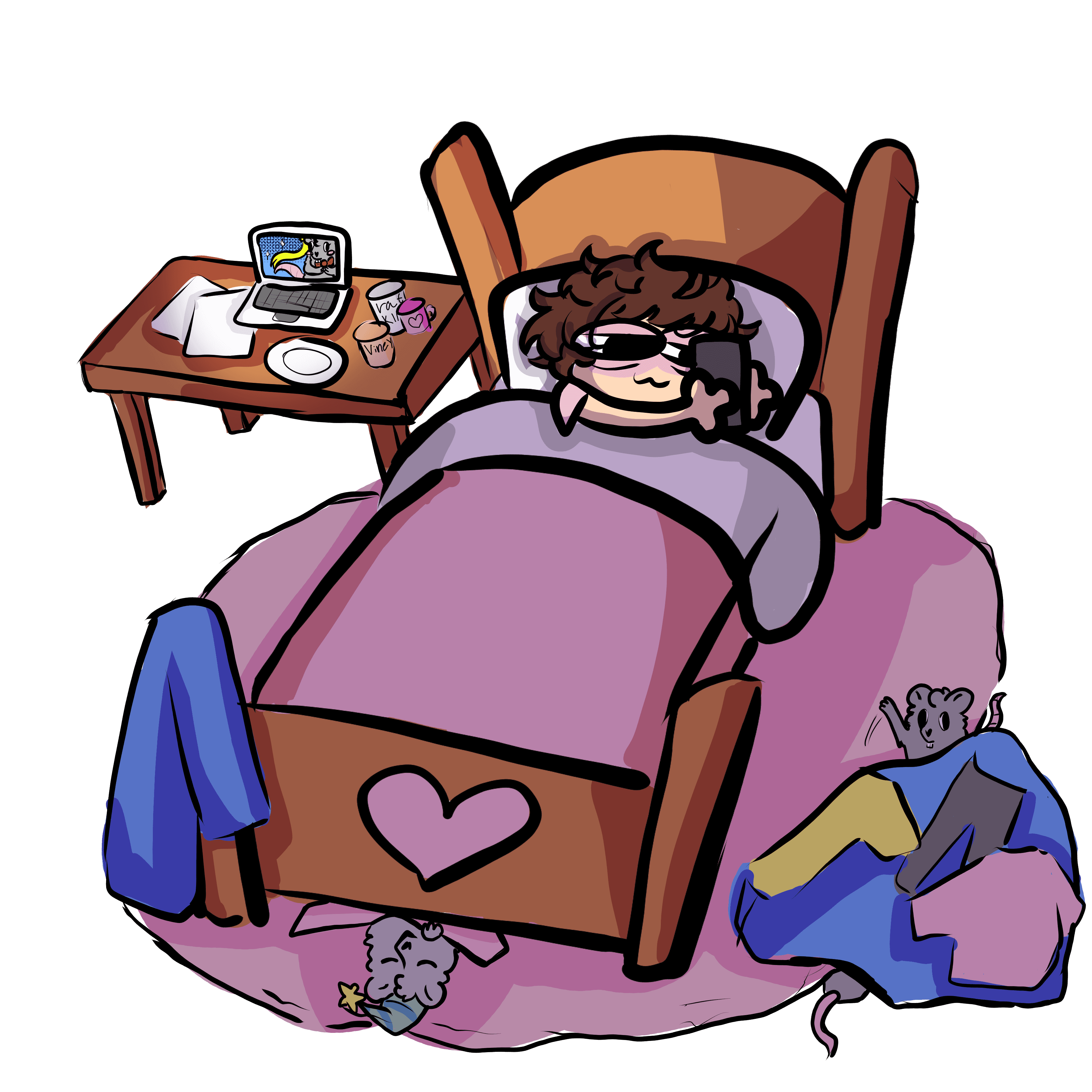
However, there’s been a shift in the winning odds of these social media companies. In one landmark case, K.G.M v. Meta et al., the plaintiff (known by the initials K.G.M) sued Meta and Google, claiming Instagram and YouTube were created to be addictive and led to anxiety and depression. This changed the focus from content to product design; K.G.M is not targeting the content she was exposed to while using Instagram and YouTube, but rather the features that make it almost impossible to look away.
Instagram and YouTube both use algorithms to track your data and your interactions with content and use that to predict what you’d like to see next. This feature is what may make it feel like these platforms know you better than you know yourself, or make you suspicious of them spying on your verbal conversations. For example, I know we’ve all had a conversation with our friends about some kind of product, and the next thing we know we get an ad about it — it's freaky.
Knowing this, however, is not enough to prove Meta and Google’s negligence in harming the mental health of adolescents. K.G.M.’s lawyers had to prove Meta and Google knew the features were harmful and didn’t act accordingly to prevent any damage.
In a New York Times article, they argued that the algorithm, infinite scroll and autoplay features were designed to get users to compulsively engage with their platform. K.G.M.’s lawyer, Mark Lainer, provided internal documents from Meta and YouTube to the jury, proving that the company executives were aware of the negative effects their platforms had on adolescents.
Based on this, along with other facts of the case, the jury found Meta and Google liable for negligence — a groundbreaking, strategic decision. This case on personal injury mirrors the landmark cases against Big Tobacco, where lawyers argued that their products were created to be addictive, perpetuating harm on users. This changed the way Big Tobacco went about their products, labeling packages with the risks of using tobacco.
While the social media case was at a lower court — meaning this rule is not binding in higher courts — it’s still a big step toward holding Big Tech companies accountable for their actions. It shows that Big Tech companies choose profit over the well-being of their users, and there is finally a legal pathway to create change in the tech space. Similar to Big Tobacco, this case could make social media companies shift the way their products operate, providing more safety measures than before.
There are a few ways that the United States can go about this. Considering the concern with the effects of social media is a global trend, we can look to other countries for policy examples. In Australia, a social media ban for children under 16 was implemented in December 2025 to curb harms associated with the apps. In Brazil, the Digital Statute of Children and Adolescents requires children under 16 to link their social media accounts to a legal guardian and bans addictive features such as infinite scroll. Other countries, such as Britain and China, have offered ideas such as curfews and app time limits to regulate social media. Alternative ideas include additional warnings and acknowledgements of harm to adolescents, as well as changes in algorithm.
Considering the U.S. will have their own set of laws to comply with, some of these may be out of the question, or at least fought hard. For example, a full ban can violate the speech rights of children, and forced changes in algorithm can only be decided by a judge since Moody v. NetChoice, LLC makes algorithms based on content moderation policy protected speech. The U.S. is continuously figuring out what the First Amendment applies to as our society continues to develop and innovate new technology.
Still, we do know that warnings, at least, can be amplified. Although it’s not foolproof, it's still a preventative measure for further harm — something is better than nothing. Surely, the Big Tech companies facing issues during this time may also have financial incentive to implement these changes to prevent further liability, if not for the safety of their users. While dystopian, this is a trade-off that can somewhat work in our favor.
Change will come with a long battle, but it’s one we should keep our eye on. Social media companies — Big Tech companies in general — have gone too long without facing any consequences for the harms of their creations. They must begin putting people first, not profit; only then will the public, and children especially, be safer from harm.
Written by: Sabrina Figueroa — sfigueroaavila@ucdavis.edu
Disclaimer: The views and opinions expressed by individual columnists belong to the columnists alone and do not necessarily indicate the views and opinions held by The California Aggie.