






The illusion of progress
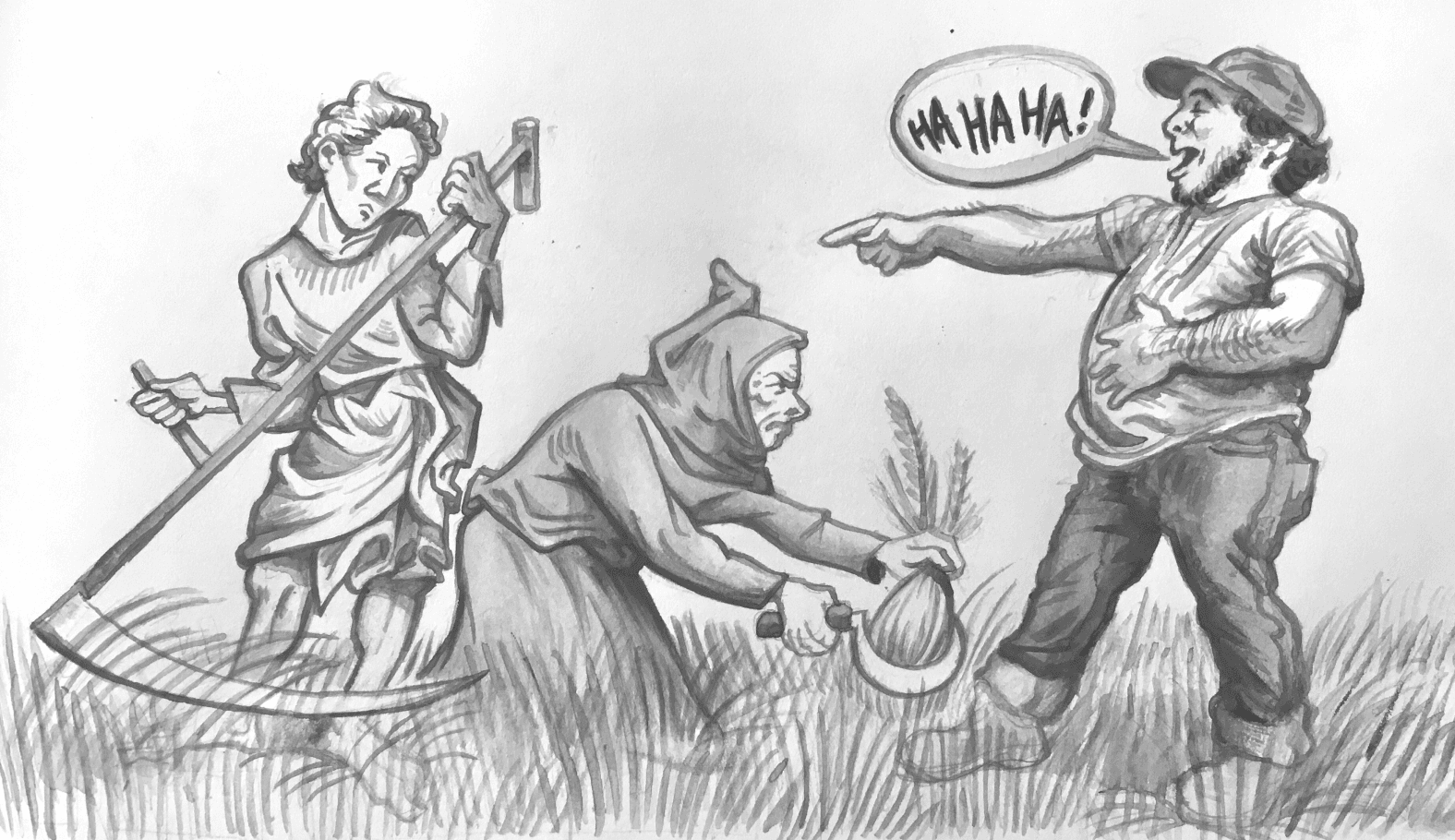
Looking at history as times of barbarism prevents us from moving forward
By SAGE KAMOCSAY— skamocsay@ucdavis.edu
We have made a lot of progress as a species in the last 200 years. In America, we’ve gone from slavery to universal civil rights, from classifying homosexuality as a disorder to having legalized same-sex marriage, from horse and carriage to electric cars and beyond — all wonderful things, obviously. The people who lived in the past must have been so barbaric, so simple, so crude. We’re so much better now, right? The answer is yes and no.
It goes without saying that we have made tremendous leaps in human rights protections and technology — we have come so far so quickly. And yet, what we have now is still not good enough. There are still cracks and rust through the foundations of our society. Instead of focusing on this, though, we are distracted by the vilification of the past — by the reduction of historical societies into paper cutouts.
Looking at the past as a time of pure evil and idiocy leads to complacency in the present. When we convince ourselves that we are far more advanced today, we get lost in singing praise of our own progression and forget how barbaric our present still is.
Today, one in five women have been raped during their lifetime. People of color represent 70% of the prison population despite making up only 25% of the population of the United States, and are one-and-a-half times more likely to be victims of fatal police shootings (let alone non-fatal police brutality). Over 40% of transgender adults in America have attempted suicide. The ongoing genocide in Palestine has now been perpetrated for over two-and-a-half years. Our world is still very, very broken.
These issues are indicative of larger societal problems. Institutions support the oppression of marginalized groups, both at home and abroad. The ruling class seeks to beat the voiceless down further and further until they are sure the status quo can be maintained. This systemic oppression is manifested in the above ways: rape, murder, suicide and genocide. The proliferation of these abuses is not because of a few bad apples — it’s foundationally built into our society.
Our history has been ugly, yes. But the little we have cleaned up over the centuries has given way to more subtle forms of violence. The direct conquest of the 17th century has transformed into more modernized forms of military violence and political sabotage, such as inciting and funding wars to keep a region unstable. Or orchestrating a coup and installing a puppet government. Or stripping a region of its culture and practices until all they can rely on is directly spoonfed to them by the modern-day hegemonic powers (with the United States in-chief). We know how to hide our intentions now.
When we no longer recognize the exploitation of the underclass in the way it was portrayed in the past, we think the problem has been solved. When we think we have solved the problem, we see no reason to look further into whether or not that exploitation continues today. What is there to look into when we fixed the issue 50 years ago? Over time, we learn to look past the violence of the modern day.
These classes of politicians, corporate board members and millionaires directly profit from this learned ignorance. Their personal monetary gain is a direct result of perpetrating exploitation of both the American working class and minority groups, as well as the Global South. They benefit from an invisible empire. Our villainization of the past allows these injustices to fade into the shadows — our minds are primed to pass over imperial violence in favor of focusing on how far we have come.
We are taught to view history in a way that hides our own exploitation. We are taught to focus on the gains we have made, rather than the existing gaps between different social and economic classes, which stops us from addressing them. Our attention is drawn away from the evils of our world as the perpetrators continue to gain from it. We are distracted from forming solidarity with our fellow oppressed peoples. We often don’t even know the oppression we face to begin with.
Look beyond your history class. Learn about current-day injustices and create community and connection with those around you. We have made a lot of progress, yes, but there is always more work to be done — even if we don’t realize it yet.
Written by: Sage Kamocsay— skamocsay@ucdavis.edu
Disclaimer: The views and opinions expressed by individual columnists belong to the columnists alone and do not necessarily indicate the views and opinions held by The California Aggie.