






Jazz: the heroin ensemble
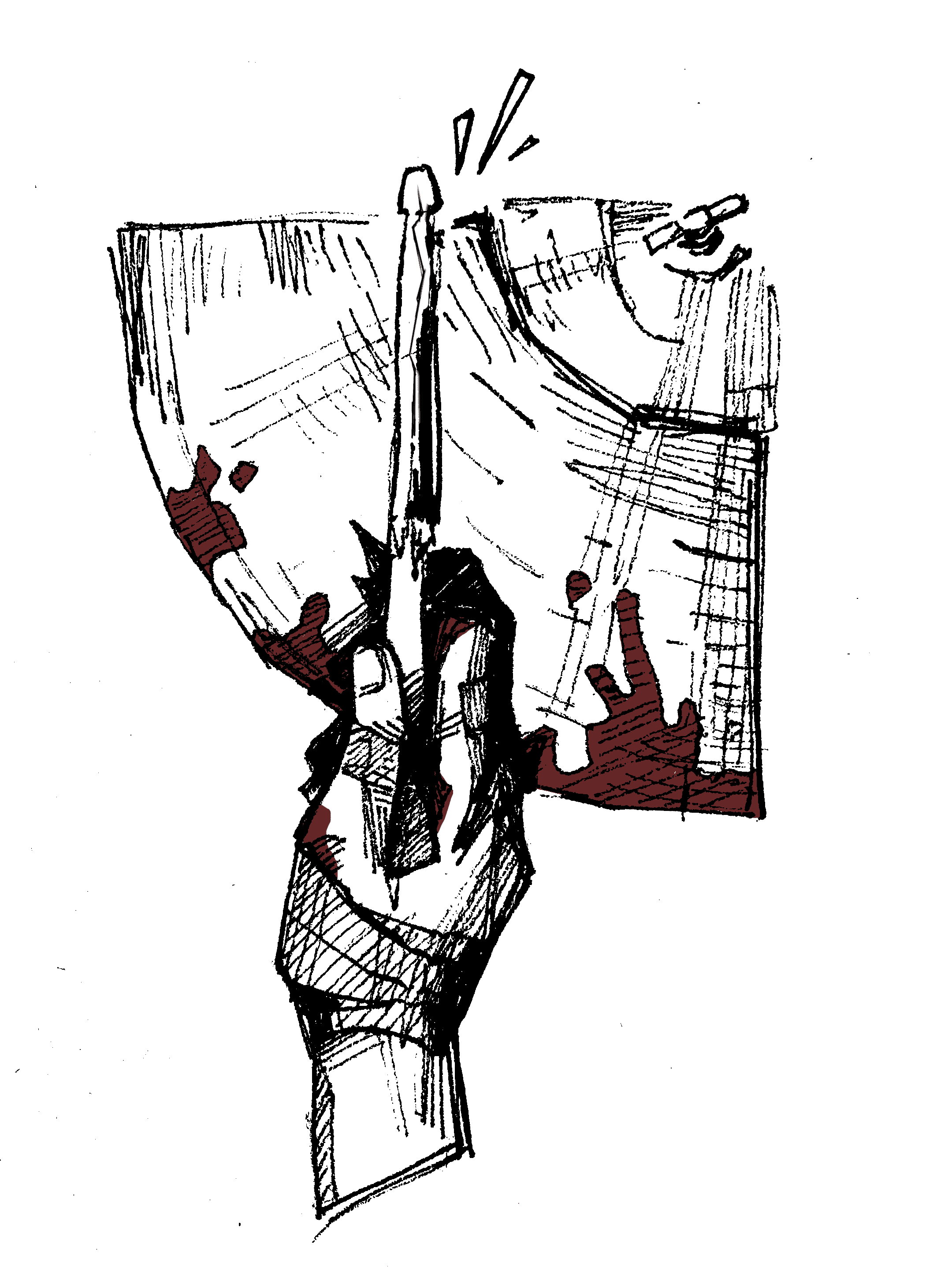
The birth of Bird and the death of vitality
By NEVAEH KARRAKER — nakarraker@ucdavis.edu
When you think of jazz, you think of world-renowned, Grammy-awarded jazz musicians like Charlie Parker — the iconic “Bird” — John Coltrane, Miles Davis, Herbie Hancock and Chet Baker. Their names are engraved among vinyl records, their unorthodox performances are remembered for transforming amphitheaters into colosseums and their novel techniques are preached in jazz sermons.
One of the things I loved most when I attended Coltrane 100 at the Mondavi Center on April 16, was observing the ways the musicians adopted the quirks of their instruments in their mannerisms, and the instruments likewise. The saxophonist’s raspy voice added a depth of grate to the notes, the piano player was loosely eccentric and the bass player plucked the strings in staccato — passion seeped out of their souls. When playing, the instrument radiated its own spirit, and the musician temporarily allowed the audience to experience what it's like to be indistinguishable from a harmonic euphoria.
Music is unlike other art forms. A piece of writing or a painting cannot be recreated by an onlooker; there’s a barrier between the artist and the art form — the artist is external from their work. A musician can physically and figuratively live in their work, highlighting a stark contrast between music and musician, tangibility and creativity.
The lingo of jazz is complex — a riddle of modes and intricate improvisation. This syncopation emits dopamine for both the musician and audience, making jazz addicting. For musicians, recognition is not enough; greatness — like how the mere mention of the name “Bird” transmits ripples of awe throughout history — is the extreme pursuit of success. Idols, like Parker, were hungry to revolutionize jazz by innovating new strands, such as bebop.
Passion and raw talent can spiral into a life-consuming, uncontrollable fixation — Parker dropped out of high school and incessantly practiced up to 15 hours a day. This drive empowered him to play in famous music groups, like Jay McShann’s Orchestra and Billy Eckstine’s Orchestra. He became one of the most influential jazz musicians of all time, his boldness in creativity inspired even Davis and Coltrane.
Yet, his arduous quest was self-destructive. Art is an artist’s life, but it can also be their demise. Parker passed away at 34 in 1955 and Coltrane at 40 in 1967, both due to illnesses directly correlated to drug addiction. Many big-name jazz figures have battled severe addictions to heroin, cocaine or alcohol. Obsession plunges individuals into isolation as they indulge in the unattainable prospect of perfectionism and overcome inexperience, neglecting everything and everyone.
In order to succeed — to be remembered beyond death — obsession must be inherent, beheld via discipline and pure grit. These figures obviously accomplished greatness, but at the cost of their livelihood. Perhaps losing the battle to addiction was worth it for them, but how far is the next generation of musicians willing to go?
For students, we all have a deep desire to succeed — whether that’s being one of the greats, publishing research or making loved ones proud. And I believe that obsession, when exerted skillfully, is one of the most invincible, propelling characteristics you can possibly have, as it will always outdeliver talent.
For Parker, he didn’t know that jazz musicians only used a few scales and taught himself every single one. When he performed, he effortlessly switched between keys and scales — something no one had ever done before. Parker was relentless; he intoxicated his bloodstream with jazz to the point of invention.
Discipline is built out of shame. Constantly feeling as if success requires the entirety of your existence and that failure is anything less — “I have to do this” — is guilt. And that negativity bottlenecks into unhealthy obsessions, just as Parker experienced addiction following his own failures.
Devotion, on the other hand, is built out of love. When you are devoted to the cause and the purpose of your craft, you love it with every fiber of your being. When you are in love with everything that you do, there is more fulfillment than with temporary achievements forged by discipline.
So, whatever you’re doing right now, whether it’s pursuing a degree or performing on the largest stage you can find, make sure you’re devoted to the cause. Your motivation should be for more than just a legacy and greater than your ego. If all you’re pursuing is recognition, nothing will ever be enough. But if it's out of fervor, then you will be gratified just by the action of being immersed in your craft, and recognition will follow.
Written by: Nevaeh Karraker—nakarraker@ucdavis.edu
Disclaimer: The views and opinions expressed by individual columnists belong to the columnists alone and do not necessarily indicate the views and opinions held by The California Aggie.