






Commentary: Should the trope of the aging actress concern us?
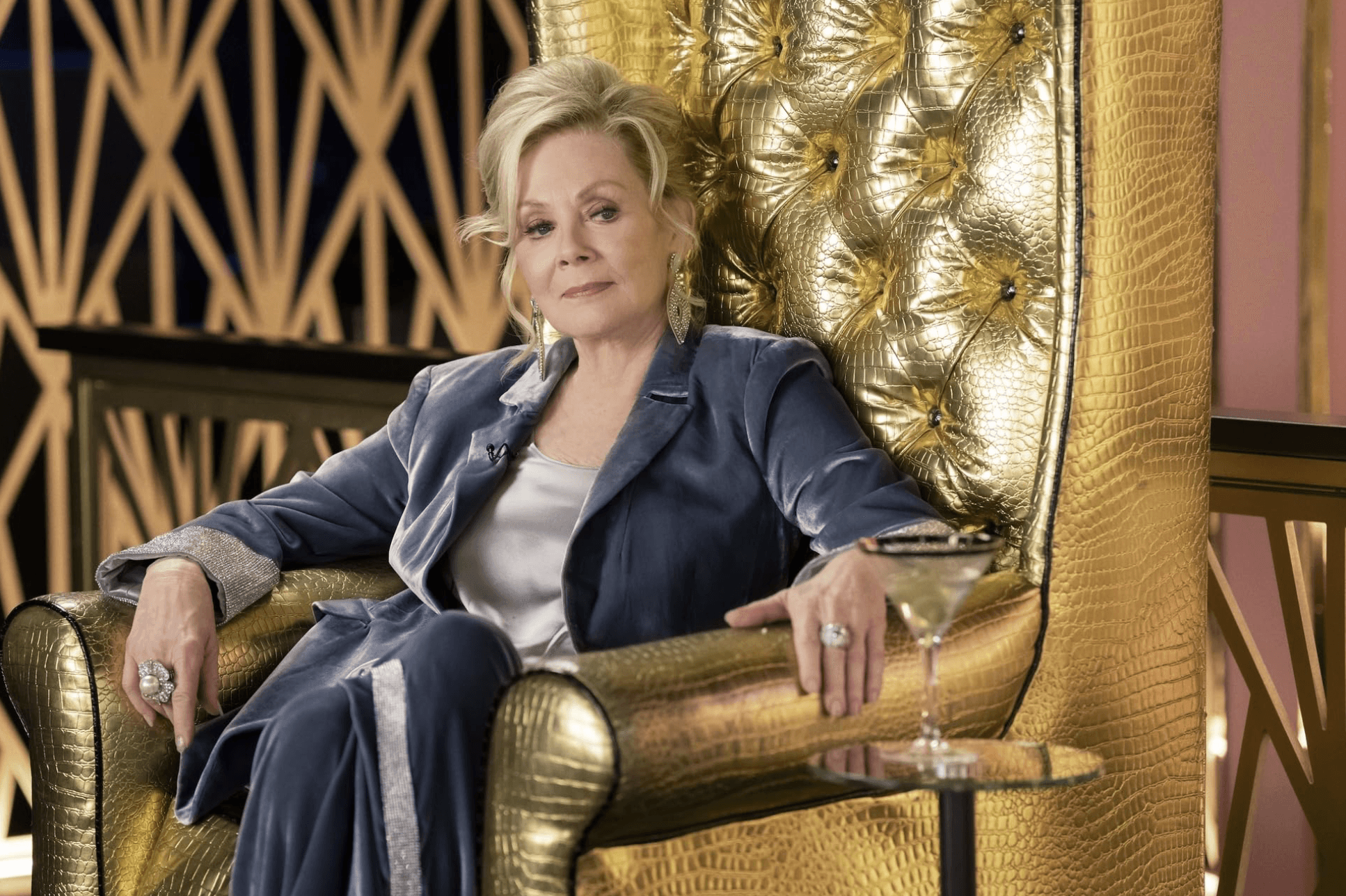
Does it depict an endless cycle, or a dire warning for our times?
By HANNAH OSBORN — arts@theaggie.org
Aging is only natural — anyone who tells you otherwise is trying to sell you something. Despite this sentiment, you’d be hard-pressed to find a dearth of media focusing on the lives of older people.
Characters over the age of 50 comprise less than one-fourth of the cast in the most highly-rated shows and movies of the last decade, and among that quarter, only a fraction are women, according to a comprehensive analysis by the Geena Davis Institute.
There is however, one long-standing trope that guarantees a glimpse into the life of older women: the aging star. Engaging directly with the intersection of ageism and sexism within the entertainment industry, the genre is far from tired: In an age of TV shows that have failed to stick the landing, the final seasons of “Hacks” (2021-2026) and “The Comeback” (2005-2026) have garnered rave ratings.
Both are comedies, with “Hacks” following comedian Deborah Vance (Jean Smart, 74) as she tries to rehabilitate her image and climb to new heights of fame after having been burned by the media decades prior. In “The Comeback,” Lisa Kudrow (62) plays former sitcom actress Valerie Cherish in her attempts to remain relevant in an industry that finds her no longer marketable.
Karma Waltonen, a continuing lecturer in writing, discussed the way this phenomena is amplified in American media.
“I don’t think Britain has this problem as big as we do,” Waltonen said. “There’s always been a ‘Miss Marple’ […] We have one lady detective, and [it feels like] they have hundreds.”
Whether through mystery, horror or hilarity, the success of projects starring women over 50 carries a certain meta aspect; in being about women desperate to revitalize their careers after being cast aside by the media machine, the resulting fanfare for such works manifests in the real-life comebacks of the actresses featured. This was the case for Demi Moore following “The Substance” (2024), Joan Crawford and Bette Davis following “What Ever Happened to Baby Jane?” (1962) and Pamela Anderson following “The Last Showgirl” (2024).
The elements of such works usually take direct aim at the treatment of older women as disposable and undesirable, almost always framed against a fresher face angling to be their replacement. The camera reviles the body it deems unattractive, and the audience sees behind the scenes as industry executives platform someone perennially younger. Waltonen explained the general media representation of women this reflects.
“Our women become moms, and then to some degree, are expected to fade away,” Waltonen said. “As they age, they are supposed to cover a lot more skin to hide any imperfection.”
The aging star bucks against the expectations of women in demanding to be seen. When faced with an American media industry more interested in presenting a young face, the grand dame, whether successful or not, forces people to acknowledge that women will not fade into the background after they get wrinkles.
Presented as disconcerting stories about the entertainment industry’s treatment of women as an extension of larger societal prejudices, the trope also often touches on the advancement of technology and disenfranchising workers. In 1950, the switch from silent to sound films resulted in “Sunset Boulevard,” but the technology of today concerns altering the bodies of the performers themselves or discarding them altogether.
“The Substance” deals with the lengths of modification and pain women feel compelled to undertake to maintain beauty standards, and the mental and physical toll of attempting to keep up with a world which does not wish to see you. However, the rise of artificial intelligence (AI) has offered a new fear of replacement for everyone — not just older women.
The fear driving the aging star has now stretched to the rest of the industry, as everyone becomes dispensable and “unproductive” in the face of a machine programmed to do their job. The final seasons of “Hacks” and “The Comeback” examine the push for AI in entertainment, with executives considering machines and code to be more profitable than people.
In “Hacks,” multiple subplots converge on the subject of AI as it applies to those aging in entertainment, most importantly leading lady Deborah Vance. As her agent discovers her agency has been selling the rights to the likeness of deceased former clients to create AI representations without informing their families, Vance is offered the option to consent to the release of a chatbot programmed on her long comedic career. She sees little issue with the agreement until her writer, Ava Daniels (Hannah Einbinder), protests on the basis of environmental and cultural impact and what her permittance of this new technology will have on the industry. Though Deborah backs out of the deal, the erratic decision-making and reconsideration reflects the overarching narrative of the fifth season: She is dying and is determined to leave a legacy.
The subject of AI in “Hacks” becomes a way to discuss how Vance can leave a mark as an entertainer who is truly in her twilight. Her reasons for ultimately rejecting AI become resonant as they return to close the show: She will write her jokes until the end, and through this act, her own story. Compelled to continue to struggle because of her connection to Daniels as a creative successor, “Hacks” posits AI as interrupting the order of things; it cannot offer the human bond the next generation needs.
“The Comeback” brings a more desperate and focused angle to AI: Cherish is offered the starring role in a new sitcom, which the network later reveals to be their trial balloon for an entirely AI-developed script. Her age becomes central as she is guilted for raising concerns — if Cherish rocks the boat too much, she risks the media representation of older women as a whole. Cherish’s desire for industry attention leads her to remain middling on the issue for nearly the whole season. The relative success of her new show culminates in not just the writers, but everyone being replaced by technology — she unknowingly allowed the network use of her likeness during production.
As Cherish confronts the network head about the pivot to AI, arguing that the show requires at least some human touch to create great work, she is confronted with the fact that the network does not intend to make anything but something for people to listen to in the background. Freed from her need for validation, she abandons her AI-self to the network.
The media machine in these examples seems to be perfected; after decades of excluding bodies considered “unseemly” — including aging women — it only makes sense that to further optimize, all bodies must be removed. In the worlds of “Hacks” and “The Comeback,” there need not be concern about the fate of the older star, because computer-generated actors will never age. The two-hit television series showcase the timely fear that all creatives, regardless of age, may one day be wholly defined by our past and replaced by our newer creations.
Written by: Hannah Osborn— arts@theaggie.org