





Commentary: Where’s Gen Z’s defining coming-of-age comedy show?
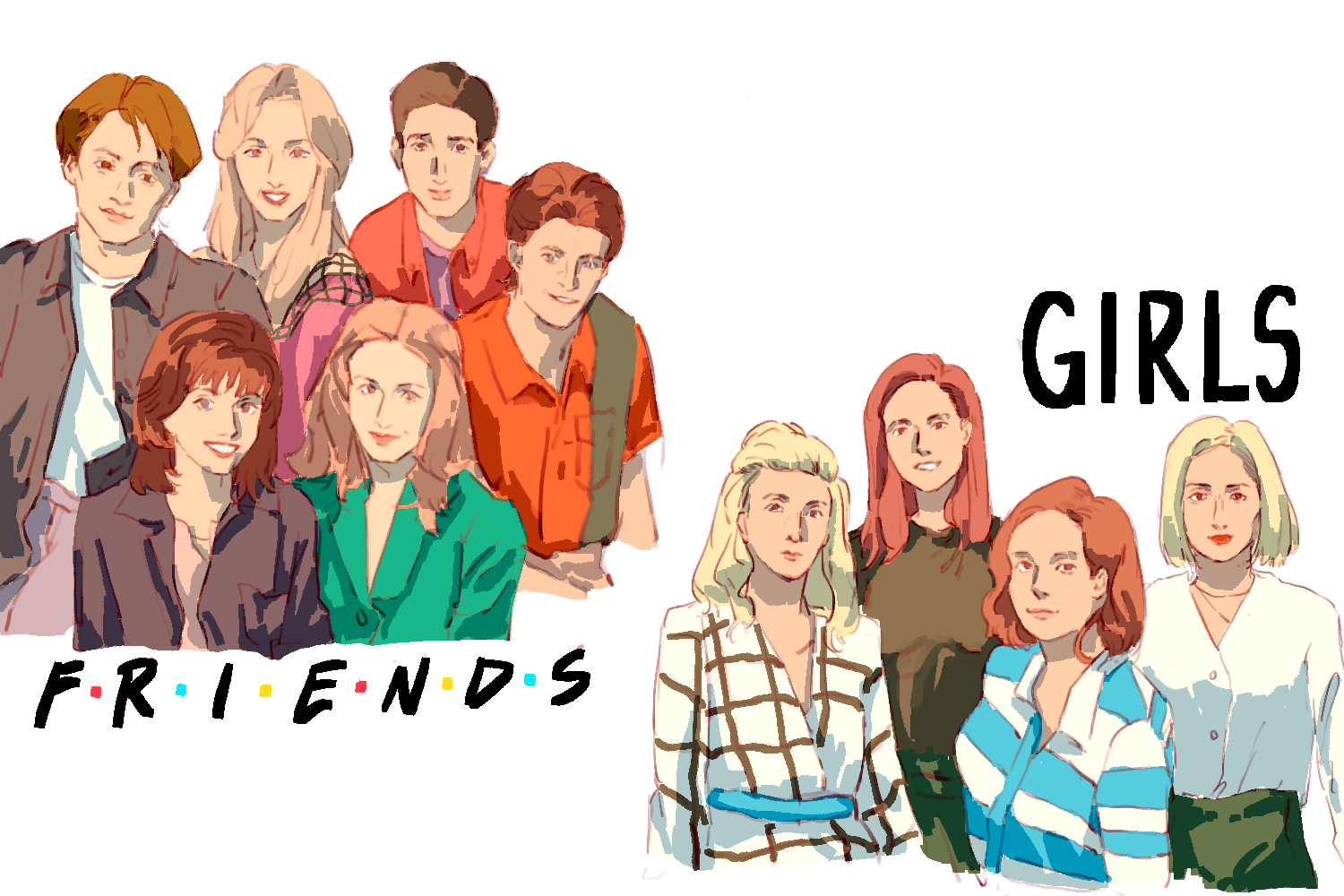
Defining comedies shaped past generations, but Gen Z seems to lack one
By BELLA PETERSON — arts@theaggie.org
For many people, television comedies have long provided not only an escape from the terrifying reality that is maturing into adulthood, but also a kind of guidebook to the experiences they may encounter.
Generation X was able to tune into episodes of “Friends” to laugh and connect with the characters, all positioned uniquely at different points in their maturation; viewers of the show were able to relate individually and on a sincere level to each one.
Whether it be Rachel’s struggles finding her passion in employment or Chandler’s romantic troubles, “Friends” exemplified a wide variety of difficulties that often occur during one’s early adulthood.
“Friends” prided itself on showing realistic struggles through the comedic lens — a show primarily dedicated to life lessons isn't inherently exciting, so elements of humor make it easier to digest. The beloved situational comedy is still heavily relevant today, even to those who weren’t around when it was initially airing.
After “Friends” finished its iconic run, there were few comedies that managed to share its undeniable influence, though some came close. Millennial women were graced with Lena Dunham’s sharp HBO Max comedy, “Girls,” in 2012.
The show didn’t reach the heights of “Friends” but managed to make an impact on its target audience. Similar to its spiritual predecessor, “Sex and the City,” Dunham’s “Girls” reflected on the modern-day struggles of women navigating relationships, their careers and even their friendships.
For a more general audience, millennials also had “New Girl,” released around the same time. Similar to “Friends,” each character in “New Girl” dealt with their own unique set of problems while providing comedic relief.
Where millennials had a few options to choose from, it seems Generation Z has had even more — lacking a definitive and singular culturally defining show to follow, as Gen X had with “Friends.”
It can be argued that Gen Z can just watch the previously mentioned comedies, but however great these past shows may be, they fail to address the relevant issues and troubles of the generation.
It seems that many comedies originating from different streaming platforms aim to become this definitive comedy but can’t quite stick the landing. HBO Max tried to follow in the footsteps of “Girls” with “The Sex Lives of College Girls” in 2021 but was ultimately canceled in 2025 after only three seasons.
Hulu threw its hat in the ring with FX’s “Adults” in 2025, and it was, to date, the show most reminiscent of “Friends,” mirroring the backdrop of New York as well as offering similar plotlines to those seen in “Friends.”
Although it may have all the right components, “Adults” falls short of embodying its own identity and lacks the originality required to gather its target audience and become a generationally defining comedy.
Other shows also racing to be Gen Z’s go-to show include Prime Video’s “Overcompensating,” HBO Max’s “I Love LA” and many more. With so much to choose from, the question remains: why isn’t there an obvious option for Gen Z?
The problem may be bigger than any of these shows can tackle, and television as a culture has changed drastically since the airing of “Friends.” Nowadays, these shows aren’t released periodically, but rather debut in their entirety on their respective platforms.
Network television allowed for a sense of community; most people looking for entertainment would have only a few options, and because of this, whatever was most popular would often be chosen.
Streaming platforms have divided audiences, making it harder to provide an obvious choice for Gen Z to turn to. The previously mentioned shows may be popular, but they don’t have room to reach the heights of popularity that “Friends” did.
That’s not the only problem these coming-of-age shows are facing. Many shows struggle to find authenticity because they’re often acting as an echo chamber to social media rather than reflecting upon the struggles Gen Z has to face in this day and age.
Ultimately, Gen Z can still turn to their preference of any of these shows — whether it be for a laugh or a life lesson. Television has aged out of the need for a singular defining comedy series for all.
Written by: Bella Peterson — arts@theaggie.org