






‘Hope’ is a flawed yet fascinating blockbuster
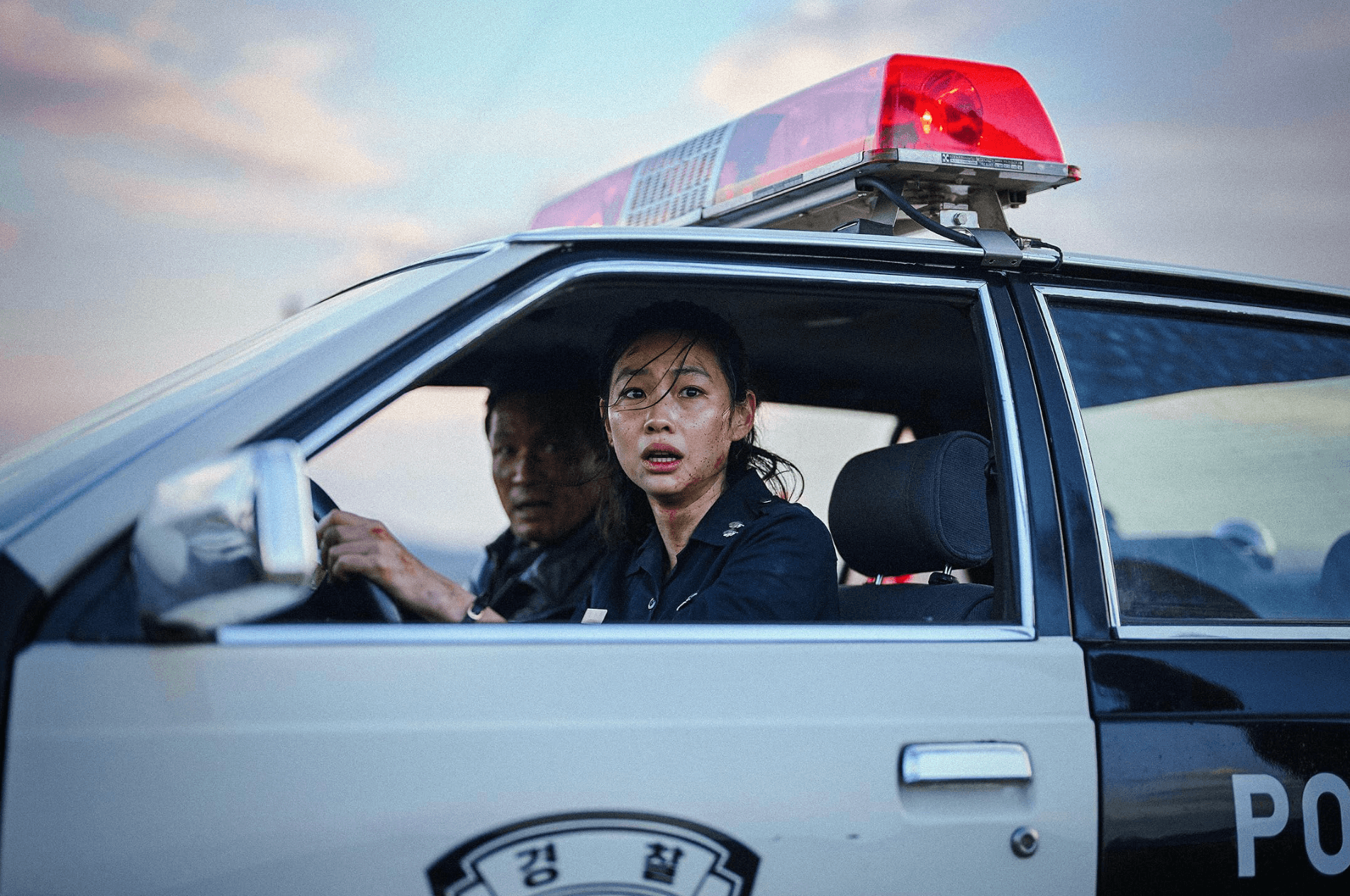
The Korean sci-fi film delivers action-packed thrills while failing to adhere to a quality narrative
By JONAH BERMAN — arts@theaggie.org
At this year’s Cannes Film Festival, nestled in the lineup between sobering dramas and abstract tone poems, laid what was perhaps the most unusual selection of all: a no-holds-barred onslaught of special effects mayhem, anchored by one of South Korea’s most accomplished filmmakers.
“Hope,” by multiple accounts, is the most expensive South Korean film ever made. It tells the story of a Korean harbor town attacked by an array of extraterrestrial monsters and the locals’ varied attempts to track and defeat them. Written and directed by acclaimed filmmaker Na Hong-jin, the movie stars Zo In-sung, Jung Ho-yeon and Hwang Jung-min.
The film is broadly asymmetrical in structure between two different settings and groups of characters, although there is occasional cross-cutting from one to the other. The lack of coherence between the two, however, weakens both halves. The opening section is primarily dedicated to Hwang’s character, Ko Bum-seok, the police chief, searching for the monster as he frantically travels the wreckage of his town; Im Sung-ae, another police officer played by Jung, later joins him.
Na wisely begins the film by only revealing the monster’s sound, hiding its appearance. This game of cinematic keep-away keeps the audience engaged and curious through increasingly intricate action setpieces. Tragically, the unnamed monster’s poor character design quickly diffuses the well-built tension.
Conversely, the latter half of the film principally focuses on Ko Sung-ki, played by Zo, a confident local who searches with his friends through a nearby forest for information about the mysterious creatures. Here, the forest scenes are far less precisely blocked, and when this group encounters the creatures, the extensive action scenes broadly feel stale and predictable — despite some well-shot highlights. This city-nature divide in the settings and production design, if executed well, could have led to a multifaceted epic that refused to restrict itself to any singular visual style. Instead, many viewers will feel disoriented as common screenwriting structure is disregarded.
The dialogue, rather than revealing hidden motivations or charismatic traits, instead serves a purely functionary role. The occasional attempts at humor are hit-or-miss at best; while there’s good cause for a few laughs, some jokes were to be tonally jarring or otherwise misplaced. The same can be said about the performances; none are actively subpar per se, but the star-studded cast is rarely given time to emote with complexity.
Clearly, this narrative is far more interested in visceral thrill than emotional nuance. In a science-fiction action film, this alone isn’t disqualifying; however, the technical proficiency required to warrant this dispassionate approach to characterization is absent from core aspects of the picture.
However, the dynamism and choreography of the action certainly deserves praise. Multiple shots filmed from the perspective of a moving vehicle, especially one scene on a highway near the film’s conclusion, are incredibly brilliant; it's a shame that the film which surrounds it infrequently reaches those same heights. The sound design of the first monster’s screeches is truly harrowing. In addition, technically brilliant and fluid tracking shots populate the film’s runtime, imbuing the narrative with a much-needed kineticism. Furthermore, the color scheme and lighting is richly layered and will look superb especially for theatergoing crowds.
Unfortunately, the visual texture of the film is hampered by disappointing computer-generated imagery (CGI), which is quite critical for the film due to its extraterrestrial subject matter. While the various alien beings that inhabit the story world of “Hope” often look detailed and realistic when static, certain close-ups and shots of the creatures in motion produce some truly ghastly frames that careen headfirst into the uncanny valley.
This wouldn’t be an issue if the monsters remained oft-hidden, and indeed the film is strongest when it strategically avoids oversaturating the frame with CGI. However, when the monsters are depicted, they move at incredibly fast speeds, creating an effect so odd that it feels alien (pun intended) to the rest of the film, especially given its entirely CGI-less opening.
Furthermore, even the alien characters that are designed effectively have little well-communicated thematic heft. Films about alien invasions can explore chauvinism, connection across difference, or a variety of other rich themes; instead, “Hope” vaguely gestures at these while opting for a somewhat successful action rollercoaster perpetually undercut by its own central subject matter.
Lastly, the relentless pace of the nearly three-hour film is aggressively disrupted in its final minutes, as the focus shifts away from the humans central to the entire narrative and toward the profoundly uninteresting and underdeveloped aliens, oddly and unnecessarily voiced by Alicia Vikander and Michael Fassbender. The shift in focus is jarring while also providing little emotional resonance or revelatory value. A justification for the film’s head-scratching final lines is a discussed future sequel, but that certainly doesn’t foreclose the ending’s awkward approach from justified skepticism.
In spite of the film’s evident shortcomings, it’s nevertheless a joy to see a project that swings for the fences with a narrative so unabashedly unhinged. “Hope” will appeal to audiences who seek energy and velocity in their blockbusters. Its varied reception shows that the film’s ambition will certainly attract a group of dedicated fans and passionate reactions for all who venture to watch.
Written by: Jonah Berman — arts@theaggie.org