






UC Davis report reveals food adulteration in expensive oils
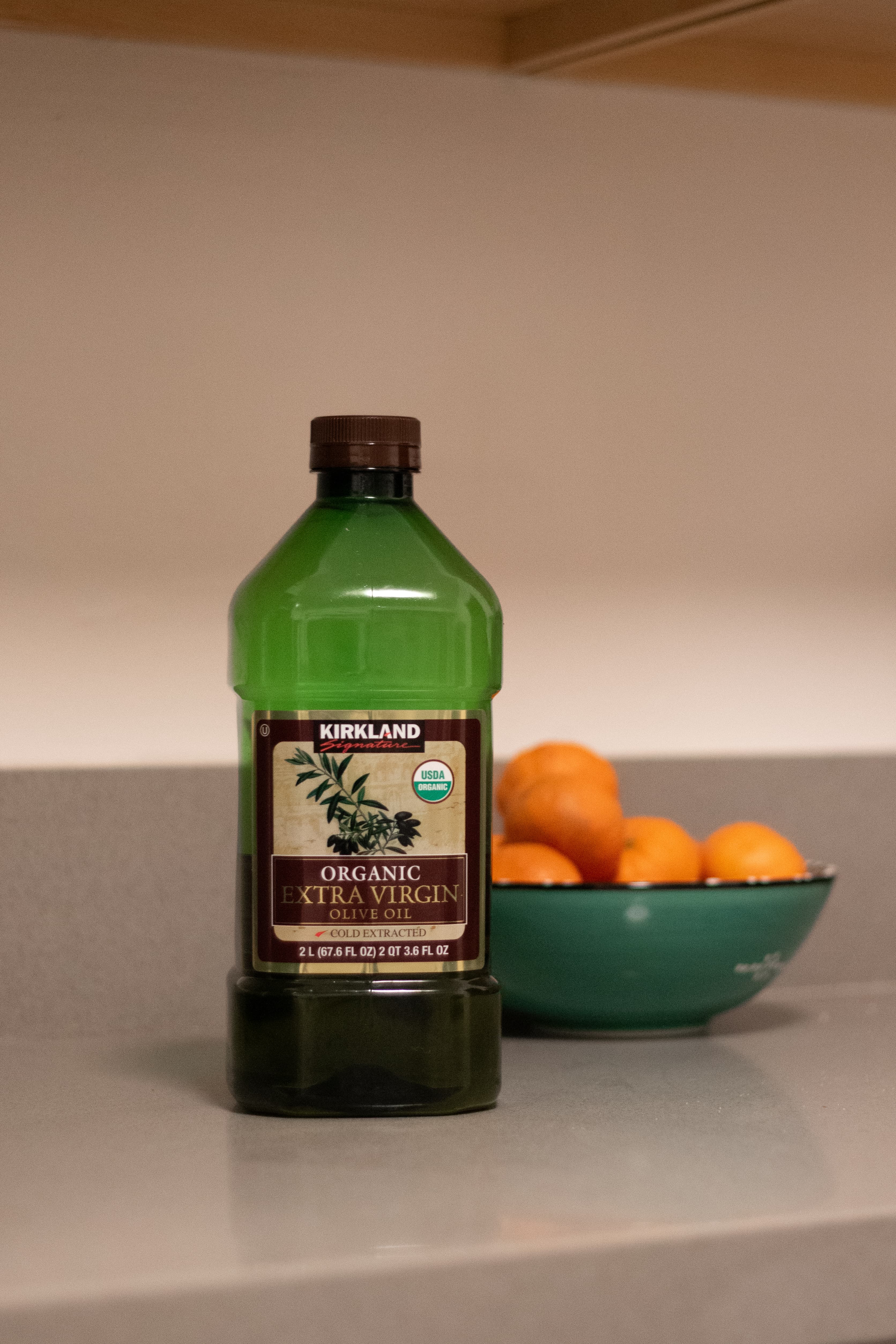
Students weigh in on a recent fruit oil study
By JOANNA ABRAHAM — science@theaggie.org
In July 2026, UC Davis researchers published a study in the journal “Applied Food Research,” that provides strong evidence of adulteration in avocado and olive oil-containing processed food products. Also known as “food fraud,” food adulteration is the deliberate removal or substitution of an ingredient from a food product, often for monetary profit. For oils, this may mean substituting portions of expensive oils with cheaper versions while still marketing the product as premium.
Avocado and olive oils are fruit oils produced from the pulp or skin. Fruit oils are often sold at higher prices than seed oils because their production is both labor and time-intensive. A single liter of avocado oil requires 30 to 40 avocados, averaging 14 pounds. On the other hand, seed oils, like sunflower oil, require 4.41 to 5.51 pounds of seeds to produce a liter of oil — a much more efficient yield.
In addition, fruit oils have a strong reputation for being heart-healthy. This competitive advantage allows suppliers to justify selling at a higher price.
Department Vice-Chair and Professor of Cooperative Extension in Small Scale Fruit & Vegetable Processing Selina Wang spoke about the study in an interview with NPR. She discussed how the study was motivated by her suspicion of the sheer abundance of products that claim to have been made with premium oils.
“I didn’t think we had this much avocado oil to go around,” Wang said. “So I became curious about the purity of them.”
The UC Davis study included foods such as chips, mayonnaise and salad dressing that listed either avocado or olive oil as the single edible oil ingredient. While previous studies reported evidence of adulteration in bottled oils, the 2026 UC Davis study is the first to evaluate claims on commercially processed foods.
Wang’s team showed that 89% of products containing avocado oil and 5% of products containing olive oil did not match the composition of the authentic oil, strongly suggesting adulteration.
Sylvia Lee, a second-year human development major, told The Aggie that the study's findings added to her existing concerns about the reliability of food products, and could influence her purchasing decisions moving forward.
“You hear so much about these types of things [like food fraud],” Lee said. “I don’t know if you can really trust any product these days.”
Lee commented on the implications of the study for her future consumer behavior.
“These findings would probably sway me from purchasing food with [fruit oil-related] claims in the future,” Lee said.
Angelina Cuan, a second-year clinical nutrition major, echoed Lee’s skepticism.
“I don’t usually buy foods like dressing or chips that often,” Cuan said. “But if I do find products with avocado oil in the future, I would be more wary of them.”
The study concluded by calling for higher scrutiny of ingredient claims in processed foods. Cuan reflected on this call to action in light of her experience with celiac disease.
“As a student with celiac disease who cannot eat gluten, I am always checking the labels of foods to ensure that they do not contain any ingredients that I can't consume,” Cuan said.
“So if there is a product that claims to be free of a certain ingredient or includes ingredients that are not listed on the box, that would pose as a potential danger to students with food allergies or intolerances.”
Cuan understands the difficulties this has for companies making marketing products.
“I think accurate and factual market claims are extremely important when selling food products,” Cuan said.
“Even though companies are trying to promote their products as best as possible, truth and accuracy in advertisement are more important for the safety of their customers.”
Written by: J0anna Abraham — science@theaggie.org