53.7 F
Davis

Davis, California

Saturday, December 20, 2025
Home Blog Page 7

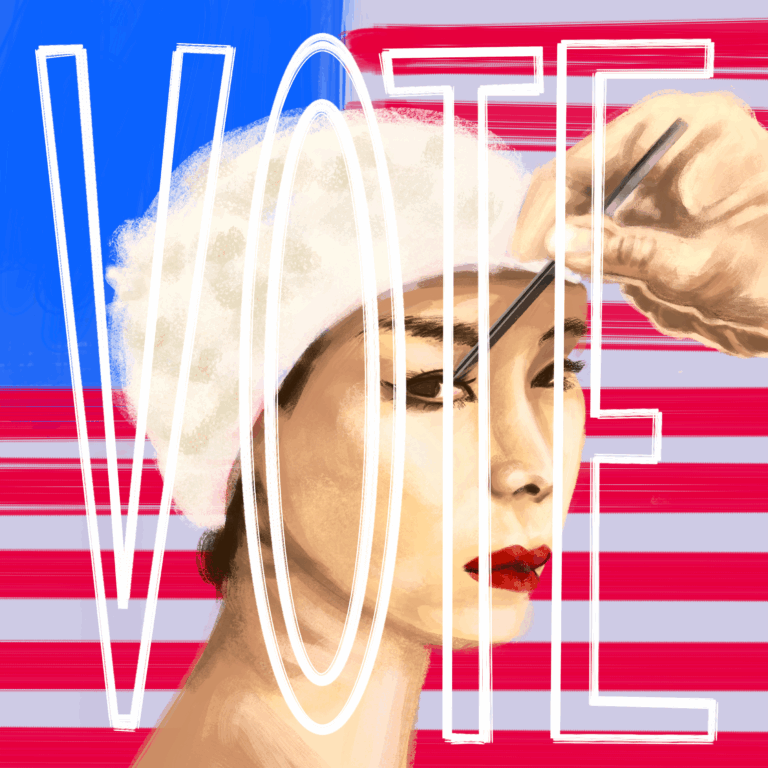
Hating celebrities is not a political act

The Internet is quick to extract political implications from album covers or lyrics — but how useful is this commentary?


By GEETIKA MAHAJAN — giamahajan@ucdavis.edu


There are more than enough reasons for the general public to dislike any celebrity. Like the rest of us, they are flawed people. But an endless well of money, power and attention has a tendency to amplify a universal, intrinsic predisposition to self-centeredness and narcissism. It’s hard to like someone when it feels like their whole life is being shoved into your face for the sole purpose of preserving their popularity, success and wealth. 

That being said, there’s been a (very annoying) trend in recent discussions about celebrities, both on the Internet and outside of it. People seem to conflate their opinions of public figures with their own moral superiority; looking for reasons to justify their prejudice as something beyond simply not liking someone’s public persona. Unfortunately for everybody on the hate train for Taylor Swift, Sabrina Carpenter or Charli xcx (or whichever other famous woman the Internet has unanimously agreed that they’ve had enough of), collective acceptance of a sentiment doesn’t make it a fact.

Saying you dislike Taylor Swift because she’s a billionaire isn’t a valid critique if you’re not saying anything about Rihanna or Beyonce or Jay-Z, all three of which are Swift’s peers net-worth wise. Hating on Sabrina Carpenter because she “caters to the male gaze” is like criticizing Ford for catering to people who like to go off-roading or saying that Le Creuset promotes tradwifery. Like any other venture that generates revenue, celebrities are a brand. Criticizing them for how they present themselves is irrelevant; they do it because there’s a market that buys into this persona.

Taylor Swift’s net worth or Sabrina Carpenter’s album cover (both of which have been viciously torn apart by people online) aren’t reflections of them as individuals; they are consequences of how successful they are in catering to the demands of their audience. The self-righteous outrage over Carpenter’s “Man’s Best Friend” album cover being anti-feminist or how Swift isn’t utilizing her enormous wealth for one thing or another are symptoms of the characters they play to maintain their audience. Political critiques of celebrities are just as flimsy as those personas themselves — when you criticize a popstar you aren’t placing blame on a real person, you’re essentially chastising a facade.

Yet, there is a sociopolitical aspect to these hate trains. Accusing a celebrity of being the embodiment of capitalism or misogyny is less indicative of personal morality and more representative of how susceptible you are to mob mentality — you’re just jumping on the bandwagon. At the end of the day, expecting popstars to double time as political commentators is a very specific kind of brainrot that comes from spending all your time in pseudo-intellectual spaces online and zero time consuming or reading anything of actual intellect or substance. As long as Chris Brown is still selling out arenas, your criticisms of female celebrities are hollow.

This is not to say that celebrities need protection or require defending, but there are more useful and more valid political critiques to make when you criticize a larger industry or trend. If you want to hate on a singular person because you’ve cherry-picked facts about their life to fit a personal narrative about them, that’s fine — but keep your discourse on stan Twitter. Behaving as if criticisms of an album cover or lyric does the same work as criticizing a politician or bill is ultimately unproductive. Pop culture can be political, but it isn’t praxis — if you want to talk about politics, read the news, not your Twitter feed.   


Written by: Geetika Mahajan — giamahajan@ucdavis.edu


Disclaimer: The views and opinions expressed by individual columnists belong to the columnists alone and do not necessarily indicate the views and opinions held by The California Aggie.

UC Davis should plant more fruit trees

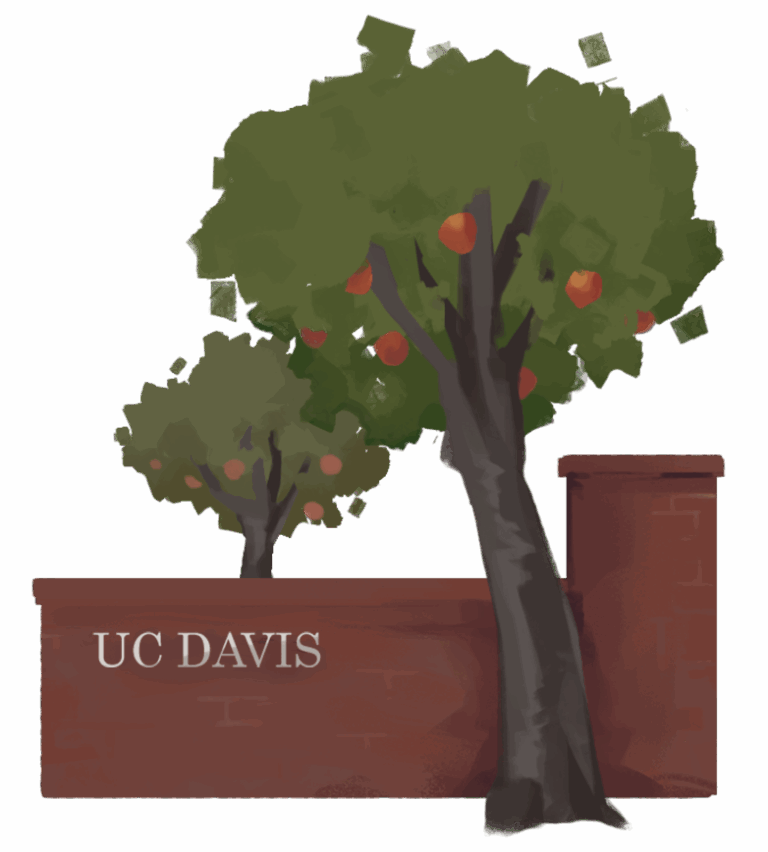
Growing more fruit trees could alleviate many common college stressors


By ANJALI IYER — amiyer@ucdavis.edu


After the gloom of Davis winters, many students earnestly await the arrival of spring quarter, as the change in seasons provides a much-needed relief from the misery of 5 p.m. sunsets. Unfortunately, the rustle of a gentle spring breeze is often accompanied by an unwelcome allergen — pollen. And so begins the cacophony of sneezes that inevitably interrupt your flow of thought during the silence of an exam or a particularly dire cram session in the library. The sounds of sniffles echo throughout lecture halls as students engage in a months-long battle against a skyrocketing pollen count. The main culprit of this nasal assault? Wind-pollinated trees.

The campus is home to a variety of oak, elm, cedar and mulberry trees — all notorious producers of airborne pollen, according to the UC Davis public tree database. It would be ludicrous to suggest that UC Davis axe these historic existing trees, so instead, I offer a proposal: focus on planting species that have even more to offer the community. I’m suggesting that UC Davis plant more insect-pollinated fruit trees. Aside from the hypoallergenic benefits, planting fruit trees would provide a free source of food for the community for seasons to come. 

On a college student’s budget, increasingly expensive grocery prices can force Davis residents to compromise on the quality or quantity of produce they can buy. Access to nutritious food should be considered an inalienable right, but unfortunately, food instability is a rampant issue for half of all California college students. 

An alternative to shopping at traditional grocery stores is the Davis Farmers Market, which hosts a range of vendors selling locally grown produce. However, this can be even more expensive than chain grocers like Trader Joe’s, and isn’t a sustainable solution for students working with a minimum wage budget.

One could argue that student organizations, like the Edible Gardens on campus, negate the need to plant fruit trees. The Edible Gardens project is a student-led initiative that turns existing spaces on campus into sustainable farms. They equip students with the skills needed to access the produce growing in these gardens and provide volunteer and employment opportunities for the community. These gardens already aim to promote student access to sustainable agricultural practices. However, I say that these projects only prove that UC Davis has the capacity to implement more food equity initiatives. After all, why not?

Fruit trees, especially native species, are a renewable source of food already adept to California’s harsh climate. Once established, native trees require much less upkeep compared to introduced crops in a cultivated garden, thereby diminishing the need for year-round expenditure. The trees could be planted around first-year residence halls, in the Arboretum or dotted around campus. Before the trees are ready to bear fruit, planting and caring for saplings could be used in botany courses as general education units. For students majoring in plant-related fields, the fruit trees could be used in research projects. If you’re looking for a multifaceted, long-term and sustainable way to promote access to fresh fruit, this is the best solution.

Life as a college student is a balancing act of keeping up with school, often whilst working a job and somehow finding a way to fit a social life into the mix. Exhaustion and burnout are only worsened by sickness, which is brought on by the abrupt change in seasons. Even something as seemingly small as access to free produce could be an effective way to alleviate some of the pressure that comes with being a young person in an increasingly nihilistic world. UC Davis students deserve to be able to take a break from the chaos, get together with some friends and pick some free fruit.


Written by: Anjali Iyer — amiyer@ucdavis.edu

Disclaimer: The views and opinions expressed by individual columnists belong to the columnists alone and do not necessarily indicate the views and opinions held by The California Aggie.

The Davis Farmers Market offers a face-to-face approach to new discourse

In an increasingly online political environment, farmers market stalls provide an opportunity for in-person discussion


By SAGE KAMOCSAY— skamocsay@ucdavis.edu


Picture this: it’s a cheery Saturday morning and you’re strolling through the Davis Farmers Market with your friends for the first time. You’re checking out each of the vendors — some of them are selling produce and herbs, others are displaying delicious baked goods and a few are showcasing their handmade art. 

As you make your way to the back, you find the types of stands begin to change. Instead of local vegetable peddlers, you see battling political demonstrators. A “Yes on 50” tent is to your left, a “No on 50” tent stands to your right. Other stands come into view as well — there’s the Democratic Socialists of America; a group raising awareness for the Israeli hostages; a spokesperson from the Real Organic Project, and of course, the ever-present flat earth advocate tucked away in the back. All of them are vying for your support and attention, one way or another. 

You have reached the political corner of the Davis Farmers Market: It should not be overlooked.

In the era of the Internet, exchanging ideas face-to-face is becoming increasingly rare. The slow death of in-person discourse is a sad sight to behold, and with it comes the demise of intercommunity political debate. This loss is dire, considering this kind of discussion is exactly what is necessary to prevent echo chambers. At the Davis Farmers Market, a broad spectrum of political thought is showcased and advocated for; it’s a sampler platter of the ideas of the population. 

Here, there is a notion of searching for a realistic solution. Online, on the other hand, insular communities block out any undesirable ideas, however reasonable they may be. Instead, increasingly extreme viewpoints are touted as gospel. Caricatures of political ideologies become more mainstream as certain communities gain prominence — look no further than the rise of Nazi sentiment after Elon Musk’s X takeover. In other words, discussing politics online is an avenue for ensuring one’s conversations are with those who already agree with them. Internet forums give people the opportunity to interact without any opposition and only with those who validate and reassure the beliefs they already hold, whereas talking in person is a way to have true discourse.

Political communities like the Davis Farmers Market also have a profound effect on those who choose to participate in them. Engaging in conversation over one’s political ideas encourages contemplation and thought-out explanations from all sides. This dynamic ensures the nuances of an idea are clearer and easier to see. Understanding is made possible — basic principles and ideals can be explored and questioned within even just a few minutes.

The circulation of information online is the opposite. True education is abandoned in favor of snappy, concise posts that lack context and evidence. In some ways, this is the viewer’s fault. Most will scroll past almost every political post they see without giving it a second thought — unless the post is reductive and hyperbolic. As a result, nuanced ideas lose their depth in favor of flashy content aimed at clicks or views.

Moreover, conversations at the market are memorable. The conflict involved in questioning one’s beliefs and sense of truth sticks with almost everyone who has experienced it. Because of that power, the stands at the farmers market have the capacity to actually change minds in a way that lasts. Especially in contrast with the barrage of sensationalized political social media posts that are difficult to retain, an in-depth conversation like the ones prompted by advocates at the market are actually impactful. One method of advocacy forces introspection through direct conversation, while the other is a momentary blip on a phone screen. One is remembered, the other forgotten.

With an ever-increasing shift to online, polarization has skyrocketed, as politics become more about headlines and outrage than ever before. To bring back nuance; to bring back cooperation and to bring back humanity, we need to return to in-person methods of political advocacy. Even small political booths at local markets should not be ignored — in fact, they should be actively sought out for their perspectives.

The Davis Farmers Market provides a real place to create positive political change. Different stands provide information and assistance on ballot measures and humanitarian causes. The casual, inviting atmosphere draws shoppers in to have real political conversations. It is an efficient way of changing minds — and lives. The central park market, though it may look like a step into the past, is truly a way forward.


Written by: Sage Kamocsay— skamocsay@ucdavis.edu


Disclaimer: The views and opinions expressed by individual columnists belong to the columnists alone and do not necessarily indicate the views and opinions held by The California Aggie.

 

Forum to table: how seed oil paranoia can radicalize

Distrust of cooking oils has become a rallying cry for conservatives


By MILES BARRY — mabarry@ucdavis.edu


In January 2025, a large group of wellness influencers, biohackers and proponents of alternative medicine descended on the Kennedy Center to celebrate Donald Trump’s election with a “seed oil-free” dinner at the Make America Healthy Again (MAHA) Inaugural Ball. 

In the same month, Western restaurant chains True Food Kitchen and Sweetgreen debuted “new protein-packed, seed oil-free menu items to kick off the new year.” Even the midwest’s Steak n’ Shake have declared their transition away from seed oils, using beef tallow or air fryers to cook their fries instead. 

Here in Davis, Reddit debates have raged about Segundo Dining Hall’s use of seed oils, and the Instagram account for UC Davis’ immensely popular Nutrition 010 class has had to clarify that seed oils have healthy properties, contrary to recent popular belief. Anonymous posters on r/Sacramento inquired about “seed oil free restaurants” in the area, and UC Davis Assistant Professor Selina Wang was even interviewed by The Washington Post in March to debunk myths surrounding these controversial cooking oils. 

Experts seem to agree that seed oils are safe. But, if you’re like me — concerned about your health to a degree that could be considered neurotic — you’ll likely want to examine these claims to satisfy the little voice in the back of your mind wondering: Could the experts be wrong?

A quick scroll through several online alternative health forums reveals that their most vocal members belong to the self-proclaimed “alt-right.” Accounts with names like “Brutal American Adolf” post thoughtful photos of their (admittedly delicious-looking) breakfast and advocate for daily use of aspirin to make your eyes more blue. It’s a strange world of health questions — “your thoughts on alcohol-based mouthwash?” followed by streams of hate-filled hashtags (#MassDeportations #Now).

Between these blatantly racist posts, people on these forums argue back and forth about a plethora of crazy supplements — from methylene blue dye to desiccated thyroid extract. While they frequently disagree, everyone is united against seed oils. I’d argue that, for many people, this constant seed oil fearmongering is the first step in a sequence that begins with mainstream health podcasts and ends at cesspool groups filled with anti-vaccine neo-Nazis. In other words, anti-seed oil messaging has become a method of right-wing radicalization.

At least two guests on “The Joe Rogan Experience,” the most popular podcast in the United States, have made claims about the harms of seed oils. Andrew Huberman, a podcaster and neuroscientist who boasts 7 million subscribers on YouTube, also urges caution about seed oils. Rogan and Huberman are politically moderate, but their distrust of these cooking oils can plant seeds of doubt: “If the experts — Big Pharma, Big Ag and academia — are secretly poisoning Americans in pursuit of profit, what else are they hiding?” 

This question will inevitably lead some listeners further down the rabbit hole. It’s all too easy to begin researching alternative medicine practitioners who make the same claims about seed oils — and also claim that COVID-19 vaccines are evil. The most popular of these figures is Ray Peat, a University of Oregon Ph.D. holder who wrote prolifically about alternative nutrition practices until his death in 2022. His dietary recommendations are easy to follow: He recommends avoiding seed oils, coffee with sugar, ice cream and daily consumption of carrot salads. Dr. Peat was one of the first nutritionists to demonize seed oils and he is beloved in these forums; people tag photos of their meals that align with his recommendations “#peaty.” Peat was also a conspiracy theorist. He believed that COVID-19 was nothing more than “a standard cold and flu season,” and that the “data doesn’t show any excess deaths.” 

The connection between seed oils and Peat-aligned, right-wing, conspiratorial views may seem baffling at first. “Alternative nutrition” tends to conjure images of granola-loving, organic-only liberal hippies, but the link reveals itself when these novel diets and extreme supplement regimens become extensions of eugenic logic.

In the early 20th century, prominent eugenicists were obsessed with nutrition. John Harvey Kellogg, co-founder of the Kellogg’s empire, invented corn flakes as part of his campaign against what he called “race degeneracy.” For these men, dietary purity was inseparable from racial purity. Likewise, contemporary Peat-inspired wellness culture frames human betterment as a kind of purification — cleansing the body of toxins and cleansing the nation of “undesirables.”

According to the U.S. Department of Agriculture, “if you can pinpoint where your food was grown and produced, you can make more informed decisions to maximize quality, freshness, and nutritional value.” By the same logic, we should consider where our information comes from when evaluating non-mainstream nutritional claims like the crusade against seed oils. What begins as a harmless search for healthier eating can, for some, open the door to misinformation and extremism.


Written by: Miles Barry — mabarry@ucdavis.edu


Disclaimer: The views and opinions expressed by individual columnists belong to the columnists alone and do not necessarily indicate the views and opinions held by The California Aggie.
A pedestrian’s guide to not getting run over

I’m over it


By SABRINA FIGUEROA — sfigueroaavila@ucdavis.edu


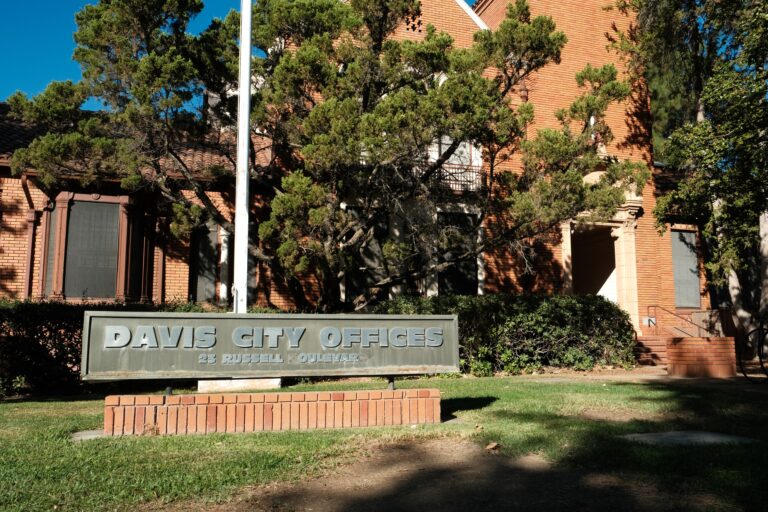
Ah yes, Davis: the self-proclaimed bicycle capital of America. It’s also the capital of constantly almost getting run over. 

One thing I love about Davis is that it’s one of the most walkable cities I’ve ever been to, which adds to its charm. Walking under colorful fall trees with music blasting in your headphones and the warmth of a Peet’s coffee cup in your hand is very peaceful, until you try crossing a four-way intersection. Suddenly, people forget how to read road signs: especially the bikers.

While I despise Davis’ bike culture due to its ignorance of traffic rules, (possibly my most controversial opinion yet), it doesn’t excuse the atrocious behavior of pedestrians and drivers I have seen, either. Even though we all make mistakes and run late sometimes, that doesn’t mean we can stop considering our safety and the safety of the people around us. So, out of my pure frustration with my recent pedestrian experiences, here is a guide on how to navigate the chaos of the Davis roads:

  • Stop at stop signs, yield when necessary. This might be a given, and perhaps the most obvious rule of the road. However, the amount of times I’ve seen a biker almost get run over by a car or other bikers because they don’t stop or yield — then watching them proceed to get angry — warrants this reminder.
  • Communicate: Eye contact, hand signals and mouthing words are all useful ways of communicating if you’re giving up your right-of-way, wanting to make a turn or thanking someone. Clarity comes from communicating, especially on the road.
  • Put your phone away and check to see if bikes or cars are coming before crossing the street. Another very obvious one, but there’s so many UC Davis students out there who cross the street with their full attention on their phones.
  • If you aren’t confident that you can make it across the street before a bike or car comes, just wait. No one is rushing you to cross, you can take your time. Don’t end up like the chicken who crossed the road (squished).
  • Don’t speed up to make pedestrians walk faster (I’m talking to you, electric scooter people). It’s mean, and one day someone won’t care or won’t see and it’ll be a bad day for both of you when you crash. 
  • Slow down in general (again this is more aimed toward scooter people). Is there ever a reason for someone to be going 30mph on a tiny scooter? At least it makes people giggle.
  • Get a light. This is for both pedestrians and bikers who travel at night. Davis is not a well-lit city and you are not visible in the dark — wearing a light or reflective clothing can save your life.
  • Use your blinkers and learn your hand signals. Please.

This small town still has a beautiful sense of community and kind people — and it’s time we extend that to the road. While nothing about this guide is novel, for a town full of college kids at a rigorous university, we lack common sense when it comes to safely navigating the road. Some of us study rocket science, yet our confusion lies with traffic rules.


Written by: Sabrina Figueroa — sfigueroaavila@ucdavis.edu

Disclaimer: The views and opinions expressed by individual columnists belong to the columnists alone and do not necessarily indicate the views and opinions held by The California Aggie.
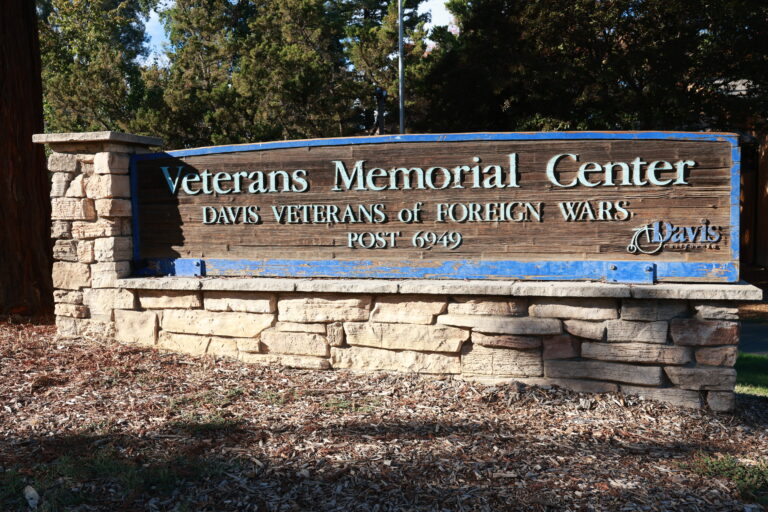
The Pacifico Project for affordable housing postponed indefinitely due to budget limitations

A portion of the funding originally allocated for the project will now be put toward the Yolo County welfare budget deficit


By SONJA WOOLEY — city@theaggie.org


The Pacifico Project, a five-year joint effort between the city of Davis and Yolo County, has been indefinitely postponed, as announced at the Oct. 15 Davis City Council meeting. This project originally aimed to rehabilitate and upgrade empty apartments at the South Davis Pacifico Co-op into CalWORKs affordable housing units. Yolo County anticipates being unable to use its $1.4 million in CalWORKs grant money for the Pacifico Project, due to state-level changes in funding implementation rules. 

The state of California, which allocates CalWORKs welfare funding to counties for families in need of housing, food, utilities, clothing and medical care, has required that the $1.4 million grant allocated to Yolo County for the Pacifico Project be spent by the end of this calendar year. It has not yet been decided whether the Pacifico Project grant money will go toward welfare projects in Davis or other cities in the county. 

The Yolo County Chief Administrative Officer Michael Webb spoke about the changes in the use of funding. 

“The timeline makes it effectively impossible to accomplish [the Pacifico Project],” Webb said. “We are in the process, now, of formulating what a pivot looks like […] We will be focused almost entirely upon funding program service locations that already exist within the network, so that we can get the money out the door in time.”

Webb outlined another roadblock to the Pacifico Project.

“The state is very adamant that a 20-year covenant needs to be put in place where the county would have to commit to housing CalWORKs families on the property for a full 20-year period minimum,” Webb said. “However, there is no funding guarantee of CalWORKs funds coming from the state. There’s a lot of volatility in a number of revenue streams coming from the federal and state government […] We received word that the state is reducing CalWORKs funding for roughly $42 million across the state for the current fiscal year; the Yolo County share of that is a $600,000 reduction. […] So effectively, the $1.4 million that we have from the CalWORKs grant may serve as a very important lifeline to our county budget in order to help shore up what is now a $600,000 hole.”

 Monica Morales, the director of Yolo County Health and Services, also provided a report to the Davis City Council. Her department is currently experiencing a $4 million deficit in their California Mental Health Services Act (MHSA) funding. The MHSA was approved by voters in 2004 and established a 1% tax on incomes in excess of $1 million to support county mental health services. The deficit has been caused by a combination of reduced tax revenues and a reallocation of funding through the Behavioral Health Services Act (BHSA), a part of Proposition 1 passed in 2024. Proposition 1 requires that counties spend 30% of their MHSA funds on affordable housing initiatives, as opposed to other programs, shifting funding from preventative care to individuals with the most immediate and severe mental health treatment needs. 

The county and city leaders discussed how local mental health providers, like the Davis School District could apply for California Advancing and Innovating Medi-Cal (CalAIM) funding to fill in the gaps left by the MHSA deficit. CalAIM is a program passed in 2022, meant to help high risk Medi-Cal beneficiaries navigate the complex system of welfare programs and provide preventative healthcare and housing services. 

Updates on these topics will be discussed at the Oct. 21 Davis City Council meeting and the Oct. 20 Davis Social Services Commission meeting. 


Written By: Sonja Wooley — city@theaggie.org


Yolo Philanthropy Awards to celebrate local nonprofits and volunteers

The annual event highlights community members who drive civic engagement across Yolo County


By ALMA CULVERWELL city@theaggie.org 


The Yolo Community Foundation hosted the annual Yolo Philanthropy Awards on Wednesday, Oct. 22, at 5:30 p.m. at the Veterans Memorial Theater. The event recognized local nonprofits, volunteers and business partners whose charitable work has made a lasting impact across Yolo County. 

The Yolo Philanthropy Awards brings together leaders from across Davis, Woodland, Winters and West Sacramento to celebrate the spirit of giving that sustains local organizations. The Yolo Community Foundation was established in 2001 to promote philanthropy and engage with the community.

  Jessica Hubbard, executive director of the Yolo Community Foundation, spoke about the purpose of the awards. 

“There are two main reasons we put on the Yolo Philanthropy Awards each year,” Hubbard said. “First, it’s a service to local nonprofits. It gives them the opportunity to honor a donor or volunteer that has made a difference for the organization. Second, it’s a way to inspire community engagement. These wonderful donors and volunteers are role models for what it looks like to serve our community.”

Hubbard further explained the selection process for the nominees. 

“Each participating nonprofit selects their own honoree and submits them to us — we celebrate all submitted honorees,” Hubbard said. 

Since its founding in 2007, the Yolo Philanthropy Awards has honored community members for their contributions to civic life in Yolo County. Hubbard added that participation in the event has grown significantly in recent years.

“Before the pandemic, we used to have about a dozen nonprofits participating each year,” Hubbard said. “Now we consistently have 30 or more. Since 2007, we’ve honored over 290 community members.”

This year’s ceremony featured a highlight video with short clips from each nonprofit introducing their honoree, showcasing the diversity of service and impact throughout the region. The video underscored how volunteers, donors and nonprofit partners continue to strengthen the local community through collaboration and creativity.

The event was open to the public, and Hubbard encouraged community members to attend or stay connected for future events. 

The event was made possible with the support of sponsors such as Nugget Market, Western Health Advantage and the Everly and Walter Hass Jr. fund, a non-profit dedicated to social justice in the Bay Area, according to the Yolo Community foundation Instagram page.

“The best way to be notified is to join our email list at yolocf.org or follow us on Facebook or Instagram,” Hubbard said. 

The Yolo Philanthropy Awards continue to serve as a reminder of the power of local generosity and the strong community spirit that defines Yolo County. 


By Alma Culverwell— city@theaggie.org 

Meet the UC Davis graduate student serving as the student regent-designate

Miguel Craven, a UC Merced alum, aims to address housing inequity and increase access to education 


By KHADEEJAH KHAN — campus@theaggie.org


For the first time in 20 years, a UC Davis student has been appointed to serve as a student regent-designate.

Miguel Craven, a first-year energy systems master’s student, will serve alongside the UC Regents — the governing board of the University of California (UC) system, who hold full responsibility for creating university policy and managing the $53.5 billion annual budget, $190 billion in investments, three national labs and six health centers. 

The student regent-designate, one of the two students appointed on the 26-member board, serves a two-year tenure, with their second year spent as a voting student regent. Student designates are selected from an application pool of undergraduate and graduate student applicants who are narrowed down to be interviewed by UC Student Association and several regents. 

Once appointed by the UC Board of Regents, designates begin their tenure in July, shadowing the student regent throughout the academic year until they succeed them in being eligible to cast votes on the board. Adam Rosenthal was the previous student regent from UC Davis, serving from 2005 to 2006. 

Craven’s journey in student advocacy started long before his recent appointment. Before matriculating from UC Merced this past spring, he served as a senator and president of the Associated Students of UC Merced (ASUCM). During his tenure, he led a campaign for a student union building on campus, successfully passing a student fee referendum to fund a central space for campus resources and student connection. 

“I loved working with students on my campus and helping them with organizing, whether that was their own advocacy efforts or if they wanted to have just club events that have that sense of community on campus,” Craven said. 

This is also not Craven’s first experience at the Regents board. While at ASUCM, he worked closely with the campus’ external affairs vice president and learned more about systemwide advocacy efforts, including regental advocacy. He served as a student observer to the Regents’ Committee on Finance and Capital Strategies for two years, bringing forth student concerns.

“Seeing it from behind the scenes made me really appreciate how much work goes into making the UC operate,” Craven said. “Being from California, I’ve seen the impact that the UC has on the whole state. I’m very proud to be Californian. I wanted to find a way to not only get more involved within the UC but also give back to the state.”

As a student designate, Craven now represents more than 280,000 undergraduate and graduate students across all 10 UC campuses. While primarily acting as a bridge between students and the board of regents, Craven also hopes to represent staff, faculty and Californians as a whole. He is passionate about addressing housing inequity and access to education, aiming to find “creative solutions” to issues faced by the UC community. 

“The description for the role says that you are there to represent the entire state,” Craven said. “The way that I’ve been telling everybody I’m entering the role is around education. That’s how I want to implement it — figuring out how I can be of best use by educating on both ends.”

Craven recognizes that advocacy, especially at the regents level, can be inaccessible for students who can’t attend the board’s meetings. He emphasized that his role is to be an accessible resource on campus for students who want to voice their concerns, which may otherwise be left unheard.

“I’m here to support you, and the same thing goes towards the regents,” Craven said. “I’m here to support them to get their [students’] voices back into that conversation. I just want to educate the board: ‘Here’s what the reality is, here’s what students want. I’m not going to convince you to vote a certain way or not, but I will do whatever I can to make sure that you have all the information, all of the shared experiences, [of] what’s actually happening on the ground. And, from there, you can make your best educated opinion.’”

At a time when students, staff and faculty across the system are advocating in response to federal budget cuts, Craven looks towards the role of advocacy as an avenue for change. He encourages students to reach out to him at mcraven3@ucmerced.edu or through his work number at (530) 219-6226. 

“Everybody wants to improve the UC,” Craven said. “Everybody wants better for everyone. It’s just a matter of — [and] I think people have different approaches to it — figuring out, okay, what’s the middle ground, and how can we help one another out?”

Written by: Khadeejah Khancampus@theaggie.org

ASUCD holds first Femininomenon event

The event, held Oct. 17, celebrated the International Day of the Girl Child


By RACHEL TRAN — campus@theaggie.org


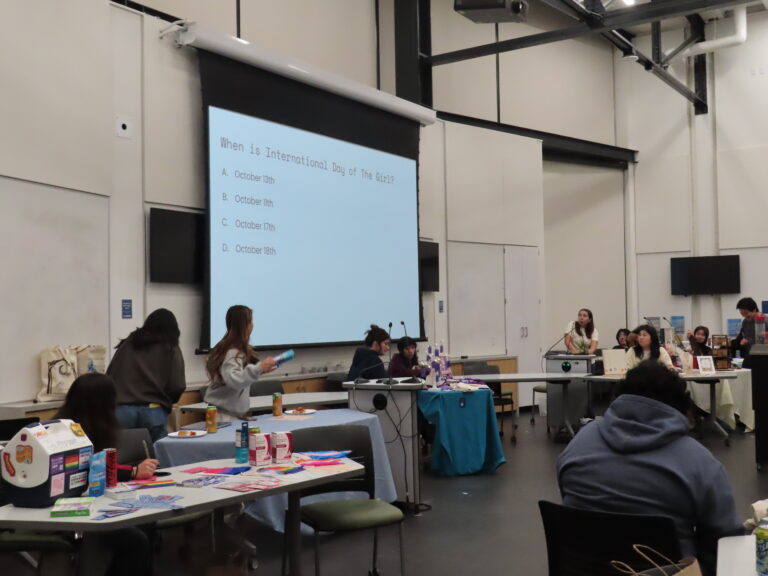
Two ASUCD units — The Gender and Sexuality Commission (GASC) and the Sexual Assault Awareness Advocacy Committee (SAAAC) — recently held the debut Femininomenon event on Oct. 17. The event hosted resource booths for women of all backgrounds in celebration of the Oct. 11 International Day of the Girl Child.

GASC Chairperson Vanessa Sandoval, a third-year environmental science and management major, and SAAAC Chairperson Emily Setiobudi, a fourth-year clinical nutrition major, were the two leading organizers of the event. 

“We wanted to have an event that celebrates girlhood [and] womanhood, but also does so in a way that is not for just straight, white cis women, but also in an intersectional way, where we are able to celebrate those who are queer, trans and of different socioeconomic statuses,” Sandoval said. “I think this event brings the community of Davis together in that it celebrates what makes us ‘us.’”

International Day of the Girl is a day to focus attention on the challenges girls face, and to empower and promote them in the fulfillment of their human rights, according to the United Nations.

The event featured several resource booths, giveaways and trivia competitions throughout the night. Highlighted booths included the Prytanean Women Honor’s Society, Center for Advocacy Resources and Education (CARE), The Pantry and women’s business conference Own It.

“Own It, with [organizers] Davis Women in Business, really strives to empower women in going beyond what they can do,” Own It External Affairs Director Arianna Kim, a third-year managerial economics major, said. “We invite speakers who have endured a lot and can share their experiences, and I think it is important that we are able to do this, specifically for our club members — women or non-binary individuals — but for all people as well. We had a lot of men come to support the speakers. I’ve talked to some of them personally, and they feel like they take away as much as they can from those conferences.”

Some two dozen people attended the event, held in Walker Hall; among them was Cristina Anteles, a fourth-year Spanish and Chicano studies double major.

“It’s not really [often that] you see events on campus that are especially girl-oriented,” Anteles said. “The Care Booth and Pantry Booth were really cool; The Pantry specifically because they had Clear Blue Pregnancy tests, which are definitely very pricey outside of Davis. It’s honestly really cool that not only pregnancy tests but even Plan Bs are so accessible here.”

While Femininomenon may be over, students can still access sexual wellness and menstrual care products on campus. At the Activities and Recreation Center (ARC), there is a Wellness To Go vending machine that provides over-the-counter contraceptives, feminine products and commonly-used pain medicine. Additionally, the Love Lab on the first floor of the Cowell building provides free contraceptives and other sexual wellness items.

Setiobudi says that she and other organizers hope to hold another Femininomenon event in the future, reiterating that SAAAC will continue to work to provide spaces for women on campus.

“This is just a place for girls to be girls and intentionally take up space,” Setiobudi said.

Written by: Rachel Tran campus@theaggie.org

UC system sets record with 2025 Nobel Prize awards

UC faculty, alumnus won five Nobel Prizes amidst a time of uncertainty and federal budget cuts


By CARLO FALLA — campus@theaggie.org


The month of October brought recognition to the University of California (UC) system, with four UC faculty and one UC alumnus earning Nobel Prizes across three disciplines. This marks a record for the most Nobel awards received by a single university system in a single year. 

Immunologist Frederick Ramsdell, a UC San Diego and UC Los Angeles alumnus, was awarded the Nobel Prize in Physiology or Medicine. He was awarded alongside Mary Brunkow of the Institute for Systems Biology in Seattle and Shimon Sakaguchi of Osaka University for  “their discoveries concerning peripheral immune tolerance,” according to the Nobel Foundation.

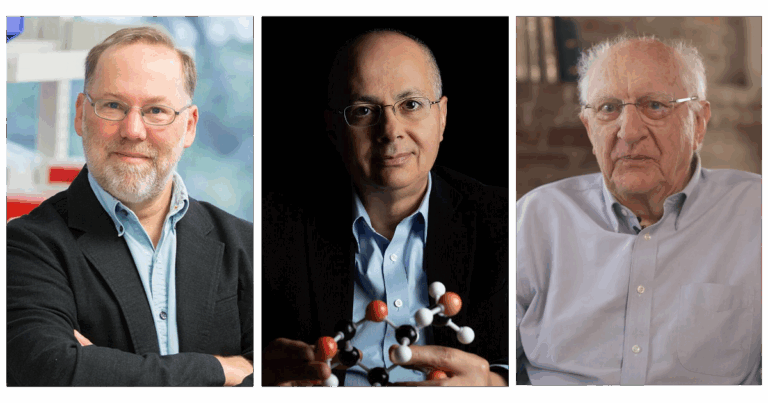
Emeritus Professors John Clarke and John Marinis, of UC Berkeley and UC Santa Barbara, respectively, and Professor Michel Devoret, also of UC Santa Barbara, were awarded the Nobel Prize in Physics “for the discovery of macroscopic quantum mechanical tunneling in energy quantisation in an electrical circuit.”

Lastly, chemist Omar Yaghi of UC Berkeley was awarded the Nobel Prize in Chemistry “for the development of metal-organic frameworks.” He shares the award with Richard Robson of the University of Melbourne and Susumu Kitagawa of Kyoto University.

In a press release, UC President James B. Millikin celebrated the awardees and highlighted the significance of research in the scientific community.

“These remarkable achievements by five UC-affiliated Nobel Prize winners reflect the very best of the world-changing teaching, research, and public service happening across our University,” Milliken said in the press release. “Our nation and world will be better off because of these discoveries. More communities will have clean drinking water, more people will be protected from cyberattacks, and more patients will have access to better treatments for diseases like arthritis and multiple sclerosis.”

The prizes are administered annually by the Nobel Foundation and are generally considered the highest and most prestigious recognition of an individual’s work in the fields they are given in: physics, chemistry, physiology or medicine, literature, peace and economic sciences. While the Nobel Peace Prize is given in Norway, the awards will be presented to recipients in Sweden on Dec. 10 — on Alfred Nobel’s death anniversary.

These awards come at a turbulent time for the UC system and American academia as a whole, as proposed federal budget cuts and freezes to research funding threaten to postpone or end the work done by faculty and students at academic institutions across the nation.

“Each of these breakthroughs was made possible through decades of federal investment in university research — the same funding that has long fueled American innovation, economic growth, and scientific leadership,” Milliken said. “Today, that support is at risk as federal research funds are frozen or cut, and as the[Trump] administration’s proposed budget reductions threaten to slow the very discoveries that keep the United States at the forefront of global leadership.”

The sentiment was echoed by Nobel Prize Winner John Clarke in a video produced by the UC on the recent recognition.

“This is going to cripple science, and it’s going to be disastrous,” Clarke said.

Federal funding is directly tied to all of the UC work recognized by this year’s Nobel Prizes: Ramsdell’s work was backed by the National Institutes of Health (NIH); the National Science Foundation (NSF), the Department of Energy and the National Security Administration supported Clarke, Martinis and Devoret; and the NSF, the Department of Energy and the Department of Defense funded Yaghi.

The UC is continuing to advocate for the future of science, having launched the Speak Up for Science campaign earlier this fall. This campaign aims to renew interest in federal investment in research and development and urge Congress to restore funding to federal science agencies and programs.

Written by: Carlo Falla — campus@theaggie.org

Meet the Coffee House Drink of the Month

Exploring the process behind the popular limited-time drinks 


By AALIYAH ESPAÑOL-RIVAS — campus@aggie.org 


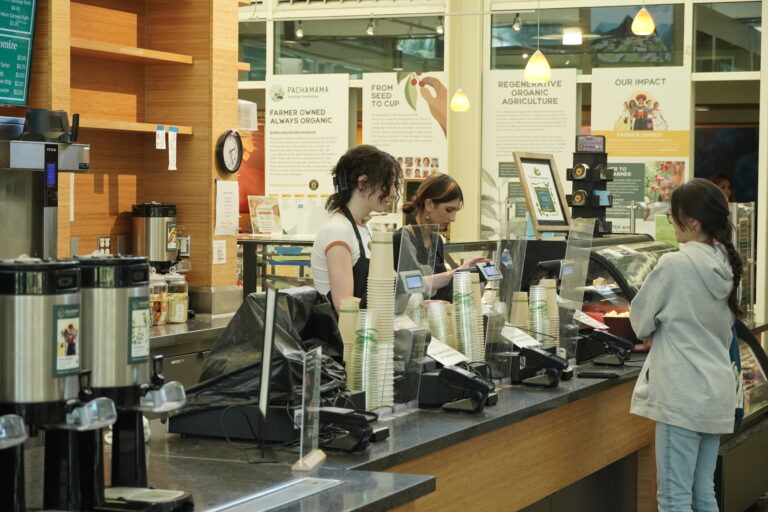
When Yeyoung Kim, a fourth-year human development major and outfront supervisor of the ASUCD Coffee House (CoHo), clocks in and sees a new drink recipe posted on the coffee bar, she knows it’s the beginning of a new month.

“I really enjoy making the Drink of the Month, because there’s always something new to expect — it’s an exciting start to each month.”

Kim is just one of the many baristas who helps produce the CoHo’s special, limited-time drinks. The changing beverage, offered at Swirlz Bakery and at the South CoHo location, typically reflects the season, upcoming holidays or mainstream trends. 

Previous featured drinks included the fall-favorite pumpkin spice latte, winter-themed candy cane mocha and strawberry matcha for Valentine’s Day.  

According to CoHo Student Manager Jonathan Mendez, a fourth-year genetics and genomics major, the monthly drink is chosen by student employees.

“The making of the Drinks of the Month is more of a collaborative approach between all of the student managers and also all of the employees that work there,” Mendez said. “Either I’ll have an idea or the idea will be pitched to me. I look at what’s popular, what have I tried that I’ve liked and also keep in mind trends.”

After deciding on an idea, Mendez will see what the CoHo has in stock, maximizing their resources while still creating something new. 

“I also try to be very resourceful,” Mendez said. “Obviously, we have access to other products and things we can bring in, but if we can use up everything that we have, it also goes into preaching the sustainability factor that Davis prides itself on.”

Following the trial-and-error process of concocting the drink, Mendez will let others sample it in order to get general feedback. From there, the beverage will either be reworked or deemed ready to debut on the menu. 

“Once I have a recipe that I feel might work, I’ll make it, and then I’ll give it to the student managers,” Mendez said. “It’s kind of like I’m a little chemist, […] brewing potions.”

The monthly special was offered intermittently in the past, only becoming a consistent marketing promotion during the 2024-2025 school year, according to Mendez. In an effort to consistently debut new drinks, the Swirlz team has compiled the list of drinks for each month ahead of time, instead of doing it on a monthly basis.

Stella Baum, a third-year community and regional development major, is a fan of the Drink of the Month promotion, but wishes there was more student input.

“It would be really cool if there was a newsletter that was sent out that students could request drinks at,” Baum said. “Or even if they picked a few options students could go through and vote for, it would feel a bit more democratic and reflective of the student body.” 

While they may only be around for a short time, students can hold out hope to see some of their favorite drinks return as seasonal offerings. 

In October 2024, the Drink of the Month was a pumpkin pie chai, with a “CoHomeade” pumpkin cold foam. It soon became a fan-favorite and returned this fall quarter as a seasonal drink offered from September through the end of October.

“The pumpkin cold foam — it was really popular this year — will probably come back next year,” Mendez said. “We definitely take a lot of pride in making our coffees.”

Students can find the November Drink of the Month, a chai with a pomegranate cold foam, at Swirlz in the Memorial Union or at the CoHo South Café in the Student Community Center. Mendez encourages CoHo patrons to give feedback on these drinks and any other CoHo offerings, by reaching out via email to Front House General Manager Levi Menovske at lsmenovske@ucdavis.edu

Written by: Aaliyah Español-Rivascampus@theaggie.org

ASUCD president, top officials call on Senate to pay attention to legislation

The discussion came after the table saw their 14th unanimously passed bill of the school year


By AALIYAH ESPAÑOL-RIVAS — campus@aggie.org 


At the Oct. 23 ASUCD Senate meeting, several top student government officials raised concerns over what they described as a lack of care and attentiveness from the Senate table when discussing and passing legislation.

The dialogue came after the table unanimously passed all five of the Senate Bills (SB) considered for the week; it marked the fourth-straight meeting where all SBs were passed unanimously, with minimal discussion over their merits and implications for the larger Association.

ASUCD President Amrita Julka called for more interaction from the 14 voting members of the Senate with the legislation presented to them.

“I want to remind the table that we should probably be engaging with the legislation that is seen by this table a little bit more,” Julka said. “I know that there are times when the bills we see are not going to be super controversial, and so you may not feel a need to scrutinize it or be more critical, but always review legislation before you come in. Ask any questions you have because it helps with open discussion.”

Internal Vice President Dhilena Wickramasinghe echoed Julka’s comments, also calling for more attention to presentations held during meetings and to confirmees.

“People are taking their time out of their day to come to Senate,” Wickramasinghe said. “I don’t want to say this in a way where it’s like ‘you guys aren’t doing enough’ or whatever, but it’s just something to keep in mind. I think it can be a little bit disheartening when people are giving presentations or coming here to be confirmed, and people are just on their laptops, not even engaging or making eye contact or asking questions.”

ASUCD’s chief financial officer, Controller Trinity Chow, also admonished the table for what she portrayed as a general lack of interest.

“For some of these people that are coming in for confirmations, it’s their first impression of ASUCD, and we give them half-assed questions and maybe two or three seconds of eye contact,” Chow said. “Believe it or not, not a lot of people like us. It’s not our responsibility to be liked — it’s actually our responsibility to serve.”

In past years, Senate discussions around legislation — especially bills that called for spending — were characterized by thorough reviews and dialogue within the table. While not uncommon for individual bills and legislation to be passed unanimously and without contest, it is rare for the table to go for several weeks straight without any substantial discussion over legislative matters; all 14 Senate Bills considered this academic year have passed unanimously.

Members of the table did not respond to Julka, Wickramasinghe and Chow’s comments at the meeting.

When asked for comment on the conduct of the table at a later date, Senate Pro Tempore Luis Garcia — the table’s official representative — asserted that his fellow senators were still adjusting to the legislative process. 

“I do want to emphasize that out of all the senators on the table, this past Senate meeting majority are still newer to the Senate and finding their best method to ask questions and engage with the public,” Garcia said. “While I agree with the comments about being more engaged, I know that they [the Senate] are all actively engaged behind the scenes as well, which I believe has been very beneficial.”


Other matters 

The table also confirmed several individuals into ASUCD positions, including Katherine Zhang, a second-year economics and political science double major, as deputy head justice of the Judicial Council, and Emily Contreras, a third-year political science and Chicano studies double major, as vice chair of the Ethnic and Cultural Affairs Commission. 

During the meeting’s public comment section, multiple student supporters of the University Professional and Technical Employees-Communications Workers of America (UPTE-CWA) 9119 and American Federation of State, County and Municipal Employees (AFSCME) Local 3299 spoke in favor of Senate Resolution (SR) #4.

Authored by UPTE Intern Organizer Charl Matteson, a fourth-year psychology and political science double major, the resolution was written “to endorse the contract campaigns of UPTE-CWA 9119 and AFSCME 3299, and to call on the University of California to meet their demands.” 

“I want to thank President Julka, Senator [Luis] Garcia and [External Affairs Commission Chair Simrit] Singh for all your help,” Matteson said. “Everyone I’ve interacted with at ASUCD has been wonderful and amazing, and everything that I think can be said, has been said, so thank you for hearing everybody.”

AFSCME Student Representative Isabel Soledad, a third-year international relations major, also spoke in support of SR#4, specifically citing the bargaining efforts for housing assistance for University of California (UC) workers.

“The UC hasn’t agreed to a very important thing we want to bargain for, which is $25,000 in housing assistance,” Soledad said. “They have a program for the UC [executives] and the chancellors, and they give them interest mortgage loans that average around $900,000 to $1 million. Yet, their frontline workers are commuting around an hour or so every day to clock into their shifts. Sometimes they have to sleep over in their car.”

The resolution would later be passed unanimously.

The Senate also heard quarterly reports from the ASUCD Coffee House (CoHo) and the Innovation and Research Lab (IRL).

Darin Schluep, the director of the UC Davis Associated Students Dining Service, highlighted recent accomplishments and challenges for the CoHo. Sales are up 20.8% from last year, and the CoHo has seen a 3% increase in their transaction total, according to Schluep. However, as construction within and around the site continues, the CoHo has noted utility shutdowns and restricted access in various locations.

John Carraher, a fifth-year computer science and engineering major, presented several projects that the IRL — ASUCD’s in-house software development and research unit — is working on. They include work on the UC Davis Mobile app, the Aggies on the Moove Bike Counter and a project with Safe Rides.


Written by: Aaliyah Español-Rivascampus@theaggie.org

ASUCD’s Entertainment Council hosts Sunset Fest 2025

0


By JESSIE BALTAXE — photo@theaggie.org


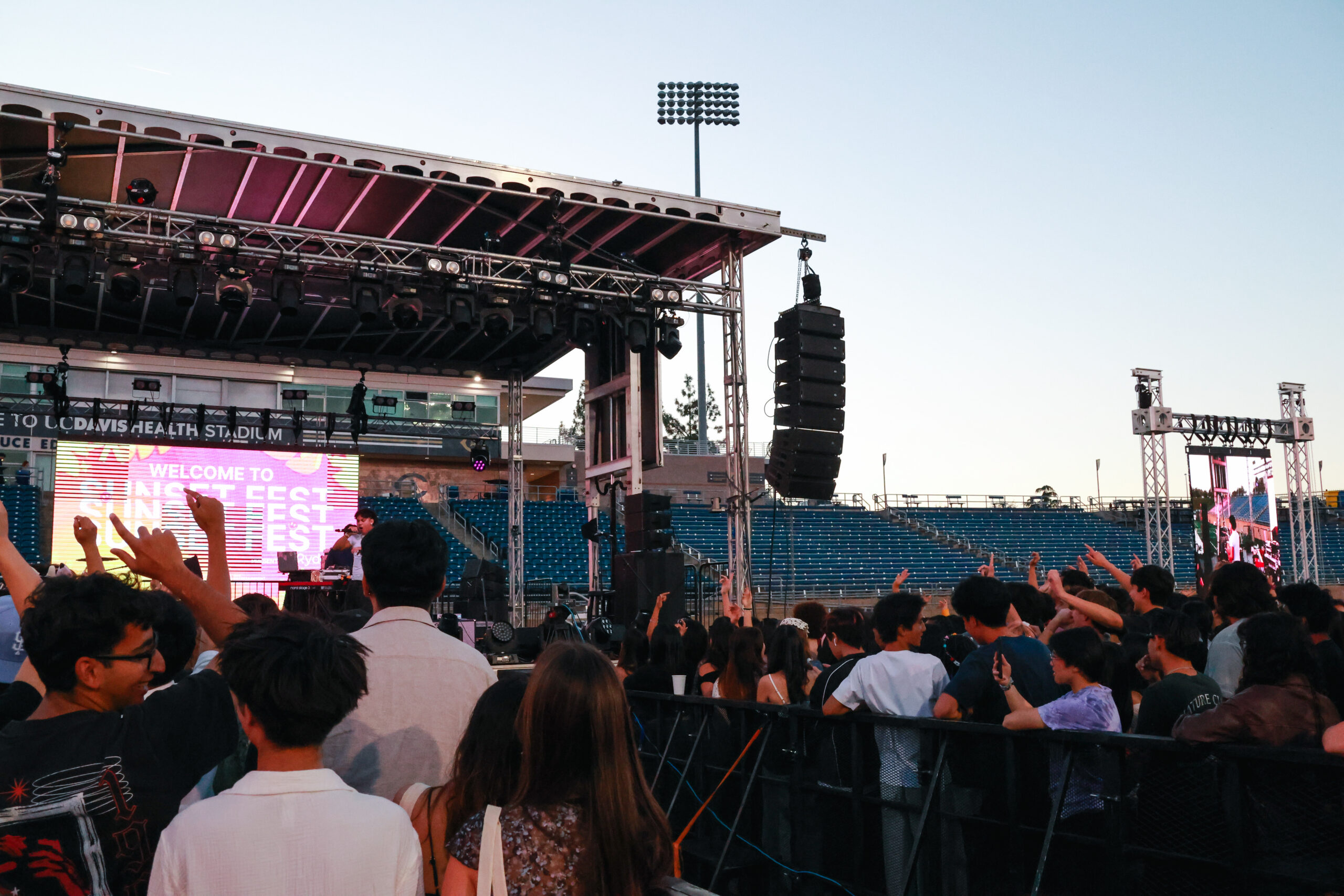
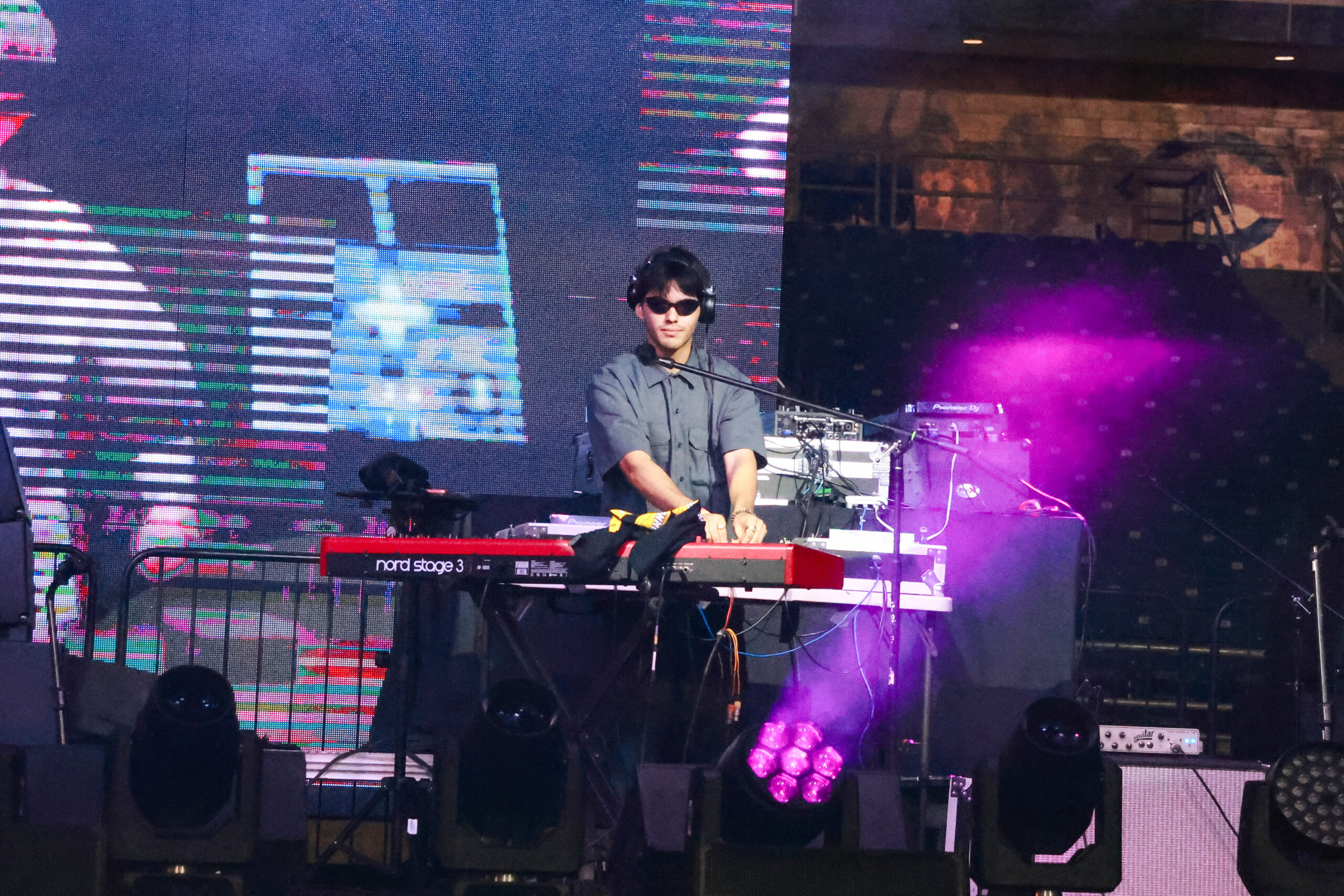
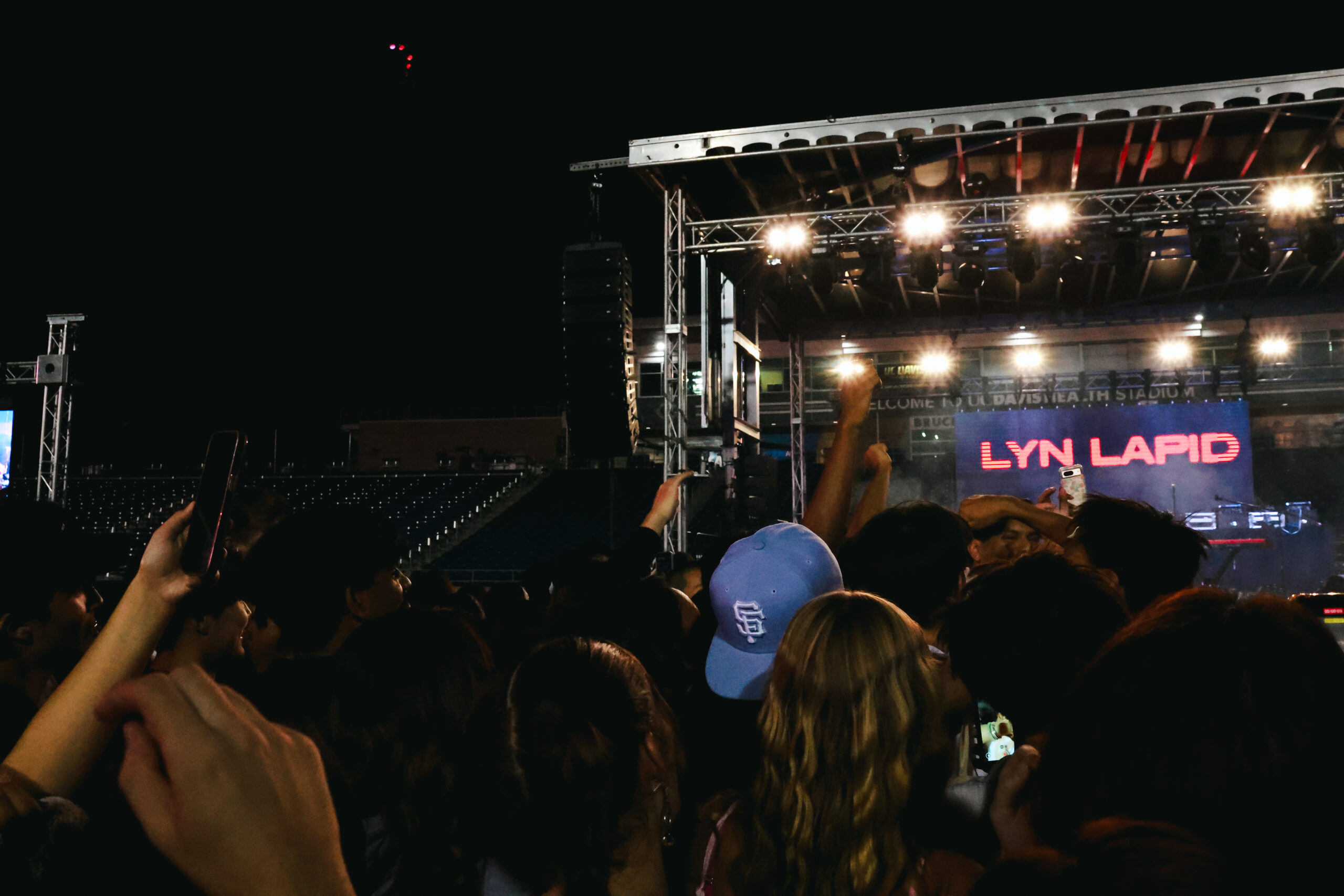
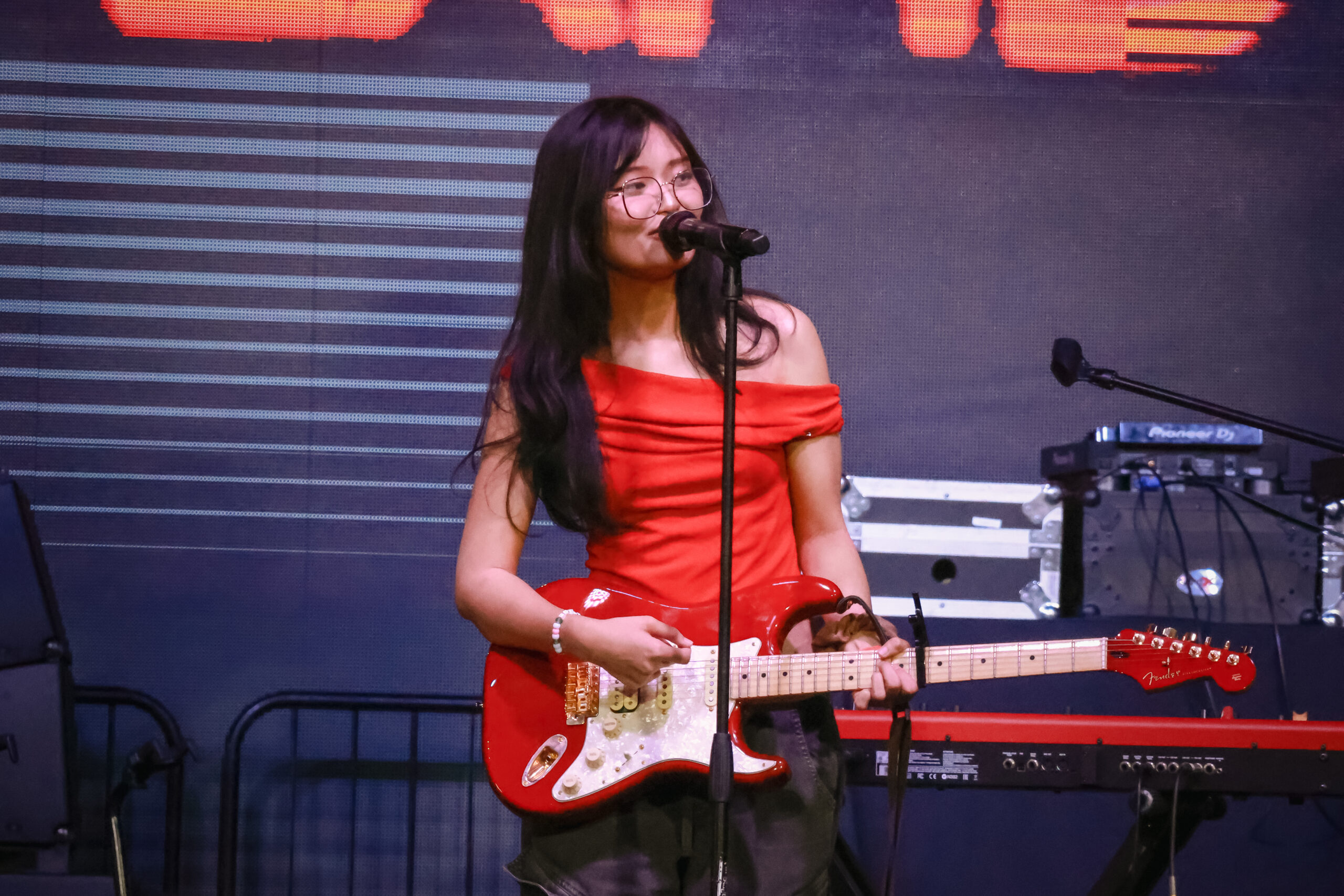
On Oct. 4, 2025, ASUCD’s Entertainment Council (EC) hosted Sunset Fest, the university’s annual welcome-back concert, at the UC Davis Health Stadium. The event featured headliners Lyn Lapid and Blxst, along with student openers Thai T. and DJ Ami.

Student opener Thai T. performs at Sunset Fest on Oct. 4, 2025. The event marked his first ever performance. (Jessie Baltaxe / Aggie)
Thai T. sings a variety of R&B songs for his Sunset Fest performance on Oct. 4, 2025. (Jessie Baltaxe / Aggie)
Concertgoers cheer as Thai T. performs at Sunset Fest in the UC Davis Health Stadium on Oct. 4, 2025. (Jessie Baltaxe / Aggie)
Student opener DJ Ami performs electronic dance music (EDM) remixes for Sunset Fest on Oct. 4, 2025.  (Jessie Baltaxe / Aggie)
Animated jumbotron visuals accompany DJ Ami’s Sunset Fest performance on Oct. 4, 2025. (Jessie Baltaxe / Aggie)
The crowd cheers for Lyn Lapid’s entrance at Sunset Fest on Oct. 4, 2025. (Jessie Baltaxe / Aggie)
Singer-songwriter Lyn Lapid performs at Sunset Fest on Oct. 4, 2025. (Jessie Baltaxe / Aggie)
Lyn Lapid performs “buzzkill” at Sunset Fest on Oct. 4, 2025. The song is the title track of Lapid’s debut album. (Jessie Baltaxe / Aggie)
Students at the barricade cheer for Lyn Lapid at Sunset Fest on Oct. 4, 2025. (Jessie Baltaxe / Aggie)
Lyn Lapid holds the microphone out for the audience to sing along at Sunset Fest on Oct. 4, 2025. (Jessie Baltaxe / Aggie)


Photographed By: Jessie Baltaxe — photo@theaggie.org

News Explainer: ASUCD Elections

What are students voting for and why does it matter?


By VINCE BASADA — campus@theaggie.org

This week, students across campus are being encouraged to participate in the ongoing Associated Students of the University of California, Davis (ASUCD) fall elections. Those who do choose to cast their vote will have a role in deciding who among their peers will be the next six individuals to have the opportunity to serve as student senators.

ASUCD is the school’s undergraduate student government, and is responsible for administering a $22 million annual budget. Senators help decide how funds are allocated, serving as crucial players in the annual budget hearings that decide appropriations and budgets for ASUCD units.

The senate is the student government’s most important legislative body, meeting every Thursday night of the academic year to hear reports from ASUCD units and bodies (such as Unitrans and the Coffee House), pass legislation on spending bills and vote on resolutions. They also act as the student body’s liaison to university administrators and can also help represent UC Davis to local and state officials.

12 senators sit on the table, each with a single vote. They serve a one-year term, with half elected in spring and the other half elected in fall. Two additional voting members from special subsets of the student population — the transfer and international student representatives — also serve alongside the senators. Those positions are elected in spring.

Typically, the fall election sees a much lower voter turnout than its spring counterpart; the latter benefits from more races aside from senator positions (including ASUCD president and student advocate). Only 8.33% of the student population (2,689 voters) participated in the 2024 fall ASUCD election, compared to 13.93% of eligible voters (4,167 voters) in spring of 2025.

This current round of voting has 13 candidates and three slates. 

The Aggie Alliance slate is focused on addressing transportation issues and building ties with registered student organizations (or RSOs). The Unidad slate is focused on advocacy, support and representation for marginalized and mixed-status students. Lastly, the Warda slate is running on a platform of protecting student activism, ethical spending and resource accessibility. 

The election is determined by ranked-choice voting. Each voter can rank as many or as few of the candidates, based on preference.

The successful candidates will replace the seats left vacant by: Nanki Kaur, a fourth-year biomedical engineering and South Asian studies double major; Jenna Younes, a fourth-year international relations major; Lexi Raben, a second-year environmental sciences and management major; and Umar Shaikh, a third-year political science major. Younes is the only currently serving senator seeking re-election.

There are also two interim senators who are set to vacate their roles at the end of the quarter: Livreet Sandhu, a third-year political science major and transfer student, and Shaina Taebi, a second-year political science and philosophy double major.

The winning candidates of this week’s election are set to be sworn in at the last senate meeting of the quarter on Dec. 4.

The vote opened early Monday, Nov. 10 and will close on Friday, Nov. 14 at 8 p.m. Voters must be undergraduate students and currently enrolled in classes. 

Students can vote now at elections.ucdavis.edu.


Find our voter’s guide and information on all of the candidates in the Fall 2025 election here.

For more information on ASUCD, read our ASUCD explainer.

Written by: Vince Basadacampus@theaggie.org


The Editorial Board’s Fall 2025 ASUCD Senate endorsements

From student representation to transportation planning to budget allocation, choose which campaigns you will support this election cycle


By THE EDITORIAL BOARD 

With fall quarter elections for the Associated Students of the University of California, Davis (ASUCD) just around the corner, the window for you to cast your vote is now open. From now until this Friday, Nov. 14, at 8 p.m., you can submit your votes for the available seats at the ASUCD Senate table. The California Aggie’s Editorial Board implores you to exercise your right to vote this election season — ASUCD has a large hand in how your student fees are allocated, and you deserve to have representatives who support your needs and best interests. 

We invited all 13 Senate candidates for an interview, and our endorsements reflect those who we believe will best represent the UC Davis student body. There are six open Senate seats, and the Editorial Board chose to endorse five candidates. 

Regardless of who you cast your vote for this week, utilizing your voice in this election is important. Fall ASUCD elections have a comparatively low turnout to the spring elections, so we especially encourage you to participate and cast your vote this week.

Disclaimer: While this article includes endorsements from the Editorial Board, not every member of the board was present for the interviews. The endorsements are not necessarily indicative of the entire board’s holistic opinion or each member’s individual endorsements.


Here are the Editorial Board’s endorsements for the fall 2025 ASUCD election cycle:


Rosa Linda Martinez Ruano, third-year sociology and community & regional development double major – UNIDAD Slate

As a member of the UNIDAD Slate, Martinez Ruano decided to run based on both her lived experience and dedication to better representing undocumented UC Davis students. If elected, Martinez Ruano plans on increasing retention for undocumented and first-generation students, empowering underrepresented communities and reaffirming ASUCD connections with Registered Student Organizations (RSOs). Holding previous experience working as an administrative coordinator for SOL y LUNA, chief of staff for Senator Luis Leonardo Garcia and as chairperson of the Undocuscholars Advocacy and Aid (UAA) Committee, Martinez Ruano also holds relevant professional experience and a thorough understanding of ASUCD’s operations. 


Nate Little, first-year political science major – Independent

It’s rare that we meet first-year candidates who have done as much prior research into ASUCD before running as Little has. Little surprised us with his breadth of knowledge of the Association’s issues and internal structures. If elected, we hope that Little will use and refine that knowledge through the gained first-hand experience he would acquire working within ASUCD.

We enjoyed his fresh ideas on ensuring senators are available and accessible to all students, with the continued promotion of office hours and potentially holding meetings in more public areas. Little’s understanding of the current budget deficit and his motivation to work on resolutions, in addition to his focus on being a representative for students, impressed the Editorial Board. 


Ezra Rubin, third-year classics and international relations double major – Independent

Rubin’s prior experience on the table, as well as his reputation as a diligent legislative reviewer, speaks for itself. We believe that the Senate needs a candidate like Rubin to help maintain the level of self-scrutiny that any student government body merits.

We would also hope that, if re-elected, Rubin would be able to help support Aggie House — a student-led, transitional housing shelter — and see the Vital Emergency Shelter and Transitional Assistance (VESTA) subunit through to the end of its first year. During his first term, Rubin was actively involved in VESTA’s formation, and he has expressed a desire to support the program as it finds its footing.


Jenna Younes, fourth-year international relations major – Warda Slate

The Editorial Board valued Younes’ experience on the Senate table. We hope that, if re-elected, Younes will be able to continue the projects she has dedicated herself to in her term and make deeper connections with units across the Association. 

The Editorial Board also appreciated Younes’ commitment to ethical spending; she has served as chairperson of the Ethical Spending Committee in the past and expressed interest in holding that role again in the future. She has demonstrated conviction in continuing the pursuit of transparent and ethical financial activity within ASUCD, and we have confidence that she will continue the work she began in her first term into her second. We also think that Younes’ campaign goals of protecting student activists and safeguarding rights for student activism more broadly are especially relevant and necessary.


Kelly Zamudio, fourth-year political science and sociology double major – UNIDAD Slate

We appreciate Zamudio’s dedication to improving representation in the Association — both as vice-chair of the Academic Affairs Commission and through her work in the Transfer Outreach Program at Undergraduate Admissions. She advocates for transfer students with plans to work on transfer student integration and the goal of having a transfer student on every ASUCD commission. She also advocates for families of mixed-status background and hopes to implement a legal absentee policy in syllabi. 

Zamudio also values input from students and noted that she would hold monthly community meetings to listen to their feedback. As during the last time she sat before us in spring during her campaign for Transfer Student Representative, we took note of her clear passion and desire to serve the student body. 


Written by: The Editorial Board