53.5 F
Davis

Davis, California

Tuesday, December 23, 2025
Home Blog Page 57

Beyond the classroom: navigating culture shock and community at UC Davis

0

International students at UC Davis share their journeys of adapting to new social norms, finding a sense of community 


By JALAN TEHRANIFAR — features@theaggie.org


For many international students, attending UC Davis is more than just an academic pursuit — it is a transformative cultural experience. Adjusting to life in a new country comes with unique challenges, from navigating social norms to understanding different perspectives on communication, hospitality and independence. While each student’s journey is different, common themes of culture shock, adaptation and personal growth tend to emerge.

Shreya Rupani, a fourth-year sociology and communications double major, is an ethnically Indian student who came to UC Davis from Thailand. Growing up in Bangkok, she was drawn to UC Davis for its strong academic programs and tight-knit community. 

With a passion for marketing and brand management, Rupani discussed her hopes to work in the fashion and beauty industry after graduation, combining her creativity with her understanding of human behavior and media.

“I chose UC Davis because of its strong academic programs and diverse community,” Rupani said. “I also chose it because of its small-town feel. Coming from one of the biggest cities in the world, I wanted to get out of my comfort zone and experience a true college experience.” 

While Rupani knew that UC Davis would be very different from Bangkok, she was still surprised by just how much of a contrast it presented. The shift from an urban environment to a smaller, student-focused town challenged her to adjust to a new way of life.

“I knew it was a college town, but I didn’t realize just how quiet it could be,” Rupani said. “In contrast to Bangkok, where there’s always something happening, Davis has a much slower pace of life. One major cultural difference is how direct Americans are. People here are more vocal about their opinions, while in Thai culture, there’s a stronger emphasis on politeness and indirect communication.”

Having traveled extensively, Rupani was already familiar with Western culture, but certain aspects of American life still stood out. 

“I travel pretty frequently and am already familiar with Western culture, because I went to a private American Christian school, so I didn’t experience extreme culture shock,” Rupani said. “Some things did stand out — like how independent everyone is compared to back home. Also, the drinking culture here is different. Such a strong tipping culture is also a construct that was very odd to me, it isn’t something I have experienced anywhere else in the world.”

As she prepares for graduation, Rupani reflects on how her time at UC Davis has shaped her both academically and personally. The experience has pushed her to step outside of her comfort zone, adapt to new cultural norms and grow in confidence. She encourages other international students to take advantage of the opportunities available and embrace the challenges of studying abroad.

“Find a community that makes you feel at home,” Rupani said. “UC Davis has a lot of opportunities, but you have to put yourself out there to take advantage of them. Also, don’t be afraid to ask for help. Whether it’s academic, career-related or personal, there are plenty of resources available.”

Sultan Osman, a third-year managerial economics and mechanical engineering double major, is an Egyptian and Sudanese student. Initially attending UC Davis because it was the only United States university to offer admission, he plans to make the most of his education in future endeavours.

“I’m hoping to use my degree to start my own company,” Osman said. “I haven’t figured out the logistics of my future business, but I’m hoping to implement what I have studied at UC Davis.”

For Osman, adjusting to life in Davis came with unexpected challenges. While he had seen depictions of American college life in movies — often filled with parties and social events — the reality was quite different. The rigorous academic culture and strong emphasis on individual achievement stood out to him the most.

“I definitely experienced culture shock, the biggest one was people’s hard work ethic in college,” Osman said. “I [had] never been to the United States, I only knew what I saw from movies about crazy college parties.”

Beyond academics, Osman also noticed a significant difference in social dynamics between Egypt and the U.S. Having grown up in a culture where hospitality and communal ties are deeply ingrained, he found American interactions to be more independent and less centered around close-knit communities.

“The biggest cultural difference is that people in Egypt are much more welcoming to strangers because it’s much more community-oriented,” Osman said. “I guess what I’m saying is that there is a stronger sense of community there. Here, a stranger could be anyone.”

Arya Dehghani, a fourth-year aerospace engineering major, is ethnically Persian but grew up in the United Kingdom. Although he had spent a few years in the United States before attending UC Davis, Dehghani believes that living on his own and navigating university life gave him his first true American experience. 

With a strong passion for engineering, Dehghani saw UC Davis as an opportunity to further his technical knowledge while immersing himself in a new cultural environment. 

“I came to UC Davis because I wanted to continue to live in America for college, and this school was a good engineering choice,” Dehghani said. “I plan on using my degree for aerodynamic advancement in commercial supersonic flight, automotive aero research and rocketry.”

While having some familiarity with American life, certain aspects of the transition still caught Dehghani off guard. The differences in lifestyle and social norms, particularly in how people interact and communicate, became evident to him early on — topics that were discussed openly in his home country sometimes required more careful wording in American settings.

Despite these initial adjustments, he found comfort in a tight-knit community of Middle Eastern students, which helped him feel more at home.

“I did experience culture shock — it was not walkable, whereas in Europe you walk everywhere,” Dehghani said. “Also, people took offense to a much broader spectrum of things which were said. […] As for Davis, it was pretty much what I expected, but I found my own community of Middle Easterns here.”

Another cultural contrast Dehghani observed was in attitudes toward money and hospitality. In his upbringing, generosity and shared financial responsibility were common, but in the U.S., he noticed a more individualistic approach to spending.

“In American culture, people are quite stingy with money, I feel,” Dehghani said. “For example, in my home country we fight to pay the bill, and when we invite someone to our home we do our best to take care of them, whereas in the U.S., hospitality and financial kindness are defined very differently.”

Despite these differences, Dehghani appreciates the connections he has made at UC Davis, both professionally and personally. His time at the university has broadened his perspective and given him the chance to interact with individuals from all walks of life.

“UC Davis has connected me with people who I will be able to work with in the future professionally but also many individuals who l consider incredible friends,” Dehghani said. “I was also exposed to individuals from a wide range of social-economic backgrounds and areas, so I feel that I have learned more about American culture here.”

The international student experience at UC Davis is challenging, as students are not only adjusting to college life but an entirely new environment as well. While culture shock and social differences have been challenging, Rupani, Osman and Dehghani each found ways to navigate their new environment, whether it’s through building communities at Davis or adjusting to new norms.

“I’m one in a million”: Gambling and sports betting at UC Davis

0

Students and economics professor weigh in on gambling culture, discuss potential impacts 


By NOAH HARRIS — features@theaggie.org


Following a 2018 Supreme Court ruling that allowed states to legalize sports betting, gambling has arguably had its biggest expansion into society in American history. Currently, sports betting is legal in 39 states, which does not include California. However, daily fantasy games, where people can create a lineup similar to fantasy football but with money at stake, are considered skill-based and are legal in California. 

Two third-year UC Davis students, who wished to remain anonymous, and one Davis professor discussed the fluctuating nature of gambling and sports betting.

David Lang, a professor and the department chair of economics at California State University, Sacramento and an occasional adjunct professor in economics and statistics at UC Davis, shared his thoughts on gambling. Lang emphasized that he does not endorse or encourage gambling and is simply discussing his experiences and knowledge of the practice.

“As an economics professor and someone trained in economics, [I] obviously spend a lot of time thinking about things like cost-benefit analysis — the economic returns to various activities,” Lang said. “Keeping in mind that there are some things we do for entertainment that have very little, if any, economic returns at all. And we’re allowed to do those things, too.”

Gambling is widespread among 18- to 22-year-olds on college campuses, with 67% having engaged in sports betting, according to a 2023 National Collegiate Athletics Association (NCAA) study. Lang explained some of the reasons behind this trend.

“Students have a little more disposable income now than they have in years past,” Lang said. “So that’s [one] thing. The other part of it is that sports gambling in particular has done a really good job at being app-friendly.”

Lang proceeded to explain the appeal of contemporary sports gambling among a younger demographic. 

 “There is no group of human beings on Earth right now that is better and more prone to using apps and using them well and falling in love with that technology than people from the ages of 16 to 25,” Lang said. “Because of that, it’s almost like sports betting has been geared toward what would be the best thing we could possibly do to make this attractive for college-aged students.”

College students are twice as likely to have a gambling addiction than the rest of the population, according to a study by the National Council on Problem Gambling (NCPG). In fact, 6% of college students reportedly have a gambling addiction of some kind. For those struggling with a gambling or alternative type of addiction, UC Davis hosts many recovery resources on the Student Health and Counseling Services website. There is also a governmental helpline available at 1-800-662-HELP (4357).

Official sports bets can be placed at Davis. While those on official UC Davis sports teams are not permitted to gamble on NCAA-sponsored sports, both its football and basketball teams can be found on betting websites.

There are multiple common reasons for why people gamble: One reason is as a form of social interaction, and another reason is that gambling can be considered a fun activity or even a hobby — an anonymous third-year student mentioned the latter as a primary reason for the time he spends betting. 

“I kind of think of it like, if I were to go bowling or go golfing, I’m going to spend at least 20 bucks on that,” the student said. “So, if I get three hours of entertainment from watching a game, I’ll spend 20 dollars on that and not be mad if I lose it.”

Gambling, especially with the accessibility of online forums, can cause everyday problems for students, such as missing more classes or having higher amounts of anxiety. Losing money through gambling can lead to a specific type of anxiety, a concept which Lang later discussed.

“Yeah, super dangerous […] — the idea of chasing after losses and trying to get back to even,” Lang said. “It’s a very, very common thing that actually occurs in all forms of gambling and all forms of day trading in the stock market or anything else. And it often winds up getting people in trouble.” 

Another anonymous third-year student shared that he has had multiple experiences of trying to break even.

“There [have] definitely been nights where I’ve been down and, like, I’ve felt […] the need to win it back,” the student said. “And there [have] been nights where […] it just goes into a deeper hole. So yeah, it sucks to be in a position like that.”

All three interviewees mentioned that a love of sports was a key motivation behind their entry into gambling.

“I enjoy watching sports,” the first student said. “So I figured I might as well make it more fun, put a little money on it.”

Lang has gambled for several years, and for a long time, he wasn’t very successful.

“What I would say is that for much of the time, if someone wanted to make the most amount of money gambling in sports, what they should do is follow me up to where I’m placing my bet and tell the person, ‘Please give me a hundred-dollar bet on the opposite of what that guy did,’” Lang said.

That dynamic of betting on opposite sides that Lang mentioned is exactly how sports betting companies make money. They collect commissions on losing bets, commonly known in the sports gambling world as “vigorish.”

“They don’t care whether I win or I lose,” Lang said. “What they really want to make sure is that whether I win or I lose, there’s a loser or winner on the other side, and then they make money no matter what.” 

The second anonymous student provided a simple response when asked what advice he would give to people gambling for the first time. 

“Don’t do it,” the second student said. 

When questioned as to why he gave that advice given that he previously mentioned having made an overall profit, the student provided an answer. 

“Because they’re not like me,” the second student said. “They don’t understand — I’m one in a million.” 

Casinos in America profited 66.5 billion dollars in 2023 — the highest-ever recorded earnings of casinos directly off of their customers. 

As discussed by both Davis students and Lang, sports betting can be used as a fun way to engage in sports culture. However, it can cause stress and anxiety in one’s personal life, especially amongst college students. Regardless of whether it is a good thing or not, gambling in many forms has become more popular at UC Davis and across the entire country — and it doesn’t seem to be going anywhere. 


Written by: Noah Harris — features@theaggie.org


Mixed results for UC Davis basketball against University of Hawai’i at Mānoa

The men’s team pulled off a close victory at home while the women’s team lost at an away game 


By LUCIENNE BROOKER — sports@theaggie.org


The University of Hawai’i at Mānoa has consistently been a tough opponent for the UC Davis Aggies in both men’s and women’s basketball. The women’s team last faced them in the 2024 Big West Conference semifinals, when the Aggies earned a close 51-48 win over the Rainbow Wahine team. 

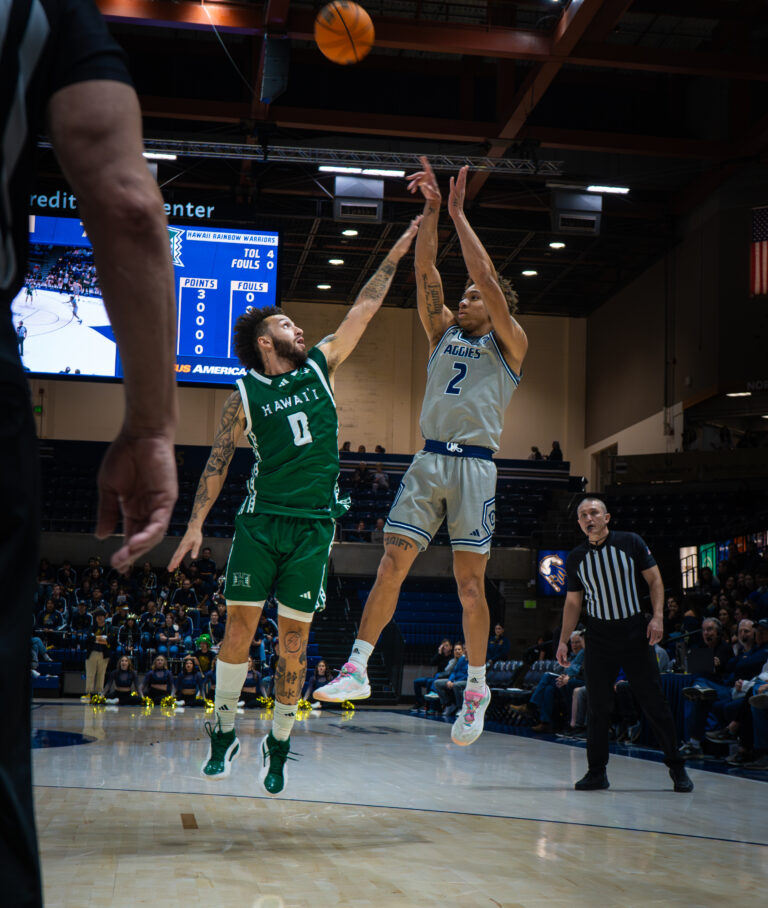
Coincidentally, the men’s basketball team had a similar scenario — they defeated the Rainbow Warriors in the 2024 Big West Conference semifinals with a three-point margin. Although neither team ended up winning the 2024 tournaments, both semi-final defeats of Hawai’i basketball teams were high points in the season. This time around, the men’s team narrowly defeated the Rainbow Warriors at home at the University Credit Union Center, but the women were unable to complete the doubleheader win. 

Men’s basketball won its match 68-66 — a nerve-wracking night for Aggie fans as they watched their team battle to maintain their winning streak. TY Johnson, a fourth-year communications major and guard, led the charge with 23 points, including the match-winning basket. Pablo Tamba, a fourth-year communications major and forward/wing, also had a big night, scoring a career-high 19 points. 

Despite a flurry of offensive activity, UC Davis was strong on the other side of the court as well, limiting their turnovers and preventing the University of Hawai’i from finding greater success with three-point shots. 

The teams traded points throughout the game, with neither side able to establish an unbeatable lead. Although the Aggies were able to claim a narrow lead with a few minutes left, Hawai’i was not ready to be counted out and mounted its comeback, taking a one-point lead in the final seconds. However, Johnson was able to make a two-point basket and convert a free throw in the last 10 seconds to propel the Aggies to victory. 

An hour later and 2,400 miles away, the UC Davis women’s basketball team took on the Rainbow Wahine in Hawai’i’s home stadium. In contrast to the men’s match, which was a flurry of scoring right from the beginning, the game began slowly. Both teams were more focused on defense, resulting in the first quarter being the lowest-scoring of the four.  

The Aggies were outscored in all four quarters — which proved to be a deficit they could not overcome — and they ultimately lost 46-56. Tova Sabel, a fourth-year psychology major and guard, and Ryann Bennett, a first-year undeclared major and guard, were the only two players to hit the double digits, with 11 and 10 points respectively. Although the match ended relatively unevenly, there were plenty of positives for the Aggies, including forcing 20 turnovers and maintaining a close score for most of the game. 

Midway through the regular season, both teams sit in the middle of the conference rankings with the potential to move up or down the rankings equally. The closing stretch of matches will be key if both teams want to replicate, and then surpass, their conference championship performances from last year. 

The women’s team will be at home for their next stretch of games, allowing them to recover from their long trip to Hawai’i. Meanwhile, the men’s team will head out on the road for four consecutive games in Southern California. Both teams return to action on Jan. 30 against UC Riverside, and fans can catch the excitement on ESPN+


By Lucienne Brooker — sports@theaggie.org

Review: ‘Squid Game’ returns for a thrilling second season

The popular Netflix series is back with more games and twists around every corner


By NATALIE SALTER—arts@theaggie.org

There is a moment in “Squid Game” season two that is almost exactly taken from its predecessor. After a bloody game of “Red Light, Green Light,” the surviving players — in various states of disbelief and horror — are alerted by a cheerful voice over the intercom that the pot of winnings has increased. Their eyes are drawn upwards to an oversized glass piggy bank suspended above their bunks which begins to fill with stacks of money. The camera turns to their faces, awash in warm golden light, utterly enraptured for the handful of seconds it takes to pour in the shares of their deceased competition. At that moment, there is no distinguishing their individual motives. The day’s horrors fade away, leaving only the awe and desire of witnessing the wealth they so desperately need, almost within reach.

Any fleeting solidarity the players shared in that moment is shattered the moment the next game begins and they become each other’s enemies once more. In repeating this scene across both seasons, “Squid Game” seems to remind us that despite the players needing the prize winnings for a myriad of reasons, the most important reminder is that the endgame is for each of them the same — money.

Many other aspects have stayed consistent from the show’s first season to its second. From the infamous opening challenge to the voting procedures which may either end the game or continue it, the setting is more or less the same. It’s Gi-hun, the gambling addict turned unexpected winner from the season prior, who has changed — and now, he seeks to put an end to the dehumanizing games that he was once a victim to. Riddled with survivor’s guilt and deeply traumatized from the sheer mass of deaths he witnessed (and was even partly responsible for), he willingly re-enters the games, determined to dismantle them from the inside.

“Squid Game” season two also introduces a new diverse cast of players. A young pregnant woman, a transgender ex-soldier seeking gender-affirming treatment and a cocky YouTuber are some of the most memorable amongst them. Brought together and driven apart by the various games, their relationships with one another produce a variety of emotional and amusing interactions. The show once again attempts to depict the underrepresented communities of South Korean society and carefully explores the circumstances driving them to desperate measures. 

Likewise, a series of terrifying new games amp up the stakes and keep viewers and players alike on their toes. The second season’s latest challenges require the players to depend on one another as they compete, with it being impossible to win each one alone, generating the perfect environment for alliances to bloom.

One of the most masterful details of the show’s sophomore season is its blurring line between the games and the real world. Most of the show takes place on an isolated island wholly cut off from the outside — the impression generated by this setting is that the games exist in a bubble that can be escaped. But there is no escaping the horrors within its walls. Literally speaking, the deadly game of rock, paper, scissors meets Russian Roulette within which the elusive Recruiter entraps two of Gi-hun’s affiliates makes it clear that nowhere is safe, but figuratively speaking, the games happen every day in thousands of ways.

Consider Gi-hun’s struggle to end the games: Despite his best efforts, he finds himself facing steep opposition from even several of the game’s players — its victims — themselves. He is forced to reckon with the fact that the games are just one instance of a phenomenon that will never go away so long as the conditions of modern capitalistic society persist. The rich stay rich while the poor are encouraged to fight tooth and nail for mate

rial gains, promising that they can have it all at the expense of those around them.

The image of the piggy bank might return to your mind. Players enamored by the promise of freedom and luxury are in those moments distracted from the fact that they are being promised this fantasy by the same people who subjugated them to begin with. 

What then does “Squid Game” propose to do in resistance to these conditions? It is the solidarity between the players trapped in the games that become their rebellion. Their decision to radically support one another allows them to break the game’s constraints. 

For all of its nightmares and bloodshed, “Squid Game” season two is also rather inspiring. Despite a cliffhanger ending, the bonds built up throughout the season are stronger than ever, leaving a shred of hope in the darkest of times.

Written by: Natalie Salter—arts@theaggie.org

City of Davis unveils G Street renovations

Students and families gathered to watch the ribbon-cutting ceremony for the reopening of G Street 


By MATTHEW MCELDOWNEY — city@theaggie.org


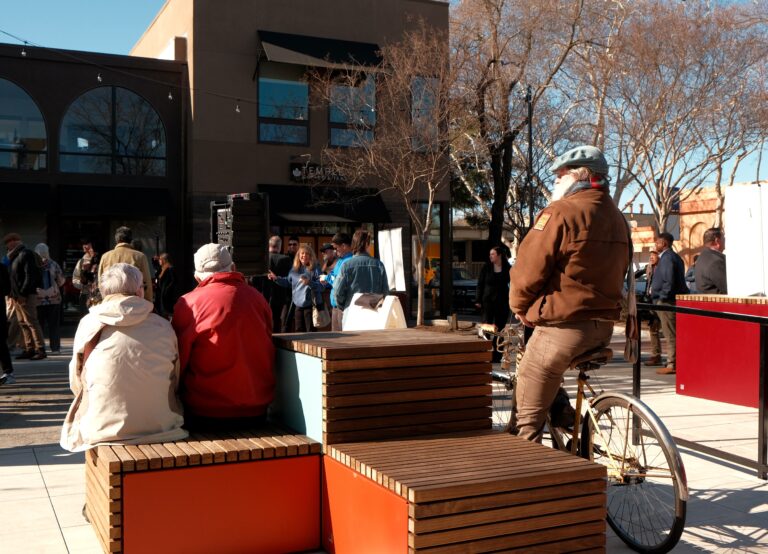
G Street renovations have been underway since August of last year, and on Jan. 26, the Davis City Council as well as Congressman Mike Thompson officially opened the street as a community space. 

This million-dollar renovation project is adding improved lighting and new seating — some of which were designed by students at UC Davis. Students in UC Davis’ DES 166: Human-Centered Design course collaborated with faculty to conduct outreach with community members about how to best build G Street into a third space — a place separate from home and work — for people of all ages to enjoy.

During the ceremony, Davis Mayor Bapu Vaitla spoke on behalf of the city to provide more insight into the future of this G Street project.

“The first phase of infrastructure is complete — it’s ready for the community to enjoy,” Vaitla said. “But, there is a second phase coming up. The city is planning to implement further enhancements over time including additional furniture, group seating, art and family-friendly activities, music, special events, signage and more.”

Vaitla anticipates that graphics for the pavement will be implemented later this February. When asked about what may follow the G Street renovation, Vaitla was hopeful that G Street could set a precedent for pedestrian areas to be implemented in other places downtown if successful.

Vaitla believes G Street to be a space that sets a people-first precedent and prioritizes providing for the physical and mental needs of the community. He discussed his hopes that this shift away from car-centric infrastructure is taken into consideration for future city planning decisions to promote safety, sustainable development and climate action. 

“This is a space for people — not cars,” Vaitla said. “Obviously, we need cars, but we also know that there are many deleterious, social and environmental impacts to designing our spaces for motor vehicles instead of people.”

Thompson was also in attendance at the event and spoke about the new building project, which was funded by the American Rescue Plan Grant — a bill Thompson voted to pass back in 2021. He discussed the good that he hopes is to come from a new-and-improved G Street.

“This is one of those great projects,” Thompson said. “And, to see what’s happened, the transformation, is pretty outstanding. It speaks volumes for the insight and dedication of the community and businesses as well.” 

Brett Lee, the head of the Davis Downtown Business Association, also spoke on the implications of this project for the continued beautification and economic growth of Davis.

“As we look at the downtown, as we try to improve the atmosphere, as we try to make it more inviting and improve the business opportunities for those who choose to locate here, the question isn’t, ‘Is it perfect?’ The question is, ‘Are we moving forward?’” Lee said.

These very improvements tie into a larger citywide effort to increase the accessibility and quality of life in Davis. It is this very sentiment that Vaitla hopes that Davis residents are able to leave with when visiting the new G Street.

“Our grand hope for G Street is that it’s going to be a hub for community life here in Davis,” Vaitla said. “A place where people can come and enjoy being together in this open-air environment year-round while supporting the many small businesses that truly make our city.”

Written by: Matthew Mceldowney — city@theaggie.org


City releases Village Farms Draft Environmental Impact Report for public comment

Comments on the environmental impact review will be open until Feb. 21 


By RORY CONLON — city@theaggie.org


The city of Davis released the Draft Environmental Impact Report (DEIR) for the proposed Village Farms housing development on Jan. 8. The public can submit comments on the DEIR until Feb. 21. 

The Village Farms Davis Project is a proposed 497.6-acre project that will be located north of East Covell Boulevard, east of F Street and west of Pole Line Road. The project’s developer, North Davis Land Company LLC, said it would add 1,800 housing units to help alleviate the housing crisis in Davis. 

“A lack of housing options, in addition to an overall housing shortage, continues to make homeownership further out of reach for many in our community,” the project’s description reads. “Case in point, at least 47% of all permanent [Davis Joint Unified School District] employees do not currently live in Davis. This simple fact demonstrates how the housing crisis is weakening the very fabric of our community.” 

North Davis Land Company LLC also argued that the development would help the city of Davis meet state requirements for providing housing to its residents. 

“The regulatory consequences for not meeting State [Regional Housing Needs Allocation] demands could have serious implications to state funding and local control over new housing,” the description reads. “Village Farms Davis will provide 20% of its residential units as affordable housing, exceeding the requirements of the City of Davis inclusionary housing ordinance. An additional 5% of residential units will offer a downpayment assistance program to first-time homebuyers.” 

Developers submitted an initial plan to the city in 2023. Under the California Environmental Quality Act (CEQA), the city must analyze any significant environmental impacts the project can have, find ways to mitigate those impacts and provide project alternatives. 

The CEQA document for the Village Farms project was first released in November of 2024. The City Council was provided an update during their meeting on the development on Nov. 19, 2024, according to the city of Davis webpage.

“The update included the analysis of the project as submitted in 2023 under CEQA, along with five reasonable alternatives, that are part of the Environmental Impact Report,” the webpage reads. “The alternatives that are provided must be considered feasible and capable of meeting the project’s objectives while avoiding or reducing the project’s significant environmental impacts.” 

The five project alternatives considered were: no project (no build), lower number of units, agricultural resource preservation, higher number of units and an off-site project, according to the DEIR.

The city and the developer favor the Biological Resources Preservation Alternative (BRPA), which would keep the same number of units while setting aside acreage to preserve wetlands. A summary of the city’s CEQA documents described how the land would be used.

“The Draft EIR also evaluates an equal-weight alternative, known as the Biological Resources Prevention Alternative,” the document reads. “The BRPA would preserve a 47.1-acre Natural Habitat Area comprised of the Alkali Prairie Yolo Habitat Conservation Plan (HCP/ NCCP) land cover that occurs south of Channel A.” 

The DEIR also lists and addresses concerns expressed by community members earlier in the process. Most concerns lay in three main areas: air quality, greenhouse gas emissions and energy; hydrology and water quality; and transportation. 

To address transportation challenges, the developers will be required to install high-visibility bicycle and pedestrian crossing improvements at several intersections around the development. The DEIR also outlined how developers will fund a plan to accommodate transit in the area. 

“The project applicant shall fund a Transit Service and Facilities Plan for the area encompassing the project site and other development along the north side of the Covell Boulevard and Mace Boulevard corridor between the westerly city limits and the I-80 interchange,” the DEIR reads. “The Transit Services and Facilities Plan shall identify transit service and facility improvements required in accordance with Unitrans and Yolobus policies related to unmet transit needs, timing for improvements, transit service warrants and performance standards.” 

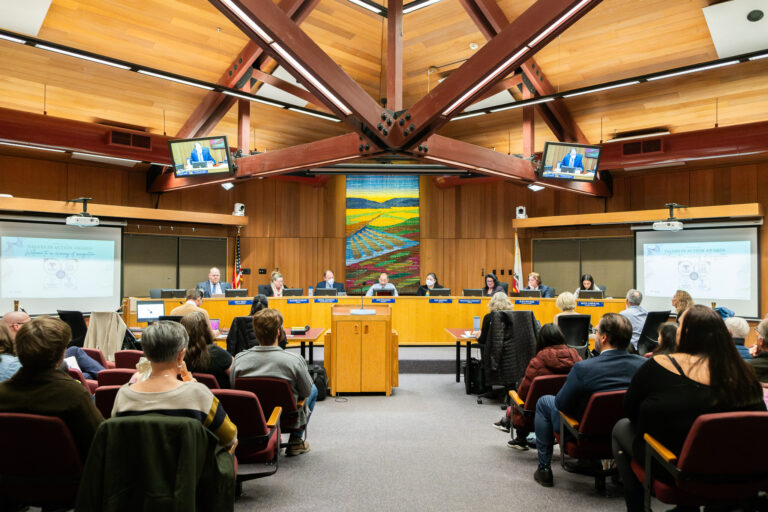
Members of the public can submit written comments by mail or email to Dara Dungworth, the principal planner for the city of Davis. While community members can also attend a city of Davis Planning Commission meeting on Feb. 12 to express concerns, only written comments will be recorded and responded to in the final draft of the EIR. 

Residents of Davis will vote for the Village Farms development in November 2025 under Measure J/R/D. 


Written By: Rory Conlon city@theaggie.org 

Review: Worlds colliding in Philly

“Abbott Elementary” and “It’s Always Sunny in Philadelphia” come together for two crossover episodes


By ELIZABETH BUNT — arts@theaggie.org 


Aside from their shared location, it is hard to find two sitcoms more different than “Abbott Elementary” and “It’s Always Sunny in Philadelphia.” While both shows are set in Philadelphia and heavily relate to the city, they are wildly different in tone. 

“Abbott Elementary,” starring Quinta Brunson, Tyler James Williams and Chris Perfetti, is incredibly wholesome. The show tells stories of underpaid teachers in an underfunded Philly school doing their best for their students and the wider community. Humor pops into each episode in the form of mishaps with students and the antics of principal Ava Coleman (Janelle James) as well as the janitor Mr. Johnson (William Stanford Davis). “Abbott Elementary” is, above all, heartwarming. 

On the other hand, heartwarming is a word that has never been used to describe “It’s Always Sunny in Philadelphia.” “Always Sunny” has been on air since 2005, and its 17th season is expected to be released later this year. It follows the daily lives of five “deadbeats” — Dennis, Dee, Mac, Charlie and Frank — who own and operate a seedy dive bar. Most episodes, while wildly funny, feature some sort of criminal activity that could not be described as wholesome or child-friendly.   

From the outside, it seemed like any collaboration between these two shows would be a bust. It’s hard to imagine the characters in “Always Sunny” toning it down enough to fit in with the “Abbott Elementary” cast. Furthermore, it would be unbelievable that any character from “Always Sunny” would even be allowed within 500 feet of an elementary school. 

The premise of this episode had the cast of “Always Sunny” arriving at Abbott Elementary School to volunteer. Ostensibly, it seems as if the Paddy’s Pub crew is just there to help the teachers with their workload, but it soon becomes clear that they are there on court-mandated community service hours. 

From there, characters split off for different tasks. Dee Reynolds (Kaitlin Olson) acts as a substitute teacher who eventually gives into her selfish nature and attempts to steal Janine (Quinta Brunson)’s boyfriend. Mac (Rob McElhenney) schmoozes the principal to get hours checked off their community service record. Frank (Danny Devito) gets into a raccoon-trapping contest with the janitor. Finally, Charlie (Charlie Kelly) learns to read with an Abbott kindergarten class. The only piece missing is Glenn Howerton’s character, Dennis, who alleges that he cannot be seen on camera. 

Despite the fundamental differences between the two sitcoms, the crossover felt very natural and true to the continuity of previous “Abbott Elementary” episodes. The teachers of “Abbott” are regularly given strange and often obnoxious characters to deal with, so the addition of the “Always Sunny” cast simply felt like another test of their teaching ability. Writers of both shows also worked to smooth out some of the typically rough aspects of the “Always Sunny” cast to make them more suitable for an elementary school environment. It is possible that Dennis, a rampant womanizer and probable sociopath, was left out of this crossover because tempering his character was too much of a challenge for a single episode of “Abbott Elementary.” 

All in all, the crossover episode went off without a hitch, and fans are eagerly awaiting the next. Writers for both sitcoms have reported that two episodes will be produced: the just-released episode in the style of “Abbott” and one done in the style of “Always Sunny,” which will be released with the 17th season. Audiences will need to stay tuned to FX to see the next installment and the other half of the storyline.

Written by Elizabeth Bunt — arts@theaggie.org

DJUSD holds first board meeting of 2025

Davis Joint Unified School District reviews worker pay, student performance and enrollment


By YUENJO FAN — city@theaggie.org


The Davis Joint Unified School District (DJUSD) hosted its first board meeting of the year on Thursday, Jan. 16. 

The meeting, spanning four hours, discussed tentative agreements between DJUSD and the California School Employees Association (CSEA), the 2024 to 2025 Local Control Accountability Plan and the district’s enrollment numbers. 

Laura Juanitas, the DJUSD associate superintendent of student support services, addressed the board about the district’s new agreements with the CSEA. Employees under the CSEA are staff members without teaching credentials, such as office staff, assistants, custodians, cafeteria workers and bus drivers.

“I am pleased to announce that we have reached tentative agreement on article VII and article XIV with the California School Employees Association chapter 572 for the 2024 to 2025 school year,” Juanitas said. “We have also negotiated 11 memorandums of understanding for this year. CSEA membership ratified the agreement last week, and to finalize the agreement in [memorandums of understanding], we must have board approval.”

Shortly after, the board approved both the tentative agreements and the memorandums of understanding between DJUSD and the CSEA. A tentative agreement represents the first step in negotiations. Memorandums of understanding are agreements that display a shared consensus without any legal bindings. 

The ratified documents, Article VII and Article XIV, cover grievance procedures and employee salary and benefits, respectively. Article VII ensures that employees who are represented by CSEA have a formal system of reporting grievances: Employees can file them to an immediate supervisor, report to the Office of Associate Superintendent or request a mediation, depending on the issue’s severity. 

On the other hand, Article XIV details in the instance where the district engages in further wage increases or additional health benefits, CSEA members will also be incorporated into the compensation. Moreover, the 11 accepted memorandums of understanding included but were not limited to: security camera installments, retirement incentives and a new custodial job classification. 

Amongst the major discussion items, the district also touched on the mid-year update of the Local Control Accountability Plan (LCAP), which addresses a variety of issues relating to student academic success, inclusion, opportunity and confidence. 

DJUSD Associate Superintendent of Instructional Services Troy Allen provided further details. 

“Our first step in the LCAP process is to engage in data analysis with genuine curiosity and then drive toward [an] understanding of root causes and continuous improvement,” Allen said. “This is followed by outreach, which gives us the ability to more fully understand the data, work with our community to build shared understanding of how we use our limited resources and collect ideas that inform our current and upcoming plans.” 

Allen further explained how data collected by the LCAP is retrieved from the California School Dashboard website, which contains changes in statistics, such as performance levels, over time. As a result, the district is able to measure the academic productivity of DJUSD students each year. With the current LCAP approved from 2024 until 2027, the school board will be closely monitoring continuing updates regarding student success. 

The final major area of discussion revolved around the topic of DJUSD’s declining new student enrollment. Maria Clayton, the school district’s chief strategy officer, provided evidence of a significant projected decline in student enrollment over the next decade. To combat this, the district has proposed new housing developments that will increase the number of residents, resulting in a higher student population. 

“The proposed Village Farms project would be constructed within the North Davis boundary area and has been estimated to be 1,800 units,” Clayton said. “[It] would be built over a 15-year period, and our projections suggest that they would yield over 700 students by 2041. The proposed project of the Shriner’s Property is on the same side of town but on the Korematsu-Harper boundary area. This project has an estimated 1,200 units and, if approved by voters in June of 2026, would be built over a six-year period.”

The Village Farms project is expected to yield over 700 new students to DJUSD, and the Shriner’s development is expected to yield 273 students. These housing developments will be in the hands of local voters, with the Village Farms development expected to be on ballots in November 2025 and the Shriner’s development on ballots in June 2026. More information on the DJUSD board meeting can be found in the DJUSD’s “Boundary/Enrollment Study Session 5” report online


Written By Yuenjo Fan — city@theaggie.org


The myth of woke California

Unpacking California’s conservative history and why it is extra relevant this year


By Tara Romero— tcrome@ucdavis.edu


“Trump is coming back to office, but because we’re in California, we have nothing to worry about” — this is a strange sentiment that has been floating around a lot in the past few months. Frankly, there’s a lot to unpack with that statement alone, but let’s start with questioning why this is the go-to remark for liberal Californians as we enter into another Trump presidency. 

California has been a reliably blue state since 1988. On election night, our 54 electoral votes rolled in to give a huge push for the Democratic candidate. In recent years, our state has enacted plenty of progressive legislation, such as amending the state constitution to protect both reproductive rights in 2022 and same-sex marriage in 2024.

On paper, California appears to be a liberal oasis in the midst of a Trump presidency. 

I cannot lie, I was naively brainwashed by this myth going into this last election. Surely, we all rolled our eyes at the attempt of backtracking on Proposition 47. Undoubtedly, my fellow Californians would vote to end the enslavement of people who are incarcerated, since it’s a human rights violation and there was literally no argument submitted against it. 

When I woke up the morning after the election, I’m embarrassed to admit that I was blindsided by the results of Proposition 6 and 36. However, remembering California’s history, these results really should not have come as such a surprise.

While California has passed notable progressive reform in recent years, only a few decades ago was California also at the helm of regressive politics. In case we forgot, two of the most infamous presidents in American history were California politicians: Richard Nixon and Ronald Reagan. 

Aside from the classic fumble of Watergate, Nixon was also known for his devotion to bringing “law and order” to America. This platform spoke to the racist frustration of the white lower class following the Civil Rights Movement. “Law and order” rhetoric is also the predecessor to the “Tough on Crime” movement in the following decades. 

In his presidency, Ronald “don’t worry it will trickle down, I promise” Reagan notably did absolutely nothing in the face of the AIDS epidemic. His campaign was fueled by creating and then fighting the imaginary “War on Drugs.” He criminalized drug usage by signing the “Anti-Drug Abuse Act of 1986,” which spurred increased drug laws on the state level throughout the country — including California.

After Reagan’s presidency, California went on to be a leader in passing new “Tough on Crime” laws, which disproportionately targeted Black and Latino Californians. In 1994, California was the second state to pass the “Three Strikes Law,” which exponentially increased punishments for people who had been convicted of a previous felony. Currently, there are still roughly 4,800 laws that place restrictions on previously incarcerated people’s rights including employment, housing and education. 

It wasn’t until the 2010s that California finally began to try to reform the mess that is our criminal legal system. The state passed more progressive measures like Proposition 47, which reclassified petty theft and drug possession from felony to misdemeanor — undone by passing Prop. 36 on last year’s ballot. 

The failure of Prop. 6 (you remember, the one that would have prohibited the enslavement of people who are incarcerated), and the passing of Prop. 36 (reclassifying petty theft and drug possession back into a felony) in the 2024 election jointly marked California’s return to its “Tough on Crime” roots.

Understanding our state’s history, particularly in the criminal legal system, helps us see how California was never the left-wing wonderland that both sides of the political spectrum claim it to be. We have continuously failed, exploited and neglected our most marginalized communities. Our progressive reforms are only as strong as their legacy, and if some of our most crucial reforms get backtracked only 10 years later, then we have a lot to worry about. 

Understandably, California will likely not be as deeply affected as many other, more vulnerable, states during Trump’s presidency. Yet, we cannot continue to hide ourselves under the myth that California is a liberal safe haven because it’s not. The myth of liberalism can only protect us for so long and has already failed to protect those of us affected by mass incarceration. The reality is: California was never all that far left. So, consider this myth — busted.


Written by: Tara Romero— tcrome@ucdavis.edu

Disclaimer: The views and opinions expressed by individual columnists belong to the columnists alone and do not necessarily indicate the views and opinions held by The California Aggie.

New community artwork installed at Davis City Hall

Public art by local artist Wesley Horn celebrates Davis’ natural landscape


By ALMA CULVERWELL city@theaggie.org 


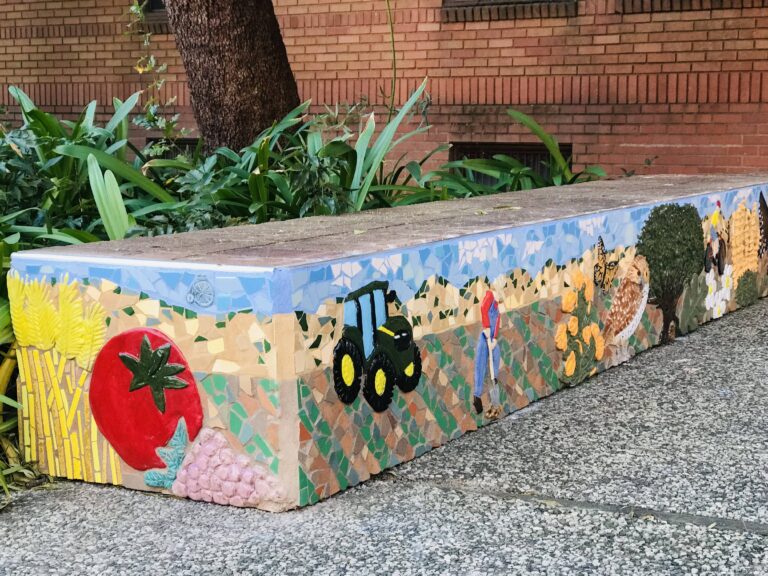
A new art piece was recently placed at the Davis City Hall on the brick seating between the doors and the City Council Chambers. The tiles are handmade by artist Wesley Horn (Wes), a second-generation, Davis-based sculptor, ceramicist, mosaicist and builder. 

The hand-made tiles are crafted to celebrate the local landscape and natural environment. Depicting native plants, insects and animals in intricate detail, Horn specializes in durable exterior works for public and shared spaces and is known for integrating regional imagery into his pieces. His various public art installations can be found in libraries, schools, galleries, transit stations, sculpture gardens and city streets across California and Mexico.

In addition to his artwork, Horn hosts studio classes that are open to the public, offering workshops that focus primarily on clay sculpture, particularly near the holidays.

Davis community member and artist Anya McCann shared her appreciation for the installation, emphasizing the value of public art in the city.

“I think it’s really important for us to have and support public art, and it beautifies our town,” McCann said. “It has ways of communicating our region, things that symbolize and are important to our region and make this our town. I love how he’s included local crops and local wildlife.”

McCann also expressed pride in the city’s commitment to supporting local artists.

“I’m proud that my city is supporting this,” McCann said. “I am a local artist who has contributed art to our town, several of my friends as well, and I think it’s terrific.”

Davis’ public artwork is enjoyed by students and community members alike. Sara Bakr, a third-year environmental engineering and civic engineering double major, echoed this sentiment, highlighting the role of public art in community identity. 

“Public art makes everyday spaces feel special,” Bakr said. “It makes public spaces feel more welcoming and adds personality to places we pass through daily. It’s a reminder of what makes Davis unique.”

For students, public art installations like Horn’s serve as an opportunity to engage with the city’s culture beyond campus. Emmy Patterson, a third-year neurobiology, physiology and behavior major, shared her appreciation for seeing art integrated into daily spaces.

“I love seeing creative works outside of galleries and classrooms,” Patterson said. “Public art like this makes the city feel more vibrant and accessible, and it’s inspiring to see professional artists showcasing work in shared spaces.”

Horn splits his time between Davis and Todos Santos, Baja California Sur, Mexico, where he continues to create public art connecting people with the natural world. His signature style, which includes bright, mosaic-like ceramic tiles, has become a recognizable feature in many local and international community spaces. For more information on Wes Horn’s work, check out the new art installation at Davis City Hall, as well as his website and Instagram page


Written By Alma Culverwell — city@theaggie.org

Food waste: the critical struggle that demands more attention

UC Davis researchers’ findings emphasize the demand for more robust policies to curb food waste 


By EKATERINA MEDVEDEVA— science@theaggie.org


On Sept. 16, 2015, the United States set out to achieve one of its most important domestic environmental goals: The U.S. Department of Agriculture (USDA) and the U.S. Environmental Protection Agency (EPA) announced a mission to cut national food waste in half by 2030. 

This aim came in line with the Sustainable Development Goal (SDG) 12.3 adopted earlier by the United Nations to “halve per capita global food waste at the retail and consumer levels [by 2030].” With the U.S. being the third-largest producer of food waste in the world, its commitment to address this problem is essential for worldwide progress. 

In 2016, the baseline year based on which the progress is measured, the food waste in the U.S. amounted to 328 pounds per person, according to EPA. This accounts for a staggering 30 to 40% of food produced in the U.S. being sent to landfills, controlled combustion, sewer and land application. By 2030, that number was targeted to be reduced to 164 pounds via the enactment of state-level policies that focus on four sustainable reduction strategies: prevention, rescue, repurposing and recycling. 

However, a recent UC Davis study published in Nature Food, found that given the present policies, none of the 50 states can reach the 164 pounds per capita goal in time. The ineffectiveness of the current legislature is explained by numerous factors, which include a lack of rigidity, exemptions, unrealistic constraints on timelines and underfunding.

The study references estimates provided by ReFED (a leading U.S. non-profit organization researching data-driven solutions to reduce food waste), which outline the possible amount of food waste that could be prevented with specific diversion solutions, such as introducing improved date labels, foodbanks, recycling and feeding food waste to animals. However, it is important to note that recycling has not been considered a food waste reduction strategy by EPA since 2021, although it remains a valuable management strategy.

Sarah Kakadellis, a postdoctoral researcher with the UC Davis Department of Food Science and Technology who led the study, further examined this diversion potential with her team. Considering the quantified strength of the current policies in each state, they evaluated how much waste is likely to be averted. Even if recycling would still be considered an applicable strategy, only three states – California, Vermont and Arizona – could attain the 164 pounds per capita goal, according to their analysis. 

The key issue in the current approach to food waste reduction is that most state policies, including California’s, are still centered around recycling.

“Even if we’re recycling food waste, it’s still important because we’re not sending it to a landfill, but it’s not actually delivering towards that goal,” Kakadellis said. “The problem [with recycling] is that we are not addressing upstream solutions — how to prevent that food waste in the first place and remove it altogether from the equation.”

In order to work with the root of the issue and progress toward the current food waste reduction goal, states should emphasize rescue (e.g. food donation), repurposing (e.g. animal feed) and prevention policies (e.g. standardized date labels).

“For instance, when you have standardized date labels that everyone understands, you’re helping consumers like you and me understand how to better use food and how to avoid potentially wasting it,” Kakadellis said. “Sometimes [the ‘best by’ labels and such] are not at all about how safe that food is, but more about the texture and taste. However, very few states have policies that [regulate] the use of confusing terms that [can] lead consumers to waste their food.”

Furthermore, Kakadellis and other experts highlighted the need for an education campaign on how people can reduce their amount of food waste or dispose of it sustainably, given that some amount of food waste will always be produced as a byproduct (for example, a banana peel).

“It’s important to have funding for education so that when people are exposed to these new terms [regarding curbing food waste], they are really supported in that process,” Kakadellis said. “It can be quite confusing.” 

With rising prices for food, finding ways to waste less becomes increasingly important for consumers’ wallets. 

“The average American spends $40-65 per month on food that goes uneaten,” ReFED’s estimates read. 

Preventing food waste goes far beyond moral and monetary concerns. Its production is disastrous for the environment, accounting for 8 to 10% of global anthropogenic greenhouse gas emissions as well as countless amounts of squandered resources.

  “What we’re doing is raising the alarm bell,” Kakadellis said. “Take the example of California, a major agricultural producer in the world. We are in a drought state, and we are going to face increasingly more severe droughts. We need to think very carefully about how to use water. If you’re using it to grow food that then goes to waste, it is a huge inefficiency issue, and it’s going to be increasingly important as we go into the 21st century.”


Written by: Ekaterina Medvedeva— science@theaggie.org

‘Friends are the new influencers’: CEO of Garde-Robe discusses new fashion app

Sarah Findlay’s app aims to revolutionize the online shopping experience


BY BETH MUNRO-MORRIS —- arts@theaggie.org 

In the ever-evolving world of fashion, keeping up with trends can be a struggle. Many social media platforms rely on influencers sponsored by high-end designers to showcase styles that, in turn, most can’t afford. Garde-Robe, a new fashion app, promises to bring transparency back to the online landscape and create a culture where a friend’s influence is more valuable than any celebrity’s. 

Chief Executive Officer (CEO) Sarah Findlay noticed herself feeling uninspired by her shopping experiences during the social disconnection characteristic of the COVID-19 pandemic. The inability to see what her friends were purchasing or wearing highlighted a reliance on their insights for trusted recommendations. 

Findlay discussed the app’s vision and how Garde-Robe came to be.

“The same way I follow my friends for book recommendations on Goodreads, music on Spotify or workouts on Strava, […] I wanted to be able to follow my friends’ shopping,” Findlay said. 

In a world flooded with products, reviews and online chatter, it can be difficult for a consumer to know who and what to trust. Findlay defined this new stage of consumerism as the ‘‘post-influencer era.”

“We’ve been conditioned to look at following creators and influencers for so long but that’s just pure advertising at this point,” Findlay said. “Hauls and overconsumption are totally passé and we can usher in a new era with more transparency about what people are actually buying […] that’s where friends come in.”

In an increasingly digital landscape, people are craving real connections more than ever. Rather than reinforcing the solidarity often associated with online shopping, Findlay designed a platform where shopping isn’t just transactional, but a social experience in and of itself. Garde-Robe operates on the idea that interactivity should not be confined to the physical world but should translate into virtual experiences as well. 

At the core of the app’s creation is also a desire for better organization. Findlay identified the fragmented nature of online shopping as a key reason behind the launch of her fashion company.

 “We keep URL links in our notes app, Whatsapp littered with links, camera rolls full of screenshots,” Findlay said. “[This] leads to a disjointed experience. [Our] app and website lets you save anything from the web you’re thinking about buying and put them into wishlists, ask your friends for feedback with polls and digitize your closet.” 

As Garde-Robe grows, Findlay is focused on scaling the app, specifically launching a social commerce platform focused on the West. Unlike other platforms that require consignor work to resell clothes, Garde-Robe is working toward a resale component that allows for a seamless transactional process.

“Social commerce is already very established in Asia and the West is behind,” Findlay said. “Buying new and secondhand interchangeably is the future, and I want to build a platform that merges both.”

For Findlay, user engagement is at the heart of Garde-Robe’s success. The app has cultivated a community of ambassadors, power users and trusted advisors who help test new developments and promote the platform. 

“We have an amazing team, and we’re really iterating and building the platform based on their direct feedback,” Findlay said. 

Whether curating engaging videos on TikTok, offering style tips on Instagram or building partnerships with external organizations, Findlay’s team is dedicated to broadening Garde-Robe’s reach and expanding the brand’s influence. 

Looking ahead, Findlay envisions a future where Garde-Robe is a mainstream platform, on par with Pinterest and other key players in the fashion ecosystem. With a strategic emphasis on audience expansion, the app’s design prioritizes the needs of the consumer — striving to restore a sense of fun and reliability in the fashion world. 

“I want everyone to use Garde-Robe, to save what they’re thinking about buying, ask their friends for feedback, save everything they’ve bought, get product recommendations and, finally, to resell their clothes,” Findlay said. 

With the app’s current momentum and a clear roadmap for the future, the next few years will be transformative for the fashion media space. To discover more and be a part of this exciting journey, download the app and Chrome extension, follow Garde-Robe’s Instagram account or check out their website to join in on the conversation. 

Written by Beth Munro-Morris  — arts@theaggie.org

Avian influenza outbreak impairs the poultry and dairy industries

Biosecurity measures are necessary to prevent a zoonotic disease


By NEVAEH KARRAKER— nakarraker@ucdavis.edu


Eggs: hard-boiled, soft-boiled, deviled, fried, sunny side up — the list goes on. Given that eggs are packed with protein and nutrients, and can also undergo emulsification during baking, the uses of this product are immensely diverse. However, any future plans for omelets must be postponed, due to a recent nationwide egg shortage.

Cases of avian influenza, scientifically known as the HPAI A (H5N1) strain, in United States birds was first reported in 2022. Since then, it has only become more lethal and widespread within commercial and backyard flocks across the eastern part of the country.

Tens of millions of egg-laying hens, as well as poultry, have either died, been culled or been impaired, leading industrial processes to shut down operations, according to the United States Department of Agriculture (USDA). As a result, egg prices have spiked.

Yet, this virus is certainly not new; It was initially found in waterfowl in China almost three decades ago. Over time, other species of domestic and wild birds, livestock, small mammals and even humans were infected globally. Organizations such as the USDA, the Animal and Plant Health Inspection Service (APHIS) and the Centers for Disease Control and Prevention (CDC) have closely followed and investigated the rapidly increasing reports.

For example, in March 2024, Texas documented the earliest case of the bird flu in U.S. dairy cows. Infected cattle experienced extreme mastitis, or inflammation of the mammary glands. This symptom heavily reduces milk production and creates a cloudy, odd-colored and inedible liquid. It was followed by elevated fevers and mortality. 

As of now, cases have been confirmed in over 900 herds throughout numerous states. Pigs, cats, goats and even arctic mammals like polar bears and seals have been impacted, showcasing the dangerous proliferation of this virus. Moreover, it will take months to rebuild the poultry industry and years for the dairy. In order to facilitate this rebuild, the USDA is providing generous compensation to affected farmers. 

However, the USDA’s compensation indirectly encourages cruel practices such as culling (a common method to manage livestock populations by inducing heat stroke), according to an article by The New York Times. Whether it’s death due to disease or slaughter, it still reduces the meat, dairy and egg supply.

California is the largest dairy producer in the U.S., and the state alone has over 700 infected dairy herds. Davis is especially known for its agricultural college and research, with an exceptional veterinary medicine program. If the avian influenza reaches Davis livestock, it would prove to be detrimental to the university’s output. 

Scientists are thus concerned that avian influenza may evolve into a fully developed zoonotic disease. And, theoretically, if it spreads as expeditiously through humans as it did cross-species, it could surpass the mortality rates of COVID-19. This is a prominent fear, especially now that the Louisiana Department of Health announced the first human avian influenza-related death in the U.S. earlier this month. Fortunately, the probability of this development occurring is extremely low, as human cases have predominantly resulted from  direct contact with compromised farms.

The Food and Drug Administration (FDA) and the National Institutes of Health (NIH) have disclosed that contamination results from unsanitary food, direct contact, nasal passages, bodily fluids and airborne pathways. In other words, the strain is incredibly contagious.

Thus, biosecurity measures ought to be in high demand. These steps prevent disease spread by implementing extensive safety protocols, including (but not limited to) isolation and sanitation. An epidemic is not the only concern; A food supply shortage would also result in devastating consequences.

Georgia, the nation’s top chicken producer, has forbidden poultry exchange and ordered infected farms into a state of quarantine. At UC Davis, students already working with certain animal species are prohibited from taking classes or being within proximity to other species. While this can be disappointing for those requiring hands-on experience, this protocol will prevent the virus from impacting the availability of future courses and a further development of the influenza.

Those employed in agriculture should strive to pursue biosecurity, and those who are not should refrain from visiting or touching unknown animals until organizations have complete control over the situation. In order to protect public health, it’s crucial to stay informed, avoid potential contamination and adhere to safety guidelines.


Written by: Nevaeh Karraker—nakarraker@ucdavis.edu


Disclaimer: The views and opinions expressed by individual columnists belong to the columnists alone and do not necessarily indicate the views and opinions held by The California Aggie.

Toad Hollow Dog Park now reopened to the public

Dog owners are now welcome back to one of Davis’ most expansive dog parks


By PIPER AWEEKA city@theaggie.org


Toad Hollow Dog Park, a two-and-a-half acre area in Davis, has been reopened to the public after being temporarily closed due to rain and flooding. Divided into two fields for dogs of different sizes, the park is a popular location for owners to spend time with their pets. 

Some of the park’s features include a dog exercise area, fenced dog area and open field space, according to the city of Davis website. Though many of the park-goers stated they did not know the park had previously been closed to the public, some dog owners were able to provide a glimpse into the significance of Toad Hollow.

Jillian Lakey, a former Davis resident, explained why Toad Hollow is still special to her even after moving out of Davis. 

“We started coming here in 2020,” Lakey said. “We were living at F Street at the time with a little park across the street, but the space to run and the culture of the people here was so much more inviting.”

Davis resident Andy Faletti explained that this was his first experience at Toad Hollow.

“It’s actually just my first time here,” Faletti said. “I visited once during the pandemic and it seemed so forlorn, […] now it’s all green and beautiful.”

After being closed for over a month due to severe flooding, the fields are green again and the community has returned. Given that the park holds a dual function as a retention basin and the lowest point in the city, flooding is not uncommon in wet months. Toad Hollow’s sunken geographical landscape means the park drains especially slowly when flooded, according to the city of Davis website.

The park site is located within the Core Area Drainage Pond, a drainage basin that provides storage of stormwater runoff from the entire downtown area,” the website reads. “During and following heavy rain periods, when the pond holds stormwater runoff, it is necessary to close the Dog Park.”

One park-goer, Nick McKenna, re-emphasized the importance of the dog park. 

“It’s kind of the biggest dog park that’s in the city of Davis,” McKenna said. “Because of that, there’s just a lot more dogs that come here, and I need something for [his dog] to chase around. Also, amenities. There’s not many that have a lot of benches and shade.”

With Davis’ largest dog park now reopened, residents of Davis and nearby areas can once again enjoy the company of other locals. For dog owners, or dog lovers who have yet to own one, check out the Toad Hollow Dog Park at 1919 2nd St. and visit the city of Davis website for more information on the park’s amenities and guidelines. 


Written by: Piper Aweeka — city@theaggie.org

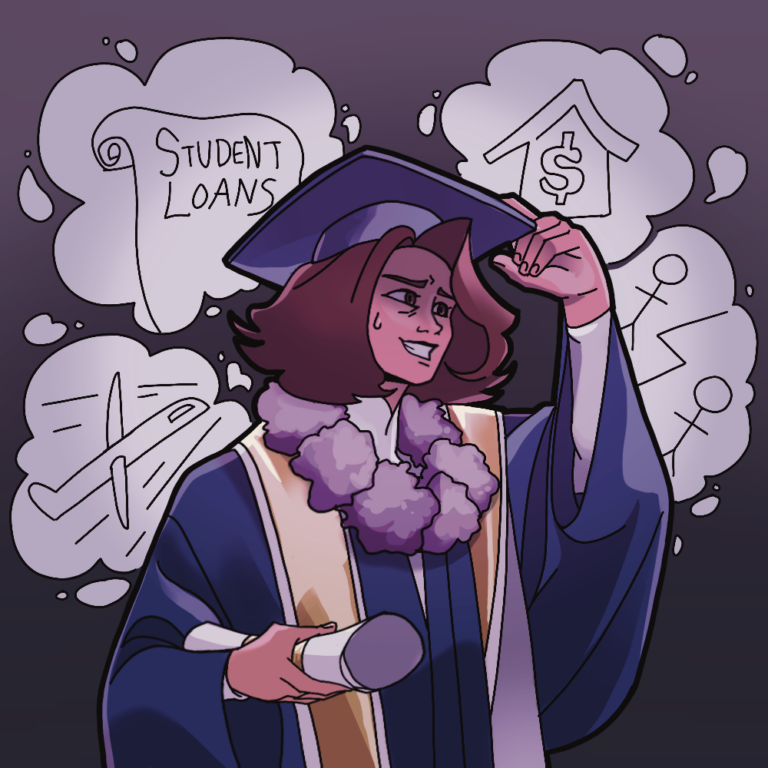
I am not ready to graduate

If you’re feeling anxious about graduation, you’re not alone 


By JHANA RHODES—jsrho@ucdavis.edu


          Ever since I submitted my graduation application, apprehension has followed me around like a younger sibling. It’s singing loudly when I’m trying to write an essay, it’s the back seat driver when I’m driving home and, just when I think I’ve gotten a moment to myself, it’s there again asking me: “What are you going to do after you graduate?”

          If life were perfect, this question would be easy to answer. I would’ve said that on weekdays, I plan on living in a rent-controlled apartment on the Upper East Side, and on the weekends, I’m sipping cosmopolitans somewhere in the Hamptons. However, not everyone can be a main character in “Sex and The City.” Therefore, until I get three wishes, I’m entering the New Year with more fear and doubt than I’ve ever had before. 

          When I was younger, applying for college — let alone graduating from it — seemed so far away. From running my wood-chip-and-sand restaurant to playing pretend as a mermaid at my local community pool, I was too busy to realize that I would have to grow up one day.

         Though I am older now, on days when apprehension gets the best of me, I find it hard not to reminisce about my childhood. My whole life has been centered around the expectation of pursuing an education. I spent 12 years in public school, went to college, dropped out, then went back to college and, now, here I am in my second-to-last quarter at UC Davis, terrified of what’s to come. 

Don’t get me wrong, I am ecstatic to finally be done with school. I won’t have to wake up at 7 a.m. just to sit in uncomfortable chairs through a two-hour lecture. I won’t have to take a “midterm” every two weeks. And — something I’m pleased about — no more dodging bicycles. However, deep down, I know that the things I’m leaving behind now are the same things I will miss when I have to go. 

          Now that I think about it, there was a time when I was scared to start a new life at UC Davis. I was terrified to apply, and when I got into UC Davis, I was afraid to move over 300 miles away from home. The point is, I don’t think there will ever be a time in my life when I’m not afraid of the future. 

          It’s natural human instinct to be wary of what’s uncertain. It’s our mind’s way of protecting and preparing ourselves for potential threats. But, even if it’s scary, it shouldn’t stop us from accomplishing our goals. 

My fear sometimes makes me want to completely shut down, run away and hide. In the past, I haven’t applied to jobs, traveled places or even gone out to see certain friends because I was afraid of something unexpected happening. When I think about life after graduating, I often think about everything that can go wrong. What if I don’t get the job I wanted? What if I don’t make any friends? What if I don’t graduate at all? So many questions are ruminating in my head, and I never seem to have the answers to them. However, I can’t let my fears stop me — if I don’t try and see what’s out there, I’ll never know what good can come from it.

          Short story long, if you’re graduating soon and have been feeling the same way I have, here’s some unsolicited advice. You don’t need to have your whole life figured out right now — even if you don’t have all of the answers, you’ll figure it out sooner or later. But until the day comes when you have to wear a cap and gown again, you have worked hard, so give yourself a pat on the back.


Written by: Jhana Rhodes— jsrho@ucdavis.edu 


Disclaimer: The views and opinions expressed by individual columnists belong to the columnists alone and do not necessarily indicate the views and opinions held by The California Aggie.