55.9 F
Davis

Davis, California

Tuesday, December 23, 2025
Home Blog Page 60

Culture Corner

The Arts Desk’s weekly picks for music, movies and more 


By SAVANNAH ANNO and ALYSSA CREVOISERAT — arts@theaggie.org


Song: “Orlando in Love” by Japanese Breakfast (2025)


Savannah: Released just a few weeks ago on Jan. 7, Japanese Breakfast makes a triumphant return with “Orlando in Love,” along with the announcement of their upcoming album, “For Melancholy Brunettes (& sad women).” While front-woman Michelle Zauner’s voice remains as bright and addictive as ever, the band’s new track hints at a slower, more delicate sound for the new record — a direct contrast to their last hit album, “Jubilee,” full of upbeat synth and punchy instrumentals. “Orlando in Love,” is short but sweet, with soft strings that reflect the lyrics’ tale: a lonely traveler at sea falling into the dreamy trap of a siren’s call. While the song lacks a true chorus, the third verse has been continuously stuck in my head since its release, with Zauner’s voice peaking as the strings pick up right along with her. Paired with a beautifully detailed music video, Japanese Breakfast has set the perfect stage for their newest era which, as a fairly melancholy brunette myself, I will happily embrace.


Alyssa: I am also a sad brunette.


TV Show: “Derry Girls” by Lisa McGee (2018-2022)


Alyssa: As an avid sitcom enjoyer — my senior year superlative was, unfortunately, Most Dedicated Binge Watcher — I am constantly searching for the next TV show to take over my life. Having watched my fair share of sitcoms, “Derry Girls” still has to be one of the most entertaining series I’ve ever had the pleasure of watching. With character decisions that make me audibly and visibly cringe, witty dialogue and, most importantly, funny Irish accents, this show’s runtime is three seasons of sitcom perfection.


“Derry Girls” follows the lives of five teenagers — four girls and one English boy — growing up in Londonderry, Ireland in the 1990s, a period of political conflict known as the Troubles that left Northern Ireland in a military stalemate and tense dynamic between catholics and protestants. Throughout the series, viewers are able to see loveable characters grow into young adults amidst the conflict in a coming-of-age, episodic format where every 20-minute episode is a new adventure. With performances by Nicola Coughlan (Clare Devlin) from Netflix’s “Bridgerton” and Saoirse-Monica Jackson (Erin Quinn), to name a few, this show is sure to scratch the sitcom itch and provide a funny, heartwarming and inspiring tale — I promise, you will be genuinely begging for a reboot at the end of the show and typing something new into your search bar: “How to channel your inner ‘Derry Girl.’”


Savannah: Why is this two paragraphs…? The show must be good.


Book: “The Will of the Many” by James Islington (2023)


Savannah: What I feel is a gift to the now-adult kids who were obsessed with Greek and Roman mythology in middle school, “The Will of the Many” is the first installment of James Islington’s newest series, “The Hierarchy.” Set in the Republic of Caten — a fictional society with cultural parallels to the Roman Empire — the fantasy book follows Vis, a young orphan hiding a real name that could lead to his immediate demise. As with any great fantasy work, Islington sets up a magic system all his own, one where an individual’s power and class level is determined by how much “will” they receive from the people positioned below them, collected by an ancient technology and special stone devices called “sappers.”


Beginning the novel as a prison guard, Vis’ world changes when he encounters one of the Republic’s most powerful senators, who proposes to adopt Vis and mold him into a perfect student for Caten’s most elite academy. Tasked with an impossible mission to uncover the secrets of the school and surrounding island, Vis risks everything for a chance at permanent freedom. Considering I caught a girl on the J-line engrossed in the exact same book, it wasn’t just me who enjoyed Islington’s level of detail and jaw-dropping twists and turns in this new dissection of colonial empires.


Alyssa: Am I offended that I’m not the one with the fantasy recommendation? Yes.


Album: “First Two Pages of Frankenstein” by The National (2023)


Alyssa: The National’s ninth studio album “First Two Pages of Frankenstein” is an introspective 11-track run that tackles themes of performance, depression and loneliness. With tracks like “Your Mind Is Not Your Friend,” the band’s lead singer, Matt Berninger, discusses the concept of generational mental health struggles and depression’s repetitive and inescapable hold. A gentle piano backing, soothing vocals and soft guitar make up the ballads of the album and are a constant accompaniment on my Spotify playlists.


Notably, and my personal favorite, “Tropic Morning News” details the difficulties of self-expression and the anxiety of communication — “Got up to seize the day / With my head in my hands feeling strange / When all my thinking got mangled / And I caught myself talking myself off the ceiling.” Sonically different from the album’s ballads, the track features drums and bass but maintains Berninger’s deep, raspy vocal style for an overall captivating and self-reflective song. In the same vein, “Alien” and “Once Upon a Poolside” are equally introspective and will leave you staring at the ceiling for hours. For lovers of lyrically captivating music and fans of Phoebe Bridgers, Taylor Swift and Sufjan Stevens, look no further than The National’s picture-perfect look into a suffering mind.


Savannah: I listened to “The Alcott” so much when it was released that now it gives me immediate flashbacks to last winter quarter. Scary times.

Written by: Savannah Anno and Alyssa Crevoiserat — arts@theaggie.org
Davis Odd Fellows hosts Second Sunday Bingo

The organization partnered with Davis Parent Nursery School to help fundraise during their monthly bingo game


By GIA LOOMIS — city@theaggie.org


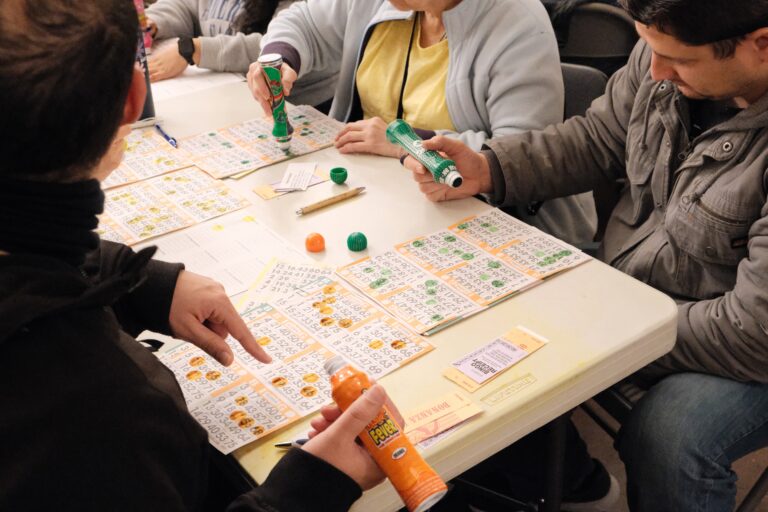
Davis Odd Fellows hosted Second Sunday Bingo, a monthly game supporting various non-profit organizations in Davis on Sunday, Jan. 12. This month, Davis Odd Fellows decided to benefit the Davis Parent Nursery School (DPNS). Proceeds from the bingo game were donated to DPNS to support the school’s scholarship fund. 

DPNS is a co-op, parent-participating nursery school that has served the Davis community for over 75 years. This month’s game gave participants a chance to support the preschool’s scholarship fund while also competing to win cash prizes of up to $250. DPNS has partnered with Davis Odd Fellows for the bingo game for multiple years, each year reapplying as the game offers a great source of fundraising for the school.

Davis Odd Fellows is a fraternal organization that focuses on “active community support as well as social activities for members, in addition to the historical traditions.” Chartered on April 12, 1870, the Odd Fellows remains the oldest organization in the city of Davis. As of 2022, its member count has grown to 375 and memberships over the past 10 years have quadrupled, naming it one of the largest Odd Fellows Lodges in California. 

The Odd Fellows not only focus on supporting their members but also largely emphasize community support. Every year, the organization sponsors multiple community events as well as donating to and fundraising with many local non-profits. The Odd Fellows host multiple annual events that include, but are not limited to: Breakfast with Santa, the Zombie Bike Ride, the Davis Chocolate Festival and, most recently, their monthly Second Sunday Bingo game. 

Second Sunday Bingo is a fundraiser for the Davis Odd Fellows and participating non-profit organizations. Since the bingo game’s introduction over a decade ago, the Odd Fellows have raised over $110,000 for local organizations through events like this one.

Each month at their Second Sunday Bingo game, the Odd Fellows choose a different non-profit to feature. Numerous non-profit organizations apply every September to secure their spot. Diana Schmiegel, Davis Odd Fellow’s Second Sunday bingo organizer, explained some of the process of becoming a beneficiary. 

“We meet potential beneficiaries in late September through early October, and people apply,” Schmiegel said. “We work with local [501(c)(3)] organizations and we try to choose a variety of groups because we have many different types of people that attend our bingo games. So we try to feature a kids organization, an animal organization and more.” 

The Second Sunday game is a great chance to benefit local organizations while playing bingo and serves as a multi-beneficiary source of fundraising for the community. 

DPNS Director Becky Montgomery agreed with all of the benefits the bingo game offers. 

“Odd Fellows has been hosting DPNS annually for several years now,” Montgomery said. “We appreciate the opportunity to work with them. Their bingo day is a fun and easy way to raise money for our tuition assistance program. Hopefully, we will be back next year.” 

The Second Sunday Bingo game is a great opportunity for non-profit organizations and the Davis community alike. Next month on Feb. 9, Davis Odd Fellows plans to host the Second Sunday Bingo game benefitting the DaVinci Booster Club. Check out their website for specific times and more information. 


Written By: Gia Loomis — city@theaggie.org


Davis Food Co-op hosts vegan food tour

How Davis’ local health food store showed support for the vegan community


By PIPER AWEEKA city@theaggie.org


On Sunday, Jan. 12, the Davis Food Co-op, a community-owned and operated grocery store known for its wide array of health foods, held a tour of its establishment to highlight vegan products. 

In a college town where the diaspora of inhabitants varies greatly, food preferences are inevitably just as diverse. Anna Lopez, an education and outreach specialist at the Co-op, explained the reasoning behind the event. 

At the Co-op, we support a diverse range of lifestyles and dietary preferences, recognizing that everyone’s journey with food is unique,” Lopez said. “The idea behind the vegan food tour was to highlight the wide range of vegan products and options available at the Co-op, making it easier for vegan shoppers, or those interested in plant-based eating, to discover new foods and feel confident navigating our store.”

By providing experiences like Sunday’s tour, the Co-op is able to reach the community that, in turn, operates the store. One of the main reasons the Co-op caters niche items to its shoppers is that the shoppers largely determine what products the store carries, according to Lopez.

“Many of our offerings, especially new items, come directly from customer suggestions, ensuring that our shelves reflect the needs and preferences of our community,” Lopez said.

For Lopez, the food tour was an event with meaning beyond a mere interest in plant-based diets.

“I have been vegan for about eight years now, so this is something I’m personally passionate about,” Lopez said. 

Though Davis is by no means recognized as the vegan epicenter of California, the store’s focus on providing ethically sustainable food choices is one that residents, beyond just vegans, are able to rally around. In a world where the impacts of climate change are increasing rapidly, having food options that are sustainably sourced is one method of improving the environment for those who have the financial means to consume them. 

“While we’re not exclusively a vegan store, we’re strong proponents of sustainability and ethical choices, which align closely with the values of a plant-based lifestyle,” Lopez said. “Our commitment is reflected in our extensive selection of plant-based products, partnerships with ethical producers and efforts to provide education and resources for those exploring or committed to plant-based living.”

Zoe Vejar, a trainee at the grocery store, remarked on the success of the event. 

“It seemed like it went really well,” Vejar said. “There were a good amount of people. People were buying the stuff that they were trying.”

Lopez touched on the event as an example of the store’s fifth cooperative principle: education, training and information.

“[The food tour] demonstrated how the Co-op is a place where everyone — regardless of dietary preferences — can shop, learn and contribute to building a stronger, more inclusive community,” Lopez said.


Written by: Piper Aweeka — city@theaggie.org


Review: Characters in ‘Intermezzo’ define themselves through each other — and then reject the search for meaning altogether

The novel finds and examines the virtue in giving up on making sense of things 


BY JULIE HUANG – arts@theaggie.org


Sally Rooney’s latest novel, “Intermezzo,” is, in the broadest sense, about the futility of humanity’s enduring attempts to make sense out of an ultimately senseless world, with the possibility of abandoning the eternal quest for meaning altogether. Rooney’s novel delivers its existential take through the vessel of a more down-to-earth, familiar narrative: the story of a disjointed family, with two brothers who have grown apart as they grow older. 

Peter Koubek, a lawyer in his 30s, and Ivan Koubek, a 22-year-old competitive chess player, have both chosen to dismiss their deteriorated brotherly relationship at the cost of increasingly negative mental and external consequences for both. That is, until the grief of their father’s death, which has been looming over the course of the novel, finally forces them to address their issues with each other. 

The two male protagonists are introduced to the reader and then continually developed through their participation in socially unconventional and perhaps questionable relationships with the women in their lives. Peter is romantically juggling a situation with his complicated long-term best friend and college ex-girlfriend Sylvia, as well as a passionate stint with college student Naomi. Meanwhile, Ivan’s first appearance in the novel details his meeting Margaret, an older woman recently separated from her husband, who is also serving as the event coordinator for the chess match Ivan’s currently participating in. Of course, Ivan is immediately attracted to Margaret and they begin a scandalous age-gap relationship, which bothers Ivan less than it does Margaret. 

The majority of the novel’s characterization occurs within the framework of this emotionally complicated and socially unacceptable romance between these men and women, which can raise an uncomfortable and perhaps frustrating feeling that the novel’s female characters exist solely to illustrate the depth of Peter and Ivan’s emotional basins. 

 In a sense, they do. Opposites in personality, presentation and proclaimed inner values, the brothers are strikingly alike in how they perceive their female counterparts in the narrative. At times, Peter and Ivan perceive Sylvia, Naomi and Margaret as people with merits and flaws, but the brothers love these women best and most consistently because they are emotionally useful. They have the amazing capacity of acting as magic mirrors through which the emotionally inept brothers can perceive the flow of their own lives more clearly and finally make sense of turbulent emotions that have been magnified through the intensity of their romantic and sexual passions for the women in their lives. 

The novel’s pages contain no judgment or explicit condemnation of its characters for their selfishness, only a gentle curiosity for the way the male characters’ emotional arcs reflect the real phenomenon of how men look to women to grant their lives meaning. Peter and Ivan, too afraid, apathetic or self-loathing to face each other or their deeply embedded neuroses, find through relationships with Sylvia, Naomi and Margaret a purpose. This purpose valorizes and transforms them from fallible men into lovers and protectors, a reason for living that validates their past unrelated failures and illusory sense of heading in the “right” direction. In other words, the female characters provide what the male characters cannot give themselves: the tantalizing idea that life is building up to an ultimate culmination of something. 

Without commenting on the dubiousness of their choices to continue engaging in these relationships, “Intermezzo” presents this subtle explanation of why Peter and Ivan cling so vehemently onto their respective romances — because they perceive these women as possessing a unique attribute to bring them clarity and contentment, when really what they are feeling is the sense of self-harmony that they have lost over the years. 

To bring a new perspective to this idea of using others to create personal meaning, Rooney intermittently provides the reader with Margaret’s narration on her questionable romance with younger Ivan, using Margaret’s conflicted thoughts on her feelings for Ivan to reflect how the male characters perceive the female characters. Like the brothers dealing with the loss of their father, Margaret has recently faced loss: she has separated from her alcoholic husband, and in losing her established family, she has lost her sense of identity, floating adrift until she meets Ivan. Although his adoring worship of her brings her some solace, it does not abate but rather brings a whole new slew of worries. Has she done something morally unsalvageable by entering a sexual relationship with a man so much younger than her? Is she past redemption?

Margaret begins the novel as a woman who has lost her marriage and thus doubts the entirety of her previous identity, fearing that if she made such a mistake as marrying the wrong man, she may have lived the whole of her life entirely wrong. Her spontaneous decision to be intimate with Ivan then seals the sense of loss of identity completely — by doing something completely unexpected, she has made a choice she did not know she ever would make and finds herself no longer recognizable. 

Driven by the desperation of wanting to identify with something but finding all the old haunts irrevocably changed, Margaret turns to Ivan for a sense of personhood. If before she was defined by her husband, then now she is defined by her relationship with Ivan, even if that makes her a “cougar” or some sort of seductress, instead of the dutiful long-suffering wife that she formerly was with her alcoholic husband. 

Thus, the most compelling argument that “Intermezzo” could make for the rejection of the endless search for meaning and the falseness of organizing one’s life around some pre-existing expectation, lies in the unsavory results of its characters’ own subscription to these rejected beliefs. Without explicitly judging or condemning its characters for their modes of extravagant self-destruction, “Intermezzo” nonetheless showcases the pain and heartache that its characters feel and then bring to each other. This is an illustration of how hurtful and dangerous it can be to fool oneself into believing that everything in life, including oneself, can be easily reduced into artificial roles and frameworks. 

Not content to end on this moral note, “Intermezzo” goes further to suggest that, no matter the previous energy or belief that one has devoted to making life make sense, no one is ever completely trapped by the choices of their past. This attitude of acceptance and finding the strength to move on is shown most clearly in Margaret’s character arc, which ends in her reflecting that Ivan is not an escape from the pain of her past entirely but rather simply a new experience, which cannot in itself guarantee what her future will become. Coming to the conclusion that their relationship is not all-defining then allows her to enjoy the positive experiences more openly, without the risk of losing her entire identity, because her identity no longer belongs to any specific circumstance or choice. 

Though possessing less emotional clarity and perhaps maturity, the brothers are allowed similar endings to their arcs. Peter muses on the “conceptual collapse of one thing into another, all things into one,” which is his own way of accepting that his own definitions of himself, his brother, his job and his romantic relationships are ultimately enforced by no one but himself and can be abandoned if they start to hurt him or others. Ivan circles the idea when he points out the flaw in using human creations like language to assign order to the inherently chaotic arena of existence: “All words can give a false picture, and who’s to say what picture another person ends up with, even when the supposedly right words are used?”

Early on in “Intermezzo,” the novel itself boldly asks, “What if life is just a collection of essentially unrelated experiences? Why does one thing have to follow meaningfully from another?” 

We want things to make sense. We want there to be a formulaic system from which the answers can be retrieved, but there is no ideal system of signs and no infallible language to speak that will doubtlessly bring understanding. In “Intermezzo,” the characters’ desire to make sense of their lives and of each other casts shadows of doubt upon their morality, but it is the deeper desire to know that they are still connected to the world and to each other that ultimately redeems them. 

“Intermezzo” is concerned with separating the pursuit of happiness from the desire to be right. It tries to banish the notion that one can hold the right expectations and place the circumstances of life within the right framework. The novel is about choices and how we define ourselves by choices we have already made, which is why we are often surprised when we find that we still have a chance to choose again.


Written by: Julie Huang — arts@theaggie.org 


Davis Police Department holds moment of silence for Officer Natalie Corona

Members of the local community gathered in remembrance of the fallen officer and in support of her family


By MATTHEW MCELDOWNEY — city@theaggie.org


In a statement from the Davis Police Department on Jan. 10, the department reflected on the loss of Officer Natalie Corona, six years since her passing.

“The tragic loss of her life affected every member of the Davis Police Department, the community, and members of the surrounding Law Enforcement agencies that responded to assist during the incident,” the statement reads.

The city of Davis and UC Davis Police Department, as well as members of the Davis City Council, Davis Fire Department and Corona’s family attended the ceremony in her honor. Held in front of the Davis Police Department, attendees held a moment of silence as the American flag was lowered and raised half-staff.

Todd Henry, the Davis police chief who was inaugurated last fall, gave a short speech to the community regarding the spirit of this ceremony. 

“I’m so appreciative to see such a huge turnout because it’s important for us as a community to remember Natalie, but it’s also important for the Corona family to know that this community continues to support her memory,” Henry said.

The turnout was indicative of the past six years of enduring support for Corona and her family. Notably, the Natalie’s Corner Central Park renovation project, a cutting-edge renovation project totaling over $2 million in her name. The Natalie Corona Committee chair and other board members were also present at this ceremony to offer their continued support for her legacy and her family. 

In an interview with KCRA3, Merced and Lupe Corona, the father and mother of Natalie Corona, expressed gratitude for the support they received from those in attendance and the Davis community at large. 

“It warms our hearts to know that people have not forgotten about her,” Merced Corona said.

The Corona family traveled down from Winters to attend this event, having been an active part of the Davis community and receiving continual support over the years.

In the Davis Police Department’s statement, they not only affirm the enduring relationship with the Corona family but also Natalie Corona’s enduring legacy, which continues to be felt by many today. 

“Officer Corona was not only passionate about Law Enforcement, she loved the Davis community which was apparent through the compassion and kindness she extended to those she served,” the statement reads. “The impact of her sacrifice has been felt far beyond Davis, touching the hearts of Law Enforcement agencies and communities across the nation and around the world.”


Written by: Matthew Mceldowney — city@theaggie.org


City of Davis seeks carbon neutrality and additional biking infrastructure

The Davis Transportation Commission met to discuss greenhouse gas emissions and ways to advance city biking culture


By YUENJO FAN — city@theaggie.org


The city of Davis Transportation Commission met on Jan. 13 to provide updates on the city’s transportation climate plan while addressing biking culture. 

The Climate Action and Adaptation Plan (CAAP), is the city government’s project to cut back on greenhouse gas emissions and to reach carbon neutrality. Adopted by the city council back in April 2023, the initiative seeks to encourage eco-friendly policies, assess areas of climate vulnerability and engage in community outreach to spread awareness for environmental justice. Kerry Loux, the CAAP project manager, spoke at the meeting and addressed new updates to the climate plan. 

“The goals that were directed by the city council were to come up with a plan that attains carbon neutrality by 2040,” Loux said. “That is five years ahead of the current state goal of 2045. We were looking at cost-effective and measurable actions that we could undertake to attain that goal with a diversity, equity and inclusion focus.”

In order to cut back on greenhouse gases, the CAAP also focuses on methods of prevention through connecting with members of the public. To decrease air pollution, addressing carbon emissions will likely require a larger number of the public to direct their attention toward this issue.  

“A major focus of the CAAP was to have robust community engagement,” Loux said. “As you are probably aware, transportation is over 80% of our greenhouse gas emissions, and those emissions can be very difficult to address with city policies, because you can’t force someone to get on their bikes. But, we are trying to do things that make those options more palatable and to have incentives with community partners to help people make those choices.”

The city has already been at work to implement these incentives, including city-led community workshops that seek to educate Davis residents about the importance of reducing greenhouse gases. Yet due to the relative infancy of this climate plan, there will be more complex outreach efforts expected to come in the future. 

The commission also touched on different ways that Davis could improve on its transportation systems and culture to assist with the climate project. For a town that prides itself on being bike-friendly, a general sentiment existed in the meeting about the need to encourage more eco-friendly commuting. 

After taking a trip to Europe, Schuyler Campbell, a commission member, discussed his observations and mentioned how Davis could take inspiration from European cities to accommodate even more bicycles and cleaner commuting.

“There is one city I visited — Utrecht, Netherlands — which had such excellent bicycle infrastructure that it completely neglected public transit,” Campbell said. “I can palpably see how much a community can benefit from substantial changes to their infrastructure and their policies. […] It took a city that had a solid biking culture into one that had a dominant one and [also] made the city more walkable.”

If Davis were to have less public transportation in place of more biking, it would help reduce carbon emissions and assist the CAAP in reaching its 2040 goal. Mark Huising, a commission member originally from the Netherlands, shared his recent experience navigating through Davis with his visiting parents and its contrasts with European biking culture. 

“I’ll share, real briefly, a couple things that we did when [my parents] were here, that we used to do when I was still living [in Europe], in that same spirit of what is possible to build on what we already have,” Huising said. “We went to downtown, bought a bike and had dinner. You never see groups of four or five families with bikes [biking] somewhere together. And it’s so striking to see that not happening because it’s all you see every single day in [Europe].”

The commission further emphasized the importance of a transportation system that prioritizes bicycles and pedestrians due to its ability to decrease pollution and create a friendlier city atmosphere. Even with Davis’ prominent biking culture, the commission believes that there is still room for improvements that will benefit city residents while also working toward the CAAP’s goal of carbon neutrality. 


Written By Yuenjo Fan — city@theaggie.org


Five classic films the aspiring cinephile must watch

If you want to take a trip to the glory days of old Hollywood, use this list as your roadmap 


By NATALIE SALTER—arts@theaggie.org 


It’s not hard to fall in love with the world of cinema. Films combine visual, auditory and emotional spectacles to create a dynamic and moving experience in every reel. A full appreciation for the art form, however, is best enhanced by an understanding of where it all began. Travelling back to the black, white and Technicolor images of the mid-20th century cinema is a wonderful idea for anyone enamored with the fantastic universe of film. If you’re not sure where to start, here’s a handful of choices that will set you on the right path.


“Roman Holiday” (1953) dir. William Wyler


Set against the extraordinarily beautiful backdrop of Rome, the film follows Hepburn’s character of Princess Ann, who grows frustrated with the stiflingly rigid life of a royal and sneaks out into Rome one night for a taste of freedom. Through a series of humorous circumstances, her path crosses with Peck’s character of the American journalist Joe Bradley. Bradley surreptitiously tries to interview the princess for a hit news story while Ann seeks to experience all the sights and excitements of the city, and they consequently tumble into an adventure full of discovery and unexpected love.

After performing opposite her for the duration of filming, the male lead of “Roman Holiday,” Gregory Peck, insisted that the film’s producers put Audrey Hepburn’s name alongside his above the film’s title, predicting that she was on her way to become a big star. They obliged, and in line with Peck’s prediction, Hepburn took home the award for Best Actress in a Leading Role at the 1953 Academy Awards. Hepburn’s career would go on to span numerous successful films and a foray into humanitarianism, all of which would elevate her to the status of global icon. But if there is a single point to be named as the launching pad for her success, it would have to be “Roman Holiday.” 

“Roman Holiday” is everything a classic old Hollywood love story ought to be — swooningly romantic, touchingly sentimental and wrapped up with heart-aching moments of devotion and yearning. Hepburn and Peck’s infectious chemistry as a pairing and the comforting blend of love and comedy throughout the film’s duration make it timeless and utterly unforgettable. 


“Singin’ In The Rain” (1952) dir. Gene Kelly and Stanley Donen


The recent success of vibrant movie musicals such as 2024’s “Wicked” has turned audience attention back in time to one of the most famous and beautiful films of the genre, 1952’s “Singin’ In The Rain.” Backdropped with astoundingly gorgeous Technicolor sets and extravagant costumes, the movie is a phenomenal blend of infectious music and charming characters that will make you want to sing and dance next time it’s pouring outside.

Following the transition of a group of film actors from silent films to ones with sound, “Singin’ In The Rain” makes unlikely companions out of famous actor Don Lockwood (Gene Kelly) and stage performer Kathy Selden (Debbie Reynolds). From a hostile first encounter to an unexpected romance, Don and Kathy’s story intertwines with the drama of the former’s failing movie and the bold idea they believe will salvage it and bring it to life. It’s a tribute to the art of making movies and the creativity and passion that makes cinema incredible. “Singin’ In The Rain” is pure, unadulterated movie magic, awash with captivating color and irresistibly bright energy that will make you laugh, blush and want to sing along at the top of your lungs. 


“Some Like It Hot” (1959) dir. Billy Wilder


One of the finest classic Hollywood comedies, “Some Like It Hot” is the hilarious tale of two musicians and the lengths they’ll go to in order to save their own necks. When struggling artists Joe (Tony Curtis) and Jerry (Jack Lemmon) witness and narrowly escape a mob hit, they stumble upon an opportunity to escape their pursuers and land themselves a job at the same time: They’ll transform themselves into women and join an all-female band. Alongside the charming singer Sugar (Marilyn Monroe), the two men — now Josephine and Daphne — experience a series of hilarious mishaps and high-stakes encounters.

The effortlessly funny comedy of “Some Like It Hot” is unbeatable years later, using simple yet unusual circumstances and a memorable cast of characters to induce side-splitting laughter in audiences everywhere. Slapstick humor, witty dialogue and brilliant situational irony work together to create one of the most iconic comedies. It’s hard to keep a smile off your face when watching Wilder’s film, and it’s impossible to forget once the screen fades to black.


All About Eve” (1950) dir. Joseph L. Mankiewicz


The line between admiration and obsession has been tested and explored by filmmakers for decades. “All About Eve” is a shining gem of this subgenre, winning countless accolades, including “Best Picture” at the 1951 Academy Awards. Chronicling the career of aging stage performer Margo Channing and her unexpected mentorship of theater devotee Eve Harrington, portrayed by Bette Davis and Anne Baxter, respectively. The film follows an initially enlightening relationship between a jaded celebrity and a deeply earnest student of her works, which quickly alchemizes into something more sinister as Eve’s past is called into question. It functions excellently as a criticism of fan culture and explores the cutthroat, predatory environment women in fame are subject to. 

There are many qualities to “All About Eve” that elevate it above its competitors. A suspensefully winding plot is one and a slew of excellent acting performances another. Perhaps most phenomenal of all, however, is its razor-sharp masterpiece of a script, the clever and insightful dialogue making it a verifiable masterpiece of film writing, with insightful commentary on the lives of women in the spotlight.


“Rear Window” (1954) dir. Alfred Hitchcock


All of Alfred Hitchcock’s films are a study in masterfully executed suspense stories, but perhaps the most exceptional among them is 1954’s “Rear Window.” James Stewart and Grace Kelly are the stars of a nail-biting tale of murder and deception. When photographer L.B. Jeffries (Stewart) finds himself stuck in a wheelchair facing his apartment’s rear window after a broken leg, he endures his otherwise dull days by observing the comings and goings of his eclectic neighbors. After witnessing a series of strange behaviors exhibited by one man and noticing the sudden disappearance of his wife, Jeffries quickly suspects murder but must find a way to prove it while trapped looking down from his window. 

Except for a few carefully chosen shots, the entire film is shot from within Jeffries’ apartment, capturing the movements of his neighbors solely through his window. The film’s ability to build suspense within such a tiny, contained space is phenomenal, the film’s camerawork brilliant and a masterclass in direction. As the sinister mystery unfolds, you’ll find yourself on the edge of your seat, anxiously anticipating what horrors will be unearthed by the makeshift detective. And it’s a wild ride — the last 30 minutes of the film are guaranteed to make your heart race with fear and excitement like nothing else.

Written by: Natalie Salter—arts@theaggie.org

Volunteers gather for the first Make Davis Sparkle event of the year

On Jan. 10, community members participated in a post-holiday season cleanup


By OLIVIA HOKR — city@theaggie.org


On Friday, Jan. 10, the Make Davis Sparkle event was hosted in partnership with Davis Picks It Up, the Davis Chamber of Commerce, the city of Davis Parks & Community Services, the Davis Downtown Business Association and more departments and organizations. 

Make Davis Sparkle is a community cleanup reliant on volunteers that occurs four times per year. The first cleanup of the year was deemed successful with the help of nearly 35 volunteers who filled approximately 15 trash bags in just an hour and a half.

Jenny Tan, the city of Davis’ director of community engagement, emphasized the significance of bringing people together to work hand in hand — making big changes in Davis with the enthusiasm and effort of the community.

“This community belongs to everyone who lives and works here,” Tan said. “So, it’s important to strengthen our connection to it through volunteering in some way to help make Davis a better place to live and work for us all.”

Davis Picks It Up is an organization of volunteers within Davis who work together year-round to promote a clean city. Cathie Bullis co-founded Davis Picks It Up three years ago and has continued working to make a difference.

“In January 2022 as the pandemic was starting to wind down, I was walking in my neighborhood and noticed a lot of litter along the streets and felt a strong urge to remove it,” Bullis said. “I grabbed a bag and a litter-picker tool and started to pick up litter and trash along the streets near my home.” 

Bullis further discussed the organization and the improvements made over the years.

“I co-founded Davis Picks It Up as a sister group to Sacramento Picks It Up in January 2022. It’s been a huge success and we just keep growing. We have made a visible difference in Davis and it feels very rewarding. We also have many ‘solo’ pickers who clean up the parks, green belts and in their neighborhood which is paramount to our continued success.”

Bullis expressed the immense achievements of participating in community cleanup events. Davis Picks It Up hosts one to three of their own group cleanups per month, along with more frequent smaller cleanups with a few volunteers. 

“These events give us a great sense of community and accomplishment,” Bullis said. “We get outside for a little exercise, meet our neighbors, share information, laugh, compare notes, talk about the things we find and share a common goal by making Davis cleaner and safer. It’s also brought tremendous awareness into the world of trash and litter in Davis that we all need to pitch in to help.”

Davis Picks It Up is always accepting new volunteers via their Facebook or email, davispicksitup@gmail.com, and also has a monthly newsletter with upcoming events and volunteer opportunities. There will be three more Make Davis Sparkle cleanups this year, with additional cleanups hosted by the city and outside organizations. To stay updated on these volunteer opportunities, check out the city of Davis’ Facebook account or website. 


Written by: Olivia Hokr — city@theaggie.org

Your grass can be green, too

One microhabit for man, one giant habit for mankind


By Abhinaya Kasagani— akasagani@ucdavis.edu


The start of something new brings forth the promise of transformation — I am never as ambitious as I am in the first few weeks of January. However, filling the tank of reinvention too much, too fast, begets an overwhelming sputtering to the machines that are the body and mind. One steadfast rule to keep in mind this New Year is that “small is big,” because sometimes “big” can simply be too big. 

When you get in the car, you fasten your seatbelt without having to be told — habits are formed through consistency. Contextual cues (getting in the car) are followed by corresponding actions (fastening your seatbelt). It might be tedious to navigate these habits with deliberation or care, but over time, the energy you would have previously required for this task is outsourced.

The possibility the New Year brings makes us impatient, and we grasp recklessly at the prospect of endless change. However, in times like these, it is extremely helpful when the advice you receive is instructive. So, I discussed this at length with everyone I have ever known and asked what, to them, is the new “one true habit.” Their answers were as follows:

  1. Don’t use your phone as an alarm. Wake up with the sun. 
  2. If No. 1 seems impossible, try to at least avoid hitting the snooze button. Place your alarm in a far corner of your room or make the ringer sound extremely painful.
  3. No phones at the table. Challenge yourself to be bored.
  4. Print out required readings. There is so much lost when you use your screen, not to mention the extra eye strain.
  5. Try to drink less soda and more water. Resist the urge to pump yourself full of sugar. 
  6. Try to put yourself out there more. Take more initiative and start a task right as you think of it.
  7. Make time for yourself. Go out alone. Go on dates. Make friends. Do not close yourself off to things. It is easy to birth and nurture stagnancy. Participate in more in-person conversations.
  8. Eat a banana when you are stressed.
  9. Take the stairs. Movement is crucial to your well-being. If you usually resort to taking the elevator — not because you’re inactive but because you’re late — work on doing something about that.
  10. Put your phone on grayscale to reduce your screen time.
  11. Investigate all of the ways you can remove capitalism from your life.
  12. Write down one thing you are grateful for at the beginning and end of each day. Note what has changed.
  13. Craft more — hands are meant to mold and produce. Nothing is bad if you make it wholeheartedly and with care.
  14. Focus less on things that come easily. Doing the work is admirable and nothing to be embarrassed about. Want things proudly and commit to working on them. It is perfectly fine to be bad at something you want to be good at. Good things take time.
  15. Learn, relearn and finesse. This is the age for trial and error (there is never truly an age, but you might get less inclined to try as you get older). Read more, learn more and apply yourself. Practice makes perfect, and there is nothing sweeter than the fruit of dedication.
  16. Listen and observe. Talking less about others, or even yourself, is a good goal to have. Watch more closely. Life can be lived slowly. Take everything (academics, career and any other long-term goals) less seriously. At the same time, take everything (health, friendship and self-care) more seriously.
  17. Catalog things.
  18. Be kind. What is the point of anything if you forget this?

Still, the question lingers on how one must make these microhabits stick. If you want these habits to be sustainable, anchor them to ones you already have. Your new microhabit needs to breathe, so let it. Set a designated space and time for these things. Set a reminder for the time at which they must be carried out. 

The list has done half the work. It is easy to do the rest — start small, stay consistent, track progress and reward yourself. Establish a routine that works for you. Try to be patient and consistent even if it does not seem to pay off instantly. Instant gratification will not keep you warm at night. 

Don’t think too long and hard about this: The ability to revise is a great skill to have. You can update these microhabits as you go — nothing is set in stone. Who you are is malleable. Isn’t that wonderful?

Written by: Abhinaya Kasagani— akasagani@ucdavis.edu


Disclaimer: The views and opinions expressed by individual columnists belong to the columnists alone and do not necessarily indicate the views and opinions held by The California Aggie.


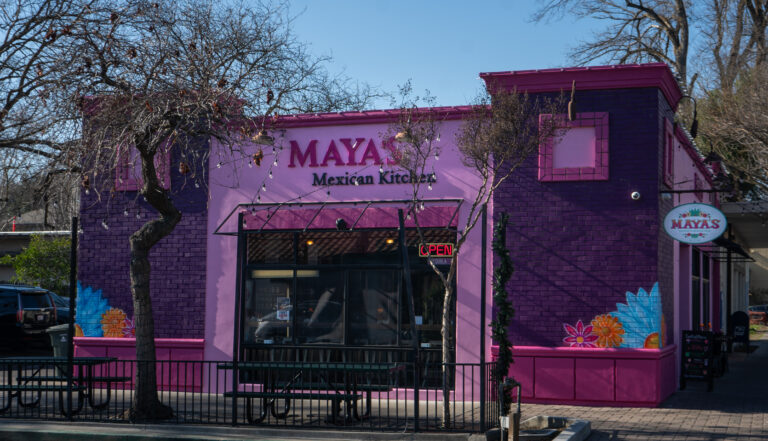
Maya’s Authentic Mexican Food is a new addition to the Davis food scene

Learn about what the new restaurant brings to town


By ELIZABETH BUNT — arts@theaggie.org 


This past fall, Davis residents may have noticed a new restaurant on the corner of 2nd and D Street in a storefront that had remained vacant for a long period of time. Painted bright pink and purple, Maya’s Authentic Mexican Food pops out from the surrounding stores and is easily picked out from blocks away. 

“We’re a family-owned Mexican restaurant, proudly serving up the bold flavors and warm hospitality of our heritage,” Maya’s Authentic Mexican Food’s website reads. “For generations our family has passed down secret recipes and cooking techniques, blending traditional Mexican cuisine with modern twists and flair.”

New Mexican restaurants are bound to have a tough time establishing themselves in Davis. The market for Mexican food is backed by Guads, Tres Hermanas and Taqueria El Burrito — ask any UC Davis student for their favorite taco spot in town and you will probably hear one of those three names in response. For those of you who haven’t heard of Maya’s, here are a few key aspects of the new food spot. 

Maya’s has a large and varied menu, offering everything from traditional street tacos to seafood to soups. 

“Our dishes are crafted with love, using only the freshest ingredients and time-honored cooking methods to bring you an authentic taste of Mexico,” the website reads. 

The restaurant even offers a few fusion dishes like their Birria Ramen, and, like popular downtown restaurant Guads, Maya’s Authentic Mexican Food offers a free chips and dips bar. Patrons can try as many salsa combinations and load up on as many tortilla chips as they want while waiting for their orders. 

Maya’s also has a unique cocktail menu offering a variety of margarita flavors and several signature cocktails that rotate with the season — also included on its menu are fun non-alcoholic drinks, like their hot chocolate-horchata combination. 

For those interested in bringing a larger party, the interior of Maya’s cozy and welcoming space is best suited for smaller groups of friends and family. If you are planning to go with a bigger group, consider going a little before or after peak hours to ensure that your party will find seating.

  Overall, Maya’s Authentic Mexican Food is a welcomed new addition to the Davis restaurant scene, its differences separating it from other established Mexican restaurants in the area while still maintaining an authentic dining experience. With something on the menu for everyone, Maya’s is perfect for those wanting a tasty night of dinner and drinks or a quick lunch stop. 

For avid lovers of Downtown Davis’ eating locations, consider adding the winner of a 2024 Best New Restaurant award to your list. More information on Maya’s Authentic Mexican Food, including the menu and merch, can be found on their website and Instagram page. 

Written by Elizabeth Bunt — arts@theaggie.org

Ring in the Lunar New Year on campus

A guide to celebrating the Lunar New Year and embracing traditions while away from home


By IQRA AHMAD — arts@theaggie.org

Lunar New Year, also known as Spring Festival, marks the beginning of the lunar calendar and is celebrated across East and Southeast Asia. This year, the festivities begin on Jan. 29 and will usher in the Year of the Snake. For those who can’t make the trip home, celebrating on campus can still honor these traditions and foster a sense of connection. With a little creativity and collaboration, it’s possible to bring the spirit of the new year to Davis.


Enjoy a Lunar New Year-themed meal

Invite your friends to a shared meal featuring traditional dishes from various cultures at Latitude or any Dining Commons on Jan. 29. With a New Year-themed meal, you can enjoy the holiday camaraderie alongside your favorite foods and people.


Decorate your space

Transform your common areas or dorm rooms with Lunar New Year decor accompanied by friends. Hang red lanterns and paper cuttings to set a festive mood. Many stores and online retailers sell affordable decorations, but you can also organize a craft night to create your own unique designs. Decorating together provides a fun and interactive way to learn about Lunar New Year traditions while fostering creativity and community.


Exchange red envelopes

Exchanging red envelopes filled with money is a well-known Lunar New Year tradition that symbolizes prosperity and good luck. On campus, you can adapt this custom by using red envelopes to share encouraging notes, small candies or thoughtful tokens of appreciation. Whether exchanged with close friends or dorm mates, this gesture is a heartfelt way to spread joy and build connections during the holiday season.


Host a game night

Games like mahjong, yut nori or even card games can bring people together in the spirit of the New Year. Teach your friends the rules and enjoy a night of friendly competition.


Share stories and customs

One of the best things about going to Davis is the people and all of their unique experiences. If you or your friends celebrate Lunar New Year, host a storytelling night to share personal traditions and memories. This is a wonderful way to educate others and appreciate celebrating the New Year with new people.

By bringing Lunar New Year festivities to campus, you can celebrate with your community, and with some thoughtful planning, your dorm and campus can feel just like home, full of joy and new beginnings.

Written by: Iqra Ahmad — arts@theaggie.org

The future of Spotify and AI-generated music

Personal DJs, data analytics, genre categorization and beyond


By NEVAEH KARRAKER— nakarraker@ucdavis.edu


On Dec. 4, 2024, Spotify released the long-awaited annual “Spotify Wrapped,” marking the latest release date since 2019. This decision may have been necessary to make time for the collection of artists’ video clips and final specializations. Contrarily, perhaps the company has been drastically impacted by the layoffs of an astounding 1,500 employees at the end of 2023, followed by the departure of Chief Financial Officer Paul Vogel this past March.

Whatever the case, delaying the publication of “Spotify Wrapped” acted as a propaganda technique to maintain users. First of all, when the start of December passed without any updates, many impatiently posted on social media — the relatability of users anxiously awaiting its release cultivated the popularity of the feature.

Yet, when it could finally be accessed, complaints were widely expressed at the peculiar, inaccurate and seemingly random results. For example, there lacked a “genre sandwich” displaying users’ top genres listened to or the total number of different genres. Thus, Spotify managed to reach the public through a form of “negative publicity” — similar to how negative comments on Instagram still end up contributing to an influencer’s profits. 

And, after waiting so long for such a disappointing experience, claims were made that the entire feature was generated by Artificial Intelligence (AI). 

Artificial Intelligence modifies almost every aspect of the modern world, including education and business enterprises. While some companies like Apple or Amazon can successfully utilize this technology to create a more competitive market, it motivates others to integrate the technology in order to maximize profit and decrease labor costs.

Spotify, for example, applies AI to create personalized “Daylists,” providing users with a DJ and generating music recommendations. Podcasts also seem to be a focus, with AI performing data analytics that would normally take an exhausting amount of time.

Daniel Ek, the chief executive officer (CEO) of Spotify, did admit that the layoffs disrupted performance but insisted it was necessary to counteract the surplus of employment as a result of cheap labor being available during the pandemic. He believed reducing the workforce would improve efficiency and productivity to achieve Spotify’s overall goal.

One person who was unfortunately let go was the data alchemist Glenn McDonald. He and his team were responsible for categorizing Spotify songs into over 6,000 unique genres for “Spotify Wrapped” prior to 2024. After his departure, he lost access to this data, and the system of categorizing newly released songs was discontinued. This is likely why odd genres appeared in this year’s Spotify Wrapped. This is due, in part, to AI’s tendency to categorize music into consumer groups, like “Pink Pilates Princess,” rather than genres that enthusiasts such as McDonald worked so diligently to define.

Spotify’s objective was to create a global creator platform and become the most-used music app, but the price may be the quality of the app itself. As a result, Spotify may lose followers in their attempt to gain more. Hence, with fewer employees, a crumbling economy and advancing technology, what does the future of Spotify look like? 

Continuous, large investments in AI are expected with both positive and negative consequences. Spotify will contain unique, fun layouts and users will have further personalized curated recommendations — at the expense of minimizing originality and authenticity. Obviously, there’s the element that a robotic analysis will never compare to the creativity of the human mind.

Additionally, as more people download the app, the budget for compensating artists and showcasing diverse content broadens and yet another crucial concern is raised. Not only may subscription prices rise, but artists will then have significantly more competition against (to simplify it) a robot, as Spotify experiences an inflow of AI-generated music. It seems quite absurd that, in theory, AI would essentially be given a salary regularly earned by humans. 

With all that being said, the likelihood of the public deleting Spotify is highly improbable. The amount of monthly active users has only increased exponentially over the years. Sure, it may fluctuate as alterations are made, but the last thing social media users desire is having to adapt to an entirely new platform. 

People declare that they detest coffee then gulp it down like apple juice. Enticement is a great weapon of corporations — enticement of social acceptance, familiarity and a distinctive aesthetic. 

Spotify represents a widely accessible, universal streaming service that provides exclusive music and user interaction. Despite challenges — from staff reductions to a dip in quality to an influx of AI-generated music — Spotify will continue to guide music platforms regardless of how Artificial Intelligence conceivably affects contemporary music production.


Written by: Nevaeh Karraker—nakarraker@ucdavis.edu


Disclaimer: The views and opinions expressed by individual columnists belong to the columnists alone and do not necessarily indicate the views and opinions held by The California Aggie.


Channel your inner main character this winter season

If you are over the ‘clean girl aesthetic,’ try something a bit more chic and realistic 


BY BETH MUNRO-MORRIS — arts@theaggie.org


As the new year unfolds, so too does the familiar urge to reinvent ourselves. It’s that time once again to revisit neglected intentions and create a version of ourselves that is polished, poised and, above all, impeccably dressed. So, as we dive into the winter quarter, the burning question remains: Which microtrend will redefine your wardrobe this year?

Many trend-conscious consumers flock to TikTok or Pinterest, endlessly scrolling to see  which wardrobes the hottest influencers are showcasing. But what if we looked beyond the fleeting influence of “nepo babies” and instead drew inspiration from a more timeless source: cinema.

Enter the “Frazzled English Woman” aesthetic — a style pioneered by iconic British film characters such as Bridget Jones, from the film of the same name, and Kate Winslet in “The Holiday.” It’s an aesthetic that celebrates realism over perfection, embracing the chaos of everyday life whilst maintaining a subtle air of elegance. Here’s how to pull it off in just seven steps:


Invest in timeless staples

Transcend fleeting microtrends, and your wallet will thank you. Think knit sweaters, tailored coats and chunky scarves. You don’t need a closet full of designer pieces to nail this aesthetic. Instead, fill your wardrobe with quality fabrics like wool, cotton and cashmere that stand the test of time — and also trends.


Layer, layer, layer

With the cold weather creeping in, why not embrace the art of layering? This aesthetic thrives on the practicality of throwing together cozy pieces. Between classes, extracurriculars and the occasional late-night study session, who has time to curate the “perfect” outfit? Pile on your favorite knits, coats and scarves and you’re good to go.


Mix colors

Toss color theory out of the window, and play around with mismatched patterns. In the world of the “Frazzled English Woman,” even navy and black can coexist. Why waste time coordinating colors when you could be studying for a midterm — or better yet, sneaking in an extra 10 minutes of sleep?


Re-wear outfits

Celebrate the lived-in look — whether it’s the jeans you can’t seem to take off or the sweater you wear for the fourth day in a row, the more lived-in, the better. Who wants to stress over a new outfit every day when you’ve got papers to write and exams to cram for?


Wash clothes only when necessary

Coffee stains aren’t just allowed but encouraged. Embrace the messy side of femininity and let your clothes tell a story. Grab that shirt off your bedroom floor and wear it with pride (no one likes doing laundry anyway).


Accessorize

Don’t overlook the power of accessories — they turn clothes into an outfit. A leather bag with perhaps a few keyrings, a casually draped scarf or even a mug that you clutch on your way to class all add that effortless flair. If you’re feeling daring, pair this with smokey eye makeup and a faux cigarette. The best accessories always feel like they’ve been added accidentally, just like the rest of your look.


Embrace your ‘main character energy’

“The Frazzled English Woman” may seem a little tousled and frantic, but she carries an undeniable self-assuredness. Channel the quiet confidence of your favorite film character and move with purpose. Whether you’re rushing out the door with a coffee in hand, running late for class or riding your bike through the rain, own it. Mess is part of the appeal.


So forget about curating the perfect Pinterest-worthy outfit and welcome the glorious chaos of real life. Own your disheveled self, because often, the best dressed is the person who’s too busy to care. After all, if Bridget Jones can win over her dream man in granny panties, you can certainly handle a few missed laundry days and still ace this quarter.


Written by Beth Munro-Morris — arts@theaggie.org 

UC Davis falls to Long Beach State despite strong performance from TY Johnson

The 84-73 loss reflects strong three-point shooting by the Beach


By (Colina Harvey) — sports@theaggie.org


On Jan. 11, the UC Davis men’s basketball team took on Long Beach State University at a home game in the first of two matchups against the Beach this season. Coming off of a win against California State University, Fullerton on Jan. 9, the UC Davis Aggies looked to start a winning streak and improve their record, which currently hovers around .500.

At the start of the match, the Aggies struggled to score against a strong Long Beach defense, going scoreless for over three minutes. The shutout ended when Connor Sevilla, a second-year undeclared major and guard, hit a three-pointer.

After four turnovers in the first three minutes, the Aggies’ rhythm picked up at the five-minute mark with a strong rebound by TY Johnson, a fourth-year communications major and guard. The rebound led to a layup by Leo DeBruhl, a fourth-year sociology major and guard, and was followed by another three-pointer from Sevilla, tying the game at 9-9.

A steal by Johnson and a foul by Long Beach, that sent Johnson to the line, led to the Aggies moving up into the lead.

Despite the Aggies’ starting lineup having a three-inch height disadvantage compared to Long Beach, they managed to out-rebound the Beach, especially offensively. However, the Aggies did not always capitalize off of these offensive rebounds. A UC Davis possession midway through the first half of the game gave the Aggies four shot attempts but none connected with the net.

The game stayed remarkably close throughout the half, with neither team leading by more than five points. With about six minutes to go in the first half, Sevilla hit his third three-pointer, tying the game at 25-25.

The Aggies trailed slightly throughout the last five minutes of the first half, but in the last two minutes, a clutch rebound by Nico Rocak, a business administration (MBA) graduate student and forward, led to a layup by Carl Daughtery Jr., a third-year human development major and guard. This, along with a buzzer-beating jumper by Johnson, allowed the Aggies to stay close to Long Beach going into halftime — only down by one point.

UC Davis displayed strong three-point shooting in the first half, scoring six of the nine shots they took. Sevilla led the Aggies in scoring with nine points, while Devin Askew led the Beach with 14 points.

Pablo Tamba, a fourth-year communications major and forward/wing, started the second half with a quick layup to take the lead for the Aggies, but Long Beach’s Cam Denson and Kam Martin responded with two quick three-pointers, bringing their lead to five.
A few minutes in, Askew was benched due to a knee injury. Fortunately for Long Beach, their leading scorer came back less than a minute later.

Additionally, five fouls were committed in the first four minutes, four of which belonged to Long Beach. The high amount of fouls from both teams created a gritty, physical game without much flow, especially at the start of the second half.

A Long Beach dunk with time of 16:24 left in the game brought the Beach’s lead to six, which was the largest lead of the game at that point. Meanwhile, the Aggies struggled to score much after Tamba’s layup 30 seconds in. While the Aggies were down by six, Sevilla attempted a three-pointer but air-balled — leaving the Aggies to recover the ball and Sevilla to go for another three-pointer, which also missed.

Isaiah Chappell, a first-year economics major and forward, ended the Aggies’ scoring drought with a strong layup. While Sevilla cooled off from behind the three-point line, no other Aggie seemed to be able to take his place. As UC Davis struggled to make three-pointers, Long Beach was just starting to heat up. A three-pointer from Long Beach’s TJ Wainwright brought the Beach’s lead to double digits for the first time this game.

Long Beach went on to shoot an impressive 7-10 from the three-line in the second half. On the other hand, the Aggies only shot 2-13 from the three-line, a big reason for the Beach’s growing lead. Even DeBruhl, one of UC Davis’ top-three point shooters, was unable to get a single three-pointer in the second half.

Johnson attempted to keep UC Davis in the game, drawing a lot of fouls from Long Beach State. In the second half, he scored 24 points, 13 of which were off of free throws. While Johnson scored points for the Aggies, Askew was making a big impact on the Long Beach side. In the second half, Askew scored 18 points, going 4-7 from the field and 8-of-8 from the line.

As Long Beach continued to outshoot the Aggies, their lead grew and eventually slipped out of UC Davis’ reach. With about five minutes to go, the Long Beach lead hovered around 10 points. The Aggies were not able to gain momentum to close the gap, and it became clear that the Beach would take the win. When the final buzzer sounded, the final score was 84-73.

While Johnson easily surpassed his scoring average of 20.4 points, other Aggie players underperformed, with other strong point producers scoring at least four points under their average. In addition, Long Beach’s shots were more consistent and on-target. In the second half, Long Beach shot 57.14% from the field, while UC Davis made only 35.71%, making it difficult for UC Davis to stay in reach of the Beach.

With this loss, the Aggies’ record fell to 3-3 in conference and 9-8 overall. However, this is only the start of the season for the Aggies as they look to their next games against UC Santa Barbara on Jan. 18 and the University of Hawai’i on Jan. 23.

By (Colina Harvey) — sports@theaggie.org

Congrats, you’re (not) graduating!

Long waitlists, limited class sizes and late pass times have caused UC Davis students to question whether they will graduate on time


By JHANA RHODES—jsrho@ucdavis.edu


          Knock, knock.

          Who’s there?

          Graduate. 

          Graduate who? 

          I may not graduate on time.


          And it isn’t because I have to retake a chemistry class I failed this previous fall quarter or because I changed my major for the third time — it’s because I didn’t click the “register class” option on Schedule Builder fast enough. That joke was hilarious, right? Well, if you found it amusing, it’s probably because you either have an amazing sense of humor or you’ve never had the privilege of being on a waitlist. If it’s the latter, I will gladly paint the experience for you. 

          Imagine this: A jarring shrill wakes you up at 5:30 a.m. Disoriented and groggy, you fumble for your phone in an attempt to silence the alarm. However, you stop yourself when you remember — it’s time. Suddenly having the energy to power a whole city, you jolt out of bed, race to your laptop, and open the tab to the only thing you’ve been thinking about all night: Schedule Builder.

          As you watch the clock move up second by second, more sweat collects on your upper lip. Your hands are shaky, your mind is racing and you think, “Will I make it?”

It’s 5:59 a.m., and, with bated breath, wishful thinking and the speed of light, you click the register button — only to realize you’re number 42 on the waitlist and your dreams of graduating in the spring are crushed, stomped on, completely gone. I mean, is pursuing a degree even worth it? 

Long story short, I’m catastrophizing. And although I’m being a bit hyperbolic, it doesn’t change the fact that signing up for classes at UC Davis can be extremely frustrating. 

          While being on a waitlist itself can be anxiety-inducing, the bigger problems start when instruction rolls around. In one of my classes, waitlisted students sat on the floor because there weren’t enough seats. In another class, there are around 20 students lined up at the end of the lecture to beg for Permission to Add (PTA) codes. In my short time at Davis, if there’s one thing I’ve noticed about the students, it’s that we are incredibly determined. Even if acceptance off of the waitlist is uncertain, we dedicate hours to lectures, lab work, essays and complicated quizzes. Our chances are slim, yet we still work hard. 

          So, as I wrap this universal rant up, I’d like you to keep in mind a few things: Don’t take out your frustrations with our registration system on your professors. Most of the advisers, teaching assistants and professors at UC Davis (shout out to the awesome ones that I have) are some of the most understanding people you’ll come across during your time here. And no, I’m not just saying that because I want to get extra credit at the end of the quarter.

          Even though they have no control over the waitlists, they still do their best to help students. Whether it’s constantly requesting larger rooms to accommodate students on the waitlist or taking the time to give out PTA codes, Davis professors are very understanding. Although it’s incredibly frustrating not to get into the classes you want — let’s be patient and understanding with our professors as they are also likely frustrated with the system.

          And, of course, don’t be so hard on yourself. As someone hoping to graduate this spring, I, like many other students at Davis, know how scary an uncertain future can be. At times, the fear of missing out or falling behind can be overwhelming and discouraging. I used to think it would be the end of the world if I didn’t get into the classes I wanted.

However, I quickly learned that that is not the case. Though it is a hard pill to swallow, it’s okay if you don’t get into the classes you want; It’s okay if you take an extra year to graduate. While we face various waitlists and hurdles, remember that the journey toward graduation is not a sprint, it’s a marathon. Despite the obstacles you come across or the amount of time you take, keep on persevering. 

And, when in doubt, we always have people on the sidelines cheering us on as we finish the difficult and exhausting, but rewarding, experience we call education. So keep moving forward, and sooner or later, graduation will be right around the corner. You ARE going to graduate!


Written by: Jhana Rhodes— jsrho@ucdavis.edu 


Disclaimer: The views and opinions expressed by individual columnists belong to the columnists alone and do not necessarily indicate the views and opinions held by The California Aggie.