57.3 F
Davis

Davis, California

Wednesday, December 24, 2025
Home Blog Page 74

Davis rides into the Halloween spirit with annual Zombie Bike Parade and Festival

0

Community members celebrate Halloween while benefiting local causes


By ALMA CULVERWELL city@theaggie.org 


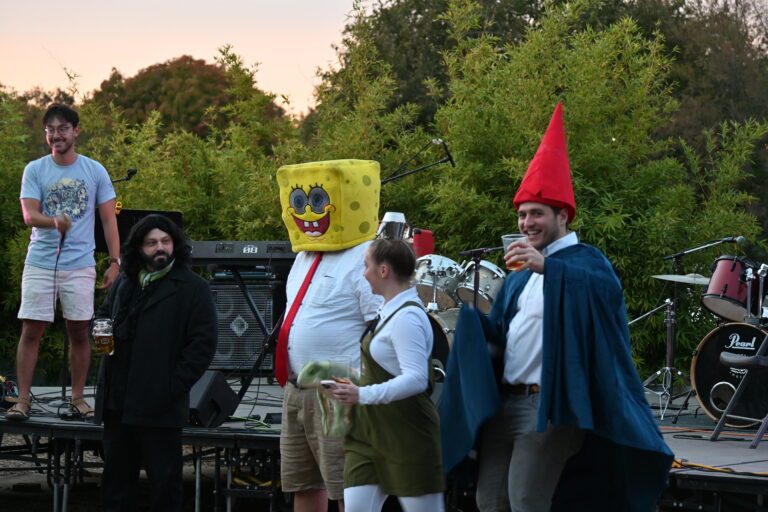
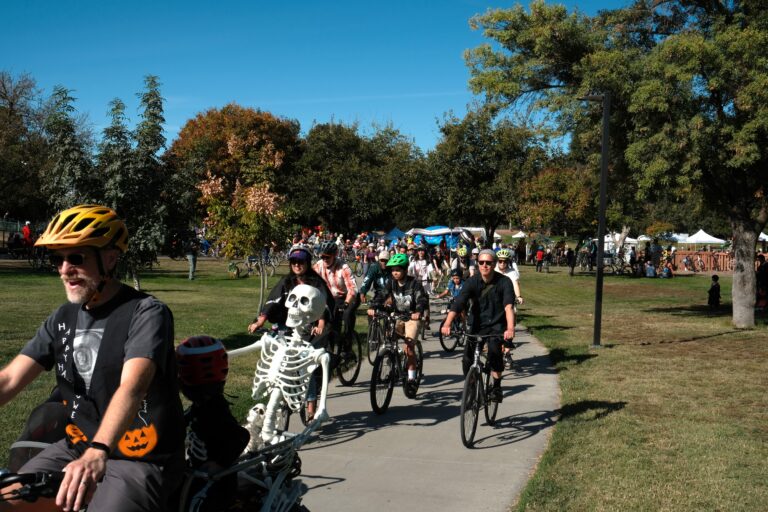
On Oct. 27, the Davis Odd Fellows, the Bike Campaign, Bike Garage, Davis Bike Club and the city of Davis Parks and Community Services Department hosted the highly anticipated annual Zombie Bike Parade and Festival. This event, now a beloved local tradition, offered a fun, family-friendly way for Davis residents to celebrate Halloween while supporting meaningful causes. Community members attended for free with the event being fully sponsored by the organizing groups.

The day’s activities began at 11:30 a.m. with the Zombie Bike Parade — a five-mile bike ride starting at the Davis Community Park. Participants, many dressed up in costume, biked through town to reach Mace Ranch Park in North Davis. Upon arrival, the crowd enjoyed a bike motocross (BMX) stunt show with professional riders. After the show, community members made their way back to Community Park where the main festival awaited them at around 1 p.m. 

From 11 a.m. to 3 p.m., the Community Park festival offered something for everyone. The event featured over 15 entertainment stations, including professional DJs spinning music, food stalls with curated “zombie circus” treats and various live performances. Participants of all ages and abilities were welcome, reflecting the event’s inclusive atmosphere. Attendees could also visit the Haunted Photo Booth to capture photos, and children could explore the provided Halloween crafts, games and face painting as part of the “Zombie Zone.”

Fundraising was a key aspect of the event as well, with proceeds going to several local organizations. NorCal Trykers, which provides custom tricycles for children with disabilities, was the primary beneficiary. Additionally, the event raised funds for Friends of Watermelon Music Nonprofit, an organization supporting local music initiatives, and Toys for Tots, which provides holiday gifts to children in need.

Another highlight of the festival was the costumes, with over 25 prizes awarded to individuals and groups for creative costumes. 

The Zombie Bike Parade has grown considerably since its creation. Initially created by Davis Odd Fellows member Dave Rosenburg and his wife Lea Rosenburg to raise funds for NorCal Trykers, the event quickly gained traction. Local cycling enthusiast Aaron Wedra joined forces with the Rosenbergs, solidifying the event’s structure and collaborating with the Odd Fellows to expand its scope. Today, the Zombie Bike Parade is a dynamic event with dedicated volunteers and staff members constantly evolving its offerings.

This year, the event was part of a city-wide Halloween celebration, with additional festivities over the weekend, including the fourth annual Trunk or Treat Extravaganza, the Davis Zombie Ball and the Zombie Mash Afterparty. These events underscored Davis’ commitment to creating an inclusive, festive environment for families and individuals of all ages.


Written by: Alma Culverwell city@theaggie.org 

Sudwerk Brewing Co. hosts annual Halloween Extravaganza

0

The popular Davis brewery welcomed everyone for a Halloween celebration


By OLIVIA HOKR — city@theaggie.org 

 

On Oct. 26, families, students and community members dressed up in costume and gathered at Sudwerk Brewing Co. for a Halloween Extravaganza. The annual event included live music from local musicians on The Dock, pumpkins available to paint, a party brunch inside the restaurant, costume contests and more.

Alex Fisher-Wagner is the events strategist at Sudwerk Brewing and was also the emcee for the extravaganza. Throughout the month of October, Sudwerk offered special Halloween cocktails called the Experiment and Vampire Bite to embrace the spooky season.

“For October, we’ve been running these special Halloween cocktails on theme with decor,” Fisher-Wagner said. “Those two Halloween cocktails were the Experiment, which was an Earl Grey whiskey cocktail that is topped with a gummy eyeball, and then our Vampire Bite which is a shooter that was white rum, blackberry liqueur and lime juice, garnished with a black sugar rim.”

Fisher-Wagner also shared details of the exciting collaboration with RockBand University at this year’s event. 

“Our annual Halloween Extravaganza is a free event that is put on at Sudwerk that’s family-friendly and open to all,” Fisher-Wagner said. “This year was really exciting, because we got to partner with RockBand University for their kid’s Halloween concert showcase which featured seven different rock bands from their after-school program.”

  Among the kids from RockBand University were two who dressed up as band members from Green Day and ended up winning the kid’s costume contest. 

In addition to Halloween parties, Sudwerk brings the community together with celebrations such as Oktoberfest. Sudwerk was founded by German descendants and takes pride in their traditional German brewing methods.

“We just had our Oktoberfest at the end of September,” Fisher-Wagner said. “It is an annual event that brings about four to five-hundred people every year. We’re a German restaurant and brewery, so there’s a big German celebration there.”

Sudwerk Brewing Co. is known for hosting celebrations for every holiday throughout the year, and then some. From Halloween Extravaganzas to Cherry Blossom Festivals to weekly trivia nights and live music concerts, Sudwerk always has something going on for everyone in the community.


Written by: Olivia Hokr — city@theaggie.org 
 

Davis Food Co-op holds Halloween Block Party highlighting local artists and businesses

0

The event featured local restaurants, small businesses and non-profits 


By RORY CONLON — city@theaggie.org
 

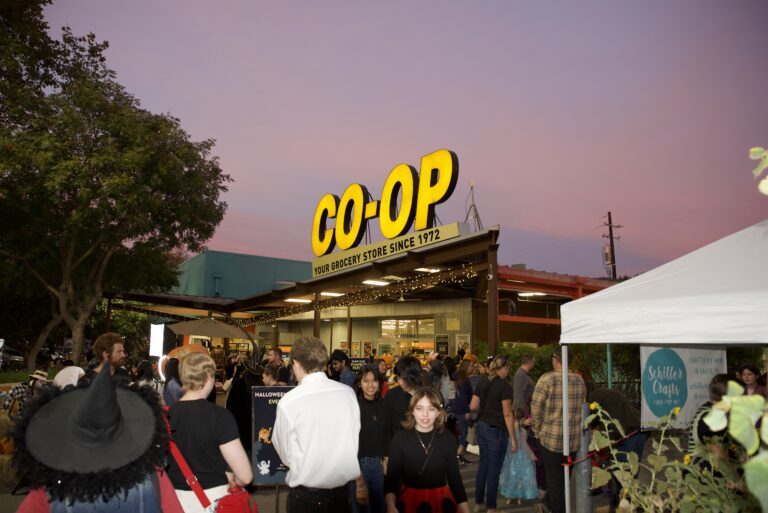
The Davis Food Co-op hosted their Halloween Block Party open to Davis community members on Oct. 26. The event featured booths from local businesses and organizations, Halloween-themed activities and live music from the Davis-based band Cowboys After Dark. 

The block party is one of two events the Davis Food Co-op, the only locally owned and operated grocery store in the city, holds each year. Lilliana Agredano, the marketing manager for the Co-op, said the Halloween-themed event has expanded since they started it two years ago. 

“Years ago, it was mainly a gathering where we gave private invitations to members,” Agredano said. “Part of our [purpose] is to be a gathering space for the community, so that’s [why] we decided to expand it to be a bigger event and invite the whole community.” 

Agredano said the Co-op started reaching out to local businesses four months before the event. 

“We make sure to promote small and local businesses,” Agredano said. “So, if any of them want to come out — like The Hive, The Growing Groves or Kindness Thrift [Mobile Shoppe]  — we welcome them. It’s all free for vendors, and our main purpose is to bring the community together.” 

Besides local businesses, non-profit organizations like the Yolo County Library also had booths at the event. Xochilt Romo, who tabled for the Yolo County Library, said it was her first time at the block party. 

“It’s way bigger than I expected,” Romo said. “It’s only been like an hour, and to be honest, I didn’t expect this many people because it’s such a small parking lot. It’s completely packed.” 

On their table, the library offered candy to trick-or-treaters as well as Halloween-themed bubbles, pencils and stress balls. Romo said she wanted to promote the library’s weekday and weekend programs to kids attending the block party. 

“We call them Sunday Fundays because we always host something different — sometimes it’s movies and sometimes we have crafts,” Romo said. “We have beaded jewelry for the Indigenous [Storytime and Craft], Reading Buddies, Makerspace and tutoring for the kids. I know we’re very popular, especially because we’re surrounded by schools.” 

The Graduate Students Association (GSA) at UC Davis also ran a booth at the event. Sicily Lerner, the secretary for the organization, said she wanted to provide more information and support to graduate students at UC Davis. 

“We want to help better build community and get grad students out and into the city,” Lerner said. “I know that it’s really hard for that to happen when you’re in graduate school, so we’re hoping this is just another way to get people out and about, especially working to support local businesses.” 

Lerner said that in addition to handing out pens and stickers at the event, the GSA also displayed a pizza cutter on their table to advertise the food and basic needs pantry for graduate students. 

“We’ve also partnered with the Co-op, which has generously donated a basket full of food and other goodies that we’re raffling off to all graduate students and professional students at Davis,” Lerner said. “It’s a whole mixture of all sorts of things the Co-op has put together for us — there’s tea, snacks and other things for cooking, like olive oil.” 

The event also featured Halloween-themed activities that included a costume contest, pumpkin decorating contest, squash fest sampling and a photo booth for people to get photos with their costumes on. Local band Cowboys After Dark played covers of “Thriller,” “Electric Slide” and “Ain’t No Sunshine” for people on the dance floor. 

Kyra Cvitanich, a fourth-year communications major, first heard about the block party through one of her friends. She said she liked Cowboys After Dark’s rock cover of “Ain’t No Sunshine.” 

“I thought they were really good,” Cvitanich said. “They surprised me because I typically don’t see a saxophone and a trumpet in a band. I thought it was really neat that they were able to blend those instruments into rock in a new way.” 

Cvitanich said she explored several booths at the event, including a booth for The Growing Groves Plant Shop and Unitrans. She said community events like the block party bring out a different side of Davis. 

“I think they represent togetherness, like a chance to meet your neighbors, to have fun and be in community with each other,” Cvitanich said. “It’s not very often that you get to see people come together in this way except for moments like [this].” 


Written By: Rory Conlon — city@theaggie.org


The Editorial Board’s response to a second Trump Administration and Republican supermajority

A glimpse into the next four years and how to stay hopeful 

By THE EDITORIAL BOARD


The results of the 2024 presidential election have left many feeling disappointed, frustrated and overwhelmed — a sentiment shared by The California Aggie’s Editorial Board. In the race between former President Donald Trump and Vice President Kamala Harris, the Republican nominee has won the 270 electoral votes needed to secure the presidency. 

Amid this trepidation and fear, it is vitally important to remain vigilant, educated and committed — now more than ever. The Editorial Board encourages you to do research on how the United States government operates, understand what a second Trump Administration means and commit yourself to remaining politically involved.

While the focus during an election is often centered on the soon-to-be United States President, the U.S. system of checks and balances make other branches of government just as important. Alongside Trump’s return to the White House is the expected Republican supermajority in all three branches of government: Legislative (Congress, including the Senate and House of Representatives), Executive (the U.S. President) and Judicial (the Supreme Court).

The other branches of government serve to reduce the singular power of the president, but a Republican majority in all branches of government increases the ability of the Trump Administration to enact harmful policies and legislation. For more information on the specific powers of each branch, USAGov has a guide provided on its website. 

President-elect Trump has made many promises throughout his campaign — ones he plans on keeping. On topics of reproductive rights, immigration and economic policy, Trump has promised to harm American people and American freedoms. While many right-leaning voters focused on Trump’s plans to leave decisions on abortion bans to the states, “control the border” and reduce inflation, the lack of education and abundance of disinformation was prevalent during the election.

A common argument seen during the Trump Campaign was that reproductive freedoms were not being called into question — instead of a nationwide abortion ban, he decided to leave it to the states. However, to assume that a woman’s reproductive freedom is protected would be a mistake. After the overturning of Roe v. Wade, a constitutional right upheld for almost half a century, the Supreme Court put the lives of women in the hands of the states. The Republican majority in the Supreme Court made this happen, with three of the six Republican justices appointed by Trump in his first term. 

As of right now, 17 states have abortion bans — spanning from conditional to complete. Make no mistake, allowing the states to control reproductive rights or a national abortion ban will lead to a greater loss of life. In states with higher abortion restrictions, studies have shown a higher maternal mortality rate. In other words, abortion bans do not decrease the prevalence of abortions — abortion bans increase the deaths of women. 

Another aspect of Trump’s campaign was his promise to boost the American economy and reduce inflation through imposing tariffs and tax cuts on the wealthy. The misconception that tariffs are taxes against other countries rather than taxes on imports — a cost then directly applied to consumers — is extensive and, as it turns out, Trump’s economic plan is set to cause higher inflation, a decrease in employment and a lower national income. This, alongside Trump’s promise to enact mass deportation, will have an overall negative impact on the United States’ economic trajectory.

Trump’s stance on immigration is at best economically unsound and at worst racist and rooted in bigotry. The president-elect has prioritized border control and mass deportation as one of the first actions of his return to office — stating that there is “no price tag” on mass deportation. Additionally, Trump has pledged to end the fundamental right of individuals born in the United States: birthright citizenship. There is only one outcome of Trump’s racist rhetoric against immigrants: the destabilization of families and economic fallout.

It’s unsurprisingly difficult to sum up all of the Trump Administration’s harmful promises and policies, and this editorial barely scratches the surface. From international relations — including the Palestinian-Israeli conflict and the Russia-Ukraine war — to the rights of the LGBTQ+ community to the status of Project 2025 — the list of communities set to be harmed by a second Trump term is not short.

So, where does that leave us? While the impacts the results of this election will have on both domestic and foreign affairs have the potential to be devastating, it is important to not lose yourself to hopelessness and complacency. In California, Governor Gavin Newsom recently called a special session to protect state residents and uphold state values, including reproductive freedom, civil rights, climate action and immigrant families. Additionally, several states in the U.S. voted to protect a woman’s right to choose, including Colorado, New York and Nevada.

The Editorial Board acknowledges and shares your grief and fear, but we strongly encourage you to choose action over complacency. It is not enough to tune into politics and current events in the months leading up to the presidential election, and it is not enough to be upset after the race is called. Instead, channel your frustration into action: vote locally and not just every four years, challenge the thoughts of the people around you and keep yourself updated on new government policies and who they affect. We can control our actions, who we interact with and how we choose to spend the next four years of our lives: resigned and powerless, or dedicated and united. 


Written by: The Editorial Board


Fall 2024 ASUCD endorsements: consider the following

The Editorial Board encourages you to consider student safety on campus, spending transparency and free speech when casting your ballot

By THE EDITORIAL BOARD

From Tuesday, Nov. 12 to Saturday, Nov. 16, students at UC Davis have the opportunity — for many, their first — to vote in the fall ASUCD elections. The California Aggie’s Editorial Board strongly encourages you to exercise your right to vote in student government elections, as the results of these elections have direct effects on you and other students at UC Davis. However, with 10 candidates running for the ASUCD Senate and one proposed amendment to the constitution, it is easy to feel overwhelmed when deciding how to cast your vote. 

After holding interviews with the candidates, The California Aggie’s Editorial Board has compiled a list of endorsements for the fall election cycle but encourages you to thoroughly seek out information on each of the 10 candidates and come to your own conclusion when utilizing your right to vote. Undergraduate students can cast their digital ballot for six senators and Constitutional Amendment #92 on the ASUCD Elections website


Note: Candidates Ryan Weber and Jorge Diaz were not able to participate in the endorsement interviews for this piece.


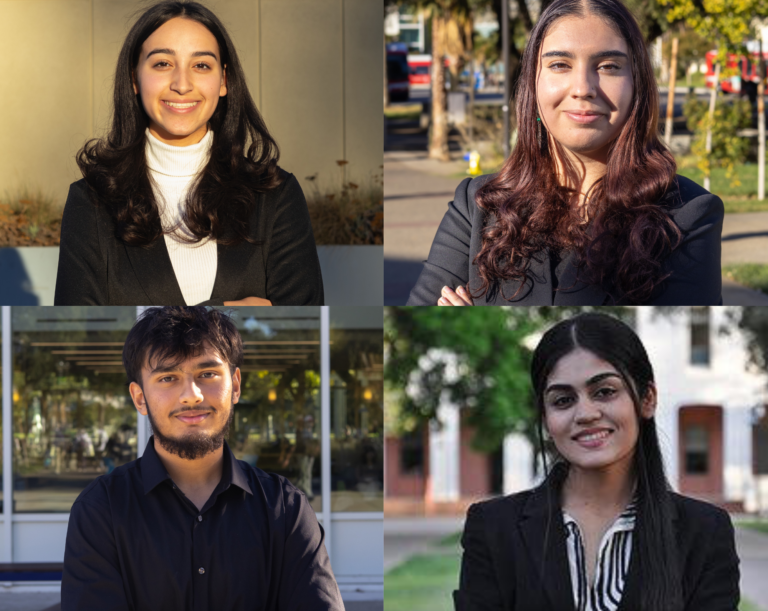
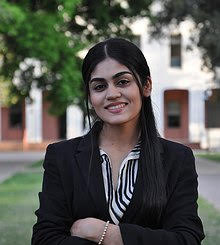
Solana Rodriguez (second-year, political science — public service): 

Solana Rodriguez is a second-year political science – public service major.

While she isn’t one herself, Solana Rodriguez has prioritized improving opportunities for transfer students at UC Davis. In her work as a community advisor at The Green, Rodriguez has seen the need to improve outreach to these students. The Editorial Board was impressed by Rodriguez’s detailed platform and vision for ASUCD. She hopes to bring more awareness to cultural events on campus, such as highlighting El Centro and other Latino organizations in Davis. Her other priorities include improving housing and transportation issues, expanding lighting in dimly lit areas for campus safety and ensuring the senate has more fiscal responsibility in its spending bills. She believes that ASUCD can better use its budget by prioritizing student services over entertainment. 

“Students can’t truly enjoy themselves if they feel unsafe or if their basic needs aren’t met,” Rodriguez said.

Given concerns about student safety, outreach and the budget — Rodriguez is exactly the kind of voice needed in the senate right now. 


Nanki Kaur (third-year, biomedical engineering): 

Nanki Kaur is a third-year biomedical engineering major.

Despite it being her second time running for the senate, Nanki Kaur demonstrates her continued passion for the position along with her resilience. The Editorial Board was impressed by how well spoken and knowledgeable Kaur is on her proposed policies, which include creating a hotline for women’s safety on campus, increasing STEM representation and improving funding for basic needs. If elected, Kaur aims to expand the number of 24/7 study spaces available on campus, as well as work toward greater transparency between the student body, the senate and The California Aggie. Her priorities also include increasing specialized mental health resources and bringing awareness to Title IX and women’s resources on campus. With her strong voice and previous leadership experience, The Editorial Board believes she is a qualified candidate who is sure to serve the student population with their needs, thoughts and ideas in mind. 


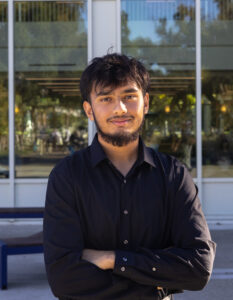
Umar Shaikh (second-year, political science): 

Umar Shaikh is a second-year political science major.

The California Aggie has decided to endorse Umar Shaikh, a second-year political science major who is running for ASUCD Senate. Shaikh presented thorough knowledge on ASUCD units and expressed passion about enforcing student protections on campus in the face of recent policy changes, which majorly influenced his decision to run. His willingness to criticize the UC system and on-campus police involvement — as well as his belief that the UC system can be bettered as a result of student-given pressure — served as a refreshing reminder of the impacts students can directly have on their universities. He promoted EBT and food accessibility for students on campus and explained his plans to adopt the CoHo in order to work with the ASUCD unit that students likely interact with the most. In addition, Shaikh expressed that clarity and transparency among ASUCD and UC Davis administration is a key step to strengthening student-to-faculty relationships. His knowledge of specific legislation, prioritization of identity-based Registered Student Organizations (RSOs) on campus, his intent to fulfill transparency of student government processes and bridge the gap between students and the ASUCD make him a very compelling candidate for ASUCD Senate. 


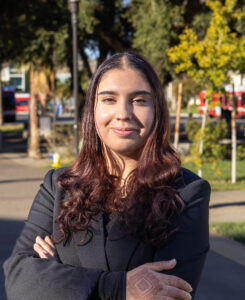
Jenna Younes (third-year, international relations): 

Jenna Younes is a third-year international relations major.

Jenna Younes was inspired to run for senate after seeing the impact senators have made on campus. As a part of student leadership roles in multiple RSOs, Younes hopes to use her leadership skills for her position in the senate to be a voice for marginalized communities. The Editorial Board was impressed with Younes’ passion for transparency and ethical spending of the ASUCD budget. A priority for Younes is ensuring that the companies ASUCD does business with are environmentally and socially just. In addition to ensuring the ethical and transparent allocation of ASUCD funds, Younes emphasized the importance of allocating funds to basic needs services. One of Younes’ priorities is to address food insecurity and aims to accomplish this through work with The Pantry. Younes also hopes to enhance the outreach of ASUCD and increase social media representation. If elected to the senate, Younes hopes to adopt the Creative Media unit, Ethnic and Cultural Affairs Commission, the External Affairs Commission and The Pantry. Younes is an experienced leader and has an all-around students-first platform, which is why the Editorial Board backs Jenna Younes in this upcoming ASUCD Senate election.


Our thoughts on Constitutional Amendment #92:

The Editorial Board wants legislation passed that protects the privacy and security of all students on campus. Especially given the University Office of The President’s new policies with regards to protesting, an amendment protecting student privacy is more important than ever. 

However, due to vague language in the proposed amendment, the Editorial Board does not offer Constitutional Amendment #92 a full endorsement. Instead, we recommend students read the full legislation and use their best judgment. 

The proposed amendment should include a more detailed procedure for the ramifications of infringing on student privacy. The language of “ASUCD and the University are required to take any necessary and appropriate action to respect your privacy” does not provide a clear outline of how disciplinary action will be taken and the consequences administered. 

The exception of “…when required by law or in accordance with other existing University policies” is vague and leaves room for interpretation on what situations are protected by the amendment. There is no example of existing University policies that would be exempt from this amendment. 

The wording of “The University and ASUCD shall not disclose your personal information without your explicit consent,” is unclear and could easily be misinterpreted. The process for determining when explicit consent has been given is not present in the amendment and can make it difficult to ascertain when student privacy has been infringed upon. 

Due to the subjective language and unclear procedures, the Editorial Board is concerned with what impact this amendment may have on free speech and press protections in the local community. The Editorial Board fully supports a constitutional amendment that protects student privacy but one that is specific and clear on how it could affect existing university policies and organizations. 


Written by: The Editorial Board

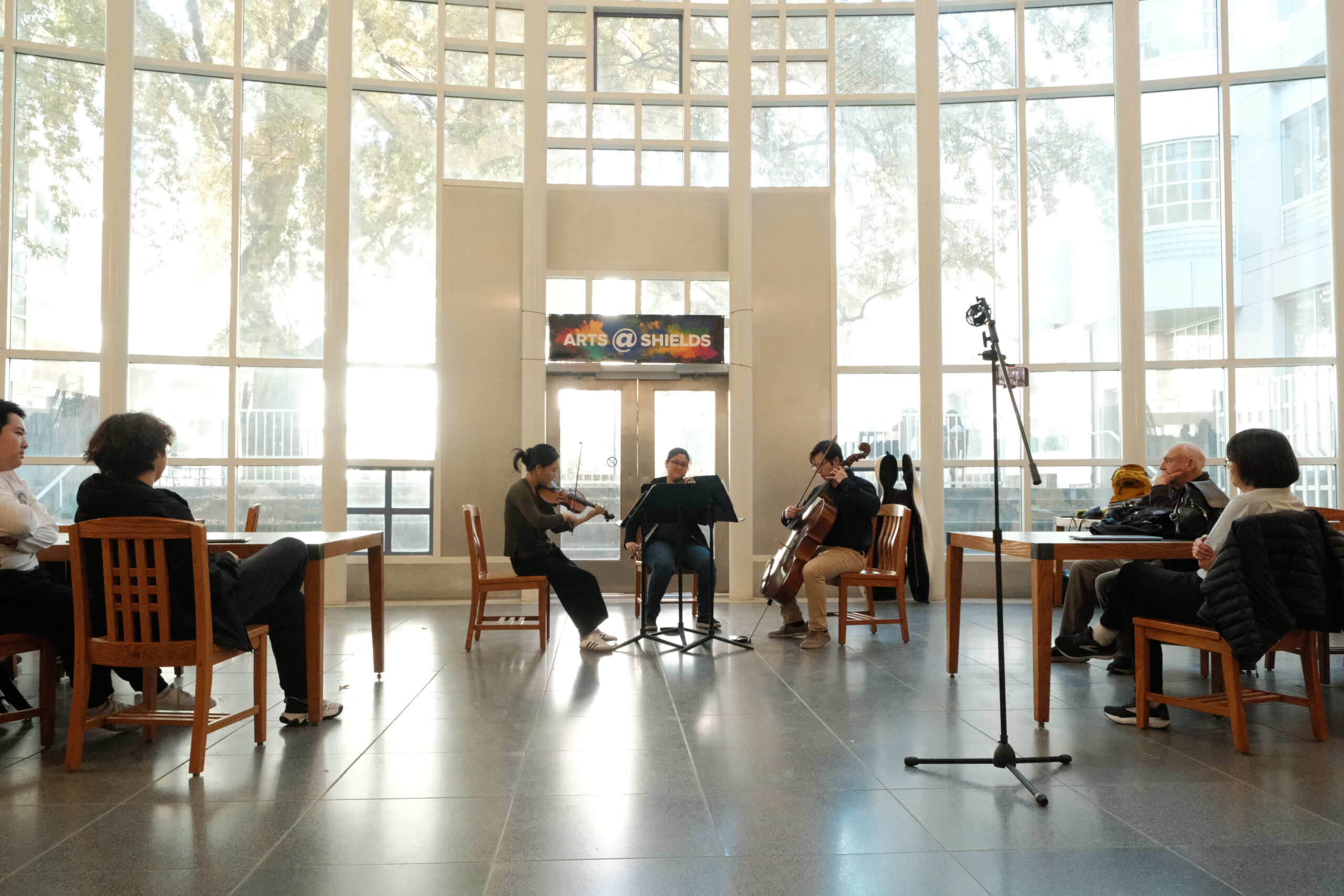
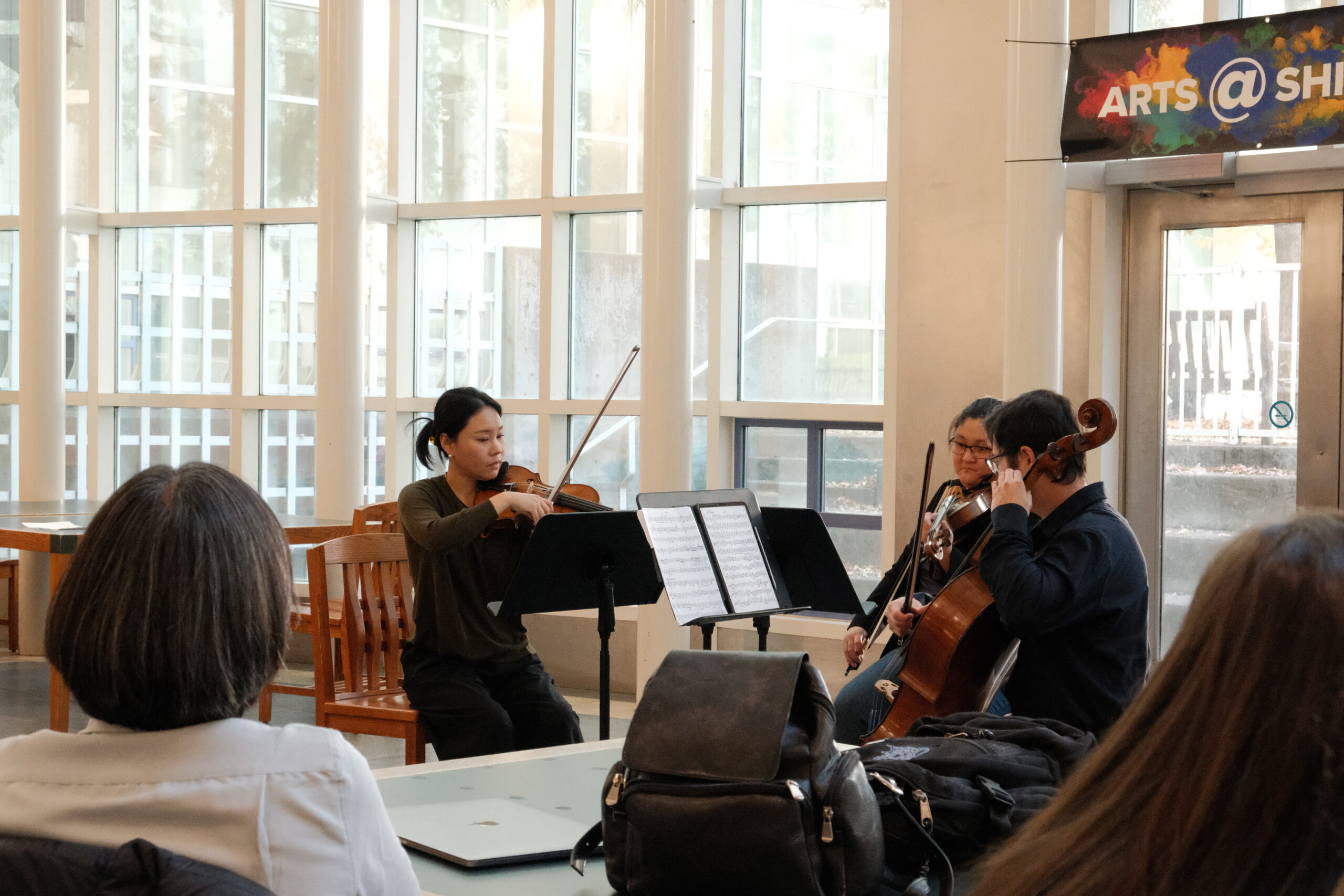
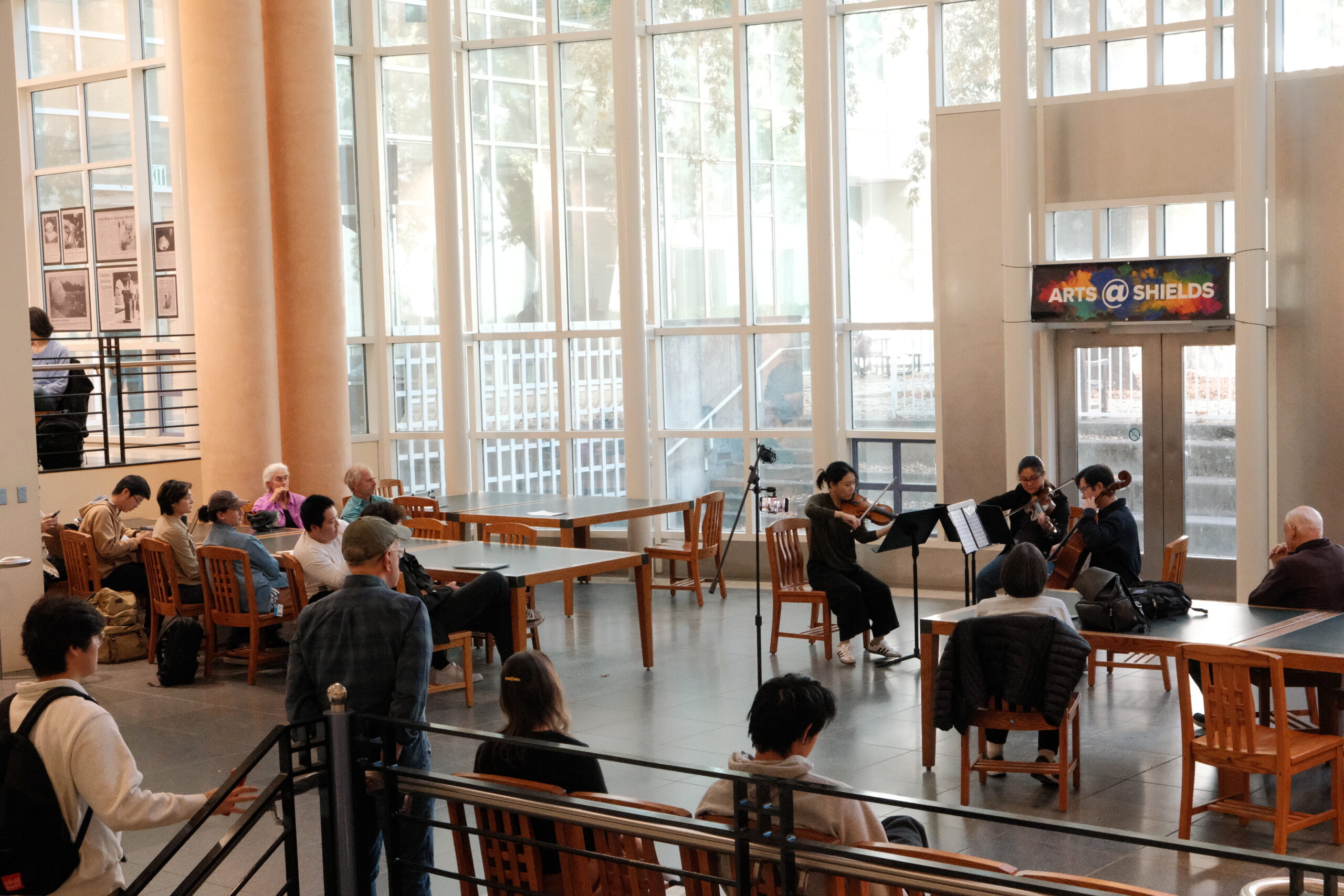
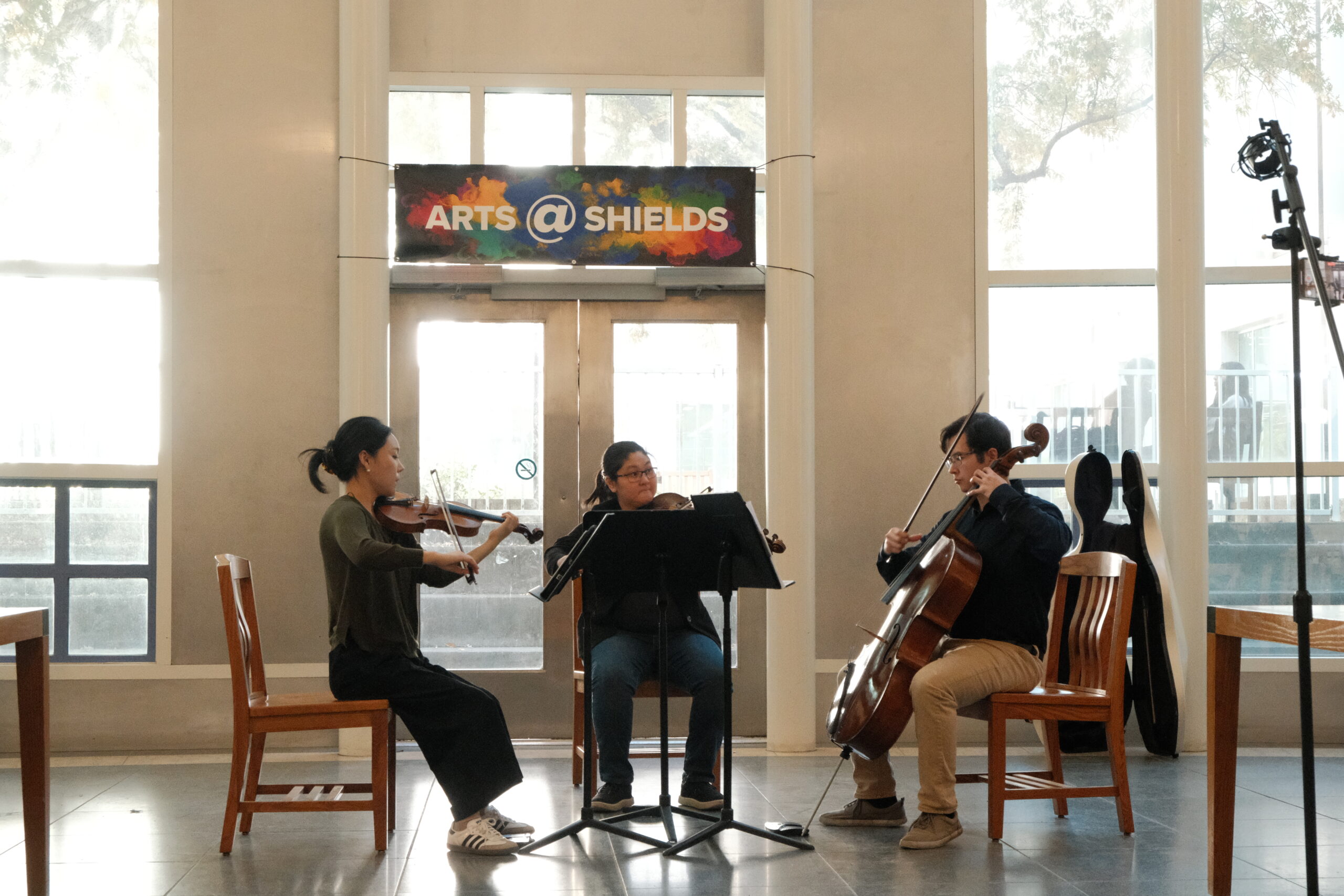
“Arts @ Shields” string performence

0

By Christian Cendejas — photo@theaggie.org

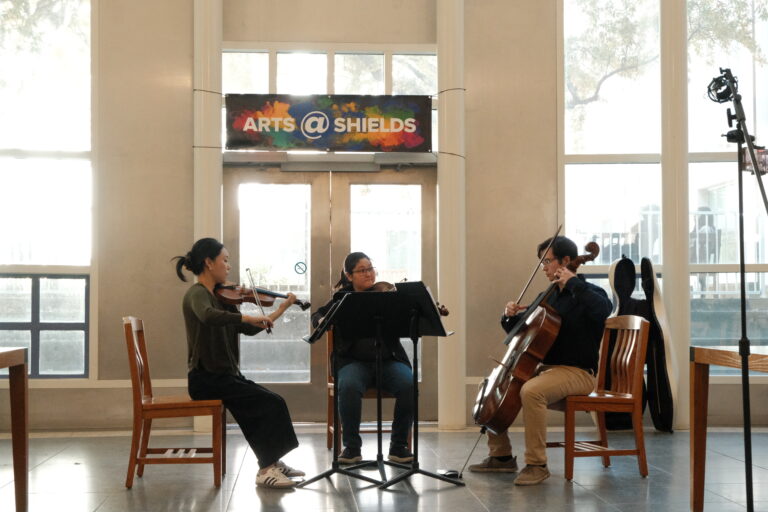
String players fill the lobby with music at the base of the basement stairs at Shields Library. (Christian Cendejas / Aggie)


View from the crowd of musicians at Shields Library. (Christian Cendejas / Aggie)


View from the crowd of musicians at Shields Library. (Christian Cendejas / Aggie)


String trio play for an audience as part of “Arts @ Shields” at Shields Library. (Christian Cendejas / Aggie)

By Christian Cendejas — photo@theaggie.org

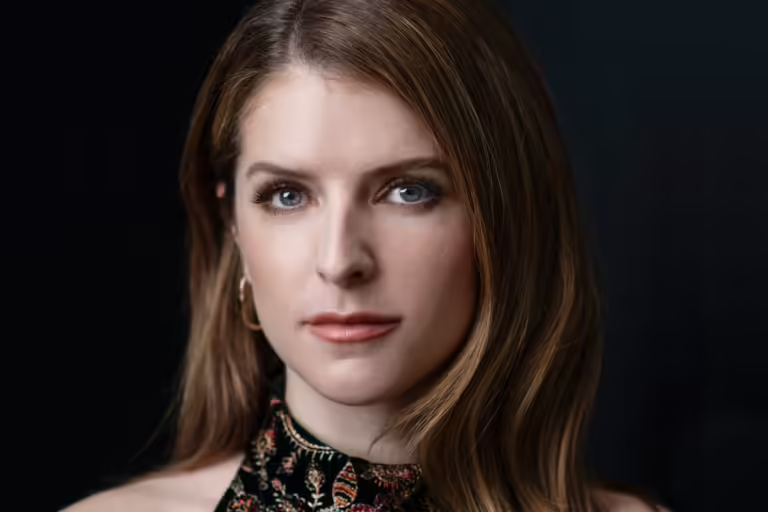
‘Woman of the Hour’ is Anna Kendrick’s directorial debut

The film delivers a horrifying retelling of a serial killer’s appearance on “The Dating Game” 


By ANA BACH —- arts@theaggie.org 


If you haven’t been spooked enough this Halloween season, Netflix recently came out with a thriller that will surely deter you from ever going on a blind date. Anna Kendrick’s directorial debut, “Woman of the Hour,” features the horrifying true story of a serial rapist and killer’s appearance on the ‘70s dating show: “The Dating Game.” 

The film focuses on a 1978 episode of the show, featuring Rodney Alcala as one of the eligible bachelors. Alcala was described as a successful photographer, but unbeknownst to the public and police at the time, was also a serial rapist and murderer. Kendrick’s character, Sheryl Bradshaw, is a struggling Los Angeles actress and contestant on the dating show — who, impressed by Alcala’s respectful answers, ends up choosing him as her date. 

Aside from the unsettling true nature of the story, the film weaves in law enforcement’s role in the situation, dismissing several allegations prior to his appearance on the show. Not pursuing these leads allowed Alcala to repeatedly strike, claiming the lives of over 100 hundred young girls and women. Kendrick heavily leans into that short time between having a feeling of unease and the immediate realization of when that fear becomes real. 

One scene in particular shows the two on their date at a local Tiki bar. She immediately becomes uncomfortable when Alcala suggests that they should have another round of drinks, even though she said no the first time. Fortunately, she conveys her disinterest to the waitress who is serving them, who tells Alcala that they had “just missed last call.” 

The real fear comes after the date when Bradshaw gives him a fake number outside of the restaurant’s dark and empty parking lot. As they say their goodbyes, Alcala calls out to her and asks if she can repeat the number back to him, claiming that sometimes the sixes and nines start to look alike. After not being able to repeat the number back to him, Bradshaw begins to walk back to her car, with Alcala trailing not far behind. This scene is one of the most chilling parts of the film, as the viewer is simultaneously taking on that stress and pleading that she will make it to her car alive. Luckily, she does and ends up leaving the LA area for good. 

Kendrick’s rendition of the story skillfully works in the aspects that made the case such a spectacle. Surrounded by lights and cameras on “The Dating Game,” the notion of putting on a show is ever present. We see Alcala’s charisma and intelligence shift to a character that is life threatening once the cameras are turned off. Rather than sensationalizing the tragedy, Kendrick flips the script toward a victim-focused and woman-centered plot, prioritizing the character of those affected by the crimes. 

Kendrick post production told the L.A. Times that she was “seeped in some really valid ethical questions around true crime.” She said that she planned to give her cut from the film to the Rape, Abuse and Incest National Network and the National Center for Victims of Crime. Both organizations confirmed that Kendrick made donations and expressed gratitude to her on behalf of the organization as well as its survivors. If you are looking to watch another thriller this season and Kendrick’s directorial debut, check out “Woman of the Hour” on Netflix. 

Written by Ana Bach — arts@theaggie.org

Why you should vote in the ASUCD elections

ASUCD elections are happening next week, and so is your chance to have a say in campus politics


By THE EDITORIAL BOARD


With general elections consuming everyday media, it can be easy to overlook the elections that are closer to home. The ASUCD fall quarter elections are happening next week from Nov. 12 to 16, and the Editorial Board urges you to utilize your vote. If you truly want to have a say in what happens on campus, voting in the ASUCD elections is the perfect way for your voice to be heard.

ASUCD elections occur every school year, in the fall and spring quarters respectively, and are open to all undergraduate students. The overarching branch of ASUCD consists of the compilation of units, such as Unitrans and the Coffee House, that provide services and events to students, and the student government which allocates funds and manages the organization as a whole. The main point of the elections is to not only elect new ASUCD government officials but to also vote on measures that directly affect the student body.

This election cycle, there is only one measure on the ballot: ASUCD Constitutional Amendment #92. This amendment aims to encode students’ right to privacy into the Student Bill of Rights. Additionally, it will expand the reach of this protection to “caste, class, native language etc.,” according to the amendment text.

In addition to ballot measures, one of the most exciting aspects of the ASUCD elections is the senate appointments. The senate is the primary student legislative body on campus that allocates student fees and votes on legislation that aims to suit the best interests of the student body.

This quarter, there are 10 candidates on the ballot: Solana Rodriguez, Ryan Weber, Zack Dollins, Ilias Benomar, Umar Shaikh, Jorge Diuaz, Jenna Younes, Nanki Kaur, Kenneth Dupont and Alexa Raben. Even though only six of these candidates will be elected to serve on the senate, the ballot follows a choice voting format which allows you to rank all of the candidates in order of preference. This way, you can advocate for as many candidates as you would like.

For those who wish to learn more about the candidates, keep an eye out for The California California Aggie’s “Meet the Candidates” article that introduces the senate candidates and their respective platforms. Additionally, the Editorial Board will be writing endorsements for the candidates that we deem best fit for the senate positions.

Students who want to be more involved in student government beyond voting can also attend the weekly senate meetings every Thursday at 6:10 p.m. in the Mee Room on the third floor of the Memorial Union. Each meeting there is an open forum, where students and members of the community can ask questions directly to the senators.

Despite ASUCD elections having a large impact on campus life, UC Davis currently has the smallest student voter turnout of all the UCs, with percentages as low as 2.69% (or 1,499 students) in 2021. The election cycle of spring quarter 2024 only showed a 23.7% voter turnout, the highest the campus has seen in years. This poses a problem, because ballot measures that involve student fees need a voter turnout of at least 20% to pass, an occurrence that does not happen very often.

The Editorial Board wants to emphasize that your vote matters and can make the difference in keeping essential programs on campus. Past measures such as The Green Initiative Fund (TGIF) that support valuable programs, like Sheep Mowers and Arboretum Waterway projects, have barely passed over multiple years of advocacy, solely due to low voter participation rates.

Many students on campus are unaware that ASUCD elections exist, which can possibly be attributed to a lack of advertising in past years. Various ASUCD units have advocated for increased promotions for the elections to spur voter turnout, and the ASUCD Elections Committee is currently working to expand outreach and engagement. 

The Editorial Board urges you as student voters to be proactive in campus politics and vote in the fall quarter elections, so that you can see your opinions visibly reflected around you. To cast your vote, you can scan any of the QR codes around campus or go to the ASUCD elections website at elections.ucdavis.edu. Voting will open on Nov. 12 and close on Nov. 16, so make sure to get your ballot in by the deadline. 

Voting on campus is a right and a privilege. It can mean the start or end of various programs on campus and decides who represents our student politics. ASUCD keeps our buses running, dictates how our $18 million of student fees are spent and even supports the success of our very own Cal Aggie newspaper. For the greater good of our campus politics and student population, get out there and vote!


Written by: The Editorial Board

Davis hosts its 36th annual Turkey Trot

Runners gathered for the annual run hosted by A Change of Pace


By GIA LOOMIS city@theaggie.org


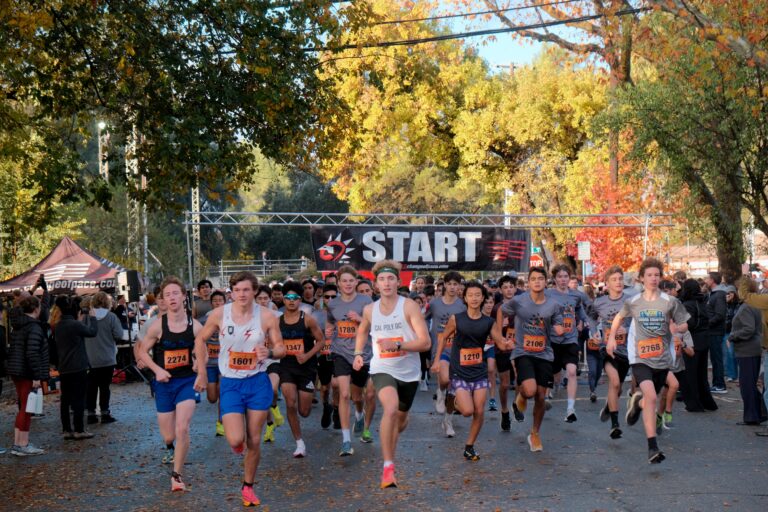
On Saturday, Nov. 23, 2024, runners gathered from near and far to compete in Davis’ annual Turkey Trot run. Hosted by A Change of Pace, the Turkey Trot began in 1987 and was the first event put on by the company. The first year of the run was so successful that Runner’s World magazine named it “the first annual event” in the country. 

Since its start, the Turkey Trot has done nothing but grow. Today, thousands of runners show up the weekend before Thanksgiving to participate in the race and support a great cause. This year, the Trot benefited Yolo County Society for the Prevention of Cruelty to Animals (SPCA) and Cancer Champions.

From family to friends to strangers, the Turkey Trot is an exciting event filled with Thanksgiving spirit. In 2024, the run looked a little different as clouds took over the morning of the Trot. Nonetheless, Ellie Neuman, who ran the Trot for the first time this year with her team — RunIt Davis — explained the great energy of the Trot, even in not-so-great conditions. 

“I love the energy of the Turkey Trot, it’s fun to see everyone get up early, push themselves and cheer each other on together,” Neuman said. “It was especially cool to see everyone run despite the pouring rain outside. And I loved the occasional turkey hat or costume.” 

The Trot is a great opportunity for all levels of runners to get some steps in as the run hosts a large variety of events including a half marathon, 5k, 10k, one-mile and two-mile run. These events produce many top placers as results are sorted by event, age group and various secondary categories. Securing a top place in this run requires both mental and physical training. Cristian Embleton, who placed first in the Trot’s half marathon run, explained how big a role running plays in his life. 

“I’ve been running seriously for about six years now,” Embleton said. “Running, in general, started as a fun way of getting in shape and socializing with friends. But eventually, it grew into an integral part of my life as I invested more time into it. Nowadays, I consider running not only a sport for me but a lifestyle.”

Winning a race like the Turkey Trot can be a pivotal moment in a runner’s journey. Such an accomplishment can push a runner to the next level. For Embleton, taking first place is just the motivation he needed to continue training for his fourth marathon. 

“Placing so high felt amazing, not only was it a personal record, but it was the first time I finished first in a race,” Embleton said. “In my mind, this event was a crucial psychological milestone for me in my attempt to compete in the Boston Marathon. There’s still a lot to do on that journey, but it’s good to know that I’m making progress.” 

While the run is a good opportunity for competitive runners, it is also a great experience for more casual runners. A good way to connect and bond with friends and family, the Trot has something for everyone.

Vanessa Su, a third-year biotechnology major, participated for the first time in the 5k as a way of bonding with some of her peers. 

“I had such a great time doing the Turkey Trot,” Su said. “I decided to join because my lab, the LaSalle Lab, forms a team every year to have a friendly competition with a couple of other labs at UC Davis.” 

Events like the Turkey Trot are not only great for community engagement and bonding but can push people to get out of their comfort zones. For Su, this was her first time running any sort of race or marathon since high school — still, she placed second in her age category and maintained a competitive pace despite being years out of practice. However, she said she owes some of the credit to her team and friends for their support. 

“It was incredibly rewarding to place,” Su said. “I credit my time entirely to our lab scientist, Dag Yasui, and our [Principle Investigator] PI, Janine LaSalle. Their steady and strong pacing motivated me to push myself to keep up, which led to my unexpected pacing.”

The Turkey Trot is a great opportunity for all levels of athletes. From pushing competitive runners to getting casual runners out of their comfort zone to people just looking to get outside, the Trot caters to every level of athlete.

 Next Thanksgiving, think about pushing yourself and getting out to the Turkey Trot to support a great cause, get some exercise and maybe even see some turkey costumes!


Written By: Gia Loomis — city@theaggie.org


The City of Angels are champions once again

0

The Los Angeles Dodgers beat the New York Yankees in the World Series


By Diego Cerna – (sports@theaggie.org


On Oct. 30, the Los Angeles Dodgers closing pitcher Walker Bueler made the final strikeout to secure the Dodgers’ second World Series title in five years. 

The Dodgers, falling five runs behind the Yankees, were able to make a comeback and secure the win due to a series of errors and bad plays from the Yankees. This allowed the Dodgers to score five straight runs in the fifth inning, tying the game 5-5. They claimed the victory with a final score of 7-6.

This victory by the Dodgers marks superstar Shohei Ohtani’s first World Series win. The two-way superstar made headlines this past summer by becoming the highest paid player in Major League Baseball (MLB) history signing with the Dodgers for a contract of $700 million for 10 years. With surgery on his right elbow, Ohtani wasn’t able to pitch this season but still played as a designated hitter. This decision showcased his offensive skill set even more, as he became the only player in baseball history to record 50 home runs and 50 steals in one season. 

The World Series MVP, Freddie Freeman, was the most impactful player for the Dodgers in the series. This is Freeman’s second World Series victory and World Series MVP title. The former Atlanta Brave extended his World Series home run streak to six consecutive games with a home run, setting a new MLB record. 

The most iconic home run happened in the first game of the series, when Freeman hit the first-ever walk-off home run in World Series history. Not only was it a home run but also a grand slam, giving the Dodgers a 6-3 game one victory over the Yankees. Freeman was also able to hit three home runs in the next three games. 

Arguably the strongest aspect that led the Dodgers were the starting pitchers and bullpen. Relief pitcher Blake Treinen was a huge help throughout the series, namely the series-clinching win where Dave Roberts trusted him to lead the Dodgers into the ninth inning and not give up the 7-6 lead they held. That decision paid off in the end. Yoshinobu Yamamoto and Walker Buehler also had impressive outings in game two and three, holding the Dodgers to no runs in their time pitching. 

As for the Yankees, there are many questions lurking in the offseason. Newly acquired left fielder Juan Soto helped lead the Yankees to their first World Series appearance since 2009 and was a key contributor in the postseason. Soto was a key member in keeping the Yankees’ offense afloat in the World Series as well. Soto’s contract has officially expired, and he plans to head into free agency this coming offseason

The Yankees’ center fielder, Aaron Judge, also struggled this postseason, only hitting a batting average of .184 after batting over .300 and hitting 58 home runs in the regular season. The biggest mistake came in the Yankees fielding error in the fifth inning, as Judge missed catching a routine fly ball to keep the Dodgers inning alive, leading to the five-run collapse. 

“I think falling short in the World Series will stay with me until I die,” Judge said in a postgame interview.

After not being able to celebrate their 2020 championship season due to COVID-19, the Dodgers were finally able to celebrate in the streets of Los Angeles on Nov. 1. LA fans came to support with over 2 million attendees showing up in downtown LA and about 40,000 fans attending the rally at Dodger Stadium.

With the most talented roster in the MLB, it’s safe to say that the Dodgers look forward to winning more championships in their future. 


By Diego Cerna – (sports@theaggie.org

Culture Corner

The Arts Desk’s weekly picks for music, movies and more


By ELIZABETH BUNT — arts@theaggie.org 


Book: “The Passion” by Jeanette Winterson (1987)


I first came across Jeanette Winterson’s work in a literature class here at UC Davis. Her debut novel, “Oranges Are Not the Only Fruit,” was assigned as an example of postmodernist, feminist innovation in prose. Since that class, I have read three other Winterson novels with “The Passion” being the most recent. “The Passion” is set in Napoleon’s Europe in the early 1800s and follows a young French soldier, Henri, as he follows conflict into Russia. The second plotline traces the life of Villanelle, a young Venetian woman with webbed toes, who is running from a violent ex-husband. Though nominally historic, Winterson uses considerable creative license. Like much of her work, “The Passion” draws from magical realism and surrealism which blends seamlessly with the gritty details of the Napoleonic wars. At the heart of the novel is the contrast between Henri and Villanelle’s differing definitions of passion and their interplay of gender and sexuality. 


Song: “Junk Food Chimney” by Ezra Bell (2013)


Ezra Bell is an indie band that was founded in 2013 and slowly picked up popularity until COVID-19 ended touring. Since then, Ezra Bell rarely performs, preferring to record and self-release independent music. This particular song is from the band’s very first EP entitled “Don’t All Look Up At Once.” “Junk Food Chimney” itself is only one minute and eight seconds long, so it’s over just as you really begin to love it. The song describes the experience of reconnecting with an old lover while knowing it won’t last. It’s simple and beautiful and lead singer Benjamin Wuamatt’s unique voice ties the whole song together. 


Movie: “Fantastic Mr. Fox” dir. by Wes Anderson (2009)


This movie is one of my all-time favorites. I can and will rewatch it at the slightest provocation. It’s based off of the Roald Dahl novella and done in a claymation style. The cast is stacked with George Clooney and Meryl Streep voicing the lead roles. The soundtrack is bouncy and folksy and comforting in a silly, familiar way. The plot follows Mr. Fox as he breaks a promise to his wife and begins stealing birds from neighbors Boggis, Bunce and Bean, endangering his family and friends. The foxes are driven underground, and Mr. Fox must use his cunning to save them all. I cannot say enough good things about this movie. It may seem like a children’s movie from description alone, but there is so much more to this film. “Fantastic Mr. Fox” is a masterful adaptation of page to screen.  


Album: “Songs of Leonard Cohen” by Leonard Cohen (1967)


Every fall, I find myself gravitating back to Leonard Cohen. In my opinion, he may be the most perfect songwriter/artist who has ever lived. His lyrics are incredibly written, his voice is unconventional and there’s enough variation in sound across his dozens of albums that it’s impossible to get tired of hearing him. “Songs of Leonard Cohen” was both Cohen’s first album and first foray into writing music. The 10 song album contains some of his most well-known hits like “Suzanne,” “So Long, Marianne” and “One of Us Cannot be Wrong.” The style of these songs is sparse and pared down, more like spoken word poetry than music in some places. Cohen’s personality shines through in these early bits of writing: his sincerity, his insecurities and his religion — they all come to light in the meandering tunes of this first album. 


Written by Elizabeth Bunt — arts@theaggie.org 


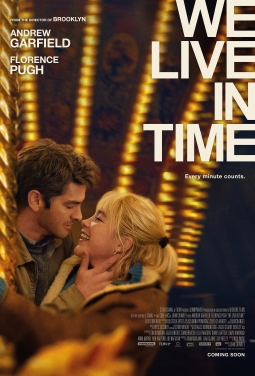
Review: ‘We Live in Time’ reminds us to live in the moment

‘We Live in Time’ stars Florence Pugh and Andrew Garfield as they navigate illness, love and the uncertainty of the future


By AALIYAH ESPAÑOL-RIVAS — arts@theaggie.org 


With only six months to live, the film “We Live in Time” follows Almut (Florence Pugh) and Tobias (Andrew Garfield) as they navigate the last months of Almut’s life. With a mix of jump cuts from past to present, the film alternates from showing a tumultuous but loving relationship between the two while cutting to scenes of their present life as Almut tries to achieve her dreams in a short period of time.

The film opens with a flashback sequence where Almut stops to smell the flowers on a run before picking some to use in a recipe. The quaint and dimly lit sequence is almost immediately interrupted, as if Tobias had woken up from a dream, to Almut pregnant and in pain. The audience is then taken through a jump in time again to the present day as Almut begins to have unexplainable pain during her work as a chef.

Subsequently, the film cuts to Almut’s diagnosis. Up until that point, this film — that seemed like any other romance film — takes a heavy turn as it is revealed that Almut’s stage three ovarian cancer has returned. Following the diagnosis, Almut and Tobias share an intimate scene as they discuss the future ahead. 

Lighting, a major storyteller in the film, plays a role in almost every intimate scene. Particularly in the scene where they discuss Almut’s life plan following her diagnosis, the outside lighting dims and only a parking structure light illuminates the scene. Almut expresses her desire to live life to the fullest in six months as opposed to going through chemotherapy again with the possibility of it not working. 

Following the conversation, the film flashes back to tell the story of how Almut and Tobias met. While in the middle of a divorce, Tobias gets hit by a car on the way back to his hotel by Almut. Waking up in the hospital, they soon have a blossoming relationship as they go back and forth from different views on children, marriage and goals — but ultimately they always find their way back to their love. With dimly lit intimate scenes, brightly colored moments abundantly filled with love and dark scenes of defeat, the film jumps from major life events as it brings viewers to the present day.

In the final act of the film, the film stays in the present as Almut grapples with the uncertainty of her life as she chooses to compete in the cooking competition against Tobias’ wishes to leave a legacy for herself. But after finishing the competition, Almut walks out with Tobias and their child as they embark on the unclear road ahead. Instead of giving up on her dreams, Almut took charge and achieved what she wanted to. And with nothing left but time to spend with her loved ones, the three enjoy ice skating, which was a previous passion of Almut’s. 

The film encapsulates how quickly life can pass you by. Though Almut’s and Tobias’ relationship has its ups and downs, there is no denying the love they have for each other. While their chemistry is understated amongst other romance films, the focus of the film isn’t their romance but rather the respect and unselfish love the two have for each other. And while the film jumps from scene to scene, it is not quick or displaced; it’s little moments of life that are cherished between the two. Hold your loved ones close, and grab tissues if you decide to watch “We Live in Time” in a theater near you. 


Written by Aaliyah Español-Rivas —-arts@theaggie.org 


Facing the irony epidemic

Ethel Cain’s upcoming album “Perverts” demands unabashed sincerity from its listeners 


By JULIE HUANG – arts@theaggie.org

Within the current landscape of short-form entertainment and social media, many artists release their works with the anticipation — or perhaps even the expectation — that their creations will inspire online trends, internet inside jokes and general social media buzz. In sharp contrast to the self-aware, ironic attitude that seems to reign over the state of art today, Ethel Cain’s upcoming album, “Perverts,” aims to offer timelessness and unapologetic passion — but the full potency of Cain’s work can only be achieved if people are willing to listen.

Cain has established a well-deserved reputation of handling heavy, raw and sensitive themes throughout her discography, which features concepts of intergenerational trauma, religious trauma, domestic abuse and sexual abuse. Her debut studio album, “Preacher’s Daughter,” is a concept album revolving around the tragic life of the character “Ethel Cain” (a separate entity from the artist, who shares the name as her stage name) as she faces domestic abuse at the hands of family and lovers, kidnapping, drugging, prostitution, rape, murder and eventual cannibalization by her murderer. 

The horrifying nature and heaviness of these topics necessitate a level of respect and willingness to sit with feelings of disgust and discomfort when interacting with Cain’s music. Obviously, she does not shy away from the grotesque, the macabre and the darkest aspects of humanity — and neither does she attempt to sugarcoat or lighten the gravity of these themes through humor or irony. 

Rather than trying to make her work lighter or more palatable to audiences in any way, Cain dives headfirst into unpacking the extent of her character’s circumstances and how she reacts to them, sonically and lyrically forcing listeners to face the tragedy and horror but also humanity present in her songs. Cain’s work may sometimes be viewed as hard to digest, but it is raw and it is passionate, never minimizing or downplaying topics that are hard to discuss, and instead seeing them through genuine eyes and facing them with solemn acceptance. 

Although Cain has stated that her sophomore album “Perverts” will not follow fictional Ethel Cain’s story, it seems to promise similar themes as the concepts featured in “Preacher’s Daughter,” especially judging by the lyrics of its lead single “Punish.” However, instead of anticipating its content, which is sure to be thought-provoking and genuine, some fans have chosen to focus on the name of the album, deeming it strange and unsettling due to its connotations as a pejorative term used to describe people whose sexual behavior or preferences are thought of as unnatural or unacceptable. Jokes have been made about how merchandise for this upcoming album cannot be shown in public due to its strange associations and potential judgment from others. 

Cain has explained that the album name “Perverts” is meant to refer to the alteration of something from its original course, changing what was intended into something else, something distorted. Ironically, in the wake of fan reception to that meaningful name, it has become clear that the pervasive attitudes and desensitizing qualities of digital culture has had this very effect on how artistic work is viewed and discussed. Creators like Cain feel the fatigue of fighting to protect the authenticity and genuine thought put into their creations when that passion becomes the punchline of a short-lived TikTok joke.

Rather than acknowledging and respecting the fact that topics such as death and sexual abuse must be processed with time and discussed with care, online culture offers fast-paced irony and overused joke formats that allow people to minimize topics that are inherently complex and sensitive for many. Furthermore, the phenomenon of dismissing heavy topics with humorous treatment extends beyond the artistic world and into reactions towards real-world news and events. In the words of Cain herself, “We are in an irony epidemic. There is such a loss of sincerity and everything has to be a joke at all times.” 

This dismissive attitude may sometimes feel comforting or simply funny, but when it’s applied to subject matter that involves the genuine emotions and pain of human beings, it can become a callous rejection of those emotions and the chance to connect with the people feeling them. When people embrace an ironic attitude and the perspective that nothing matters enough to take seriously, they are also embracing ignorance and carelessness towards creators who seek to represent those topics as well as the people whose lives are touched by them. In a social landscape where irony reigns supreme, who will receive raw passion and genuine care with an equal amount of sincerity? 

Of course, although it has reached a worrying point of prevalence, irony has not entirely subjugated sincerity. Many remain receptive or outright appreciative of creative works that are unashamed of delving into serious topics, demonstrated by those who eagerly anticipate the release of “Perverts” in January. In order to maintain the output of such works, there should always be those who defend the value of a sincere attitude and willingness to engage with topics and themes that may cause them to feel unsettled or uncomfortable. In essence, safeguarding the value of sincerity also safeguards the deeper ways in which people can connect to media, art and other human beings. 

Written by: Julie Huang — arts@theaggie.org 

Small humanities departments foster community and connection on campus

0

Students and faculty highlight the importance of close-knit collaboration within smaller departments 


By RACHEL GAUER — features@theaggie.org


In the bustling academic landscape of UC Davis, where sustainability, agriculture and STEM often dominate the university’s spotlight, a handful of small humanities departments quietly flourish and foster passion and community amongst students and faculty. 

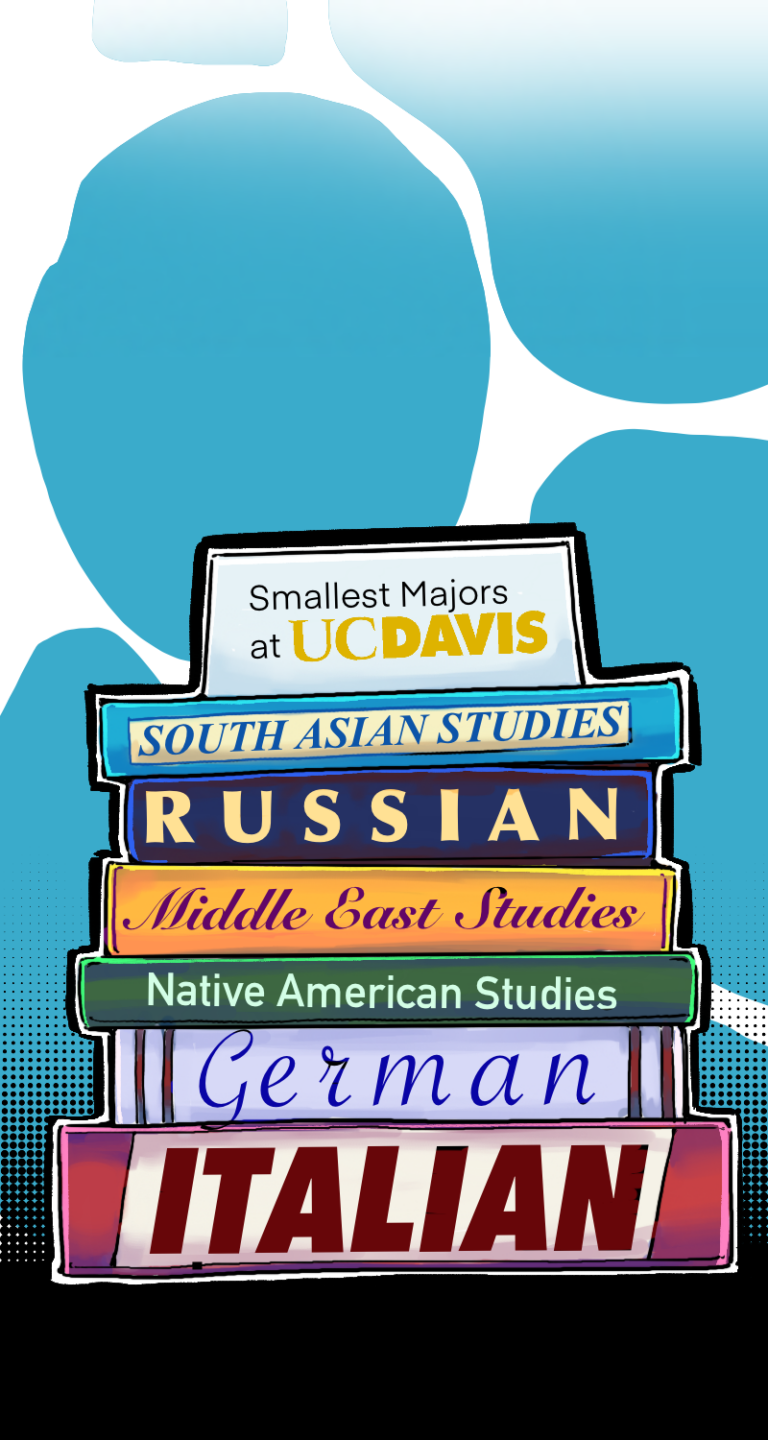
The least populated majors for undergraduate students include a variety of foreign language and cultural studies including French, Italian, German and Russian, as well as medieval and modern studies and Native American studies, according to UC Davis’ Aggie Data for the 2023-24 academic year. 

The experience of completing a bachelor’s degree in a small department inevitably poses significant differences compared to pursuing a degree in a department composed of hundreds of students and faculty. In these departments, students noted that they have been able to find more opportunities for personalized interactions with professors and peers. 

Eric Louis Russell, who serves as both the undergraduate faculty advisor for Italian and a professor of French and Italian, emphasized the welcoming environment that both departments cultivate. 

“We foster community in ways that I think are really hard for large departments to do,” Russell said. “Our students feel like they’re really part of something — their professors know their names, and they know their classmates really well.” 

Russell also expressed that in a school which primarily focuses on STEM-related subjects, hosting close-knit communities in the humanities is a way to create academic balance for students. 

“We see students especially in the STEM field being drawn to the humanities for some balance — balance in terms of how they are using their minds and their intellects and balance also for how they are doing these four years as a university student,” Russell said. “I think it’s a really great thing that we offer that especially on a campus that is very STEM focused.”

Nestor Perez, a second-year Russian and Italian double major, also noted the more personable relationships with professors that are inevitably fostered in smaller courses. 

“I often run into my Russian professor from last year, and we always say hello and catch up,” Perez said. “It’s very nice compared to other professors who I’ve taken for [general education classes] that have 150 or 200 students; I don’t know them and they don’t know me. With small classes, they know you and they’re not going to forget you.”  

As a heritage Italian speaker, Perez knew he wanted to study the language in university and applied to Davis under the major. Within his first year, he declared Russian as his second major, which he explained that he was drawn to for both his general interest in learning languages and his love for Russian music. 

Though some students, like Perez, begin their undergraduate studies majoring in a language, other language students tend to add the major later on or alongside their first area of study. 

Alexa Arredondo-Aguilar, a fourth-year political science and Italian double major, registered for her first Italian class during her first year after growing a passion for cooking Italian cuisine. 

“During [COVID-19], I got really into cooking Italian food, and I really wanted to learn how to read the recipes,” Arredondo-Aguilar said.  “I thought maybe taking an Italian class would help.”

As a native Spanish speaker, Arredondo-Aguilar began her journey with ITA 031, Beginning Italian for Spanish Speakers, and followed the course’s series throughout her first year. With growing interest and encouragement from the department, she continued pursuing higher-level Italian courses. 

“Because I was taking a bunch of classes, I got to know the professors in the department and eventually they all inspired me to major in Italian,” Arredondo-Aguilar said. 

Since declaring the major, Arredondo-Aguilar has served as an Italian language tutor for the department and now holds the position as one of the department’s peer advisors. She also highlighted the department’s welcoming atmosphere. 

“I feel as if I’m in a family, rather than [being] lost in a big maze I can’t get through in a department,” Arredondo-Aguilar said. 

Though many have found advantages in being in a small department, some disadvantages also arise. One significant challenge Russell noted within the departments is their perceived invisibility within a broader university context. Russell emphasized that this lack of visibility often translates into limited resources. Perez also highlighted this sentiment, noting limited physical resources for the Italian department:

 “In the tutoring room we have a blackboard that is falling apart,” Perez said. “How much does a whiteboard replacement really cost? Compared to the investments for some of the huge faculties, it’s like, we’re here too, can’t we get something?”

Despite the lack of visibility across campus, the enthusiasm for language learning remains strong among some students. Russell, who has been employed by the university for 20 years, has noticed a shift away from interest in language studies, which he attributes to broader national trends as opposed to specific issues at the university. 

However, Russell remains optimistic about the importance of language education in higher learning. 

“Having the ability to study languages and cultures and to develop translinguistic and transcultural competence is something really valuable that should be part of public education,” Russell said. “We are here to serve the people of California, and we are not serving them well if we don’t at least have that available to them.”


Written by: Rachel Gauer — features@theaggie.org

English Department guest speaker Adam Miyashiro connects medieval studies to present-day Palestine

The Stockton University professor discussed division within the academic field and the influence of The Crusades on modern-day settler colonialism 


By SAVANNAH ANNO — arts@theaggie.org

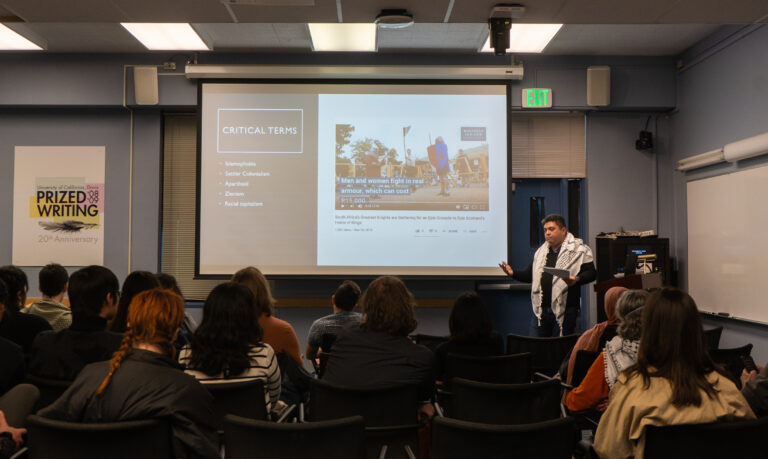
On Nov. 1, the UC Davis Department of English hosted the first installment of its annual University English Department Speaker Series, welcoming Professor of Literature Adam Miyashiro from Stockton University in New Jersey. 

With published works focusing on race, masculinity and biopolitics within the context of medieval studies, Miyashiro has spent much of his academic career bringing new perspectives to an academic field he describes as mostly Conservative. 

“It’s a field that picks up on trends later than all others,” Miyashiro said. “When I started to work on race in the early 2000s, it was generally not considered to be a topic for study in the pre-modern period. We were constantly getting blocked by our field from talking about not only how race was constructed in the medieval period but also how medieval studies structures contemporary problems within race and settler colonialism.” 

Beginning his presentation titled “From Iona to Al-Quds: How Medieval Studies Intersects with Palestine,” Miyashiro dove into a discussion of Palestinian history, its erasure within the academic field and how The Crusades are appropriated in modern-day militaries. 

Miyashiro said Palestine has a bigger presence in the pre-modern world than most people may think. 

“In contrast to many contemporary assertions, mainly by politicians, media figures and online commentators, Arab-Palestinian identity was already well known throughout the Muslim world in the medieval period,” Miyashiro said. 

Miyashiro also said that while medievalists have largely avoided the role of Palestine in medieval literary and historical texts, the word “Palestine” has actually been used to identify both people and place for over 2,000 years, most likely originating from an ancient Egyptian word meaning “sea people.” 

“Palestinian identity was quite common throughout Europe and the Arab world in this early period all the way up to what we know as The Crusades, a historic series of European military incursions in the Eastern Mediterranean which brought Palestine further into the European imaginary as a site of colonial aspirations,” Miyashiro said. 

Miyashiro then went into depth on The Crusades (1095-1270) and their modern day representations in military, Zionist and alt-right ideologies, defining this influence as “Crusades appropriation.” The Crusades were organized by European Christians in an attempt to, in their perspective, liberate Jerusalem and the Holy Land from Muslim control through necessary violence. 

Romanticized in the modern-day, Miyashiro reflected on the ways current colonial powers view themselves in relation to Crusaders in order to justify acts of violence, particularly within the ongoing occupation of Palestine. 

“Crusades appropriation is a major component in how Zionism gets put into medieval spaces and how Crusade historians themselves have enabled the erasure of Palestinian identity,” Miyashiro said. “The appropriation intersects with settler colonial states to produce an erasure of colonial victims, notably Palestinians and other Muslims, who suffer at the hands of Western military regimes.” 

Miyashiro presented multiple examples of this appropriation, which typically occurs through images and language that we may not notice being used on a regular basis within the digital landscape or by political figures at first. 

Notable examples included a popular pro-Israel, alt-right meme that circulated in the late 2010s of a Crusader knight saying, “We will take Jerusalem.” This was in reference to George W. Bush referring to the U.S. invasion of Iraq as a crusade. The U.S. even has a Hawaii military base with an official sign of a large image of a Crusader knight. Miyashiro explains that these images, especially within the context of the U.S. government, assert a dominant Christian perspective and perpetuate Islamophobia.  

“Medieval studies definitely has a deep complicity in a lot of this, centering on Christian European identity in this attempt to exceptionalize Europe and the European past at the expense of others,” Miyashiro said. “When I gave another version of this talk in Arizona, a Crusade historian stopped taking notes the moment I said the word ‘Palestine.’ He turned to my colleague and said, ‘Oh, this is about Palestine?’ and put down his pen.” 

Miyashiro also recounted the impact of Richard Landes, another medieval historian and an ex-professor at Boston University. Landes created the derogatory term “Pallywood” during the second Palestinian intifada in the early 2000s in an attempt to “debunk” photo and video evidence of Palestinian civilians being killed as staged content to gain international sympathy. The impact of the term is still being felt today, with Rolling Stone finding that “Pallywood” was mentioned over 146,000 times across social media platforms between Oct. 7 and Oct. 27 of 2023. 

Finishing his lecture with a short Q&A period, Miyashiro got to the heart of why he believes the field of medieval studies consists of scholars traditionally complicit in instances of Islamophobia and colonialism. 

“It’s whiteness,” Miyashiro said. “It’s an overwhelmingly white field. Medieval studies used to pride itself on having this really tight-knit community, but that community was all white people.”

Today, Miyashiro and his colleagues are currently working to build a more inclusive field of medieval studies. A founding member of the Medievalists of Color Collective and having recently completed a Mellon-funded project to provide free resources for teaching race in pre-modern classrooms, Miyashiro is ensuring the outward growth of the program and the normalization of discussions like the one he provided to UC Davis students on Nov. 1. 

Written by: Savannah Anno — arts@theaggie.org