In honor of Valentine’s Day, UC Davis students reflect on some of their favorite works and tropes of the romance genre
BY JULIE HUANG — arts@theaggie.org
The subject of love is ubiquitous across storytelling, and manifests in countless ways. Expressions of romantic love are no exception; in fact, they may even be the rule — continuously pioneering a plethora of tropes that either stand the test of time or reveal themselves to be a fast-fading fad.
Regardless of the times, consumers of the romance genre each have themes and angles that they continue to gravitate toward when it comes to enjoying a love story. With Valentine’s Day just around the corner, UC Davis students provide some fitting recommendations for your next binge watch.
Tatiana Romero, a third-year human development major, listed “10 Things I Hate About You” (1999), “Another Cinderella Story” (2008) and “Bridgerton” (2020) as some of her top picks for romantic media.
“I definitely look for stories where the love interests have to yearn for each other,” Romero said. “I love when the yearn factor comes in and they have to prove themselves to the person that they’re pining for.”
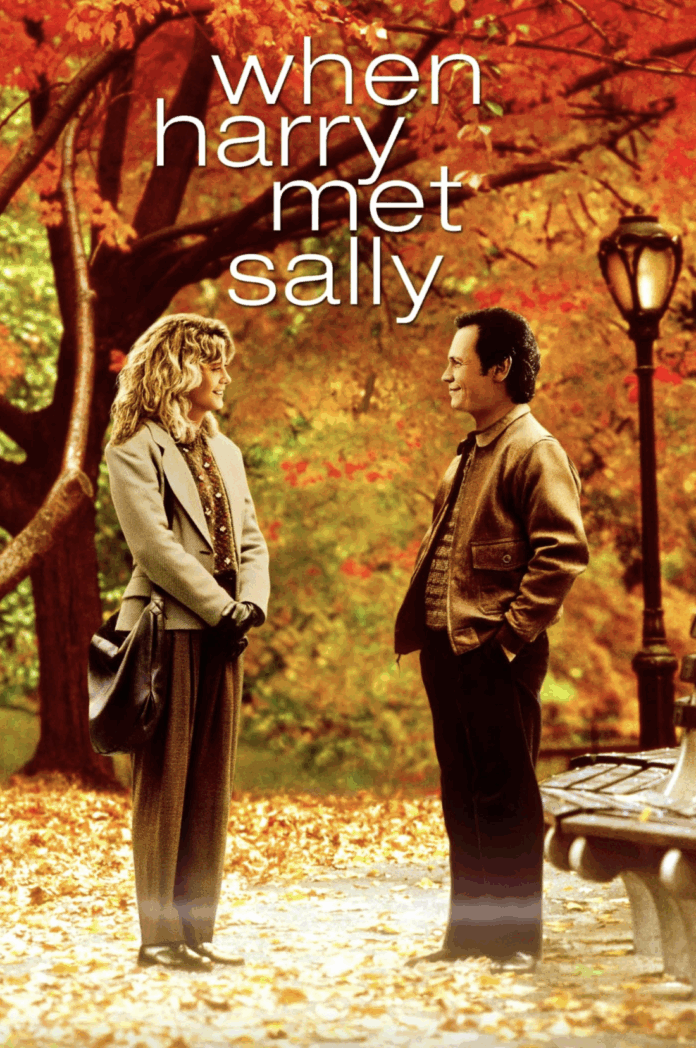
Ava Meade, a third-year English major, named “When Harry Met Sally” (1989) as her favorite romance movie, citing the in-depth development of Harry and Sally’s onscreen friendship as the element that resonates with her most.
“A lot of romance movies today feature ‘love at first sight,’” Meade said. “In ‘When Harry Met Sally,’ they don’t like each other at first, and it’s beautiful to see them grow closer and gain feelings. They actually learn about each other and see all the messy things that people don’t see at first sight.”
One of the strengths of romance media is its ability to mirror the lived experiences of those who engage with it, according to Meade.
“I love ‘When Harry Met Sally’ because it reminds me a lot of my own relationship, where we became really good friends before we even started falling in love with each other,” Meade said. “The film focuses on moments that modern media deems too unimportant to show onscreen, but really make up most people’s relationships.”
Meade’s pick from the romance genre suggests that, while sweeping gestures of love can be entertaining, media that depicts simple, everyday companionship may be more grounded in reality and represent an understanding of what romantic love usually looks like.
“Not everyone is going to be able to relate to the grand displays of falling in love that are portrayed on screen,” Meade said. “It creates these unrealistic images of what love should be and makes them out as necessary, even though momentous displays are not indicative of whether your love is healthy.”
Students shared that fictional narratives within the romance genre have often informed the expectations that consumers set for themselves.
“I see certain things in movies that make me think about what I want in a future relationship,” Romero said. “On the flip side, when I see the characters not putting up with certain situations, it opens my eyes and makes me realize what I want to avoid in my own life.”
Suhani Mishra, a second-year medical chemistry and drug design major, noted the power of love stories that stay with their audiences for multiple years.
“When Valentine’s Day comes up, I usually go back to old pieces that I really like,” Mishra said. “I rewatch old media all the time, and when I watch something that I used to love as a kid, I often see it from a new perspective that I didn’t have when I was younger.”
Mishra named “To All The Boys I’ve Loved Before” (2018) as one of her favorite romantic comedies — one she’s loved ever since she first watched it as a teenager. As preferences change and develop over time, however, not all narrative conventions and tropes age equally well.
“Airport confession scenes are something that I now have a love-hate relationship with,” Mishra said. “It can be cheesy, looking at the same sequence of the characters running to each other. On the other hand, it can be cute. It’s definitely not realistic, but I understand the sentiment of wanting to leave everything behind to be with the person you love.”
Engaging with romance media can be a highly individual activity. One of the benefits of consuming a piece of media alone is the ability to engage in genuine emotional reactions without fear of judgment from others.
“When I was watching ‘Bridgerton,’ I was giddy and talking to myself,” Romero said. “If I was watching with someone else, I wouldn’t be as open with my comments.”
In some cases, though, inviting a loved one to share the experience can add a new dimension of enjoyment.
“If I really love a film, I’ll share it with my partner and make him watch it with me,” Meade said. “I think it’s great to see other representations of love, especially love that matches what your own relationship has been built on.”
Ultimately, romance media features a blend of realism and wish-fulfillment that caters to a wide range of tastes and expectations. However, this can make it difficult for consumers to find the work that truly encapsulates what they want to see onscreen, according to Mishra.
“Romance movies are sometimes unrealistic, in the sense that someone makes a grand sacrifice,” Mishra said. “Sacrifices make sense sometimes, but it’s unsatisfying when the woman gives up a job that she loves or moves somewhere new for the man.”
Within the sea of romance-centered movie options, Romero noted that the pieces that stand out the most may be those that contain depictions of genuine connection between two people.
“Movies don’t need to include a big gesture to be worth watching,” Romero said. “They just need to include both perspectives so that we can see both sides of the love story.”
The stories that students choose to consume this Valentine’s Day — ones that reflect their real-life values — offer insight into the qualities that resonate most when it comes to love and romance.
“It’s not about the spectacle, but about how you feel,” Meade said.
Written by: Julie Huang — arts@theaggie.org