55.7 F
Davis

Davis, California

Monday, December 22, 2025
Home Blog Page 16

Your favorite video game is getting an adaptation

Following the release of titles like ‘The Last of Us,’ ‘Until Dawn’ and ‘The Minecraft Movie,’ is this even good news?


By BELLA PETERSON — arts@theaggie.org 


On Sept. 5, Prime Video announced that the beloved “Life is Strange” video game — following an 18-year-old Max Caufield who rewinds time in an attempt to save her best friend’s life — has been greenlit for a live-action adaptation. Called “a cultural touchstone” by executive producers Dmitri Johnson and Mike Goldberg, fans must have taken this announcement as good news…right? Instead, producers were met with mixed reactions from the gaming community and publicly criticized by a co-writer of the game for not involving the original creative team in the adaptation. 

Video game adaptations are hardly a new thing. This year alone, fans have seen the release of the second season of “The Last of Us,” “Until Dawn,” “A Minecraft Movie” and others. The majority of these adaptations received an overall negative response from the fans of their original games, with “Until Dawn” and “A Minecraft Movie” earning 5.7 and 5.6/10 ratings on IMDb. The criticism for these adaptations can be traced back to one major problem: continuity within the canon of the original story. 

HBO Max’s “The Last of Us” initially received plenty of positive feedback after their first season of the show. Despite some changes that were made, the majority of the fans enjoyed the adaptation and were looking forward to the second season. After the release of the second season’s first episode, those same fans found themselves disappointed with choices made by the creative team — particularly the highly anticipated casting of Abby, the antagonist of the game’s second installment. As the season ended, the show began to see a loss of loyalty within the audience it had originally solidified. 

The shift in opinion was purely a result of the creative freedom the show took with the story — almost completely stripping away the identity of the video game itself. Even regular watchers found themselves disappointed after the show broke the golden rule of storytelling: “show don’t tell.” The show’s key figure, Ellie, explains her motives to the audience in a repeated monologue format as the story progresses, rather than taking advantage of full, detailed scenes. By disregarding the element of mystery, the showrunners left the audience lacking that sense of intrigue. 

With the “Until Dawn” film, fans were in disbelief after the trailer revealed the story would be completely separate from the original game. The movie only ended up including easter eggs as a way to pay homage to its namesake — but is that fair? The inclusion of taking elements from the game but diverting from everything else is a major risk in adapting something, evident in the film’s IMDb rating of 2.5/10 stars. With an entirely different setting, cast of characters and reimagining of the universe’s time-bending rules, “Until Dawn” became just another run-of-the-mill, hollow horror flick.

While “A Minecraft Movie” may have not had any canon lore to divert from, that didn’t stop the adaptation from taking creative liberties. “Minecraft” is a timeless game, one that has over 200 million active players each month. However, with a lack of linear storytelling, it’s hard to evolve the world into a watchable film. The movie managed to become more of a joke than an actual adaptation, viewers enjoying the theatre experience more than the actual film itself. 

Luckily, not all adaptations can be grouped in with this trend. Prime Video’s video game adaptation of the “Fallout” series proved to be a distinct standout amongst most other executions. Instantly popular, the series has already garnered a renewal for season three prior to the release of the second season. Rather than trying to copy-paste directly from the source material, this adaptation is so successful because it created a new story that stayed true to the game’s universe — tying back to the lore of the games and sparking praise for its fresh, unique take. It didn’t erase the genius of the games; it embellished the story by building upon what was already there. 

New announcements of video game adaptations are popping up everyday: casting reveals for “The Legend of Zelda” characters Zelda and Link, a movie adaptation of the “Bioshock” series’ first game and most recently, the announcement of the “Life is Strange” adaptation coming to Prime Video. 

With constant reveals of which of the public’s favorite video games are being adapted, there’s no shortage of concern in their respective communities. These announcements don’t bring about a hive of excitement because there is so much evidence pointing to altered characters, completely different settings and unconvincing plot points. 

Specifically in the case of “Life is Strange,” there is substantial concern for sticking to the canon — due to the fact that the original video game uses a choice-based mechanism as its main source of gameplay. With endless possibilities and more than one ending, there is almost a guarantee that the adaptation will stray from the source material. It feels nearly impossible to adapt a game like “Life is Strange” in a way that will satisfy each fan.
As a video game fan nowadays, the possibility of your favorite game getting an adaptation isn’t a hope; it’s a fear. A fear that something you have grown to love will become entirely unrecognizable. Not every video game needs an adaptation — a lesson that studios would benefit from learning sooner, rather than later. 

Written by: Bella Peterson — arts@theaggie.org

Recent attacks on religious institutions highlight the need for stricter gun laws

This past Sunday’s church shooting emphasizes our country’s deepening political polarization and reminds us that gun violence will continue without reform


By THE EDITORIAL BOARD


If you follow politics, you are likely aware of one of the most continuously pressing political issues in the United States: the fight for stricter gun laws. There have been 324 mass shootings in 2025 thus far, including six that occurred just this past weekend.

One of these events happened on Sunday, Sept. 28, when a gunman opened fire at a Church of Jesus Christ of Latter-day Saints in Michigan. During this shooting, four people were killed and eight more were injured. Hundreds of individuals were in the church at the time, and the attack was preceded by the suspect driving his truck directly into the institution and was followed by him lighting it ablaze.

Even though mass shootings are already far too common, they will only continue to increase in prevalence as the country becomes more divided by factors like education, race and religion. Shootings in locations like churches are often political statements driven by opposing viewpoints or extremist ideologies, although oftentimes, the motive is unknown. In the case of the Michigan shooting, it is known that the suspect “hated” those belonging to the Mormon faith, but the suspect’s family and friends did not pick up on any warning signs regarding his behavior leading up to the event.

It’s common in tragic situations, like mass shootings, to want answers, especially regarding why they occurred and how they can be prevented in the future. It is likely that we will never gain full clarity on all of the factors that led up to this event; motives for shootings are often very complex and multidimensional. This also highlights the need for lessened stigma surrounding mental health issues — which often play a contributing role in these types of incidents — and improved access to mental health services. 

It is also notable that the news of this shooting follows the recent killing of Charlie Kirk, who advocated for gun ownership and was shot while holding a university debate. Although these two events are not necessarily connected, both occurrences involve the deaths of individuals who were actively practicing their beliefs. These violent actions were targeted and meant to instill fear into the public, aiming to silence different viewpoints. The church shooting also follows a shooting in August at a Catholic school in Minneapolis, which resulted in the deaths of two children and wounded 17 other people. 

Churches are meant to be sacred spaces of worship and reflection; individuals shouldn’t have to fear for their safety in places intended for comfort and communal solace. Religious institutions are not only vulnerable targets because they are easily accessible, but they are also symbolic, hence why these attacks keep occurring. Every shooting that occurs — and the many that will undoubtedly occur in the future — should warrant immediate attention as to why gun laws need to change. Shootings at religious locations in particular are meant to send political messages, and, as a result, violence inflicted upon these sanctuaries deepens the political divide of our country.

Globally, religious attacks have also increased dramatically in recent years. The ongoing genocide in Gaza has led to increases in both antisemitic and Islamophobic attitudes, behaviors and rhetoric. While some take out their anger toward the Zionist movement and Israeli government on the Jewish faith as a whole, others have used these events to target and criminalize Muslim and Middle Eastern communities. As the genocide in Gaza continues, we should be reminding ourselves that religious beliefs — while historically linked to political systems — are not justification for hate speech and widespread violence. 

On a nationwide level, we have become too familiar with waking up to news headlines informing us of the latest act of gun violence, but prevention can’t happen without reform. We need stricter background checks, mental health screenings and enhanced safety precautions prior to gun purchasing to limit these preventable injuries and deaths. Some view the act of limiting gun use and ownership as a violation of freedom, but when we fear for the safety of our students, friends and families, we are paying for this so-called freedom with the lives of our community members. 


Written by: The Editorial Board

Immigration officials can now racially profile people

It’s time to pay attention, now more than ever before


By SABRINA FIGUEROA — sfigueroaavila@ucdavis.edu


The United States Supreme Court’s (SCOTUS) decision to allow racial profiling in immigration raids should be alarming for everyone, not just for minorities.

On Monday, Sept. 8, 2025, SCOTUS lifted restrictions on immigration raids across Los Angeles in a 6-3 decision in the case of Noem v. Vasquez-Perdomo, granting Immigration and Customs Enforcement (ICE) the permission to stop and detain people based on appearance, accent, language spoken and even employment. In other words, the court has willingly opened the door for discrimination and racial profiling to occur legally — once again. 

The U.S. is stuck in a never-ending cycle of singling out the people that make it whole. The government demonizes them through media and propaganda campaigns, gains the consent of the rest of the public and enforces harmful acts and laws against them. Then, when the public starts to feel guilty after it’s all said and done, everyone apologizes without fully addressing the problem (sometimes we skip this part) and repeats the cycle. When a country is built upon discrimination and social hierarchy, the very culture and legacy that arises from it are tainted. Everyone knows old, bad habits die hard, especially if you think they keep you safer. 

Dating back to the 1700s, slave patrols were created to apprehend escaped slaves and use terror to deter uprisings and crimes against the white community in the antebellum South. In the 1930s, the Mexican Repatriation Program sent up to 1.8 million American people of Mexican descent to Mexico, regardless of citizenship, based on nothing but the rhetoric that they were stealing “American” jobs and resources. This was followed by the 1940s, when the U.S. sent Japanese-Americans to internment camps in the name of national security. Even now, mass deportations all over the U.S. are based on racial profiling and justified by the need for security.

Videos of children begging ICE not to take their parents away will forever haunt our history. Pictures of families taken at “Alligator Alcatraz,” posing as if they’re visiting a theme park and not a detainment center, will be photographs that everyone claims to be ashamed of in the future. Likewise, the Trump administration considering a televised game show for people to compete for citizenship — as a spectacle for profit — will eventually seem bizarre and unrealistic to all: perhaps even funny. We will all come to regret what is currently happening someday, and then we’ll allow it to repeat again.

In other words, none of what is happening today is new. The idea that discrimination and atrocious acts are okay as long as it’s for the justice and safety of Americans is reinforced by our history. Our very systems are designed to uphold and promote such discrimination. Without proper reform, no changes will be made; People will continue to grow angry and weary.

Immigrants are human beings — that alone is enough to make them deserving of the same rights as the rest of us. They are not aliens, they are not criminals, they are not threats. They are kind people who have only ever wanted to survive, just like anyone else. 

SCOTUS’ decision to lift this lower court ban tests the boundaries of our institutions — not only the checks and balances within the government, but of the people they govern. The wave of fear that has engulfed many immigrants and Latinos, which stops them from going to work and leaving their houses, will not end there. If we do not stand against this decision, we only provide our consent to let it happen over and over again. The biggest mistake we can make in a changing world is giving into the false perception of safety; If you allow your government to dissolve the rights of some, you risk the government dissolving the rights of all in the future. 

Right now, it’s easy to give in to despair — the thought that there is nothing left for us to do. But, not all hope is lost. In Los Angeles and San Diego alone, communities have mobilized to keep their people safe, patrolling neighborhoods to look out for ICE agents and documenting ICE’s unlawful activity for the public to see. These selfless acts from volunteers encapsulate the power we have to protect each other, to hold our government accountable and to address the problems at hand. So long as there is hope, there is a way. 

Written by: Sabrina Figueroa — sfigueroaavila@ucdavis.edu


Disclaimer: The views and opinions expressed by individual columnists belong to the columnists alone and do not necessarily indicate the views and opinions held by The California Aggie.


Davis City Council and Social Services Commission review homelessness systems of care

Future steps are discussed to ensure the continuity of services for the Daytime Homeless Respite Center


By KATYA OKS — city@theaggie.org


On Sept. 16, the Davis City Council held a meeting to review and discuss future steps concerning the future of the Davis Daytime Homeless Respite Center, which “provides services including laundry, food, showers, telephone, transportation arrangements […] [and] case management, medical referrals and employment and housing resources” to the Davis homeless population, according to the city of Davis website.

The city council meeting was held in order to “provide feedback to staff on securing a service provider and/or potential locations for Davis Daytime Respite Center services,” according to the Davis City Council Agenda for the Sept. 16 meeting. This step was taken because the current provider (Downtown Streets Team) is ceasing operations on Oct. 31.

 The meeting included a staff presentation, a public comment section for concerned and impacted individuals and the commissioners’ and council’s discussion of next steps. 

Before the staff presentation, Vice Mayor Donna Neville clarified the purpose and goals of the meeting.

“I want to be very clear that when the Downtown Streets Team stops operations at the respite center on Oct. 31, we want the city to have a very clear plan in place for ensuring continuity of services,” Neville said. 

Neville also clarified why temporarily closing the current location of the respite center is being considered. 

“What I think some folks may not realize when not at the Respite Center on a regular basis is the physical state of the actual infrastructure […] itself,” Neville said. “It’s not a place where people can go to do their laundry — it doesn’t offer that service now because the water pressure hasn’t been sufficient for that purpose for about four months. Not all the showers are even functioning now, there are 88 compliance issues, there is no shade. It’s not a place that is really conducive to true respite that offers the kind of compassionate care that we would like to see offered for the people in our community.” 

“So I want to be just super clear with everyone: we want to continue services, but we don’t see that location as the ideal place,” Neville said. 

The meeting then transitioned into the presentation of “Social Services Commission: Subcommittee Report and Discussion” and “Landscape Assessment and Community Navigator Proposal,” submitted by Commissioners Judy Ennis and Chris Ringer. 

The presentation highlighted four of their priority findings, including a “high need for shelter of all types, lack of consistent access to mental health professionals, lack of access to detox and residential substance abuse treatment and increasing numbers of housing insecure seniors, as well as increasing rates of seniors experiencing homelessness.” 

The recommended actions to address this issue include the continued support of shelter access at the Davis Respite Center and Paul’s Place, a transitional housing community, during the daytime, as well as an increase in the service hours of both shelters. 

With regards to the future of the respite center specifically, the presentation included four options for the city council’s consideration. 

The options were to either to keep operations at the Davis Respite Center temporarily, look for another contractor for the respite center to replace the Downtown Streets Team, find a different location to house the respite center or to tell staff that the site would be closed starting Oct. 31. 

The meeting then opened for public comment. 

Ezra Beeman, a Davis resident with three children, testified to his children’s experience and his community’s views on the respite center. 

“I’m proud to live in a community where we try to do the right thing and we look after the weakest [members],” Beeman said. “I do worry that if we don’t manage the fraction of folks that are breaking the law, threatening our kids, threatening me — which is what happened walking [home] through downtown. My kids have been chased, my neighbors have had someone on their roof taken down their flag poles — that’s going to really turn members of the community against being compassionate. […] We need to address [this issue] in the right way, but it’s in the interest of the community who support this initiative that we deal with that.”

Another public commenter who shared only their first name, Alex, noted the importance of not closing the respite center, even temporarily. Alex, a volunteer at the Davis Night Market, recounted their personal experiences.

“I don’t think it’s feasible — or really right at all — to shut down the respite center for 90 days,” Alex said. “That’s just not an option for so many of our unhoused folks here in Davis.”

Alex also highlighted the importance of compassion in such discussions.

“I’ve interacted with many homeless folks in Davis because of the volunteer work that I do. […] I just want to say that being scared of someone or having a negative interaction with someone does not take away from their humanity. And fear doesn’t always mean harm is being caused. We should always try as hard as we can to lead with compassion and empathy for other people, even if sometimes they make us [feel] uncomfortable or scared.”

At the conclusion of the meeting, the motion for there to be no disruption of services — as well as to maintain the current location — passed unanimously.

Written By: Katya Oks — city@theaggie.org

Community Carnival brings music, games and food to Davis

Local vendors and non-profits join together for a day of family fun and entertainment


By ALMA CULVERWELL city@theaggie.org 


The Unitarian Universalist Church of Davis (UUCD) held their third annual Davis Community Carnival on Sunday, Sept. 14 from 11:30 a.m. to 3 p.m. at the UUCD campus.

The event was free and open to the public of all ages and hosted attractions including live music, carnival games, bounce houses, a water slide and food vendors. Additionally, the event featured booths from local non-profits, and attendees were encouraged to bring non-perishable food donations for the STEAC food drive

Special guests for the event included Pine Trails Ranch, Davis Local Vocals, Zim Cuisine and Kona Ice. Pine Trails Ranch brought a horse and a pony for children to meet and pet, offering both a fun activity and a gentle introduction to animals that some might otherwise find intimidating. Michelle Haseltine, the head trainer and riding instructor for Pine Trails Ranch, explained her experience working at the event.

“[The UUCD] got in touch with me to see if we would help with something fun for the kids at the carnival,” Hasetline said. “We bring a horse and a pony to events to allow people to touch and pet the animals, and to learn that they are not something they should fear. We want the kids to learn that horses are gentle if we work with them in a sensible and kind way.”

For Pine Trails Ranch, the carnival also highlighted the positive impact animals can have on people.

 “We really enjoy watching people respond to the animals,” Hasetline said. “The kids are sometimes uncertain at first and then become more relaxed and confident and find they really enjoy petting the horses. Horses have a great ability to reduce stress and encourage us to be calm.”

Kona Ice also joined in the festivities, serving shaved ice to attendees throughout the afternoon. Nancy Saechao of Kona Ice described her experience working the event.

“It was a pleasure serving at the event,” Saechao said. “The people were friendly and welcoming.”

Similar to Pine Trails Ranch, Kona Ice viewed the carnival as an opportunity to encourage community members to come together. 

“I see Kona as a community builder: bringing people together while enjoying a shaved ice,” Saechao said. “What better way to have fun while keeping the community cool during a hot day?”

Saechao also explained how events like the carnival allow Kona Ice to strengthen ties with Davis residents. 

“Events like this offer Kona exposure and a chance to interact with the public, […] allowing us to showcase our product,” Saechao said.

 The event also provided a tabling space for over 20 local non-profits — including the California Raptor Center, Friends of Yolo County Animal Services, The Phoenix Coalition, Redbud Montessori and more.

Redbud Montessori, a nonprofit preschool and kindergarten in Davis which has leased its school building from the UUCD for 41 years, joined in festivities by offering face painting and tabling for children. 

Karen Gill, the director of Redbud Montessori, explained the school’s involvement in the event. Currently enrolling up to 36 children, Redbud Montessori operates as a full-day, five days per week program for children ages 3 to 6. The school employs eight teachers, five of whom are Redbud Montessori-trained, and offers a seven-week summer camp.

“We did face painting for the children that attended the carnival,” Gill said. “We had six teachers present who face painted and talked with the families about our school. Parents were kind and attentive.”

Beyond the booth, Redbud Montessori staff also appreciated the overall energy present at the carnival. Gill commented on this sentiment. 

“I loved the calm, beautiful atmosphere of the carnival,” Gill said. “The weather was great, the breeze was refreshing and everyone was in a good mood. There were a lot of booths this year, for all ages, that I feel everyone enjoyed.”

For Redbud Montessori, the carnival also reflected the spirit of community that upholds their mission as a non-profit, parent-cooperative preschool through kindergarten program.

Gill reflected on the deeper value of the event.

 “The Community Carnival strengthens our community by making people aware of what is offered in Davis,” Gill said. “[It’s] a free, family-friendly event that my past, present and future Redbud families enjoyed. [It’s] a chance to get together to share ideas and celebrate our community.”

By Alma Culverwell— city@theaggie.org

With its future in question, UC Davis Botanical Conservatory participates in Waterlily Weigh-Off competition

The conservatory is facing the risk of closure amid university budget cuts


By RIVERS STOUT— campus@theaggie.org


In late August, the UC Davis Botanical Conservatory competed in the Waterlily Weigh-Off, an international competition between gardens, greenhouses and botanical conservatories to see whose plants can hold the most weight. UC Davis’ submission earned 10th place, with the conservatory’s 46-inch diameter waterlily holding 80 pounds. 

Ryan Booke, a sixth-year plant science major and conservator, oversaw UC Davis’ participation in the competition.

“I [originally] started this by myself, with my own money,” Booke said. “I just donated the plants; that’s how I got the pools and all.”

The project began in fall 2023, with Booke growing the Victoria amazonica lily pads — known for being difficult to grow and which serve as a sign of prestige among conservatories — from seeds. He was later able to better their conditions and grow larger lily pads by working with the conservatory. 

Booke eventually took over the conservatory’s social media accounts; After posting a video of a lily pad holding water, he was invited to participate in the competition, organized by the Denver Botanical Gardens. 

“We were asked through a direct message ‘Would you like to join?’” Booke said. “I’d love to join to show [that] we at [the] UC Davis Botanical Conservatory are able to do this and put our name on the map even more.” 

The contest’s ultimate winner was the Bok Tower Gardens in Florida, whose waterlily held 183 pounds.

Participating in this endeavor was part of the conservatory’s larger educational mission of providing a space for people to enjoy the greenery. To do this, Conservatory Curator Marlene Simon said that they turned their focus on outreach to bring in more visitors.

“We have people who come almost everyday: it’s their regular route to destress,” Simon said. “Everyone knows that green spaces are calm. Science shows that being near plants [relieves] stress. We have students from different countries who will come in and see a plant from there, and, if they’re homesick, they say they feel a little less homesick. The climate there is very soothing — just being there with the plants in a quiet space.”

Simon estimates that some 30 to 50 people pass through the conservatory every day, with an additional 900 student visitors from a biology course quarterly and some 1,500 on Picnic Day.

But the future of the conservatory and the refuge it provides to these visitors has been threatened by university budget cuts and reductions in federal funding, with administrators now considering closing the facility.

“To clarify, no budgetary decision has been made regarding the conservatory’s future,” Dean Mark Winey of the College of Biological Sciences said via email. “The recent discussions about its potential closure stem from an exercise designed to provide a clearer financial picture of the College of Biological Sciences’ budget as UC Davis prepares for severe budget cuts in the 2025-2026 fiscal year.”

In since deleted Reddit and Instagram posts from earlier this year, conservatory staffers asked community and campus members for support, which Simon notes they have received.

“There’s budget cuts going across the board so I’m not surprised by anything, but everyone rallied,” Simon said. “We have an incredibly good support system. I believe we were the fourth most donated-to entity on campus [during Give Day]. It also coincided with our plant sale and we sold most of our stock — way more than I could have ever thought.”

Still, the conservatory’s funding is not guaranteed.

“This is a challenging time,” Winey said. “While our commitment to providing an excellent education — including hands-on learning opportunities like those the conservatory offers — remains steadfast, the landscape of the college and the university as a whole, will likely change as final budget decisions take shape.”

In the meantime, while the conservatory remains operational, Booke will continue to care for the waterlilies.

“We hope to get to 100 pounds for next year’s competition,” Booke said.


Written by: Rivers Stout campus@theaggie.org

UC Davis’ ‘mystery cat graffiti person’ ordered to pay $32,000

The student behind the pink cat icons spray-painted around Davis was caught and arrested


By LAILA AZHAR — features@theaggie.org 


Editor’s Note: The printed edition of the article used the word “fine” in the headline and one instance in body text. For clarification, the online article has been adjusted. 

On her 19th birthday, a UC Davis student now known on social media as @happycatshrooms learned she was old enough to purchase a can of spray paint. Growing up, she had been surrounded by vibrant street art. 

 “I grew up in Los Angeles, where there’s graffiti everywhere, and it never gets taken down,” @happycatshrooms said.

Excited to be able to partake in this artistic medium, she spray-painted a pink cat drawing in a bike tunnel on the UC Davis campus. The symbol was silly and endearing; charmed, her friends immediately voiced their excitement. 

Before long, the excitement spread outside her circle of friends. Strangers began discussing the “mystery cat graffiti person,” who was eventually dubbed “catshrooms” by students online. 

“Someone has been spray-painting cats and [Pokemon] all over campus,” a comment on a Reddit post asking “Any cool graffiti or street art scenes in Davis?” reads. “It always makes me happy to see it.” 

“I love you I love you,” another post reads. “Seriously. I am having such a hard time lately and seeing your cute, wholesome, harmless [little] art makes me feel better. (Also with all the dicks on the bike bridge lately this is such an improvement).” 

An anonymous UC Davis alum expressed similar feelings. 

“The pink cats were a big part of my Davis experience for all four years,” the anonymous alum said. “I used to walk through the Cuarto bike tunnel every day, and seeing the cats in there always put a smile on my face.” 

Samantha Wang, a third-year political science major, expressed a similar sentiment. 

“Going online and seeing the excitement about the pink cats was always cute,” Wang said. “It felt like a bonding experience for UC Davis students — like a unique part of the town and campus culture.” 

What started spontaneously during her first year eventually became a project to brighten the days of the UC Davis students walking around campus. Throughout the next few years, the cats appeared in spots around Davis and throughout campus, including in the Arboretum. 

The summer before her fourth year, she was spray-painting the cats near the Tercero dorms at around 5 a.m. when she was approached by two police officers. 

“I was crying, and I was cooperating,” @happycatshrooms said. “They told me to get down, and I got down. I gave them my hands; I was answering all their questions — which, in retrospect, I shouldn’t have done,” noting that while she had been read her Miranda rights, she had assumed cooperating was in her best interest.

The officers placed her in handcuffs and took her to a police station, where she experienced a series of unusual exchanges. 

“I had to pee at some point, and the officer was so hesitant about letting me go,” @happycatshrooms said. “He was like, ‘Ok, well, first I need to take pictures of your hands.’ Then he was like, ‘You can go but you have to leave the door open.’ I remember one of the ladies at the station saying, ‘Just let her go to the bathroom,’ and she gave me tissues because I was snotting everywhere.” 

One of the officers asked her to write an apology letter to UC Davis Chancellor Gary May — a request she found surprising, as her amount due in restitution is for the state of California. 

“The guy was like, ‘I’m really good friends with Gary May, and if he reads this letter, maybe he’ll go easy on you,’” @happycatshrooms said. “I wrote the letter, and it was covered in tear stains. I don’t think Gary May ever saw it.” 

She was driven to Woodland, where she was kept in a cell until about 2 p.m. Her phone was confiscated, and she found her way home with nothing but the bus pass provided to her and a vague recollection of the route back to Davis.

After a series of court dates, she was charged with a misdemeanor and informed that she must pay $32,000 in restitution, to compensate for damages, by May 2026. To put that in perspective — California’s standard amount due for a misdemeanor is $1,000. A first-time Driving Under the Influence (DUI) offender, for example, might be charged around $1,000, alongside potential costs such as attorney fees or DUI education programs. 

“I understand that what I did was wrong,” @happycatshrooms said. “But I also don’t want it to get lost that this is a very harsh punishment for what it was — and I haven’t spoken to a single person who disagrees.” 

While she’s grateful to have been charged with a misdemeanor and not a felony, despite the high price to pay in restitution, the case has substantially impacted her. 

After getting an on-the-spot offer for a retail job, she went home glad to have aced the interview. She wasn’t nervous about the background check — the location was an equal access employer, meaning that if a crime committed isn’t relevant to the field at hand, she should be in the clear. 

However, the job offer was rescinded. When she spoke to the manager of the store, she confirmed that it was due to the background check failing. While she said she’s aware she shouldn’t have broken the law, she noted that the cats were something that brought her joy during a difficult period of her life. 

“I struggle with my mental health a lot,” @happycatshrooms said. 

She had been placed on a 5150 hold — an involuntary psychiatric commitment — when she first began painting the cats.

“The cats were something I would do while struggling with a drinking problem,” @happycatshrooms said. 

Through adding a pop of bright pink into students’ daily lives, she was able to find purpose and take pride in the fact that she was making other students and community members happy. 

“The cats helped other people, and helping other people made me feel good about myself,” @happycatshrooms said. “They gave me a reason to keep going.” 

While her cats will no longer be found on the walls of UC Davis campus, stickers of the iconic cat symbol and crocheted cats can be purchased through her ko-fi, happy catshrooms, where the money raised will be put toward helping her pay off the restitution. To stay up to date on new developments for this artist, check out her Instagram account, @happycatshrooms. 


Written by: Laila Azhar — features@theaggie.org

Experts use AI to predict the next pandemic

Data regarding viruses from animals and their potential to spread to humans is analyzed with the help of Artificial Intelligence


By KATIE HELLMAN — science@theaggie.org


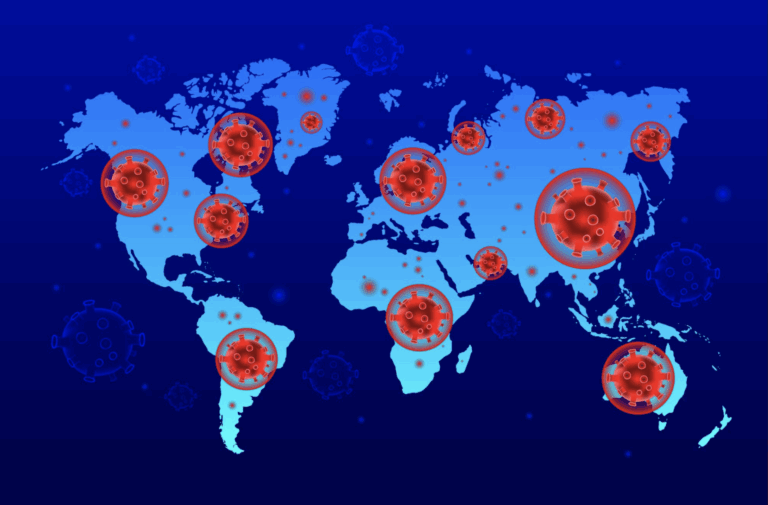
With new COVID-19 cases on the rise, we are reminded of the ongoing effects of the pandemic that wreaked worldwide havoc. To stay on top of data regarding future possible pandemics, UC Davis experts are using Artificial Intelligence (AI) to identify viruses that have the potential to become global health threats.

The Biothreats Emergence, Analysis and Communication Network (BEACON) project has a disease surveillance program, which will be combined with UC Davis’ Virus Intelligence & Strategic Threat Assessment (VISTA) project and the Coalition for Epidemic Preparedness Innovations (CEPI). 

BEACON utilizes data from disease-tracking systems and then uses AI to organize the data and assess the level of threat that each virus poses, and it is the first open-access surveillance program for infectious diseases with this purpose.

“Leveraging advanced artificial intelligence (AI), large language models (LLMs) and a network of globally based experts, BEACON rapidly collects, analyzes, and disseminates information on emerging infectious diseases affecting humans, animals, and the environment,” BEACON’s website reads. “By providing timely and actionable insights, BEACON’s mission is to empower communities and public health officials to take proactive measures, preventing outbreaks and mitigating the spread of diseases.”

The goal of these projects is to conduct risk rankings for pandemic threats with the help of AI tools. These risk rankings specifically analyze which viruses have the greatest risk of spillovers from animals to humans and which may result in the greatest incidence of illness and mortality.  

Over half a million animal samples from 28 countries were collected for this project, and 900 wildlife viruses were analyzed to rank the likelihood of spillover from animals to humans.

The benefits of using AI for these methodologies are further discussed in an article by the Emerging Pathogens Institute, University of Florida.

“Mechanistic models, the traditional way to model disease outbreaks, aren’t perfect,” the article reads. “Their reliability depends on accurate data. In large quantities, this data is overwhelming, often simplified and sometimes unavailable for modeling. To add another layer to the laboriousness, data from satellites, social media and search queries requires time-consuming efforts to sift through and manually extract useful information.”

This is where AI comes in to help; there are so many ways to utilize its functions to analyze and assess data, leading to improved pandemic surveillance and preparedness.

Written by: Katie Hellman — science@theaggie.org

Everything you missed with the beginning of the UC Davis women’s fall soccer season

A mix of wins and losses for the Aggies


By DANIELLE WIRNOWSKI — sports@theaggie.org


While most of the student population may not have been in Davis for the summer, the UC Davis women’s soccer team was here, with plenty of supporters.

The women’s soccer team started their season with a non-conference opener at the Aggie Soccer field here in Davis, against Fresno State University on Aug. 14 at 7 p.m. In addition to being the opener for the Aggies’ season, it was also the debut of Head Coach Kat Mertz. 

Despite the opener ending in a tie, it was a strong start to the season, especially under a new coach. The game demonstrated the motivation of the women’s soccer team for the upcoming season, as the team made plenty of attacks and total shots taken. 

UC Davis bounced back from the tie three days later with their game against the University of the Pacific, having won the match 2-1. 

This game also highlighted Sarah Canavan, a fifth-year communication major, as she assisted both goals scored throughout the game. She demonstrated strong playmaking and teamwork to help the team secure a win.

After the win against Pacific, the Aggies welcomed San Jose State University (SJSU) to the Aggie Soccer Field on Aug. 21. Although UC Davis lost with a score of 1-2, there were still 12 shots on goal, with six coming from corner kicks. 

UC Davis was extremely competitive against SJSU; However, they conceded in the closing minutes of the match, a painful repeat of some of their past late-game struggles. 

 UC Davis’ game at Lamar University on Aug. 28 was a defensive struggle overall. Each team had several chances to score, but neither team could capitalize on them. UC Davis had plenty of offensive threats coming from various players, but there were only three Aggies who had chances to take shots.

The fifth game of the summer was on the road as well, at Louisiana State University (LSU) on Aug. 31, which had a strong start with the Aggies in the lead within the first half, having scored twice by the 35th minute and only allowing LSU to score one goal.

Unfortunately, UC Davis lost the lead in the second half, as LSU went on the attack and turned the game quickly. LSU scored two goals in quick succession to take the score to 3-2. 

Cat Pieper, a fourth-year political science major, had six saves as the goalkeeper, despite being under constant pressure in the second half. 

While UC Davis secured a lead in both games early on and into halftime, they failed to maintain the momentum from the first half, which was worsened by LSU’s second-half surge. 

The Aggies then welcomed Saint Mary’s on Sept. 4, presenting a strong challenge for the Saint Mary’s players. Unfortunately, Saint Mary’s defense limited the shots the Aggies were able to take — only four total. 

UC Davis’ defense, on the other hand, held up as best they could, only allowing Saint Mary’s to score one goal. 

The Aggies then traveled to Loyola Marymount University (LMU) on Sept. 11, after a week-long break. LMU pressed heavily during the first half, forcing goalkeeper Pieper into action, stopping all shots on the goal. 

UC Davis then pressed in the second half, taking 20 shots in total; Unfortunately, they  could not score on LMU. Defense and offense for UC Davis showed resilience against LMU, highlighting issues that caused losses earlier this season. 

UC Davis then hosted Montana State University on Sept. 14, controlling the ball for most of the game but failing to pull through to score. The Aggies took 17 shots against Montana, while Montana only took eight and scored a goal.

With this match being their second 1-0 loss in just over a week, it does raise some concerns about the strength of offensive conversion — something for UC Davis to focus on for their upcoming season. 


Written by: Danielle Wirnowski — sports@theaggie.org

Commentary: Why is everyone always so nostalgic?

A look into our obsession with romanticizing the past


By NATALIE SALTER—arts@theaggie.org 


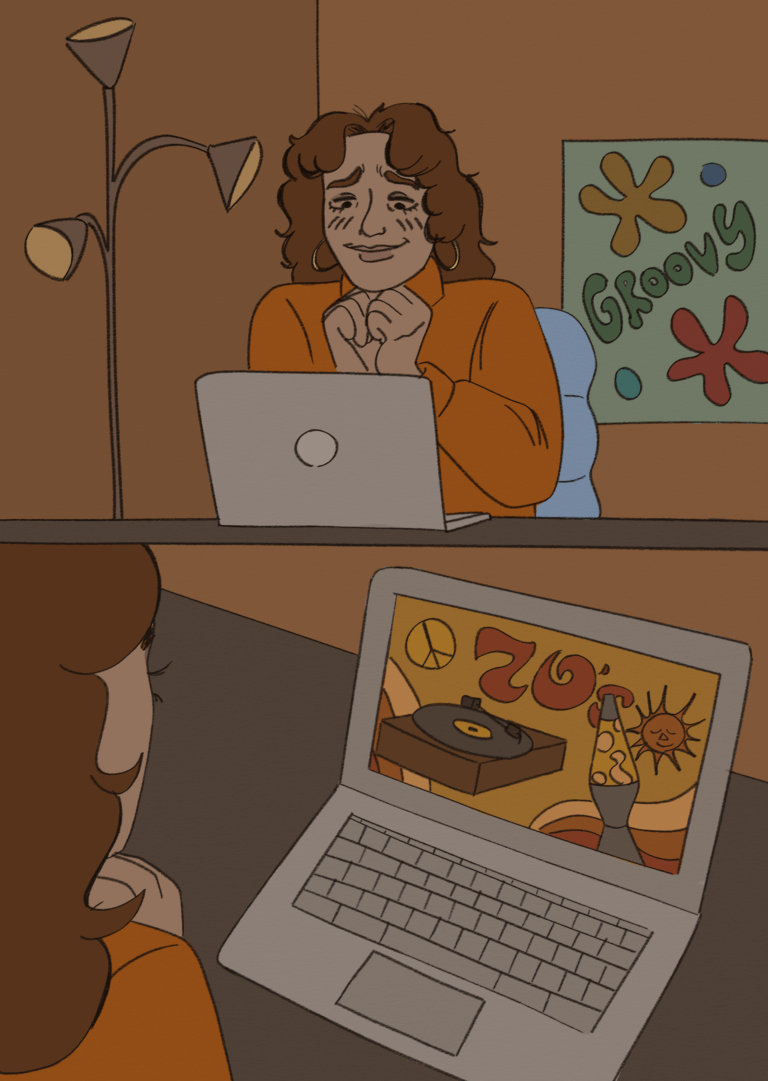
In 2025, online spaces have never been more obsessed with aestheticizing anything they can get their hands on. Pinterest boards and Instagram photo dumps have elevated the allure of effortless, aesthetic coordination, encouraging users to distill their personalities into a carefully curated array of colors and concepts. Now, more than ever, that aesthetic obsession has become entangled with the melancholic comfort of nostalgia. 

Perhaps a fragment of a Norah Jones song accompanies pictures of old Barnes and Noble interiors and skinny jeans tucked into Ugg boots, with commenters bemoaning that they’ll “never experience a true 2000s autumn.” Maybe it’s a string of old videos from 2019, supposedly the most glorious time to experience high school. The sentiment — an intense, romantic yearning for an unreachable past — is always the same.

Nostalgia is, of course, nothing new. For generations, writers and poets have explored the golden loveliness we have affixed upon our own memories, convincing ourselves that our present is not half as beautiful as our past. To yearn for something long gone may just be an inherently human quality.

Nonetheless, this rosy vision of the past is rather faulty. It would be amazingly wrong to claim that 2019 never saw any political conflict or that the 2000s were a safe and easy time to live for everyone. This aesthetic romanticization involves a great deal of cherry picking, extracting only the most comforting and visually satisfying pieces of an ultimately flawed time.

It’s hardly surprising that so many of us entertain this nostalgia, considering the overwhelming state of the world today. There is so much stress and chaos in our sociopolitical environments, and coupled with the more personal struggles of one’s day-to-day life, it can be difficult to romanticize the present. If everyone wants to escape into yesterday, it speaks volumes about the conditions of our current world. 

The gap in maturity between our current and past selves is important to note as well. While the late 2000s may seem blissfully calm to those of us who were only children, adults of the time would remember a period of economic crashes and social unrest. A past where we didn’t have the concerns we carry now is undoubtedly appealing, but would you still have appreciated it if you were just as burdened?

Further betraying our romanticized perspectives, it’s remarkably easy for us to distill pockets of the past into perfectly curated, aesthetic icons and symbols. Autumn in the 2000s was certainly not all pumpkin spiced lattes and Rory Gilmore sweaters, no matter how comforting that imagining of it seems. 

Is there such a coordinated aesthetic for 2025? Certainly not, just as a couple of Pinterest photos are not an accurate representation of the whole mid-2010s. If we can recognize how complicated the present is, we should be able to apply that logic to the past. Sweet as it may look, the perfect picture that social media paints of a bygone era is a tiny shred of a deeply complex period of time.

It might leave you wondering whether one day, we’ll be nostalgic for this very year. Time, it seems, has a way of smoothing out rough edges and painting the mundane in a more golden light. The boring rituals of your present everyday life may one day make your heart ache with fondness. You won’t miss everything, just like no one cares to romanticize the bad parts of the past. But it ought to make you appreciate the here and now just a little bit more, even if nostalgia hasn’t yet touched it. It’s only going to be here once — don’t live so far in the past that you let it pass you by.

Written by: Natalie Salter—arts@theaggie.org 


Disclaimer: The views and opinions expressed by individual columnists belong to the columnists alone and do not necessarily indicate the views and opinions held by The California Aggie.

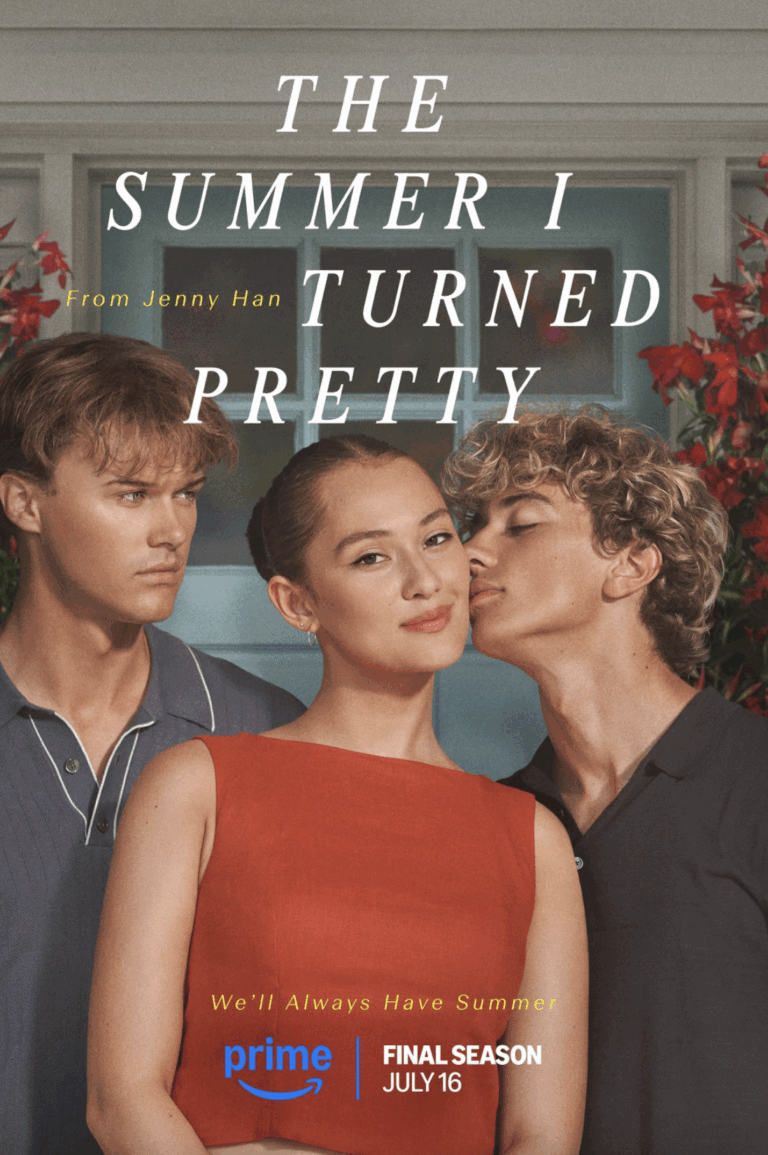
Review: Final season of ‘The Summer I Turned Pretty’ keeps its love triangle alive until the very end

The popular romantic drama toes the line between tension and frustration in its final season 


BY JULIE HUANG – arts@theaggie.org


Airing from July 16 to Sept. 17, the third and final season of “The Summer I Turned Pretty” promised to finally answer the question of who Isabel “Belly” Conklin would ultimately end up with. Would she choose her childhood best friend Jeremiah Fisher or his older brother — and her first love — Conrad? Would she stay single or find someone completely new?

The previous seasons had set up a love triangle between Belly and the Fisher brothers, which was complicated by the discovery that Conrad and Jeremiah’s mother, Susannah, had a terminal illness. Season two specifically explores their grief following her passing and how it affected their relationships with one another. 

By the start of season three, Belly and Jeremiah attend the same college and have been in a long-term relationship for four years after Susannah’s death, each holding onto the other as a reminder of a time when she was still alive.

Meanwhile, Conrad has been attending Stanford University on the other side of the country, seemingly disconnected from his past in Cousins Beach and with Belly. When he finally returns home for his mother’s memorial, he finds that Belly and Jeremiah are engaged to be married. 

To his dismay, the couple hopes to alleviate growing tensions within their relationship through nuptials, and the fallout of this decision comprises the bulk of the final season’s content. 

Eight episodes out of eleven are spent depicting the wedding preparations, during which anything that can go wrong goes wrong at least once. Instead of strengthening their union, Belly and Jeremiah’s relationship grows noticeably more strained during their efforts to organize the event, and Belly begins to find companionship in Conrad’s presence while they stay in Cousins Beach for the summer. 

Moments between Jeremiah and Belly that should feel loving begin to feel uncomfortable, but neither is there any true comfort to be found in the moments shared by Belly and Conrad. Every instant is charged with tension that could be thrilling, but instead becomes excruciating, as every character doggedly ignores their true feelings. With no resolution in sight, a silent love triangle plays out for eight episodes, bringing the audience into the same purgatory that Belly now resides in: torn between two extremes but unable to find a remedy for her internal guilt. 

When the actual wedding fails to go on at all, there are a scant three episodes left to clean up the emotional battleground left behind for both the characters and the viewers, who have sat through eight weeks of build-up and now conflict that rips all three leads away from each other. 

Three episodes may have been enough time to provide a satisfactory denouement, if not for the show’s final, and arguably most important task: showing Belly and Conrad’s permanent physical and emotional reunion.

In the wake of eight episodes of poor communication, was it possible for the final season to put on a convincing portrayal of their everlasting love story? 

Perhaps not. It becomes clear that the believability — and rootability — of the “Bonrad” connection suffers from the lack of time available to re-establish an onscreen romance. Even the characterization of sharing a meaningful past, or the physical chemistry between their actors Chris Briney and Lola Tung, could not completely overcome the awkward choices surrounding the season’s structure and pacing. 

The final episode, in which “Bonrad” finally reunites, tries hard to hit all the right emotional notes and make up for the palpable absence of time dedicated to showing their reconciliation. Some of the dialogue between Belly and Conrad sounds directly targeted at the audience, attempting to dismantle popular criticisms of the show or its characters. Conrad’s declarations that “it was not on [Belly] to keep [their] family together” and “we all broke it” especially stand out as a dismissal of viewers who blame Belly for the love triangle conflict. 

The episode also tries to smooth over previous grievances between characters, as Belly and Conrad acknowledge moments in past seasons where they crossed each other’s lines. Their dialogue adds more context to how the characters were feeling back then, making them more sympathetic while conveying that they have grown and matured.  

Belly and Conrad finally find themselves in the same place, having both gained enough maturity to admit that they hurt each other. Together, they reflect on their mistakes while keeping a healthy amount of emotional distance from the pain of their past. 

Previously this season, both leads spoke around their pain or let it speak for them, and yet neither could completely acknowledge it to the other. In the final episode, they ask and answer questions that viewers, too, have been asking all summer. They hear each other, and it is satisfying. At the same time, it’s difficult to forget that it took eleven long weeks to reach this point. 

A year has passed in their universe, but the memory of Belly and Conrad’s pain is not as distant for viewers as it is for the characters themselves. The feeling of tension lingers even while the story onscreen signals to its audience that all has been resolved for good.

Prime Video has announced the existence of a follow-up feature-length film, which may explain the sometimes puzzling and frustrating pacing choices of the show’s final season.

Showrunner Jenny Han, who authored the original novels on which the television series was based, stated that “There is another big milestone left in Belly’s journey,” alluding to further onscreen development of Belly and Conrad’s story. 

The upcoming film may alleviate concerns surrounding the depiction of their journey back to each other. On its own, however, the final season fails to be entirely convincing in its portrayal of a love story that spans infinity. 


Written by: Julie Huang — arts@theaggie.org 

A surge in deportation efforts impacts communities

0

UC Davis students describe the emotional and situational tolls that immigrant communities face


By GRACIELA TIU — features@theaggie.org

Correction: In our printed issue on Sept. 25, the article corresponding with the headline “A surge in deportation efforts impacts communities” had the incorrect body text. The article has been adjusted on our digital version of the issue and reprinted for clarity. The Aggie thanks concerned readers who reached out with this error.

Under the second Trump administration, the United States has seen a substantial rise in deportation efforts. Through an increase in immigration enforcement budgets, expanded expedited removal, reduced immigrant protections, an influx of court rulings on immigration policy and more, the country has seen a higher amount of deportations and, subsequently, a much greater impact on affected communities.

“Unfortunately, these stories don’t stand out to me anymore; they have become so normalized within our community since I was a child,” a UC Davis student, who wished to remain anonymous, said. “However, I want to put into perspective that this happens every day — children having to learn a complicated system and having to understand that their parents are being taken away simply for trying to give their children a better life. How do you tell a five-year-old this? How are they able to comprehend that they may never see their mom or their dad again? This is happening every single day on a large scale; The separation of families is occurring everywhere.”

These mass deportation efforts have left many people, including UC Davis students, with great worries and emotional distress.

“As a first-generation Chicana student with a mixed-status family, every time I leave home to come study at UC Davis, I hug them as if this were to be my last hug with them,” the student said. “The uncertainty of whether or not I’m going to see my family again has become [normalized under] the current administration.”

Due to a recent Supreme Court decision, federal agents can now stop and question people based on race, language, location or type of work. For immigrant communities, the usage of these factors, despite being deemed unconstitutional by lower courts, adds yet another layer of stress and anxiety regarding their identities.

“We are creating a social system in which racial profiling is normative,” the student said. “This create[s] a slippery slope in which, as a society, we make labels and preconceived assumptions about what immigration is. As we have seen, many U.S. citizens have been profiled just because they are POC [people of color] or because they speak another language. This further demonstrates that our country has set whiteness as its prime example of what an American society should be.”

Another UC Davis student, who also wished to stay anonymous, highlighted the reality of this ruling for immigrant communities. 

“This ruling reinforces racial profiling and discrimination,” the second student said. “It means immigrant communities are constantly being judged and targeted for […] how they look, what language they speak or where they work. Even though it was deemed unconstitutional before, the fact that it is still happening sends a message that immigrant rights are not being respected. It makes people feel like they don’t belong, even if they have been here for years or are here legally.”

As the first student outlined, these immigration enforcement tactics and practices have had significant effects on how immigrants, for fear of being targeted, feel the need to conceal their cultures and identity.

“Additionally, having to hide your identity has been something that has become more prominent,” the first student said. “I’ve heard more instances in which an undocumented migrant will stop speaking their native language [in order] to not get racially profiled, leading to forced assimilation and a loss of cultural identity.”

Regional, state and national media outlets have continuously covered the increase in mass deportation efforts and immigration enforcement. The first student described how the portrayal of immigrants on many media platforms, particularly during this time period, has worsened attitudes towards the community.

“The media has not accurately reported on the lived experiences of our immigrant communities,” the first student said. “The lack of humanization has created a rhetoric in which the vilification of undocumented immigrants in the U.S. has grown into vast, punitive and racially-biased systems with devastating fiscal, emotional and social costs.”

Another UC Davis student who preferred to stay anonymous described how the surge in deportations has heavily impacted the children in affected communities.

“The families that have been separated, the children who have lost their parents — the fear that children live in is the thing I feel the media has lacked in showing,” the third student said. “Our immigrant and undocumented community is made up of more than just adults, and I think that type of coverage is necessary. Showing the emotional impact and overall negative impact that is happening to children is essential to highlight what is happening to our community.”

The third student relayed how children of families concerned about immigration enforcement have stepped up to support their loved ones, despite the heavy toll the situation has taken on them as well.

“That fear has been instilled in us,” the third student said. “And with that also comes the example of children — the children who have stepped up for their parents. On social media, you see examples of children whose parents are in fear of deportations, immigration and ICE. They’ve stepped up to do groceries, to run errands. That is an example of how powerful family commitment is, and overall, how powerful our community is.”

Along with noting the serious impact on children and families, the third student also detailed how their hometown community has felt the effects of the mass deportation efforts. 

“I live in the Bay Area, and I’ve seen a drastic shift in the way our Hispanic community has begun to socialize,” the third student said. “Centers that were full of Hispanic music, food and people constantly coming and going have seen an incredible shift in the number of people present at a time. It’s heartbreaking to see how places that brought them a sense of belonging, a sense of being back home, have been taken away from them because of fear.”

Though much of the conversation surrounding this administration’s increase in deportation efforts centers on regional or national updates, UC Davis students stress the importance of spotlighting the individual stories of emotional strain.

“Right now, we are thriving on prayers and hopes — that wherever we go to do an errand or to work, it isn’t our last day, it isn’t the day we lose everything we’ve worked for for years,” the third student said. “It’s that sense of uncertainty. It’s the sense of fear. It’s the sense of heartbreak, knowing that a country you’ve worked so much for, a country you’ve given up so much for, doesn’t appreciate that. And that is devastating.”


Written by: Graciela Tiu — features@theaggie.org

Home away from home

0

Exploring why place identity makes college towns sites of mixed emotions 


By VIOLET ZANZOT— vmzanzot@ucdavis.edu


One of the most eye-opening conversations I’ve had occurred in my sophomore year at Davis, in passing with a stranger. We were discussing our feelings about Davis; She said she found the town to be interesting because everyone is so friendly, but that she got tired from smiling at people all day. I was shocked.

Apparently an Alabama girl (me) and a Boston girl (her) had very different takes on the characters in our shared college town. As a person who grew up smiling and waving often and chatting with people I passed on the street, I didn’t find Davis locals to be particularly familiar. 

The distinction in our varying perspectives on Davis enlightened me. A truth hiding in plain sight: We are who we are because of where we are from, and our perspectives on new things will be forever shaped by the places we have grown accustomed to. 

Starting college for me, and I imagine for most, was a significant transition. I knew moving across the country would create a sense of unrest, as I was so far from family and friends, but I had no idea just how far I would feel from everything I know to be “normal.”

Moving to a new town introduces the realization that every place has its own individual culture. For people that move around their whole lives, each new space may introduce a new sense of community. 

The reason college is specifically unique is because everyone is operating based on the knowledge they built off of their own unique hometowns. I think this is what makes it so difficult but also so special — it’s essentially a bunch of people with very different place identities coming together into a new space with its own culture.

The idea of place identity, broadly, indicates that our personality, mannerisms and worldviews are shaped by where we are from. As I made the road trip to Davis last summer, I realized that in every place I stopped, people seemed different. Sizes of towns vary, demographic make-ups vary, geographic features vary — and yet, it wasn’t intuitive to me that this would make the people who populate all those places vary too. 

There are towns that rely on farming to live, cities that are mostly made up of young people, municipalities with just two roads and others with upwards of two thousand — these features build ways of life. While some people grow up best friends with their neighbors, others may never know them. When we come to college, the thing that brings us together is rarely where we come from.
For me, I didn’t know how to appreciate feeling so culturally out of place: that is, until I realized that we all feel out of place while simultaneously sharing an identity — as students, we are integral to creating the culture of the space we inhabit now. So, why is it so hard to feel like a true part of a new community? The answer is because we are all shaped by where we come from; none of us know each others’ backgrounds. We’re all in the same boat, all in a new place. Why is it so exciting? The very same reasons. 

College is a challenge. At the same time, it is a wonderful opportunity and an invitation to understand what makes people who they are, while also helping us learn about ourselves.


Written by: Violet Zanzot— vmzanzot@ucdavis.edu


Disclaimer: The views and opinions expressed by individual columnists belong to the columnists alone and do not necessarily indicate the views and opinions held by The California Aggie.

‘For the good of the people’

0

A nation divided, unified by hate


By NEVAEH KARRAKER — nakarraker@ucdavis.edu


Political violence is taking hold of our nation.

On June 14, 2025, Minnesota House Speaker Melissa Hortman was assassinated in her own home, along with her husband Mark and their golden retriever Gilbert. Three months later, on Sept. 10, 2025, Charlie Kirk was assassinated during a Turning Point USA (TPUSA) debate at Utah Valley University.

Kirk, the founding activist of TPUSA, is known for boldly debating confrontational topics rooted in Christian and conservative ideals. His death sparked both celebration and deep grief, highlighting a stark divide across the nation.

The question of whether or not he deserved it is at the center of a common quarrel, yet that exact train of thought is what keeps our nation so divided. When we become too focused on who’s more right — the “us or them” mindset, Democrat or Republican — we end up forgoing the life of another human being and even cheering for their demise.

This is exactly what our system craves. 

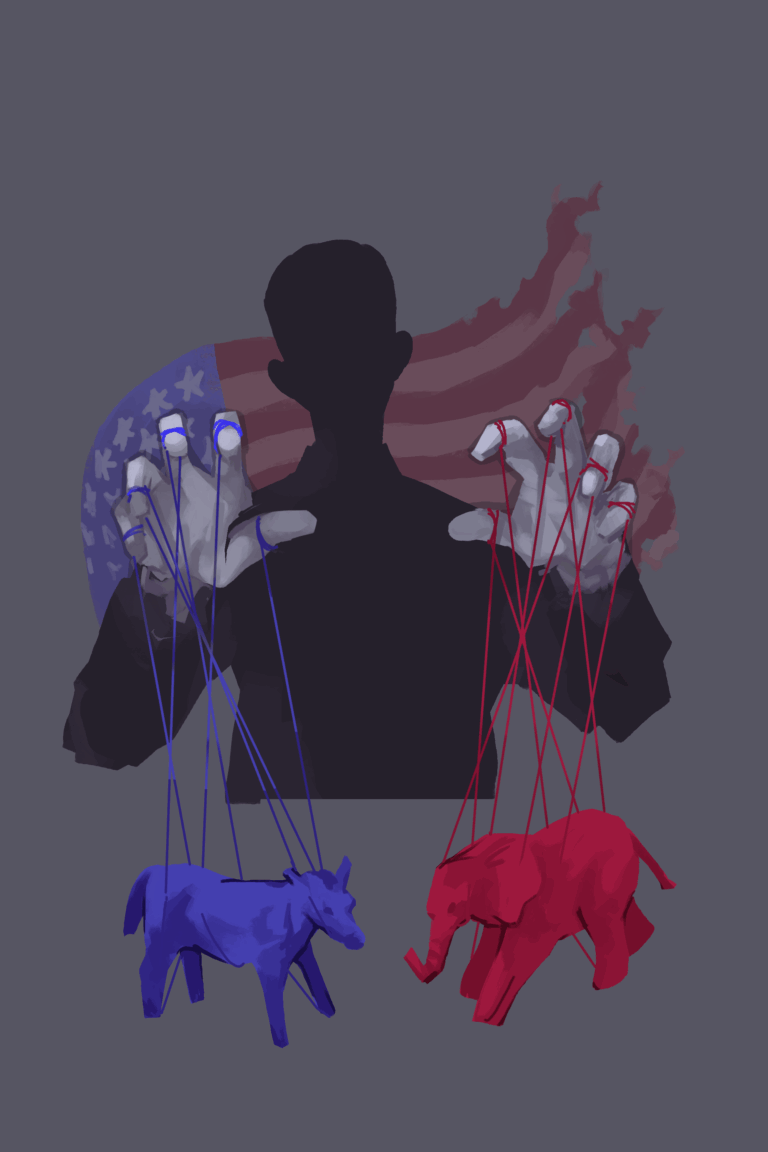
By “the system,” I mean the government principles and political agenda subtly instituted within our country. It is independent of political parties, yet takes advantage of their polarization to play them as pawns in its diplomatic game.

This isn’t about Liberals vs. Conservatives, Black vs. white or rich vs. poor: this is the system against the people. It thrives on division. By deliberately tearing the nation in half, it clears the path for brutality, racism and violence. Being ignorant of this division keeps us conquered — it keeps us manipulated, and it keeps us controlled.

That is the agenda of the system: control.

The people in power manage the system and will use this current dispute to its advantage to further separate the chasm. Because the larger the gap between us, the more we fight each other instead of working collectively to dismantle their illusions of power and order.

By no means am I suggesting that we disregard the horrific tragedies that constantly occur in the United States or foreign countries, such as the Evergreen High School shooting that occurred the same day as Kirk’s assassination or the murder of Ukrainian immigrant Iryna Zarutska. But, if we become preoccupied by whether one man deserved death or not, we miss the larger point altogether. 

It’s no coincidence that in the past year, Donald Trump, Kirk and even Brian Thompson were shot by young, educated males — Thomas Crooks, Tyler Robinson and Luigi Mangoine, respectively. For Kirk, several reported shooters, as well as accusations of AI-generated images of Tyler Robinson and false identification of his father’s occupation as a sheriff, thicken the complex web. Furthermore, a witness was ignored after claiming the shooter was located close to Charlie’s tent rather than a distant roof across the campus. 

Whether Robinson is the actual culprit or not is beside the point. Something isn’t adding up, and something is being swept under the rug — but the specifics are unknown. If Kirk was assassinated in broad daylight, what else is going on behind the scenes? What else is currently being staged, and who else is blackmailed? All of this indicates some clearly dark things about the future.

This isn’t about Kirk or any other victims claimed by the system. This is about you — the people of America. Our Constitutional rights and our freedom of speech are endangered: an opposing opinion is now a justification for violence. 

We can clearly see that youth are the primary targets time and time again — they are the system’s unfortunate scapegoats. And, either the education system has failed students — teaching that hostility is an appropriate default response — or the covert plays of our government are much deeper than we know.

By confusing the masses and flooding the media with fragments of the truth, officials delay the real story until everyone forgets. It’s a classic ploy to divert attention away from the mistakes of those in power.

Yet now, more than ever, the people cannot forget; We cannot forget. 

The only thing that unifies this country is hatred. It’s time we changed that. 


Written by: Nevaeh Karraker—nakarraker@ucdavis.edu

Disclaimer: The views and opinions expressed by individual columnists belong to the columnists alone and do not necessarily indicate the views and opinions held by The California Aggie.

An introduction to thrifting in Davis

0

A quick guide to some of Davis’ many vintage, thrift and secondhand shops


By GIA LOOMIS — city@theaggie.com 


While clothing trends are ever-changing, thrifting seems to be the one fashion fad that sticks. Among Gen Z, thrift and vintage store shopping popularity has skyrocketed, resulting in a high demand for unique secondhand shops and collections. 

Thrifting, which was originally driven by financial necessity, used to be regarded with an air of taboo. However, the idea of thrifting has shifted drastically over the years. Today, shoppers view it as a way to fight fast fashion and work toward sustainable shopping practices. Younger consumers are increasingly choosing secondhand shopping as a way to limit the environmental stressors of fast fashion, while also satisfying their desire to find unique, one-of-a-kind pieces. 

Given thrifting’s reputation for sustainability, affordability and unique finds, Gen Zers can’t get enough — and Davis’ student population is no exception. With the growing trend of secondhand shopping, combined with Davis’ younger, college-age demographic, the city has accumulated a fair share of thrift shops over the years. 

Beginning in 2012, Davis welcomed one of its first small-business thrift shops, Bohéme. Serving as a boutique thrift store aimed at providing affordable and sustainable clothing, Bohéme filled a void in Davis for a buy/sell secondhand clothing store. Bohéme is a great spot to find unique yet cost-effective pieces of clothing and accessories, as most of their prices range between $2 to $15. 

As thrifting started to gain popularity in the late 2010s, more vintage shops made their way to Davis, including Treehouse Vintage in fall 2019. Treehouse Vintage aimed to bring high-quality and accessible vintage clothing to Davis, becoming the city’s first curated vintage store with an entirely hand-picked inventory. Store owner Kenny Gagni explained what Treehouse Vintage aims to provide to Davis’ vintage shopping scene. 

“After six years in business, we aim to provide the best essentials as well as statement pieces for the vintage lover[s] in Davis,” Gagni said. “The town has its own aesthetic and charm that we strive to connect with.”

Gagni also explained that Davis’ college town nature has a large influence on Treehouse Vintage’s store and product curation.

“We love the college population, as they drive our business,” Gagni said. “We love to stay on top of vintage trends but still remain true to the identity of this small town. We cater to them through our selection, store vibes (music, decor and customer service) and through our social media on Instagram.”

Treehouse Vintage provides a strong selection of vintage clothing and accessories while still maintaining a competitive price point; this is the place to find distinct, individualized pieces without breaking the bank. 

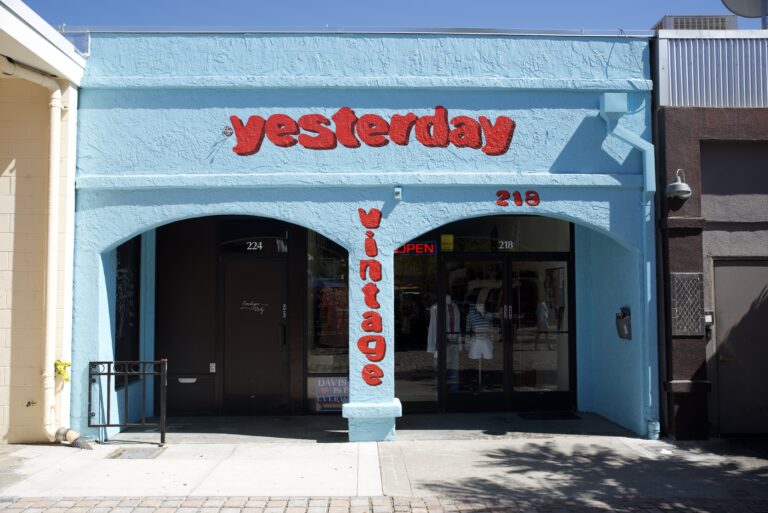
Thrifting soon grew even more prevalent in the early 2020s, leading to the opening of Yesterday Vintage in downtown in 2023. Co-owned by four Davis residents, two of which are UC Davis alumni, Yesterday Vintage aimed to create a strong vintage curation of clothes, accessories and jewelry with distinct Davis charm. Co-owner Michaela Landers explained what makes their shop different from other vintage spots. 

“Aside from our unique curation, organization and competitive prices, all four co-owners live in Davis and operate the store together,” Landers said. “This is our community. Whenever you stop by you will be met by one of us, and we will be excited to chat with you, get to know you and ultimately help you however we can.”

Another distinct part of Yesterday Vintage is their large array of rare vintage finds. Landers shared how Yesterday Vintage acquires their one-of-a-kind inventory. 

“We get a lot of our clothing through means that the general public does not have access to, such as wholesalers or people who used to have stores 20 or more years ago and held on to their product,” Lander said.

By working with these previous wholesalers and stores, Yesterday Vintage collects inaccessible vintage clothing and makes it accessible for the consumer. So, if you’re looking for distinct vintage finds with personal help, Yesterday Vintage is worth paying a visit. 

While vintage and thrift shops have taken over Downtown Davis, UC Davis also hosts a unique secondhand store, Aggie Reuse, where everything is free. Located in the Memorial Union, Aggie Reuse is entirely student-run by the Associated Students, University of California Davis (ASUCD), and is fueled by donations. The store offers a wide range of clothing with a quickly cycling inventory. Hazel Mae, a second-year biological sciences major, explained the usefulness of the shop. 

“It’s great having a resource like this on campus,” Mae said. “Students can pop in to browse and get clothes they need without worrying about the cost. I hope the shop grows even bigger to house more donations and help more students in coming years.”

The shop also partners with many local organizations, including Hope Davis and the UC Davis Career Center. If you’re looking for some new clothes at no cost, stop by the Aggie Reuse Store for accessible and unique finds. 

In the end, there’s no shortage of vintage and thrift stores in Davis. Each one offers different collections, products and aesthetics — so go thrift away.

Written By: Gia Loomis — city@theaggie.org