54.1 F
Davis

Davis, California

Tuesday, December 23, 2025
Home Blog Page 266

Divergent narratives of opioid drug addictions create lives of expectation and exception

0

Media coverage of the opioid epidemic has significant impacts on policy and public sympathy

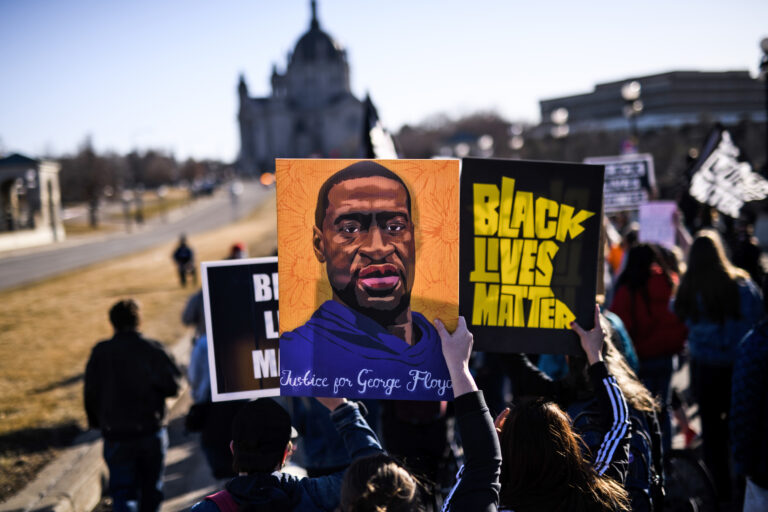
Like 2 million Americans, George Floyd struggled with an opioid addiction. However, courtrooms and comment sections are devoid of sympathy for individuals like Floyd. Instead, his struggles with addiction have been put on trial

The way Derek Chauvin’s defense transformed the final moments of Floyd’s death—where he lay breathless—to the fault of his addiction and not Chauvin’s knee pressed against Floyd’s neck for nine and a half minutes—shifts the blame to Floyd, offering no remorse for his wrongful death and no need for Chauvin to be held accountable for a life taken. 

The defense’s utilization of Floyd’s drug addiction is a common practice used to demonize Black police brutality victims and remove a warrant of justice for their deaths at the hands of law enforcement. It is also symptomatic of the way drug addiction is framed not as a public health crisis but as a crime, especially in the way the opioid epidemic has been racialized and drawn in congruence with class division. 

Opioids are used by over 100 million Americans suffering from chronic pain; such is the case for Floyd and his girlfriend Courtney Ross, who were prescribed opioids for chronic back and neck pain respectively. Between 2000 and 2012, the number of hospitalizations related to opioid misuse and dependency on prescription opioids has doubled. Because opioids are highly addictive, many individuals become dependent and after their prescription runs out, they are faced with painful withdrawal symptoms or they turn to other drugs, such as heroin, to “[get]  their high.” 

What differentiates the opioid epidemic from other drug crises—such as the crack epidemic that targeted poor Americans of color, is that “victims of opioid drug addiction were often portrayed by lawmakers and the media as ordinary white Americans who had fallen prey to a highly addictive substance.” 

The centralization of the “ordinary white American” becoming the face of the opioid epidemic not only obscures public health disparities for Americans of color within it, but racializes drug addiction in congruence with class divisions to make determinants on whose drug addictions become regaled with sympathy, and others scorned. The inconsistency in portrayals of the opioid crisis has implications on policy response and public understanding of the crisis.

According to one study, there is a blatant difference in the way drug use is reported in Black and Latino urban communities versus suburban white ones. 

These narratives run parallel to one another. 

In the way drug use is reported in urban Black and Latino communities—according to the study—it is not deemed newsworthy because it is considered expected. As such, reports are clinical and straight to the point: criminal charges, names and the number of drugs. In its effect, the report dehumanizes the user to their drug use and offers no other narrative because it takes no interest in doing so. Meanwhile, drug use reported in suburban white communities centralizes on lost potential, where there is an investigative wonderment about individuals affected by drugs. Narratives are built against drug use which is whittled down to a tragedy; humanizing this form of drug use marks it an exception against the expectation of drug use.

The issue with the way the media diverges in covering narratives surrounding drug addiction is that it falls directly into our public consciousness and creates judgment calls when certain aspects of drug use are readily associated along color and class lines. While addiction transcends these lines, media coverage does not; and in turn, it reframes public empathy against individuals already facing heavy stigma when it comes to addiction.

The significance of these diverging forms of coverage also obscures underlying disparities in treatment. For example, Black Americans were 77% less likely to be prescribed buprenorphine, a drug that “limits the desire for opioids,” and are instead prescribed methadone which creates issues of accessibility as patients have to show up daily to medical offices to receive the drug. 

For poor white individuals who use drugs, the class divide between doctor and patient is especially pronounced, according to a study. While in suburbia there is a familiarity between doctor and patient, in states like Vermont, medical professionals were reportedly “frustrated with their patients, viewing their poverty-related struggles such as lack of transportation or difficulty finding employment as ‘excuses’ for not succeeding in recovery.”

Framing Floyd’s cause of death as connected to his addiction raises the importance of a life struggling with drug addiction. As Chris McGreal for The Guardian argues, “if the defense claim is that Floyd was overdosing, or at least under the influence of drugs, why did Chauvin and his fellow officers […] not recognize that the man in their custody was in crisis?”

Drug addiction transcends race and class borders. Yet when we weigh these lives against one another—lives of expectation and exception—we create borders around addiction that put fault on one individual and invite consciousness for another, creating divergent policies and treatments for these individuals.

Written by: Renee Wang — reswang@ucdavis.edu Disclaimer: The views and opinions expressed by individual columnists belong to the columnists alone and do not necessarily indicate the views and opinions held by The California Aggie.


Are celebrity boxing matches ruining the sport?

0

As boxing events between personalities and celebrities continue to become more successful, the response to it has been mixed

In the weeks following the boxing match between YouTube sensation Jake Paul and Ben Askren, multiple-time world champion Floyd Mayweather announced that he would take on Jake’s brother, Logan Paul. Originally scheduled for February, the event will instead take place in Miami, Florida on June 6. It will be Mayweather’s return to the ring in the U.S., and although on other occasions fans would be glad to see a legend return, this has begun to make people question how far is too far.

During an event hosted on Triller, a social media startup, Jake Paul defeated Askren in the first round by way of knockout. Having already defeated former NBA player Nate Robinson back in November 2020, this was Paul’s second professional boxing match as well as his second win. Raking in over one million pay-per-view buys, the event was a success, and ended in a draw. That, however, has become the latest topic in a saga involving the sport of boxing and what the diehard fans have hated for a long time. 

Although celebrity matches between professional and nonprofessional boxers have been around for a long time, the most recent wave of bouts arguably holds the most “threat” to the sport of boxing. 

With social media platforms bigger than ever, influencers such as the Paul brothers have begun taking advantage of that to hold their own events. Whether people attribute this to Mayweather’s lucrative bout against Connor McGregor in August 2017 or Logan Paul’s match against fellow YouTuber KSI that sold out at the Staples Center in Los Angeles, boxing has become more of a spectacle than a sport. After Mayweather’s match against Logan Paul was announced, the criticism rained down even more, as one of boxing’s legendary stars was now taking part in these theatrics.

“As a big Floyd Mayweather fan, I’m not about to partake [in] this,” tweeted former athlete Giavanni Ruffin. “It’s a joke and a disrespect to the craft of people that really put [their] all into the sport of boxing. This is all a money ploy I get it, get to [the] bag but don’t tarnish [your] legacy with this scrub.” 

This sentiment was felt by many, who believe this is just a useless cash grab where boxing could only be negatively impacted. 

“Mayweather and Paul will exploit their celebrity [status] and get rich, but it will be boxing that takes the hit,” wrote long-time combat sports columnist Kevin Iole for Yahoo Sports. “This fight has nothing to do with boxing and everything to do with opportunism, but when the torrent of criticism arrives after the fight, it’s going to be this sport that takes the brunt of it.”

Although this match between Mayweather and Logan Paul will be an exhibition and not a professional fight, previous bouts between the Paul brothers and other stars have been officially sanctioned by state boxing commissions. Even though these celebrities are able to obtain their boxing licenses and fight as professionals would, a lot of the criticism is not only directed at those who are fighting, but also those in charge of sanctioning and giving licenses. 

“It’s an exhibition, just for making money,” said current boxing superstar Saul “Canelo” Alvarez. “They give the boxers licenses when they’re not a boxer. They could get them killed. Why do they give licenses to people who have never in their life even thrown a punch? If there’s a death, the commision will be responsible. Why? Because they issued the license for the fight.”

Others, however, view these fights in a different light. Rather than see them as hurting the sport, some believe that this is helping to gain attention for boxing.

“They help boxing so much,” said boxing Hall of Famer Mike Tyson, who had a criticized fight of his own against Roy Jones Jr. at 54 years old. “Boxing owes these YouTube boxers some kind of respect. They should give them some belts because these guys make boxing alive. Boxing was pretty much a dying sport. UFC was kicking our butt. Now we got these YouTube boxers, with 25 million views. Boxing is going back thanks to the YouTube boxers.”

“It’s amazing because it’s opening up boxing to a whole new market,” said professional boxer Dillian Whyte. “We’re in the age of streaming now, it’s all about YouTube. It’s a great time and it’s good that two guys can bring all these fans. Everyone’s complaining about it, I think it’s great, bringing new fans into the game, it’s great.”

Many will point to these spectacles as explanations for why boxing is no longer one of the premier sports in the world. What was once must-see television that attracted the casual fan has turned into a sport that only fans who follow the sport or know a bit about it watch. Many will point to these fights as the issue, but it may be a part of a bigger issue that boxing must solve. 

“I think some of the appetite for all of this may relate to the fact that people will always find other people’s fighting to be a great form of entertainment,” New York boxing promoter Lou DiBella told ESPN. “And when boxing is unable at the moment to deliver with regularity fights that cross over into event status, that’s creating an opening for these exhibitions and internet influencers and seniors tours.”

For a long time, experts have accused managers and promoters of contributing to the decline in boxing. Since almost all major fighters are represented by a promotion and a manager, it has become much more difficult to come to an agreement on a fight between boxing’s biggest stars, which is why we rarely hear about big main event title fights. For one reason or another, the big fights that fans want to see rarely get agreed upon, leaving a lot of the fans uninterested. Without these major title fights, it is hard to bring attention and grow these boxing stars into something big like we saw in decades past with the likes of Tyson, Evander Holyfield, Marvin Hagler and many more.

There is a lot of work left to be done by those in the boxing circles that goes beyond figuring out if these spectacle events are hurting boxing. Their outdated forms of promotion no longer works nowadays, which is why we have seen a rise in these celebrities and influencers taking advantage of the situation. While it could be true that these new events may be nothing more than a cash grab, it could also be true that there are more people who have watched boxing because of them. The argument could go either way, but regardless, those in charge of boxing and their handling of it in recent years may have led to the situation that is rising today.
Written by: Omar Navarro — sports@theaggie.org

Higher Education Emergency Relief Funds hits student accounts

0

The relief funds are direct-deposited to students as the Coronavirus Response and Relief Supplemental Appropriations Act goes into effect

In April, many students found new funds automatically deposited under MyAwards thanks to the second allocation of the Higher Education Emergency Relief Fund (HEERF), a federal aid package designed to help students and universities recover financially from the COVID-19 pandemic.

This newest funding disbursement was part of the larger bill known as the Coronavirus Response and Relief Supplemental Appropriations Act (CRRSA), which was signed into law in December 2020 and started distributing funds to students in April.

Alexandra Castro, a third-year Chicana/Chicano studies major, said she first heard about the HEERF funds when it generated a buzz on TikTok.

“I saw on TikTok people were like, ‘Oh yeah, I got $4,000 from the Higher Education Relief Fund,’ or, ‘I got $3,000,’” Castro said. “Then when I saw it was just $1,000—I was grateful for it, but also like, ‘That’s so weird. Why are we getting so much less than what I saw from UC Riverside students or San Diego?’”

The funds are tiered based on financial need, according to Sarah Mangum, the associate vice chancellor for budget and institutional analysis. Mangum said via email that UC Davis has received approximately $52 million from the CRRSA, half of which will be allocated to the institution and the other half through financial aid. 

Prior to this most recent group of funds, the Coronavirus Aid, Relief and Economic Security (CARES) Act allocated $34 million in aid and relief in Fall Quarter 2020 to UC Davis.

“UC Davis has not received any other type of COVID-19 external aid,” Mangum said. “We are applying to [Federal Emergency Management Agency (FEMA)] for funding where there are eligible costs, but we have not yet received any FEMA funds and do not expect to receive significant allocations from this source since the eligibility requirements are very limited for higher education.”

The funds allocated to the institution are intended to help recoup lost funds due to pandemic closures as well as COVID-19 related expenses such as testing, quarantine housing, cleaning and protective equipment, Mangum said. 

“Since March of 2020, campus units [any organizational unit that reports to a Dean, Vice Chancellor, or similar top-level executive] have been tracking extraordinary expenses and lost revenue due to the pandemic,” Mangum said.

Castro, who received her CRRSA HEERF grant by direct deposit on MyAwards on April 14, said the money went to housing.

“I had to move out of my house in order to keep working and going to school,” Castro said. “So the money I received went toward my rent.” 

Though the funds have been a help to some students, not all students have access to the federal funds, according to the AB540 and Undocumented Student Center FAQ on the aid.

“[Undocumented students] aren’t eligible for federal funding, similar to FAFSA,” said Laura Bohorquez Garcia, the director of the AB540 and Undocumented Student Center. “So, to be able to offset and still be able to provide support, California—but specifically our UC Davis—has been able to use institutional funding and state funding to be able to provide support upward of about $1,000.” 

Garcia said undocumented students often ask her about the funds in relation to the “Public Charge” rule, which limits the ability of students who are not citizens from receiving financial support if they are deemed “likely to become ‘primarily dependent on the government for subsistence.’” She said that the funds do not need to be paid back and should not impact their ability to apply for the California DREAM Act or other attempts to change their status.

“It will assist—I think any financial support helps—but it definitely does not close the gap,” Garcia said. 

For students who are not currently eligible for the California DREAM Act, they are raising funds through private donors to help bridge the gap. 

“I think the biggest thing that I noticed was, in California, there were a lot of students that were stuck in leases in Davis but they couldn’t afford them,” Garcia said. “Ultimately they still had to pay for the lease and still move in with family or community to try to make it through.” 

Mangum expects that the pandemic-related expenses will continue.

“We will also reserve some funds for allocation during the next academic year since we expect there will continue to be some extraordinary expenses as we safely reopen campus,” Mangum said.

Approximately $90 million from HEERF will be distributed in the fall through the American Rescue Plan (ARP), split evenly between the university and student financial aid, pending guidance, Mangum said.

Castro said that, for her, the pandemic changed where she lived, but every student was impacted by the pandemic differently.

“There are definitely students who need that help now,” Castro said. “I wish they can get the ball rolling on it.”
Written by: Kathleen Quinn — campus@theaggie.org

Davis business Yolo Robotics receives contract from NASA

0

Various research and other opportunities are available locally in robotics and engineering

Yolo Robotics, a local Davis business, recently received a grant from NASA for its project proposal to recycle metals in outer space. 

Yolo Robotics Founder and Chief Technology Officer Dr. John Shepard, who conducted his postdoctoral research at UC Davis, explained that Yolo Robotics of Davis is focusing on “space technology development.” 

Shepard explained that Yolo Robotics is a small business, currently run by himself and Graham Ryland, who received his Masters from UC Davis. Both of them work out of their own garages.

Shepard said that he and Ryland see a possibility of “a gold rush in space and space exploration,” and that they are working to support that. He explained that he wants Yolo Robotics to create the tools necessary for this “gold rush.”

“We’re trying to develop some of the key technologies to support those endeavors,” Shepard said. “[We’re] thinking about the gold rush, like the picks and the shovels—not necessarily doing the gold mining ourselves.”

NASA and other government agencies provide funding to support research toward technologies and areas they are currently or planning on pursuing. Shepard explained that Yolo Robotics applied for a Small Business Innovative Research Grant at NASA “to explore applications or the technologies for recycling in space.” 

It’s hard to get to space and launching something into low Earth orbit (LEO) can cost approximately $2,000 per pound or $1,000 per kilo.

“Once it’s there, it usually stays up there quite a while,” Dr. Shepard said. “But there’s that initial cost of getting up there and then the further away you get, the harder it is to get there, so NASA’s goal in pursuing recycling was to try to help out with the logistics of space exploration.”

Shepard explained that Yolo Robotics’ technology allows for the repurposing of problematic “material that is up in orbit right now,” such as satellites or rocket bodies that were previously launched and are now debris that can collide and break into many smaller pieces. 

“If you’re thinking about those same big pieces of material up there—big rocket bodies or whatever—if those collide, then they create space debris or they create more pieces of junk, and that’s the problem because the more pieces of junk, the more likely for there to be another collision and therefore another collison after that,” Shepard said.

Shepard described how the grant would enable Yolo Robotics to perform technical research with high-end equipment.

“The grant will allow us to buy some equipment, like vacuum chambers and the pieces that we will integrate into this—basically it’s a bunch of electromagnets to levitate and belt metal—and then we can reform it into arbitrary shapes, which is going to be pretty incredible to see,” Shepard said. 

Right now, Yolo Robotics of Davis is doing “the preliminary research to see if this is feasible and if it makes sense to pursue further.”

Although Yolo Robotics doesn’t have any student interns at the moment, UC Davis provides the Student Startup Center for students interested in creating their own startups. These startups can be in any field, including robotics and engineering. Student Startup Administrator Dawn Strickland explained that the center offers a space where students can meet peers with similar interests, discuss ideas and find local mentors. 

“Our makerspace is a place where our student managers use machines such as a 3D printer and laser cutter to turn student visions into physical reality,” Strickland said via email. “In our Visual Thinking Lab, students can produce and experience augmented and virtual realities.”

The Student Startup Center also offers classes that can be used to earn academic credit. There are also daily workshops or events that allow students to connect with venture capitalists and entrepreneurs and learn about “business, technology and prototype development from peer student managers and subject matter experts,” Strickland said via email. 

The UC Davis C-STEM Center can also provide robotics-related opportunities to K-12 students. UC Davis C-STEM Center Program Manager Jeff Hescox explained what the center offers.

“The UC Davis C-STEM Center is a UC-approved education prep program,” Hescox said. “We have 17 different courses and curriculums for K-12 education with an emphasis in mathematics, coding and robotics. We provide professional development, training and assistance with schools and school districts to implement a different way of learning mathematics, and we do that through computing with robotics.”

Hescox described how the UC Davis C-STEM Center is also passionate about trying to “lessen the achievement gap, especially for underrepresented populations,” so they try to focus on schools and school districts with underrepresented students, such as “English-language learners, or just students that have traditionally been kind of left behind when it comes to education.”
Written by: Shraddha Jhingan — city@theaggie.org

Making commencement memorable during the pandemic

0

2020 graduates share how they made their commencement special despite COVID-19 restrictions

On April 16, Chancellor Gary May announced that 2021 graduates will have the option to participate in both a socially-distanced, in-person commencement and a virtual graduation ceremony. As the class of 2021 prepares for this occasion, graduates from the class of 2020 shared their virtual commencement experiences and advice for students who are soon to graduate.

In honor of his commencement, Adam Chaban, who graduated in 2020 with a B.S. in biochemistry and molecular biology, held a small celebration with food, decorations and personalized videos. Chaban encouraged the class of 2021 to celebrate their accomplishments with their housemates and family while also following safety guidelines.

“They had a year and a quarter of online schooling, and it must have been very difficult because they couldn’t enjoy their last year in person,” Chaban said. “That being said, they showed hard work and resilience, and I say congratulations to them.”

Kaelyn Tuermer-Lee, who graduated in 2020 with a B.S. in neurobiology, physiology, and behavior (NPB), stated that, although she was looking forward to an in-person commencement, she understood that it was necessary to follow precautions to prevent the spread of COVID-19.

“As a worker in the healthcare field, we know firsthand how [COVID-19] has been impacting all these people and communities,” Tuermer-Lee said. “Taking the necessary precautions was definitely the right call, even though it was a little bit disappointing.”

Although a safe, in-person commencement is more feasible for the class of 2021 due to the increased number of fully vaccinated individuals, the contraction and spread of COVID-19 remains a possibility. 

“For the class of 2021, people should make decisions based off of what they and their family are comfortable with, because COVID-19 is a very serious respiratory virus,” Tuermer-Lee said. “I think the virtual ceremony is still going to be a good alternative for those who don’t feel comfortable.”

Katrina Tuazon Perez, who graduated in 2020 with a B.S. in human development, created a space on her Instagram account for students to share how they felt about graduating during the pandemic. Perez reached out not only to UC Davis graduates, but also to graduates from other colleges, high schools and master’s programs. Graduates expressed their gratitude for their time spent in college, their pride in their accomplishments and their frustrations with the pandemic as a whole. 

“I was really sad that, no matter what I was feeling, there were probably a ton of other people who felt worse,” Perez said. “Being able to read how they were coping with [the pandemic] and how frustrated they were made me feel less alone.”

Perez shared that multiple members of her family graduated from middle school, high school and college last year, so they decided to throw a small graduation party in their home. This included a ceremony set up in their backyard, speeches from their parents and trivia questions about the graduates.

“Even if I got a graduation in the future, the moment that I had immediately when I graduated with my cousins and my sister would be more special,” Perez said.

She encouraged the class of 2021 to reflect on their hard work during their time at UC Davis. Even though there won’t be a traditional, large-scale commencement ceremony, she encouraged graduates to still celebrate their accomplishments in a way that is meaningful to them. According to Perez, this celebration could be in the form of a Zoom party or even a small gathering with immediate family.

“You’re closing such a major, important part of your life, you’ve worked very hard, you’ve spent so many hours in the 24-Hour [Study] Room and you’ve studied so much with your friends,” Perez said. “What’s important is that no matter how you celebrate, you celebrate it in a way that makes it special to you.”

Both Perez and Graschelle Hipolito, who graduated in 2020 with a Bachelor of Science in NPB, expressed that even if there will be a traditional graduation ceremony for the class of 2020 sometime in the future, the feeling will not be the same. They pointed out that many graduates have already begun transitioning into the next stage of their lives, with some having moved to different cities or states.

“It’s almost as if the feeling of excitement for graduation and the anticipation has passed, since it’s been a year now,” Hipolito said. “It’s definitely not going to feel the same.”

Despite having to celebrate during lockdown, Hipolito expressed gratitude for the lessons she learned because of the pandemic. She shared that, in her experience, many new graduates are eager to be employed right away, and Hipolito advised the class of 2021 to take the time to find employers that value them and the work that they have to offer.

“There [are] so many employees now who realize, because of this pandemic, that their companies don’t value them,” Hipolito said. “Your degree is worth a lot more than you probably think, so don’t let any employer or business try to downsell all that you’ve accomplished in your four years.”

Hipolito encouraged the class of 2021 to utilize both the virtual and in-person opportunities for commencement. According to Hipolito, the biggest benefit of having a virtual commencement is that graduates can invite an unlimited number of guests, including friends and distant relatives who otherwise would not be able to attend. She also highlighted that the in-person option gives graduates the opportunity to experience some form of normalcy.

“Regardless of how you choose to celebrate your graduation, whether that be virtual, in person, or both, it’s important to remember that no matter what, it’s still a celebration of you,” Hipolito said. “It still stands as a testament to all that you’ve done and all the people that supported you to get you here.”

Written by: Liana Mae Atizado— features@theaggie.org

COVID-19 P.1 variant discovered in Yolo County, shedding light on the evolution of SARS-CoV-2

How the UC Davis Genome Center identifies COVID-19 variants and contributes to the pandemic response

Despite the development of vaccines and fast testing methods, SARS-CoV-2 continues to mutate and pose threats to our community. According to a recent news release by Healthy Davis Together, the P.1 variant of the virus has been identified in Yolo County. According to the Centers for Disease Control and Prevention (CDC), this variant was first identified in Brazil, and contains 17 unique mutations, three of which are specific to the receptor binding domain of the spike protein. 

Richard Michelmore, the director of the UC Davis Genome Center, explained that although mutations are constantly occurring in the genome, most of the time these changes do not have an impact on the virus. However, there are times that these mutations become advantageous and cause the virus to evolve. 

“One of the selection pressures for a virus is to increase transmissibility,” Michelmore said. “So if a virus is more transmissible, it’s going to be more successful, and we have seen a number of mutations in the virus, particularly in the receptor binding domain of the ACE-2 receptor that confer greater transmissibility.”

According to the CDC, the P.1 variant is a variant of concern, meaning “a variant for which there is evidence of an increase in transmissibility, more severe disease (e.g., increased hospitalizations or deaths), significant reduction in neutralization by antibodies generated during previous infection or vaccination, reduced effectiveness of treatments or vaccines or diagnostic detection failures.” 

Frank Schneegas, a public information officer at Yolo County, explained that due to the status of the P.1 variant, it is still important for people to follow public health guidance to reduce the number of infections. He further emphasized the importance for people to receive their COVID-19 vaccinations. Although there is some risk that the vaccine may be potentially less effective against these newer variants, the vaccines have been shown to still be effective.

“People still need to be careful and really follow the health and safety guidance that’s been out there,” Schneegas said. “Really, one of the most important things people should do is get vaccinated as soon as they can.”

Michelmore explained that in order to identify these variants, each of the different strains are sequenced and compared. Samples are put through a high-throughput PCR machine—originally used to monitor single nucleotide polymorphisms (SNPs) in plant genotypes—to first look for the absence or presence of the virus, and then again to test for which variant it is based on the presence of fluorescent markers. Michelmore explained that through discovering distinct mutations that have occurred independently, the evolution of SARS-CoV-2 demonstrates convergent evolution of traits increasing transmissibility. 

Although PCR testing may seem common in our modern times, Michelmore remembered when PCR was still a new technique first being introduced 30, 40 years ago. He expressed how impressive he found the rate at which the virus was sequenced and consequently vaccines began being developed. He explained that due to the tremendous acceleration of vaccine development technology due to COVID-19, he expects this new generation of vaccines to have a broad impact on medicine and in delivering cures. 

“The technology to sequence viruses, the technology to distribute, communicate around the world, the scientific community, all of those were very, very important in the [COVID-19] response,” Michelmore said. “If this had happened in the 1960s, 1970s, we would not have been able to have even come close to having responded the way we did.”

Especially with the easy accessibility of COVID-19 testing in UC Davis, Michelmore recommends everyone is tested on a weekly basis, and even more frequently after traveling to high-risk areas. He attributes UC Davis’ low rate of infections to frequent testing, fast reporting of results, good contact tracing and generally good practices. He emphasized the need to deal with the pandemic on a global scale in order to better control the disease. 

“Testing and genotyping doesn’t control the disease,” Michelmore said. “It tells you what’s going on. Masking and quarantining and social distancing, that’s what controls the disease.”

Written by: Michelle Wong — science@theaggie.org

UC Davis Health discovers increased risk of leukemia in children with Down syndrome

In collaboration with UC San Francisco and Kaiser Permanente, the large-scale study looked at medical records of over 3 million children for associations between Down syndrome and leukemia

According to the Centers for Disease Control and Prevention, about 6,000 babies are born with Down syndrome in the U.S. every year, making it the most common chromosomal disorder. In other words, about one in every 700 babies born are diagnosed with the disorder. 

Being born with an extra chromosome increases many health risk factors, and a recent study conducted by UC Davis Health in collaboration with UC San Francisco and Kaiser Permanente explored the impacts that this may have on developing leukemia. The researchers discovered a strong association between Down syndrome in children and increased risk of acute myeloid leukemia (AML), a type of blood cancer.

“Children with Down syndrome have a substantially increased risk of multiple health conditions compared to the general population,” according to a recent press release by UC Davis Health. “They have a particularly elevated risk (estimated 150-fold) of developing AML before age five.” 

Dr. Diana Miglioretti, a professor and Division Chief of Biostatistics in the UC Davis Department of Public Health Sciences, described plausible explanations for why there seems to be an observed elevated risk of AML. 

“Children with Down syndrome may have increased leukemia risk due to genetic mutations and complications with DNA repair,” Miglioretti said via email. “They may also be more sensitive to ionizing radiation and more likely to receive medical imaging due to comorbid conditions.”

Dr. Jonathan Ducore, a specialist in pediatric hematology and oncology at the UC Davis Comprehensive Cancer Center, described the significance of the finding.

“It gives us a better idea of the magnitude of the effect,” Ducore said. “In other words, I think we’ve known for a long time that children with Down syndrome have a higher incidence of leukemia. This gives us a much better number, if you will, on what the risk actually is.”

Miglioretti is also the principal investigator of a larger overarching study called the Radiation-Induced Cancers (RIC) Study, which focuses on quantifying the association between cumulative radiation exposure and cancer. With a more concrete quantification of the magnitude of the risks in children with Down syndrome, as Ducore stated, changes may be made to how health care providers will treat these children in terms of minimizing scans. 

“Given the potential for ionizing radiation to increase leukemia risk in children, other non-ionizing radiation imaging modalities, such as ultrasound and MRI, should be used when possible,” Miglioretti said via email. “If a higher dose modality, such as computed tomography, is warranted, the dose should be kept as low as possible for clinical diagnosis.”

Along with potential changes to imaging methods, Miglioretti emphasized the optimism in being able to treat leukemia in pediatric patients early on. 

“The good news is that childhood leukemia can be very treatable if caught early,” Miglioretti said via email. “Parents of children with Down syndrome should look-out for signs of leukemia, including fatigue, pale skin, fever, easy bleeding or bruising, and shortness of breath, and talk with their healthcare provider if they notice any of these symptoms.”   

In the same vein, Ducore offered his fair share of optimism with leukemia being curable, having been in the field for over 30 years. 

“Nowadays, the numbers are that most kids with leukemia probably, if not, 90% depending on the type [of leukemia], go through therapy and, at the end of therapy, everything stops usually in two to three years. And most of those kids stay disease-free,” Ducore said. “So if you look at the numbers, the rate of relapse or the rate of return of the disease after five years of the original diagnosis is exceedingly low. And I think most of us would say that that becomes a cure.”
Written by: Brandon Nguyenscience@theaggie.org

The rapid rise and fall of the European Super League

0

The announcement of the Super League led to a critical period of European soccer

In the span of a week, European soccer’s proposed Super League came and went. The proposed new league caused an uproar from both the fans and former players, as this move was threatening to European soccer as a whole. While the saga is not completely over yet, trying to unravel the timeline and what would have happened if it went through requires a deep dive into the finances and politics of European soccer. 

On April 18, 12 of European soccer’s biggest teams issued a statement that announced their plans to begin the Super League. After feeling unsatisfied with the Union of European Football Associations’ (UEFA) expansion of the Champions League tournament, the 12 teams—Arsenal, Chelsea, Liverpool, Manchester City, Manchester United, Tottenham, AC Milan, Atletico Madrid, Barcelona, Inter Milan, Juventus and Real Madrid—decided to go their own route and make a new annual men’s and women’s 20-team tournament that would rival it. 

“The formation of the Super League comes at a time when the global pandemic has accelerated the instability in the existing European football economic model,” the statement said. “Further, for a number of years, the Founding Clubs have had the objective of improving the quality and intensity of existing European competitions throughout each season, and of creating a format for top clubs and players to compete on a regular basis.”

Not only was this league a response to European soccer’s shaky financial state, but by playing a yearly tournament with other elite teams, the clubs would be able to recover from the losses brought by this pandemic. Although high-level matches would look great on paper, this announcement was met with backlash from the leagues and the governing body of soccer due to its exclusion and disregard for the sport’s history. UEFA and its leagues issued a joint statement following the announcement and stood together in opposition of the new proposed league. 

“If this were to happen, we wish to reiterate that we—UEFA, the English FA, RFEF, FIGC, the Premier League, LaLiga, Lega Serie A but also FIFA and all our member associations—will remain united in our efforts to stop this cynical project, a project that is founded on the self-interest of a few clubs at a time when society needs solidarity more than ever,” the statement said. “We will consider all measures available to us, at all levels, both judicial and sporting, in order to prevent this happening. Football is based on open competitions and sporting merit; it cannot be any other way.” 

It’s a difficult topic to unwind due to the nature of European football. In its current form, all teams get a slice of the yearly earnings, with the winner receiving the most. Although the more successful clubs do earn more, they have felt unsatisfied with the cut that they have been getting. The rising costs of transfers coupled with COVID-19 has put many of these elite clubs in a tough financial situation. In this new closed competition setup, the teams would be backed by investment bank JP Morgan—which would fund €4.3 billion in debt financing to set everything up—and be able to share the large revenue sums among themselves rather than with all the other teams. Although this would give these 20 teams a road to financial stability, the problem with the proposed idea is that it leaves out hundreds of other teams across Europe that are already struggling and eliminates the infrastructure that the sport has had for its entire history.

The way soccer is set up in most of the world allows teams to build themselves up over time and work their way towards the top. All honors and ability to participate in continent-wide tournaments is based on performance. The Super League would effectively eliminate that, strip the Champions League of its aura and give European soccer a more corporate and business approach—which is why UEFA decided to take drastic measures.

“[The teams involved] will not be able to represent their national teams at any matches,” UEFA President Aleksander Ceferin said the day after. “UEFA and the footballing world stand united against the disgraceful self-serving proposal we have seen in the last 24 hours from a select few clubs in Europe that are fueled purely by greed above all else.”

The original plan was for the Super League to be a mid-week tournament that would replace the usual Champions League. The leaders of the new league planned to meet with UEFA and FIFA to discuss how they would set it up together, but they were having none of it. In addition to banning players involved from representing their respective national teams in events like the World Cup, those teams would also be barred from competing in their domestic leagues, leaving them with nowhere to go. 

“This so-called ‘Super League’ is anything but ‘super,’” tweeted retired Portugal star Luis Figo. “This greedy and callous move would spell disaster for our grassroots, for women’s football and the wider football community only to serve self-interested owners, who stopped caring about their fans long ago, and complete disregard for sporting merit. Tragic.”

The vast majority of the criticism was directed towards those in charge, as they were being accused of being greedy. In a matter of days following the criticism, the original 12 teams began to withdraw from the tournament. Strictly from a financial standpoint, this proposed league would make sense for Europe’s top clubs. But the longstanding tradition of the sport, the disregard for all other teams and the way the clubs looked greedy caused the rapid fall. The 12 clubs were met with uproar and protests as a result, and the relationship between them and their fans may take some time to recover. This European Super League drama is not over according to some of those in charge, but for the moment, the governing bodies will continue to look for ways to help the financial situation.

While it is expected that these teams will receive punishment for joining the league, the loss of respect is something that they will have to battle to get back. There is a bit of irony when it comes to FIFA’s response to the matter, as their history of corruption and neglect has led them to this point. Conversations will continue to try and find a resolution for the current economy of European soccer. Those in charge have now seen how serious it could get if they stand put and do close to nothing like they’ve been doing so far. Although the European Super League did not succeed this time, there is much work left to be done by UEFA to prevent something like this from happening again.
Written by: Omar Navarro — sports@theaggie.org

Vaccine posting: the internet’s newest social currency

0

Posting your vaccination isn’t just feed fodder

I got stabbed two  weeks ago, thanks to Pfizer. It’s been a long time coming, this vaccine of ours, and I can say with confidence that we’re all breathing a collective sigh of relief. We’re finally starting to see the light at the end of the tunnel. After the arduous ordeal of getting an appointment, the only signifier I have of my vaccination excitement and partial immunity is a little 3-by-5 index card that I’ve hung on my wall. 

Everything is Instagrammable. Whether it’s an overpriced piece of avocado toast, your classic Davis sunset or someone’s newborn baby, we’ve learned to filter and post it without any second thoughts. It’s only natural then that the COVID-19 vaccination campaign has become the newest subjects of our Instagram photographs. 

I’ve found myself wondering if I’ll break the news of my vaccination on social media. I’m not one to frequently post Instagram stories, but vaccine card posts are all the rage these days. I wouldn’t be surprised if I succumbed to the trend––it allows us to band together in our final show against the pandemic. We entered this mess of a pandemic together, suffered collectively and we’ve decided to walk out of it with linked, bandaged arms. 

The first reason why vaccination posting is trending has to do with brands. Our obsession with brands and brand loyalty pervades every facet of our lives. The concept of brand loyalty has been imbued in us from a very early age. Having Eggo waffles as our breakfasts every day before school, for example, isn’t a result of there only being Eggo waffles on the market; we’ve just developed a collective loyalty towards the Eggo brand. 

Social media has allowed for businesses to further exploit our love of brands online through influencer promotions and incessant ad-pedaling. Products like hair gummies and personalized shampoo brands have developed cult followings not because of their quality, but from the amount of influencer clout they’ve gotten over the years. And in terms of being an influencer, there’s really no consequence to this sort of “selling out” like there used to be. The term “selling out” used to have negative connotations. Nowadays, if you’re being sponsored by bajillions of random brands, you’ve effectively made it big in the world of social media. 

Since not all of us are fortunate enough to become rich influencers with brand deals, we’ve found ways to emulate the social media stars that we see around us in the COVID-19 age. When we develop these cult-like followings for something as arbitrary as a vaccination brand, we elevate Pfizer or Moderna’s “social currency,” or the clout they receive from word-of-mouth social media interactions. The posts we make about the “Pfizer gang” elevate the status of Pfizer as a company. This can work in the opposite way too. When Johnson & Johnson’s vaccine supply was halted, social media users flocked to the Internet to make a mockery of the company, ultimately harming communities that desperately needed the convenient one-shot vaccine. What we post on social media about vaccines has a huge effect on how we can move forward with the pandemic. 

Vaccination posting also appeals to our own personal brands. When we post our vaccine cards, it helps cultivate that social media persona that we endlessly yearn for. Before the vaccine became widely available, a 20-something’s vaccination card post probably meant that you were a university student with an important job or someone with a lot of connections to the upper echelons of the healthcare industry. Seems pretty prestigious, no? You also have the added benefit of being perceived as a morally upstanding and science-brained human being. 

Even though it may seem superficial, vaccination posting has a genuinely positive effect on social media’s ongoing battle between science and myth. The internet is fraught with anti-vaccination conspiracy theorists that post just as frequently as any pro-science user does. The more that we are able to flood social media feeds with pro-vaccine posts, the more normalized it becomes. The chances that we can bring people into the vaccination process is higher, therefore making our world a bit safer. 

By: Isabella Chuecos –– ifchuecos@ucdavis.edu 

Disclaimer: The views and opinions expressed by individual columnists belong to the columnists alone and do not necessarily indicate the views and opinions held by The California Aggie.
Culture Corner

The Arts Desk’s weekly picks of movies, TV shows, books and music  

Movie: “The Devil Wears Prada” dir. by David Frankel (2006)

As I was aimlessly scrolling through TikTok, as one does during a pandemic, I came across a post about who was truly the bad guy in “The Devil Wears Prada,” and I decided to give it a rewatch. Watching this movie as an adult still felt as good as it did when I was a child, but this time I could actually understand more nuanced moments within the film. We follow the life of Andy, a woman who somehow gets an assistant job at the incredibly competitive Runway magazine where she works for the infamous, cold-hearted, Prada-wearing Miranda Priestly. Andy goes through a fashion transformation, learns the cost of success and has to ask herself what she’s willing to give up to get ahead. At the end of it, I also saw Nate as the bad guy rather than the “hero” or the voice of reason for Andy. Anne Hathaway and Meryl Streep give absolutely amazing performances in this glittery and fashionable film—a great pick-me-up movie. 

TV Show: “Dr. Pimple Popper”

In this TLC hit TV show, which first aired in 2018, board-certified dermatologist and YouTuber Dr. Sandra Lee brings the world into her dermatology practice, Skin Physicians & Surgeons, where viewers can watch her popping the tiniest of pimples to squeezing out gigantic, pus-filled cysts. If you have ever wanted to see an hour-long episode of just the craziest skin conditions, weirdly shaped cysts and lots of close-up shots of blood and pus oozing out, this show checks off every box. The best part of the show is how Dr. Lee genuinely changes her patients’ lives. In the beginning of the episode, we are introduced to the patient and their cyst or skin condition, the sciencey-dermatologist stuff happens and somehow by the end of the episode the patient looks great. The best part is the patient transformation and how many of them get their confidence back. “Dr. Pimple Popper” is a worthwhile show full of both gross and heart-warming moments. 

Album: “Ctrl” by SZA (2017)

At least once a day I find myself going back to SZA’s two-time platinum status album “CTRL” to keep me in check mentally. Beyond the cool melodies and gentle tempo, each song seems to represent some season of life, from being in love, to recovering from heartbreak, to finding self-confidence. This album somehow encapsulates being a “20 Something,” a song which is perfect for any occasion like swaying in your dimly-lit bedroom at 12 a.m. while your life falls apart. “The Weekend,” makes you feel like being the “other woman” is an ideal situation, and you don’t mind sharing your man as long as you get him on the weekends. However, “Normal Girl” is a reminder that changing yourself to fit the mold of the person you are pining for only makes you lose the most important parts of yourself, and that “This time next year I’ll be living so good/Won’t remember no pain, I swear. Before that you figured out, I was just a normal girl.” 

Book: “The Boy in Striped Pajamas” by John Byrne (2006)

In the book “The Boy in Striped Pajamas,” the reader follows the privileged life of nine-year old Bruno who grows up in Germany during World War II, during Adolf Hitler’s reign. His father was an officer in Hitler’s Nazi regime and at some point they relocate to a Jewish concentration camp. Bruno continues to live in a world of childhood imagination and innocence, while across the fence of the same home exists a horrid concentration camp with children as young as Bruno who have had their innocence and childhood stolen from them. Yet, as Bruno befriends one of the Jewish children who is forcibly kept there, Shmuel, a surprising friendship forms where Bruno begins to see the cruelty of his very own family. I remember reading this book in ninth grade and how I felt so surprised by its plot and ending. It was the first book I had read where there was no justice served or the “bad guy” got what they deserved. This is a really good book if you want to tear up and get a more intimate understanding of the Holocaust, seen through the perspective of a nine-year-old German boy whose father is committing these atrocities. 
Written by: Muhammad Tariq — arts@theaggie.org

UC Davis community responds to Derek Chauvin verdict

0

Campus leaders and students shared the view that the guilty verdict does not indicate the U.S. justice system has dramatically shifted its practices in terms of police accountability and promoting racial justice

Derek Chauvin was convicted of second-degree murder, third-degree murder and second-degree manslaughter on April 20. In a statement issued that same day, Chancellor Gary May shared his response to Chauvin’s guilty verdict, expressing hopefulness.

“We join others across the nation in expressing relief that justice was served,” May said in his statement. “We’re optimistic that this decision may represent an inflection point, where we begin to overcome racial and social injustices that have been pervasive in policing.”

Joseph Farrow, the UC Davis chief of police, was in his office when the news broke. Farrow said that he knew Chauvin would be convicted.

“I just believed in my heart that it was going to come out as a guilty verdict,” Farrow said. 

Many world leaders issued statements in support of the verdict. 

In reference to Former President Barack Obama’s statement, Farrow said that he agrees with the sentiment that holding Chauvin accountable is only a first step toward reconciling a deeply flawed justice system.

“I think that what President Obama is saying is really what we’ve been saying at UC Davis,” Farrow said. “We have to incorporate more restorative, holistic approaches to figure out what are the root causes of crime.”

The New York Times highlighted how exceptionally rare it is for a police officer to be convicted of murder, reporting that the chance of conviction for a police killing is approximately one in 2,000. 

“When officers are put up on charges of murder [or] manslaughter, a lot of the times the trial courts have to look at the officer, the performance of their duty,” Farrow said. “There are these different standards that are enacted across the country: some are statutory and some are Supreme Court decisions that have these standards and thresholds that prosecutors have to overcome. It is a difficult standard sometimes for [prosecutors to overcome].”

There are a variety of safeguards sheltering police officers which some activists and lawmakers argue make civil and criminal accountability unobtainable. 

Kevin Johnson, the dean of the UC Davis School of Law, said that qualified immunity, a doctrine which protects police officers and other government officials in civil lawsuits, has been critiqued as being too protective of police officers. 

La’Nae Jackson, a third-year African American Studies major, serves as the academic peer advisor for the African and African American Studies department. She said lawmakers and politicians oftentimes block the meaningful efforts of activists. 

“It is hard not to notice all of the strides and efforts being taken by organizers within our country to achieve true racial justice, but it is also clear the ways politicians implement laws that oppose this progression,” Jackson said via email.

Johnson echoed the prevalent sentiment that a single, rare conviction doesn’t signify that the fight for racial justice has been won.

“True justice is a society in which systemic racism is eradicated,” Johnson said in an email. “That is a goal and aspiration and one that we should work toward.”

Johnson said that police brutality and civil unrest prompted the administration to put on the racial justice speaker series at King Hall starting September 2020 and running through April 2021.

“The killings of African Americans by police led to the creation of a racial justice speaker series at the law school, which included public defenders, scholars, and political leaders including mayor Darrell Steinberg of Sacramento,” Johnson said via email.

Johnson said he is cautiously optimistic about the future of police accountability in the U.S.

“Public attention to police accountability holds the promise of true change,” Johnson said via email.

Kirin Rajagopalan, a second-year cultural studies graduate student, is a member of the UC Davis Cops off Campus group and an abolitionist. Rajagopalan said that the prison industrial complex will never bring justice or accountability. 

“It’s not abolitionist to argue that killer cops need to go to jail,” Rajagopalan said. “We want the entire system gone. Chauvin going to jail doesn’t do anything.”

Students who are struggling can access mental health resources by making an appointment with Student Health and Counseling Services (SHCS). SHCS is available to support students navigating pain over police brutality and can connect students with other resources. There are also racial trauma resources available.
Written by: Rebecca Gardner — campus@theaggie.org

Blatantly transphobic bills have no place in our country

With antitransgender legislation on the rise, it’s on each of us to support transgender lives

On March 31, 2021, President Joe Biden released a proclamation on International Transgender Day of Visibility calling for the celebration of transgender individuals and advocating for the continued break down of systematic barriers faced by the LGBTQ+ community. The statement, in stark contrast to the actions of the previous administration, was the first time a sitting president has officially recognized the holiday since it was established in 2009. 

While President Biden has passed several executive orders in the first few months of his presidency acknowledging and protecting the rights of transgender people, many state legislatures have promptly done the opposite. This year alone, a record number of 117 pieces of antitransgender legislation have been introduced in state legislatures across the country, nearly double the 66 introduced in 2020 and over six times as many from the 19 introduced in 2019. 

The bills largely focus on either locker room and bathroom bans or youth sports bans, and often more specifically on the participation of transgender women in women’s sports. These bills are rooted in blatant sexism and transphobia, as seen both in the title and content of Arkansas’ “Fairness in Women’s Sports Act,” and they send a dangerous message to transgender youth that their identity is not recognized or valued.

Most of these bills operate on the notion that biological differences based on sexes as assigned at birth are foundational for the division of sports, claiming that “chromosomal and hormonal differences” would provide transgender women an advantage in female competitions. Not only do these claims ignore a transgender person’s right to live by their gender identity and the psychological harm that may be caused by not doing so, they also perpetuate the sexist stereotype that women need to be protected in order to be successful.

While the topic of hormonal levels for transgender individuals in sports remains highly debated, there are few examples—which are contested—that lawmakers use of transgender women performing better because of their sex assigned at birth. Lawmakers and sponsors of these bills have framed them as being “proactive” in preventing future unfairness—a roundabout way of saying they’ve invented an unsubstantiated issue to encourage discrimination against a marginalized group of people. When the Associated Press reached out to two dozen lawmakers sponsoring these transgender sports bans, only a few could name an instance when transgender people competing in sports has raised any controversy. 

Twenty-nine of the 117 antitransgender legislation pieces this year directly ban gender-affirming health care for minors—a direct attack on the rights of transgender people to transition.

One bill passed by the Arkansas legislature, the first law ever expected to go into effect that would ban health care professionals from providing gender-affirming care to minors, is framed as protecting children from hormonal drugs and treatments. The bill is ironically titled “The Arkansas Save Adolescents From Experimentation Act” or SAFE, when studies have supported the idea that having access to gender-affirming care can dramatically reduce sucide rates within transgender populations. 

Instead of acknowledging this, the bill minimizes the stuggles transgender individuals face by saying “only a small percentage of the American population experiences distress at identifying with their biological sex” and claims that because most children experiencing “distress at identifying with their biological sex” end up identifying with their assigned sex at birth later “most physiological interventions [are] unnecessary,” ignoring transgender people’s rights to gender-affirming care. 

Even if many of these bills may not come into law, they can be demoralizing and exhausting for transgender people, particularly transgender youth. It also shows that even in 2021, transphobia is rampant across the U.S. including the highest offices of our state government. Yet on an individual level, we can work to promote safer environments for transgender individuals by continuing to hold our leaders accountable, voting for officials who support transgender lives and calling out transphobic comments and microaggressions in our everyday interactions.

Written by: The Editorial Board

Professors discuss global vaccine inequity and its potential consequences

0

With growing vaccination rates in the U.S., two professors share their thoughts on the consequences of the inequitable distribution of COVID-19 vaccines

While vaccination rollout in the U.S. is well under way, with about 42% of the population at least partially vaccinated as of April 25, there are still many countries who have not been able to vaccinate even 10% of their population. According to experts, this inequitable distribution of vaccines has epidemiological, political and economic consequences, not only within the countries that have limited access to vaccines, but throughout the world as a whole. 

Bob Gilbertson, a distinguished professor of plant pathology at UC Davis, pointed out two factors that contributed to a lack of vaccine access in developing countries. First, Gilbertson stated that many countries struggled to respond quickly to the outbreak of the COVID-19 pandemic and lack the information needed to produce vaccines. Second, many countries lack resources and funds to produce their own vaccines and are outcompeted by countries such as the U.S. and the U.K.

Before herd immunity is reached, more COVID-19 variants can arise. The more the virus circulates, the more opportunities it has to mutate. These variants, which have the potential to be more transmissible or more pathogenic, can spread not only within developing countries, but also to different parts of the world.

“We know this virus does not respect countries’ borders,” Gilbertson said.

Gilbertson emphasized the importance of trusting science. He hopes that the U.S. will continue ramping up vaccine production so the government will be able to assist other countries that cannot produce enough vaccines for their population on their own.

“I continue to tell students that one of their jobs today is to go out as ambassadors for science and that they have to try to be aware, reasonable and argue against anti-science,” Gilbertson said. “People need to get the message out that these decisions are based on solid scientific research and that these vaccines are totally safe.”

Selva Demiralp graduated from the UC Davis Economics Ph.D. program in 2000 and is now a professor of economics at Koç University in Istanbul, Turkey. Demiralp stated that even if the entire population was vaccinated and herd immunity was attained within the U.S., there would still be significant economic costs of vaccine inequality.

For example, if the pandemic is still active in Turkey, COVID-19 would continue to negatively impact the Turkish—and in turn, world—economy. Turkish production would still be limited due to lockdowns, and Turkey would not be able to export as many goods to other nations. 

According to Demiralp, this would impact the U.S. economy because the U.S. imports intermediate goods from Turkey. For example, Turkey might export steel to the U.S. that can be used in car production. If Turkey cannot produce as much steel, then it will reduce car production in the U.S.

 If the populations of richer countries are vaccinated within the first half of 2021 while lower income countries can only vaccinate half of their populations, the total costs of the loss of exported goods worldwide will be $3.8 trillion, according to Demiralp. Up to half of the total cost will be borne by the richer countries, Demiralp said.

To prevent further economic loss, the World Health Organization (WHO), the Coalition for Epidemic Preparedness Innovations (CEPI), Gavi and other institutions put together the COVAX initiative. Their goal is to initiate a cooperative effort to manufacture two billion doses of vaccines to inoculate 20% of each country’s population.

“Our research highlights that it is not an act of charity but an act of rationality to contribute to efforts such as COVAX,” Demiralp said via email. “This is because in the absence of equitable distribution of vaccines, the wealthy countries would need to pay trillions of U.S. dollars, which is much more than the cost of producing enough vaccines to inoculate the world population.”

Written by: Liana Mae Atizado— features@theaggie.org

UC Davis Emergency Medicine residents win SimWars competition

A team of UC Davis Air Force residents beat out residents from Navy, Airforce and Army programs across the country in a military medicine simulation

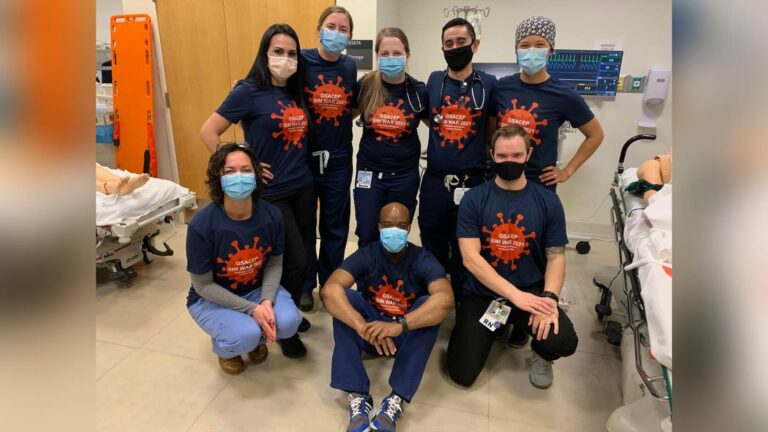
On April 8, 2021, the emergency medicine physicians in the UC Davis Emergency Medicine Residency program participated in a head-to-head competition against military emergency medicine residents from across the country. The competition, called “SimWars,” was organized by Air Force Lt. Col. Dr. Roderick Fontenette, the military associate program director at UC Davis Health. 

“The SimWars competition is a competition against military emergency medicine residents from across the country—it’s Army, Airforce and Navy residents,” Fontenette said.

The competition was part of the annual Government Services Symposium organized by the Government Services Chapter of the American College of Emergency Physicians. The SimWars competition gives residents from across the country and across the branches of the military the opportunity to compete against one another in simulated patient scenarios. This year, more than 30 residents from seven teams competed in the SimWars. Each participating team, including the Air Force team from UC Davis, was composed of emergency medicine residents, varying from first-year to fourth-year residents, as well as registered nurses and respiratory therapists. 

This year’s competition and conference differed from previous years as it had to be hosted online remotely. Every team competed from their home campus, using scenarios written by Fontenette and their home facility’s simulation centers. Some schools had to drop out due to these technical constraints, dropping the number of teams from nine to seven, according to Fontenette. 

The simulated scenarios were designed to resemble situations that military physicians are likely to encounter in the battlefield, but ones that civilian physicians might not ordinarily face. 

“They were real cases,” Fontenette said. “It was a mass casualty event, multiple patients coming in. First patient came in after stepping on an IED, had traumatic amputations, had to be intubated, altered mental status, most likely a traumatic brain injury. Then the other patient came in, penetrating gunshot wound to the left chest with a reported 13 other patients coming in. Just like you would take care of the patients in Afghanistan or the Horn of Africa, you had to take care of your patients because these are all military residents and I wanted to make sure they had military-type scenarios.”

In order to complete these scenarios, each team had to utilize their facility’s simulation labs, employing high-fidelity manikins that can “produce pulses, heart rates, hemorrhages, sweat, vomit and speak,” said Dr. Ian M. Julie, an associate professor of emergency medicine and the medical director of the simulation center at UC Davis, via email. These high-fidelity manikins were ideal for this type of simulation because they could be programmed to meet the needs of the SimWars scenario.

“If you want practice cutting open a chest and repairing an injured heart, you need an animal model,” Julie said via email. “But if you want dozens of medical students to practice assessing a very sick asthma patient who requires diagnosis, medication and intubation, […] a manikin can do it repeatedly, the same way every time and without ethical dilemmas.” 

These simulation manikins allowed each team across the country to have a patient with the same vital signs that responded the same way to any interventions. The UC Davis residents completed and filmed their scenarios in the UC Davis Health Center for Simulation and Education Enhancement. During the pandemic, the center was modified to incorporate virtual learning so it had all the equipment needed to compete in the SimWars and record every step along the way using Zoom-enabled workstations and wall-mounted cameras. 

Air Force Capt. Dr. Jasmine Neeno, a third-year emergency medicine resident at UC Davis, was the team lead for the UC Davis team. Neeno led the team to victory this year, narrowly beating out the Army team from the Medical College of Georgia. 

“We did a really good job of communicating and listening to suggestions and advice when we had difficult patient situations, which I think is what ultimately carried us to victory,” Neeno said. “[All teams] practice similar medicine, but I think the difference was that I felt that we worked better as a team.” 

As the UC Davis residents celebrate their victory this year, they look forward to returning back to an in-person conference and competing again next year to defend their title. 
Written by: Justin Weiner — science@theaggie.org

The crisis in India is our crisis too

We can do more on a national and individual level to support people in India and those of Indian descent in our local communities

As things start to slowly progress to a version of life before the COVID-19 pandemic in the U.S., it can be easy to fail to pay attention to other countries who are struggling so much more. India is currently dealing with a deadly wave of COVID-19, with a daily average of nearly 400,000 cases and over 3,000 deaths. 

As members of a publication, we know how important it is to stay informed and how important our job is in keeping people informed. We believe news organizations in the U.S. need to do a better job at reporting on the deadly outbreak in India and that they need to refrain from the use of traumatic photos, as consistent exposure to such photos in the media leads to desensitization. Members of the American public should not need to see graphic images in order to feel empathy for the catastrophe Indians are currently facing. Although we are only a campus newspaper, we are holding ourselves to the same standard by reporting on how the outbreak has been affecting UC Davis students and professors in India or with family there.

We believe professors need to be incredibly accommodating to students who are coping with the ramifications of this crisis and we hope students extend the same courtesy to any professors who are or have family in India. Chancellor Gary May’s statement on the outbreak in India encourages such communication, and we believe professors need to take the first step to open a dialogue with their students and reassure them that accommodations are available for those in need.

Countries around the world need to provide as much help as they can in the form of medical supplies and vaccines. The U.S., U.K., EU and Pakistan have committed to sending supplies like ventilators and oxygen concentrators, but we believe they need to be sending more supplies, including vaccines. 

The U.S. has a stockpile of the AstraZeneca vaccine, which it has not yet approved for use, and President Joe Biden has announced the U.S. plans to donate 60 million doses to countries in need, but India is in urgent need of vaccines now as thousands are dying and hundreds of thousands are getting infected each day. 

It is a privilege to turn down a vaccine—30% of the American public is currently not planning on getting a COVID-19 vaccine—when only about 2% of India’s population has had the opportunity to be fully vaccinated. The COVID-19 pandemic is a global crisis, and when one country is struggling to contain an outbreak, all countries are affected. Our government needs to act much more quickly in this crisis where timing is so important, especially because the vaccines take several weeks to provide immunity. 

There are also things you can do on an individual basis. Check in on your friends and professors of Indian descent and offer support where you can. If you have the means to donate money, you can do so through international organizations like UNICEF, PATH, the International Medical Corps, Care India, the Association for India’s Development, Project HOPE, Give.asia and Americares or through organizations in India like the Indian Red Cross Society and Ketto. Locally, multiple UC Davis organizations are collaborating to create a fundraiser to support organizations providing aid. India needs your help and your Indian community members need your support.
Written by: The Editorial Board