55.5 F
Davis

Davis, California

Tuesday, December 23, 2025
Home Blog Page 265

Teacher yet to learn swearing in class doesn’t make him cool

0

Never have the RateMyProfessor comments presented a more united front

Middle school was likely the last time an offhand curse word sparked any emotion in students’ hearts. Unfortunately, this fact has not been made known to Dr. Mitchell, a tenured professor in the history department, who recently attempted to win his students over with some low-level cussing. 

“It’s my secret weapon,” Dr. Mitchell said. “Sometimes you got to shock ‘em. Kids don’t realize how cool their teachers can be.”

Other secret weapons in Dr. Mitchell’s arsenal include subtly implying that he smoked weed in college, telling kids to “forget what you know” and sitting backward on his chair. Not all of his students, however, are sold on his tactics.

“He made us buy a textbook and then on the first day told us to throw it away because ‘experience’ was the real teacher,” said a student who requested anonymity. “That book was $140.”

Another student said, “He wants to be that cool teacher that’s going to make us reevaluate our life and love learning again. I just wish he’d grade our quizzes. It’s been four weeks.”

In Winter Quarter 2020, students began drafting a petition to end Dr. Mitchell’s awkward attempts at swearing once and for all. Also prohibited on the petition are the following: 

  • Excessive use of finger guns
  • Pretending to fall asleep and snore loudly during tests
  • Thirty minute breaks during which he makes students throw M&Ms into the air and tries to catch them in his mouth

Since the transition to Zoom, many students claim Dr. Mitchell has suffered a minor mental breakdown. In a recent lecture, Dr. Mitchell reportedly spent eight minutes changing his Zoom background to the Pyramids and dancing to The Bangles’ 1986 hit “Walk Like an Egyptian.”

“My students don’t know this, but I’m actually 45. They all think I’m in my early 30s,” Dr. Mitchell says. He cites his youthful glow and “J-chillin’ attitude” as the cause.

“It’s disconcerting when teachers act like they’re just another college kid,” adds another student. “He tried to skateboard into class and almost broke a hip. He’s like 60, I think.”

“Honestly, it would be entertaining if I wasn’t paying hundreds of dollars to be in this class. I’ve learned nothing,” said a third student. 

At the time of this article, Dr. Mitchell is on leave after he slipped and broke his wrist while trying to perform a pseudo-casual lean on a door frame. 

Written by: Annabel Marshall — almarshall@ucdavis.edu 
Disclaimer: (This article is humor and/or satire and its content is purely fictional. The story and the names of “sources” are fictionalized.)
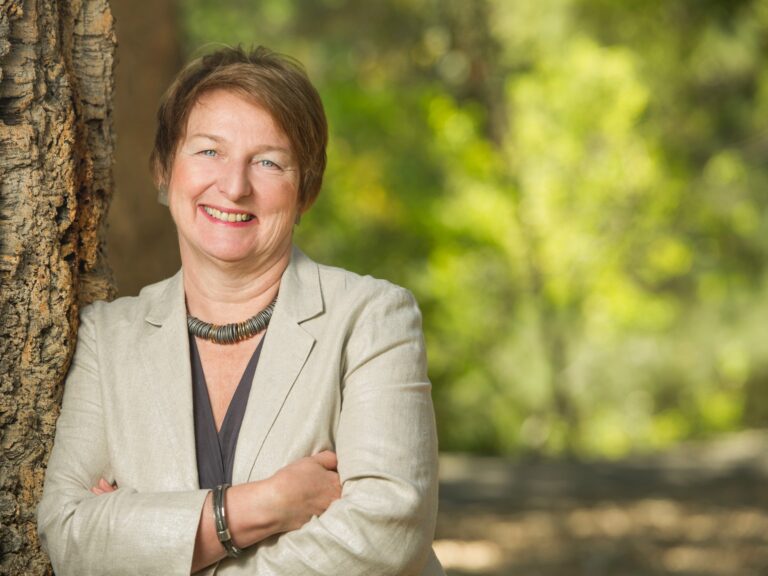
UC Davis Dean and Vice Provost Joanna Regulska becomes member of the National Academy for International Education

0

The academy is composed of 23 members representing different global perspectives and aims to promote equity and global learning initiatives across universities

On March 12, the National Academy for International Education was launched. The Academy includes Joanna Regulska, the UC Davis vice provost and dean of Global Affairs. Regulska has been advocating for global learning at UC Davis since September 2013.

“Over the last six years we have been involved in numerous globally engaging projects, collaborative research and [we have] developed a whole new approach to thinking about how we can engage students in global learning,” Regulska said. “Global learning can take place internationally but also domestically through internships, through living and learning communities, through research, through project-based activities [and by] taking courses.”

Regulska emphasized that while global learning can take place through studying abroad, this option is not always feasible for every student. She said she strives to promote equity by implementing and brainstorming programs that are accessible to all students. One such global education program is the National Academy for International Education.

“This is a very collective project across the campus with numerous units and a wide range of classes,” Regulska said. “We have colleges working with us, students, the library, academic colleagues and student affairs. The beauty of this initiative is that it is so comprehensive in bringing the campus together.”

About two years ago, Regulska received an award from the Institute of International Education (IIE) for senior international officers. 

“One thing led to another and then, subsequently, I and a group of people were asked by IIE to think about creating an academy,” Regulska said. “[As] founding members we thought about the academic issues at play: What [should the academy] look like? What should it be?”

The founding members then invited other leaders of international education to the academy to form the 23 members that it is composed of today. These members represent countries from all over the world, with members from the U.S., Australia, Canada, China, Japan, Taiwan and Ghana, according to Regulska. 

“We are working together in different working groups to look at different issues, to look at equity, to look at collaboration, to look at partnerships,” said Dawn Whitehead, an academy member as well as the vice president of the Office of Global Citizenship for Campus Communities and Careers at the Association of American Colleges and Universities. “People in the field are coming together to talk about these issues and think about what we should write. What is it we should put out? How do we use our collective networks to leverage the importance of thinking about equity when talking about international education?”

The academy will be producing work toward advancing international education through publications, research briefs and papers, according to Whitehead. 

“The academy is a space to think about what is it we should be doing to make sure that the students, one, are welcomed and, two, [are] safe,” Whitehead said. “How can we create an environment or work with our colleagues to have these discussions about the realities on the ground?” 

The academy will be working in collaboration with universities and governmental agencies to look at inequities among students to ensure that college campuses are welcoming and safe spaces for all students, according to Whitehead.

“[The academy has an] underlying and cross-cutting commitment to equity, to collaboration, to really pushing the boundaries of knowledge [and] to pushing the boundaries of the field of international education,” Regulska said. “I think these days we need to think out of the box, we need to think into the future, we need to think about how we will advance international higher education that actually addresses these global challenges.”

The theme for the initial period of the academy is to reduce inequalities in international education and design projects and initiatives in accordance with this theme. Later themes will include topics such as global learning and technology, according to Regulska.

“The whole idea is to create a peaceful, sustainable, equitable world,” Regulska said. “As members, [we] are responsible for providing and working with the next generation of leaders.”

Involving leaders from diverse cultural backgrounds and academic disciplines will allow the academy to act as a think tank for brainstorming new ways to increase global learning initiatives.

“The National Academy for International Education provides a critical space for some of the most accomplished international education professionals to work together on pressing issues for our field,” said Allan Goodman, the IIE president and chief executive officer.
Written by: Maddie Duley — campus@theaggie.org

UC Davis professor involved in research team conducting largest study of U.S. access to 3D mammography

Breast screening exams from the Breast Cancer Surveillance Consortium reveal disparities in access to improved detection technologies

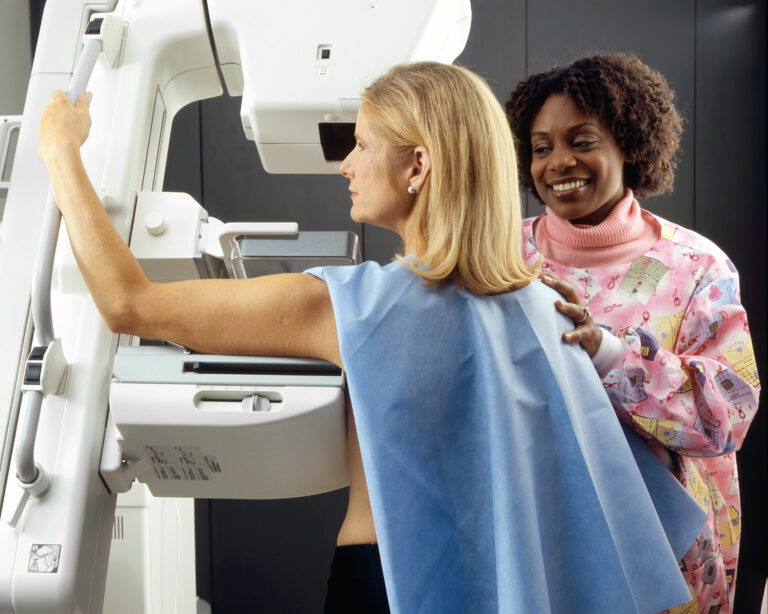
UC Davis School of Medicine Professor and Division Chief of Biostatistics Diana Miglioretti was among a team of researchers that conducted a cross-sectional study recently published in JAMA Network Open. Researchers evaluated accessibility to, and usage of, digital breast tomosynthesis (DBT) based on a variety of factors including race, ethnicity, education and income. 

“We were concerned that new technologies could widen persistent disparities in breast cancer mortality if there isn’t equitable uptake by facilities accessed by underserved communities,” Miglioretti said via email. 

According to the author contributions of the study, Miglioretti was involved in developing the concept and design of the study, acquiring data, conducting statistical analysis, interpreting the results, obtaining funding and supervising.

Miglioretti has a personal connection to her research that makes early detection of cancer especially important to her. 

“My great-grandmother died of breast cancer in her early 30s and my grandmother and aunt were both diagnosed with breast cancer in their 40s,” Miglioretti said. “All eligible individuals in the US should have access to high-quality screening and follow-up care.”

According to the study, prospective trials and observational studies reveal that DBT, also known as 3-dimensional mammography, can be used to improve breast cancer screening outcomes when compared to digital mammography, more commonly known as DM, or 2-dimensional mammography. 

DBT is a “relatively new technology,” according to a FAQ published by the FDA. 

“3D mammography improves screening performance through lower false positive rates and small increases in cancer detection for some subgroups of individuals,” Miglioretti said. “If underserved communities do not have access to this new technology, they do not get to benefit from these improvements.” 

Professor of Radiology at the University of Washington School of Medicine Christoph Lee said that underserved populations are usually the last to have access to new medical technologies. 

“If 3D mammography does not diffuse into clinical settings in an equitable fashion, then differential technology adoption could exacerbate existing screening outcome disparities,” Lee said via email. 

The results of the study lead to the general conclusion that women of minority races and ethnicities along with those of lower socioeconomic statuses have less access to DBT screening. 

“Access to the best diagnostic tools for detecting breast cancer shouldn’t depend on your zip code or your income level,” said Associate Professor of Radiology at the UC Davis School of Medicine and Chief of the Breast Imaging Section Shadi Aminololama-Shakeri, via email. “That’s why this type of research is critical to enveil existing healthcare disparities. Only then can we start to address these inequalities and help patients access the latest lifesaving screening technology that gives us the best chance at detecting cancer.” 

In particular, only 37.7% of Black women, 44% of Hispanic women, and 42.8% of Asian Americans were able to acquire DBT when both screening technologies were available.

Additionally, while 50.6% of women with a college degree obtained DBT, only 40.8% of women with less than a highschool diploma were able to access this technology. 

“It is important to identify inequalities in the diffusion of new technologies so that healthcare providers, policy makers and advocacy groups can focus on ways to ensure more equitable access to these technologies,” Miglioretti said.

Similarly, only 43.9% of women living in zip codes associated with the lowest income quartiles obtained DBT in comparison to the 51.4% of women in the highest income quartile. 

“We need more clear guidance on what subpopulations of women are most likely to benefit from 3D mammography, and to lower barriers to access for these women,” Lee said. “These include providing evidence to third-party payers for clinical effectiveness of 3D mammography in specific populations.” 

These results were determined from approximately 2.3 million “routine screening mammography examinations among women aged 40 to 89 years,” collected from 92 imaging facilities in five different states between Jan. 1, 2011 and Dec. 31, 2017, according to the study. This data was provided by the Breast Cancer Surveillance Consortium.

“The Breast Cancer Surveillance Consortium is unique in that all of their facilities prospectively collect very detailed woman-level information at each imaging exam,” Lee said. “This allowed us to associate individual social determinants of health with their exam-level outcomes.”

Miglioretti said classifying individuals as coming from an underserved community proved to be a challenging task.

“We used crude measures based on self-reported race/ethnicity and education and geocoded measures of income and rural/urban residence,” Miglioretti said. “In future research, we would like to evaluate other measures of social determinants of health including measures of structural racism.” 

Miglioretti said that one of her top priorities is providing high-quality health care for all by ensuring each individual has access to high-quality screening, follow-up and treatment.

“At UC Davis, 3D mammography is available to every woman who walks through our doors,” Shakeri said. 
Written by: Aarya Gupta — science@theaggie.org

UC Davis researchers at the Grosholz Lab tackle the challenge of eradicating invasive species

A recent study on eradicating green crabs from an estuary along the California coast showed an increase in the population instead of the desired reduction

In a study led by Ted Grosholz, a professor in the Department of Environmental Science and Policy at UC Davis, it was demonstrated that removing an invasive species would not lower its abundance, but increase the population size of the species instead. A possible explanation for this phenomenon is compensation: when large quantities of larvae survive in response to low quantities of adults present.

The study was originally funded to prove that eradicating green crabs in the event of a new and isolated invasion was possible in a place more remote than the locations included in the study. The initial experiment was to figure out if researchers could eradicate a small, isolated population given a certain budget and field effort, according to Grosholz.

“We selected Seadrift Lagoon because it is relatively small and largely cut off from other bays except for limited times through the year,” Grosholz said via email.

For five years, Grosholz and his team used baited traps to remove crabs. This lowered the green crab population from about 100,000 crabs in 2009 to less than 10,000 crabs five years later in 2013, according to Grosholz.

In a turn of events, the population exploded in 2014 with 300,000 green crabs present in Seadrift Lagoon. The majority of the crabs were juveniles. An explanation for the decrease of adult control of recruitment, the process through which new individuals are added to a population, was a lack of cannibalism of the juveniles. The study confirmed that adult cannibalism of recruits was size-dependent and could control recruitment.

“This was an important lesson about not trying to eradicate a population like this and that the best strategy was to keep the population at low abundance, which we have for the past five years, relying on community scientists and volunteers,” Grosholz said via email.

Future plans for eradication processes of invertebrates and fishes like the green crab can look at this case study and decide to take a different approach to controlling invasive species to avoid another population explosion.

“The focus should be functional eradication and not total eradication for several reasons,” Grosholz said via email. “This is achievable, should provide most of the same benefits and there is usually data available to determine the target.”

Marcella Heineke, a junior specialist at the Grosholz Lab, has experience working with invasive species as well. Heineke started working at the lab in June 2019 and was a part of a grant exploring native oyster restoration in the San Francisco Bay. Heineke researched an invasive oyster drill, a generalist invasive predator in the east coast that was destroying native oyster restoration efforts. 

“Our thought was if we could bring in the predator of the oyster drill and reduce oyster drill populations levels, the oyster restoration success would increase,” Heineke said. 

The native predator of oyster drills are rock crabs. In the San Francisco Bay and at Bodega Marine Laboratory where Heineke was based, there were trials to put oyster drills and crabs in the same tank and see how the drill’s behavior changed in the presence of the crabs, according to Heineke.

The invasive oyster species are generalists, meaning they can eat almost anything and do not have a restricted diet. This characteristic allows them to survive in a variety of different habitats, according to Heineke. 

“The drill oysters will eat mussels, clams, oysters and pretty much anything they can get their hands on,” Heineke said.

Jessica Weidenfeld, who is now at UC San Diego, was also a part of the Grosholz Lab during her time at UC Davis and was exposed to the trials of controlling invasive species. Her advice to help with the research for invasive species is to go out and vote to elect leaders who rely on data and listen to scientists. 

“It can feel overwhelming to think of what you can do as an individual, but those are some things we can do to help with invasive species,” Weidenfeld said. 
Written by: Francheska Torres — science@theaggie.org

A local, new crocheting business makes its way

0

Jamie Tin shares how she began selling her crochet bees, frogs and other stuffed animals

Since the pandemic, many students took the opportunity to take on new activities, start a new hobby or learn how to bake. But some took this time to turn their newfound hobby into a small business, which is exactly what Jamie Tin, a third-year psychology major, decided to do.  

Tin started crocheting in early August after seeing a video on TikTok of a girl creating a crochet bee, which would be Jamie’s first crocheting adventure and the first thing she sold. Her first crochet plushie bee soon turned into a business model, and her small business “Sunflower and Peaches” was created from there. 

“I’ve always been big on a variety of crafts,” Tin said via email. ”When I was in middle [school and] high school, I used to have a crafting instagram, but that is now gone. Interestingly enough, crochet was one of the few things I couldn’t conquer as a crafter when I was younger, so it’s super fulfilling to me to know that I can now.” 

Tin sells a variety of crochet plushies including bees, frogs, stars and baby whales. The prices for the soft plushies start at $10. For Davis students, she offers the possibility of messaging her through her Instagram, giving customers an opportunity to meet up at a convenient location and time without having to pay for shipping or deal with all the other contingencies that come with online shopping. 

“I decided to sell [the crochet plushies] as a ‘side job’ since crafting has always been my hobby, and I’ve always aimed to sell my crafts,” Tin said. “Previously, it was polymer clay charms, resin, friendship bracelets. I also started selling them because I realized that people were actually interested in purchasing them, and it made me really happy that people liked what I was creating.” 

While Tin enjoys her crafts and creating a flourishing crocheting business, she is still a student and her school work remains as her first priority. She tries to set time aside for craft-making that doesn’t cut into a hectic season of midterm studying. 

“It is definitely super important to have good time management when running a small business and being a student,” Tin said. “I really enjoy making my plushies, so when I’m done with my homework for the day, I take it as an opportunity to take a break from homework and be productive making my plushies. It’s a win-win honestly.” 

As her business continues to grow, she found that her art form is uniquely loved by children in her own family. 

“I’ve made so many for family friends and my own little cousins,” Tin said. “And it’s been a common consensus that they’re super popular with the kiddos—and adults too. I also like thinking about how many I am reaching and how many people I hope to eventually reach and make happy.”

As every business owner grows, it helps to have a supportive environment and community, and for Tin, it’s been her own family and friends who have bought many of her products and who have consistently encouraged her process and have uplifted her work.

“I am my own biggest critic, so there have been so many instances where I get frustrated that a plushie didn’t turn out the way I imagined it to be, and then I decide that I don’t want to go through with putting it up for sale, etc., and my friends and family always tell me otherwise,” Tin said. “Many of them have also made purchases to support me, as well as helping me promote my business. I’m so grateful for all their support.”

Tin hopes to give back through her business. Each month, Tin chooses a “charity of the month” to which she donates 10% of her profits. The charity will change throughout the year, giving her an opportunity to donate to a variety of organizations that she values. She hopes to increase her donation percentage in the future.

“I’ve always had the idea that if I were to ever have enough money to do so, I want to be able to give back to my community,” Tin said. “I have been so lucky in my life to have what I have, and I want to be able to help other people. It is so unfair to me that there are people in the world who do not even have basic necessities for survival. So, when I had the opportunity to start my small business, donating a percentage of what I make was always a part of the plan.”

For April, Tin chose Autism Society of America, a nonprofit organization that aims to educate and increase public awareness about autism. 

“I am a behavioral therapist at CARD (Center for Autism and Related Disorders), so I would say that that has played a big factor in me choosing Autism Society of America,” Tin said. “April is Autism Awareness Month, so I thought that it would be a perfect time to donate to an organization that strives to bring awareness to and destigmatize autism spectrum disorder.” 

Tin also plans to release a design for stickers that should be available in early May. Her plushies and stickers can be purchased on Etsy
Written By: Itzelth Gamboa — arts@theaggie.org

As restrictions begin to be lifted, summer travel becomes more possible

0

Employees of the travel industry discuss the greater possibility of summer travel

In anticipation of widespread vaccine eligibility and the lifting of most COVID-19 restrictions on June 15, more people in the U.S. are planning on traveling this year. 

Samantha Mott, the public information specialist for the Sacramento County Department of Airports, said that the Sacramento International Airport has noted an increase in passengers in the past few months.

The airport is now recording significantly more passengers—approximately 11,000 people per day—which is more than the airport has seen since the lockdown in March that limited travel nationwide. According to Mott, at this time last year, the airport faced a 95% decrease in the number of travelers.

Although it remains unclear if this increase will be sustained, Mott said she is encouraged by the progression of vaccine distribution and the larger number of fliers that the airport recorded during spring break season for many universities.

“We’re hoping that we will see passenger numbers increase through summer as families get more access to vaccines and more and more places are opening up and loosening restrictions on travel, particularly when you’re arriving to certain destinations,” Mott said. 

Though the number of passengers has increased, Mott emphasized that COVID-19 regulations will remain intact in order to ensure the safety of customers. 

“As far as protocols go for safety—for example, mask-wearing or social distancing—I don’t know that those will change through the summer, and I think those will be in place for some time,” Mott said.  

With growing demand for travel, Mott also stated that the airport has been able to offer increased destinations for travelers, such as flights to Mexico City and Cancún.

“Not only will we see all of our nonstops that we had pre-pandemic return, we have seen some additional new routes start for us,” Mott said.

Although there are some new destinations being offered, Mott also said that some destinations that have been temporarily removed, including any nonstop flights into Canada due to COVID-19 restrictions.

As flights become increasingly available, Mott said that requirements upon arrival vary destination to destination. As a result, she strongly encouraged travelers to thoroughly research before finalizing travel arrangements in order to comply with their destination’s safety expectations.

“Some states will have stricter rules than others. It’s going to be really important for folks to do really good research prior to booking flights and finding out what requirements are safety-wise and protocol-wise for whatever destination they are heading to,” Mott said.   

Jade Lee, a Hyatt Place UC Davis gallery host, mentioned that the hotel has also seen an increased number of travelers over the past few months. In the beginning of the year, she noted that the hotel’s occupancy was minimal. However, the number of guests has risen steadily over time. 

She said that this increase in guests could indicate that summer travel will be more accessible and popular this year. 

Already, this pattern has been seen nationwide with market reports documenting increased demand for flights and increased hotel prices, especially compared to 2020. 

With changing COVID-19 restrictions, Lee mentioned that the Hyatt Place UC Davis is slowly amending their safety policies and amenities. Previously, open seating and open breakfast were prohibited due to regulations, but now the hotel is reopening these options. 

“Right now, we are very COVID-19 safe,” Lee said. “We do make sure that we clean our lobby, our tables, our chairs, everything constantly throughout the day just because we do allow open seating, and we do have an open breakfast.”

The hotel has also eliminated daily housekeeping for hotel rooms and instead has made it available upon a guest’s request. 

Though there are slight changes to the hotel’s policies, Lee does not anticipate large amendments to their COVID-19 restrictions in the near future until the state of the pandemic radically improves. Lee also noted her uncertainty regarding whether guests will need to be vaccinated in the future. Despite changing restrictions, Lee remains optimistic about the possibility of summer travel. 

“I think it’s definitely going to increase from [here] just because COVID-19 is becoming a little bit better. At least that’s what it seems like,” Lee said. 
Written by: Farrah Ballou — features@theaggie.org

UC Davis launches new on-campus bakery: Gary Maykery

0

Because what else would it be called?

Preheat those ovens, because UC Davis is getting a new on-campus bakery, courtesy of a large donation made by the chancellor. The bakery, which will be called the “Gary Maykerey” will feature all kinds of recipes from the chancellor himself and is scheduled to open in the fall. 

While no one is protesting more sweets on campus, everyone’s wondering why the chancellor would drop such a large donation on the school to open a bakery. 

Apparently, during a recent photoshoot where Chancellor Gary May was dressed to help celebrate the opening of the new cow wrangling major, multiple online comments complimented the chancellor on his “cake.” Unbeknownst to everyone, the chancellor had actually baked a cowboy-hat-shaped cake for the celebration. With such encouraging comments detailing how “fine” and “juicy” his cake was, May was inspired to follow his heart and open his very own bakery.

Soon students will be doing everything they can to get their mouths on one of these delicious delicacies. While the menu is subject to change, the chancellor has said that it will be based on different aspects of Davis. Such items include: 

  • Moo Moo Milkers (half-dipped chocolate biscotti with locally grown Davis nut) 
  • Death Star Dark Chocolate (dark chocolate chip cookies, each with a piece of the Death Star inside) 
  • Turkey Attacks (savory donuts filled with fresh turkey and a cranberry glaze, but only served on days with campus turkey sightings)
  • Egghead Egg Tarts (an egg custard tart, but each is served with something the eggheads have, i.e. a book, an argument or an eye on the back of its head)
  • Gunrock’s Gourd Go-Around (just a pumpkin pie painted blue. But not dyed. It’s painted with blue spray paint and is not edible)

Although half of the menu may not actually be edible, students’ mouths are already foaming in anticipation of filling their Instagram feeds with all kinds of pictures of these cute pastries. While the original cowboy hat cake is not on the menu, the chancellor has ensured us that there’s plenty of cake to go around. So this fall, make sure you head on down to the Gary Maykerey and cut yourself a wonderful slice of cake. 

Written by: Ian Cosner — iacosner@ucdavis.edu 
Disclaimer: (This article is humor and/or satire, and its content is purely fictional. The story and or names of “sources” are fictionalized.)

Banning chemicals is not enough if the government doesn’t force proper cleanup

0

Approximately 25,000 barrels of toxic chemicals were found off the coast of LA after sitting for decades

Cancerous sea lions. What might sound like a Cards Against Humanity card has actually turned out to be the key to a major, albeit terrifying, discovery. Last month, it was finally confirmed that thousands of barrels filled with Dichlorodiphenyltrichloroethane (DDT)—and likely other chemicals—have been corroding off the Los Angeles Coast for decades. DDT is one of the most famous chemicals in the world, immortalized by Rachel Carson’s “Silent Spring,” which is often credited with kickstarting the modern environmental movement in the U.S. 

“It is not my contention that chemical insecticides must never be used. I do contend that we have put poisonous and biologically potent chemicals indiscriminately into the hands of persons largely or wholly ignorant of their potentials for harm,” Carson said about DDT in her book. “We have subjected enormous numbers of people to contact with these poisons, without their consent and often without their knowledge.”

DDT was first used during World War II to fight typhus. Eventually, it made its way to the U.S. mainland, where it was used for decades as a pesticide until it was banned in 1972. This ban came nearly a decade after “Silent Spring” in response to the public outrage about its possible carcinogenic qualities. The chemical also had been linked to the decline of a plethora of wildlife, most notably the bald eagle. Although it is still used today in some countries to control mosquito-borne malaria, the chemical has been outright banned in dozens of countries. 

Over the past few years, unusually high rates of cancer have been found in California sea lion populations. One recent study even found that 1 in 5 California sea lions have some form of cancer, likely caused by the accumulation of chemicals like DDT in the ocean.

“What the study showed is that animals with higher levels of contaminants develop cancer,” said Dr. Frances Gullard, the lead author of the study, in an article with The Independent. “The genetic markers we looked at were not significant in predisposing animals to cancer. It seems that early life exposure to contaminants makes them susceptible to the herpes-causing cancer, as distinct from being carrier animals.”

It is believed that many animals come into contact with DDT in the food chain during breeding season off the coast of Southern California. Infected animals usually are euthanized before they can succumb to the cancer. This indicates a larger problem within the ecosystem, suggesting that DDT and chemical infiltration could be contributing to the massive loss of oceanic biodiversity observed over the past century.

So what does this mean for humans? DDT doesn’t dissolve in water, meaning it’s still safe to swim and surf around the site. But that doesn’t necessarily mean that there are no health impacts. Humans are part of the food chain and eat some of the organisms that sea lions feed on, making it possible for humans to also ingest DDT. 

“There’s a broader problem of thinking of the ocean as this unlimited garbage dump that’s going to take up our carbon dioxide, take up our mercury, deal with the plastic that we don’t throw away properly, be a dumping ground for pesticides, deal with whatever is in runoff—and that our health is going to be separable from that,” said Amro Handoun, a professor at the Scripps Institution of Oceanography, to the LA Times last year. “But what we’re learning more and more is that our health and the ocean’s health are pretty inseparable.”

DDT has been banned for decades and is a proven carcinogen, yet we haven’t been able to eliminate it from our food supply and are still feeling its impacts today. This is for a variety of reasons, but most importantly, the failure of the federal government to hold corporations accountable for their actions. Unfortunately, I expect this to become fairly commonplace in the next few decades as we begin to see the long-term effects of many of the pollutants that the Environmental Protection Agency has banned in the second half of the previous century.

Cleanup of sites like these are often lengthy and expensive and comes after decades of litigation between the government and corporations with unlimited resources and money to spend. Simply banning a chemical after it has been used for decades is not enough. Until these companies are effectively held accountable for their actions and forced to be liable for the damage they have caused to human health and the environment, wildlife and human life will continue to pay the price.

Written by: Joe Sweeney — jmsweeney@ucdavis.edu 

Disclaimer: The views and opinions expressed by individual columnists belong to the columnists alone and do not necessarily indicate the views and opinions held by The California Aggie.

Local cannabis dispensaries take pandemic safety precautions

0

Dispensary managers describe how the pandemic has impacted their businesses

Cannabis dispensaries have continued to operate during the COVID-19 pandemic by adopting new safety measures, like incentivizing online ordering and limiting indoor capacity.

Creative Director of F Street Dispensary Jared Barry explained that extra steps are taken to help customers feel safe. F Street Dispensary received approval to implement an express window for customers who decide to pick up their orders, and online orders receive a 20% off discount. 

“That really helps make the store feel safer for a lot of people,” Barry said. “A lot of people had concerns about coming into the store, especially towards the beginning of the pandemic.”

On April 20, an unofficial cannabis holiday, F Street Dispensary offered sales for three days. The dispensary had already been taking precautions to ensure the safety of staff and customers, but staff were especially careful on April 20 since they expected a large number of people. 

“We took a lot of steps, knowing that we were going to see high volumes of people,” Barry said. “We took extra steps to sanitize more frequently and keep everyone socially distanced as best as we can.”

Barry emphasized that F Street Dispensary prides itself in being community-focused and aims to maintain a positive relationship with local businesses, in part by helping community members in need. 

“We did a big food drive around December; we were able to donate to families in need,” Barry said.

He also highlighted that he understands how restaurants especially have struggled during the pandemic and shared one way F Street Dispensary aimed to help.

“We ran, towards the beginning of the pandemic, a promotion where people could bring in a receipt from any of the local restaurants downtown, or in Davis, and they can bring those receipts in and save 30% at our store,” Barry said.

Manager of Davis Cannabis Collective Irvin Soltero emphasized the importance of respect for everyone while running a business during the pandemic. 

“You get people who care about the pandemic, people that don’t and the people in the middle,” Soltero said. “You just have to learn; keep your head on straight.” 

Customers are able visit the store in person or place an order for delivery or curbside pickup. The business has the necessary cleaning equipment and makes sure the environment is safe, according to Soltero.

“What matters is that we can take care of the people we need to and continue providing stuff for the people who need it,” Soltero said. “That’s kind of what the business is all about.”

Written by: Ellie Lee — city@theaggie.org

Amendment adding ex-officio representative for transfer students passes

0

Resolution pushing for accommodations for international students passes

ASUCD Vice President Emily Barneond called the Senate meeting to order on Thursday, April 22 at 6:10 pm. 

The roll call was followed by a presentation featuring Deborah Agee, the executive director of financial aid and scholarships at UC Davis. 

Agee described the different types of financial aid available to students at the university, how to apply for aid and how to appeal aid offers if they are insufficient. 

“The first thing you do is you complete the Free Application for Federal Student Aid, which is the FAFSA,” Agee said. “And so many people think the FAFSA is the aid, but it is not the aid–it is the application.” 

Agee also mentioned the CARES Act federal relief fund made available to students during the COVID-19 pandemic.

Senators then went on to discuss how a financial aid appeal might work should the offer be deemed insufficient. Agee encouraged people to make an appeal sooner rather than later if they have an unforeseen life event affecting their financial circumstances. 

McKenna Weitzel, the student government staff assistant payroll coordinator, gave a presentation on the payroll department and how it works within ASCUD. 

Sydney Cliff was confirmed to the Senate as Environmental Policy and Planning Chairperson. 

Brooke Isrow presented the quarterly report on the Aggie Mentors program. Isrow said that the program is hoping to make more opportunities for socializing available since the campus will be reopening for in-person instruction in fall quarter 2021. 

“The relationship between mentor and mentee is completely up to each pair [in terms of whether] they are comfortable meeting in-person or remotely,” Isrow said. “In terms of the kickoff event, it won’t be mandatory at all. We want people to be comfortable in this program.” 

Kinu Koide presented the Aggie Arts Committee quarterly report. The meeting then moved into discussion of old and new legislation. 

Constitutional Amendment #70 was introduced to provide for a transfer ex-officio representative on the Senate table. 

“Transfer students come from many backgrounds, and it is difficult for transfer students to get involved with ASUCD,” said Tariq Azim, the Transfer, Re-entry, Veterans Chair and author of the amendment. “UC Davis is one of only three UCs not to have a transfer student role.” 

The motion passed with unanimous consent. 

Constitutional Amendment #71, which provides for an international student representative in the Senate was introduced as emergency legislation and passed with unanimous consent. 

 Senate Resolution #13, which provides for academic accommodations for international students starting in fall 2021, passed with unanimous consent. 

“The pandemic has been extremely detrimental to the academics of international students,” said Senator Kabir Sahni, a third-year international student from India, during discussion of the resolution. “[International students] make up 17% of the UC Davis undergraduate population, and the academic barriers that have been brought about by the pandemic do not align with the equity that the institution advocates for.” 

Senate Bill #81, updating procedures for Senate confirmations and presentations, also passed with unanimous consent. 
Written by: Rebecca Bihn-Wallace – campus@theaggie.org

ASUCD endorsements: Consider the following

0

The Editorial Board endorses six candidates for ASUCD Senate

ASUCD Fall Elections began today on Monday, May 10, with 14 Senate candidates running for six available seats, two executive tickets running for the president and vice president position and one candidate running for student advocate, an elected position meant to advise, defend and provide aid to students that was introduced in 2020. The Editorial Board interviewed 14 candidates running for Senate, both executive office tickets and the uncontested candidate for student advocate. 

The Editorial Board as a whole did not feel strongly enough about either executive ticket or the student advocate candidate to endorse anyone for those positions. 

Senate Endorsements:

Rashita Chauhan — BASED 

First-year neurobiology, physiology and behavior major Rashita Chauhan’s experience in the Academic Senate would make her a valuable addition to the Senate table. She also has tangible action items to increase ASUCD’s outreach to first-generation students beyond times of crisis and to facilitate communication with cultural organizations. As a pre-med student, she hopes to support student-run clinics as well as develop events to provide students with knowledge about non-traditional STEM career paths, which the Editorial Board found admirable.  

Megan Chung — BASED 

In addition to holding town halls to provide a safe space for AAPI students and organizations to voice concerns with ASUCD, first-year political science and managerial economics double major Megan Chung hopes to make underutilized resources more accessible by working to feature them on the myUCDavis website, and she has already met with the Academic Affairs Commission to discuss creating a financial resource committee to connect students to basic needs resources. The Editorial Board was impressed with Chung’s platforms and specific action items to accomplish them and feels that her proactiveness would make her a good addition to the Senate table.

Thomas Phillips — Independent

Second-year evolution, ecology and biodiversity major Thomas Phillips’ platform provided important, tangible ways that ASUCD can contribute to environmental advocacy, specifically by supporting the Campus Center for the Environment and The Green Initiative Fund and separating ASUCD from farms that have inhumane practices. Phillips also spoke to the importance of increasing unity between API groups through the Student Recruitment and Retention Center. Part of Phillips’ platform includes advocating (and increasing funding) for The Aggie. Although we appreciate the intention behind it and encourage students to read our content to be more informed about university and city news, The Aggie’s budget is not subject to amendments by Senate and the Editorial Board would like to clarify that this was not considered as we made our decision.

Ambar Mishra — BASED 

The Editorial Board was particularly impressed with second-year statistics major Ambar Mishra’s goal of having ASUCD check in with cultural organizations beyond times of crisis. Another part of Mishra’s platform pertains to accommodations made for religious holidays that occur during the academic year, which the Editorial Board recognizes as a vital part of equitable access to education. The Editorial Board believes Mishra’s enthusiasm for his platforms and experience with Senate as a staffer for current Senator Laura Elizalde as well as other ASUCD units and commissions would make him an effective senator. 

Owen Krauss — Thrive

First-year international relations major Owen Krauss’ clear passion in having increased transparency in mental health services and more resources available through the LGBTQIA Resource Center, specifically in creating a private chat line for those struggling with their gender or sexual identity, are admirable. In addition, his plan to advocate for multilingual therapists and resources for international students and students whose first language is not English impressed the Editorial Board. 

Harris Razaqi — BASED

The Editorial Board appreciated third-year economics major Harris Razaqi’s goals and specific advocacy plans for transfer and non-traditional students. Razaqi spoke at length about transfer representation and also emphasized his platform of working with registered student organizations to advocate for mental health professionals who have an understanding of being from a marginalized group. With Student Health and Counseling Services in the process of hiring new counselors, Razaqi’s advocacy, demonstrated by his co-authoring of the Ramadan resolution, could be critical. 

Written by: The Editorial Board

Disclaimer: The Editorial Board can endorse up to six Senate candidates, one executive ticket and one student advocate. The Board also retains the right to not endorse any candidates for these positions.

What is a polymerase chain reaction test and why are they useful?

A deep dive into PCR testing

Though polymerase chain reactions (PCR) tests have been one of the most common laboratory tests in biochemical research for decades, they have only recently become a topic of discussion for the public as they have been at the center of the COVID-19 testing efforts. PCR tests have been seen as the gold standard for proving that a person does not have COVID-19, being required for everything from surgical procedures to international air travel in order to prevent the spread of disease. But what is a PCR test and why are they so effective at proving that someone doesn’t have a disease like COVID-19? 

To answer these questions, it is important to understand exactly what a PCR test is. The PCR test is a method of searching for the presence of small amounts of DNA based on the principle of amplification through something called a polymerase chain reaction, according to Dr. Ken Hilt, a lecturer in the UC Davis Department of Molecular and Cellular Biology.

“The polymerase chain reaction makes copies of the piece of DNA that you wish,” Hilt said via email. “It requires primers, short strands of single-stranded DNA that recognize your gene of interest, deoxynucleotides, a heat resistant polymerase (enzyme) and a machine (thermocycler) to raise and lower the reaction temperature several times during one cycle. The machine is programmed to go through many cycles in the course of three hours. During that time, you have made many copies of the gene of interest.” 

This polymerase chain reaction allows for the amplification of a single piece of DNA over and over again. This amplification process means that even if only a small amount of the DNA is present in the initial sample, it can be replicated enough times until the DNA is abundant and easily detectable. 

When the COVID-19 pandemic began in March 2020, PCR tests were quickly considered the best way to detect the presence of the virus. However, the process of using PCR tests to detect viruses was slightly different than the traditional approach. Viruses use ribonucleic acid (RNA) as their molecular code while PCR tests are designed to look at DNA, so in order to detect the presence of the virus by PCR test, its RNA was first converted to DNA.

Dr. Nam Tran, an associate clinical professor in the Department of Pathology and Laboratory Medicine at UC Davis, explained how PCR tests were adapted to detect SARS-CoV-2. 

“PCR works by targeting specific genes within DNA which are then copied over and over,” Tran said. “This allows one to amplify a single piece of DNA many times over so we can detect it. For SARS-CoV-2 testing, the virus is an RNA virus, thus we use reverse transcription PCR, or RT-PCR to first convert the RNA to DNA. Thereafter, we amplify the complementary DNA which is detected.” 

While this amplification/replication process of the DNA can theoretically happen nearly infinitely, according to Tran, there is also a tradeoff between how sensitive the test is and how specific the results of the test can be. 

“[A]s you increase sensitivity, it comes at a tradeoff of specificity. How sensitive something is helps you determine the number of false negatives,” Train said. “While the specificity helps you determine the number of false positives, there is always a tradeoff between sensitivity and specificity. This is not unique to COVID-19. This is taught to medical students, and health care is well versed with this concept.”

As Tran mentioned, sensitivity refers to the minimum amount of DNA required to get a positive result. In this case, higher sensitivity means more cycles of amplification have occurred, and specificity refers to the ability to correctly identify who is not infected with disease. This is an important concept in clinical medicine because sensitivity and specificity are inversely related—as sensitivity increases, specificity decreases. 

Put another way, the more sensitive the test is, the more likely it is to get a false positive (less specificity). This happens because increasing the sensitivity (achieved by increasing the number of times you amplify the DNA) means an individual might take something that is too small to cause infection and amplify it to the point where it would appear to be clinically significant. As a result, the balance of sensitivity and specificity must be carefully determined when using PCR tests as a clinical diagnostic tool. 

While PCR tests are seen as the gold standard in detection of DNA, they are not a perfect tool. False positives and false negatives do happen, but false positives are more common in a PCR test because of the idea of sensitivity versus specificity; if the test is too sensitive, then it is possible for a small contaminant to enter at some point in the process which can be amplified to the point of detection

Dr. Marcelo Prado, the supervisor of the Molecular Pathology Laboratory at UC Davis, and its scientists Carl Sax, Rick Westerman and Mary Grace Laya, explained the complications of a PCR test in a joint statement.

 “PCR testing is highly sensitive and target-specific, and false-positive results rarely occur,” Prado said via email. “However, they can occur due to specimen mix-up, processing issues or lab contamination (as opposed to test limitations). All it takes is an improperly sealed PCR plate to aerosolize those amplicons and then all your subsequent runs might be contaminated. That is why molecular testing is performed according to strict standard operating procedures.” 

Prado continued, “False negative results can occur from improper specimen collection and can vary depending on the stage of infection.”

False test results are possible, but they are extremely unlikely. The work done in clinical laboratories is precise and careful to prevent these false results from occurring. While false positive results are more common than false negatives, they are still extremely rare and generally only occur when the sensitivity is far too high. For this reason, it is common to report the number of cycles of amplification that the sample went through when reporting a positive PCR test. The clinician is then responsible for interpreting this information and deciding whether the specificity and sensitivity is enough to issue a diagnosis or if further tests are required. If a clinician believes that the sensitivity was too high and that there is a possibility the result is a false positive, they can often order other types of tests that have lower sensitivity, such as an antigen test for COVID-19 which has a higher chance of a false negatives but a lower chance of a false positive. The clinician can then integrate the data from multiple tests to ultimately determine the patient’s diagnosis.

PCR testing is an accurate way to detect the presence of DNA or RNA in a sample—and provided that the sample is collected and stored properly, it can be an extremely effective diagnostic tool for detecting diseases such as COVID-19. As for the pandemic, PCR tests remain an important tool for ensuring that people are not infected by COVID-19. 

Written by: Justin Weinerscience@theaggie.org

UC Davis photographers share the challenges and significance of documenting moments during the pandemic

0

Photographers discuss their pandemic-inspired projects and how their creative influences have evolved

With changing environments due to the pandemic, three local photographers noted that their projects and key inspirations have been transformed. 

Gregory Urquiaga, a principal photographer for UC Davis Strategic Communications, stated that he has an emotional connection with the moments he captures in his photos. He believes that photography differs from videography in that it enables him to snap a perspective of his world and showcase that vision for viewers. 

“The difference between a photograph and video is that for me, a photograph tends to be snatches of memory and emotion,” Urquiaga said. “It forces you to recall things that you may not have quite remembered. Photographs [are] like a shovel; as soon as you start thinking about it, you start bringing up more memories that are attached to that one moment in time.”

Che Sun, a third-year UC Davis Ph.D. student studying economics, also emphasized the role photographers have in manipulating the scene and composition to produce their desired effect. He stated that photography is not simply taking a carbon copy of one’s environment; rather, it is deliberately focusing on the composition, shapes and light to capture a moment. 

“At the end of the day, the photo is not made by the camera but by the photographer behind the camera,” Sun said.

Karin Higgins, another principal photographer for UC Davis Strategic Communications, described that her role as a photographer includes presenting subtleties in relationships and spaces. In her work, Higgins typically documents people’s experiences at multiple on-campus and UC Davis-affiliated locations. She discussed visiting Bodega Bay and Catalina Island—two places where UC Davis offers student opportunities—to capture photographs showcasing immersive learning environments. 

She shared that her responsibilities include presenting perspectives that not everyone can experience and showcasing the value of these programs.  

The pandemic has made documenting UC Davis campus a more prominent aspect of both Urquiaga’s and Higgins’ jobs. Higgins stated that they were responsible for entering campus and snapping photos that would eventually serve as a historical reminder of the pandemic. 

“You are offering a glimpse into this world and really providing a lot of information to people about what’s going on, whether it’s a story or pictures of campus,” Higgins said. “Campus is still here, [it’s] still beautiful.”

During this time of separation, she said that photography and journalism have been prominent ways to communicate and interweave students and alumni that are scattered across the globe.

 Though it has been a stressful time, Higgins and Sun both drew inspiration from their surroundings and each produced their own series documenting moments in the pandemic. 

Higgins discussed how a social media project of porch portraits inspired her to capture more natural moments of people’s routines during the pandemic. This series was called Pandemic Portraits and documented people’s pastimes during quarantine.

Sun also discussed how the pandemic forced him to pivot from landscape photos, his preferred choice, to photos of the city of Davis and UC Davis campus. 

“In late March and early April, that was when it was really quiet, so I tried to capture that feeling,” Sun said.

This new environment inspired him to create his series, Meditation on Solitude. With a combination of abstract and realistic photos, he aimed to evoke the eerie feeling that this time generated. 

Sun was also inspired to create Nightfall, a series dedicated to capturing scenes of Davis at night. Through these projects, he noted that he was able to rediscover old places and gain new perspectives of the city. 

“[It’s] more like a process of rediscovering places, that’s what photography does to you,” Sun said. “The way you look at the world is different. You’re looking at shapes, at light, at geometry and colors.”

During this process, he found that the most memorable moment was photographing the Death Star at night. Previously, for Sun, the Death Star was simply where his office was. After photographing it in the dark, however, he gained a new perspective of the Death Star and the meaning of ordinary spaces.  

“You really notice the extraordinary things in very ordinary places,” Sun said.

Though the pandemic inspired new projects and emphasized greater responsibilities, Urquiaga noted that there were also new complications associated with his job. Before the pandemic, he stated that the wait time to capture a desired photo usually ranged between 5-10 minutes. Now, however, Urquiaga stated that he would sometimes have to wait for almost 45 minutes to capture a specific shot due to the lack of individuals on campus and people’s general weariness of interaction. 

Higgins similarly stated that new pandemic regulations have made it difficult to attain an authentic picture. One of her biggest issues is capturing a memorable photograph from six feet away and with the participants wearing masks. Though this may make it more difficult to identify their facial expressions and emotions, she honors these protocols and embraces the historical significance of these photos. 

Beyond the pandemic, Higgins emphasized the importance of documenting personal moments and stories. Though there is a push to produce beautiful photos for social media, she emphasizes capturing special moments instead of focusing on perfection. 

“I just encourage everybody to not be so focused on how they look or making the perfect picture but just to take the picture,” Higgins said. “Document your mom blowing out her birthday candles or your little brother running around in his pajamas and being silly. It’s not the perfect picture, but it’s special. Everybody can tell their story through their pictures.”
Written by: Farrah Ballou — features@theaggie.org

Local salons, personal care services implement added safety measures

0

Salon owners adapt to COVID-19 pandemic, noting different service models for vaccinated and unvaccinated patrons

Salons and other personal care services have implemented additional safety measures in order to adapt to the pandemic. 

Pomegranate Salon is a hair salon in downtown Davis that hopes to “make your experience exceptional in a comfortable and relaxed atmosphere,” its official website reads.  

Owner of Pomegranate Salon Stacia Rusakowicz explained that her salon averaged about 35 clients per day prior to the pandemic and also sold products for retail. 

When salons were allowed to reopen, Rusakowicz described how her salon had followed strict safety measures for indoor operation. Clients enter the salon and proceed to the sanitation room adjacent to the entryway. After changing into a robe and washing their hands, they then head to the stylist’s room, which is rigorously sanitized in between clients. 

“I think that the salon business changed a lot in terms of what the client experiences,” Rusakowicz said. “It felt a little bit less fashion and fun and a little more clinical in a way.”

Picasso Salon is another hair salon in downtown Davis that offers various hair services.

Owner of Picasso Salon Steve Quesada described how business before the pandemic was busy. His salon was open seven days a week, and students would regularly come in as customers, but the pandemic severely disrupted his business. 

“When [the pandemic] first hit back in March, it first hit us like a bomb,” Quesada said.

In order to ensure the safety of both the staff and customers, Quesada noted how they now sanitize the salon about four times per day and also provide an outdoor station for people to be more comfortable. 

“We’re taking all the precautionary measures to make sure that the salon is just super clean and safe,” Quesada said.

Lee Mee, the owner of Makeup Lee Mee, is a makeup artist based in Davis who offers event makeup, permanent makeup and eyelash extension services.

Mee noted that before the pandemic, about 30 to 40% of her clients were UC Davis students. When the pandemic began, Mee explained how she had to close and open several times and spend extra money on added safety precautions. 

Rusakowicz noted how her salon is transitioning to a hybrid model of operation that includes both indoor and outdoor service depending on whether or not clients are vaccinated. 

“It makes it an incredibly safe space and just allows us all to relax a little more,” Rusakowicz said. “The open air makes us all know that with our double-masking, we are [likely] not going to transmit the virus.”

Quesada noted the importance of salons feeling clean, since cleanliness contributes to comfort and relaxation. 

“Cleanliness is very important,” Quesada said. “We want the customers to feel relaxed and safe.”

Rusakowicz noted that while salon visits are not essential, they help to instill a sense of normalcy. 

“There’s a lot of connection that happens at a salon that’s really good for the soul and for the spirit and just to feel better about the world,” Rusakowicz said. “It creates a little bit of normalcy, and I think that that feels good too.”

Quesada added a final note of encouragement regarding the future of the community. 

“We’re such a close-knit community that if we all do our part, I think we’ll all be okay,” Quesada said.

Rusakowicz commended the community for their strength amid the pandemic. 

“[The pandemic] has just shown us what a truly great community we live in, and we have all taken really good care of each other, and I really appreciate it,” Rusakowicz said. “I think that it [has] built strength in our community.”
Written By: Jelena Lapuz  — city@theaggie.org

#Girlboss—but who’s really in charge?

0

Breaking down the facade of the girlboss movement

At this point you’d have to be living under a rock to have not heard or seen the term girlboss being used in some way—whether satirically or (god forbid) genuinely. While the term first gained popularity on the internet by the eBay clothes-flipper turned fast fashion company owner, Sophia Amoruso, girlboss has morphed into so many different things, with many people not even knowing all the connotations it carries. 

After creating the clothing brand Nastygal, Amoruso went on to release a memoir aptly titled #GIRLBOSS, and later had an entire Netflix limited series dedicated to her story called, you guessed it, “Girlboss.” Being the one who first coined this viral term, as well as the founder of one of the most environmentally and ethically harmful fashion companies out there right now, Amoruso is the perfect example of what a girlboss really is. 

#Girlboss is a facet of that brand of neo-liberal feminism that tells us to cheer on any woman just because she’s doing something—don’t ask exactly what she’s doing, who is benefitting or why we are celebrating the bare minimum. A girlboss is a woman in a position of power (something we should all immediately assume is inherently a man’s place, of course) whether that be in a leading position in a huge company, politics or even Hollywood. The main idea here is to not think too deeply about what’s going on, and just be grateful that they’re letting a woman do these big, important jobs. 

Besides Amoruso, one major girlboss that comes to mind is our current Vice President, Kamala Harris. Yes, she broke countless glass ceilings being the first woman vice president, not to mention the first woman of color in the office, but we have to remember that she is in fact more than just “Madam Vice President.” In her career as a district attorney as well as Attorney General of California, Harris has outright worked against progressive criminal justice reforms and strongly opposed steps to decriminalize recreational marijuana and protect sex workers. The self-proclaimed “top cop” has since backtracked many of the firm stances she held for years as a prosecutor, but has yet to put her newly progressive views into action. 

This is a quintessential aspect of the glorious girlboss—as Harris does, a true girlboss must declare their undying loyalty to the feminist cause and universal liberation from the patriarchy, but she must also fit ever so comfortably in her throne provided by the establishments she claims to despise. The most glaring example of this girlboss hypocrisy is in Harris’ declaration as a strong ally of the LGBTQ+ community, reminding us all of the times she officiated same-sex marriages herself in San Francisco in 2013, while in 2015 as the Attorney General, she blocked the request of an incarcerated trans woman (who was being kept in a men’s prison) to receive gender-affirming surgery. These are not very #girlboss moments … or is that exactly what a girlboss is? Is she simply the perfect mechanism to maintain the status quo while providing the illusion of progress?

Harris is definitely not the only prominent girlboss of today, as she shares the title with many other women in politics, as well as celebrities, breaking glass ceilings while steadily maintaining much less breakable boundaries. There’s the Academy Award-nominated director Greta Gerwig, who notoriously creates films in which the only race is white, Gwyneth Paltrow, aka the health and lifestyle guru/scammer targeted exclusively to the highest of the upper class, and lest we forget, the queen of toxic “feminism,” Jameela Jamil

While the deeper reasons behind why the girlboss prototype has become ever so prevalent in our world might be pretty complex, and albeit sinister, it’s actually really simple to see the essentially surface-level issue with the term itself. Girlboss as a title is extremely patronizing, even without all the real-world context. As we’ve seen, giving someone the title of girlboss implies she is a ‘boss’ despite being a girl, as if that is what has been prohibiting women from climbing the ladder in so many professions all these years, and not misogyny. To make this crystal clear, I’ll ask, where are all the “boybosses”? That answer is too easy, the boy bosses are simply the bosses. A man in power is still supposed to be the norm, and girlboss does nothing to refute this entirely outdated claim—it only gives women who somehow manage to reach the level of ‘boss’ a nice little pink badge of honor. 
Written by: Angie Cummings — arts@theaggie.org