






Where have all the unicorns gone?
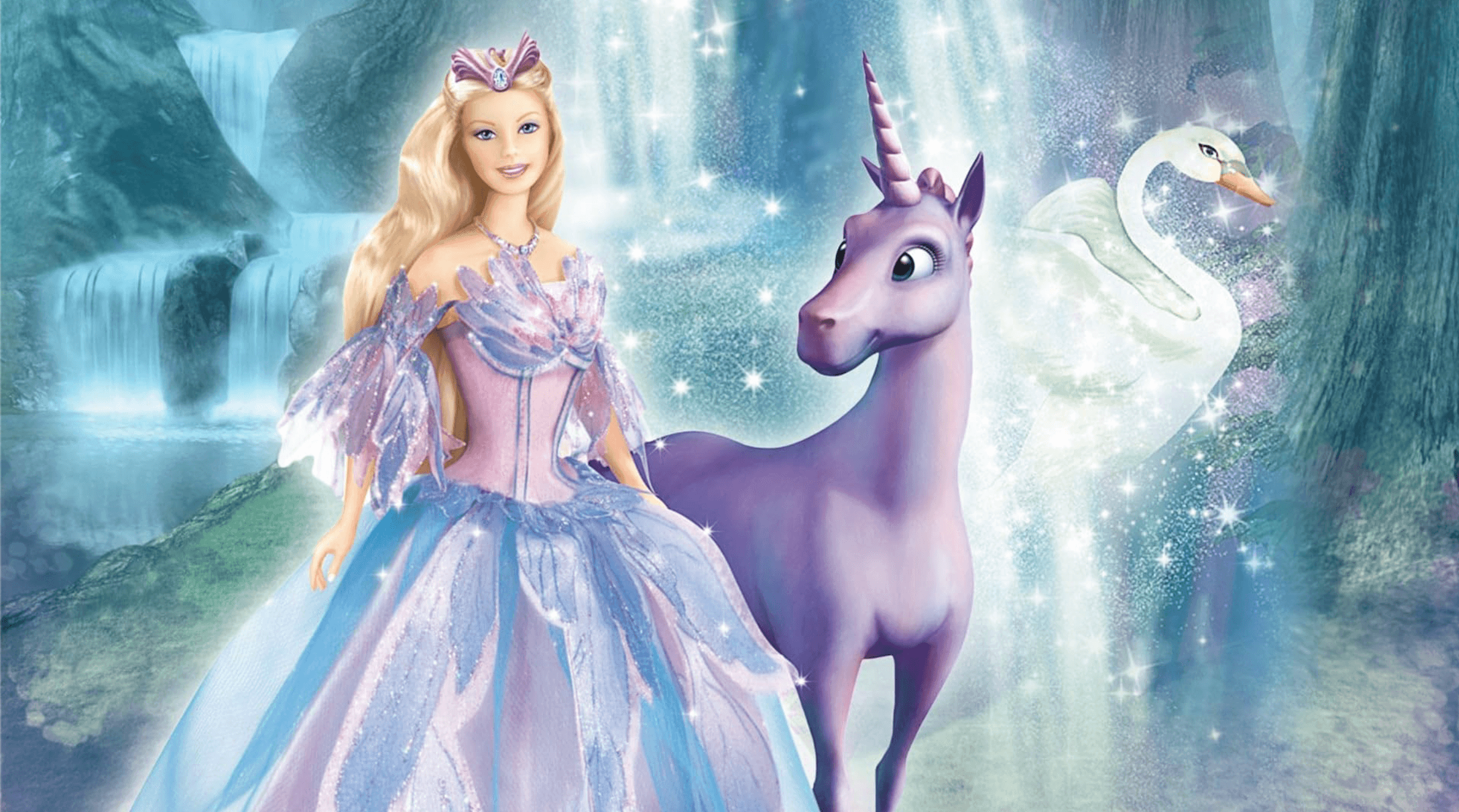
No longer the center of books, movies or television, unicorns have been slowly fading from fantasy — is it time for their magical return?
By SAVANNAH ANNO — arts@theaggie.org
It’s 2016. You’re in middle school, and your friends are posting photos of themselves holding plastic Starbucks cups filled with an icy, purple-pink mixture. Blue sour drizzle, mango syrup and cream blended together to create the nationwide phenomenon that was the Unicorn Frappuccino.
It didn’t just end there. The late 2010s marked a cultural shift for the mythological symbol of the unicorn. No longer an enchanted creature living in hidden forests, unicorns became a vibrant, rainbow and glitter explosion, beloved along with now-cringey icons like narwhals and moustaches. Food, clothing, makeup and skincare brands all gravitated towards the shimmery, pastel trend, which Vox has described as a widespread manifestation of “millennial nostalgia.”
Like most trends do, it seemed to disappear overnight. While we all may vaguely remember the brightly-colored drinks, unicorn onesies and Snapchat filters when prompted, trends simply vanish and fall to the wayside as new ones pop up everyday.
And so the unicorn, the original myth and a symbol of magic since the age of Ancient Greece, was reinvented and thrown away. Losing its original mysterious, woodland image created during the Renaissance, the unicorn now resides in our memories as a reminder of the 2010s. Who wants to revisit that?
It’s no surprise that today, unicorns have become a scarcely utilized creature in all forms of media. After their small feature in “Harry Potter and the Sorcerer’s Stone” and the 2019 ending of “My Little Pony: Friendship is Magic,” no one has picked up the unicorn in quite the same way. Compare this to the long list of works that vampires, dragons, werewolves and mermaids have amassed over the decades, and the discrepancy is easy to see.
While vampires received a return to their historical roots and a mature, frightening image in Robert Eggers’ 2024 hit “Nosferatu,” unicorns have only been recently portrayed in Alex Scharfman’s 2025 dark comedy “Death of a Unicorn,” which received a 54% on Rotten Tomatoes.
Shown as giant, almost dinosaur-like creatures with sharpened teeth and even sharper horns, Scharfman’s unicorns were a large step away from the caricatured 2010s image, but perhaps too large a step. Called “agonizingly unfunny,” in a review by IndieWire, the new film has done nothing to save the ancient myth’s image within pop culture.
With so many different — and largely unsuccessful — iterations of the unicorn in today’s media, is it even worth saving?
No matter their role in adult fiction, unicorns continue to be a staple in the hearts of children everywhere. Encouraging imagination, unicorns and rainbows are still largely featured in children’s books, toys and decorations. If they have the potential to be timeless for childhood, what’s stopping their transition back into the sphere of adult fantasy media?
While it’s hard to move past memories of trends that make us cringe or want to look away, the long history of unicorns as a symbol for imagination and rarity should be enough to forget about the creature’s — and our own — brief awkward phase of 2016. Images of horses with billowing hair and magical horns, running through a forest of flowers and tall trees, serve as representations of femininity, magic and even queerness.
When it comes to returning to childhood obsessions we were once made fun of for, unicorns sit at the top of the list, right next to princesses, ponies and Barbies. As girls continue to reclaim the once openly-hated “horse girl aesthetic,” become increasingly obsessed with images of wide-eyed baby deer and post montage clips of wild horses to Lana del Rey songs on TikTok, it feels that the return of the unicorn is just one more trend away.
Written by: Savannah Anno — arts@theaggie.org