






UC postdoc hiring incentive survives attempted shutdown
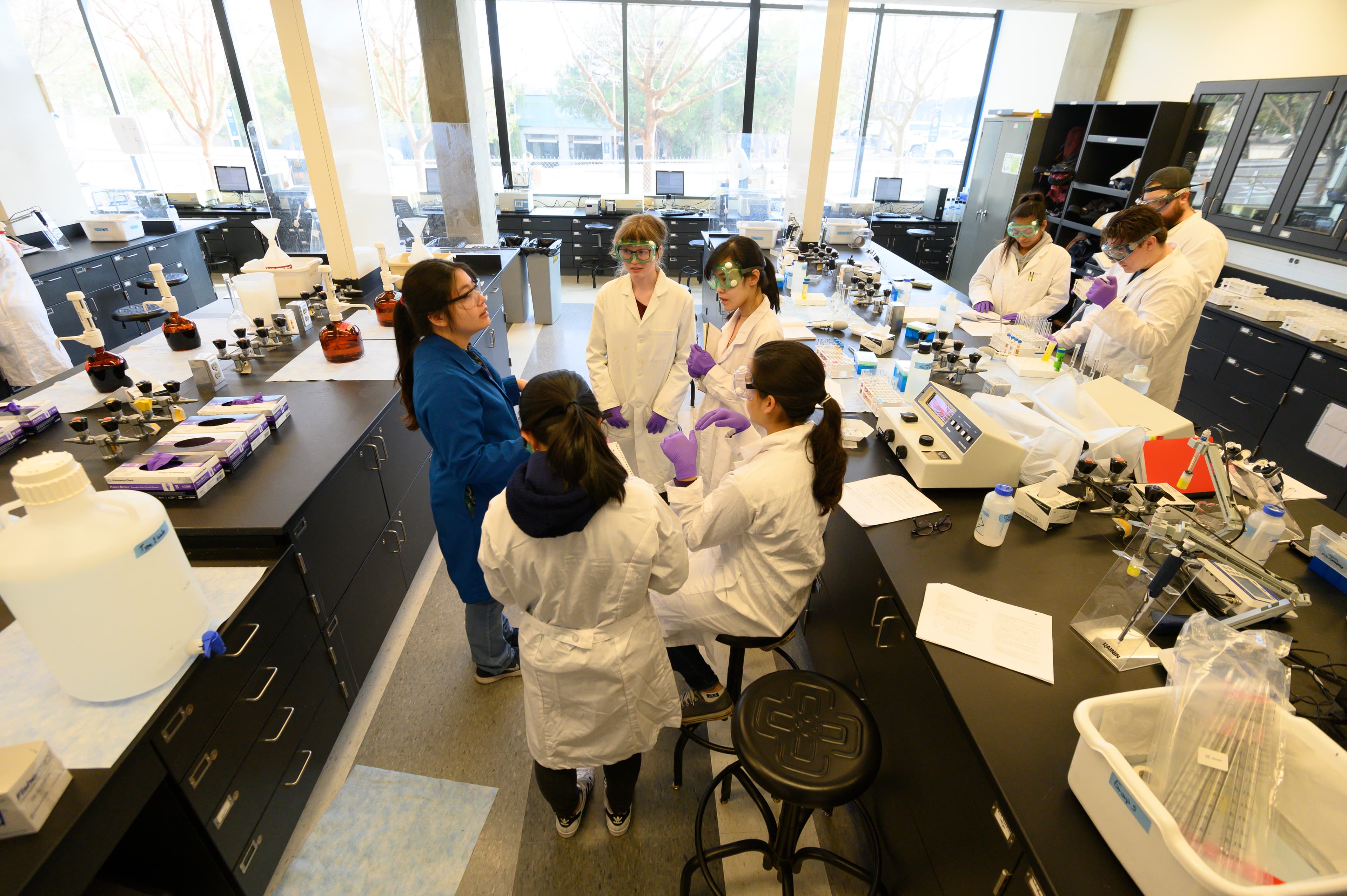
The UCOP reversed course, following pushback from over 1,000 faculty members
By KHADEEJAH KHAN — campus@theaggie.org
Following mass faculty mobilization, the University of California Office of the President (UCOP) has reversed its decision to end funding for the hiring incentive within the UC President’s Postdoctoral Fellowship Program (PPFP).
The announcement was made in a letter by UC President James B. Milliken to the UC Chancellors on Nov. 18.
“After learning more about the history and success of the program and weighing the thoughtful perspectives that have been shared, I have concluded that barring extraordinary financial setbacks, the PPFP faculty hiring incentive program will continue,” Milliken said in the letter.
The PPFP is a highly competitive program in the UC, offering postdoctoral research fellowships across all 10 campuses. The program has an acceptance rate of less than 5%; only 30 fellows are accepted each year across the UC system. It includes a generous hiring incentive, with current and past PPFP fellows paid $85,000 per year for the first five years of their ladder-rank positions.
The program has been a part of the UC system since 1984, and has historically incentivised women and minorities to pursue research within the UC system. Per a 2014 UC press release, some 75% of PPFP participants go on to tenure track positions at colleges or universities; more than half at a UC campus.
At each campus, fellows are expected to participate in academic life, pursue full time research, meet regularly with their assigned faculty mentor and avoid outside employment or additional commitments like teaching.
After news broke in early November that UCOP planned to rescind funding for the hiring initiative, a coalition of faculty systemwide issued a letter demanding the reinstatement of funding, calling on the UC to affirm its “core values of excellence, integrity, equity, diversity, and inclusion (Regents Policy 4400).” Over 1,000 faculty signed on to the letter in under two weeks.
“Targeting PPFP is an assault on the values of the University of California and a pre-emptive concession to the federal attack on our institution and higher education more broadly,” the letter reads.
For Michael V. Singh, former PPFP fellow and UC Davis professor of Chicana/o Studies, the removal of the hiring incentive fell in line with a larger trend of universities removing programs and initiatives related to diversity, equity and inclusion, following executive orders by President Donald Trump. Last March, the UC removed the requirement for diversity statements as part of faculty hiring.
“There’s structural reasons […] when you’re applying for jobs that lead to faculty of color, women [and] first-generation college students not getting hired,” Singh said. “The PPFP program felt like it was one program to try to repair that in such a way.”
UC Davis Middle Eastern History Professor Stacy Fahrenthold has mentored three different fellows. A firm believer in the mission of the public university, Fahrenthold didn’t just see the defunding of a hiring incentive as a loss for the program, but as a loss for the university as a whole.
“The hiring incentive is one piece of a much larger set of initiatives to promote service to a diverse California public,” Fahrenthold said. “It’s often presented as if we’re giving these emerging scholars a foot in the door, but it’s actually the opposite. UC reaps the benefit from this relationship. And faculty like me receive the benefit of developing collaborations with postdocs.”
Many staff members were concerned about the lack of consultation with the Academic Senate and faculty regarding the defunding of the hiring initiative. Fahrenthold and American Studies Professor Julie Sze, a former PPFP fellow and four-time PPFP mentor, questioned the lack of faculty shared governance in this process.
“When I heard of the announcement, I was absolutely stunned,” Sze said. “In the two weeks, you saw all of [the faculty] being mobilized around this.”
For faculty who advocated to keep the hiring incentive, the reinstatement of funding felt like a reminder of the power of organizing. Still, Sze noted that the future of the program and higher education as a whole depends on the ability of faculty to remain organized.
“It’s definitely evidence that organizing can have an impact,” Sze said. “But, every victory has to be followed up on. The idea that this organizing is effective is a really powerful one, and it’s a really important one, especially now. […] I think it’s always good to take every victory when it comes and acknowledge the limits, and then keep on staying organized. […] That’s actually the most important part.”
Written by: Khadeejah Khan — campus@theaggie.org