55.4 F
Davis

Davis, California

Sunday, December 21, 2025
Home Blog Page 144

Nuevo centro de investigación de UC Davis Health se establece para investigar la conexión entre el estrés crónico y la salud del corazón

El centro se enfocará en analizar factores sociales, ambientales y biológicos que impactan a los individuos de comunidades marginadas


Por KATIE HELLMAN — science@theaggie.org

Traducido por MARIANA MORENO ALEJO y KAELYN NEREY

Read this article in English.


UC Davis Health ha establecido un centro de investigación dirigido a estudiar la conexión entre el estrés y la salud del corazón en comunidades marginadas. El centro PRECISE: Psychosocial stRessors and Exposomics on Cardiovascular health In underServed multiEthnic populations (o en español, “Factores estresantes psicosociales y exposómicos en salud cardiovascular de comunidades multiétnicas marginadas”) está financiado por la Asociación Americana del Corazón (American Heart Association, AHA) como parte de una iniciativa de 13 millones.

El estrés crónico ha sido estrechamente vinculado a problemas cardiovasculares que incluyen la fibrilación auricular, enfermedad coronaria y muerte cardíaca repentina.

La pandemia de COVID-19 ha exacerbado los niveles de estrés profundamente, lo cual está teniendo efectos dañinos en la salud mental, de acuerdo a la encuesta sobre Estrés en América 2020 de la Asociación Estadounidense de Psicología (American Psychological Association).

“Estos factores estresantes acumulativos están teniendo consecuencias reales en nuestras mentes y cuerpos”, dice el informe de la encuesta. “Estamos enfrentando una crisis de salud mental a nivel nacional que podría producir graves consecuencias sociales y de salud en los años por venir”.

El estudio consiste en múltiples proyectos, cada uno con un objetivo diferente en mente. El Proyecto Uno reclutará participantes de diferentes orígenes con diferentes niveles psicosociales de estrés y estatus socioeconómicos con el objetivo de establecer una relación entre salud del corazón y factores sociales, ambientales y biológicos.

Nipavan Chiamvimonvat, jefe asociado de investigación en Medicina Cardiovascular y codirector del Instituto de Investigación Cardiovascular de UC Davis, proporcionó información sobre los principales objetivos del estudio.

“UC Davis Health tiene una de las poblaciones de pacientes más diversas del país”, dijo Chiamvimonvat por correo electrónico. “Por lo tanto, el objetivo general de nuestro estudio es determinar los efectos del estrés psicosocial crónico y sus consecuencias en el desarrollo de enfermedades cardiovasculares entre las poblaciones multiétnicas marginadas”.

Chao-Yin Chen, profesora de Farmacología en UC Davis, es una de las investigadoras que lidera los Proyectos Dos y Tres. En estos, utilizará modelos de animales para estudiar cómo los factores estresantes como el hacinamiento, el ruido y la interrupción del sueño afectan la salud del corazón.

“El estrés puede causar problemas cardíacos al activar muchas proteínas que son muy nocivas y causan daños, desencadenando eventos cardíacos como arritmias, cambiando la forma en que el cerebro regula el calor y contribuye al desarrollo de enfermedades cardiovasculares que aumentan el riesgo de problemas cardíacos”, dijo Chen.

Los investigadores también tendrán como objetivo descubrir patrones de vías utilizando análisis ómicos avanzados, que son enfoques integrales para el análisis de un gran conjunto de datos.

“Se espera que la crisis de salud mental tenga impactos negativos en la salud cardiaca, ya que se ha demostrado que el estrés psicosocial crónico es un factor de riesgo significativo para las enfermedades cardiovasculares”, dijo Chen. “Minimizar los factores estresantes y mantenerse activo puede reducir los niveles generales de estrés y los impactos del estrés en el corazón”.


Escrito por: Katie Hellman — science@theaggie.org

Traducido por: Mariana Moreno Alejo y Kaelyn Nerey

A medida que se acerca el verano, el café de Davis recibe a bandas locales y a músicos

Delta of Venus mantiene actuaciones locales cada domingo de 1-3 de la tarde


Por ZOE SMITH — city@theaggie.org

Traducido por JOSÉ HERNANDEZ

Read this article in English.


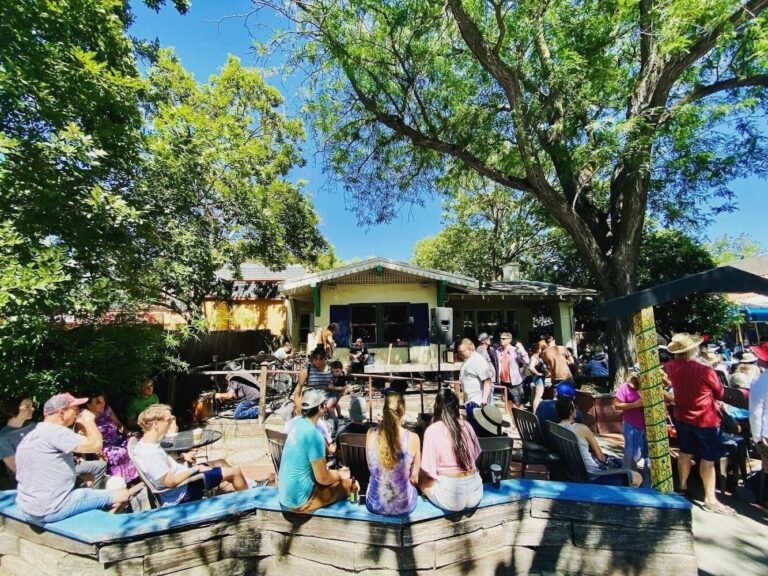
El 14 de mayo, el grupo musical Zorelli tocó en el café local de Davis Delta of Venus, ubicado en la calle 122 B. El área del patio estaba amontonada de gente escuchando música en vivo. De acuerdo a su página de Facebook, Zorelli clasifica su estilo como “experiencia musical infundida con jazz de reggae, soul, salsa, funk, R & B, ska, tango y calipso”. 

Zorelli, quien actúa en el evento ocasionalmente, empezó la serie de eventos semanales Delta of Venus, los cuales se llevarán a cabo cada domingo de 1-3 de la tarde.

Zorelli dejó de tocar públicamente durante la pandemia y justo ahora empieza a tocar de nuevo en conciertos normales. El tecladista y percusionista del grupo Wendell Fishman compartió porque es un placer actuar en vivo de nuevo.

“Hemos estado tocando juntos por un largo tiempo desde los principios del 2000”, dijo Fishman. “Tocamos en el festival de la tierra entera y es bueno estar de regreso en el Delta of Venus este fin de semana completo”.

Joe Wisgirda un amigo de la banda que produce música bajo el nombre de “Big Joe Daddy” habló sobre los miembros de la banda y su historia.

“Oh, esto es una reunión”, dijo Wisgirda. “Toca jazz caribeño, en verdad uno de los mejores músicos en el valle y tenemos algunas luminarias allí también. El chico tocando el tambor de acero ahora es todo el personal del quinteto de David Grisman. Rick Montgomery tocó la guitarra acústica con David Grisman durante cinco años”.

Wisgirda, que ha estado tocando música propia durante 20 años, visita el Delta of Venus cada domingo para escuchar las actuaciones y disfrutar del ambiente. 

“Vengo de un entorno clásico y empecé a tocar en fiestas de casa con mi amigo Wendell Fishman, el tecladista, y aprendí cómo improvisar y hacer jazz simplemente pasando el rato”, dijo Wisgirda. 

Lee Walthall, propietario del café, dijo que la meta principal de albergar estos conciertos locales es reunir a la comunidad a través de la música, arte y comida. Él ha sido propietario de Delta of Venus desde el 2001. 

“Muchos de los amigos en esta banda son de Davis, crecieron conmigo en Davis y fueron a la preparatoria, o fueron a UC Davis y se quedaron en el área después de graduarse”, dijo Walthall. “Mi experiencia es tocar música. De hecho, solía tocar en la banda que toco hoy, hace mucho. Así que cuando abrí un restaurante, una de mis metas principales era proveer un lugar para mis amigos y otra gente, especialmente, en la comunidad de Davis, para tener un lugar para tocar y llevar su música a la comunidad”.

La música en el lugar es libre para cualquier persona que asista y a las personas que estén interesados en reservar un espectáculo en el Delta de Venus pueden ponerse en contacto en contact.dov@gmail.com.


Escrito por: Zoe Smith city@theaggie.org

Traducido por: José Hernandez

UC Davis cultural drumming ensemble finds passion in making music and social change

Bakuhatsu Taiko Dan club celebrates Asian American art forms through explosive performances


By LYNN CHEN — features@theaggie.org


Bakuhatsu Taiko Dan is a student-run Japanese cultural drumming group at UC Davis founded in 2001. Taiko is the art of using traditional Japanese percussion instruments for performances. The group’s name is derived from the club’s enthusiastic playing style: “bakuhatsu,” meaning “explosion” in Japanese. 

“That’s a stylistic choice,” said Madeline Do, a third-year Japanese and environmental science and management double major and co-president and practice director for the group. “Other groups can be flowy and graceful, but we are sharp and explosive. I think that’s just been passed down through the years.”

According to Vesper Marchant, third-year design major and practice director for the club, even in the collegiate taiko community, Bakuhatsu Taiko Dan is known for its high energy. 

“We want to have explosive, energetic, memorable performances,” Marchant said. “Because whatever point we’re trying to get across, if we don’t do it with a lot of energy, it doesn’t come across as sincere.”

Each performance that Bakuhatsu Taiko Dan does is also completely original and an amalgamation of different taiko styles.

“The repertoires are made by members of the club,” Do said. “They make these songs with our style in mind.” 

Members who join usually bring in experiences from training with other taiko organizations or their own musical backgrounds to create the performances. According to Do, the group draws their main inspiration from San Jose Taiko and San Francisco Taiko Dojo. Additionally, the group learns from the playing styles of other collegiate taiko groups. 

Specific taiko figures also impact the club; for example, Do says that Tiffany Tamaribuchi, a well-known taiko performer in Sacramento, has an “aesthetic” the club is influenced by.

Members who’ve workshopped with these organizations then combine their experiences with “four principles” the club follows to create Bakuhatsu Taiko Dan’s unique style, according to Do. The principles, referenced from San Jose Taiko, include attitude, approaching playing taiko always with a beginner’s mindset; ki, balancing a player’s energy with the “soul” of their drum; kata, establishing the form and posture of drumming; and musicality, being attuned with the music of drumming itself.

Nearly all the drums the club uses are handmade, relying on materials such as cow hides, strands and hollowed-out trees. 

“[Members] from the past made them and passed them down to us,” Isabelle Woodruff-Madeira, co-president of the club and third-year Japanese and environmental science and management double major, said.

Included in each performance are the odaiko, chu-daiko and shime-daiko drums, different sizes for playing various parts of the main melody. There are also “auxiliary instruments,” or narimono, that accompany the main song, such as shakers and bells, according to Marchant. 

“Everyone has a part,” Marchant said. “Some of them are written; sometimes it’s improvised, but everybody kind of has a part that adds to the song.”

The club’s most recent projects include its annual showcase, “Tabidachi: To Embark On a Journey,” and its performance at the Davis Cherry Blossom Festival, a nonprofit event founded and produced by the Bakuhatsu Taiko Dan group. One of the main goals of the festival is to use music as a “powerful force for social change,” a core message the club seeks to communicate to its members and audience.

“Taiko in North America has roots in social justice,” Do said. “I would like people to take away that history.” 

Do hopes her members can reflect on performing an Asian American art form and gain more political consciousness after playing with the group.

Additionally, both co-presidents hope that the club has been able to foster confidence and a sense of community in its members. 

“I think playing really helps people grow their confidence in themselves,” Woodruff-Madeira said. “People know how to work together in a group and how to be a leader.”

Written by: LYNN CHEN — features@theaggie.org

Students and Coffee House staff share favorite drinks

The staff also explains Coffee House history to reveal customers’ favorite handcrafted drinks 


By ELIZABETH WOODHALL — features@theaggie.org 


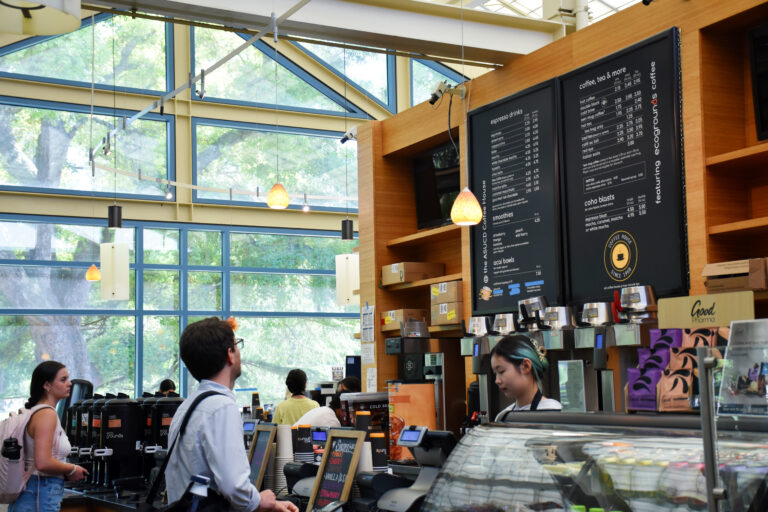
The UC Davis Coffee House brings in a lot of customers because of its location and price point. It serves more than 7,000 customers every day and has over 250 student employees, remaining the most popular UC Davis facility, according to the Coffee House website

The Coffee House — often referred to as the CoHo — was founded in 1968 and began as a Bohemian-style café located in East Hall, where Dutton Hall is now located. According to the Coffee House website, it was established by ASUCD with the concept of having a small eatery with high-quality food and a relaxing environment for students. The Coffee House moved locations twice, initially to the east side of the Memorial Union in 1973, then reaching its final location in 1991 at the west side of the Memorial Union. 

At Swirlz Bakery, where the handcrafted drinks are served, several adjustments have been made since its opening. It has changed with the customers’ needs, said Dustie Hincks, the front-of-house manager at the Coffee House, who has been an employee for the past three years. According to Hincks, student concerns with prices, quality of coffee and sustainability are most important to Swirlz.

One of the main changes to the Swirlz CoHo menu has been introducing the “drink of the month,” and staff has created a detailed process for adding drinks as temporary menu items. Many of the “drink of the month” items are beloved by the staff, including Hincks. 

“Right now, the drink of the month is our lavender latte, and that’s my personal favorite one,” Hincks said. “It’s something I’m trying to put on our menu board for, you know, a standard drink.”

After 55 years on campus, the menu has met frequent changes. Now labeled as a “sustainable operation” according to their website, the CoHo selects organic and fair-trade coffee from the local community, a decision that Darin Schluep, the director for Associate Student Dining Services, said was made regardless of cost because students requested the switch. 

Schluep has been employed for 27 years and started as a student employee at the Coffee House. He said that both students and staff have a great say over the adjustments made at the CoHo, which includes the menu’s temporary items, like the “drink of the month” staying longer than the intended time. 

“We have strived to adjust as needed based on the feedback that we get from the student customers, our staff and faculty customers as well as our student employees,” Schluep said. “Our baristas kind of get some input on those drinks, and […] that’s another opportunity where we give our students some kind of input on what they think would be popular and what would be good for our menu. So we always appreciate when we get positive feedback on those drinks as well.” 

Schluep said among his favorite drinks are the sparkling waters, which he said are great for hydrating throughout the day. He also included the white chocolate mocha as his favorite handcrafted coffee drink from Swirlz. 

“Those are kind of my guilty pleasure, so every couple of weeks, I try to have one of those,” Schluep said. “We’ve had several of our drinks of the month that have just been delicious. In fact, last month’s honey bee latte was a delicious drink.” 

Lindsey Kurtz, a third-year biotechnology major, said that she goes to the CoHo a couple of times per quarter. She said that the location is convenient because she works on campus, and it is also close by when she needs coffee after class. 

Kurtz said that her favorite drink does not vary often, but she is open to trying a few items that seem fun. 

“I think I get the caramel macchiato the most often, just because I think it’s good hot or iced, which is nice for, like, the winter and the summer,” Kurtz said. “I have tried their tuxedo one just because I never heard of it before, and that was pretty good too. I know one time I went, and they had, like, a honey bee latte or something like that, which was drink of the month. I think those are cool. Sometimes, when I feel adventurous, I’ll try those, but I think it’s kind of just fun to see.”

Kyley Linn, a third-year biochemistry major, said that she goes to the Coffee House once a week to study but doesn’t always get a drink. She said her favorite drinks vary, but that she thinks the selection is usually cheaper and higher quality than Peet’s Coffee on campus. 

“They are cheaper,” Linn said. “But also for some of the drinks, I think they are honestly better. Like the chai, I think, is better than Peet’s. Also, the cold brew I think is better. I used to get the latte a lot, but then recently, I got the creamy cold brew, and that is my favorite right now. I love that so much.”

For other students, simple drinks are the way to go. Ashwin Singh, a fourth-year philosophy and political science double major, goes to the CoHo every other day. 

“Iced coffee [is my favorite drink]. It’s quick to get, and I hate sugar,” Singh said. 

Sandra Rodriguez, a first-year communication major, goes to the CoHo about twice a month. She prefers Swirlz because they have more options for tea. 

“I don’t remember the name of the tea, but I mixed it with lemonade, and it was really good,” Rodriguez said. “This is my go-to when I’m cold.”

Smoothies are other students’ go-to. Sheamain Khan Kakar, a second-year international relations major, goes to the CoHo once a week, specifically because of its location and smoothie selection.  

“It’s close when you go to class, and it’s literally right next to you, so you don’t have to walk all the way downtown,” Kakar said. “[The] beets smoothie [is my favorite drink], but it hasn’t changed because I don’t like anything else there. I’m a smoothie person in general.” 

Aly Guansing, a fourth-year molecular and microbiology major, said that she goes to the CoHo three times a week because even if it isn’t her favorite option, it is a “quick go-to place.” 

“My current favorite drink is a strawberry mango smoothie,” Guansing said. “This has changed because I think in the past, like when I was about a freshman, I would go and drink their vanilla latte, [but] after drinking from other coffee places, I decided that I liked other coffee places more than the CoHo.”

Hallie Wong, a second-year communication major, said that she does not go often — once every two to three weeks — but gravitates toward the CoHo because it is the center of campus. She said her favorite drink is a “simple” latte, which has remained the same since freshman year. 

Alana Eng, a fourth-year English major, said that they go to the Coffee House once every two weeks. When asked about their favorite drink from Swirlz, they said that it has remained the same. 

“It will always be the iced matcha latte with oat milk,” Eng said. “I feel like it’s much smoother, it’s sweeter, it’s a nice little boost for my day and it’s at a reasonable price point. I’m really a fan. I think the CoHo already does a really good job of knowing their audience, given that the people who […] work there are already students, so they know what’s going on.”

Marisol Osorio, a third-year economics major and a cashier supervisor at the Coffee House who has been working there since February 2022, said recent changes for Swirlz have included providing more milk alternatives, like oat and almond milk, and the “drink of the month,” which she said can be seen as a collaborative project for the CoHo Swirlz staff, specifically for the baristas. 

She said that her favorite drink is a caramel macchiato.

“It’s really great because I always ask for my caramel macchiato to be made just a little bit differently than, like, a typical one would be made, and not as in, like, I change the ingredients or anything,” Osorio said. “But I think the great thing about CoHo is that if you just ask, we just do it for you. So if you want an extra pump, like a syrup, or if you want more caramel on it, or if you want it stirred or shaken, [you can ask for that].” 

Written by: Elizabeth Woodhall — features@theaggie.org

As summer approaches, Davis cafe hosts local bands and musicians

Delta of Venus holds local performances every Sunday from 1-3 p.m.  


By ZOE SMITH — city@theaggie.org

Lea este artículo en español.


On May 14, the music group Zorelli played at the local Davis cafe Delta of Venus, located on 122 B Street. The patio area of the cafe was crowded with people listening to the live music. According to their Facebook page, Zorelli classifies their style as a, “jazz-infused musical experience of reggae, soul, salsa, funk, R&B, ska, tango, and calypso.” 

Zorelli, who performs at the venue occasionally, kicked off Delta of Venus’s series of weekly concerts, which are to be held every Sunday from 1-3 p.m.

Zorelli stopped playing publicly during the pandemic and is just now beginning to play normal gigs again. Keyboardist and percussion player for the group Wendell Fishman shared why it’s such a pleasure to perform live again. 

“We’ve been playing together for a long time since the early 2000s,” Fishman said. “We played the Whole Earth Festival and it’s nice to be back at the Delta of Venus for this whole weekend.”

Friend of the band Joe Wisgirda, who produces music under the name Big Joe Daddy,  talked about the band members and their history.

“Oh, this is a rally,” Wisgirda said. “They play Caribbean jazz, really some of the best musicians in the valley. And we’ve got some luminaries there too. The fellow playing steelpan right now is all David Grisman quintet personnel. Rick Montgomery played acoustic guitar with David Grisman for about five years.” 

Wisgirda, who has been playing music of his own for 20 years, visits the Delta of Venus every Sunday to listen to the performances and enjoy the ambiance. 

“I came from a classical background and started playing at house parties with my friend Wendell Fishman, the keyboardist, and learned how to improvise and do jazz just by hanging out,” Wisgirda said.

Lee Walthall, the owner of the cafe, said the main goal of hosting these local concerts is to bring the community together through music, art and food. He has owned Delta of Venus since 2001. 

“A lot of the folks in this band are from Davis, grew up with me in Davis and went to high school here, or went to UC Davis and stayed in the area after graduating,” Walthall said. “My background is in playing music. In fact, I used to play in the band that played today, long ago. So when I started a restaurant, one of my main goals was to provide a venue for my friends and other people, especially in the Davis community, to have a place to play and bring their music out into the community.”

 The music at the venue is free to anyone in attendance, and people who are interested in booking a show at Delta of Venus can contact the venue at contact.dov@gmail.com

Written by: Zoe Smith city@theaggie.org

New UC Davis Health research center established to investigate correlation between chronic stress and heart health

The center will focus on analyzing societal, environmental and biological factors that impact individuals in underserved communities


By KATIE HELLMAN — science@theaggie.org 

Lea este artículo en español.


UC Davis Health is establishing a research center geared toward studying the correlation between stress and heart health in underserved communities. The PRECISE (Psychosocial stRessors and Exposomics on Cardiovascular health In underServed multiEthnic populations) Center is being funded by the American Heart Association as part of a $13 million initiative.

Chronic stress has been closely linked to cardiovascular issues including atrial fibrillation, coronary heart disease and sudden cardiac death.

The COVID-19 pandemic has exacerbated stress levels profoundly, which is having harmful effects on mental health, according to the 2020 Stress in America survey from the American Psychological Association.

“These compounding stressors are having real consequences on our minds and bodies,” the survey report reads. “We are facing a national mental health crisis that could yield serious health and social consequences for years to come.

The study will consist of multiple projects, each with a different goal in mind. Project One will recruit participants from various backgrounds with different psychosocial stress levels and socioeconomic statuses, aiming to establish the relationship between heart health and societal, environmental and biological factors.

Nipavan Chiamvimonvat, the associate chief for research in cardiovascular medicine and the co-director of the UC Davis Cardiovascular Research Institute, provided insight into the main objectives of the study.

UC Davis Health has one of the most diverse patient populations in the country…,” Chiamvimonvat said via email. “Therefore, the overarching goal of our study is to determine the effects of chronic psychosocial stress and its consequences on cardiovascular disease development among underserved multiethnic populations.” 

Chao-Yin Chen, a professor of pharmacology at UC Davis, is one of the researchers leading Projects Two and Three, in which she will use animal models to study how stressors like overcrowding, noise and sleep disruption affect heart health.

“Stress can cause heart issues by activating many proteins that are very harmful and cause damage, triggering cardiac events such as arrhythmias by changing how the brain regulates heat and contributing to the development of cardiovascular diseases that increase the risk for heart issues,” Chen said.

The researchers will also aim to discover signaling pathway patterns using advanced omics analyses, which are comprehensive approaches for the analysis of a large set of data.

“The mental health crisis is expected to have negative impacts on heart health, as chronic psychosocial stress has been shown to be a significant risk factor for cardiovascular diseases,” Chen said. “Minimizing stressors and staying active can reduce overall stress levels and the impacts of the stress on the heart.”


Written by: Katie Hellman — science@theaggie.org

UC Davis’s beverage pouring rights contract with Pepsi set to expire in August

ASUCD Environmental Policy and Planning Commission is urging the university to refrain from entering another contract with the brand


By KAYA DO-KHANH — campus@theaggie.org


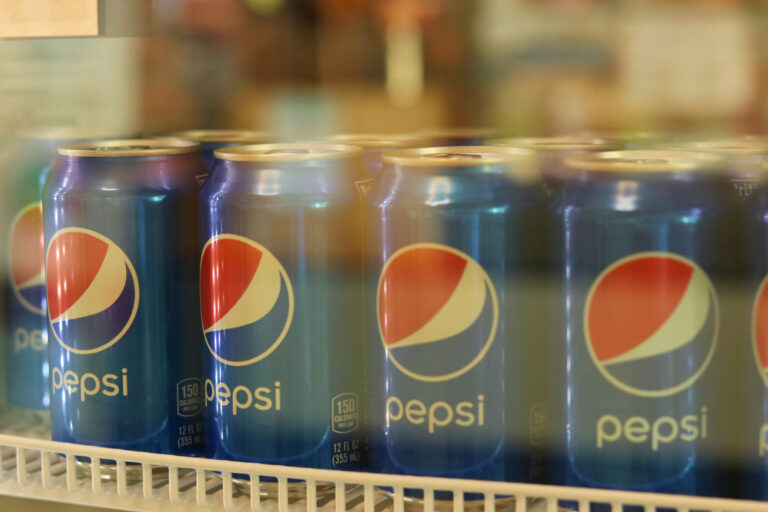
UC Davis’s 10-year deal with Pepsi Beverages and Co. is expiring on Aug. 31, 2024. The agreement brought in approximately $10 million for student scholarships and other support programs for students. It also gave Pepsi near-exclusive rights to sell, advertise and promote its soft drinks and other products on campus, including in the dining commons and at athletic concessions stands. The university previously signed a 10-year contract in January 2004 with Coca-Cola, which guaranteed $1.5 million in addition to vending commissions to the university. 

According to the Assistant Director of the UC Davis Preferred Partnership Program (UP3) Ethan Shawlee, there have not been any potential partners identified for a new contract, nor has a request for proposal been drafted yet. Once a request for a proposal is provided, potential partners could respond and then be evaluated. 

“There are ongoing discussions within the work group of risks and benefits of a variety of options going forward, one of which includes not entering into another beverage pouring rights contract,” Shawlee said via email. 

The mission of UP3 is to secure and manage campuswide, collaborative and strategic partnerships with preferred business partners that line up with the university’s values. The UP3 Advisory Committee is made up of voting and non-voting members from the campus student body, faculty and administration. The committee reviews partnership category working group recommendations and votes on the opportunities for partnership, which are then sent to the Chancellor’s Leadership Council for final approval. 

According to Shawlee, the pouring rights contract provides a number of benefits to the campus, such as the inclusion of contractual limits on price increases, funding for student scholarships and activities, disadvantaged youth programs, sustainability and athletics. 

“The primary limitation of the contract is an exclusivity clause, requiring UC Davis to purchase beverages from Pepsi for specific commodity areas,” Shawlee said via email. “The current contract requires 90% exclusivity in this area, meaning that 10% of UC Davis beverage purchasing can be from other suppliers.”

  On March 3, the ASUCD Environmental Policy and Planning Commission (EPPC) wrote a letter to the Pouring Rights Committee, stressing its concern about the current contract and requesting that the university not sign another pouring rights contract. 

“As the environmental leaders of the #1 Most Sustainable University in North

America in 2022, UC Davis’ association with PepsiCo is in contradiction with our campus’ environmental standards,” the letter from EPPC states. “Promoting the sale of beverages in single-use containers on campus directly undermines UC Davis’ waste reduction and carbon footprint goals. For example, the Pouring Rights Contract contributed to UC Davis not reaching its zero waste goal by 2020.”

Shawlee said that sustainability is one aspect of the conversation in regard to the selection of a preferred partnership. 

“Sustainability is an important consideration in aligning with campus priorities and objectives for preferred partners on campus,” Shawlee said. “This is a component of the ongoing conversations with regard to pouring rights and the Office of Sustainability is represented on the Beverage Pouring Rights Industry Working Group.”

The EPPC also partnered with ASUCD senators to develop SR #6, which calls on the UC Davis Beverage Pouring Rights Industry Working Group to refrain from entering into a new pouring rights contract, and it passed at the May 18 Senate meeting. 

“I am in support [of the resolution] because I have learned that the pouring rights contract will undermine our campus’s ability to reduce the use of single-use plastics, and because many students have personally told me that they oppose this contract,” said ASUCD Senator Stephen Fujimoto, who is a co-sponsor of the resolution. 

Third-year environmental policy analysis and planning major and Commissioner of EPPC Leo Hecht is planning a demonstration for Thursday, June 1 at 12 p.m. on the Quad in opposition of a potential deal. The tagline for the demonstration is “Pepsi Off Campus UC Davis.”

“The idea was to get student interest and put it at the forefront of students’ minds,” Hecht said. “I think that if more people were aware of [the contract], they would be against it, and I think we need to show the administration and the decision makers that there is a mass of student support around not having a new contract with Pepsi.”

Mackenzie Field, author of SR #6 and the previous EPPC commissioner, said that EPPC is planning to make students more aware of the expiration of the beverage pouring rights contract.

“They really haven’t been soliciting enough student feedback, which I feel like is the biggest problem here because students can go on drinking the sugary drinks that are affecting their health; they have no choice,” Field said. 

At The California Aggie’s spring quarter meeting with Chancellor Gary May and other members of the administration, May and Vice Chancellor for Finance, Operations and Administration Clare Shinnerl responded to a question about the contract.

“Like everything else we do, there’s a process,” May said. “There’s a group committee of experts who are gathering input and having discussions, and they’re going to make a recommendation to the administration on what we should do.”

Shinnerl elaborated on the composition of the committee. 

“The committee is very diverse,” Shinnerl said. “It includes students, it includes staff and faculty, people who are against it and for it. So it’s not just a single viewpoint on this committee. They’re talking to many of you, so we’re waiting to see what their recommendations are.”

Written by: Kaya Do-Khanh — campus@theaggie.org

Secrets from a Starbucks barista

Drinks and customizations that are sure to improve your next coffee run


By MAYA KORNYEYEVA — mkornyeyeva@ucdavis.edu


To some, Starbucks can seem slightly overwhelming, with their special beverage size names and dozens of modifications for their constantly expanding drink options. Many just stick to one or two drinks every time they visit their nearest cafe for fear of spending money on something they will not like.

Having worked as a Starbucks barista for nearly two years, I have not only become addicted to coffee but also developed a roster of the very best options that Starbucks has to offer. Trying every coffee available and taste testing all the syrups, milk alternatives and refreshers, and then trying random combinations of them all, has provided me with some insight into the best Starbucks has to offer.                                                                                                                                                                           

Here are a few of my top choices for beverages and customizations to make on your next trip to Starbucks a little bit more of an adventure. 


Blonde Espresso

This is probably the oldest one in the books. Ask any Starbucks barista that enjoys a spot of espresso and every single one will confirm that blonde is the way to go. Blonde espresso is a light roast, which makes it brighter and creamier than the regular, dark roast espresso. Because of this, it pairs amazingly with syrups. That is why Starbucks’ shaken espressos have mainly transitioned to featuring blonde espresso, as customers and baristas alike are championing this coffee blend. Some of my favorite ways to drink blonde espresso are with a few pumps of white mocha and cream, or in a dirty chai: a medium iced blonde ristretto latte with a few pumps of chai syrup.


Soy Milk

Starbucks uses vanilla-flavored soy milk, which makes this the perfect alternative milk if you want a drink that is subtly sweet without adding a lot of additional sweetener. Soy is my personal favorite, with oat milk taking a close second place, and it is a great addition to any cold brew or iced coffee. While Starbucks does charge $0.80 to swap in alternative milk for the entire drink, a “splash” or half an inch addition to any beverage is free. 


Cold Brew

Starbucks cold brew and nitro cold brew are strong, silky smooth black coffees poured straight from the tap. Even though I was not a fan of coffee when I first started working at Starbucks, cold brew won me over slowly but surely. The key is to sweeten the brew with cream and syrup. Having tried all the cold brew varieties, salted caramel cream cold brew has come out on top with its deliciously complex flavor palette. For something a little more simple, vanilla sweet cream nitro cold brew also hits just right. An important thing to know is that if you order any cold brew, iced coffee, black coffee or tea, you are able to get a free refill the same day with the Starbucks app, or pay a mere $0.50 in-store. This trick has gotten me through many long days of studying these past few quarters.


Milk tea

While Starbucks does have its tea lattes — such as the Royal English Breakfast tea latte or the London Fog — these are the bane of a barista’s existence. Preparing these drinks iced can be a hassle as you have to wait 5 minutes for the tea to steep before shaking it with the rest of the ingredients. As a bubble tea addict, here is an easy and absolutely delicious milk tea recipe that I have created while at Starbucks. Order a black iced tea, no water with half vanilla syrup and half brown sugar syrup and a splash of your favorite milk or cream. Add a dash of sweet cream as an optional final touch.


Tropical Refresher

If you’re tired of the current refreshers and want something a little more jazzy, order a mango dragon fruit lemonade without the berry inclusions, and with a splash of passion tango tea on top. If you ask the barista to add the passion tea as the final touch (without shaking!), the beverage will have two beautiful layers and probably get a few passersby to ask what drink it is. It tastes sharp and sweet, and is especially nice on a hot summer day.


Coffee blends

Out of the 10 Starbucks whole-bean coffee blends that I have brewed to sample, two stood out to me as exceptional. While perhaps no match for Philz or other specialty pour-over blends, Starbucks’ dark roast Cafe Verona and light roast Veranda Blend both have unique flavor notes that make them quality options for making coffee at home. Cafe Verona is naturally sweet with notes of dark chocolate, making it enjoyable to drink even without milk or sugar, and Veranda has a soft, floral complexion that brightens the palette and tastes delicious when sweetened.


I hope I have given you a few solid recommendations that make ordering at Starbucks a little more fun and daring. Who knows? Perhaps you will also discover a simple non-menu item that gives your morning coffee more bang for your buck.


Written by: Maya Kornyeyeva — mkornyeyeva@ucdavis.edu

Disclaimer: The views and opinions expressed by individual columnists belong to the columnists alone and do not necessarily indicate the views and opinions held by The California Aggie.

ADHD diagnoses need to be reworked for girls

Hyperactivity is only one of many symptoms of the disorder, and it doesn’t manifest itself as often in girls


By AUDREY BOYCE — afboyce@ucdavis.edu


Contrary to common belief, ADHD is not just limited to disruptive young boys who cannot sit still in their seats. The ADHD diagnosis for females doubled from 1997 to 2016. However, there is still a significant gender gap between diagnoses. As of 2019, 11.7% of males have been diagnosed as opposed to only 5.7% of females.

From my experiences in grade school, it seemed like many girls were described as “polite” and more likely to sit in their chairs and be still. Being rambunctious and disruptive was more typical of young boys. Although there are many exceptions, this was often the case. If a girl struggles with her grades or scores lower on standardized tests, ADHD was not considered the cause of this because “she is mellow and quiet.”

It often is not until females reach puberty that they show more clear symptoms of ADHD. They may be referred to as “spacey” and may struggle to pay attention, constantly lose things or continuously forget to do daily tasks. However, because they were not hyperactive as children, often nobody suspects ADHD is the cause.

In my experience, the best way to describe the way the ADHD mind works is like a movie being made without a director. All the actors, the camera crew and the writers have the skills and capabilities to do their jobs, but there is nobody to organize all the moving parts, so the result is chaos. The actors, camera crew and writers represent different parts of a brain that function director-less. 

According to Medical News Today, female symptoms include more inattentiveness, depression and anxiety, whereas men are more likely to have higher rates of impulsivity and hyperactivity. Since women display these more internal symptoms in comparison to external ones, they are highly underdiagnosed.

Even though ADHD is often most noticed in females when they reach puberty, for males, it can be quickly detected in childhood. According to the DSM-5 (The Diagnostic and Statistical Manual of Mental Disorders), a requirement in order to be diagnosed is “several inattentive or hyperactive-impulsive symptoms to be present before age 12 years.” Clearly, the DSM-5 targets the behaviors most often associated with males with ADHD for diagnostic criteria. 

In addition to outdated diagnostic criteria, societal expectations for girls and boys can affect their tendency to express the same amount of hyperactivity. While young girls are often expected to play quietly, many young boys are outside learning how to tackle each other in football. I believe the developmental norms of play may affect the degree to which symptoms are outwardly visible for girls versus boys.

Professionals are not the only ones contributing to girls being underdiagnosed. Because of these stereotypes about ADHD, parents and teachers often do not think about having their child tested for the disorder. For any mental disorder, having a diagnosis provides clarity on whether or not someone decides to take medication or seek out therapy. 

It is essential that the stereotypes surrounding ADHD are broken and that girls and women can get the treatment and clarity they may need.


Written by: Audrey Boyce — afboyce@ucdavis.edu

Disclaimer: The views and opinions expressed by individual columnists belong to the columnists alone and do not necessarily indicate the views and opinions held by The California Aggie.

What’s next for Davis’s Unsheltered Community Plan?

Following the Unsheltered Community Plan created in response to the recent stabbings, Davis intends to provide more support for the unhoused community


By: Alma Culverwell — city@theaggie.org 


The city of Davis and Davis Community Meals and Housing created and implemented an unhoused community shelter plan in response to the recent stabbings. Dana Bailey, social services and housing director for the city of Davis, described the process that went into developing the plan.

The process came together very quickly,” Bailey said. “Once we realized, or once [the police department] informed us that the [third] attack that occurred was a member of our unhoused community, what the city did was to reach back out to the folks that helped us to manage our emergency winter shelter. We had a plan in place that we used for the emergency winter shelter that we operated between November and March of this year.”

Bailey talked about the process of working with Davis Community Meals and Housing throughout the process to address the issue as soon as possible.

“So we reached back out to Davis Community Meals and Housing and said, we’ve got this new emergency, […] can we reactivate?” Bailey said. “So we developed the work plan to address specific areas. We talked about where we would do this and then what the hours of operations would be, what kind of staffing we needed, what kind of supplies we needed. We had a strategy for meals and for safety and for a health mitigation plan because we still have to make sure that if we’re still on the downside of COVID.”

The city provided approximately two dozen emergency beds as well as meals for people in need in response to the stabbings. The emergency beds are typically a limited seasonal resource offered in winter but they reopened them due to the emergency. Davis Community Meals and Housing is offering shelter at Paul’s Place and the 5th Street Location. Bill Pride, the executive director of Davis Community Meals and Housing, described the support Davis Community and Meals provided during a time of need.

“Well, we opened up a small shelter for a couple of nights before […] the perpetrator of the stabbings was arrested on that Thursday,” Pride said. “So we opened up for three nights, Tuesday, Wednesday, Thursday. And during those three nights, between the Fifth Street location and another location we had at Paul’s Place, we were housing up to 24 people a night.” 

Several other local organizations are also assisting with the plan. Davis CAN will aid with donations, HEART of Davis plans to provide meals and the Daytime Respite Center is increasing staff size in hopes of giving more resources and assistance to unsheltered people.

Bailey shared the most important way that community members can help unsheltered people moving forward. 

“Right now, because we’ve got a really good system in place with our direct service providers, the best way that the community can help is to support those direct service providers. That’s Community Meals and Housing and our Daytime Respite Center that’s operated by community care,” Bailey said.“They are working directly with our unhoused community. They’ve already developed trusting relationships with folks. They know that those are the places that they can come to get services to get laundry done, to get materials like tents  and gloves and whatever they need. Those are the two places that they go where they feel safest.” 


Written By: Alma Culverwell — city@theaggie.org 


UC Davis sets new records and claims medals at the Big West Championships

Chelsea Daye and Brianna Weidler win first place in respective events at conference meet


By MEGAN JOSEPH — sports@theaggie.org


One of the largest championship meets in the season came to an end on May 13. This year’s Big West track and field Championships meet consisted of two weekends of competition, May 5-6 and May 12-13. The first weekend of the championship consisted of the heptathlon (seven-event race) and decathlon (10-event race) multi-event contests that included highlights from Aggie second-years Ryan Ishibashi and Jayme Henderickson. 

Ishibashi was a strong competitor in all of the events in the men’s decathlon but showed his true abilities in the pole vaulting portion. Ishibashi vaulted 4.61 meters or 15 feet and 1.5 inches, earning him second place among all of the male decathlon pole vaulters. Henderickson, who competed in all seven of the women’s heptathlon events, jumped an astonishing 1.61 meters, or 5 feet and 3.25 inches, in the high-jump event. The UC Davis’s track and field team left the meet with many new records, awards and stats. 

One of the largest and strongest wins from the meet came during the second weekend, from fourth-year Chelsea Daye. Daye was producing strong stats all season in her events, but more importantly, she had one of her best performances over the weekend, taking the win in the women’s long jump competition. Daye jumped 19 feet and 11.50 inches, or 6.08 meters, which was the longest jump of the day. The jump was her second attempt of the day and was a personal record for the senior. The new record gives Daye the title for the fourth-longest jump of all time in the UC Davis track and field program. On top of that, Daye was named “Student-Athlete of the Week” by UC Davis for her incredible performance. 

Daye became the first Aggie to take home the gold in the tournament. She was followed later in the competition by second-year Brianna Weidler, who ran a 16-minute-and-9.74-second 5000-meter race. Right behind her was third-year Sierra Atkins, who ran a 16-minute-and-16.45-second race that earned her the silver medal. Atkins was the previous reigning 5000-meter champion with the school record for the indoor 5,000-meter she obtained earlier this season, but her best event of the day came in the women’s 10,000-meter run.  

Atkins, who had never raced in the 10,000 meter at a collegiate level before, ran a 33-minute-and-52.59-second race that broke the previous school record. The Santa Rosa native had a historic meet and set a record that will be hard to beat for the upcoming years.

The long jump competition wasn’t the only jumping event to see an outstanding performance by the Aggies. Second-year Lauren Spellman jumped 5 feet and 5.25 inches, or 1.66 meters, which earned her third place. Her teammates third-year Sierra Meier and first-year Elizabeth Churchil also performed well. Meier tied for fourth place with another competitor, and Churchil, who actually tied Spellman’s distance at 5 feet and 5.25 inches, placed sixth due to using more attempts at previous heights. 

Other important performances came from third-years Joseph Monti and Corey Moore in the men’s 400-meter hurdles and men’s discus throw respectively. Monti ran an astounding 53.45-second race in the preliminaries, beating his previous personal record of 53.72 seconds. This earned him a spot in the final, where he ran a 53.95 which resulted in sixth place overall.

Moore, like Monti, also beat his previous personal record at the championship by throwing 181 feet and 10 inches, or 55.43 meters. This earned Moore 3rd place in the event and established him as a prominent athlete to look out for in future competitions.

Overall, the Aggies had a very successful meet, producing many wins and accomplishments. UC Davis will look to replicate their success going into next season as the program looks to continue the upward trend. 

Written by: Megan Joseph — sports@theaggie.org

FoodieLand brought good eats and entertainment to Sacramento

Some of the night market’s vendors discuss the annual event 


By LORENA ALVAREZ — arts@theaggie.org


FoodieLand Night Market is a festival featuring over 170 vendors whose food varies from Mexican to Korean to Salvadorian and Filipino cuisines. Vendors such as  Birrieria San Marcos, who specialize in birria de res, a beef dish from Jalisco, Mexico, as well as drink, dessert and retail vendors, make up this three-day outdoor event that takes place in Berkeley, Las Vegas, Los Angeles, Sacramento, San Diego, San Jose and San Mateo.

FoodieLand takes place over 15 times annually in various locations, which are announced each year on its website. While it is too soon to see what vendors will be attending the following locations, the festival will be visiting these locations in the next couple of months. San Jose can expect the festival to come to Santa Clara County Fairgrounds on June 9-11 and Sept. 8-10. FoodieLand will visit Berkeley at the Golden Gate Fields on Aug. 4-6, 11-12 and Oct. 6-8. The festival will also be held at Del Mar Fairgrounds in San Diego on Sep. 22-24.

Attendees can enjoy Egghausted — a tamagoyaki vendor that makes omelets with cartoon characters designed on them — at San Mateo’s County Event Center on May 26-28 and June 30 to July 2. Those attending Los Angeles’s nights can look forward to trying Bonanza Bakery & Cafe, a bakery known for its animal-shaped mousse cakes, at the Rose Bowl Stadium on June 23 to June 25.

Although the festival has already passed in Sacramento, having taken place on May 12-14 at Cal Expo, attendees can enjoy the festival again later this year on Sept. 1-3 and Sept. 29 to Oct. 1.

One of the vendors at the most recent market in Sacramento was Ember + Clay Handcrafted Goods. According to the owner of the small business Alyssa Wirick, Ember + Clay candles are made with soy and beeswax, which are “naturally derived waxes,” as well as with essential oils that are phthalate and paraben (toxins) free.

Wirick noted that her candles are made with toxin-free products because she wanted a candle that would not harm our “developing lungs,” like “typical candles on the market” made from trillium-derived ingredients.

Tania Shahvali, a third-year UC Davis pharmaceutical chemistry major who bought a candle named “Caramel Corn Stand” from Ember + Clay, commented in an interview on the price of the candle she purchased and the company’s refill policy which incentivizes recycling.

“It was only $18 for 10oz, which is really good. It makes my whole room smell like caramel, and the company refills your candle at a discounted price if you take the jar the original candle came in so they can refill it,” Shahvali said. 

Another popular stand was LobsterHaus, a grilled lobster vendor. Amanda Kim, a UC Davis alumnus who is now a special education teacher, shared her favorite food from the stand. 

“Their lobster was delicious and juicy,” Kim said. “The ramen was meh so I’d opt out next time.”

However, Kim also commented on some of the less successful aspects of the event. 

“Prices were way too high,” Kim said. “The lobster meal was $40 to 45. Bone marrow for just one piece was $22 to 25. Even water was $4 for a bottle.”

Despite this, Kim said she had an overall positive experience.

“Luckily, lines were relatively short for being so crowded. Wait time was maybe five to ten minutes at best,” Kim said. “[…] I’d recommend FoodieLand just for the fun atmosphere and different types of food to try.”

Another vendor in attendance was Krafttee, a crochet business that handcrafts “a limited number of each item.” At their pop-up stand, they had a variety of crocheted animals and flowers. The vendor’s stand was surrounded by crowds drawn in by how vibrant and professionally crocheted each piece looked. They had flower buckets filled with pastel-colored lilies, large sunflowers, bellflowers, tulips and many more flowers varying from $7 to $20. 

Luis Ortiz, a first-year at Santa Rosa Junior College, commented on the vendor’s decision to go a step further and arrange the flowers into small bouquets. 

 “If you bought more than one flower, the vendor would arrange the flowers you purchased into a bouquet,” Ortiz said. “[The vendor] wrapped them in clear plastic [and tied] a pink ribbon around the stems.” 

He commented on the price of the bouquet and its quality. 

“It was a bit expensive,” Ortiz said. “The flowers were $38, but they are nice. The [vendor] arranged them into a bouquet and made them look real. They were made very professionally. The flowers look clean — I would recommend Krafttee and buy from them again.” 

While the event can quickly become pricey, with the least expensive items on food menus being at least $13-15, FoodieLand has a wide variety of food and retail vendors for attendees to explore. The market can be a fun experience where you can try many different foods, listen to live music and enjoy free-refill drinks — just be sure to attend on a relatively cool night. 

Written by: Lorena Alvarez — arts@theaggie.org

Heat wave season

Drawn by: Lidya Shcherbakova –– lvshcherbakova@ucdavis.edu

Disclaimer: (This cartoon is humor and/or satire, and its content is purely fictional. The story and names of “sources” are fictionalized.)

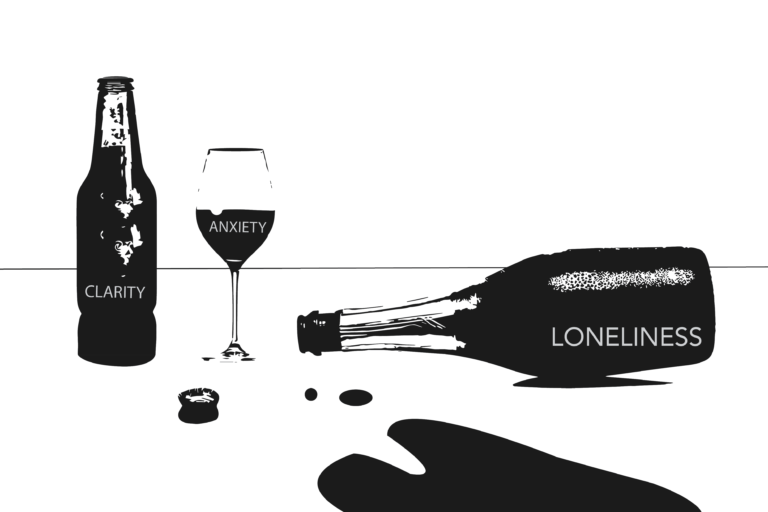
Being sober in college affects social experiences, according to students

College students share their experiences with sobriety


By LILI ARMSTRONG — features@ucdavis.edu 


In a sea of red cups and beer pong tables, most don’t associate college years with sobriety. Drinking is a huge part of social life for many college students. Fresh out of the nest, it’s a common theme for college students to go wild with their newfound freedom and independence. That being said, plenty of people choose not to take this path. Whether it be for personal, health or lifestyle reasons, there are a number of university students who abstain from drinking.

One of these individuals is Jon Bunting, a third-year psychology major at UC Davis. Bunting has abstained from drinking and substances for the entirety of his college career due to health reasons. He received a liver transplant in 2018, and his doctors told him to refrain from consuming alcohol. 

Sobriety hasn’t stopped him from continuing to socialize and have fun with friends, but it has come with its fair share of ups and downs.

“At first, there’s a huge sense of alienation that I had with some of my friends, where all of a sudden, it was really difficult for me to go into a lot of spaces,” Bunting said. “I didn’t seem as fun or as lively, especially with all these substances around.”

College students who don’t drink may often find themselves in a room where nobody else is sober as alcohol is a substance commonly used as a means of increasing sociability. According to a study published in the Journal of Studies on Alcohol and Drugs, the most commonly cited motive for alcohol consumption amongst college students is “social camaraderie.”

“When you lose that feature of alcohol, you know, that relaxed social state, I think there is a certain level of needing to fill that gap,” Bunting said. “Since you can’t get a little buzz on from drinking, you find a way to get comfortable quickly, so I think there is some level of getting to know yourself better because you can’t dodge that social anxiety as easily.” 

Micah Organ, who graduated from Ohio State University with a degree in sociology, abstained from drinking and substances during college due to negative experiences with alcohol abuse among family members. Organ said being sober impacted her social life as a college student. 

“I largely did not engage with the traditional party scene on my campus because I knew that I would not fit in as someone who did not drink or do drugs,” Organ said. “When I first started college and was trying to establish my friend group, people definitely judged me when I told them that I did not drink. I always felt like I needed to explain the details of my family’s negative relationship with drinking in order to justify why I didn’t do it myself.”

There are ups and downs to practicing sobriety in college, and a common theme among experiences is uncertainty in social situations.

Organ said she often felt pressured to drink, which discouraged her from participating in more traditional social settings. 

A family history of substance abuse is a common reason for college students to remain sober. Ash Phommasa, a fourth-year psychological and brain sciences and applied psychology double major at UC Santa Barbara, didn’t feel comfortable drinking until her 22nd birthday. Due to her family’s relationship with alcoholism, she went into college with a mindset of full sobriety. 

Phommasa said she is often met with surprise, and sometimes envy, when telling her peers she doesn’t drink. 

“It was always like they found a diamond in the rough or some completely innocent, pure little human being,” Phommasa said. “I would always get the typical reaction of, ‘Wow! Could not be me, but it should be. I wish I was like you. I wish I could stop waking up with insane hangovers.’”

Phommasa also expressed that sobriety has shone a light on who her real friends are.

“These super understanding, super respectful people would carry on with the night, never pressuring me to drink or sticking up for me when people try forcing me into taking a shot, which makes me very, very anxious and panicky,” Phommasa said. “My friends always accommodate and get me juice, too. It’s really heartwarming to have people like this and my sobriety has been a way of figuring people out.”

Recent UC Davis graduate Ernest Walker has had varying experiences with a sober social life throughout college.

“Sobriety allowed me to be the caretaker when I went out with friends,” Walker said. “I also had to find healthy ways to deal with problems that arose in my life.” 

Through sobriety, Walker discovered the escapism that went hand-in-hand with drinking and drug use. 

“People tend to use those as a crutch, which opens the pathway to addiction,” Walker said. “There were also some situations where, if I decided not to be sober in those situations, things would’ve been dangerous for me.” 

According to Organ and Bunting, although it might feel isolating at times, those who abstain from drinking or drug use are not alone. 

“Remind yourself of why you are adhering to this lifestyle when times get hard,” Organ said. “I think that doing this may help you feel more confident in yourself and your decisions. The drinking culture in college is so extreme and is not representative of what life outside of college looks like in terms of social situations. So while things may be hard now, it won’t be like this forever.”

Written by: Lili Armstrong — features@theaggie.org