53.5 F
Davis

Davis, California

Tuesday, December 23, 2025
Home Blog Page 209

Placer County landowners use prescribed burns to reduce dry kindling on the ground

California’s stewardship agreement with the U.S. Forest Service details the state’s plan to burn half a million acres of land this year


By RACHEL SHEY city@theaggie.org


California residents are familiar with the inevitable smell of smoke and talk of fire that comes every summer with the onset of hot, dry weather accompanied by autumn winds. Much of this fire risk is attributable to, ironically, a century of fire suppression, according to California’s stewardship agreement with the US Forest Service. 

A historical transition toward unnaturally dense forests, a century of fire suppression and climate change resulting in warmer, hotter and drier conditions have left the majority of California’s forestland highly vulnerable to catastrophic wildfire and in need of active, science-based management,” the agreement reads. 

The stewardship agreement suggests using controlled burn tactics to reduce fire risk by efficiently eliminating much of the dry kindling that is ready to catch fire at a moment’s notice. 

“To protect public safety and ecology, experts agree that at least one million acres of California forest and wildlands must be treated annually across jurisdiction,” the agreement reads. 

Despite the risk, fire is one of the cheapest and most efficient methods of clearing litter, which is why scientists are advocating for its use. Unlike other methods, prescribed burns don’t require expensive manpower and tools, according to UC Davis ecologist and scientist John Williams.

“It can be expensive to do all of that manual work and to find a place to take [the leaf litter],” Williams said. “People need trailers or some way to lug it or they need to pay somebody. The other reason is that fire is a natural part of these ecosystems and by introducing low intensity fire in this form, you’re restoring one of the natural processes of the land and you’re reducing the likelihood of a high-severity fire.”

Not only does fire reset the land and clear the dry brush, but it also plays an ecological role. Many species are adapted to require the rejuvenating force of fire every few years to properly reproduce, according to Williams.

“[Fire] reduces the forest fuels, the leaf litter and sticks on the forest floor, which are what fuel the big wildfires that we hear about, and the other thing is that it gives a chance for some species that have specific regeneration needs, like Ponderosa pine, which requires mineral ground for the seeds to sprout,” Williams said. “If there’s a bunch of leaf litter, those seedlings won’t make their way to the ground and sprout.” 

Williams explained that fire used to be much more frequent in many of these areas. After a century of fire suppression, California forests are jam-packed with organic material that’s ready to catch on fire. 

“In the foothills of the Sierras, fire was something that would come through every five to 35 years, historically,” Williams said. “We’ve got a hundred years of fire suppression, so the conditions have changed a lot. By suppressing those fires, we’ve allowed a lot more shade and canopy cover, and a lot less light is hitting the forest floor, so that’s what we’re trying to reverse.”

When conducting a prescribed burn, the landowners usually follow safety procedures to prevent the fire from growing out of control. Williams described a few of these methods. 

“One of the things we do is we create a perimeter around the area that you want to burn,” Williams said. “It can be just a few feet that’s cleared to bare ground so the fire doesn’t have anything to burn at the edge, kind of like a trail.”

Other methods involve reducing the fuels and keeping them low to the ground so the fire doesn’t rise and become uncontrollable. Fire that is higher up can come down outside of the perimeter and cause other parts of the land to catch on fire, too. 

“There’s also something called masticating, which is where you bring a tractor and it chews up the smaller shrubs and plants and seedlings and saplings so that you’re reducing the fuels,” Williams said. “You can also trim the ladder fuels, the lower branches. You want to keep the fire on the forest floor.”

Landowners also carefully choose the day of the burn, avoiding hot, windy days when fire spreads fast, but also choosing a day warm enough so that the fire can get started and reduce the fuel efficiently. 

“You also want to choose the conditions under which you do the burn,” Williams said. “You want to burn on a day when you have low wind, humidity levels that allow the fire to burn a little bit but not too much.”

Placer County’s conservation project coordinator Cordi Craig explained that fire is a very efficient method well-suited to Placer County’s ecosystem. 

“There’s a lot of prep work that goes into it as far as making sure you remove your ladder fuels,” Craig said. “As far as maintaining your property and reducing fuel loading, it’s incredibly effective for that. Placer County is a fire-dependent ecosystem just like most of California, so it’s important that fire is reintroduced into these landscapes.”


Written by: Rachel Shey — city@theaggie.org
 

Vice Chancellor Kelly Ratliff to retire on May 15 after 35 years with UC Davis

Two campus leaders will provide interim leadership for Finance, Operations and Administration until the new vice chancellor is in place 


By JENNIFER MA — campus@theaggie.org 


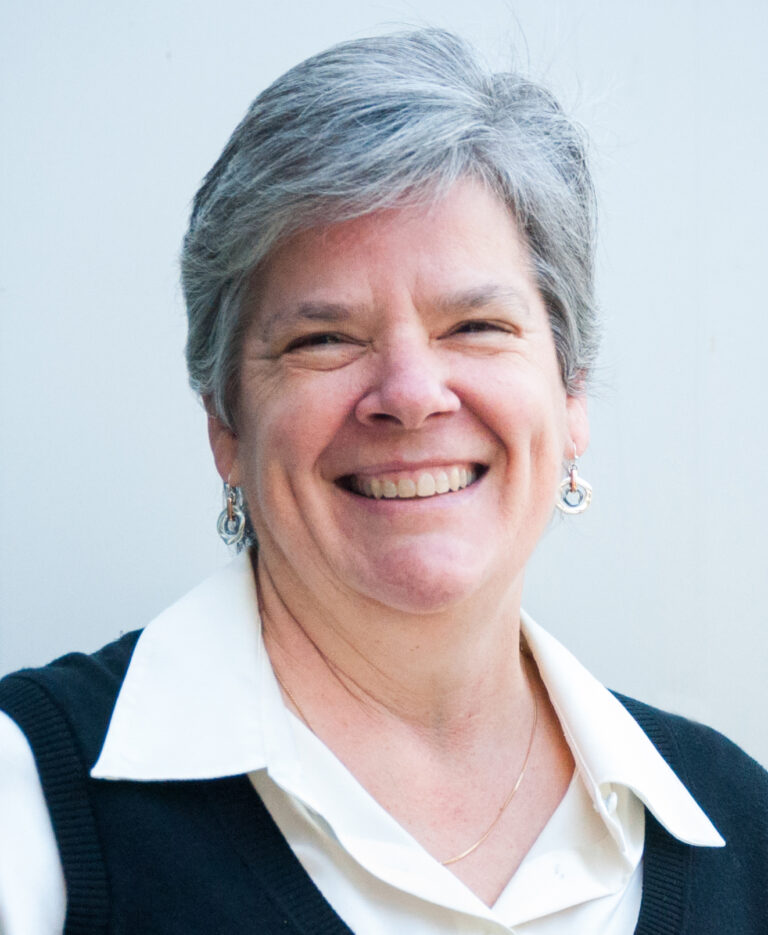
In September, Vice Chancellor of Finance, Operations and Administration (FOA) Kelly Ratliff announced her plans to retire in May. This comes after working for 35 years at the university along with obtaining a B.S. in Zoology in 1986 and a MBA in 1993 at UC Davis. 

“I’m a UC Davis Aggie through and through,” Ratliff said. “I feel so lucky. Davis is an amazing campus. I just love the diversity of people and programs. And so for me, it’s just a really special place. And I feel very lucky that I’ve been able to have my education and my career here.”

According to Ratliff, she is going to miss the people she has worked with the most, but she is excited to travel, spend more time with her kids and stay connected as an alumni through events. 

Chancellor Gary May said he expects to have a successor by the start of the next academic school year, but until then, campus leaders Christine Lovely, the chief human resources officer, and Eric Kvigne, the associate vice chancellor for Safety Services, will provide interim leadership for FOA, effective May 15. 

“Finance, Operations and Administration is in a very stable place, thanks to Kelly’s solid stewardship, and the leadership team she put in place there is excellent,” May said via email. “I’m grateful to [Lovely] and [Kvigne] for stepping into such crucial interim roles that impact how well the entire campus functions every day.”

Lovely will have interim responsibility for budget and institutional analysis, finance, university resources, human resources and administrative IT as well as business transformation. Kvigne will have interim responsibility for campus planning, design and construction management, facilities, safety services, the campus police and fire departments as well as animal care.

“It’s an opportunity to serve is what it boils down to,” Kvigne said. “FOA is a complex organization within a complex enterprise. I think [Ratliff’s] left some pretty big shoes. And I think that’s reflected in the interim role being divided between [Lovely] and I. I do very much look forward to and appreciate the opportunity to serve the university in another role.”

Lovely echoed this sentiment.

“Without a doubt, her departure from the university will be felt,” Lovely said. “She has been a very dedicated and committed leader that has been a steady influence over the university and only made it better during all the time that I’ve known her, and I’ve been here since 2018. She’ll be very missed, but I am honored to have worked with her and to have known her.”


Written by: Jennifer Ma — campus@theaggie.org


NHL Playoff first round matchups

A diagnosis of the first round of matchups as teams try to dethrone the Tampa Bay Lightning 


By GABRIEL CARABALLO — sports@theaggie.org


It’s that time of year again — the battle for The Stanley Cup is on and the NHL’s playoff teams can’t wait to break the ice in this year’s playoffs. 

Taking the ice in the first Eastern Conference round one matchup is the No. 1 team of the regular season, the Florida Panthers, against the wildcard Washington Capitals. The Panthers had the best offense in the regular season by scoring the most goals and points while having one of the best players in the league with Jonathan Huberdeau, the left-wing. Huberdeau tied for second in the league in points but also led the league in assists. This team is definitely an offensive powerhouse who enters the playoffs as one of the favorites. 

The Capitals are across the ice from the Panthers. The Capitals are a wildcard this year, but that shouldn’t discount their championship DNA and experience as a team. The Capitals had eight shutout games this season, tied for third in the league and were just shy of a top 10 in team goaltending. With star player Alexander Ovechkin and center Nicklas Backstrom from the Capitals 2018 championship to lead the team, this matchup is a battle of who wants it more. 

The next Eastern Conference matchup is between the Toronto Maple Leafs and the back to back defending Stanley Cup champions Tampa Bay Lightning. This makes for a tough face off for the Maple Leafs. The Lighting are top ten in both their offensive skating, goals against per game and save percentage. It’ll be tough for the Maple Leafs to get through that defense led by goalie Andrei Valensky. 

The Maple Leafs, on the other hand, also shouldn’t be taken lightly. They had the No. 2 skating offense in the regular season, thanks to center Auston Matthews who scored the most goals this season with 60. Overall making for another great offensive hockey team. Although their defense isn’t one of the best, the team was able to tie for fifth in shutouts with a total of seven. This first-round series is going to be a battle and might go all seven games, as they match up great.

Following this first round series is the matchup between the Carolina Hurricanes and Boston Bruins. The Hurricanes stormed opposing teams with their defense, by being the No. 1 goaltending team and being top 10 in save percentage and shutouts. A defense that was led by goalie Frederick Andersen, who is No. 2 in goaltending and third in save percentage. However, Andersen has been injured for the start of the playoffs and reports are that his return is “still unknown.” Still, this team can be considered as one of the best defenses in the NHL.  

The Bruins too have a solid defense. Sitting at No. 4 in regular season goaltending and top 10 in save percentage. The Bruins have two solid goalies with Jeremey Swayman and Linus Ullmark anchoring the net, both of which are top 10 in goaltending and save percentage. However, their offense is lacking and needs to be present in the playoffs if they’re going to contend against the Hurricanes. 

Wrapping up the Eastern Conference first round matchups is the face off between the New York Rangers and Pittsburgh Penguins. The Rangers have some of the best offensive players in the league in leftwings Chris Kreider, Artemi Panarin and defenseman Adam Fox. Kreider was No. 3 in the league in goals with 52. While Panarin and Fox are both top 10 in assists. Not to mention their excellent defense which is No. 1 in the league for save percentage, No. 2 in goaltending and No. 3 in shutouts. All of which is anchored by their goalie Igor Shesterkin, who’s No. 1 in both goaltending and save percentage. This team is well rounded and ready for any opponent. 

Their opponent happens to be the Penguins. This team has a solid offense with players in center Jake Guentzel and defenseman Kris Letang. Their defense was also good in the regular season and they ended up top five in goaltending, save percentage and shutouts. Although, their two main goalies Casey Desmith and Tristan Jerry are out with injury. CBS reports indicate they are expected to return around May 7. If the Penguins can hold on this will make for a competitive series. 

Moving to the other coast, the Western Conference’s first matchup of the first round of playoffs is between the Colorado Avalanche and Nashville Predators. The Avalanche have one of the best skating offenses at No. 4 in the league, with a player like center Nathan Mackinnon to score and assist on goals for them. Their defense isn’t too shabby either, they are top five in both save percentage and shutouts, while also being top 10 in goaltending. Their goalie, Darcy Kuemper, is to thank for that. Kuemper is just shy of a top 10 spot in goaltending, but is top five in save percentage. 

The Predators also have a ferocious side to them. Their skating offense is just shy of a top 10 spot, so they shouldn’t be discredited. Especially with players such as center Matt Duchene and defenseman Roman Josi shredding the ice for the offense. Duchene is No. 8 in goals for a total of 43, and Josi is No. 5 in assists with 73, making for two good offensive weapons for the Predators. Their defense wasn’t bad either, just missing a top 10 spot in save percentage. Their goalie Juuse Saros however, was top 10 in save percentage, making for a decent overall matchup between the two teams. 

The next Western matchup is a fight between the Minnesota Wild and the St. Louis Blues. The Wild have a great skating offense and were top five scoring team with 305 goals scored. Especially with their leftwing Kirill Kaprizov, who is top five in player points with 108 and goals with 47. However, their defense is subpar at best with rankings in the low teens for goaltending and save percentage.

As for the Blues, their offense is one of the best in the NHL, holding top three spots in both skating and power play percentage. The Blues have depth on their roster with veteran right-wing Vladimir Taransenko and a rising youngster in center Robert Thomas. Both scored between 70-80 points this regular season. 

Their defense is solid as well, led by goalie Ville Husso, who brought the team to 11th in both goaltending and save percentage. Another intense matchup between two solid hockey clubs. The third Western matchup consists of the Calgary Flames and Dallas Stars. The Flames are a well-rounded team with both prospects on offense and defense. For their offense, the Flames have Johnny Gaudreau who is second in player points with 115. Anchoring the defense is goalie Jacob Markstrom who happens to be top three in goaltending and save percentage. This is allowing the team to take top five spots in goaltending, save percentage and shutouts. 

The Stars on the other hand have a decent offense and defense. Their offense doesn’t stand out as much in the rankings but is controlled by rightwing Joe Pavelski who has the most points for the team with 81. Their defense is solid with goalie Jake Oettinger at the helm. He took the team to just under top 10 in defensive stats, which is still a very respectable defense. 

Finally, the remaining Western Conference matchup is the Los Angeles Kings against the Edmonton Oilers. The Kings were able to squeeze into a playoff spot by beating out the Las Vegas Golden Knights — the first time since the Golden Knights inception that they missed the playoffs. The Kings have premiere two way centers Phillip Danault and Anze Kopitar. Kopitar has been a force for the team by contributing 67 points to offense and Danault with 57. On defense they have veteran goalie Johnathon Quick, a good goaltender who was able to get the team to a top 10 spot in overall goaltending. This is the making for a decently well-rounded team.

However, the Oilers are a formidable club. With two major offensive players in centers Leon Draisaitl and arguably the best player in the league Connor McDavid. He led the NHL in points with 122, while Draisaitl was fourth with 110 but was second in goals with 55. These two alone make for a top 10 offense. Their defense is decent, led by veteran goalie Mike Smith who was top 20 in save percentage. It seems as though the team who capitalizes opportunities on the offensive end will end up winning this series.

This year’s Stanley Cup playoffs are looking like they will all be battles. With so many great teams going at it, the competition seems better than ever. So far the odds are favoring the Avalanche at +300, followed by the Panthers and Flames at +600. Whether you look at the odds or watch the games, there’s no telling what team will raise the holy grail that is the Stanley Cup. 

Written by: Gabriel Caraballo — sports@theaggie.org


UC Davis Health launches health care initiative to improve organ transplant equity

Pluralist is an initiative aimed at recognizing the needs of underserved communities in need of life-saving organ transplant surgeries


By BRANDON NGUYEN — science@theaggie.org


According to the U.S. Department of Health & Human Services, Black Americans are almost four times more likely and Latino Americans are 1.3 times more likely to experience kidney failure compared to white Americans. Despite the higher risk, Black and Latino patients on dialysis are less likely to be placed on the kidney transplant waitlist and have a lower likelihood of undergoing transplant surgery.

In an effort to achieve equity in organ transplant distribution, UC Davis Health recently established an initiative called “Pluralist.” By creating a union of holistic visions including patient-centered care, individualized precision medicine and health education awareness, Pluralist aims to reduce the gap in availability of organ donations and access to transplant surgeries regardless of socioeconomic status in California. 

Dr. Martin Cadeiras, the medical director for the Advanced Heart Failure, Heart Transplantation and Mechanical Circulatory Support Device Program at UC Davis Health and principal investigator of the Pluralist Program, discussed how the initiative will approach reducing the gap statewide. 

“So what we do is we capture information for every zip code in California, and our team will use algorithms to cluster and see how the population is distributed based on socioeconomic standing, health interests, ethnic background and so forth,” Cadeiras said. “These clusters from data sets help us to reach donors differently. We can adapt how we can best reach out to them and by knowing where they are in this categorization approach.” 

By leveraging data and artificial intelligence to learn more about the needs of each community in the state, culturally competent health care providers can then tailor interventions and spread awareness appropriately through both social networks and media platforms to increase organ donations.

Dr. David Lubarsky, the CEO of UC Davis Health, explained the overarching goal of an initiative like Pluralist in reducing health care inequality not just in California, but also nationwide.

“UC Davis Health is committed to advancing health equity and improving health outcomes for people in need of a life-saving transplant,” Lubarsky said. “Many members of our historically underserved communities are less likely to be placed on transplant waitlists and have had a lower likelihood of transplantation. This initiative will help identify potential system-wide improvements that would increase organ donations and advance equity in organ donation and transplantation.”

Pluralist plans on scaling its operations, projecting to reach over 22 million California residents within a two-year period with at least 70% of individuals from underserved communities identified by the program. 

Dr. Richard Perez, the chief of transplant surgery and medical director for the UC Davis Health Transplant Center, further expanded on the ultimate goals of the initiative.

“To deliver comprehensive care and help our patients achieve their best possible outcome, the Pluralist Program will increase organ donations, improve transplants and enhance the quality of care for transplant patients throughout California,” Perez said.

Pluralist’s efforts to reduce health disparities requires a multi-disciplinary approach, according to Cadeiras. Focus is not just on the medicine side of the health care system, but also data analysis and health care education, which are aspects that Cadeiras foresees as providing medical centers with a new standard of health care.

“We can now, with computer science and with quantitative methods, provide estimates on organ transplant needs of a given population which we had not been able to do before,” Cadeiras said. “The Pluralist Initiative, within the next few years, will provide us with a new standard for health education and awareness that many other health care providers can adopt.”


Written by: Brandon Nguyen — science@theaggie.org


ASUCD spring 2022 election results announced

Voter turnout increased by 470% from last fall

By KRISTIN TRENT — campus@theaggie.org

In this spring’s election, seven candidates ran for six seats in ASUCD Senate, one candidate ran for student advocate and there was one executive ticket. Voter turnout was 11.98% of UC Davis’ undergraduate population — a 470% increase from last fall’s 2021 election.

For the presidential ticket, Radhika Gawde and JT Eden were elected as president and vice president, respectively, in the uncontested election.

For Senate, Juliana Martinez Hernandez (Rise), Priya Talreja (Rise), Eustacio Alamilla (Independent), Francisco Ojeda (Independent), Julia Shurman (Independent) and Zeph Schnelbach (Independent) were elected. Travis Haskin ran uncontested for student advocate and was elected.

The Democracy in Recalls Increased and Preserved (DRIP) Amendment passed with 92.28% of the vote.

The “Eliminate the Portion of CEI [Campus Expansion Initiative] Fee that makes Undergraduates Pay Over $200 to Fund ICA Athletic Scholarships” measure failed to meet the necessary 20% voter threshold required for fee referenda to pass with 78.46% of voters in favor.

The “Eliminate the Portion of the SASI [Student Activities and Services Initiative] Fee that makes Undergraduates Pay Over $300 to fund ICA Operating Expenses” measure also failed to meet the necessary 20% voter threshold with 79.12% of voters in favor. 

Finally, the Consideration of changing the UC Davis mascot from the mustang to a cow passed with 73.01% of the vote and is now subject to administrative review.

Written by: Kristin Trent — campus@theaggie.org

Permanent ballot dropbox installed on UC Davis campus 

Students discuss the importance of on-campus voting options and how the dropbox might affect their voting habits


By JALAN TEHRANIFAR — features@theaggie.org


On April 19, UC Davis and the Yolo County Elections Office co-hosted a ribbon cutting ceremony to celebrate the installation of an official ballot dropbox on campus. The ballot box will be permanently located outside the bus station at the Memorial Union (MU) on the northeast corner of Hunt Hall. 

Chancellor Gary May made a statement in regard to the ballot box, according to the UC Davis website.

“One of the primary goals of UC Davis is to help our students become citizen leaders in our democracy who exercise their right and duty to vote,” May said. “We also welcome other county voters who find UC Davis a convenient place to drop off their ballot.”

The ballot dropbox is in the center of campus, offering a convenient location for students, instructors and other members of the UC Davis community to cast their ballots. Additionally, many UC Davis students who are not from Yolo county may not be aware of their options for submitting absentee ballots. 

Kimberly Bautista, a first-year nutrition science major, said she wouldn’t know where to submit her vote if it weren’t for an on-campus ballot box.

“I’m a student, I’m practically here every day, so having one close by would make voting so much easier,” Bautista said. “Also, I’m not from here, so if there weren’t a ballot box here, I wouldn’t know where to go to find another one, if I’m being honest.”

Daniela Ocampo, a first-year managerial economics major, also said she hadn’t thought about where to go to vote, and the placement of a ballot box on campus has brought that to her attention.

“Actually, now that I think about it, I’ve never really thought about what it would be like when the time came and I’d actually be able to vote,” Ocampo said. “I remember being younger and wishing I was 18 already so I could vote, but now I’m here; I just turned 19, and I wouldn’t even know where to go to vote if you hadn’t mentioned it.” 

Even if students know where they can drop off their absentee ballots, getting to a ballot box off campus can be inconvenient for students who bike or ride the bus. 

Gabrielle Osorio, a first-year biological sciences major, said that having a ballot box on campus makes voting much easier for students, since they can now drop off their ballots while biking to class or catching the bus.

“I always intended to vote, but I think it’s really nice to have a ballot box so accessible for students,” Osorio said. “It kind of, in a way, gives students no excuse for not voting, which I think is good. As students, we are here most of the year, which means during voting times, so being able to have a designated box on campus to put our ballots in kind of takes the stress away from making a submission.” 

The California Primary election is on June 7, and early voting began on May 9 across the state. The new on-campus ballot dropbox will be available to use for this upcoming election, and will accept ballots for the first time since its installation this month.

“We know students have busy lives. A drop box on the campus of UC Davis is a wonderful innovation to help meet young voters where they are and help them develop the habit of voting,” said Secretary of State Shirley Weber, according to the UC Davis website.


Written by: Jalan Tehranifar — features@theaggie.org


Commentary: The dystopian air of the Met Gala

This year’s grandiose event disappointed, with a historical theme eerily reflecting today’s realities


By ANGIE CUMMINGS — arts@theaggie.org


There are many ironic — or even paradoxical — levels to this annual ball. All the most beautiful, wealthy and powerful people in the country gather together in outfits that often cost more than your college tuition to party, be beautiful and flaunt their riches to the world, while the rest of us live in reality. 

The 2022 Met Gala was a particularly interesting experience. The event, which was themed “gilded glamor” in reference to the historical Gilded Age, coincided with a leak of the Supreme Court’s draft decision to repeal Roe v. Wade (taking us back in time in a horrifying way). It’s an odd time to gawk at perfect celebrities and their lives of luxury — but is that small form of escapism okay? Unfortunately, the jury is still out on that one. 

During last year’s rescheduled gala in September, we saw the heights of empty and cringe-worthy celebrity “activism,” from Cara Delevigne’s now infamous ‘peg the patriarchy’ corset, to New York state representative Carolyn B. Maloney’s dated suffragette costume. While these celebrities (and some politicians) wined and dined at the “party of the year,” Black Lives Matter protesters were arrested just a block or two away. These protesters were calling attention to the $11 billion granted to the already well-funded NYPD, while many residents of the city were struggling to afford food and adequate housing. 

This situation made clear the similarities between the Met Gala and the extravagance of the Capitol from the dystopian young adult series, “The Hunger Games.” After last year’s Met Gala left such a rotten taste in my mouth, this year’s Gilded Age theme felt all too pertinent. If you aren’t familiar, this was a period in American history characterized by “gross materialism and blatant political corruption” from about 1870 to the beginning of the 20th century. And for just a little bit of icing on this dreadful cake, it has been noted that the wealth gap in the U.S. is almost as big as it was during the Gilded Age

Besides this uncanny feeling of history repeating itself, this year’s theme brought quite a bit of excitement for the possibility of seeing pretty and frilly dresses, corsets and updos — it’s always important to see the positive side of things.

I hold the belief that everyone part of the 99% has the right to judge any Met Gala look worn by the uppermost crust of society — if we have to be annually reminded of our regular lives by this grandiose ball, we should at least get to pretend we have some power and roleplay as fashion critics. I mention this justification of tearing celebrity style to shreds on this iconic red carpet because the 2022 Met Gala was quite the year for judgements. Hardly anyone was on theme. It was atrocious (or exciting, depending on how you look at it). 

Besides most of the men in attendance simply donning a black suit — or if they were feeling really risky, opting for a double-breasted blazer in a color other than black — many of the dresses barely even merited a second glance. I could probably count the amount of corsets worn on my hands: this is far too low a number of corsets! There was an astonishingly high amount of Golden Globe-level dresses on the red carpet — meaning they were just about six steps above a prom dress. Without naming (too many) names, I can say there were far too many celebrities who made the conscious choice to completely ignore every aspect of the theme. 

Just to list the biggest offenders of this heinous crime, there was Camila Cabello in a weird arts-and-craft two-piece prom dress and almost the entire Kardashian family in Iris Van Herpen. We can technically exclude Kim Kardashian and Kendall Jenner, who at least took the theme into consideration. There were countless other bad looks that night. I’m trying to be “less of a hater,” so I’ll keep those judgments to myself and turn to some of the pleasing looks.

Every official article on the best dressed from this year’s gala puts Blake Lively (and Ryan Reynolds in a boring suit) as the top look of the night… but just because there’s a concept aligning with the theme doesn’t mean it’s great — this Statue of Liberty inspired dress was fine, that’s all I’ll say. Comparatively, Lizzo’s extravagance, Kaia Gerber’s intricacy, Billie Eilish’s adherence to the theme and Paloma Elsesser’s minimalist corset and lace look restored my faith in the ultra-wealthy’s ability to hire a good stylist. 

Thank you to Evan Mock and Ben Platt for their dedication to the theme while looking pretty adorable. Again, I have a bone to pick with all the men who still wear a boring suit to the Met Gala of all places — I wholeheartedly believe they should not be allowed on the carpet dressed so plainly. While it wasn’t the most eye-catching look of the night, Riz Ahmed had a particularly poignant take on the theme, paying homage to the working class that built this country (and its gilded ages), which I much prefer to a corny red phrase on a white garment. 


Written by: Angie Cummings — arts@theaggie.org


Sushi restaurant opens in Davis

Hikari Sushi & Omakase officially opened its doors on May 3


By SOFIA BIREN — city@theaggie.org


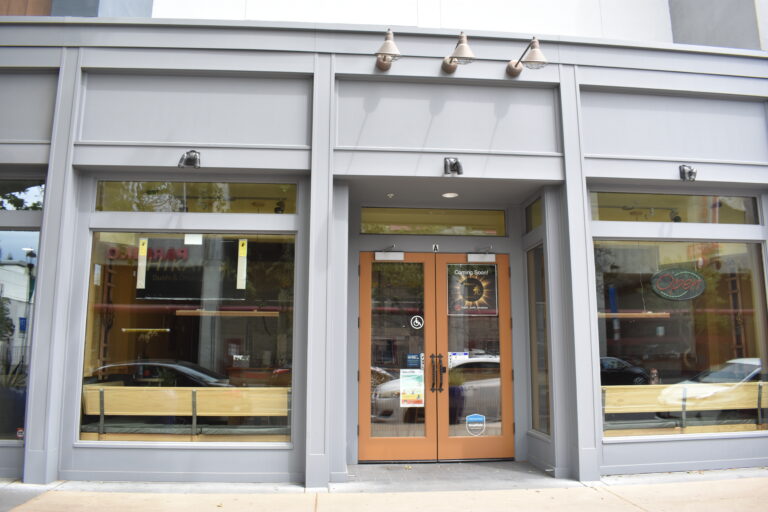
Hikari Sushi & Omakase, a new sushi restaurant in Davis, opened in late April. The restaurant began offering take-out on April 29, before officially opening for dine-in on May 3. It is located on F Street at the storefront that used to house Cookies N Cones. 

Hikari Sushi & Omakase is dedicated to making sushi with ingredients of the highest caliber. According to their Instagram page, the word Hikari means light in Japanese. Omakase, the second part of their name, has a more intricate meaning. 

“Omakase means a meal consisting of dishes selected by the Chef,” the owners wrote on their Instagram page. “The chef will create some courses with seasonal and best available ingredients”. 

Natalie Glassman, a third-year student on the pre-med track, is an avid sushi fan. Coming from Los Angeles, Glassman said she has been exposed to sushi for as long as she can remember. The idea that a high-quality sushi restaurant is in Davis is a complete game-changer. 

“I’m really excited to try it,” Glassman said. “There was this documentary called Jiro Dreams of Sushi, which I saw a few years back that really opened my eyes to sushi as more than a cuisine. There is a real art that goes into it, which I found really amazing.”

The owners of Hikari Sushi & Omakase have paid attention to every detail in their restaurant. They documented the transformation from ice cream parlor to sushi restaurant on their instagram page, which lasted about four months.

For example, they shared in a post that it took them three weeks to find the best design for the chairs that would be in their restaurant. Furthermore, they built the kitchen counter twice, because the first one did not fit their vision for the design

In addition to remodeling the space, local artisans in Davis contributed to the aesthetic of the restaurant. According to their Instagram page, Lily Watkins, a local potter made a sake set for the restaurant and Dave and Jenny Nachmanoff gave the owners of Hikari Sushi & Omakase hand made dishes as well. 

The menu is another aspect of the restaurant that the owners take great oversight in. They take the meaning of Omakase to heart and base the menu on whatever ingredients they happen to get, according to their Instagram. On May 6, they served Wagyu beef imported from Japan and made their wasabi from scratch.

Gabriel Andres, a graduate student from Southern California, says that he’s excited that a restaurant like Hikari Sushi & Omakase is in Davis.

“I love restaurants such as these because they are a reflection of the diversity in California and in Davis,” Andres said. “Although it’s a little pricey, I’m ready to try it. I’m sure it’s definitely worth it.”

The restaurant is open Tuesday through Saturday from 4 p.m. to 9 p.m. Sithu Tun and Zin Khine, the owners of the restaurant, were contacted but unable to provide comment as of May 10.  


Written by: Sofia Biren — city@theaggie.org


Suspect arrested in burglary case on campus

UC Davis Police have arrested Gavin Tucker Boulet for burglary and auto theft 


By SYDNEY AMESTOY — campus@theaggie.org


A suspect was arrested on April 15 for a burglary that occurred during the night of April 14 at the greenhouse complex at Orchard Park Drive. 

UC Davis police apprehended the suspect, 43-year-old Gavin Tucker Boulet, for the burglary at the greenhouse complex as well as the Cole Facility, an animal science research facility. According to the UC Davis press release, the suspect was arrested on charges of auto theft and burglary and currently resides in Yolo County Jail.

“The original call was for Headhouse 2, which is one of the support buildings for the greenhouses,” said Andy Fell, the UC Davis Police Department media representative and a news and media relations specialist at UC Davis. “A staff member arriving for work just before 8 a.m. noticed equipment missing.”

Some of what was stolen included high-tech drones, laptops, office equipment and a Toyota RAV4 university vehicle. The suspect, as well as the stolen property, were located on April 15 in a parking lot for the University Mall on Russell Boulevard. 

Fleet Services, the service responsible for university-affiliated vehicles, assisted UC Davis police in this investigation and used GPS to locate the vehicle.

“The responding officer contacted UC Davis Fleet Services, who told them that the RAV4 was fitted with a GPS tracker,” Fell said. “Fleet Services found [that] the vehicle had been driven away [at] about 6 a.m.” 

UC Davis Police Chief Joseph Farrow did not respond to a request for comment on May 4. 

According to the press release by Fell and UC Davis police, greenhouse burglaries are just a part of an ongoing burglary issue on campus and in the Davis community. To prevent being burglarized, UC Davis police recommend locking doors and windows, keeping anything of value away from sight like in one’s home or car and reporting any suspicious behavior to UC Davis police’s non-emergency line.

The UC Davis Police Department’s non-emergency line can be reached any time at 530-752-1727.


Written by: Sydney Amestoy — campus@theaggie.org


NHL Playoff first round matchups

A diagnosis of the first round of matchups as teams try to dethrone the Tampa Bay Lightning

By GABRIEL CARABALLO — sports@theaggie.org

It’s that time of year again — the battle for The Stanley Cup is on and the NHL’s playoff teams can’t wait to break the ice in this year’s playoffs. 

Taking the ice in the first Eastern Conference round one matchup is the No. 1 team of the regular season, the Florida Panthers, against the wildcard Washington Capitals. The Panthers had the best offense in the regular season by scoring the most goals and points while having one of the best players in the league with Jonathan Huberdeau, the left-wing. Huberdeau tied for second in the league in points but also led the league in assists. This team is definitely an offensive powerhouse who enters the playoffs as one of the favorites. 

The Capitals are across the ice from the Panthers. The Capitals are a wildcard this year, but that shouldn’t discount their championship DNA and experience as a team. The Capitals had eight shutout games this season, tied for third in the league and were just shy of a top 10 in team goaltending. With star player Alexander Ovechkin and center Nicklas Backstrom from the Capitals 2018 championship to lead the team, this matchup is a battle of who wants it more. 

The next Eastern Conference matchup is between the Toronto Maple Leafs and the back to back defending Stanley Cup champions Tampa Bay Lightning. This makes for a tough face off for the Maple Leafs. The Lighting are top ten in both their offensive skating, goals against per game and save percentage. It’ll be tough for the Maple Leafs to get through that defense led by goalie Andrei Valensky. 

The Maple Leafs, on the other hand, also shouldn’t be taken lightly. They had the No. 2 skating offense in the regular season, thanks to center Auston Matthews who scored the most goals this season with 60. Overall making for another great offensive hockey team. Although their defense isn’t one of the best, the team was able to tie for fifth in shutouts with a total of seven. This first-round series is going to be a battle and might go all seven games, as they match up great.

Following this first round series is the matchup between the Carolina Hurricanes and Boston Bruins. The Hurricanes stormed opposing teams with their defense, by being the No. 1 goaltending team and being top 10 in save percentage and shutouts. A defense that was led by goalie Frederick Andersen, who is No. 2 in goaltending and third in save percentage. However, Andersen has been injured for the start of the playoffs and reports are that his return is “still unknown.” Still, this team can be considered as one of the best defenses in the NHL.  

The Bruins too have a solid defense. Sitting at No. 4 in regular season goaltending and top 10 in save percentage. The Bruins have two solid goalies with Jeremey Swayman and Linus Ullmark anchoring the net, both of which are top 10 in goaltending and save percentage. However, their offense is lacking and needs to be present in the playoffs if they’re going to contend against the Hurricanes. 

Wrapping up the Eastern Conference first round matchups is the face off between the New York Rangers and Pittsburgh Penguins. The Rangers have some of the best offensive players in the league in leftwings Chris Kreider, Artemi Panarin and defenseman Adam Fox. Kreider was No. 3 in the league in goals with 52. While Panarin and Fox are both top 10 in assists. Not to mention their excellent defense which is No. 1 in the league for save percentage, No. 2 in goaltending and No. 3 in shutouts. All of which is anchored by their goalie Igor Shesterkin, who’s No. 1 in both goaltending and save percentage. This team is well rounded and ready for any opponent. 

Their opponent happens to be the Penguins. This team has a solid offense with players in center Jake Guentzel and defenseman Kris Letang. Their defense was also good in the regular season and they ended up top five in goaltending, save percentage and shutouts. Although, their two main goalies Casey Desmith and Tristan Jerry are out with injury. CBS reports indicate they are expected to return around May 7. If the Penguins can hold on this will make for a competitive series. 

Moving to the other coast, the Western Conference’s first matchup of the first round of playoffs is between the Colorado Avalanche and Nashville Predators. The Avalanche have one of the best skating offenses at No. 4 in the league, with a player like center Nathan Mackinnon to score and assist on goals for them. Their defense isn’t too shabby either, they are top five in both save percentage and shutouts, while also being top 10 in goaltending. Their goalie, Darcy Kuemper, is to thank for that. Kuemper is just shy of a top 10 spot in goaltending, but is top five in save percentage. 

The Predators also have a ferocious side to them. Their skating offense is just shy of a top 10 spot, so they shouldn’t be discredited. Especially with players such as center Matt Duchene and defenseman Roman Josi shredding the ice for the offense. Duchene is No. 8 in goals for a total of 43, and Josi is No. 5 in assists with 73, making for two good offensive weapons for the Predators. Their defense wasn’t bad either, just missing a top 10 spot in save percentage. Their goalie Juuse Saros however, was top 10 in save percentage, making for a decent overall matchup between the two teams. 

The next Western matchup is a fight between the Minnesota Wild and the St. Louis Blues. The Wild have a great skating offense and were top five scoring team with 305 goals scored. Especially with their leftwing Kirill Kaprizov, who is top five in player points with 108 and goals with 47. However, their defense is subpar at best with rankings in the low teens for goaltending and save percentage.

As for the Blues, their offense is one of the best in the NHL, holding top three spots in both skating and power play percentage. The Blues have depth on their roster with veteran right-wing Vladimir Taransenko and a rising youngster in center Robert Thomas. Both scored between 70-80 points this regular season. 

Their defense is solid as well, led by goalie Ville Husso, who brought the team to 11th in both goaltending and save percentage. Another intense matchup between two solid hockey clubs. The third Western matchup consists of the Calgary Flames and Dallas Stars. The Flames are a well-rounded team with both prospects on offense and defense. For their offense, the Flames have Johnny Gaudreau who is second in player points with 115. Anchoring the defense is goalie Jacob Markstrom who happens to be top three in goaltending and save percentage. This is allowing the team to take top five spots in goaltending, save percentage and shutouts. 

The Stars on the other hand have a decent offense and defense. Their offense doesn’t stand out as much in the rankings but is controlled by rightwing Joe Pavelski who has the most points for the team with 81. Their defense is solid with goalie Jake Oettinger at the helm. He took the team to just under top 10 in defensive stats, which is still a very respectable defense. 

Finally, the remaining Western Conference matchup is the Los Angeles Kings against the Edmonton Oilers. The Kings were able to squeeze into a playoff spot by beating out the Las Vegas Golden Knights — the first time since the Golden Knights inception that they missed the playoffs. The Kings have premiere two way centers Phillip Danault and Anze Kopitar. Kopitar has been a force for the team by contributing 67 points to offense and Danault with 57. On defense they have veteran goalie Johnathon Quick, a good goaltender who was able to get the team to a top 10 spot in overall goaltending. This is the making for a decently well-rounded team.

However, the Oilers are a formidable club. With two major offensive players in centers Leon Draisaitl and arguably the best player in the league Connor McDavid. He led the NHL in points with 122, while Draisaitl was fourth with 110 but was second in goals with 55. These two alone make for a top 10 offense. Their defense is decent, led by veteran goalie Mike Smith who was top 20 in save percentage. It seems as though the team who capitalizes opportunities on the offensive end will end up winning this series.

This year’s Stanley Cup playoffs are looking like they will all be battles. With so many great teams going at it, the competition seems better than ever. So far the odds are favoring the Avalanche at +300, followed by the Panthers and Flames at +600. Whether you look at the odds or watch the games, there’s no telling what team will raise the holy grail that is the Stanley Cup. 

Written by: Gabriel Caraballo — sports@theaggie.org

UC Davis alumna Olivia Serene Lee reflects on 140th anniversary of the Chinese Exclusion Act, AAPI Heritage Month

Lee shares her family’s history in the U.S., how her time at Davis and upbringing inspired her career in immigration law and her advocacy in the AAPI community

By MAYA SHYDLOWSKI — features@theaggie.org 

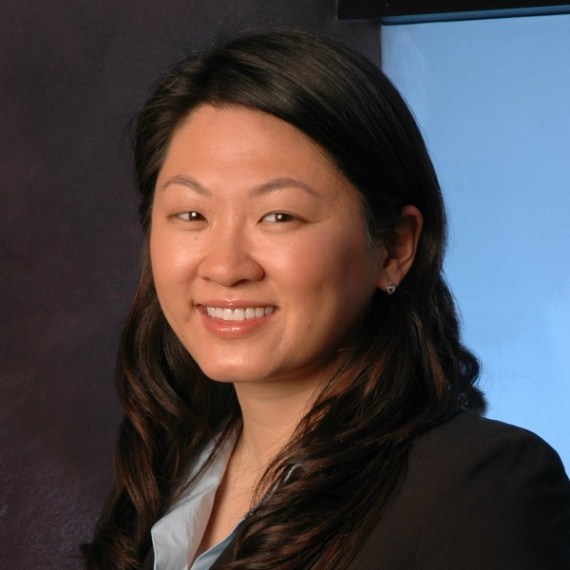
This May, which marks the 140th anniversary of the Chinese Exclusion Act and Asian American and Pacific Islander (AAPI) Heritage Month, UC Davis alumna Olivia Serene Lee remembers the tumultuous and proud history her family has had in the U.S. Now an immigration attorney and partner at Minami Tamaki LLP in San Francisco, Lee shares how her upbringing and time at UC Davis inspired her career as a lawyer and advocate.

May 6 is the anniversary of the Chinese Exclusion Act, a law passed in 1882 restricting Chinese immigration into the U.S. It was the first exclusionary law passed by the U.S. government that limited immigration from a specific part of the world. 

The Act came after many Chinese and Chinese American laborers came to the U.S. to help complete the first transcontinental railroad in 1868, which ran from Omaha, NE to Sacramento, CA. When the railroad was completed, many of these men had to find other employment, which in part spurred the claim that some Americans made that Chinese immigrants were replacing American workers — a fear that is often still reflected in modern politics. 

Lee’s paternal great-great-grandfather was one of the many Chinese men who traveled to California for work. Lee’s great-great-grandfather was unable to bring his family with him initially, so both of her parents were born in Hong Kong, but moved to the U.S. during their childhoods. 

Lee’s parents’ families both settled in the Bay Area upon moving to the U.S., and Lee said that her family has strong ties to San Francisco’s Chinatown, where some of her relatives are prominent figures as civil rights activists and community members.

In 1947, Emma Ping Lum, Lee’s great-aunt’s partner, became the first female Chinese American lawyer in California and the U.S. Though Lee said though Lum and Lee’s great-aunt were not legally allowed to get married at the time, Lum was a part of the family. As she was growing up, Lee remembered calling Lum a cousin. Lee feels that her work now is following in Lum’s footsteps.

Lum’s father, Walter Uriah Lum, was also a prominent San Francisco figure. He was born in 1882 — the same year the Chinese Exclusion Act was passed — and spent his life fighting against it as a civil rights activist and the founder of the Chinese Times newspaper. 

Walter Lum even has a street named after him in Chinatown in San Francisco, where Lee was raised before attending UC Davis in 1998 as one of the first students to major in Asian American studies. 

In 1999, UC Davis added Asian American studies (ASA) as a major, 31 years after the first ASA course was taught. 

“It was quite memorable how the community came together to ask the administration for more resources to create an [Asian American studies] major and to offer more faculty positions,” Lee said. “Witnessing something so momentous was such an honor. It was an inspiring moment.”

Before majoring in ASA, Lee got involved with the Asian American community on campus by working as the director of UC Davis’s Asian Pacific Culture Week, which she said was a highlight of her college experience. 

Among Lee’s role models and mentors at UC Davis were professors and administrators that helped found the ASA department. Lee accredits much of her journey through college and involvement in Davis’s Asian American community to Theresa Montemayor, a UC Davis alumna herself. 

Lee said that Bill Hing, a professor at the School of Law, was also a critical part of her path to a life in law.

“I didn’t think I was going to go to law school,” Lee said. “It was through meeting him and learning more about Asian Americans, the legal system and immigration histories that really changed my trajectory to what I do now.”

Lee graduated from Davis in 2003 with dual degrees in biochemistry and molecular biology and Asian American studies. She began working in the nonprofit sector before becoming a paralegal and attending law school at Santa Clara University (SCU), where she focused on critical race theory and immigration law. 

While at law school, Lee was involved in the Asian Pacific American Law Student Association and the Asian Law Alliance in San Jose. During her second year at SCU, she worked with Minami Tamaki LLP in San Francisco, where she is now a partner.

As a Chinese American and San Francisco native, Lee said that she is proud to work in immigration law, especially with Minami Tamaki LLP. Donald Tamaki of Minami Tamaki LLP was on the pro bono team of attorneys that reopened the Korematsu v. United States case, a landmark case restricting Japanese immigration into the U.S. in the wake of World War II. 

Today, Lee said that she prioritizes her involvement in community and professional organizations as well as civil rights groups. She is an elected director of the American Immigration Lawyers Association and serves on both the American Bar Association’s diversity and inclusion council and the board of Chinese for Affirmative Action, one of the co-founders of Stop AAPI Hate.

Lee calls her work rewarding. She said that she is grateful for her time at UC Davis, as she accredits the ASA department and all it taught her about the experiences of the Asian American community for where she is in her career today.

When asked what advice she would give to Asian American and Asian students in institutions of higher education, she simply said to follow your passions.

“What really inspired me [to go into immigration law] is that I have this interest in learning about people’s histories and their pasts,” Lee said. “That’s what I find so inspiring and fulfilling in this type of work.”

Written by: Maya Shydlowski — features@theaggie.org

Correction: This article previously had several factual inaccuracies that have now been updated.  The article incorrectly stated that both of Lee’s great-great-grandfathers traveled to the U.S. Only Lee’s paternal great-great-grandfather came to the U.S., which has been updated in the story. Lee’s mentor at UC Davis was incorrectly identified as Dr. Gertrudes Montemayor. Her mentor was Theresa Montemayor. Lee’s law firm, Minami Tamaki, was also previously misspelled. Finally, the article has been updated to more accurately reflect the nature of the relationship between Lee’s great-aunt and Emma Lum.

Culture Corner

The Art Desk’s weekly picks for movies, books, television and music

By SUN YIE — arts@theaggie.org 

Album: “Inside” by Bo Burnham (2021)

Directed during the pandemic, Bo Burnham’s “Inside” is an honest and raw multimedia experience. It explores the mind of a comedian who has been disconnected from the rest of the world and has struggled to maintain his identity without the energy of a live audience. Though Burnham’s last special before “Inside” was released six years ago, it feels as if he hasn’t taken a hiatus at all as he shares his perspective on an assortment of sociopolitical topics, like white privilege and police brutality, through catchy piano tunes and lyrics dripping with satire. In “White Woman’s Instagram,” he captures his distaste for performative activism through the lyrics, “A bobblehead of Ruth Bader Ginsburg… Some random quote from ‘Lord of the Rings’ incorrectly attributed to Martin Luther King.”

TV Show: “Heartstopper” (2022)

Adapted from Alice Oseman’s graphic novel, the show “Heartstopper” follows the journey of 14-year-old Charlie, the only openly gay student at Truham High School, as he navigates his growing feelings for his new friend Nick, the popular “Rugby King.” Their ostensible differences are far outweighed by their heartwarming moments of intimacy, accompanied by little animations that nod to its graphic novel origins: when Charlie and Nick first hold hands, doodle hearts appear in the background. Though the lack of adult presence suggests that this show might be a typical high school coming-of-age story, labeling it as such would be a disservice. Instead, I’d like to think of it as a story that is yet another milestone of representation for the LGBTQIA+ community. 

Book: “Song of Achilles” by Madeleine Miller (2011)

Fans of Rick Riordan’s “Percy Jackson” series should consider turning to Miller’s “Song of Achilles” for another contemporary and romantic — albeit gut-wrenching — take on the classic Greco-Roman myth. Though Miller’s novel is titled “Song of Achilles,” the narrative is centered around Patroclus as he finds himself falling inexplicably in love with the legendary demigod Achilles. Miller blurs the boundary between friendship and love in prose that rivals Homer’s poetry. Those who are familiar with Achilles’ classical tale will remember that it is only Patroclus’ death that fuels Achilles’ rage and drives him to rage in the war at Troy, where he, too, dies. Although Miller’s adaptation of this tale is revolutionary, it doesn’t save the two star-crossed lovers from this tragedy, leaving nothing but their honor to remain in the hearts of the audience. 

Movie: “Ladybird” dir. by Greta Gerwig (2017)

“Ladybird” is a coming-of-age film that revolves around Christine “Lady Bird” MacPherson’s growth in her last year of high school, approaching conventional high school crises with a depth that isn’t typically seen in other films of the genre. For instance, Christine’s growth is instigated by issues that reflect real-world problems, like her tumultuous relationship with her mother and her desire to attend colleges unattainable to her because of her family’s financial instability, demonstrating its timeless relevance. Though Gerwig’s audience seems to be intended for high school students who hope to live a life like “Lady Bird,” as Christine so christens herself, the movie’s blend of bittersweet wit render it a movie that can be enjoyed by all audiences. 

Written by: Sun Yie — arts@theaggie.org


Healthy Davis Together program closing down despite Yolo County COVID-19 cases rising

City and county officials are hopeful that the virus will continue to subside but testing data still illustrate rising cases

By: LEVI GOLDSTEIN — city@theaggie.org

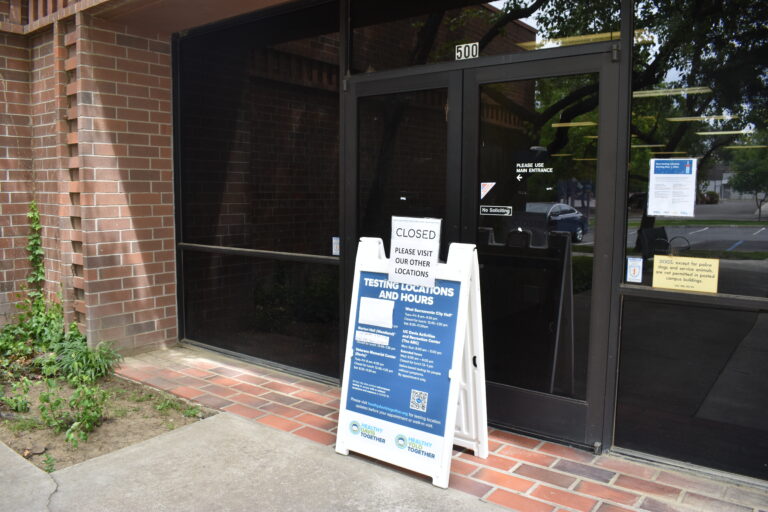
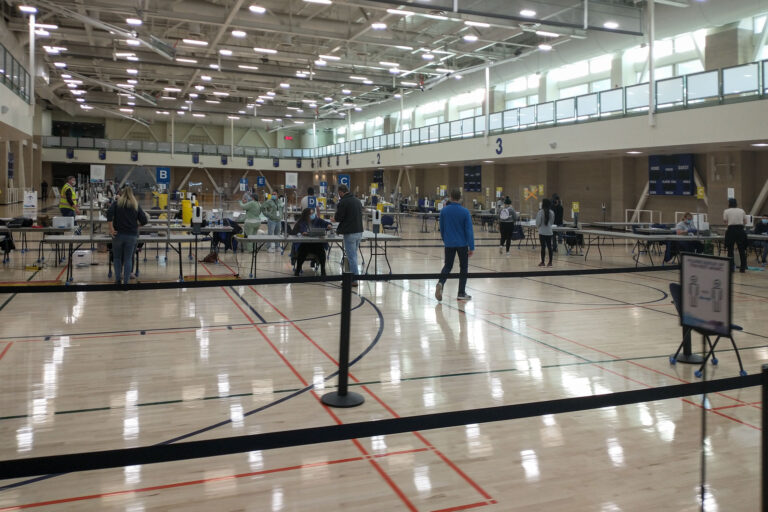
Healthy Davis Together (HDT), a program that has been instrumental to pandemic response in Davis and Yolo County, is set to conclude on June 30, according to a city press release

HDT launched in September 2020 and expanded to Healthy Yolo Together in July 2021 and to Healthy Central Valley Together early this year. According to City of Davis Director of Community Engagement Jenny Tan, Yolo County and the City of Davis, in collaboration with UC Davis, have set up COVID-19 clinical testing sites and organized wastewater monitoring efforts in the greater Sacramento area and in the Central Valley. 

“Knowing what the numbers are, knowing which areas people are getting sick […] definitely helped the city, the county, the campus to work more efficiently in terms of providing services,” Tan said. “It’s an award winning program. It is acclaimed because of the level of partnership, because we were able to respond so quickly.”

HDT was originally planned to end in 2021, but the Davis city council voted unanimously to extend it for an additional six months. Now, the program is closing with no plans to extend it further. The Research Park testing location shut down on April 28, and it is expected that more will follow suit one at a time. 

“Healthy Davis Together had a really great life, and we’re excited and happy that it was able to help as many people as it did, but it’s just winding down at this point,” Tan said. 

Testing is still available to Yolo County residents through at-home rapid tests and at local pharmacies. Tan is confident that people will continue to seek testing outside of HDT. Yolo County Public Information Officer John Fout said that other protective measures, such as vaccinations and new oral antiviral treatments, will keep the community safe. 

While HDT is closing down, testing data shows that COVID-19 cases are once again rising in Yolo County. According to Fout, this is because of the new omicron sub-variant BA.2.12.1, which is about 30% more contagious than the original omicron strain. Thus, it seems that the pandemic isn’t coming to a close as many may believe or hope. 

Sentiments are spreading that things will be “back to normal” soon with schools returning to a fully in-person schedule and mask mandates lifting across the U.S. HDT shutting down is seemingly another step in this process. However, some are still wary that another surge may be incoming. 

According to Fout, Yolo County Health Officer Dr. Aimee Sisson still advises that people take precautions by wearing masks indoors, continue to test regularly and get booster shots as soon as they’re eligible. 

Tan concurs that safety measures are still necessary as the pandemic continues. 

“The pandemic is still here to a certain degree,” Tan said. “COVID is still here, people are still catching it. […] Hopefully things will get better, and things continue to get better, but there’s still a bit that’s unknown.” 

HDT concluding in June could be jumping the gun, but this remains to be seen. For now, though, officials are projecting a message of hope. 

“People, humans, communities, we’re resilient,” Tan said. “I think that’s something important that we need to remember as we go through this.”

Written by: Levi Goldstein — city@theaggie.org


COVID-19 cases uptick once again as omicron’s BA.2 variant spreads

Positivity rates have been averaging around 1% since the Thursday before Picnic Day

By KATHLEEN QUINN— campus@theaggie.org

COVID-19 cases had a sharp uptick right before Picnic Day on April 23, when community members from Davis and the surrounding areas arrived in the thousands to take part in UC Davis’ on-campus activities. 

Since then, the cases have risen to a 1.5% positivity rate, with on-campus quarantine hovering at 35% capacity.

Yakov Perlov, a fourth-year psychology major, contracted COVID-19 on April 13 after being exposed to the virus by his fiancé.

“The week after I got COVID was when we had to do midterms,” Perlov said. “Thankfully, all of the assignments that I had to do were online that week.”

UC Davis dropped its mask mandate at the beginning of the spring quarter but still highly encourages masking indoors as of March 19. 

Perlov said in his experience, the majority of students in his classes have not been wearing masks.

“I think there were maybe a quarter of students wearing masks,” Perlov said. 

Kris Jayme Matas, a fifth-year community and regional development major, said in their classes, mask-wearing diminished as the quarter progressed.

“Originally, one of my professors walked into the classroom without wearing one and then saw all the students in masks and was like, ‘Oh, okay, I guess I’ll wear one too,’ which was great,” Matas said. “But I’ve noticed as the quarter has gone on, less and less people are wearing them.”

The Centers for Disease Control recently reinstated a mask mandate on public transportation, citing the spread of the omicron BA.2 variant. 

Matas said they feel strongly about providing remote accommodations as a student with a disability. They have worked with other students with disabilities to develop a Higher Ed COVID Policy Report Card, which recently graded UC Davis with a “D.” Scores are based on a survey that asked students, faculty and staff of higher education institutions to rate universities based on mask mandates, test mandates, vaccine mandates and remote options which are then fact-checked by looking at official documents and statements by each school.

“We’re finding that a lot of schools are dropping more and more mandates,” Matas said. “They’re becoming less transparent about what’s going on on campuses and yet, many of them are having these surges due to the BA variant.”  

Andy Fell, a news and media relations specialist at UC Davis, said the university is aware of the increase in cases and is keeping an eye on it.

“We will monitor the situation and take action if appropriate, as we have before,” Fell said.
A statement by Healthy Davis Together on April 26 acknowledged the recent increase in transmission of COVID-19 within the greater Yolo County community, as shown by wastewater reports.

The decision to continue online education during the first few weeks of winter quarter was made after cases jumped to 4.3%, with a seven-day average of close to 800 cases. The current numbers according to the UC Davis COVID-19 dashboard are not as high, at 252 cases within the past seven days, but they are still higher than at any other time since the last spike in January 2022. 

Heather Ringo, a second-year Ph.D. candidate in English, is currently using the Planned Educational Leave Program after finding that repeatedly requesting accommodations compromised her health.

“I’ve spent well over 100 hours,” Ringo said. “I stopped keeping track because I was so depressed by how much labor I was spinning away trying to get accommodations despite the fact that I have four documented accommodations with [the Student Disability Center] and [Disability Management Services] to get remote learning and teaching.” 

The pursuit of remote options by members of the UC Davis student body has been an ongoing issue, previously leading to a petition by students, faculty and staff in January that garnered over 9,000 signatures.

Remote options for students with disabilities remain a top priority, according to Sarah Theubet, a fourth-year communications major and the president of the Disability Rights and Advocacy Committee (DRAC). 

“Because we are so used to having to fight for every access need, we are the people who are paying attention to the numbers,” Theubet said. “We’re checking the wastewater statistics versus what Davis is putting out. We’re doing all of these things so we know how to stay safe ourselves, but no one will listen to us.”

Perlov said his professors were largely supportive when he reported his positive case, but there were some limitations. 

“Of the two classes I have in person, one of them does not do recordings of any sort, so if you miss [a] lecture it’s just too bad,” Perlov said, “which is why I went to campus in the first place. I didn’t want to miss a lecture before I found out I was positive.”
In a statement from the chancellor’s office on Feb. 11, Chancellor Gary May said that the university continues to weigh all of the data and consult with experts and campus leaders when making decisions that impact everyone at the university. 

The UC Davis officials have cited COVID-19 as becoming endemic and have relaxed guidelines. Theubet said it may be that people are simply succumbing to COVID-19 fatigue.
“They don’t want to think about it anymore so they are all just feeding this ignorance around the whole thing,” Theubet said. 

Written by: Kathleen Quinn — campus@theaggie.org

Senate President Pro Tempore addressed spring 2022 uncontested election at May 5 meeting

During the quarterly Town Hall, ASUCD Presidential Candidate Radhika Gawde was questioned about whether she would withdraw from the race so a special election could be called

By KAYA DO-KHANH — campus@theaggie.org

On Thursday, May 5 at 6:17 p.m., Vice President Juliana Martinez Hernandez called the Senate meeting to order and recited the UC Davis Land Acknowledgement. 

The quarterly Town Hall began, and the public asked the senators questions. The senators were asked what projects they were working on.

Senator President Pro Tempore Radhika Gawde, who is running for ASUCD president in the spring 2022 election, was questioned about running uncontested. A member of the public asked Gawde if she would be willing to withdraw from the race so that the Senate could call a special election.

“I would welcome the elections committee to take whatever actions they deem necessary,” Gawde said. “Whatever it is that the elections committee wants to do, I am completely amenable to. I’m going to defer to their judgment on that, because it’s improper for me to interfere, because I have a very strong conflict of interest since I’m running.” 

Gawde also addressed the number of candidates running for Senate in the elections. 

“It’s unfortunate that we are in a situation where there is an uncontested election and only seven people running for six Senate spots, but I think it’s less because of petition signatures, and I think it’s marketing and engagement failure from ASUCD and also a structural issue with the elections committee that need to be rectified for the future,” Gawde said. 

The senators were then released to speak to individuals one-on-one. 

Next, Kabir Sahni was confirmed as the chairperson for the Judicial Council, Trévon Mims was confirmed as an interim senator and Sasha A’Hearn was confirmed as a Donation Drive Committee member, all with no objections. 

Then, Amanda Portier and Jesse Goodman, the Picnic Day Board chair and vice chair respectively, gave a quarterly report. They addressed the most recent 108th Picnic Day as a safe return to in person with record attendance at exhibits and venues. The board surpassed its sponsorship goal by $15,200 and sold most merchandise, exceeding the expected income by $2,000. For the 109th Picnic Day, the board plans on making data-driven decisions based on guest feedback. 

General Manager Jaidyn Alvarez-Brigance gave the KDVS quarterly report and shared that they had a successful fundraiser week in which they made over $27,000. KDVS also held a music festival in Sacramento, which has been an annual event since 2005. Alvarez-Brigance also stated that KDVS has been stationed in Lower Freeborn Hall since 1966 and expressed the difficulties of unit relocation.

This report was followed by one from the Aggie Reuse Store in which they reiterated their goals of fostering sustainability and community, providing affordable and accessible resources as well as volunteer opportunities. The unit is also in the process of moving out of the EcoHub during summer 2022 and is focusing on the rebranding and marketing of the store with the relocation. 

Aggie Studios and Creative Media gave their quarterly report, touching on Housing Week, in which they focused on humanizing the housing process through reels and alumni stories and interviews. Creative Media is currently working on promoting ASUCD elections with graphics and posters, producing merchandise for Bike Barn’s 50th anniversary from May 16 to 20 as well as promoting Lawntopia, ASUCD’s annual spring quarter concert, which is set to occur on May 19.

Unit Director Ashley Hicks gave the quarterly report for Entertainment Council, detailing past events that were put on such as open mic and movie nights showing films such as “Midsommar” and “Lady Bird.” Additionally, the Entertainment Council hosted a vinyl paint event with over 200 people in attendance, and there are plans to host a second one toward the end of the quarter. The council is also working on Lawntopia, and Hicks mentioned the struggles of having to move out of Lower Freeborn. 

All previous legislation was signed according to Martinez Hernandez. 

Next, the senators introduced emergency legislation starting with SB #83, which authorizes a transfer of $10,000 from the Petrichor line item (59550) to the Mid-size & Miscellaneous Shows Line Item (59500) and CA #76, which is a constitutional amendment to improve the recall process to allow for voting on a candidate to replace an elected official in the event of a successful recall. Both were moved to be considered as normal legislation. 

SB #77 allocates $3,767.52 from Senate reserves to the ASUCD Pantry for the purpose of purchasing menstrual products passed unanimously. 

SB #80, which works to increase the scope of potential initiatives and responsibilities that may be carried out by the ASUCD Board on Engagement & Outreach, passed unanimously. 

SB #81 and #82 passed unanimously, which includes minor grammatical edits to SB #68 and SB #69.

SR #31, a resolution to urge UC Davis to recognize Eid al-Fitr as a holiday celebrated by numerous UC Davis students and implement a campuswide system for accommodations to students observing religious occurrences that occur during the academic year, passed unanimously.

The senators approved past meeting minutes, and Martinez Hernandez adjourned the meeting at 12:16 a.m. 

Written by: Kaya Do-Khanh — campus@theaggie.org