





Who is James B. Milliken, the next UC President?
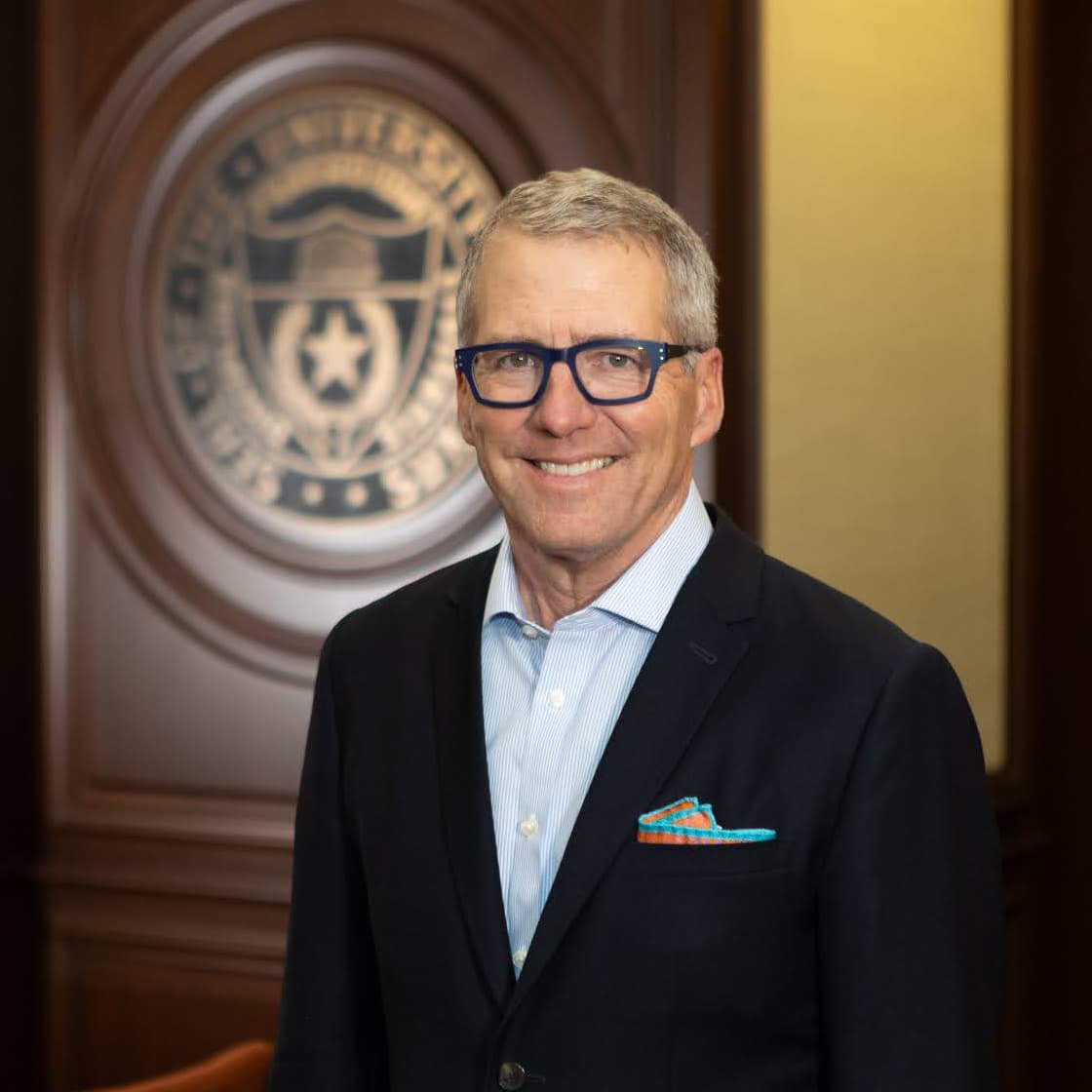
With a multitude of issues affecting the UC, Milliken’s history offers a glance at where the future of the UC system lies
By RIVERS STOUT— campus@theaggie.org
James B. Milliken, the chancellor of the University of Texas (UT) system, is set to start as the new president of the University of California (UC) system this August. As the UC enters a new stage of leadership, we look at where the system stands now and what Milliken’s past may indicate about the direction he will take.
The University of California: Where is it today?
Outgoing President Michael V. Drake became the 21st president of the UC system in 2020; his reasons for stepping down have not yet been made public.
While Drake came in during the difficulties of the early COVID-19 pandemic, Milliken will no doubt face a variety of internal and external challenges.
The last few years have seen several system-wide labor strikes affecting campuses and medical centers as well as protests over a variety of issues, including the Israel-Palestine conflict, transgender rights and immigration policy.
Federal funding cuts and scrutiny from the Trump administration on higher education at large have also placed pressure on the UC and senior administrators on ways to move forward and continue the system’s research and educational missions. In the courts, the UC, alongside other universities, has an ongoing case against the United States Department of Health and Human Services (HHS) and the National Institute of Health (NIH) for proposed cuts and budget restrictions.
The UC is also facing budget cuts from the state, which, though slightly relieved, will still result in the loss of hundreds of millions of dollars. The UC has also faced accusations of antisemitic discrimination in the wake of pro-Palestinian protests and encampments.
University response hasn’t been uniform to protests, with some protests over immigration policy and funding cuts having less police presence than others within the system.
James B. Milliken: Who is he?
Throughout his career as an academic administrator, Milliken has been lauded for his ability to fundraise and increase graduation rates.
Milliken led a campaign that raised over $1.2 billion from 2005 to 2014 as the president of the University of Nebraska. Funds went to various causes, including constructing and expanding academic facilities and sponsoring student scholarships. He also took part in creating the College Bound Nebraska program (now the Nebraska Promise), which greatly lowers university costs for many students.
He is perhaps best known for successfully creating and expanding the Accelerated Study in Associate Programs (ASAP) at the City University of New York (CUNY), which assists students financially and academically. ASAP saw significant increases in graduation rates across many students, including in other university systems that have recreated ASAP to similar degrees of success.
The UT system has also seen an increase in four- and six-year undergraduate graduation rates during Milliken’s chancellorship.
During his time as CUNY Chancellor from 2014 to 2018, the Professional Staff Congress — a trade union for academic and professional staff — criticised Milliken and CUNY management for slow negotiations. For his part, Milliken publicly approved of negotiation agreements, expressing satisfaction at their conclusion.
“I am very pleased that [CUNY faculty and staff] voted overwhelmingly to ratify the agreement that their representatives and the University had reached through lengthy and ultimately productive negotiation,” Milliken said in a 2016 CUNY statement.
As chancellor of the UT system, a role he has held since 2018, the two largest labour movements included an employee strike of the UT Dallas student newspaper, The Mercury, in 2024 and a faculty and staff work stoppage in support of pro-Palestine protests that same year.
In a statement from UT faculty, the president of UT Austin (UTA) and UTA administrators were criticized for inviting police to campus. As the chancellor, UTA leadership responded directly to Milliken, though Milliken is not in direct control of UTA.
On the student pro-Palestine movement, Milliken has been publicly in favor of students’ rights but critical of the movement in general. While at CUNY, the university conducted investigations into allegations of antisemitism by Students for Justice in Palestine campus organizations.
“CUNY leadership have promptly and strongly condemned speech — even when legally protected — that is hateful, discriminatory, antisemitic,” Milliken said in a letter preceding the investigation report.
At UT, Milliken approved of the UT Board of Regents’ decision to adopt a policy reinforcing freedom of speech. However, police were called during student protests last year in support of Palestine, resulting in student arrests and suspensions.
A year ago, as UT Chancellor, Milliken oversaw the dismantling of the system’s Diversity, Equity and Inclusion initiatives, in compliance with Texas state law. More recently, the UC announced the end of diversity statements, and the Trump administration has proposed changes to the accreditation process that would further weaken diversity initiatives.
Written by: Rivers Stout— campus@theaggie.org