57 F
Davis

Davis, California

Monday, December 22, 2025
Home Blog Page 81

Redshirting: a strategic way for college athletes to maximize their athletic potential

0

Explore the impact of redshirting on college athletes

By MEGAN JOSEPH — sports@theaggie.org

Redshirting may sound like an unfamiliar term with a funny name. But, for collegiate athletes, redshirting is one of the best alternatives in collegiate sports. 

The official term “redshirting” refers to athletes who choose to not participate in certain seasons or games of their collegiate career in order to maximize their eligibility in the sport. As stated by the National Collegiate Athletic Association (NCAA)’s rules for collegiate athletes, “A student-athlete shall not engage in more than four seasons of intercollegiate competition in any one sport.”

Therefore, since collegiate athletes are only allowed to participate in a total of four seasons while at the university, athletes may choose to “redshirt” or save their eligibility so that they can further develop their skills mentally and physically before competing.

Redshirting allows student athletes to not only grow in their sport but also continue to practice in the team without the pressures of having to compete. Additionally, redshirting can give athletes the opportunity to get accustomed to the college lifestyle socially and academically before adding a sport into the mix.

“I think any athlete should be willing to redshirt because it means you’re saving up your eligibility so that you can get more minutes in a game and grow as an athlete […both] physically and mentally. I got to work more in the weight room and focus on getting stronger and getting smarter in the game and getting experience from the outside on what it means to be playing on the inside or in the water,” Brody Crouch, a third-year communications major, said.

Crouch was a key player for the UC Davis water polo team in their 2022 season. Scoring a total of 13 goals in his first season as an Aggie, Crouch decided to redshirt for his second year in order to have the opportunity to stay for a fifth year and potentially get more minutes in the water during future games. 

Aside from allowing players to save their eligibility and get more playing time, redshirting allows athletes to get accustomed to collegiate-level game play without sacrificing a year of in-game play. 

“Changing from high school-level competitions and sports to college level is a big jump for everybody, and some people are ready to jump straight into competitions, but some people need more time to get used to the environment and the higher level of play,” Livi Lewis, a third-year biological sciences major, said. “So, it’s a great way to save eligibility while still being in the collegiate sport environment.”

A common concern with redshirting is the worry that the team will form bonds with one another while the player is not present. However, that’s not true, according to Lewis. 

“You are totally still part of the team, you’re just not competing in NCAA games,” Lewis said. “It’s very official, but you are still allowed to attend games and practice with the team and you are still required at training. You’re just technically not playing in official games, but you are also still building the bond with the team. You are not ostracized from the team.”

Still, like any major decision, there are some negatives associated with redshirting. When a player decides to officially redshirt, they are ultimately deciding not to compete for an entire season. This decision does preserve a player’s eligibility for future seasons and is only useful if that player decides to stay for a fifth year.

 Additionally, redshirting players are not permitted to travel with the team for away games no matter the distance. For some, traveling to games on their own to support the team might be difficult and unmanageable. Nonetheless, having the option to stay for a fifth year and play may be more enticing, or in some cases unavoidable, if a player is receiving less play time or if a player has an injury.

“The way you gain experience is by playing [a] season, so I guess you lose out on that,” Lewis said. “At the end of the day, if you aren’t able to or your coach doesn’t think you will get a lot of playing time, then it is a good option because it maximizes your ability to play.” 

Crouch also reflected on how the team was a pivotal part in his redshirting experience.

“If anything with redshirting, I think it has brought me closer to my guys,” Crouch said. “I was definitely upset and there was an emotional aspect to it, but because they saw I was down, they were all trying to cheer me up and were always by my side and making me feel like I was a part of the team.”

Deciding whether to redshirt doesn’t just mean weighing the pros and cons — it also includes the reasoning for redshirting. The most common types of redshirting include medical, academic and voluntary.


Medical Redshirting 

This type of redshirting is similar to, as it sounds, a medical reason prompting a player to opt for redshirting. This form of redshirting is less of a deliberate choice and more of a circumstantial decision. Regardless, it still allows a player to save their eligibility while taking a season off to focus on healing. 

This form of redshirting is crucial for athletes that are facing an injury and cannot compete — for Lewis, this was the only option. 

“In February, I tore my [anterior cruciate ligament] ACL and then in March I had surgery,” Lewis said. “Even though the season is kind of far out, ACL recovery and rehabilitation is kind of a long process. It takes roughly nine to 12 months, so I wouldn’t be ready and back to playing in time for our fall 2024 season […] Medically redshirting allows me to save my eligibility even though I cannot play. I can potentially use my saved eligibility at the end of my four years which I can decide later on.”


Academic Redshirting

As student athletes, school is a priority in the lives of players. It is no surprise that many players opt to take a season off from competing in order to get ahead in their classes and focus on their academics. Athletes use the season off to get ahead in their classes and take the more difficult classes when they have more time to allocate to studying. 

Additionally, academic redshirting can be decided before stepping foot on the college campus based off of high school transcripts. For athletes to be eligible to compete, they must have a 2.3 Grade Point Average (GPA). If they fall below that threshold, then they are automatically placed on an academic redshirt in order to improve their GPA.


Voluntary Redshirting

The last type of redshirting is one of the most ambiguous and frequently used. This form of redshirting essentially refers to a player willingly sitting out of a competitive season to preserve a year of eligibility. Voluntary redshirting is usually done to give a player a chance to grow their skills before performing in collegiate-level sports. 

Furthermore, fourth-year players are typically given more playing time in a game. Thus, if there are many experienced players competing for a player’s position, then they might want to consider redshirting. It will allow them to save their eligibility in order to play when they are more experienced and will get more minutes in a game.


Unfortunately, redshirting does have some negative connotations associated with it, mainly due to the unknowns surrounding the action or the belief that a player redshirts because they are not good enough. However, these connotations are false, according to Crouch.

“I definitely want to break the stigma of it, because it has a negative connotation surrounding it, but it’s just unknown,” Crouch said. “And in my experience with it, it was actually really positive and beneficial.”

Overall, there are many positives associated with redshirting that should not be ignored purely due to the assumed negative connotation. Redshirting can be a beneficial alternative for student athletes to continue to grow and compete as much as possible during their collegiate career. 


Written by: Megan Joseph — sports@theaggie.org
‘Campamento Alegre’ provides summer programs for children of migrant farmworkers

City of Davis and Yolo County bring back ‘Campamento Alegre’ for children at Davis Migrant Center

By ALMA CULVERWELL – city@theaggie.org

leer en español

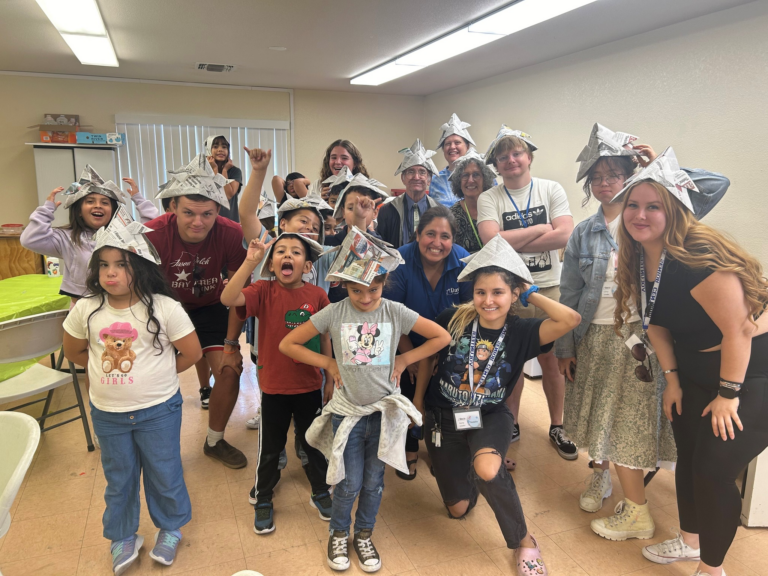
This year marked the return of the “Inclusive Parks, Inclusive Hearts: United Communities Through Recreation!” series from the Davis Parks and Community Services (PCS) Department and Yolo County Housing. Both of these organizations brought recreational summer programming and five days of educational and fun activities to the children at the Davis Migrant Center with “Campamento Alegre,” which translates to “Happy Camp.”

The Davis Migrant Center, operated by Yolo County Housing, is home to approximately 55 children for seven months out of the year. Many children have grown up at the center, rarely participating in the city’s recreational programming.

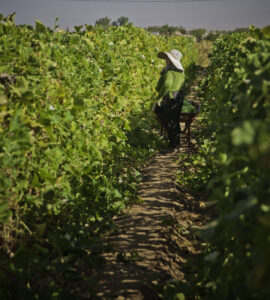
A farm worker works in the heat. (Aggie File)

In August, PCS staff provided activities such as soccer, line dancing, art, painting, origami, s’mores making, a charcuterie class and more. By hosting the activities on-site and offering programming in Spanish, the event eliminated costs and logistical challenges related to transportation and enrollment. 

Funding for the program came from the city’s American Rescue Plan funds, allocated by the city council, alongside donations from a local faith-based community.

Last year, the city partnered with Yolo County Housing to provide a three-day soccer program that hosted 25 children as participants. The program also involved a special snow cone food truck visit and a pizza party. 

“We have so many wonderful partners that support our families at the center,” Yolo County Housing Executive Director Ian Evans said in a press release. “I’m thankful to my staff who care deeply about our residents, and we’re incredibly grateful to the city of Davis team for being creative and expanding the activities this year.”

Deanne Machado, the director of parks and community services for the city of Davis, explained how the programming has evolved and improved over time. 

“Recreation is relational,” Machado said. “What that means is that all of the programs get better over time, especially with repeated exposure to the same sets of familiar faces […] The camp ran a bit more smoothly because the returning children remembered us, trusted us and knew what to expect. When asked what segment or class the kids liked best, many of them said ‘all of it.’”

Yolo County Housing Specialist Maria Pena said location, commute and parents’ work can pose difficulties for children to engage in activities outside of what is offered by the childcare program. “Campamento Alegre” aims to address this issue by bringing recreational and educational activities directly to the children at the center, ensuring they have access to enriching experiences without needing to leave the facility.

“It is very difficult for children at the migrant center to participate in fun activities other than the activities provided by the childcare since the center is located a long distance from the city of Davis, and in most families, both parents work, so they cannot be taken to do activities outside the center,” Pena said. “This program brings the activities to the children.”

Machado said the program gives children a unique opportunity to experience new activities.

“Being able to bring new experiences to youth who may not otherwise have the opportunity to experience them; demonstrating that public programs can and should be designed to meet the needs of the community; increasing trust and building relationships with underserved and vulnerable populations,” Machado said. “[All of these] increase resilience in the community.”

The Davis Parks and Community Services Department works to improve access to recreational programming for underserved populations, including offering scholarship funds and enhancing enrollment processes. The department plans to release a larger report on these efforts later this year.


Written By: Alma Culverwell — city@theaggie.org

‘Campamento Alegre’ provee programas de verano para los niños de trabajadores del campo migrantes

Davis y el condado de Yolo reviven “Campamento Alegre” para los jóvenes en el centro de migrantes en Davis


Escrito por ALMA CULVERWELL – city@theaggie.org

Traducido por ILEANA MERAZ Y SAMUEL RUIZ

Este año marcó el regreso de la serie de eventos, “Inclusive Parks, Inclusive Hearts :United Communities Through Recreation!” organizada por el departamento de Parques y Comunidad y el departamento de vivienda del condado de Yolo California. Estos dos directivos revivieron lo que fueron cinco días de actividades que se enfocaron en traer una experiencia educativa y divertida para los niños y jóvenes de la área de Davis.

El centro de migrantes, que está en dirección del departamento de vivienda del condado de Yolo, se ha convertido en el hogar de aproximadamente 55 niños a lo largo de siete meses del año. Desde el tiempo de su apertura ha habido una gran cantidad de jóvenes que han crecido en el entorno del centro, no obstante, la mayoría de estos jóvenes rara vez han participado en actividades y otros directivos de la ciudad.

A farm worker works in the heat. (Aggie File)

En Agosto los empleados del departamento de Parques y Comunidad organizaron una variedad de actividades que incluyeron, fútbol, arte, pintura, origami, cocina y mucho más.

Al alojar el programa en el centro de migrantes y al ofrecer todos los cursos en español, el programa eliminó el costo y retos logísticos relacionados con el transporte e inscripción de los jóvenes al programa. 

Los costos para iniciar un programa de esta magnitud fueron cubiertos en parte por el apoyo de los esfuerzos de la ciudad de Davis adquiriendo los fondos del American Rescue Plan y la participación financiera de un grupo religioso local.

El año pasado la ciudad colaboró con el departamento de vivienda del condado para ofrecer un taller de tres días enfocado en técnicas de fútbol el cual inspiró a 25 jóvenes que se inscribieron a asistir. Además de las técnicas y entrenamiento los jóvenes gozaron de la visita de un camión que les ofreció raspados y una celebración con pizza. 

“Tenemos una gran cantidad de socios que han apoyado a las familias,” nos explicó Ian Evans el director ejecutivo del departamento de vivienda en una entrevista de la prensa. “Estoy muy agradecido por mis empleados y equipo que han enseñado mucho cariño a nuestros residentes y como grupo en este esfuerzo estamos increíblemente agradecidos a la ciudad de Davis y su equipo en sus esfuerzos y su creatividad en expandir las actividades de este año.”

Deanne Machado, la directora del departamento de parques y servicios comunitarios de la ciudad nos explico como se a evolucionado el programa a lo largo del tiempo explicandonos,

“La Recreación es relational,” Machado dijo. “A lo que me refiero es que todos los programas se han mejorado al curso del tiempo especialmente con el regreso repetido de los jóvenes que llegan al programa. Este año el programa puede ejecutarse con mejor fluidez gracias a los jóvenes que regresaron al programa y la confianza que tienen en nosotros. Cuando tuve la oportunidad de preguntarles cual parte fue su preferida del programa la mayoría respondió que todas las actividades fueron a su gusto.”

Maria Pena especialista de vivienda del condado nos dijo que muchas de las veces las dificultades externas como el transporte y el trabajo de los padres puede traer dificultades para que los jóvenes puedan participar en actividades fuera del programa. Campamento Alegre se enfoca en quebrar esas paredes y dificultades al traer las actividades directamente a los jóvenes en los centros de migrantes asegurando que tienen acceso a las actividades que enriquecerán a los participantes sin tener que viajar lejos del centro.

“Es muy difícil que los jóvenes en el centro de migrantes participen en las actividades divertidas que ofrecen en las guarderías y centros de cuidado infantil por la distancia que tienen al centro,” Pena dijo. “Los participantes en lo común tienen dos padres que trabajan lo cual impide que vayan a actividades fuera del centro. 

Machado nos explicó que el programa le da una oportunidad única a los jóvenes para que experimenten con nuevas experiencias y actividades. 

“Lo que aumenta la resiliencia en la comunidad,” nos describe Machado. “Es teniendo la habilidad de traer nuevas experiencias a jóvenes que de otras maneras no tendrían la oportunidad, demostrando que programas públicos pueden y deben ser diseñados para satisfacer las necesidades de la comunidad; aumentando la confianza y construyendo relaciones con las poblaciones desatendidas y vulnerables- Machado nos explicó- Todas estas cosas] aumentan la resiliencia en la comunidad.-

El Departamento de Parques y Servicios Comunitarios de Davis trabaja para mejorar el acceso a programas recreacionales para la población desatendida, incluyendo ofreciendo becas y mejorando el proceso de inscripción. El departamento planea publicar un informe con más información sobre estos esfuerzos más adelante este año. 

Traducido por Ileana Meraz y Samuel Ruiz

Escrito por Alma Culverwell – city@theaggie.org

One year later, pro-Palestinian and pro-Israeli protesters hold demonstration on Oct. 7

0




On Oct 7., there were demonstrations for Israel and Palestine at the Memorial Union. Here is the demonstration that occurred in photos. 

By JENNA LEE photo@theaggie.org

Protesters march through the Memorial Union, wearing masks and face coverings. (Jenna Lee / Aggie)
A protester covers their face with a rally sign. (Jenna Lee / Aggie)
Protesters gather in front of the Memorial Union carrying signs that read “Free Palestine, U.S tax dollars fund war crimes.” (Jenna Lee / Aggie)
Protesters gather in front of the Memorial Union in support of Palestine. (Jenna Lee / Aggie)
Protesters gathered in front of the Memorial Union listening as a speaker chants into the megaphone. (Jenna Lee / Aggie)


Photographed By: Jenna Lee — photo@theaggie.org

Scented care as a form of self-care

Choosing certain scents provides a playful form of self-expression 


By JULIE HUANG – arts@theaggie.org

 

Perfumery has been around since antiquity, and it is not going away anytime soon. The personal care and cosmetics industry and its consumers are always finding new ways to engage with scented products, whether through perfume, body mists, body washes, candles or a combination of each. 

Recently, the idea of consciously emphasizing specific scents through personal care products has been gaining in popularity as online creators on platforms like TikTok and YouTube curate hygiene routines. Featuring shower care, lotions, deodorants, body mists and perfumes that are all meant to complement and enhance each other’s scent performance, these assortments of products are designed to allow wearers to radiate a scent of their choosing. 

Popular scent choices include vanilla, coconut, florals, a myriad of different fruity fragrances and just about anything that smells good. 

Khadydiatou Ndiaye, a second-year linguistics major, pointed out the age-old wisdom in choosing a traditionally popular scent. 

“There are certain scents that just attract most people, like vanilla or shea butter,” Ndiaye said. 

When wearing a more conventional fragrance, the social aspect of scented care is able to take the spotlight and create opportunities for connection and confidence boosting. 

“You know that you smell good when you go outside and people give you compliments,” Ndiaye said. “You just feel some type of confidence, like it boosts your ego.” 

However, layering different scents is another great option that can help you find more creative freedom in cultivating your own personal scent. 

The idea of using fragrance to differentiate oneself from the crowd is a key aspect of scented care. Consistently sporting a chosen scent becomes not just a personal preference but also a means of nonverbal communication to others regarding one’s presence and identity. 

“If somebody walks by me, they’re going to be like, ‘Oh, Khadyjia’s here,” Ndiaye said. “My scent is like a signature.” 

Scent also provides a form of sensory stimulation that can affect one’s mood as well as the mood of people nearby, often adding depth and character to the surrounding environment. 

Lily Hatch, a second-year art studio major, often uses scented candles to bring a positive atmosphere to her personal space. 

“Lighting candles helps set the tone for the room and the vibe, and it kind of calms you down,” Hatch said. 

Other forms of scented products, such as body mists and perfumes, subtly enhance different aspects of daily life by providing chances to play around and experiment with pairing seemingly unrelated items. 

“I will choose [my scent] based on if it fits my outfit, or if I’m wearing sunscreen that smells kind of like vanilla, I’ll spray something that complements it,” Hatch said. 

Jessica Alvarez-Cruz, a second-year chemistry major, noted that the mere act of choosing to wear a fragrance makes a statement in itself. 

“Whether they thought about the way they wanted to smell or they just put something random on, what someone smells like can definitely say a lot about that person,” Alvarez-Cruz said. 

Useful for creating positive sensory experiences, fragrance simultaneously functions as a form of communication, exploration and personal expression. Whether you notice it or not, adding scented products into your daily routine is truly one of the most rewarding forms of self-care that we can do for ourselves. 

Written by: Julie Huang — arts@theaggie.org
UC-wide regulations endanger students’ right to protest

Student activists deserve respect, privacy and safety


By THE EDITORIAL BOARD


Deeply rooted within university culture is the student body’s right to free speech and self-expression. At UC Davis, it is not entirely uncommon to see student groups marching with signs across campus or Eggheads spray-painted with graffiti in protest of the university’s actions. As we enter a new academic year, the Editorial Board wants to recognize the importance of youth activism and the right to freedom of speech on college campuses. 

Protests can spread awareness on harmful policies, draw attention to dangerous political movements and spearhead change. Specifically, student activism has often acted as a catalyst for social progress — empowering those both inside and outside of the university. From workers’ strikes to the pro-Palestine encampments to the Vietnam War, UC Davis students have never shied away from speaking out on current events.  

Over the summer, University of California President Michael V. Drake announced new rules and regulations regarding protests for all 10 UC campuses. These changes were announced following the UC-wide encampments erected in support of the Free Palestine movement, where pro-Palestine students set up tents in the central campus in protest of the UC’s financial relationship with Israel. While it is clear that these changes to protest policy on campus were made in response to the encampments, one of the most notable changes is the increased regulation of face coverings. 

“Individuals may not wear a mask, personal disguise or otherwise conceal their identity with the intent to intimidate any person or group, or to evade or escape discovery, recognition or identification while violating law or policy,” according to the UC Davis website.

Along with religious coverings, cultural coverings like the Keffiyeh, a traditional Palestinian scarf, can be worn on the face and head. Additionally, students wearing face masks to prevent the spread of COVID-19, especially for immunocompromised or otherwise at-risk individuals, would be required to remove the covering if campus authorities determined ill intent.  

“No person on university property may refuse to identify themselves when requested by a university official who is performing their duties in situations that require assistance or intervention,” according to the website. 

The vague and confusing methodology for determining what face coverings are permissible and which are not can only lead to negative impacts on student safety and privacy.  UC Davis simultaneously supports the use of masks during protests for health precautions and condemns the use of masks in any way that the UC does not permit. A set of rules that are subject simply to the opinions of campus officials are based on belief, not fact, and can only create a biased enforcement of rules that harms rather than protects. 

Other aspects of protesting are not permitted — such as restricting free movement and placing unauthorized structures — but non-disruptive protests and freedom of speech as a whole are encouraged by UC Davis. The issue, however, comes with expecting protests to always be quiet, passive and complacent, when in reality protests are inherently meant to challenge and confront. 

The UC’s official rhetoric surrounding student protestors depicts activists as violent and disruptive, and the requirements for engaging in a protest or demonstration follow this trend. By placing unreasonable demands, the students’ right to free speech is called into question. A protest that does not interrupt daily proceedings and that requires students to remove protective, cultural or religious facial coverings for fear of university retaliation is both ineffective and dangerous.    

As students part of a large public university, we have the unique opportunity to become educated on current events and stay connected to each other. Now more than ever, it is important to acknowledge the positive impact that university protests have had globally. We encourage new and old students to remain educated on current issues, listen to each other and become active and involved members of the community. Young activists are passionate and determined and deserve the right to express themselves — both safely and freely.


Written by: The Editorial Board

Protests for Gisele Pelicot erupt in France over controversial trial

0

Editor’s note: Before the academic school year, a member of The Aggie’s photo desk attended a protest in France regarding an ongoing trial. The following is our photographer’s visual account of what happened. 

By SACHA CHICKERING — photo@theaggie.org

France is currently transfixed by the trial of a man who allegedly drugged his wife so that he could film other men raping her. Over fifty other men are also on trial.

The victim, Gisele Pelicot, only found out when the police showed her videos spanning a decade. While she had the right to keep the trial private, she chose to make it public, raising awareness of sexual violence. 

This story has gained mass attention in France, spotlighting not only sexual assault under the influence but assault in general and male attitudes toward it. Women at the protest demanded, “Shame must change sides!”

On Sept. 14, I attended a protest in Paris, one of many nationwide. These are some photos. By researching “Gisele Pelicot,”  you can read more on this horrifying story.

Sign reads: “Educate your sons, Protect your daughters.” (Sacha Chickering / Aggie)


Protestors at the Place de la République. (Sacha Chickering / Aggie)


Protestors meet at Place de la République during Gisele Pelicot’s trial. (Sacha Chickering / Aggie)


Sign Reads: “Silence rapes, Silence kills.” (Sacha Chickering / Aggie)


Protestors rally for feminist rights. (Sacha Chickering / Aggie)
Sign reads: “Thank you Gisele.” Protestors are grateful Pelicot opened her trial to the public, giving courage to more women to fight back. (Sacha Chickering / Aggie)


By Sacha Chickering photo@theaggie.org

How to be a successful recipe reader

Even the tiniest details matter


By MAYA KORNYEYEVA — mkornyeyeva@ucdavis.edu


It’s the start of another fall quarter — a time filled with optimism, a little bit of nerves and a palpable sense of excitement. A new school year also means a new you; it’s a chance to make friends, go to some school-wide events, tweak your style and start your classes strong. It’s your moment to get back into the academic groove and get a feel for everything UC Davis has to offer. 

If you’re an off-campus apartment dweller like me, it also means a fresh start to plan out your schedule for the next three months, especially when it comes to food. When I moved out of the dorms last year, it was quite a daunting prospect to be at my own discretion to purchase ingredients and scavenge for good college meal recommendations. It proved challenging to find recipes that didn’t require a lot of expensive ingredients, and even harder to make sure I did every step of the recipe right. 

Over the last year, I’ve learned a tremendous amount about how to properly read a recipe and what the best recipe formats look like. Here are some of my tips to help you along as you start cheffing-it-up this quarter. 


How to properly read a recipe:

  1. Read the entire recipe from start to finish, taking note of the ingredients and any prep work that needs to be done. Plenty of recipes will be marketed as “15 to 30-minute quick meals” when, in fact, they assume that you’ve already done a good amount of prep work. Look for anything that is already “pre-made” like crust, puff pastry, chopped veggies or marinated meat and prepare it in advance. 
  2. Mentally gauge the time the recipe will take you. Not everyone is a speedy cook (I am definitely not), so remember to keep your own skill level in mind when approaching a recipe. Make sure to account for “waiting time,” which includes the time that it takes to preheat the oven, refrigerate your dish or bring ingredients to room temperature (such as butter or eggs). I’ve found that it takes me roughly 20 minutes longer than the estimated time shown on the recipe: give yourself space to problem-solve any issues without feeling pressured for time. 
  3. Ensure you have the tools and ingredients necessary. Cooking is very precise, so recipes are often based on the assumption that you have all the measuring equipment, pots, pans and culinary tools at your disposal. While reading the recipe through for the first time, make sure to think about what items you will need to help you cook — whether it’s a spatula, sieve, zester, mixer or rolling pin.
  4. Don’t panic if you’re an ingredient short — there are often plenty of options for substitute ingredients to use instead. A few common ones include lemon juice or vinegar instead of buttermilk and margarine or oil instead of butter. Spice mixes don’t have to be precise either; I’ve found that it’s rather fun to blend my own concoction of spices for a meal and try out some new flavors, especially if I’m only missing a few from the original recipe. 


The best recipes have…

  1. A list of tools alongside a list of ingredients. These are always the clearest and simplest recipes to follow. 
  2. Batched proportions. Let’s say you are looking at a cookie recipe to satisfy your post-exam cravings. The most straightforward recipes have tabs with ingredient proportions for half batches (12 cookies), regular batches (24 cookies), double batches (48 cookies) and so on. This allows you to skip a whole bunch of complicated math when it comes to doubling or halving the amounts of ingredients you need.
  3. An estimated “end amount,” i.e. how many people the recipe is good for. As an example, if you’re planning to bring a pan of mac and cheese over for a friend’s potluck, you may want to look for a recipe that “feeds 8-10 people” rather than a recipe that includes no indication of how much mac and cheese you’ll actually end up with. That way, you can search and plan your dish accordingly. 
  4. Step-by-step photos or videos. The most beginner-friendly recipes walk you through each step of the process, teaching you what order to mix ingredients and showing you what each phase of the recipe should look like. This is extremely helpful when you are new to cooking and need a little extra guidance, allowing you to match the written description in the recipe to a visual image. 


So, there you have it. These are some of my biggest takeaways from cooking for myself last school year, and I hope they prove useful to anyone out there that is new to cooking. Here’s to always finding practical and delicious recipes that make living and cooking by yourself a bit less overwhelming. 


Written by: Maya Kornyeyeva — mkornyeyeva@ucdavis.edu

Disclaimer: The views and opinions expressed by individual columnists belong to the columnists alone and do not necessarily indicate the views and opinions held by The California Aggie.

Culture Corner

The Arts Desk’s weekly picks for music, movies and more


By AALIYAH ESPAÑOL-RIVAS — arts@theaggie.org 


TV Show: “Big Brother” by John de. Mol (2000)


Do you ever feel like you’re being watched? Well, if you’re on the reality show “Big Brother,” your fears can become a reality. With 100 cameras and microphones following their every move 24/7, “Big Brother” follows 16 contestants, or houseguests, as they compete week after week for $750,000 in a house that they cannot escape. The show has produced seasons every summer since 2000. Akin to “Survivor” (minus the grueling outdoor environment), houseguests face challenges that test their math skills, endurance and memory as they attempt to stay off “the block” to avoid eviction. Mixed with heightened emotions, secret alliances and twists that can blow up the entire game in one second, you always have to expect the unexpected. While the current season is still airing on CBS, be sure to tune in to catch the last four houseguests remaining. 


Movie: “Theater Camp” dir. by Molly Gordon and Nick Lieberman (2023)


Any theater kids out there? No…?


The film “Theater Camp” is exactly what the title implies — “theater” and “camp.” In a mockumentary-style film following a struggling theater camp, counselors Amos (Ben Platt) and Rebecca-Diane (Molly Gordon) attempt to keep the camp afloat amidst a plethora of problems while trying to prepare the campers for the final performance. Filled with drama between counselors, a replacement owner who knows more about being an influencer than theater and a musical sequence of kids singing as pieces of cocaine going into a paper-mache nose, the film is every theater kid’s worst nightmare and dream. 


Song: “Pushing It Down and Praying” by Lizzy McAlpine (2024)


Lizzy McAlpine has killed me once again with the song “Pushing It Down and Praying.” The lead single off of her deluxe album, “Older (and Wiser),” explores the tumultuous relationship of two individuals whose relationship is only being held together by intimacy. The song opens with a depiction of an intimate moment shared between the artist and her partner, with the accompanying melancholic melody, as McAlpine questions her partner’s love for her. Throughout the song, McAlpine alternates from thinking she loves him while still wanting more from someone. The song is raw, with an overall feeling of defeat. While McAlpine may want something more, she’s pushing that feeling away and praying it all works out. 


Book: “Picking Daisies on Sundays” by Liana Cincotti (2023) 


In the same realm of books such as “To All the Boys I’ve Loved Before” and “Better Than the Movies,” the book “Picking Daisies on Sundays” by Liana Cincotti is a perfect pick for those who love the childhood friends to lovers trope, fake dating and golden retriever boys. The book follows Daniela, otherwise known as Daisy, a college student in New York who dreams of becoming a fashion designer and deep down yearns for romance. However, after getting rejected by her boy best friend, Levi, in high school, Daisy continues to face challenges in the dating scene. That is, until she ends up running into Levi at a bar four years after he rejected her. He proposes for her to fake date him, leaving Daisy thinking: maybe all hope isn’t lost with Levi.

Written by: Aaliyah Español-Rivas — arts@theaggie.org 


Written by: Aaliyah Español-Rivas — arts@theaggie.org 


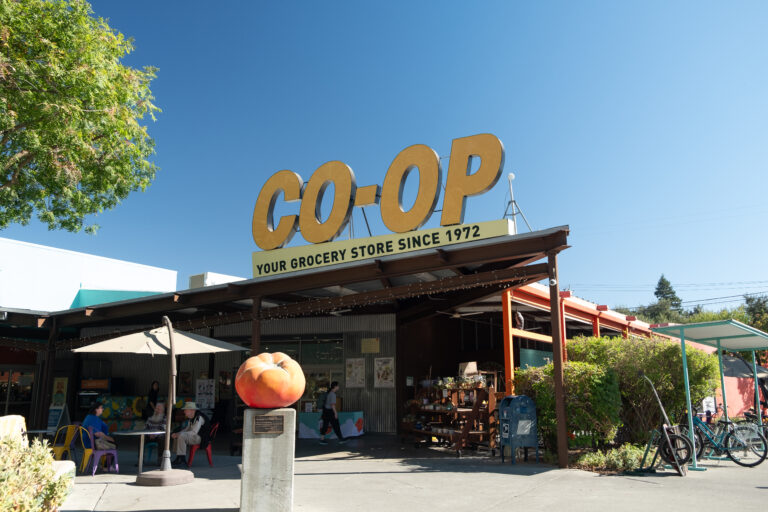
Davis Food Co-op recognizes Hispanic Heritage Month

To bring awareness to Hispanic Heritage Month, the co-op offers special displays, sales and recipes 


By OLIVIA HOKR — city@theaggie.org


National Hispanic Heritage Month takes place every year from Sept. 15 to Oct. 15. The Davis Food Co-op, a local grocery business made up of over 8,000 owners that focuses on healthy and sustainable food, puts effort into highlighting special months throughout the year. For Hispanic Heritage Month, the co-op brought awareness to various Hispanic-owned brands and shared authentic recipes from their staff.

The Davis Food Co-op website provides a history of Hispanic Heritage Month as well as a list of the brands owned and operated by Hispanic communities. 

“Sept. 15 was chosen as the starting point for the commemoration of Hispanic Heritage Month as the anniversary of the Cry of Dolores (1810), which marked the start of the Mexican War of Independence,” the website states. “It was this moment that eventually led to independence for the Spanish colonies that are now recognized as the countries of Mexico, Guatemala, El Salvador, Costa Rica, Honduras and Nicaragua. Today we celebrate Hispanic Heritage Month to recognize the achievements and contributions of Hispanic American champions who have inspired others to achieve success.”

Liliana Agredano, the marketing manager of the Davis Co-op, shared the importance of recognizing different ethnicities and identities at a local level. The co-op creates decorative displays and puts specific items on sale to spread awareness. 

“Typically for these kinds of months we have a display that highlights brands and vendors who are genuinely that ethnicity to highlight them, call them out and try to bring attention to their products,” Agredano said. “On shelf level we have different tags that highlight different attributes, for example Latino-owned businesses, Asian Pacific Islander-owned businesses, LGBTQ+-owned businesses.”

During Hispanic Heritage Month, the co-op had the opportunity to host the California Fast Food Union in their teaching kitchen and experience authentic Mexican cuisine. Additionally, the recipes from staff members are available on their website for everyone to try. 

“This year we had a fast food union utilize our teaching kitchen to do an off-site team-bonding experience where they were able to cook different cuisines,” Agredano said. “The lead chef in this experience was from Veracruz, Mexico, so she made her classic Gordas Picadas which was delicious.”

Beyond Hispanic Heritage Month, the co-op acknowledges Fair Trade Month and Co-op Month during October. They also partner with the National Co-op Grocers organization and Indigenous-led organizations during November to strengthen native foodways.

“For Fair Trade Month and Co-op Month, which is October, we will be featuring products that are fair trade and highlighting them more,” Agredano said. “We do the same with co-op brands because those are ones that are ethically producing products and ensuring that, one, not only the company is doing well, but mainly focusing on the people on the foregrounds.”

The Davis Food Co-op is a significant local business that takes pride in helping the Davis community, providing healthy options and promoting environmental sustainability. Check out their website and social media for upcoming events and promotions.


Written by: Olivia Hokr — city@theaggie.org

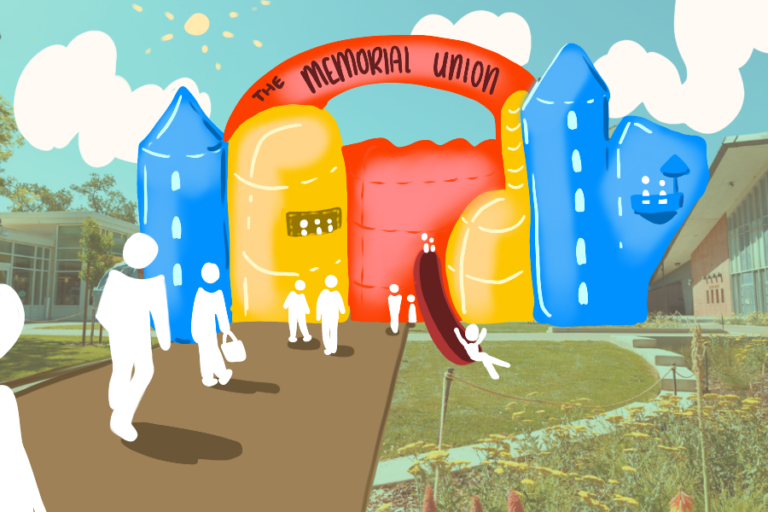
Petition to replace the Memorial Union with a giant bouncy castle

Sign now!


By AUDREY ZHANG – aurzhang@ucdavis.edu


When was the last time you’ve been inside a monument to human engineering? When was the last time you saw colors that clashed so horribly they made the presidential debate look like a loving embrace? When have we as a society lost our sense of whimsy? Ever since the dawn of history, people have longed to touch the sky. Babylon. The Wright brothers. Jeff Bezos trying to get all of the billionaires off of the planet. It was because he knew that somewhere out there in the universe was a place where people could bounce freely to their heart’s content. 

The phrase “jumping for joy” exists for a reason. UC Davis may talk a big game about caring for their students’ mental health, but they won’t provide for their most basic emotional needs. Studies show that 100% of Americans are suffering from orbital deficiencies, ever since bouncy castles were monopolized by selfish parents who only let children use them at birthday parties and subpar state fairs.

“It’s not enough to get the university to build the bouncy castle,” a leading orbital specialist said. “It is crucial to also fight to get small children into the new bouncy house, so that students can jump as hard as they can and send the tots flying.” 

When asked how many children doctors recommend sending into orbit, they said, “At least three per day.”

It’s not like there’s anything useful in the Memorial Union anyway. Let’s be serious, a games lounge? What are we, five? We need our inflatable bouncy castle and we need it now.


Written by: Audrey Zhang – aurzhang@ucdavis.edu

Disclaimer: (This article is humor and/or satire, and its content is purely fictional. The story and the names of “sources” are fictionalized.)

Breaking: ASUCD President inadvertently reveals hiring misconduct by former unit director

Gaius Ilupeju divulged the wrongdoing during the Oct. 3 ASUCD Senate meeting, before ASUCD officials attempted to stifle publication of the issue


By VINCE BASADA — campus@theaggie.org


An unnamed former ASUCD unit director disregarded employment rules and interview bylaws, ASUCD President Gaius Ilupeju alleged at a public Oct. 3 ASUCD Senate meeting.

“We found out this summer during interviews that a former unit director wasn’t hiring as they were supposed to, according to the bylaws, and weren’t abiding by fair hiring practices,” Ilupeju said. “[This unit director] put up a vacancy and they didn’t actually do interviews. They had their friends apply or people they knew apply and didn’t have the right people sitting in on those interviews [or] sending employment forms.”

The unit and former director involved were not identified, and their motive/possible fiscal damages to the organization remain unknown. There was also no further information immediately given about the interviews that uncovered the mispractice or on any possible disciplinary action taken.

The reveal of these developments to the press, which also seemed to be new information to the room full of first-time senators and commission chairs, was made inadvertently. Ilupeju disclosed the misconduct to the senate table without registering the presence of a reporter from The California Aggie. No other individuals independent from the student government were present at the meeting at that time.

“If that [hiring violation] gets out of this room, we could be facing serious lawsuits,” Ilupeju said to his fellow student government officers.

Ilupeju and Internal Vice President Aaminah Mohammed attempted to strike his comments from the record and asked The California Aggie to refrain from publishing the information, a request to which The Aggie did not comply due to the Code of Ethics

Ilupeju later provided a written statement when asked for comment.

“While we always strive to ensure that all of our units and services follow relevant policies to the best of their ability, that hasn’t always been the case in the past,” Ilupeju said.

“The event I was referencing occurred last year or the year prior, but I only recently learned about it when I assumed this role. We are doing everything we can to prevent this from occurring again.”

The information was revealed during a discussion over SB#1, enacting the ASUCD budget for the 2024-25 fiscal year as well as authorizing two capital projects to improve the services and operations of the Coffee House and Unitrans.

The initial draft of the bill included wording that asserted the right of the ASUCD Executive Office to “suspend the budget of any entity in violation of the ASUCD Constitution and Bylaws.” When asked by Senator Dhilena Wickramasinghe on the reasoning behind the inclusion of this clause, Ilupeju disclosed the alleged misconduct. 

“Since we’ve given our units semi-autonomy, we don’t really scrutinize how they spend their budget,” Ilupeju said at the meeting. “We’ve had a lot of situations where people go over budget, and our current policy is that if [units] have debt, if they go over your budget, [and] if they end up spending more than they didn’t allocate, it comes out of general reserves.”

“That’s not fair to students because it means that we’re not being prudent with the money we’ve been given, and that’s not fair to other units,” Ilupeju said. “There’s some units that go above and beyond to make sure that they’re double checking numbers, including receipts.”

SB#1 was later passed unanimously, though with the section in question removed. Ilupeju also said at that time that he plans to hold closed session meetings to discuss the hiring misconduct further. 

Written by: Vince Basadacampus@theaggie.org

Editor’s note: An earlier version of this story reported that the proposed clause in Senate Bill #1 gives power to the Senate to suspend a units budget. However, SB#1 gives this power to the Executive Office.

Clear the Shelter adoption event was recently held at the Yolo County Animal Services Shelter

The shelter’s dogs and cats show off their skills and lovable personality to find their purrfect match


By MATTHEW MCELDOWNEY — city@theaggie.org


The Yolo County Animal Services Shelter hosted their Clear the Shelter event on Sept. 21 to help their cats and dogs find their forever homes. Attendees were given the opportunity to meet the shelter’s furry friends and see their loving personalities in action. The event waived the cost of adoption for all of their dogs and cats while also providing a selection of donated pet care products for their newly adopted pets. 

Future pet owners were able to learn about pet food options, the resources provided by the shelter and pet care information at the various booths set up in the shelter’s parking lot. Lending a hand with the shelter’s physical donations and kittens area, the Eagle Scouts volunteered throughout the event.

Stephanie Amato, the director of animal services for the Yolo County Animal Services Shelter, oversees the shelter operations as well as field work for operations ranging from animal cruelty cases to wildfire response. Amato explained the role Yolo County Animal Services provides for pet owners and the community at large. 

“Our primary role is public safety, public education and making sure that the animals in our community are taken care of as well,” Amato said. “Animal services is a place where people can find their lost pets and help animals find new homes. It is also where our field responders work to handle all kinds of wildlife to ensure the safety of our community.”

As a big part of their mission, the shelter provides many important resources for the animals that are rescued or surrendered. Before any pet is ready to be adopted, the shelter ensures they receive vaccines, flea control, medical care and spaying or neutering. And although Amato explained how staff is limited, it is their highest priority for the shelter to have their pets go on day trips, get toys and receive other forms of enrichment. This emphasis on mental well-being as well as physical is something Amato cannot stress enough.

 Yolo County Animal Services provides resources for the community’s pet owners as well. Pet owners who have recently adopted are given important necessities such as a harness, toys, food and a packet containing information about pet behavior and resources available to them. 

“We really set the new pet parents up with a support system where we can offer our advice and expertise,” Amato said. “We try to support them with pet food, pet beds and whatever resources they need to keep these pets in their new homes.”

New and old pet parents alike can benefit as the shelter is excited to be hosting their first free vaccine and microchip clinic on Oct. 5. Further information about the resources provided by Yolo County Animal Services and any upcoming events can be accessed on their official website.

Tricia Hilliard is the co-founder of Friends of Yolo County Animal Services, the organization that sponsors a lot of the adoption events that happen all throughout Yolo County, including the June 4 kitten adoption event that happened in Davis at Phi Delta Theta

“Our mission, really, is two-fold,” Hilliard said. “It is to get the community involved to take a look at our dogs and reach out to volunteers.” 

The events they host are also meant to encourage the donations of pet supplies and monetary contributions for the shelter as they anticipate major renovations. On top of the supplies being useful for the shelter’s pets, the supplies are also given back to the community for new pet owners to get started. The Friends of the Yolo County Animal Services website contains a wishlist for the shelter that includes items such as dog collars, crates and treats.

A hope for Hilliard and Amato is to find more animal lovers willing to dedicate a few hours in their schedule to help walk the shelter’s ever-growing pet population. Regardless of experience, they would love to take on and train volunteers to help out around the shelter. Volunteer shifts tend to last around three hours and are available from as early as 8 a.m. to 5 p.m. at the latest. Further information on how to apply is available on the Friends of the Yolo County Animal Services website

“Even if you can’t adopt, volunteer or donate, the best thing to do is to be educated about what we do here because it is not all doom and gloom,” Amato said. “There’s a lot more that we give back to the community, and there’s also a lot more around the corner as we hope to host more events throughout the county.”


Written by: Matthew Mceldowney city@theaggie.org


Created by two best friends, the September show at John Natsoulas Gallery explores the depths of platonic intimacy

UC Davis alumni Thea Hudson and Genevieve Ryan share the thought process behind their first joint exhibition, “Friends are Everywhere” 


By SAVANNAH ANNO — arts@theaggie.org


From Sept. 4 to 28, visitors of the John Natsoulas Gallery were given the opportunity to explore “Friends are Everywhere,” a new exhibition by best friends Thea Hudson and Genevieve Ryan.

Located on the second floor of the gallery, the month-long exhibition included paintings, graphite drawings and various mixed media pieces from the UC Davis alumni. With each artwork depicting at least two figures — usually dancing, holding hands or making music — it would have been impossible to experience Hudson and Ryan’s exhibition without thinking of your own partners in life, whether it’s an old friend you miss or a sister you just spoke with recently. 

Working to explore the complexities of friendship, Hudson and Ryan discussed not only the joy that platonic love brings but how one grapples with the inevitable loss of that connection. 

A very beloved friend of mine passed in 2022, and much of my art is born from my grief and reflections on friendship, life and loss,” Ryan said via email. “Yet in this grief, there’s a profound vividness to life. A friend who is no longer here is present in the trees, in the sky, in the light.” 

Translated into Ryan’s graphite drawings, black-and-white depictions that may at first feel somber are transformed by interactions between the figures within. Sometimes appearing to be on different planes, with some figures shaded and others startling white in drawings like “Horses,” they are connected nonetheless as they move in the same directions and reach for the same things. 

With pieces like “Arils” and “Reaching,” Ryan creates vivid and mystical depictions of nature — a red stained glass pomegranate hangs in the gallery window, and friends lift their arms up toward a plant that dissolves into a bright white sky. 

“I love Genevieve’s art so much,” Hudson said. “I can’t even pick a favorite. However, her stained glass pomegranate with the little babies in it is so beautiful.”

On the other side of the exhibition, Hudson’s work celebrates the simple, yet essential, pleasure of company through bright and whimsical beings. Folkloric figures dance together in her colorful “Maypole,” while a dreamy trio of vampires rest in a field of pink flowers together in Hudson’s “Vampires in Springtime.” 

“When I close my eyes, sometimes I see the colors of Thea’s springtime vampires and the afterglow of the image lingers in my mind’s eye,” Ryan said. “I love it, all her work is so imaginative, it makes me feel like I’m seeing fairytales come to life.”  

“Vampires are used to represent a lot of things,” Hudson said. “To me, vampires are hungry, undergoing semi-violent rebirth, clawing their way out of the soil like flowers. Feeling the creative drive after a dead period [as an artist] feels like that. Lady vampires in particular are often represented in groups, so for me [the piece] is an expression of creative partnership.” 

Perhaps a reference to their own friendship, Hudson and Ryan — like the springtime vampires — thrive and grow as a result of each other’s presence. Inspired by one another on both a professional and personal level, the best friends hold a unique appreciation and reverence for each other. 

“Thea is like a holy center of the creative process,” Ryan said. 

In response to this description of her, Hudson said she feels the same way about Ryan.

“She’s like the high priestess of art,” Hudson said.

Hudson, who has been working with the Natsoulas Gallery since 2022 as a graphic designer, was given the opportunity to create an exhibition by owner John Natsoulas after her work with the Davis Mural Team. Designing the mural “La Blessure” in 2023 — located behind the downtown Davis post office on D Street — and working closely with Ryan throughout the process, Hudson explains the birth of “Friends are Everywhere” began there. 

We believe that when the universe was formed, our meeting was already present in the fabric of existence,” Ryan said. “From there we’ve just come to understand how cosmically right it is for us to be together.” 

Both UC Davis alumni also reflected on their experience as students and what most prepared them for the creation of the exhibition.

“I learned some exhibition design at UC Davis, but most of my experience came from doing design work for other artists’ shows at the [Natsoulas] gallery,” Hudson said. 

Additionally, Hudson suggests that artists looking to install their own exhibitions in the future shouldn’t confine themselves to a traditional gallery space in order to gain experience. 

“Genevieve let me install an exhibition with homemade labels and wall text in our apartment last year, which gave me a lot of experience making a cohesive body of work,” Hudson said. “I wouldn’t have been prepared for this exhibition otherwise.” 

Having to create a space where each piece complements the others around it, especially when it features two artists with different visual styles, can be a challenge. For Hudson and Ryan, the grueling experience made them more excited for what the future has in store. 

“It was ruthless,” Ryan said. “There was a tight deadline and we both had a lot of concepts that we had to discard on the fly, but our discarded ideas are now seeds sown for future exhibitions we want to do together.” 

One idea that did stick, however, was Hudson’s “New Friends Birdie Game,” an interactive piece that encourages visitors to sit with one another and play. A large painting framed by sculpted faces, the game uses a projector to create glowing silhouettes of plants and two characters that visitors can move around as they hear a singing chorus. 

“[The game] is some version of an operatic, interactive painting-sculpture that has been lingering in the back of my mind since I was 12,” Hudson said. “To see it realized and to see people enjoy it is the best feeling. I loved sitting close to the installation and hearing different ages of people figure out how to play.” 

As the pair reflect on the long journey of creating “Friends are Everywhere,” both Hudson and Ryan affirm that the greatest feeling has been seeing guests resonate with their art. With both artists tugging on the heartstrings of anyone who understands what it feels like to have a partner — a friend, a mother, a sister — this past month, “Friends are Everywhere” proved to be a universally understood truth.

“It’s a wonderful feeling knowing that your work has touched something inside another person,” Ryan said. “I think in both of our artwork, there’s a sense of life in everything. That’s how we came to the idea of our exhibition title; I really believe friends are everywhere, in everything.”


Written by: Savannah Anno — arts@theaggie.org 


Wall Street Journal’s newest ranking places Davis as the No. 3 public school nationwide

What factors are considered in the WSJ ranking and what do students at Davis think?


By ZOEY MORTAZAVI — features@theaggie.org


On Sept. 5, The Wall Street Journal (WSJ) released its updated ranking for the top universities in the country. Both in the public school category and overall, UC Davis has seen a significant rise in its national rank over the last few years — but this year’s ranking has placed our campus at a record high. 

Davis was ranked by the WSJ as No. 3 among public schools in the United States. The WSJ methodology weighs financial factors such as the salaries of college graduates more heavily than other factors in its ranking, which has caused some skew in terms of its usual top contenders. 

To that end, the WSJ overall ranking was met with some controversy this year, and many people questioned their ranking process. Many college publications, including The Chronicle based out of Duke University, referred to the WSJ rankings as “a joke,” saying that they’re taking the wrong factors into account when establishing the national rankings. 

Sophia Caster, a second-year international relations major, shared her thoughts on UC Davis’ rise in academic recognition. 

“My experience at Davis has been amazing,” Caster said. “Davis’ rank moving up to the No. 3 public university is so exciting, and [it] makes me proud to go to a school that is getting recognized for its academics. I’ve never paid too much attention to school rankings, but I feel that school rankings can be important when choosing the school that’s right for you.”

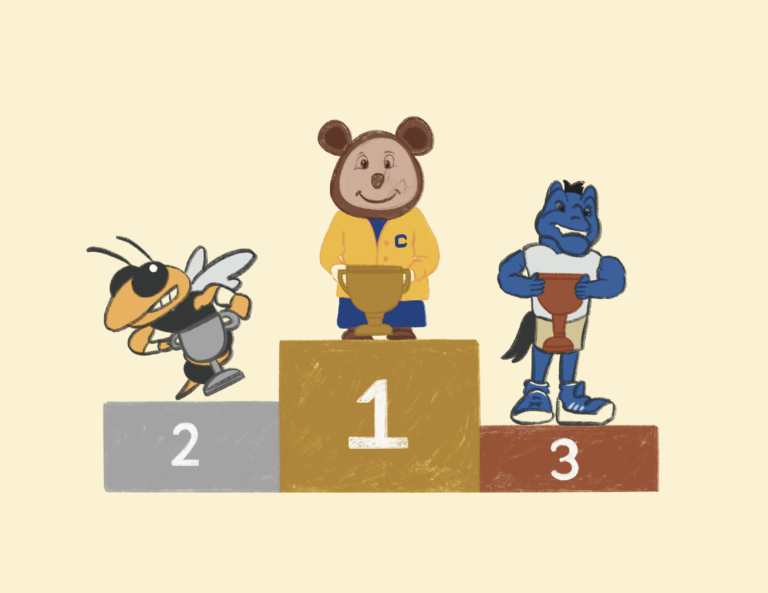
Davis now ranks No. 33, tied with Georgia Tech, UC Irvine and the University of Illinois, in the list of overall best universities, according to the U.S. News & World Report’s 2025 ranking released on Sept. 24. Davis is also ranked at No. 198 in their list of best value schools nationwide. For public universities, U.S. News placed Davis at No. 9.

Popular rankings such as the U.S. News or the Forbes ranking, which placed UC Davis as the No. 43 best university, take many factors into account, including but not limited to graduation rates, first-year retention rates, borrower debt and the student-to-faculty ratio.

As these vastly different numbers show, none of the most prestigious college rankings consider the same characteristics or place universities at the same level. Phoebe Anzalone, a second-year American studies major, said that students should not base where they attend college on rankings alone and should consider other factors.

“I’ve never really believed that college rankings should be the sole deciding factor for students about where to go to college,” Anzalone said. “I don’t think any list of the best colleges should be what convinces you to go there. The actual school experience, location, organizations and so many other things should help you make that choice — not just how ‘good’ the rest of the country considers the college you go to.” 

The Wall Street Journal has established that it weighs its rankings a little bit differently than others. Their formula reflects how schools improve their students’ chances of graduating on time, along with how much they boost student salaries following their graduation. The rankings are based on weighted factors that include student outcomes (70%), learning environments (20%) and diversity (10%). 

“We look at how much a school improves students’ chances of graduating and their future earnings, balancing these outcomes with feedback from students on college life,” Wall Street Journal editors said in an article published by UC Newsroom. “Public schools are prominent among those that climbed the ranking this year.” 

Ekaterina Popescu, a second-year neurobiology, physiology and behavior major, shared her thoughts on Davis’ rising recognition for its academics on rankings across the board. 

“Being a student at UC Davis has broadened my horizons in so many ways,” Popescu said. “As I am hoping to become a physician’s assistant in the future, being a student here has truly been a wonderful experience so far. From the several extracurricular opportunities and many internships and clinics available to join, Davis’ STEM and pre-med tracks are top-tier. Especially as only a second year, I feel that by the time I leave, this university will definitely have set me up for success.”

While the Wall Street Journal’s ranking mainly focuses on post-graduate student financial success, other sources like U.S. News or Forbes rely more heavily on academics while in school.

Despite the controversy associated with some modern college rankings, students at UC Davis confirm that they’re proud to go to a UC that is receiving more recognition than usual in recent years. The Wall Street Journal ranking is one of many that has started to place some of the typically lower-ranked UC schools such as Merced, Santa Cruz and Riverside as top public schools nationwide.