





The ethics of vegetarianism
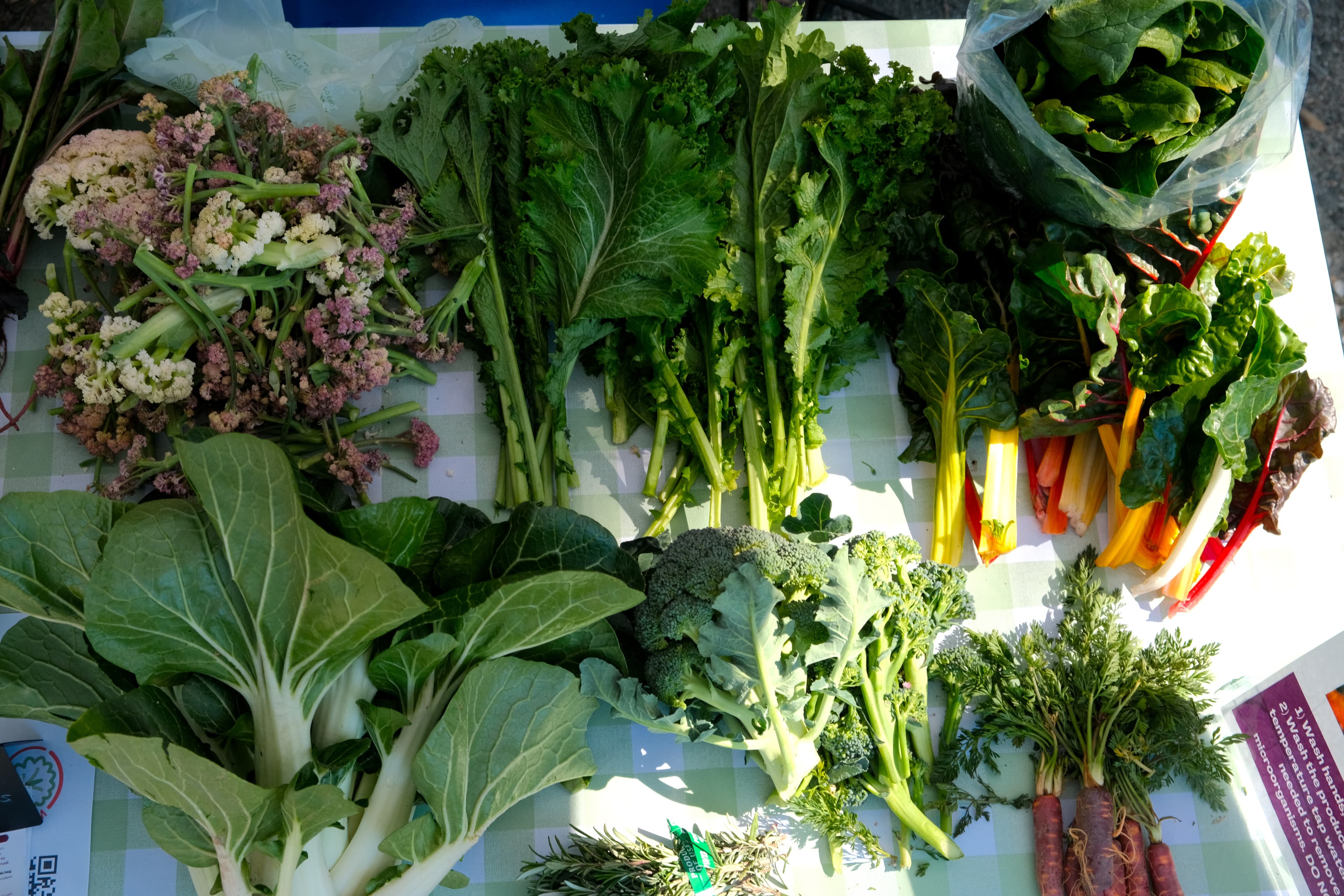
Vegetarianism, now more than ever before, is an indication of personal morality and responsibility
By GEETIKA MAHAJAN — giamahajan@ucdavis.edu
Vegetarians and vegans get a lot of flack— and it’s understandable why. For all the goodness of their cause, it’s hard to tolerate a group of people who ceaselessly preach about how their life choices are more ethical than your own. Like feminists or Twitter (now X) activists, vegetarians frequently and unfortunately fall into that group of people who have a decent message but poor publicity.
In recent years, there’s been a new kind of vegetarian — one motivated not by animal rights, but rather by the rising climate crisis. About one fourth of the adults in the United States are “climatarians,” according to The New York Times — not vegan, not vegetarian, but still attempting to limit their consumption of red meat due to concerns over its carbon footprint
There’s still an ethical divide between “climatarians” and vegetarians, even though the output is the same. When it comes to perspectives on actual lives, consequentialism is ineffective in measuring where people’s moralities lie. Whether people are interested in acknowledging it or not, the basis of vegetarianism — believing that human lives and animal lives are essentially equal — is rooted in a more compassionate worldview than pescetarianism, climatarian-ism or any other variation that simply “limits” the amount of meat a person consumes.
There are a lot of arguments that seem to invalidate this perspective. There’s the vague yet commonly referenced study that seems to prove that plants have “emotional depth” or some semblance of “feeling,” which is frequently used as evidence that omnivorous and herbivorous lifestyles are equally unethical. However, this presentation of the study misrepresents the actual findings — plants can respond to their environment, but they can’t actually feel pain or any emotion at all. If we were to interpret every response to external stimulus as a sign of sentience, then rocks, self-adjusting thermostats, and motion detectors could fall under the umbrella of “being alive” as well.
Another rebuttal against vegetarianism is that humans need meat to survive, which is based on the assumption that the diet of our hunter-gatherer ancestors affects our nutritional needs in the modern world as well. On the one hand, it is true that human society seems to have evolved around the consumption of meat; Historically, weapons, societal structures and even fire were invented with this impetus. On the other hand, humans are constantly evolving — both psychologically and physically. What was true for our ancestors does not necessarily apply to us now; our ancestors didn’t wear clothes, but that doesn’t mean that we have to run around naked.
While it is true that protein-rich foods are integral to a healthy diet, the assumption that animal products are the most cost or nutrition-efficient source of this protein is untrue. Beans are a protein-dense alternative to meat, and are some of the cheapest items on grocery shelves. Plant protein, as well as meat alternatives, are becoming more and more readily available. The majority of the Indian subcontinent manages to survive on a vegetarian diet — while there may be some nutritional benefits to a carnivorous diet, there are equal benefits, if not greater ones, to cutting down on red meat.
In truth, eating meat is something we as humans do without questioning — simply because questioning it is uncomfortable. Examining this habit on a deeper level forces us to come to terms with the idea that, between doing what’s right and what feels easy or comfortable, many of us will choose the option that requires less sacrifice and minimizes our own discomfort. Arguments advocating for the consumption of meat are becoming less relevant as humans and alternative food sources evolve, and the climatic consequences of consuming meat become more obvious.
Now, more than ever before, swapping animal products for tofu and oat milk is a question of personal ethics rather than personal preference — and while it is unfortunate that the agricultural industry has corrupted the consumption of animal products in this way, it’s not something that we should, or even can, ignore. In a world where every act of consumption has economic and ethical ramifications, we should not be wielding our purchasing power so carelessly.
Written by: Geetika Mahajan — giamahajan@ucdavis.edu
Disclaimer: The views and opinions expressed by individual columnists belong to the columnists alone and do not necessarily indicate the views and opinions held by The California Aggie.