






Commentary: Why is everyone always so nostalgic?
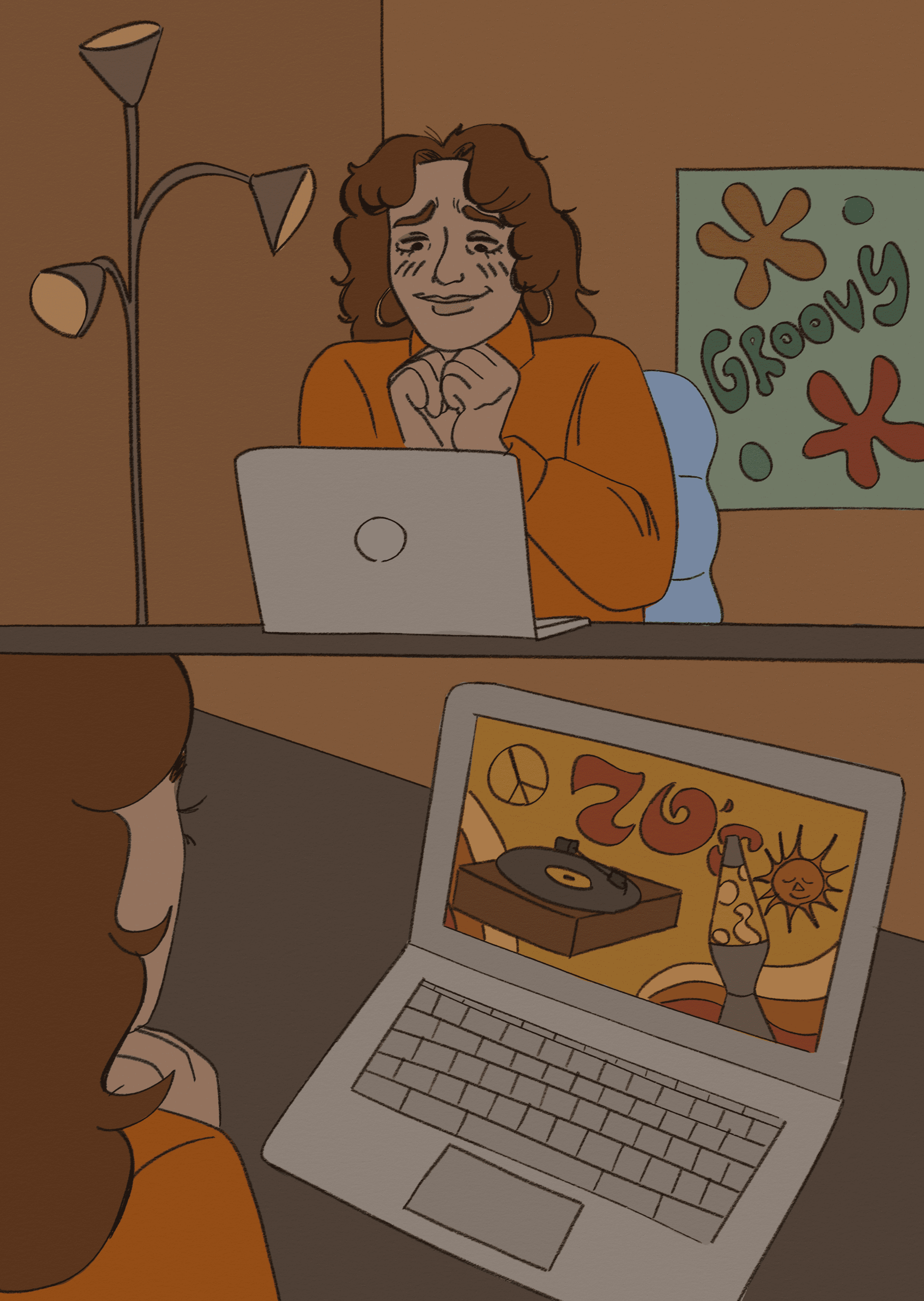
A look into our obsession with romanticizing the past
By NATALIE SALTER—arts@theaggie.org
In 2025, online spaces have never been more obsessed with aestheticizing anything they can get their hands on. Pinterest boards and Instagram photo dumps have elevated the allure of effortless, aesthetic coordination, encouraging users to distill their personalities into a carefully curated array of colors and concepts. Now, more than ever, that aesthetic obsession has become entangled with the melancholic comfort of nostalgia.
Perhaps a fragment of a Norah Jones song accompanies pictures of old Barnes and Noble interiors and skinny jeans tucked into Ugg boots, with commenters bemoaning that they’ll “never experience a true 2000s autumn.” Maybe it’s a string of old videos from 2019, supposedly the most glorious time to experience high school. The sentiment — an intense, romantic yearning for an unreachable past — is always the same.
Nostalgia is, of course, nothing new. For generations, writers and poets have explored the golden loveliness we have affixed upon our own memories, convincing ourselves that our present is not half as beautiful as our past. To yearn for something long gone may just be an inherently human quality.
Nonetheless, this rosy vision of the past is rather faulty. It would be amazingly wrong to claim that 2019 never saw any political conflict or that the 2000s were a safe and easy time to live for everyone. This aesthetic romanticization involves a great deal of cherry picking, extracting only the most comforting and visually satisfying pieces of an ultimately flawed time.
It’s hardly surprising that so many of us entertain this nostalgia, considering the overwhelming state of the world today. There is so much stress and chaos in our sociopolitical environments, and coupled with the more personal struggles of one’s day-to-day life, it can be difficult to romanticize the present. If everyone wants to escape into yesterday, it speaks volumes about the conditions of our current world.
The gap in maturity between our current and past selves is important to note as well. While the late 2000s may seem blissfully calm to those of us who were only children, adults of the time would remember a period of economic crashes and social unrest. A past where we didn’t have the concerns we carry now is undoubtedly appealing, but would you still have appreciated it if you were just as burdened?
Further betraying our romanticized perspectives, it’s remarkably easy for us to distill pockets of the past into perfectly curated, aesthetic icons and symbols. Autumn in the 2000s was certainly not all pumpkin spiced lattes and Rory Gilmore sweaters, no matter how comforting that imagining of it seems.
Is there such a coordinated aesthetic for 2025? Certainly not, just as a couple of Pinterest photos are not an accurate representation of the whole mid-2010s. If we can recognize how complicated the present is, we should be able to apply that logic to the past. Sweet as it may look, the perfect picture that social media paints of a bygone era is a tiny shred of a deeply complex period of time.
It might leave you wondering whether one day, we’ll be nostalgic for this very year. Time, it seems, has a way of smoothing out rough edges and painting the mundane in a more golden light. The boring rituals of your present everyday life may one day make your heart ache with fondness. You won’t miss everything, just like no one cares to romanticize the bad parts of the past. But it ought to make you appreciate the here and now just a little bit more, even if nostalgia hasn’t yet touched it. It’s only going to be here once — don’t live so far in the past that you let it pass you by.
Written by: Natalie Salter—arts@theaggie.org
Disclaimer: The views and opinions expressed by individual columnists belong to the columnists alone and do not necessarily indicate the views and opinions held by The California Aggie.