






UC Davis among top 10 best universities in new rankings
Ranking rubrics shift, feature different emphases on diversity and faculty research
By ROBIN FRANKLIN — campus@theaggie.org
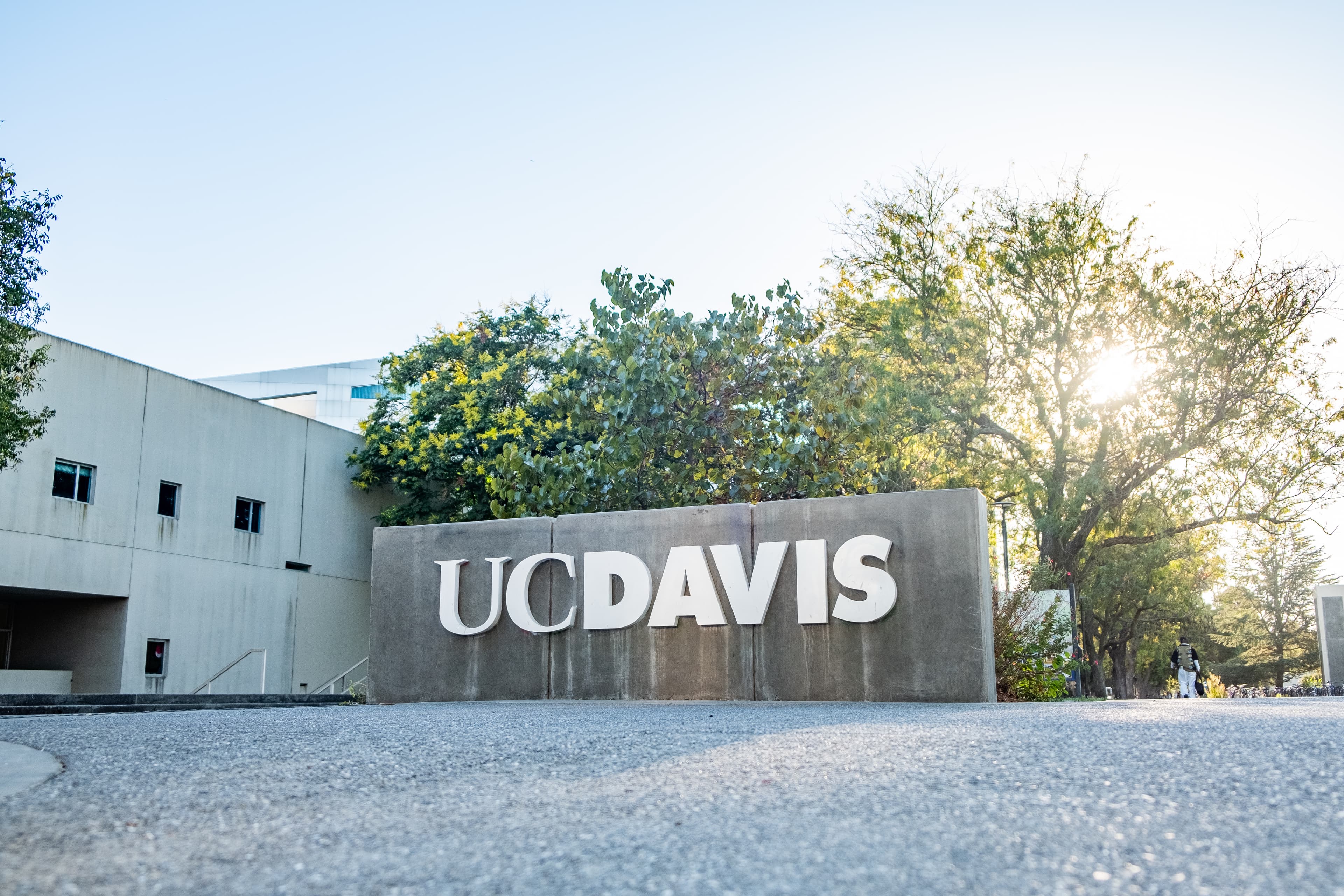
For the fifth year in a row, UC Davis has secured a spot in the top 10 best public universities nationwide.
UC Davis tied for No. 9 with two other public universities — the Georgia Institute of Technology and UC Irvine — in the 2026 U.S News & World Report rankings released on Sept. 23, which is considered one of the most influential and highly read annual reports on higher education in the country.
This is the second year in a row that UC Davis has ranked in the ninth spot.
Chancellor Gary May wrote his praise for the ranking in a recent LinkedIn post.
“This ranking from U.S. News & World Report highlights our steadfast commitment to the success of our students,” May’s post reads. “The University of California, Davis empowers students from all backgrounds with world-class educational opportunities that prepare them for rewarding careers and service to their communities.”
Since 2024, the ranking rubric for U.S. News & World Report has begun adding diversity scores into their calculations; rankings now evaluate the percentage of graduated students who are the first in their family to attend college, as well as the number of low-income students.
For the best national universities rankings, U.S. News also introduced new faculty research metrics, which report the average number of citations per publication and the percentage of a university’s publications that appear in the top 5% most-cited journals.
U.S. News also abandoned five pieces of its methodology: class sizes, the share of students in the top of their high school classes, the share of full-time equivalent faculty with terminal degrees, levels of giving by alumni and the proportion of graduates borrowing federal loans, according to an article by education news site Higher Ed Dive.
UC Davis did better in The Wall Street Journal (WSJ)/College Pulse 2026 rankings released on Sept. 29, placing No. 2 in the nation among public universities and No. 13 overall for how well it sets its graduates up for financial success.
The WSJ/College Pulse 2026 lists have continued to build on a rubric shift since 2024, now emphasizing post-graduate salary rather than college prestige. Student outcomes make up 70% of the WSJ ranking, broken down into three sections: salary boost (33%), time spent paying off tuition (17%) and the percent of students who are able to graduate (20%).
Using two surveys of about 120,000 students and recent alumni, the WSJ rankings attribute the other 20% of the rubric weight to a college’s learning environment; this encompasses learning opportunities, preparation for career, satisfaction with facilities and how likely students are to recommend their college. The last 10% considers how diverse the campus is, measured by the percentage of students with disabilities, Pell Grant recipients and ethnicity. However, unlike the WSJ rankings, the U.S. News & World Report diversity categories exclude international students, as specific ethnicity data was not reported for this group, according to U.S. News.
In other UC school ranking news, UC Los Angeles (UCLA) has been dethroned by UC Berkeley in the U.S. News & World Report list as the top public school in the nation. UCLA had previously held the top spot for the past eight years. Meanwhile, UC Merced moved from No. 58 in top public schools last year to No. 25; UC San Diego maintains its streak at No. 6.
Written by: Robin Franklin — campus@theaggie.org