






Sacramento’s Digital Equity program allocates technology kits to the community
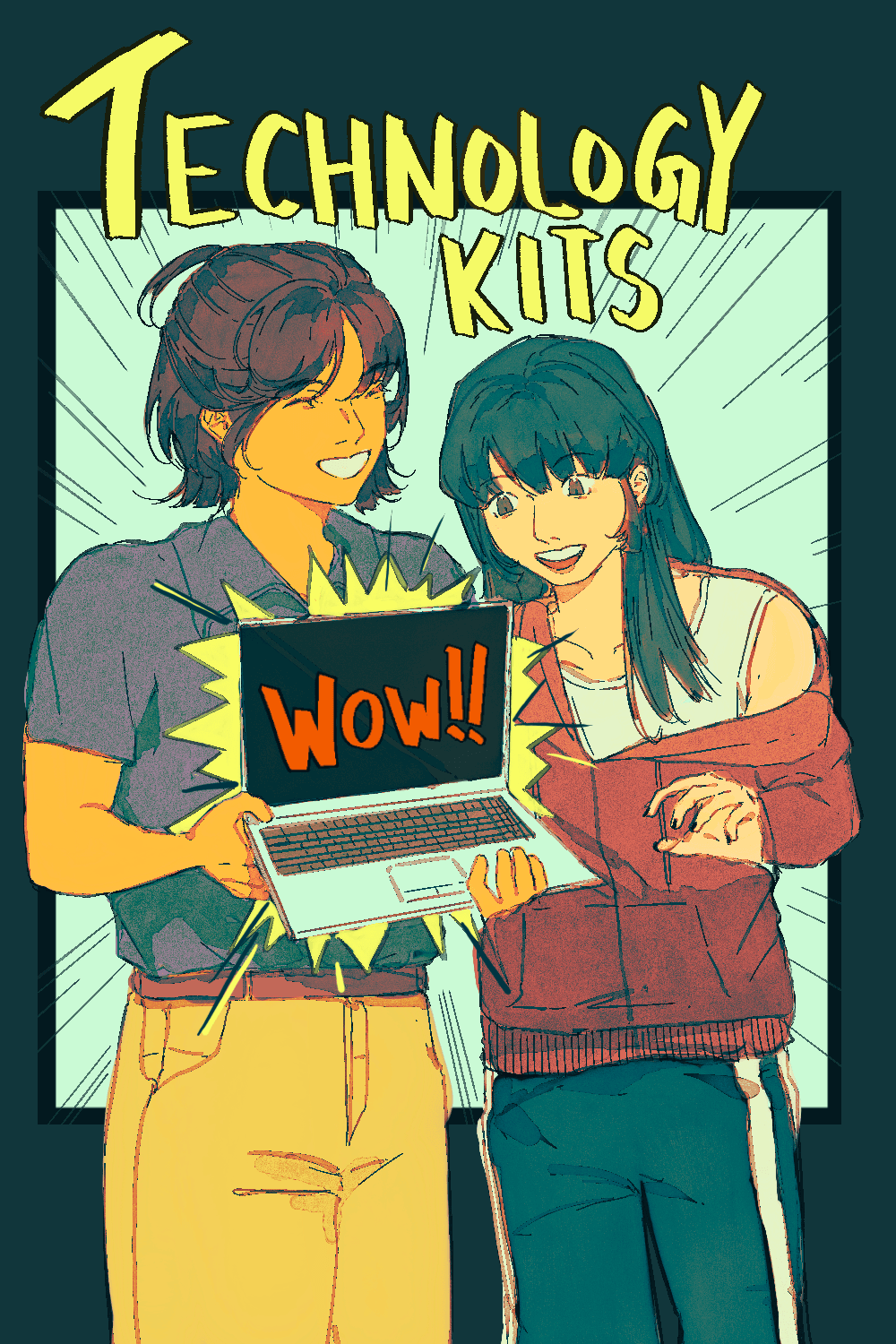
Kits include computers, internet access and hotspots
By JOANNA ABRAHAM— science@theaggie.org
Despite Sacramento’s proximity to Silicon Valley — which is the home of multi-billion dollar tech companies and countless startups — several communities in the Sacramento region remain underserved in their access to technology and digital literacy education.
To mitigate these disparities (collectively termed the “digital divide” or “digital exclusion”), Sacramento implemented the Digital Equity program. In June 2025, the program distributed over 200 technology kits to students, residents and local organizations, including the La Familia Counseling Center, Stanford Settlement Neighborhood Center and the Digital Literacy Navigators branch of Asian Resources Inc. These kits included a laptop, a mobile hotspot and two years of pre-paid internet access.
The Digital Literacy Navigators (DLN) branch of Asian Resources Inc. currently provides digital literacy courses and services to underserved elderly residents of Sacramento and Lemon Hill. Courses offered by this organization cover a variety of relevant skills, including a course on the informed use of search engines and artificial intelligence in finding telehealth services or local clinics. DLN was one of the several local organizations that directly benefited from the Digital Equity program.
Asian Resources Inc. is also partnered with and supported by California State University, Sacramento (CSU Sacramento), which received a $3 million grant in 2024 from the California Emerging Technology Fund (CETF) to support local projects that aim to bridge the digital divide.
Zong Vue, an assistant program manager of the DLN program, commented on the implications of these resources in an interview with CSU Sacramento.
“It’s very beneficial for [students of DLN’s digital literacy classes],” Vue said. “A lot of them are seniors. They’re always looking for something to do and are very interested in learning new things.”
Beyond providing older individuals with skills to navigate the digital landscape, access to digital literacy education has been shown to be vital in maintaining a high quality of life for older adults.
“Technological competency was regarded as a determinant of quality of life” during the COVID-19 pandemic, according to Dr. Finkelstein et al. in an article published by the National Institute of Health. Even in a post-pandemic era, such competency is “necessary to stay connected and capable of receiving health and social services.”
In addition to its service to the elderly community, the kits provided by the Digital Equity program also benefit students and working-age adults.
Vice Mayor of Sacramento Karina Talamantes commented on these kits in an interview with the Sacramento City Express.
“These technology kits are opening doors for students and families who need reliable tools to succeed in school, find jobs, or stay connected,” Talamantes said.
For instance, 50 technology kits went to students enrolled in the College of Business at CSU Sacramento, according to the Sacramento Bee.
In terms of helping working-age adults, Connecting Minority Communities Pilot Program (CMCPP) offers services such as resume-building and cover-letter workshops. The CMCPP is another organization supported by the Digital Equity program as recipients of technology kits. It also connects eligible residents to long-term and low-cost internet access programs, such as the Affordable Connectivity Program (ACP).
Not only do these programs equip underserved residents with tools to thrive in an increasingly digitized world, they also provide opportunities for students and motivated residents to give back to and become more involved in their communities. CSU Sacramento and Asian Resources Inc., for example, allow interested students to volunteer their time as instructors for the Digital Literacy Navigators class. Similarly, the Sacramento Regional Consortium for Digital Equity trains over 100 local undergraduate students each winter. Post-training, these students serve as interns in local community-based organizations such as CMCPP.
Ultimately, the Digital Equity program’s initial investment in technology kits and support of organizations such as CMCPP and Asian Resources Inc. has led to a slowly-growing number of digitally literate communities in the Sacramento and Lemon Hill regions. It has also provided opportunities for interested individuals to become involved in giving back to their communities, supporting the program’s overall goal of mitigating the digital divide.
Written by: Joanna Abraham —science@theaggie.org