






Commentary: Arts and crafts, authentic fashion and whimsy
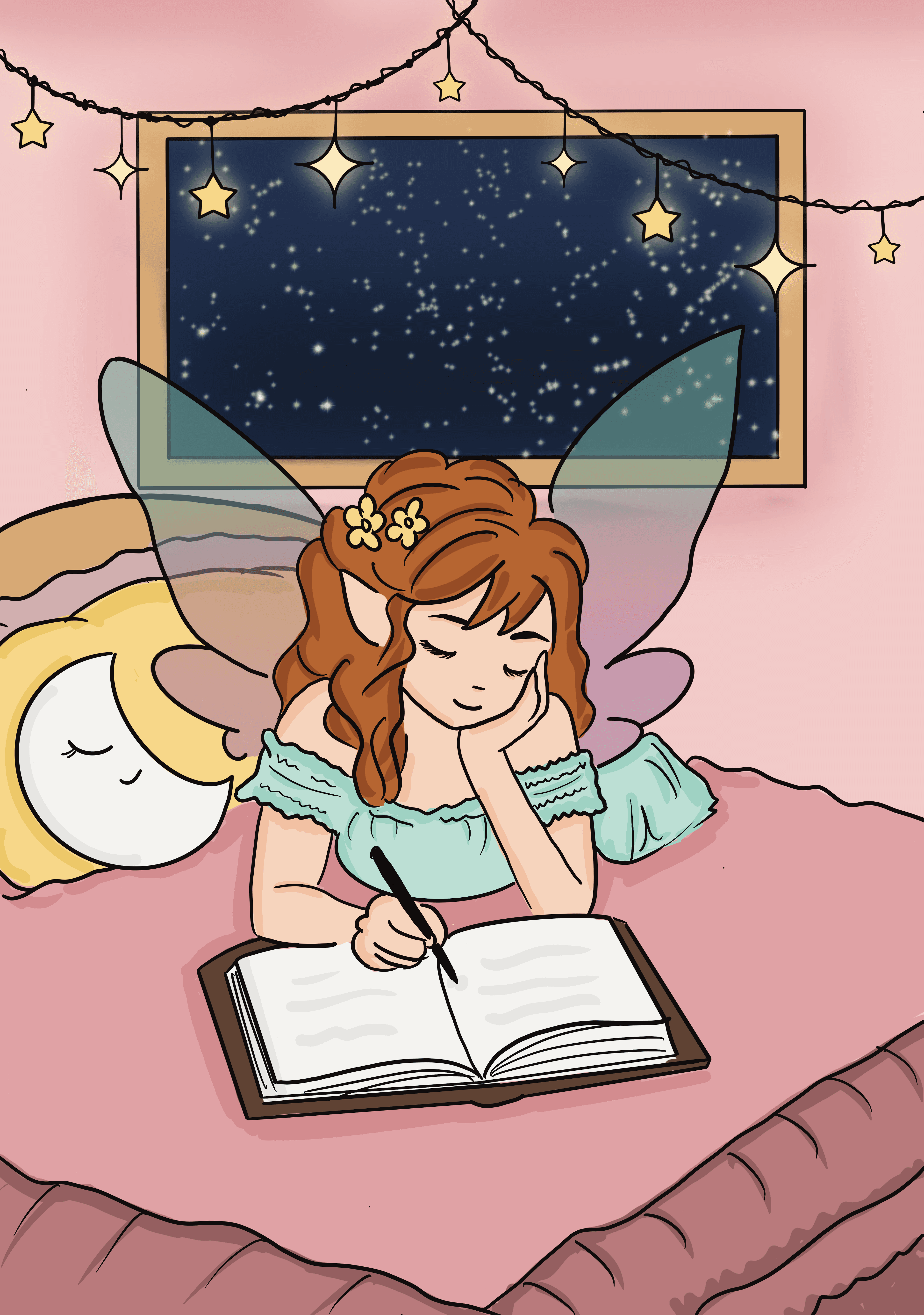
‘Whimsy’ seems to be the word of the year, but what can a whimsical life really offer us?
By NATALIE SALTER—arts@theaggie.org
If you’ve been on social media at all this year, you may have noticed many people declaring that 2026 is the year of whimsy. Though often associated with bright colors and eccentric styles, whimsy is not so much another trending aesthetic as it is a new approach to living.
Fundamentally, whimsy is about finding joy and magic in the little things. It involves embracing authenticity and happiness over fitting in and choosing to pursue the things that you love and find delight in, even if they are unusual or silly.
Whimsy runs pointedly counter to a great deal of trends we’ve seen in recent years, such as the “clean girl” and the rise of productivity culture. Instead of focusing on optimizing one’s efficiency or signalling success through material wealth, whimsy encourages slow living and a more imperfect approach to life.
For some, whimsy means getting back in touch with your childhood sense of wonder and passion. Instead of giving in to conformity, a whimsical approach to life involves chasing curiosity and indulging your creative, imaginative tendencies completely. This may look like choosing daydreaming over doomscrolling, or crafting over consuming content online.
Arts and crafts have become prominent parts of whimsy’s iconography, from colorful paper chains and glittery scrapbooks to hand-painted mugs and origami animals. Hand-making your own decor and collectables has the double advantage of avoiding spending and consumption while also furnishing your little corner of the world with incredibly special, personalized trinkets.
Likewise, whimsical style is a broad idea by nature; though it may look different for everyone, dressing authentically often means wearing clothing outside of the latest trends. In an era of fast fashion, this may look like buying secondhand clothes from a thrift store or even tailoring and modifying your current items.
To approach style more whimsically, you might abandon your ideas of what an outfit or piece of clothing “should” look like, and instead intuitively and creatively select and style what feels right for you.
Rather than aiming for aesthetic cohesion or alignment with popular styles, dressing with whimsy involves putting your own comfort and joy first and foremost to create pieces that feel reflective of who you really are.
Still, the mass aestheticization of whimsy raises some concerns as well. The irony of the surge of social media chatter about whimsy is that by posting about it, it may just become another online trend. Microtrends fall out of fashion with wasteful consequences, but whimsy is meant to be genuine and sustainable.
Likewise, while arts and crafts are a more creative way to spend one’s time than scrolling Instagram, turning crafting into a trend comes with the threat of overconsumption as well, which couldn’t be less compatible with the philosophy of whimsy.
Instead of following an influencer’s guidelines for whether striped sweaters or flare jeans “fit” whimsy, try defining whimsy for yourself. It isn’t an aesthetic so much as it is a rulebook for life; there’s no “right” look for whimsy.
Consider whimsy as a feeling that is deeply personal and unique to you. What is it that makes you feel magical and imaginative? Which colors and patterns feel the most comfortable and make you the happiest?
Further, if whimsy is an approach to life that allows us to personalize our worlds to our liking and find magic in the mundane, then perhaps you should extend it beyond yourself. As much as whimsy can add wonder to your own life, it can be shared with others and help build community.
You might find yourself crafting up a handmade gift for a friend’s birthday, or hosting a bake exchange with your loved ones, or even just taking a little more time out of each day to remind the people closest to you that they are special and loved. Magic is meant to be shared, and keeping an open heart for the people around you may be the most whimsical decision of all.
Written by: Natalie Salter—arts@theaggie.org