






UC Davis receives Carnegie Foundation designation highlighting community engagement
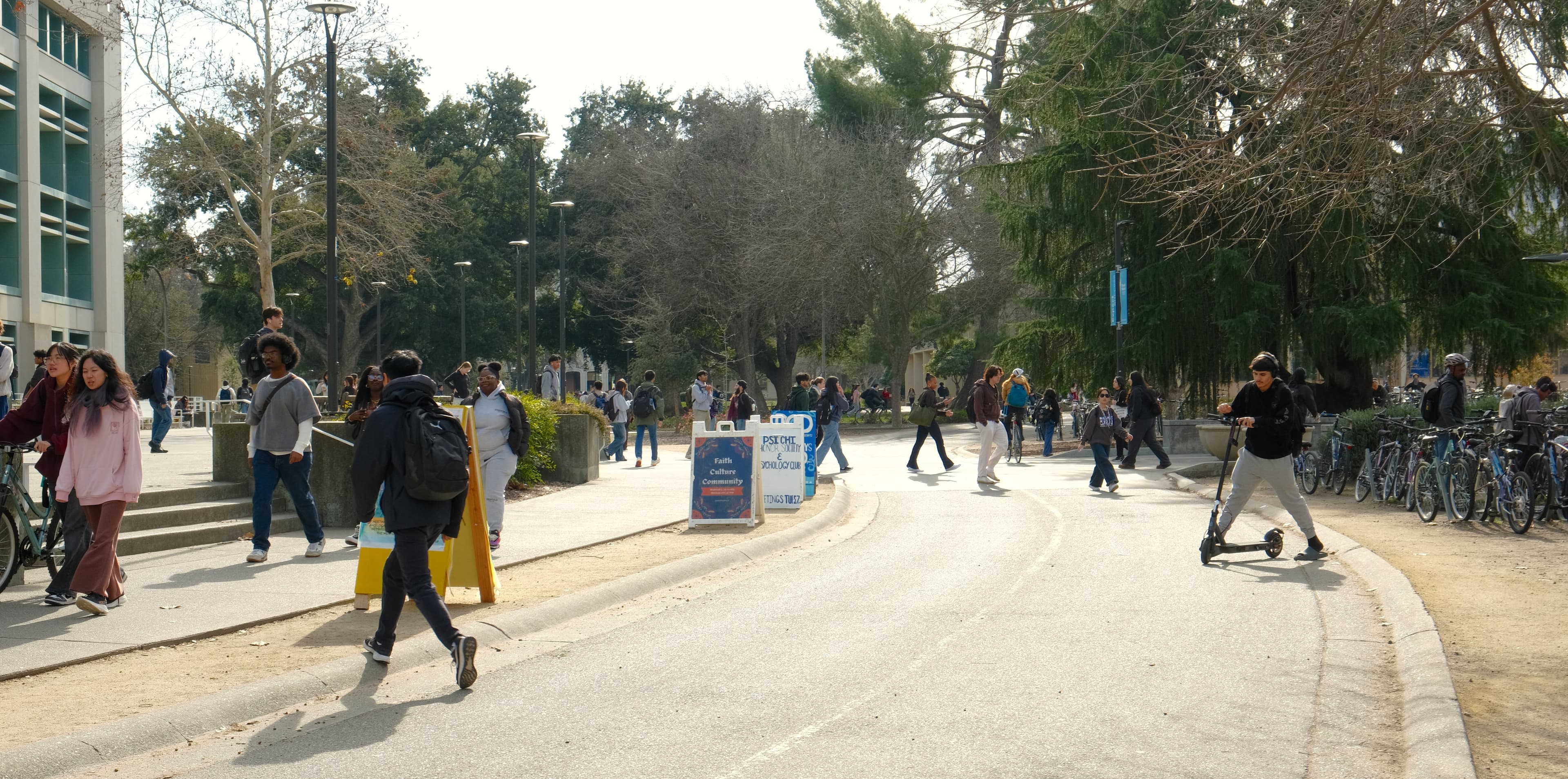
This is the second time UC Davis has received the Carnegie Elective Classification for Community Engagement
By CARLO FALLA — campus@theaggie.org
UC Davis recently received a renewal of the Carnegie Elective Classification for Community Engagement, which highlights the university’s efforts to build engagement with the surrounding Davis community and beyond.
The classification is the result of a partnership between the Carnegie Foundation for the Advancement of Teaching and the American Council on Education. This designation is given to American universities based on self-reported merit in community engagement, requiring institutions to identify their institutional mission, commitments and evidence of participation in public outreach.
Community Engagement classifications were first given 20 years ago in 2006, with new cycles of cohorts occurring every two to five years. The classification is not an award, but rather an elective designation indicating a school’s commitment to working with communities.
“Community engagement describes collaboration between institutions of higher education and their larger communities (local, regional/state, national, global) for the mutually beneficial exchange of knowledge and resources in a context of partnership and reciprocity,” according to the Elective Classification for Community Engagement website.
Some notable UC Davis community engagement efforts include: the Anchor Institution Mission, which aims to improve health equity in Sacramento; the Center for Regional Change, which works with community and government partners to generate more sustainable regions in California; and Quarter at Aggie Square in Sacramento, which allows undergraduate students to take specialized classes with research opportunities to challenge societal issues.
This is the second time UC Davis has received this recognition, with the first being in 2015. The classification will be valid until the year 2032, after which UC Davis would need to reapply for renewal.
UC Davis Chancellor Gary May acknowledged the significance of the classification and highlighted the impact of UC Davis’ collaboration with community members and other universities.
“By fostering meaningful relationships and collaborating with partners worldwide, we amplify our impact — whether improving public health, feeding a growing population, or protecting our planet — for generations to come,” May said in a press release.
Provost and Executive Vice Chancellor of UC Davis Mary Croughan also shared her sentiment on achieving this classification.
“We received this recognition because our faculty, students and staff are sincerely dedicated to making a difference in the world,” Croughan said. “UC Davis is known for its culture of collaboration and commitment to service that benefits society. I am delighted that members of our campus community are being honored for their exceptional efforts and I am very proud to be an Aggie.”
Alongside UC Davis, 236 other American universities received the classification as part of the 2026 class of designees. They join the 40 recipients from 2024 for a total of 277 current classification holders, which include California State University (CSU) Sacramento, CSU Fresno and CSU Chico, as well as UC Los Angeles and UC Merced. UC Davis was one of 187 colleges in the cohort who received this honor for a second time this cycle.
This classification aligns with the university’s 10-year plan — titled “To Boldly Go” — which aims to increase UC Davis’ education excellence, research impact, accessibility and other key goals by 2027.
The application for the Carnegie Classification was filed by the Office of Public Scholarship and Engagement (PSE), a UC Davis entity responsible for coordinating and strengthening community engagement, teaching and public impact projects with external communities. In addition to overseeing the Community Engagement Classification, the Carnegie Foundation offers other elective classifications recognizing commitment toward public purpose, including sustainability and leadership. UC Davis has yet to be recognized for these other elective classifications.
The next cycle of Carnegie Community Engagement Classifications will occur in 2029, with the University of San Diego taking over the American Council of Education’s role in overseeing the designation process. The cohort will consist primarily of new recipients.
Written by: Carlo Falla — campus@theaggie.org