






We need real, substantial protests
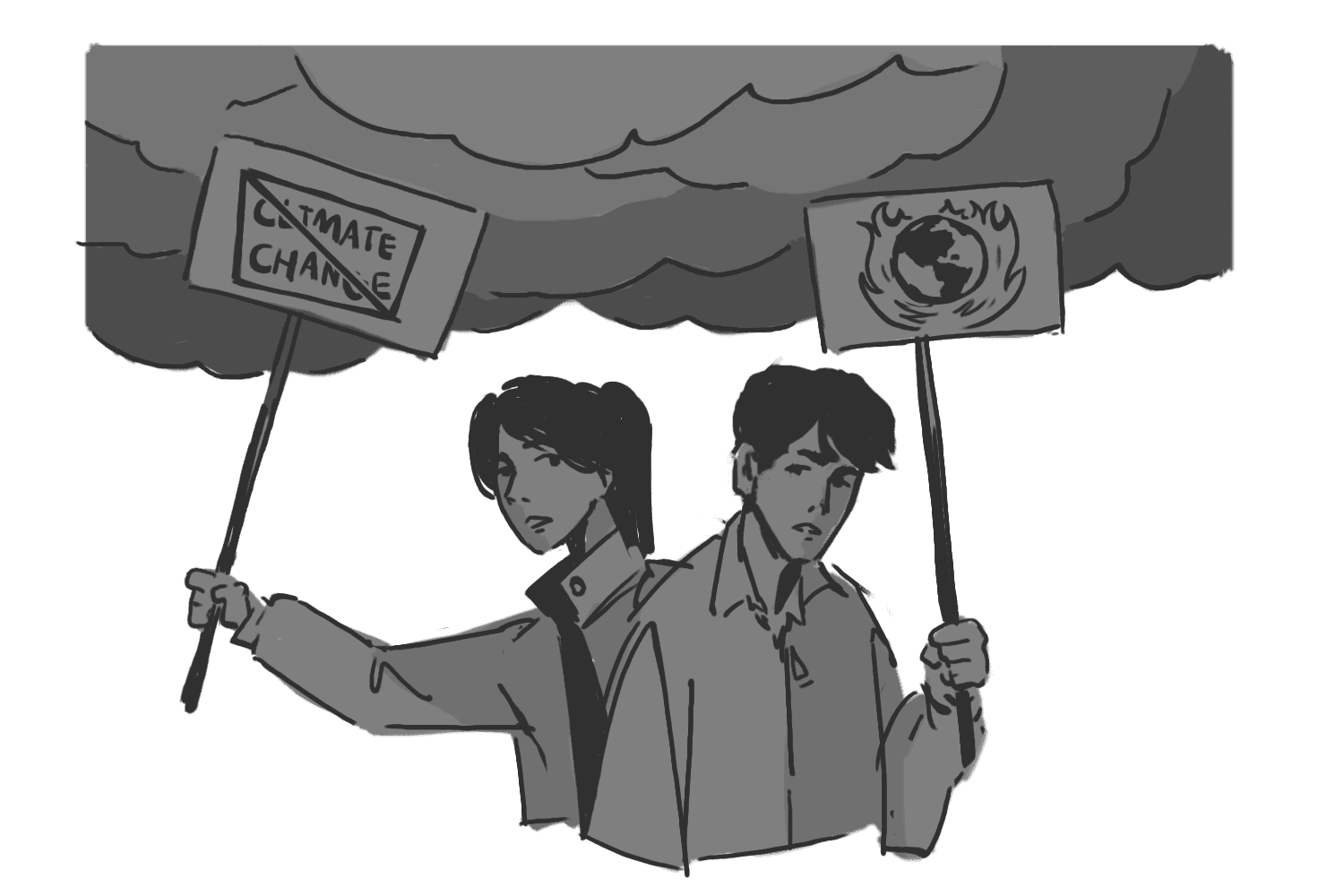
As protests go mainstream, their messages become more diluted
By SAGE KAMOCSAY— skamocsay@ucdavis.edu
Protest movements have grown in frequency and popularity over the last several years. Whether it’s Black Lives Matter, climate change activism, pro- and anti-abortion movements, Palestine protests or No Kings, millions of Americans participated in a protest for one cause or another over the past several years.
The problem is these movements have achieved next to nothing. For example, an article praising the No Kings movement proudly boasted that their greatest achievements included organizing a large number of people (a bare minimum for a successful protest) and making President Donald Trump nervous and slightly more reactive on social media — in other words, they barely made a dent in Washington politics.
Climate change protests have made slightly better progress — if only because of their lengthy presence in modern politics — but most of it consists of unfulfilled promises. America has not been on track to meet its proposed climate goal of zero carbon emissions by 2050. What’s worse is that emissions will only rise under the Trump administration — which aims to boost fossil fuel production — and with the use of energy-intensive products like generative artificial intelligence (AI). Any progress that was made by protests will be reversed — while they may have scared the Democrats into weakly complying, they were not strong enough to scare the Republican Party.
Ultimately, these movements are failing to achieve their goals because participants have too much of a “play-nice” attitude. Their organizers fail to realize the importance of agitation and disturbing the peace — they seem to believe that a sheer amount of supporters will show politicians who’s in charge. Politicians were only elected because their constituents voted for them; if those constituents begin to protest against their actions and threaten not to reelect them, that’s a threat to their job security. Such demonstrations put no real pressure on Washington to change anything; if they don’t meet the demands of protest groups, the worst that could happen is a crowd of “vote-blue-no-matter-who” Democrats overtaking local town parks. Without a direct material threat, politicians have nothing to lose.
Many movements also lack concrete policy objectives. While flashy slogans, pretty graphics and well-written “about” pages on initiative websites are good at attracting potential protestors, they do little to explain to policy makers what they’re actually trying to achieve. But then again, that’s exactly the problem — these protestors have no idea what they actually want from officials, and unfortunately, politicians won’t spend time trying to figure it out for them.
A final problem is that large, mainstream movements like these are too respectful and sympathetic to politicians — No Kings is supported by House Minority Leader Hakeem Jeffries, for example, despite being part of the problem. They believe their representatives (or at least the ones on their side of the partisan line) have their best interests at heart — but, if that were truly the case, there wouldn’t be cause for a protest in the first place. By treating policy makers as allies rather than as adversaries, protest movements become weak and ineffective. Instead, it is always best to assume that no politician will defend you and that no promise will be kept. Without constant pressure, our representatives will forget that they are supposed to represent us, the people, rather than focus on lining their pockets.
A successful protest is one that has defined goals and agitates until they’re accomplished. It views public peace as separate from its more important objectives. It fights all politicians — not just the ones who actively oppose it. It has a spine.
The pro-Palestine protests that began in late 2023 are examples of more successful movements. Through disruption and noise alone, they completely shifted public opinion and moved the world in the direction of pursuing peace rather than continued genocide, and Israel has been put on the defensive on the global stage. Even so, the amount of real policy change has been less than the movement hoped for, and it took an incredible amount of work to even get this far.
In order to make real change, we need real protests. If you want to see progress, find movements that advocate for real, concrete improvements. If they’re supported by mainstream news outlets, they likely are not doing enough to achieve their goals. Large media conglomerates are more representative of the elites than they are of the people, and a protest viewed positively by elites is not disturbing the peace enough to scare politicians. We need more substantial protests — and more protestors to participate in them. So, go out and agitate: for the sake of the people.
Written by: Sage Kamocsay— skamocsay@ucdavis.edu
Disclaimer: The views and opinions expressed by individual columnists belong to the columnists alone and do not necessarily indicate the views and opinions held by The California Aggie.