In the age of the over-invested fan, parasocial relationships turn into real life consequences
By IQRA AHMAD — arts@theaggie.org
Parasocial relationships in the digital era have come to more recent attention, as many recent cultural reckonings do, with a TikTok. Last year, pop artist Chappell Roan addressed her fans via video, telling them that their devotion had crossed into obsession. The clip resonated not just because of Roan’s candor, but because it exposed a growing tension at the heart of modern fandom: the muddied relationship between admiration and attachment.
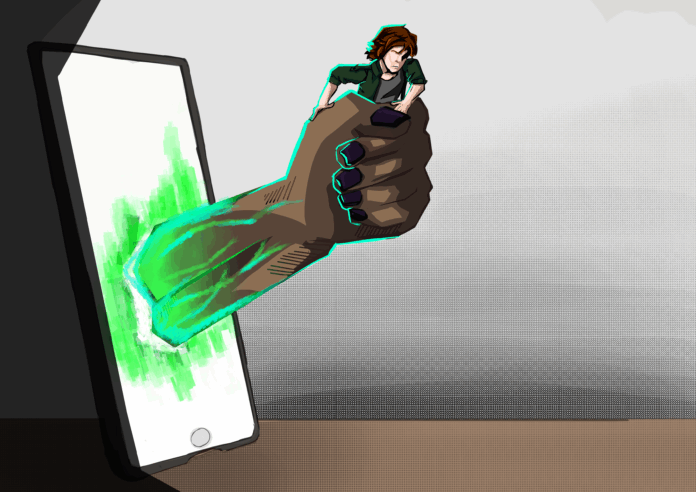
Parasocial relationships, defined as, “nonreciprocal socio-emotional connections with media figures such as celebrities or influencers,” are not new. They began when the faces of TV anchors and movie stars first entered our screens in black-and-white, with the era of social media only exacerbating this phenomenon. Through incessant livestreams, interviews and a constant stream of rumors, however, these one-sided bonds have never felt more intense.
The psychology behind the obsession
At its core, parasocial behavior is not just about celebrity worship — it’s about connection. What begins as harmless admiration can, over time, deepen into emotional investment.
Research shows that parasocial attachments can become intertwined with psychiatric symptoms like maladaptive daydreaming or a desire for fame, factors that jointly explain about 31% of the variance in celebrity worship behaviors, according to a 2019 study. Psychologists suggest that for some, these relationships act as a coping mechanism for loneliness, offering stability and comfort in an unpredictable world.
Some believe that parasocial relationships aren’t inherently unhealthy. They can foster empathy and connectedness, especially through engagement tools on social media, like live videos and the ability to leave comments. Fans often report that their favorite artists help them through personal struggles or inspire creativity and activism. For these artists, that appreciation can be fulfilling, but often draining or invasive when it goes too far.
“[It’s] not normal, it’s weird,” Roan said via TikTok. “It’s weird how people think that you know a person just cause you see them online or you listen to the art they make.”
When fantasy crosses the line
Quickly, what starts as internal feelings of attachment can turn into physical manifestations. One darker example is the 1980 murder of John Lennon. Fan Mark David Chapman stalked the musician after becoming obsessed with his lifestyle, eventually assassinating him outside his home. In 2018, a man was arrested after breaking into Taylor Swift’s home and sleeping in her bed, another disturbing instance of fans blurring boundaries to the point where they become criminals.
Just recently, on Oct. 9, Billie Eilish was singing to fans and giving out high-fives in Miami when an audience member grabbed her, almost pulling her down to the ground. What was meant to be an intimate moment for Eilish to connect with the crowd became dangerous and possibly terrifying.
While extreme cases, these echo everyday worries about the potential intensity of these relationships and the deep emotional investment fans feel in the lives of celebrities. Consequences can be not only physical, but violently emotional. In most cases, while they don’t hurt artists physically, their presence is made known by impacting real-life relationships.
When actor Robert Pattinson began to date musician FKA Twigs in 2014, the Twilight fandom flooded the internet with racist remarks over the interracial relationship and criticism of Twigs, leading to their eventual split.
More recently, fans have begun to “ship” and share rumors about the chemistry between celebrity pairs like India Amarteifio and Corey Mylchreest from “Queen Charlotte: A Bridgerton Story” and Lola Tung and Chris Briney from “The Summer I Turned Pretty,” despite both male leads being in long-term relationships. Actors trying to stay professional were then accused of “icing-out” their costars via TikTok, with fans speculating that the rumors led to the end of their platonic friendships.
“While there’s nothing wrong with enjoying celebrity love stories and rooting for our favorite stars, many forget that they’re real people, not characters in rom-coms,” a Forbes article by Mark Travers reads. “It’s important to recognize when admiration turns into entitlement.”
Reframing the relationship
The attention brought to this type of treatment of social figures by fans isn’t about condemning fandom, but instead redefining it and forming healthy boundaries. Artists like Roan are beginning to speak more openly about their experiences, encouraging fans to engage without losing themselves or their morals in the process. This evolving dialogue acknowledges that interest in celebrity culture is normal, but fantasizing intimacy or entitlement can lead to harm both for fans and the figures they idolize.
As our screens continue to narrow the space between public and private life, perhaps the healthiest move is not to retreat from fandom, but to engage with it consciously: with empathy, curiosity and self-awareness. Admiration connects us, but obsession consumes us.
Written by: Iqra Ahmad — arts@theaggie.org