57.9 F
Davis

Davis, California

Monday, December 22, 2025
Home Blog Page 262

The Kardashian-Jenner women ‘with no talent’ created an unrivaled empire

0

A look into the infamous family’s influence

Let’s take a peek into one of America’s most well-known families, the family that has graced our televisions for 14 years and 20 seasons, the family that always knows how to steal the spotlight, the family who went from Calabasas middle-class to having wealth that expands all over Calabasas and Hidden Hills: The Kardashian-Jenner clan. 

With most family members having at least 100 million followers on Instagram, the Kardashian-Jenner family is easily one of the most influential and powerful families in the world. The family boasts seven members, in descending order by age: Kourtney, Kim, Khloe, Rob, Kendall and Kylie, with Kris Jenner acting as “momager”—both mom and career manager for the six of them. 

Despite being called the family with “no talent” by Barbara Walters in 2011, the Kardashian-Jenners have created a media empire that few could rival. 

Up first is Khloe Kardashian’s Good American clothing line, which lands her a rumored, easy $3.6 million a year. There is Kourtney Kardashian, who has a booming lifestyle brand Poosh—think Gwenth Paltrow’s Goop but more affordable and realistic. Then, there is Kendall Jenner, who was touted as the highest paid model in the world in 2018 and is the creator of the tequila brand 818.

Then there are the last two Kardashian-Jenner titans—Kim and Kylie. Kylie Jenner has a reported net worth of $700 million and was given the title of the “youngest billionaire” in 2019 by Forbes, mainly due to her earnings from her company Kylie Cosmetics.

Finally, there is Kim Kardashian-West, the woman known for her curves, the 72-day marriage, the “ugly crying” face, her breakdown over $75,000 diamond earrings that were lost in the crystal clear waters of Bora Bora and helping launch her whole family into an incredible amount of success and stardom. 

Kardashian-West’s repertoire of ventures includes her popular mobile app game “Kim Kardashian: Hollywood,” which has over 45 million downloads, her fragrance line KKW Fragrance, her beauty line KKW Beauty and finally her shapewear line, Skims. Kardashian-West is an entrepreneur, a businesswoman and someone who knows how to milk every single opportunity and platform. She is even an aspiring lawyer who has become a powerhouse figure in the fight for criminal justice reform. 

Not only that, but this trend-setting family gave us these iconic, Gen Z-defining moments: the quote, “You’re the least interesting to look at”—from when Kardashian-West dissed Kourtney for being uncompromising with their Christmas holiday photo shoot schedule, the cat-fight brawl between Kim and Kourtney—a personal favorite, “Kim, there’s people that are dying” and finally the catchphrase that everyone uses when they are having an Instagram photoshoot: “You’re doing amazing, sweetie,” which Kris Jenner so iconically says to Kim Kardashian-West when she posed mostly nude for a Playboy shoot. 

Then there is the golden ticket that put the Kardashian-Jenners on the reality TV show map—”Keeping Up with the Kardashians.” The show first aired in 2007 when the Kardashain-Jenner family had just begun their take-over of Calabasas, and it has propelled each of the Kardashian-Jenners’ careers from regular, privileged rich people to one of the most well-known families that fuels American popular culture and media. In addition, the series is the major generator of E! Network’s ad impressions where 2020 alone saw five billion impressions generated by some form of viewing the show.  

After 14 years of having their whole lives broadcasted for millions of viewers, a reported $150 million filming deal from 2017 through 2020, a plethora of meme-worthy moments and too many spin-off shows to count, “Keeping Up with the Kardashians” will air its last season in 2021. 

However, there are major criticisms of the Kardashian-Jenners, from not admitting to using lip fillers to being blamed for creating unrealistic and unsustainable body image standards for women to sometimes having poor takes on major political and social issues, like Kendall Jenner’s Pepsi ad and her tequila brand’s exploitative nature. There is also the denial of plastic and cosmetic procedures being considered culture appropriators and taking tropical vacations during a pandemic. The famous family is not above critique, controversy or accountability.  

At the end of the day, whether you’re a fan, a hater or indifferent to the Kardashian-Jenner family, there is no way to escape their faces, their many companies and products and their names in the headlines. It is difficult to deny that this family has changed the world of media. 

As Kim Kardashian-West so unironically once said, “Not bad for a girl with no talent.” 
Written by: Muhammad Tariq — arts@theaggie.org
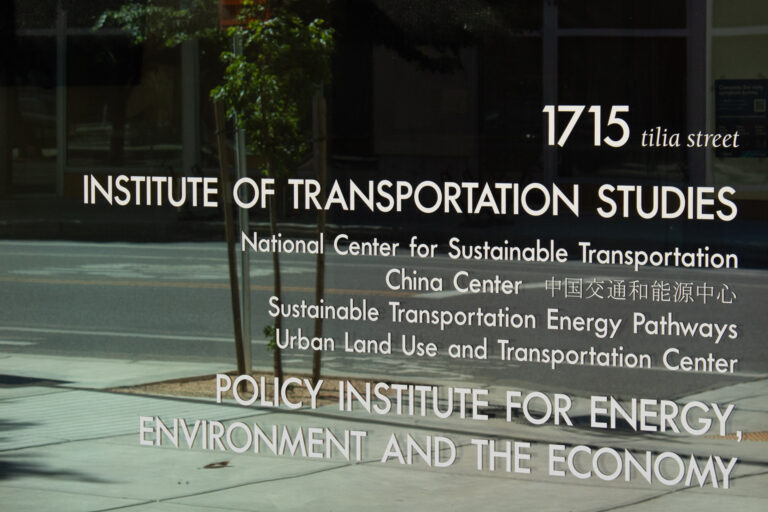
UC researchers introduce policies for zero carbon emissions by 2045

0

Researchers from four UC campuses, including UC Davis, worked together to make a plan for California’s transportation emission goals

Researchers from UC Davis, UC Irvine, UC Berkeley and UCLA are taking steps to neutralize California’s transportation carbon emissions by 2045, according to a report released in April. 

As a leader in sustainability, the state is making plans to improve its environmental awareness.

“California is seeking to become more green and sustainable,” said Bernadette Peters, the executive director of the Center for Regional Change at UC Davis. “In order to achieve these goals, California is focusing on transportation to reach carbon neutrality.”

UC Davis has a goal to reach carbon neutrality by 2025. The campus is a Platinum Bicycle Friendly University, and driving down transportation emissions on campus requires the encouragement of bicycle use, according to Daniel Sperling, a UC Davis professor in the Department of Civil and Environmental Engineering and the leader of the report. 

“[This is achievable by] continuing to make biking safe and easy, improving pavement quality and making it safer at intersections,” Sperling said. “The city and campus must work together.” 

In addition to the use of bicycle transport, discouraging the use of gasoline transportation and incentivizing electric transport are large parts of the policies proposed by the report. 

“[The policies] have implications for consumers,” Sperling said. “Some of them are creating incentives such as creating fees and rebates for consumers.” 

Beyond the use of purchase incentives, there are a wide variety of economic benefits as well. 

“In California, you get some tax breaks for owning an electric vehicle,” said Lewis Fulton, the director of the Sustainable Transportation Energy Pathways program. “Electric vehicles are reaching a point to be competitive with gasoline vehicles in purchase price, operation costs—as the costs of electricity is lower than what it costs to run a gasoline vehicle—and lower maintenance costs, [since] you don’t have to change the oil.” 

Within a number of years, the price differences will decrease and electric vehicles will become widely available to the public, according to Fulton, but the transition to purely electric vehicles is still farther in the future.

“If things go to plan, by 2035, there will be no new cars that are gasoline,” Fulton said. “They are going to have to be zero emission, so either a plug-in electrical vehicle or a hydrogen fuel cell vehicle.” 

He also said that aggressive policies on vehicle ownership should not be taken until around 2030 to allow the public time to react. 

Beyond the main campus, there is room for improvement as UC Davis begins to expand.

“There are a lot of opportunities to look forward to as we are expanding our Sacramento campus, so that we can have both campuses be a representation for really great sustainable policies,” Peters said. “This new expansion requires extra effort when looking at housing and transportation to and from the campuses to ensure a small carbon footprint.”
Written by: Emily Redman — campus@theaggie.org

Fourth-year Native American student strives to make UC Davis’ data on its Native population more comprehensive

0

Tori McConnell, in collaboration with faculty and other Native students, aims to break down the data of UC Davis’ Native student population to more fully represent its diversity

Tori McConnell, a fourth-year Native American studies major from the Yurok and Karuk Tribes of Northern California, helped to form the Native American and Indigenous Advisory Committee to the Chancellor in 2019 and is currently serving in her second term. 

McConnell is currently working with the committee on a data disaggregation project that focuses on Native American student data. UC Davis’ data currently only reflects ethnic and racial categories, and disaggregated data on race and ethnicity at the UC level provides a breakdown of categories within every race and ethnic group, but doesn’t provide any further information under the “American Indian/Alaska Native” category. McConnell hopes that through the committee, she and other Native American students can work with the university to create a more accurate breakdown of data reflecting the Native American student population at UC Davis.

“Some of the student sentiment around the committee was we were feeling like we weren’t getting a whole lot done, we weren’t feeling like we were actually seeing a huge difference,” McConnell said. “And so one of the things we thought to change that was to look at the data.”

Erika Jackson, the assistant director of institutional research in charge of student success, has supported McConnell and the Native American and Indigenous Advisory Committee to the Chancellor. Since the project began, members of the committee and UC Davis staff members have focused on reviewing data on Native student retention and graduation rates as well as survey data regarding Native students’ experiences to help the committee better focus their efforts. 

“As a campus committed to diversity and inclusion, it’s critical that we examine all of our measures of success by race and ethnicity so we can ensure that the UC Davis experience is benefitting all students,” Jackson stated via email. “Our goal is to eliminate gaps in retention and graduation between different racial and ethnic groups by 2030.”

Deserea Langley, a Ph.D. candidate in Native American Studies and Northern Paiute and Western Shoshone member of the Susanville Indian Rancheria, is the current chair of the committee. 

“In starting the committee, we really noticed representational things that were happening in the Native student community that we weren’t happy about,” Langley said. “We’d seen appropriation of our culture, we’d seen the lack of Native representation in university administration. We are less than 1% of the population with Native faculty and staff [and] students are often on the periphery, so we really wanted to improve that.” 

One factor that can cause inaccuracy in the data reflecting Native students is the fact that the federal government reports on Native Americans who also identify as Hispanic as only Hispanic, which obscures their Native American identity. In addition, the university has a policy stating that data on groups with fewer than 10 members cannot be reported. This policy may exclude smaller tribes from being included in data. A third factor, according to Langley, is that some applicants who self-report their ethnicity may indicate that they are Native American in hopes that this will increase their chances of being accepted or that it will help them receive a scholarship. 

“It really hurts us because it looks like we have a larger population on campus than we do, and I think it’s hard on our students since we do have small numbers,” Langley said. “If there’s not enough resources on campus currently, how are we expected to get our numbers up? If our Native students don’t feel represented at the university campus, how are we expected to retain and recruit more Native students?”

Despite the challenges Native students face in promoting accurate representation of the groups under the broad category of “American Indian/Alaska Native,” Langley is hopeful that McConnell’s efforts will help Native students feel more comfortable and welcome at UC Davis. 

“I’m really happy that [McConnell] started leading the charge on this data [disaggregation project] because I think we can see how Native students are going to be affected by feeling more represented in the community with the creation of the Native American and Indigenous Advisory Committee,” Langley said.

Because this is the first time a Native American student has undertaken a project of such nature, McConnell sees her efforts as an opportunity to better understand the needs of the Native American student population as she continues serving on the committee. 

“We’re definitely in the beginning stages of trying to figure out, ‘Is this data even useful?’” McConnell said. “Does it actually reflect what we want and what we need? It’s all part of the process, the birthing of trying out something new, something different and seeing if it’s an effective tool for improving the UC Davis campus for Native peoples and its relationship with Native peoples.” 
Written by: Lyra Farrell — features@theaggie.org

New Aggies submit their Statement of Intent for fall 2021

0

Admissions for the 2020-2021 applicant cycle have come to an end and prospective students have said they are looking forward to joining the campus in the fall

May 1 was the UC Davis’ Statement of Intent to Register (SIR) deadline for fall 2021. Statistics show that UC Davis received 87,118 applications, which is roughly a 10,000 applicant increase from 2020.

The undergraduate admissions process for incoming students was impacted by COVID-19. In light of this, UC Davis applied changes to the past year’s cycle to new students, such as temporarily suspending letter grade requirements for A-G credits and the cap on pass credits. 

Applicants encountered their own challenges and solutions through the second year of impacted admissions.

“I wasn’t able to be in touch with my counselors and be able to have a talk with them in person so that they could help me,” said Rebeca Moreno, a prospective clinical nutrition major from Sacramento, CA via Instagram Direct Message. “I also wasn’t able to ask Cal-SOAP helpers in-person or have that one-on-one talk with them about college.” 

Moreno recounted how she overcame obstacles in the admissions process.

“I got a lot of help from a friend who went through the UC application last year,” Moreno said via Instagram Direct Message. “She always answered any questions I had regarding certain parts of the application as well as giving me advice on how to manage through it.”

Despite the challenges, new students feel excited for UC Davis’ decision to have full in-person classes for fall 2021. 

“I am really excited about full on-campus classes this year,” said Liam Glenn, a prospective computer science major from Carlsbad, California, via Instagram Direct Message. “The past year of distance learning has been really tough, and I am looking forward to being in class again. I also think that it will be pretty safe with the vaccine requirements so I feel comfortable about it.”

An important step to welcoming new students is orientation. Catrina Wagner, the director of New Student Academic Services, has managed orientation since 2009 and has many events planned with important goals in mind. 

“[One goal is] creating an experience that gets students looking forward to their first year in college and excited to be back to some ‘normalcy’ after enduring the pandemic,” Wagner said via email. “All new students have had an extremely challenging year and a half, often in isolation. It’s important we provide social interaction and engagement with peers, activities that help them navigate the physical campus and create opportunities to connect with resources, faculty and advisors.”

Orientation is an important time to make sure a student’s well-being is accounted for as well, according to Wagner. 

“It’s important that we provide spaces where students can talk about what’s happening with racism and violence, the political and global climate and introduce them to conversations about what the Principles of Community look like in action,” Wagner said. “My advice is to take advantage of the opportunities, resources and people that will be provided during orientation and throughout their time at UC Davis. Students should actively engage with their college and major advisors.”

There are multiple resources for incoming students who are struggling, according to Wagner.

“The OLs, advising staff, counselors; everyone wants to support students and see them have a successful first year,” Wagner said via email. “New students may struggle or encounter unexpected challenges but they are not alone and there’s a circle of faculty, staff and other students who will be there for them.” 

Jennifer Peng, a prospective sustainable environmental design major from Elk Grove, CA, notes the diversity at UC Davis as an important aspect of the university. 

“I was deciding between another school and Davis, and Davis attracted me more because of [the diversity],” Peng said via Instagram Direct Message. “I really want to meet new people of different backgrounds and ideas and learn about it all! Also, Davis’ dedication to sustainability since it aligns with my major and what I care most about.”Written by: Christine Lee — campus@theaggie.org

ARC, Rec Pool offer slow transition back to in-person exercise

0

As long as Yolo County avoids purple tier status and COVID-19 cases remain low, the ARC will remain open and is planning for operations during fall 2021

The Activities and Recreation Center (ARC) reopened on April 19 for in-person operations. Staff at Living Well, the fitness and wellness program at the ARC, hope to expand exercise classes to accommodate extra students come Fall Quarter. 

For now, all workout classes besides dance, yoga and pilates are held outdoors. The maximum number of people allowed in outdoor classes is 10, while indoor studio classes have a cap of 14 individuals, according to Living Well Coordinator Kayleigh Rohrbach. The difference in capacities of the outdoor and indoor classes is based on the size of the respective spaces.

Group exercise, dance and martial arts will be offered frequently throughout the week and through the weekend. All class registrations open five days before instruction through the Rec Portal, except those for cycle classes, which open three days before. 

Through the Rec Portal link, you can also access a fee waiver for paid classes, but the application closes Friday, May 28 at 5 p.m.

The Daily Symptom Survey is required in order to access any on-campus facilities or classes, face masks are required throughout the ARC and physical distancing is enforced by squares marked on the floor of indoor and outdoor classes. 

Students are encouraged to use sanitation wipes to clean the machines and equipment before and after use. However, the staff at the ARC also sanitizes equipment during the 30 minutes between reservation windows. It is part of Rohrbach’s job to ensure COVID-19 protocols continue to be followed.

“It’s been a great experience to watch the student staff adapt to the many challenges this year, and they have really risen to the occasion,” Rohrbach said.

For individuals who feel inclined to stay home, free Facebook live classes are offered every week and are open to people of all skill levels. Past videos can be accessed through the UC Davis Campus Recreation Facebook page

Alexa Carter, a second-year communications and managerial economics double major, mentioned that during her workout at the ARC, she felt very comfortable as the machines were spaced out enough to where it didn’t feel crowded. 

“It feels really good to be back on campus and in an environment where I can exercise while staying safe,” Carter said. 

Sara Wasielewski, a fourth-year political science major, has been a Living Well instructor for over a year and currently teaches cycling classes on Tuesday nights and Saturday mornings.

Wasielewski said the staff at Living Well works to cultivate the “Come As You Are” mantra, which she said she believes is “imperative for the modern fitness world.” 

“I also do my best to promote positive self-talk, especially with our bodies and the way they move,” Wasielewski said. “I want everyone to leave the class with a greater appreciation for their bodies and its capabilities.”

In regards to the Rec Pool, which has been open for lap swimming since June 2020, Aquatics Coordinator AJ Rooney said that the Rec Pool is “offering student swim lessons for enrolled students on Tuesdays and Thursdays, which will run for the entire spring quarter.”

This year the Rec Pool has also been offering intramural innertube water polo, sand volleyball and cornhole as well as kayak sessions, stand up paddle boarding and slacklining through “Outdoor Adventures.” 

In 2021, the Rec Pool also collaborated with “Sport Clubs” to reopen club water polo and triathlon practices. 

Individuals are encouraged to cancel their appointments if they decide to forego their scheduled time slot so that others have a chance to attend.

Written by: Nicholas Murphy — campus@theaggie.org

Do you really have to follow your friend’s bad art account on Instagram? I asked an ethics professor

0

“Julie.paints_4_fun, wants to follow you”… oh shut up, Instagram

“Could you give us the backstory,” Professor Levings asked.

I shifted in my seat, “Ok, well, Julie and I have been in school together since preschool. The classic friendship. I bullied her until age six (oh c’mon, it builds character), we didn’t speak to each other for four years, and by seventh grade we had developed a friendship in P.E. class as we bonded over our fear of tampons during the swim unit. I’m pretty sure her mom still hates me; moms are weird about holding grudges. 

The girl is just about great at everything. The type of friend your grandma constantly asks about after only briefly meeting her at your birthday party. To be clear, we’re talking about my Gammy who can’t even remember her own son in law’s name (or at least chooses not to). Julie is the type of person that didn’t watch Spongebob growing up, and has never eaten at McDonald’s, but doesn’t brag to you about it. She’s smart, funny, kind, talented—I mean, she took ‘girl next door’ to the next level. 

So you can imagine that when I oh-so-quickly peeked at her art account, I was shocked. I’d never seen one of her pieces before. As I looked at her sketch of a sunflower, I couldn’t help but think of how much more youthful and innocent I was just seconds before seeing it.

 She has about eight posts. A painting of the beach, a drawing of a chandelier, some wildflowers painted on the side of her sneakers. I don’t know, it’s like she couldn’t get the proportions right, you could see the stark lines from shading with colored pencils and everything looked a little… unfinished.

Just critiquing her artwork makes me feel evil, which leads me to my question, Professor, do I have to follow one of my dearest friends on Instagram at the cost of my own sanity?”

Professor Levings sighed, “Trust me, you’re not the first to ask this. Just like you, my son is on Facegram… Instant… Instabook… I forget the name. He has expressed countless times that he also doesn’t want to waste his time with accounts he’s not crazy about following.”

“Unfortunately though, I believe that you should follow the account. Plato famously said, ‘Good actions give strength to ourselves and inspire good actions in others.’ I encourage you to think of this action as an act of service, that will create a domino effect of good actions.”

Mr. Levings’ response was not what I wanted to hear, but what I knew I needed to hear. That night, as I lay in bed scrolling on my phone, I slowly brought myself to click “Follow Back.” 

I haven’t been the same since.

Written by: Kate Harges — klharges@ucdavis.edu 

Davis residents note increased outdoor socialization in downtown

0

Yolo County official urges vaccinated and unvaccinated individuals to continue following health guidelines

Davis business owners and residents have noted that more people have been walking around downtown since the weather warmed up and COVID-19 vaccinations became widely available. 

Yelena Ivashchenko, the owner of Bohème Used Clothing & Gifts and a board member of the Davis Downtown Business Association (DDBA), described her observations regarding residents around town. 

“We see more people coming in and shopping, socializing and meeting with friends,” Ivashchenko said. “Just in general, people are feeling more positive and safe to come out.”

Jonathan Barragan, a UC Davis fourth-year human development major, noted that the amount of people he saw walking and driving during his most recent visit to Downtown Davis was higher than usual. 

“It was surprising to see the amount of people walking around and the amount of parked cars on the streets,” Barragan said. “There was an almost uncomfortably large amount of people.” 

Yolo County Public Information Officer Jenny Tan urged vaccinated individuals to continue to follow health guidelines in order to protect themselves and other community members. 

“Even though people have their sense of security because of the vaccine, because the warmer weather is nice and people want to get outside, we still need to be vigilant in terms of protecting each other,” Tan said.

Barragan described his experience socializing in Downtown Davis and highlighted the importance of personal comfort levels regarding eating at restaurants. 

“Considering that I am fully vaccinated, I personally felt relatively safe walking around with my mask on and enjoying my food without my mask in Downtown Davis,” Barragan said.

Tan noted that the amount of outdoor socialization will most likely increase during the summer, which would be beneficial for local businesses. 

“I think [increased socialization] will definitely boost the economy,” Tan said. “However, we still need to follow the public safety measures to protect each other.”

Since UC Davis first announced that in-person instruction would resume in fall 2021, Ivashchenko explained how DDBA members now want to install more live music events and focus on increasing student engagement. 

“In the past, there’s [been a disconnect between] locals in Davis and UC Davis students,” Ivashchenko said. “We want this to be just one town.” 

Ivashchenko also shared that many downtown businesses are feeling hopeful for the return of the student population in the fall. 

“A lot of businesses suffered during the pandemic, so we need this money to be put back into downtown,” Ivashchenko said.

Ivashchenko urged residents to be patient with downtown businesses as they transition from small to larger sales. Many businesses are struggling with having enough employees, restaurants cannot always provide food on time and businesses may have occasional lines. 

“Please be patient, as businesses are really trying to stay afloat,” Ivashchenko said. 

Barragan offered his personal advice to individuals considering a visit to Downtown Davis. 

“Only if they are fully vaccinated and preferably if they are able to eat outside of the restaurant itself,” Barragan said. “It might be a little uncomfortable for those who are really conservative about the virus to be indoors still because there are a lot of people inside.” 

Tan emphasized the importance of residents continuing to follow guidelines for vaccinated and unvaccinated individuals since COVID-19 is still a threat within the Yolo County community. 

“We do still need to be careful because there are still people that are getting COVID,” Tan said. “The variants are definitely on the rise in Yolo County, and we’re still seeing people dying from COVID if you look at our dashboard.” 

Written By: Jelena Lapuz  — city@theaggie.org

Fast fashion’s increasingly rapid trend cycles are driving major overconsumption

0

How social media is stoking the already raging flames of environmental issues in the fashion industry and what we are doing about it

Fast fashion has been a mainstay of popular culture for decades. From the fabulously wealthy to the wannabe millionaire with expensive taste, people rely on trendy clothing that’s accessible to all. But a recent increase in the rate at which we cycle through trends has sparked concern: particularly among the TikTok-loving, newly minted environmental advocates of the younger generation. 

Looking back, rising levels of globalization and offshore manufacturing in the ‘90s led to the development of unsustainable fast fashion as we know it today—a chic, flashy beast, fashioned from inhumane conditions and gargantuan contributions to greenhouse gas emissions. That being said, overconsumption is not an entirely modern issue. In fact, calls for sustainable fashion have been around since the flower power movement of the ‘60s, but the term “slow fashion” was coined as recently as 2013, following the disastrous Rana Plaza collapse.

 What sets this past year apart in fashion history, however, is the tremendous upswing in the speed at which we are cycling through trends. 

Social media’s rise in popularity over the past decade has produced a world divided into the influencers and the influenced. Visual sites like Instagram, Pinterest and, most recently, TikTok, feature a plethora of visual imagery that users can emulate.

“I usually look to Pinterest when I want wardrobe inspiration,” said Isabela Garcia, a first-year undeclared major. 

Other students are in the same boat as Garcia.

“I look on Instagram mostly or TikTok for cute outfits,” said first-year economics major Elizabeth Mendoza. 

Nareh Derhartounian, a second-year history and American studies double major, takes inspiration from influencers. 

“[I look to] Pinterest and models like Gigi Hadid, Bella Hadid and Kendall Jenner [for style inspiration],” Derhartounian said. “I am a fan of their street style and how they’re able to incorporate comfort pieces with pieces of luxury.”

 This is an effective business model for both influencers and brands. Consumers are left feeling out of fashion if they can’t keep up with the immense amount of products being pushed into their faces on a daily basis. Fast fashion companies capitalize on this, making goods more accessible to the general public by producing vast amounts of poorly made products for shoppers to pick from at a cheap price. 

This insanely rapid pace is becoming near-impossible to keep up with for those of us who haven’t figured out how to make money grow on trees, not to mention the damaging effects it has on the planet. 

This pattern has raised alarm for many environmentally-conscious shoppers. For Zoe Slipper, a third-year international relations major and director of the Aggie Trading Post at UC Davis, sustainable fashion is something near to her heart. 

“Not only do I care about what I’m wearing aesthetically, but I also really care about how and where clothing is made. The most important thing is buying something that lasts,” Slipper said. 

And it seems she is not alone in her sentiments.

 “I like to stay away from trends because I feel like it allows me to create a personal style and a closet I can wear in the long term,” Derhartounian said. 

The younger generation is prominently represented on TikTok and sustainability is promising to be the next big trend. Short videos promoting a more sustainable attitude toward shopping are constantly trending and reaching a large audience composed of mostly younger viewers. Viewers are becoming less enthralled with massive hauls that glorify purchasing hundreds of dollars of clothing every season just to have most of the pieces eventually collect dust at the bottom of a closet.   

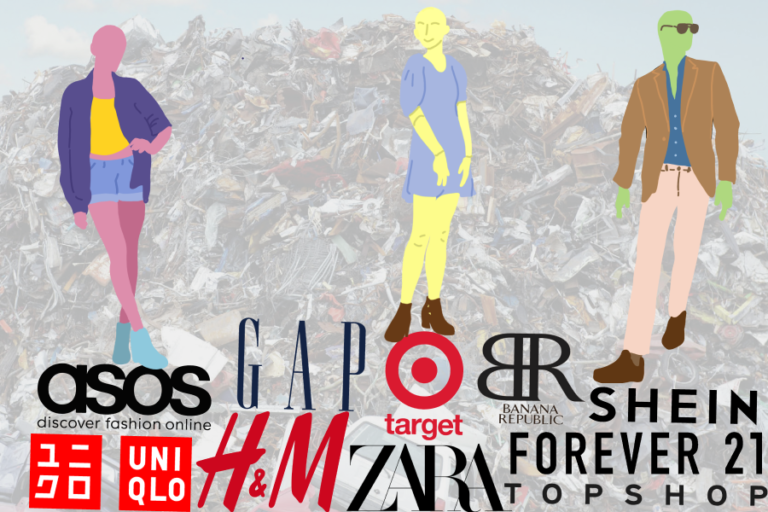
Thrifting has also gotten a lot of attention in recent years, most notably among those who have historically gravitated toward big retailers such as H&M or Zara. Among these new thrift store frequenters are those who can theoretically afford to buy new, but prefer to shop second hand out of environmental concerns. 

“I love thrift stores, consignment stores and buying second-hand vintage,” Slipper said. “I don’t really like to online shop after learning more about the harmful things these stores do.”

Second-hand stores also step in at the intersection where both pricey sustainable stores and cheaper fast fashion retailers fail, offering a diverse selection of styles that shoppers can choose from without compromising their conscience or their wallet. 

“It is important to me that a brand values sustainability,” Derhartounian said. “I have just had trouble finding sustainable stores for prices I can regularly shop from and that cater to my varying style.”

Today’s fashionistas still have an undeniable infatuation with buying a gross amount of cute clothes for cheap prices. It’s easy to see why—the promise of a cheap investment that will do well on the explore page is very enticing.

 More and more people are recognizing the urgent need to protect our Earth so that future generations can enjoy the same planet we do, and it seems that this flame is lighting a fire under the sustainable fashion movement. 
Written by: Clara Fischer — arts@theaggie.org

UC Davis professor and paleobiologist recognized for accomplishments in writing, research

Four UC Davis professors, including Geerat Vermeji, were recently elected as members of the American Academy of Arts and Sciences

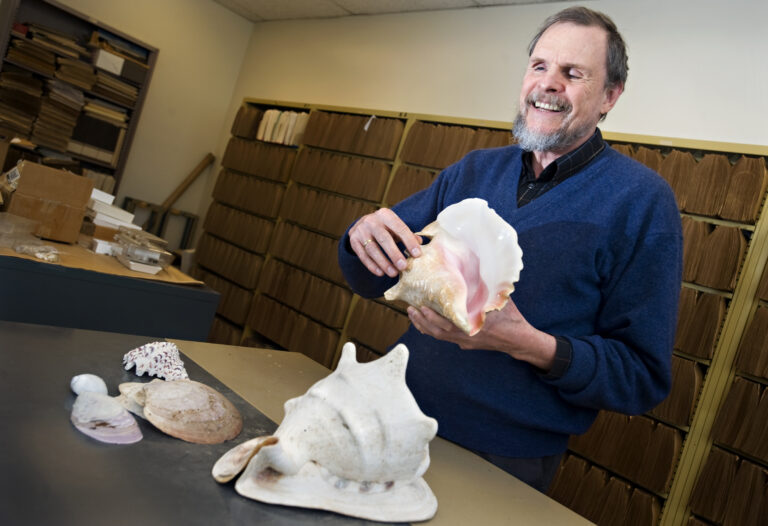
Geerat Vermeij, a professor in the Department of Earth and Planetary Sciences at UC Davis as well as a renowned paleobiologist and published author, is one of four UC Davis professors to have been recently elected as members of the American Academy of Arts and Sciences (AAAS), according to a recent press release

Founded in 1780, the AAAS’ mission, as stated on their website, is to be an organization that “honors excellence and convenes leaders from every field of human endeavor to examine new ideas.”

Vermeij, elected alongside Robert Feenstra, Jodi Nunnari and Andrés Reséndez, introduced himself and his work by referencing some of his favorite organisms to study, before explaining the interdisciplinary nature of his research.

“My favorite organisms are mollusks, followed closely by plants,” Vermeij said. “I started out in biology and then began working on fossils. I combined biology and geology even from when I was a student. I also branched out into economics.”

Emphasizing broad diversity in his studies, Vermeij also expressed his belief in the interconnectivity of writing, researching and teaching.

“I have always said that the active teacher is helped enormously in research,” Vermeij said. “Likewise, it is very much the case for me that research immensely adds to my immediacy, adding a point of view and a deepness of thought.”

Peter Roopnarine, the curator of geology at the California Academy of Sciences and a former student of Vermeij, enthusiastically endorsed his past mentor’s teaching. 

“I joined his lab when he was still at the University of Maryland, then he moved to Davis and I stayed with his lab and followed,” Roopnarine said. “I spent several years as his student, and since then we’ve remained friends and colleagues, and we’ve worked on several projects together. He’s just a great teacher, and I can’t really count the number of students who have been inspired by his lectures and just speaking with him.”

Roopnarine highlighted the central nature of science in Vermeij’s identity.

“First and foremost, he is an outstanding scientist—one of the most broadly interested and interesting scientists I know,” Roopnarine said.

Vermeij gave a brief overview of his work and focus.

“My main focus on a general level is large-scale historical patterns and understanding them—that includes human history,” Vermeij said. “The argument I’ve developed over the years is that processes of competition yield a pattern whereby the most powerful members of a group become progressively more powerful over historical time.” 

Roopnarine elaborated on Vermeij’s contributions to his field of study.

“He’s contributed many revolutionary ideas to his disciplines—one of his areas of study was about the fundamental importance of biotic interactions,” Roopnarine said. “Biotic interactions are basically how organisms affect each other. Up until the 1970s, it was often assumed that environment alone drove ecology and evolution. Geerat, in the late 1970s, pointed out the influence of organisms on each other. These things figure very significantly into our trying to understand and cope with the biodiversity crisis today.” 

Robert Dudley, a physiologist at UC Berkeley and longtime acquaintance of and collaborator with Vermeij, expressed his thoughts about why the professor received recognition from the AAAS.

“It’s an honor long overdue,” Dudley said. “He’s one of the leading paleobiologists worldwide. He has an incredible ability to synthesize large amounts of data and put it together and figure out its significance and where it fits in history—he can pick up any seashell and tell you something about it and the significance of it.”

Dudley went on to talk about his long history of looking up to and admiring Vermeij.

“I grew up knowing and admiring ‘the great Vermeij,’” Dudley said. “To my brothers and I, he was just sort of this source of amazement, how he could know all these things.” 

Vermeij expressed gratitude for the recognition.

“It’s always nice to be recognized by your peers, there’s no denying it,” Vermeij said. “I don’t know how I was chosen or why. I think I’ve just had a very full existence, all based around science; doing it, writing it, teaching it.”

Dudley expressed similar prospective reasoning about the AAAS’ selection.

“He loves what he does, and he’s good at it,” Dudley said.

Vermeij has been blind since the age of three, and described that while he wishes for his identity as a scientist to be of primary concern, being blind has certainly had an effect on his life.

“My main emphasis is on being a scientist and a scholar,” Vermeij said. “Blindness is of secondary or tertiary importance to who I am. But it is nice that in this day, I can do this as a blind person. I’ve always said how grateful I am that I can do this. To see society accepting this, and even putting money behind integration into the rest of the world, being willing to share their resources.”

Roopnarine referenced Vermeij’s blindness in relation to working with him.

“He’s also an individual with a disability, and working with him it’s sometimes easy to forget that because he’s so capable as a scientist,” Roopnarine said. “To me, he’s always been somebody who exemplifies the possibility of what somebody can do.” 
Written by: Sonora Slater —science@theaggie.org

Modified CDC mask guidelines not yet implemented in Yolo County

Yolo County continues to follow state public health guidelines regarding face coverings, which have not yet changed to match recently updated CDC recommendations

Despite recent changes in the Centers for Disease Control and Prevention’s (CDC) recommendations for fully vaccinated individuals regarding face coverings and physical distancing, according to a May 14 press release from Yolo County, the county will continue to follow the California Department of Public Health’s (CDPH) mask guidance which has not changed.

According to a CDC announcement published on May 13, 2021, their guidance has been updated to allow fully vaccinated people to resume activities without a face covering or physical distancing in most places, except on public transportation and where workplace, local or state laws and regulations still require these measures. 

In line with the latter exception, the Yolo County press release states that “these recommendations do not go in effect locally unless CDPH amends its current face covering mandate.”

The guidance currently in place by the CDPH, in addition to requiring unvaccinated individuals to wear a face covering whenever physical distancing measures cannot be maintained, requires vaccinated individuals to wear a mask indoors and in crowded outdoor places. 

Chancellor Gary May’s May 14 newsletter also addressed the topic in regards to UC Davis specifically, stating that, “For now, on the Davis campus, our policy remains in place.”

The current UC Davis policy requires face coverings at all indoor campus locations, excepting while eating, drinking or in private spaces, as well as in outdoor spaces where physical distancing is not feasible.

May then elaborated on when the campus policy might be modified. 

“Rest assured, we are closely following all public health guidance and discussing how we might adjust our policy when we are convinced the changes will not compromise the health of our community,” the newsletter read.

Written by: Sonora Slater — science@theaggie.org

Senate Resolution #14 passed at April 29 ASUCD Senate meeting

0

The resolution calls for a UC Davis counselor who specializes in individuals with autism; SB #94 was also passed at the meeting and acknowledges that UC Davis was built on stolen Indigenous land and promotes land recognition on campus

Internal Vice President Emily Barneond called the Quarterly Town Hall Senate meeting to order at 6:10 p.m. on April 29.

Senator Kabir Sahni then read the 12 town hall questions students asked ASUCD, beginning with how ASUCD will support student organizations during the shift back to campus in the fall.

“Moving to the next year, we need to continue to expand our scope and outreach to partner student organizations and recognize that they often know student communities best and can provide areas of expertise and help us do our jobs to represent students,” said ASUCD President Kyle Krueger. 

Several students had concerns regarding resources and support for international students who may not be able to come back to campus in the fall. 

“The resolution that we passed last week, SR #13, gives us provisions to fix or provide suggestions to admin for international students,” Sahni said. “A ton of them include simultaneously offering classes that are happening in person, asynchronously as well.”

Sahni then voiced the concern of students who have noticed an increase in crimes in Davis, notably stalking and breaking and entering, and asked what ASUCD can do to better protect students.

“[There is] a group within the city currently advocating for administration to add more blue lights on campus to help students who might feel threatened by individuals on campus,” Senator Kristin Mifsud said. 

In response to concerns regarding students receiving vaccinations by fall, Krueger responded that ASUCD has proposed a vaccination policy to the UC Office of the President. The policy will require all students, faculty and staff to be vaccinated before coming back to campus. 

After the town hall questions were answered, Sammy Veres, the co-director of Mental Health Initiative (MHI), provided the quarterly report for MHI. 

“We’re kicking off mental health awareness month [by] featuring some therapy llamas on Facebook live,” Veres said.

Veres shared that MHI worked alongside Student Health and Counseling Services this quarter to share movies for mental health last month. 

“We had about 60 students in attendance and essentially it was showing movies related to mental health, and then there was a panel discussion afterwards,” Veres said.

Anjini Venugopal, the editor-in-chief for The California Aggie, then provided the quarterly report for The Aggie. Venugopal shared that The Aggie was getting ready for the “Best of Davis” issue and reminded everyone to vote for their favorite things in Davis.

Morayah Horovitz, the creative director of Creative Media, and Jillian Nguyen, the executive producer, then presented on behalf of Creative Media. 

“Our programming team has been hard at work, updating ASUCD’s elections website and posting candidate photos and statements,” Horovitz said

Creative Media has also been working with the Bike Barn to improve their sales system, as well as with the CoHo to create new signage and graphics for their menu, according to Horovitz. 

Yalda Saii, the chairperson of the Ethnic and Cultural Affairs Commission (ECAC), then presented on behalf of ECAC.

“We voted on the Housing Commission amendment [and] we voted on SR #12, which was the Ramadan resolution,” Saii said. “In terms of events, we are in activism week and tomorrow is the final event, which is going to be the tunnel of resistance. We are still working on committee revamping [and] the ethnic studies projects.” 

Bia Myanganbayar, the chairperson of the Student Health and Wellness Committee (SHAWC), then provided the quarterly report for SHAWC. 

Myanganbayar shared that this quarter she has been focusing on reaching out to different health organizations on campus.

“The most important connection that we’ve made so far is with Student Health and Counseling Services,” Myanganbayar said. “Hopefully our committee can be a guide for students. We will be sharing with students what services they offer so they have better and easier access to it.”

Additionally, the committee is partaking in the vaccine hesitancy campaign. Committee members will share their vaccine testimonials alongside a photo of themselves to share why they got the vaccine. The committee is additionally sharing research regarding anti-vaccine precautions and advice from UC Davis medical professionals on social media, according to Myanganbayar. 

The table then introduced three pieces of emergency legislation, beginning with SB #93.

Controller Alexis Lopez-Perez shared author’s comments on the bill.

“This bill is consolidating [the Campus Center for the Environment] and the gardens,” Lopez-Perez said. “We’re able to give a lot more resources to both of these units that historically have been critically underfunded.”

The bill will also be creating the MHI and IT units in order to provide compensation for those working for the Mental Health Initiative and separate IT from the Creative Media unit. 

SB #93 passed unanimously.

Yalda Saii then provided author’s notes on behalf of SB #94.

“UC Davis, just like all institutions in the United States and the country itself, is built on stolen Indigenous land,” Saii said. “The UC system at large continues [to] have a strained relationship with Indigenous communities, and acknowledging whose land we occupy is the minimum that we can do to address this long history of genocide and settler colonialism.”

SB #94 passed unanimously.

Mifsud then provided author’s comments regarding SR #14.

“We are using this resolution to advocate for a counselor that specializes in individuals with autism,” Mifsud said. “There have been numerous studies done, that are recorded within this resolution, that show that autistic individuals respond far better to mental health counselors who actually specialize in that field.”

SR #14 passed unanimously as emergency legislation.

Barneond adjourned the meeting at 10:42 p.m.
Written by: Maddie Duley — campus@theaggie.org

How immigrant entrepreneurs disrupt the Model Minority Myth

0

The Model Minority Myth is engineered to tell one version of the Asian American Dream

What is the Asian American dream? Since the 1960s, the Model Minority Myth (MMM) has praised Japanese and Chinese immigrants not only for their seamless integration into American life, but also “empirical evidence [of their] success” drawing from “high-status occupations, rising incomes, and low rates of mental illness and crime according to Keith Osajima, a Race and Ethnic Studies professor. Because Asian Americans were able to break through racial barriers, the MMM creates a monolithic Asian American success story of doctors, lawyers, engineers and nothing more.

However, the basis of the MMM does not draw from empirical evidence but rather a constructed agenda. U.S. immigration laws are purposeful devices—and in the interest of serving “national interests” immigration laws give the government authority to sustain systemic inequalities through selective immigration practices. Through the 1965 Immigration and Nationality Act, Asian Americans were rebranded into the Model Minority: immigrants with higher levels of education and technical skills were prioritized. 

It brings into our discourse successful lawyers and engineers and ignores Asian American immigrant entrepreneurs and service-industry workers whose stories and struggles become obscured. By placing 22 million Asian Americans under a singular narrative of success, it expels crucial Asian American narratives. 

In the U.S., the nail salon workforce is 81% female and 79% immigrant-born, of which three-quarters are Vietnamese. The nail salon industry is vital for many in the Vietnamese community—many Vietnamese-Americans are nail technicians thanks to a fateful day in Sacramento, where the paths of 20 refugee women and actress Tippi Hedren crossed paths. Hedren visited the camp in Sacramento to help these women find a trade to learn. The decision to pick nails as their trade came from Hedren’s noticing the women admiring her manicures. Hedren’s suggestion was met with excitement and soon after she called upon her beautician and utilized the services of a beauty school to integrate the women into the nail trade. 

Vietnamese women have been particularly impacted by a triple threat of “prolonged salon closures, low wages, and anti-Asian racism” during the pandemic. Nail salons were left behind in the initial reopenings, resulting in lost wages and many have been targeted by hateful, profanity-filled letters telling Asian Americans they “do not belong” as well. Nail salons were further devastated by Gov. Gavin Newsom’s unsubstantiated claims that it was a nail salon that started the first spread of COVID-19. Newsom’s claims did little to help an industry some are afraid will never recover—Newsom’s statements compound on the fact that Asian American businesses have already been subject to falsehoods about the virus and questions about their cleanliness.

Even before the pandemic, nail salon workers—due to the nature of their job—are constantly exposed to toxic chemicals. The documentary “Painted Nailssheds light on this: shy, hard-working and resilient Van Hoang is the subject of this documentary, an immigrant entrepreneur who becomes one of the first people to testify before the U.S. Congress for the passage of the Safe Cosmetics and Personal Care Products Act that would require safety standards and labeling requirements on cosmetic products, including nail products. Because of a loophole in a 1938 law, the cosmetics industry has been unregulated in its use of toxic chemicals in their products without testing or consequences for the adverse health effects it creates. 

Working in a nail salon, Hoang is constantly exposed to the “toxic trio,” ingredients that have been standard in the nail polish industry for years: dibutyl phthalate, formaldehyde and toluene. These chemicals have been associated with cancer, birth defects and other chronic diseases. Hoang herself suffers daily headaches and difficulties with carrying pregnancies to term as a result of her exposure to these chemicals. 

Even after arriving at her American Dream as a nail salon owner, struggle is still present for Hoang. While she becomes the voice for others in her industry to fight for regulation against toxic chemicals, she also dispels a central view of American society supported by the MMM: that America is a meritocratic, fair society under the notion that Asian Americans are successful because of “qualifications, skills, attitude and behavior.” Hoang and her husband, who work seven days a week, according to the documentary—are no doubt hard working. Yet their American Dreams are wrought with struggle. If America is a fair society, per the MMM, and success is rewarded based on behavior, where does that leave Americans like Hoang?

Cambodian donut shops have many parallels to Vietnamese nail salons as well: around 80% of donut shops in California are owned by Cambodian-Americans. For Vietnamese nail salon owners and Cambodian donut shop owners, their businesses represent more than their livelihoods, but the way their stories differ greatly compared to the one molded by the MMM. Their business negotiates different meanings: For Hoang, her nail salon is described as a “dear friend” but in a way, also tethers her because she had to drop out of school at such a young age. As she expresses: “If I left the salon, I wouldn’t know what to do.” This sentiment is reflected by Cambodian donut shop owners, where donut shops “evoke a value particularly dear: survival,” according to the author of “Selling Donuts in the Fragmented Metropolis” Erin M. Curtis. Cambodian Doughnut Creams owner Bunna Men expresses: “I don’t like anything about donuts, but I have to, for a living.” 

The danger of the Model Minority Myth is that its dominance fails to acknowledge the many Asian Americans in service industries—particularly in nail salons and donut shops where Asian immigrant entrepreneurs constitute a large number. The struggles of these businesses ultimately become obscured from our public consciousness. The MMM perpetuates the false notion that America is fair because Asian Americans found success because of their work ethic. This notion offers little equity for Asian Americans not incorporated by the MMM; if America is a meritocratic society, it is sorely lacking in its protection for the success model it created for Asian Americans. 

Written by: Renee Wang — reswang@ucdavis.edu Disclaimer: The views and opinions expressed by individual columnists belong to the columnists alone and do not necessarily indicate the views and opinions held by The California Aggie.

Course recommendations for summer sessions

0

No, they don’t have the major class you need. Have you considered “Zombies Civil Rights”?

A Spring Quarter slowly draws to a close, you might be thinking that your last day of Zoom lectures is near. Do not despair, however, for there remains another chance to pretend your microphone has stopped working: summer sessions.

Lucky for you, we’ve sifted through the myriad of courses offered and we’ll now present you with a roundup of the best classes to take while daydreaming about the simplicity of 2012’s impending Armageddon.

Summer Session I:

  • Cinema & Digital Media 002 – How to Cope With the Death of Your Favorite Character 
  • Political Science 103 – Cyberbullying Ted Cruz
    • Course Credit Limitation: Only two units of credit for those students who have completed Cyberbullying Lindsay Graham.
  • Religious Studies 048 – The Flying Spaghetti Monster
  • Communications 162 – How to Avoid Talking to Your Homophobic Aunt 
    • Description: Standard diversion tactics, faking static on the telephone and miming an unspecified emergency that requires your immediate attention.
  • Sociology 120 – Avoiding Social Pressure to Watch Anime 
    • Description: Not watching “Attack on Titan” is your constitutional right. May be taught abroad.
  • Chemistry/Psychology 008 – Mandatory Therapy for Students Taking Organic Chemistry
  • Linguistics 019 – Elementary Klingon 
    • Description: The class that says, “My parents are working hard to pay for my education and I do not care.”

Summer Session II: 

  • Films Studies 045 – Twilight 
    • Workload Units: Eight.
  • English 177 – Study of an Individual Author: Your TA’s Edgy Poetry
  • Education 103 – Perfecting the “I Don’t Know, Can You?”
  • Nutrition 100 – Cooking the Appropriate Amount of Spaghetti
    • Description: Those weird portion gadgets are for the weak.
  • Political Science 118 – Is Humanity Doomed? Yes.
    • Course Materials: TikTok, that movie they made out of a Wattpad story, the U.S. Constitution.
  • Philosophy 035 – Veganism is Immoral, Embrace Cannibalism
  • Geology 130 – Licking Rocks
    • Description: The Rolling Stones, crystal meth and Pop Rocks not included.
  • Communications 180 – Are You Mad at Me?
  • Viticulture & Enology 070 – Explaining Your Major to Other People
  • Spanish 025 – Just the Curse Words

Written by: Annabel Marshall — almarshall@ucdavis.edu 

Disclaimer: (This article is humor and/or satire, and its content is purely fictional. The story and the names of “sources” are fictionalized.)

Healthy Davis Together focuses on vaccinating underserved communities

0

Sixty percent of those eligible for the COVID-19 vaccine in Yolo County have received at least one dose

In the fight against COVID-19, Healthy Davis Together has been increasing its distribution of vaccines to members of the community, especially those who may be from underserved communities. 

Medical Director of Healthy Davis Together Dr. Sheri Belafsky explained that Healthy Davis Together is working with CommuniCare to provide vaccines to people without insurance or to people who have Medi-Cal.

“Healthy Davis Together has a particular focus on vulnerable populations and underserved populations in Yolo County,” Belafsky said. “To that end, we partnered with CommuniCare, which is a federally qualified health center, so they have three clinics in Yolo County and they provide healthcare to the 20 to 30 thousand people who don’t have insurance or they have Medi-Cal.” 

Healthy Davis Together has set up two vaccine clinics in Yolo County, according to Belafsky.

“We created a call center so that CommuniCare could message their patients and let them know that we have these two vaccine clinics set up in locations that were convenient for their patients,” Belafsky said. “One is in Woodland and the other one is in West Sacramento, and we have been prioritizing CommuniCare patients since we opened about two months ago. We’ve seen about 6,500 doses that we’ve administered so far and most of them—about 50 to 55%—have been to Latinx community members and the lion’s share of course have been to CommuniCare or CommuniCare-eligible patients in the county.”

On-call Yolo County Public Information Officer Frank Schneegas said that Yolo County has administered over 50,000 vaccine doses total.

“As of Wednesday, May 5, Yolo County has administered about 28,753 first doses and 22,587 second doses,” Schneegas said. “The actual number is higher—there’s usually always a lag” during the wait for data entry to be finished.

As of May 3, Schneegas said that 48% of the approximately 220,000 residents in Yolo County have received at least one dose of the vaccine, which is roughly 60% of all eligible Yolo County residents. Of this percentage, 83% of agricultural workers and 60% of those aged 65 and older have received at least one dose.

With the increase of vaccine supply and the support of CommuniCare and Yolo County, the clinics set up by Healthy Davis Together are also taking community appointments, although they’re still prioritizing CommuniCare patients, Belafsky explained. 

Belafsky described how Healthy Davis Together has been doing outreach to underserved communities. For instance, Healthy Davis Together has been collaborating with the Homeless Coordinator for Yolo County and have a mobile vaccine team that goes door-to-door in motels once a week to vaccinate people, who Belafsky said may not be aware “that the vaccines are available to them” or may not be able “to get to the clinics.”

Corner Drug, which is located in Woodland, has also been administering vaccines at its site. Co-owner of Corner Drug Erik Daniells explained how the administration of vaccines has been going “smoothly with appointments available several days a week,” although demand has leveled off.

“Now we have vaccine inventory but the demand has plummeted from what it was a month ago,” Daniells said via email. “We hope this changes once the vaccine is approved for younger people.”

Daniells also shared that all of Corner Drug’s staff is vaccinated and tries to show others that the vaccines are safe and effective.

“We are hopeful that vaccine hesitancy decreases and we can show that the vaccine is safe and effective,” Daniells said via email. “Our staff was vaccinated early and we are very relieved to be able to safely help others.”

On-campus vaccination efforts have also been going well. UC Davis Medical Director of Student Health and Counseling Services Cindy Schorzman described that at the ARC vaccine clinic, as of May 4, more than 12,500 doses have been administered. Appointments can be booked through My Turn, and up to 375 doses are delivered each day.

Students should also report their vaccine status through the Health-e-Messaging portal, Schorzman explained, since high student vaccination rates will allow UC Davis to open with a higher capacity next fall. UC Davis also plans to make COVID-19 vaccines mandatory for students attending in-person fall quarter classes. 

“We have had over 3800 students report their vaccinations so far through the portal,” Schorzman said via email. “We definitely appreciate these responses, and they will help guide us as we plan for fall 2021.  The higher the vaccination rate throughout our campus community, the greater the likelihood that we will be able to keep services open and operating at high capacity in the fall.”
Written by: Shraddha Jhingan — city@theaggie.org

Behind the club: UC Davis Women’s Rowing

0

Training does not stop for this UC Davis sports club despite inability to compete due to the pandemic

After high school, many students entering college look to join different sports teams to maintain their physical health or to explore a wide range of physical activities. UC Davis has a wide range of club sports that many people may be unfamiliar with, one of which is rowing. 

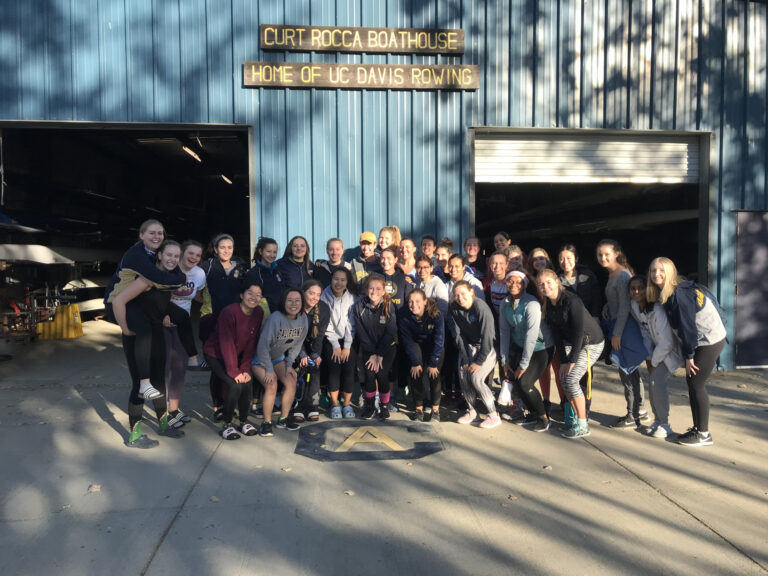
The Women’s Rowing team is a competitive club with a long history at UC Davis dating back as far as 1977. Practicing out of the Port of Sacramento, the club is open to everyone and is another way students can connect with peers.

“I remember as a freshman, the first week, just because we wake up so early for practice, I thought to myself, ‘There is no way, I’m not going to be able to do this,’ but it’s so rewarding,” said Jill Kraus, the team’s travel manager and third-year English and psychology double major. “I found my friends pretty fast and that’s what helped me [to keep] going.”

Considering that their usual season is during the Fall and Spring Quarters, the UC Davis Rowing Club hasn’t competed since 2019 due to the COVID-19 pandemic. A number of the team’s players were juniors when they participated in their last competition—called a regatta—and will be graduating as seniors without competing in their three final seasons.  

The women’s rowing team had their last formal competition in 2019. Both their Varsity 8+ and Novice 8+ teams competed at the national level for the American Collegiate Rowing Association (ACRA) before the pandemic began. The Novice 8+ successfully landed in third place and raced against some of the best crews in the U.S. 

Since the pandemic began, all races, events and tournaments, including nationals, have been canceled. The crew team is hoping to potentially compete in a few races before the year ends, but they are aware that things have not returned to normalcy yet. It’s been almost two years since the UC Davis’s Women’s Crew team participated in a race that isn’t a scrimmage.

“We’re allowed to travel and race schools in California under certain conditions,” said Kraus. “There’s no one available for us to race, so it looks like we won’t be having any scrimmages and nationals, along with other tournaments that are canceled for the year.”

Although this year’s team cannot race, they still practice four days a week, with optional practices on the remaining three days. During practices, every rower is socially distanced and must wear a mask, and all equipment is heavily sanitized. Because of this, rowers aren’t allowed to see each other in person outside of practice.

A group of eight rowers requires all of its members to work in unison and be on the same page physically and technically, but keeping in touch with each other has been difficult. 

“Usually getting to know each other would all be happening in the fall and so by spring everyone is close,” said team member Libby Polston. “Now we’re at the point where we still are getting to know people and new faces. And because we’re not racing, we haven’t done enough intense things that are fun to bring us even closer together.”

Every two weeks the team would get together for a movie night, game night or other typical social activity through Zoom, something that Polston said “wasn’t the same as in person.” Still, the team makes the most out of the situation by connecting with their teammates and creating opportunities to get closer to one another.

The team always tries to be filled with energy, especially during the pandemic, and being a good example for the rest of the team is important so that everyone can pass on positivity to one another. 

“[We try to set the example by] being focused, being driven, putting the work in and then when you have a good row, [telling] everyone you have a good row,” said Polston. “A lot of people who come the first week leave and say ‘oh this is too hard.’ But everything is thrown at you the first few days, then you get the hang of it. Those first few days are a barrier to people and if they get through it, it will be worth it.”

Even though this crew team, along with other team sports, have fallen victim to the pandemic, they continue to maintain a determined and positive attitude toward rowing. They all look forward to being in the water and hope that they will be able to participate in another competition soon.

*If you would like to contact the team for more information, please visit www.ucdrowing.com. 
Written By: Katherin Raygoza — sports@theaggie.org