56 F
Davis

Davis, California

Wednesday, December 24, 2025
Home Blog Page 281

Yolo County now using MyTurn for COVID-19 vaccine distribution

0

Officials explain that county has no control over vaccine supply as winter storms delay shipments

Yolo County has now transitioned to the MyTurn website for distribution of the COVID-19 vaccines, according to a Yolo County press release. Prior to MyTurn, Yolo County had been using an interest form for COVID-19 vaccines, which was launched on Jan. 19. Since then, 35,000 Yolo County residents have registered in the county’s system and will need to reregister on MyTurn. 

The platform MyTurn allows California residents to register to receive a notification via email or text when they are eligible for vaccines. In the future, eligible residents will also be able to book vaccine appointments through the system. 

Yolo County Public Information Officer Jenny Tan explained that the transition to MyTurn slightly changes the process of vaccine notifications.

“MyTurn is right now only allowing people to be notified when they’re eligible, so we are asking Yolo County residents to sign up for MyTurn,” Tan said. “Previously, we had our Google [COVID-19] vaccine availability interest form that we had people sign up on, and so if they signed up for that, then we’re also asking them to sign up for MyTurn.”

Tan elaborated on how MyTurn works.

“MyTurn can only notify people right now,” Tan said. “Later on—I think in March—they’ll be able to also have an appointment feature so people can sign up for notifications and get an appointment, but right now, they don’t have that availability. After people sign up for MyTurn, we’re also asking them, for the time being, to look for our Yolo County clinics or to try to get a vaccine through their healthcare provider or through a pharmacy like CVS or Rite Aid.”

District 3 Yolo County Supervisor Gary Sandy said that he thinks Yolo County has done a good job of distributing vaccines so far. 

“I think they’ve been as well as we could expect them to, given the flood of challenges that have faced us throughout this process in terms of vaccination availability, vaccination shipping and vaccination supply,” Sandy said. “As a county, we actually cannot order and receive our own set of vaccines.”

Sandy elaborated that Yolo County has no control over how many vaccines are delivered.

“The state orders them for us—they do not inform us of how many they’re ordering, and they do not inform us of what we can expect,” Sandy said. “We are simply notified when they have a supply. And so that’s been frustrating.”

Tan added that the winter weather in parts of the country has led to a delay in shipments.

“We’re getting one to two thousand doses a week,” Tan said. “Last week, we didn’t get any doses because of the winter weather that was delaying all the shipments. So we have actually received—I think—4,000 doses this week because it’s last week’s combined with this week’s.”

Yolo County has also been collaborating with healthcare providers and UC Davis Health to share doses that can be used to vaccinate residents, Tan explained. 

Sandy expressed hope that the county will eventually achieve a “full stage” delivery of vaccines.

“On Saturday [Feb. 20], we had a large turnout in Woodland—we administered over 2,300 vaccinations, so that was encouraging,” Sandy said. 

District 2 Yolo County Supervisor Don Saylor added via email that Yolo County has been allocating the scarce supply of doses to save as many lives as possible by focusing on groups with high mortality rates. 

“As more of our population is vaccinated and the rates of our community spread continue to decrease, we can slowly reopen our community to what will be our new normal,” Saylor said. “It may be some time before we are back to a mask-free lifestyle with the COVID-19 variants in our community, but we look forward to a time soon when our essential workers are vaccinated and we can safely educate students in a classroom.”

Saylor said that “the rollout of vaccinations has provided us a light at the end of the tunnel. However, we are not yet out of the tunnel.”
Written by: Shraddha Jhingan — city@theaggie.org

This Lent, I am simply going to give up

0

I find myself resonating with Squidward more and more each day

Lent is honestly such a great time of the year. I have always loved the season of giving up. 

Growing up Catholic, I’ve always participated in Lenten sacrifices. My sacrifices in the past have been very interesting. I’ve given up a lot of things such as refraining from eating my mom’s pulled pork, playing the Sims 24 times a day and wasting my money buying an eight-dollar iced coffee every single day. 

If you look at it, I’ve actually given up a decent amount of things. But this year I want to go all out and do something much bigger than anything before. What better way to do that than to simply give up? 

It’s definitely not just me, because everyone can agree that last year has got to be one of the hardest years in the history of human existence. Life is so overwhelming and the fact that we still have to study and pass classes through it is super hard sometimes! I think I’ve just become as numb as Squidward because I find myself resonating with him more and more each day. My voice has even started to sound so much like his. 

Anywho, simply giving up for Lent is really easy. If you would like to give up for Lent like me, here are easy steps on how to do just that: 

  1. Reduce all forms of human interaction 

Save your energy for yourself, people who matter and your pet fish. Save your saliva for your COVID-19 spit test, not for talking to other people. 

  1. Stop studying, just start submitting 

Why prepare for things when you can just submit them? That’s honestly what real self-confidence is. 

  1. Indulge in a daily scream 

Just let it all out. My fave places to scream on campus are the Hutchison parking lot, the Arboretum and Dairy Road where all the cows are. 

  1. Listen to SZA and Kali Uchis 

This is the energy you need to manifest into your system. Being nonchalant has never been easier for this generation. 

To all of you venturing into a similar endeavor, good luck. As a trial user of this Lenten sacrifice for the past week, I would recommend it—10 out of 10. 

Written by: Macy Lee — mcslee@ucdavis.edu 
Disclaimer: (This article is humor and/or satire, and its content is purely fictional. The story and or names of “sources” are fictionalized.)

New UC Davis club fosters connections with members of the neurodiverse community

0

Tutoring program started by Friends of Children with Special Needs at UC Davis aims to bring companionship to members of the neurodiverse community during the pandemic

Since its founding in 1996 by parents of neurodiverse children, Friends of Children with Special Needs (FCSN) has expanded to include many branches and offer services for children and adults. The newest and first student-run branch was established at UC Davis in the fall of 2020. 

Julia Pan, a second-year neurobiology, physiology and behavior (NPB) major and one of the public relations officers of the club, noticed in her time working with the neurodiverse community that prior to the establishment of the UC Davis branch, there was a lack of college student engagement with the organization.

“The volunteers tend to be parents, parents who have already been working with the kids for so long, and then you have a couple high school students,” Pan said. “But I’ve noticed in the programs I’ve worked with that there’s a lack of college students.”

For this reason, Pan said FCSN at UC Davis is aiming to recruit as many volunteers as possible this year. According to club president and second-year NPB major Erica Chiu, the services the club provides have been especially important during the pandemic because for many members of the neurodiverse community with whom she has worked, the disruption of set routines has induced added stress.

In an attempt to bring back normalcy and social enrichment to the lives of community members, FCSN at UC Davis decided to create a weekly tutoring program held over Zoom. 

“University students can choose what they want to teach, and parents can choose what they want their kids to learn and what emphasis they want to put on the classes, like if they want to learn a new skill or just have someone to talk to,” said Ayushi Ambekar, a second-year computer science major and one of the public relations officers of the club.

According to Pan, the program allows volunteers to have a lot of creative liberty over what activities they choose to focus on with their tutees after completing mandatory 2-hour training required by FCSN.

“With the one-on-one tutoring program, it’s super simple—just make sure you have that verification, we meet with you really quick to establish that you know what you’re planning on doing, and off you go into the program,” Pan said.  

 In Chiu’s experience, it’s important to take time to respond to her tutees’ emotional needs as well as teaching them planned material.

“It’s okay to go off-track sometimes in tutoring sessions. Maybe your student shows up and they’ve had a bad day, [so] they’re already in a bad mood and they just don’t want to learn today,” Chiu said. “I feel like it’s okay if you decide to drop the subject and just have a conversation with them, [and] ask them, ‘What happened?’ or how they’re feeling and just try to make their day better.”

Although Chiu recognizes that many club members plan to pursue a career in a health profession, she said that the skills and compassion the club helps to build can apply to anyone. 

“Pre-health or not, you may encounter a person with special needs sometime in your life,” Chiu said. “Taking part in our volunteering events will broaden your view of the world and different people in our community. When you do encounter someone or a situation similar in the future, you’ll have experience.”

Ambekar said that actively teaching neurodiverse people has broadened her understanding and perception of the neurodiverse community.

“Meeting somebody who perhaps is different from you […] and seeing how that doesn’t make them less, or someone you shouldn’t interact with, is so important,” Ambekar said. “These kinds of opportunities really help you gain that perspective.” 
Written by: Lyra Farrell — features@theaggie.org

COVID-19 Statewide Agriculture and Farmworker Education Program strives to protect and educate the agricultural community during the pandemic

Network of agricultural organizations works toward reducing the risk farmworkers have of contracting COVID-19

While it may not seem like a luxury to those stuck behind screens all day, working from home during the pandemic is not something everyone can afford. Many agricultural workers have continued to work in the fields throughout the pandemic to provide food for their communities. Because of this, farmworkers are at high risk for contracting COVID-19. 

In order to protect the agricultural community, the UC Davis Western Center for Agricultural Health and Safety (WCAHS) has partnered with the UC Davis College of Agricultural and Environmental Sciences and other agricultural organizations to develop the COVID-19 Statewide Agriculture and Farmworker Education Program to deliver COVID-19 training and outreach to the agricultural industry. 

“[We] have been working on COVID related topics since last March because we really quickly realized that farmers, growers, agricultural workers and employers were immediately being affected by the pandemic because they kept working while all of us came home,” said Heather Riden, the program director of the WCAHS. 

As demonstrated in a recent study by UC Berkeley researchers, farmworkers have suffered disproportionately since the beginning of the pandemic. The study found that of the California farmworkers surveyed, 13% of workers had a positive COVID-19 polymerase chain reaction (PCR) test, with 42% of them being asymptomatic. Many participants also reported that they continued to work while exhibiting symptoms out of fear of losing their jobs. Although vaccinations have become available, some farm workers reported not being likely to accept the vaccine due to fear of side effects and distrust of the government. 

Riden explained that as it became apparent that more dedicated attention was needed for outreach and training in high-hazard industries where workers were particularly vulnerable, the WCAHS was approached by the Labor and Workforce Development Agency (LWDA) to focus on efforts towards the agricultural industry. She elaborated that a lot of their efforts are focused on offering training tools and resources to employers and growers to keep their workers safe.

“We’re helping answer questions and be a resource in brainstorming how to assess the hazards at their workplace and make modifications to reduce the chance of exposure,” Riden said. “[One example] of that might be staggering work breaks so that not everybody congregates at the same time for a break to get water or have a snack, but instead get some small groups of people so you have less exposure.”

In addition, the program includes partnerships with community-based organizations to reach farmworkers. Riden said these organizations serve as the trusted sources for many farmworkers. The WCAHS supplies information and resources to the community based organizations who can then relay this to the workers directly. 

“Farmworkers in California are a fairly vulnerable population due to their economic status, immigration concerns, fear of interacting with the state or other large agencies,” Riden said. “And so community organizations that are locally based really have built over years a strong foundation of trust. We’re trying to be that support to them as they’re doing the critical work.”

AgSafe, a nationwide non-profit organization dedicated to providing practical health and safety education to the agricultural community, was also approached by the LWDA to collaborate on this project with UC Davis. Theresa Kiehn, the president and CEO of AgSafe, explained that their organization has been working with the WCAHS as one of their grant recipients for the past couple of years in promoting safe practices on agricultural operations.

“Especially as things were developing early on when we were in March, April and May, we were honestly just trying to keep our heads above water and keep employees and farmworkers safe,” Kiehn said. “So our approach was to really focus in on agricultural employers and to figure out what kinds of resources they need to help educate their workforce on COVID safe practices.”

With an abundance of information circulating about the pandemic, Keihn expressed that her team wanted to create a resource where information on topics, such as paid sick leave, were easily accessible. In order to do so, they have created a website resource, a clearinghouse for agricultural employees that is filled with resources and training tools, which will be launched in April. In addition, Keihn stated that they will be creating a video series in five different languages—English, Spanish, Hmong, Mixteco and Punjabi—to help establish a foundational understanding of COVID-19. Recognizing that not all agricultural workers have access to technology, AgSafe has also created a flipchart version for employers to use.

Aside from offering these resources, Kiehn elaborated that they will also be conducting a train-the-trainer program to reach as many workers as they can. As it is nearly impossible to directly reach all the agricultural workers in California, this program focuses on giving supervisors the tools and knowledge to continuously teach their respective employees about understanding COVID-19 and its effect on the workplace.

“We need to make sure we’re continuously providing education and training to our workforce, letting them know the safe practices that we’re taking to ensure their safety and needing their help to make our workplaces a safe environment for everybody to continue the good work that our agricultural operations do,” Kiehn said.

In order for those of the general public to help agricultural communities, Kiehn encourages people to continue doing their best practices surrounding COVID-19 to be responsible and help others in their community. 

“The most important thing to remember is farmworkers have been in the field picking and producing food for us over the last year, and they have suffered at a very disproportionate rate from the general public,” Riden said. “I think that in any way we can support them, whether it’s monetarily or through policy, we should be doing [so] because they are sacrificing, and many of us like myself who get to sit at home are the ones benefiting from their labor.”

Written by: Michelle Wong — science@theaggie.org

The new era of Tinder

0

Amid the pandemic, users have turned to the dating app as another form of social media

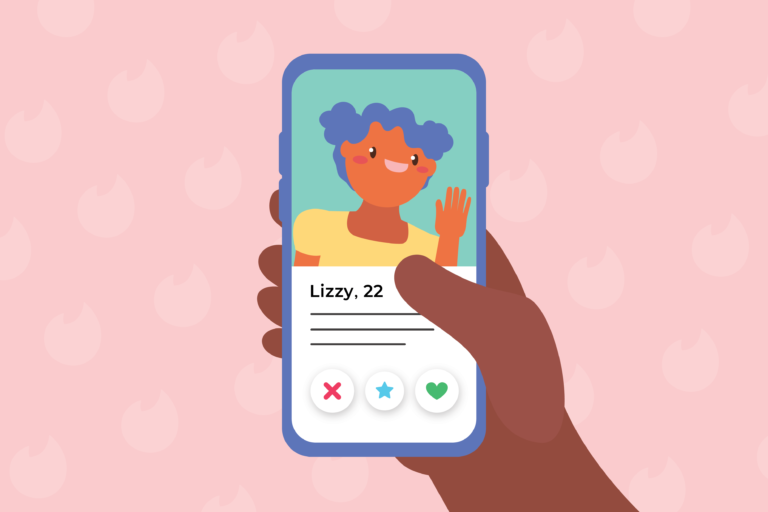
Over the course of the pandemic, what was once known as a dating app transformed into a new and modified form of social media. Because everyone has been stuck inside, many students have turned to Tinder to help them stay connected and entertained over the past few months. Although this dating app was always popular in college settings before the pandemic hit, the sudden and severe social isolation has led people who never imagined using such an app to become avid swipers. 

Savannah Pluma, a second-year biological systems engineering major, is among this crowd. Pluma finally gave in and downloaded the app in December of 2020. 

“It’s honestly just been a source of entertainment, a way to pass the time and see new faces,” Pluma said. 

Before the pandemic, Pluma along with many others saw Tinder as much more of a commitment to actually “finding something,” whether that be love or even just a date. However, as time has gone on this past year, many have come to see it more as a safe and low-stakes way to either just see or talk to the people around them. 

Unconventional as it may be, Tinder is aiding in keeping the UC Davis community, as well as the entire country, connected. Between March and August of 2020, Tinder saw over a 15% increase in first-time downloads. As the shelter in place orders were enforced, swiping left and right became a new pastime. This shift in Tinder’s original use of being a way for people to meet up, to essentially just another form of social media, shows everyone’s need for connection right now. 

While some downloaded Tinder as a form of entertainment to combat the incredible lack of social interaction of the past year, others have really made the most out of this app and created brand new friendships without ever leaving the house. Sophia Weiss, a second-year history and international relations double major, is among this group of pandemic-era Tinder users.

 “I made friends [on Tinder] those first few months from all over that I’m still in touch with on Instagram,” Weiss said.

This Tinder-match to Instagram-mutuals pipeline is not specific to the pandemic, but it is possible it has been made more prevalent as many social butterflies are missing “just talking to random people,” as Pluma said. Tinder is providing the opportunity for all sorts of connections— random conversations to start up between bored strangers; an easy way to remember how to flirt for those who might be out of practice; even the chance to run into old friends and take part in the awkward dance of “What does it mean to match with a strictly platonic friend?”

Connor Wolf, a second-year environmental science and management major, took to online dating apps during the pandemic just as many others did, and while the way he used Tinder was modified, he made it work and stayed safe. 

“I made the first date a Zoom date as a way to make sure that I wouldn’t risk any potential exposure,” Wolf said about meeting someone new during lockdown.

Wolf has proven that real connections can still be found for those hoping for more than a new pastime—it just takes more “patience and mutual understanding,” Wolf said. 

Sadly, not everyone has gotten the memo about the new Tinder under COVID-19. 

“I’ve definitely run into some [Tinder matches] who take it super seriously […] they get pretty rude when they find out I have no intention of meeting up mid-pandemic,” Weiss said. 

For some, it may be hard to accept the new and different ways in which this dating app is now being used, but it’s important to understand how helpful even the simplest form of social interaction can be in keeping us all grounded. For now, Tinder remains a modified form of social media, but as vaccinations get rolled out, who knows? Maybe it’ll go back to the way it was before, or perhaps this app (along with the rest of the world) will be forever changed by COVID-19. 
Written by: Angie Cummings — arts@theaggie.org

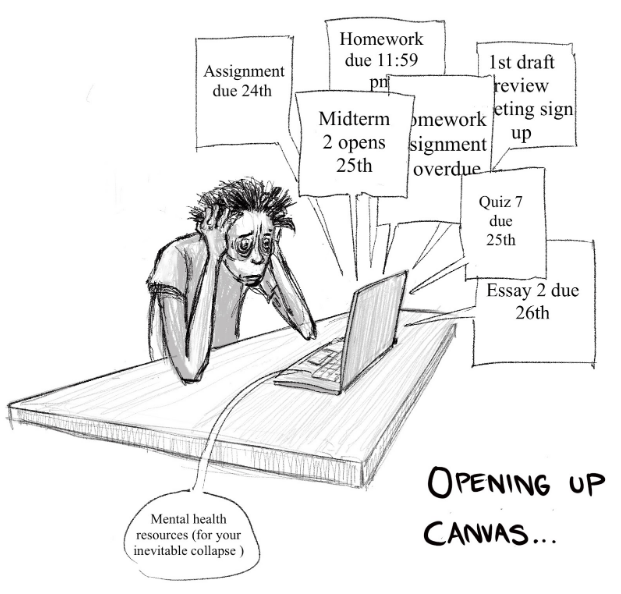
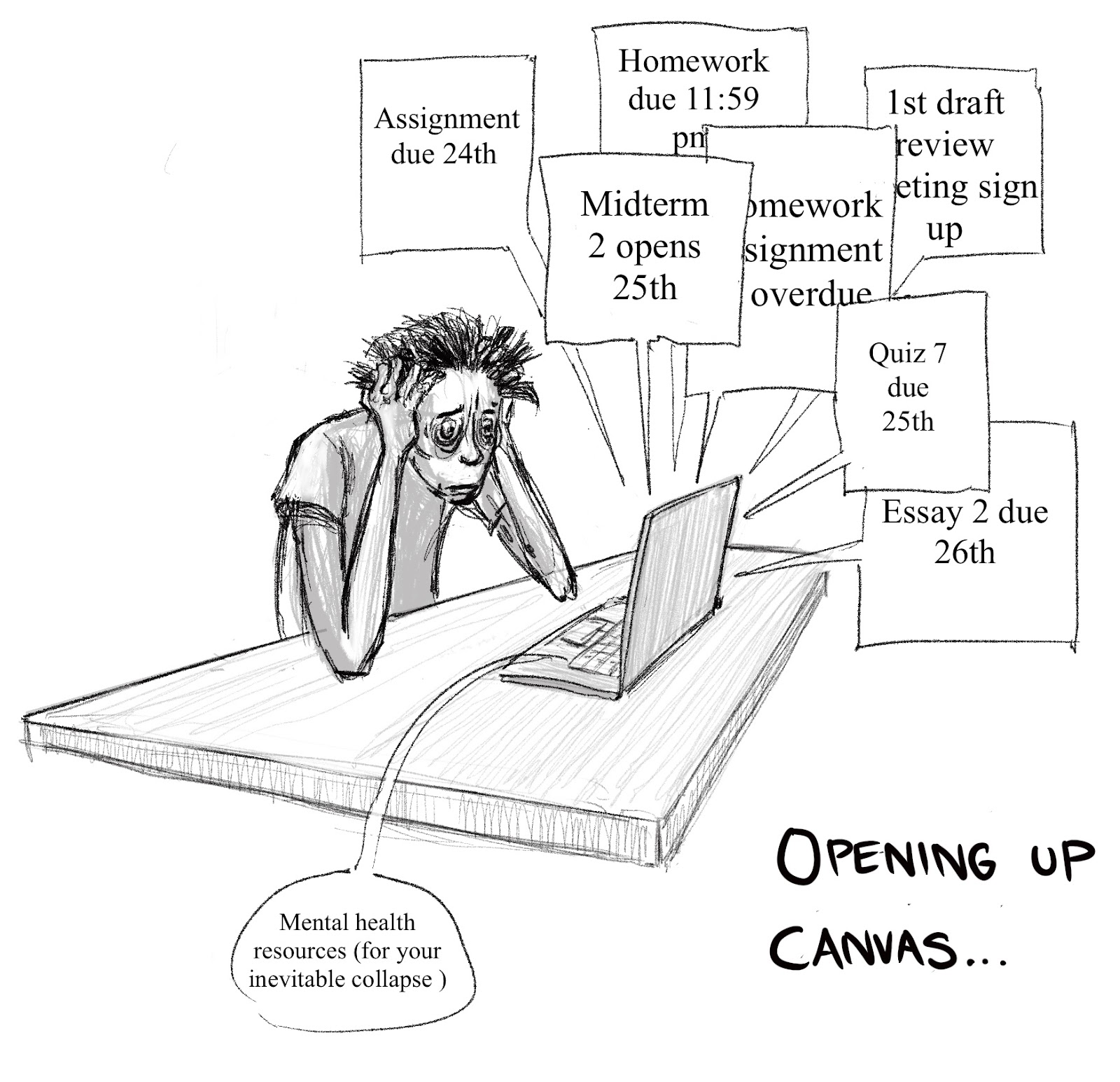
Opening up Canvas like…

0

Drawn by: Rushi Tawade –– rntawade@ucdavis.edu 

Disclaimer: (This cartoon is humor and/or satire, and its content is purely fictional. The story and names of “sources” are fictionalized.)

Social media contributes to the spread of misinformation about vaccinations, but can be a powerful tool when used responsibly

Organized anti-vaccine groups are deliberately spreading misinformation, and social media companies are doing little to stop them

In the age of social media, knowledge has never been more easily accessible. However, just as information is available at the tip of your fingers, so is misinformation. With the seemingly endless wealth of information and misinformation, it can be difficult for people to decipher good information from bad. This can lead to people being misinformed on issues like vaccinations. 

Despite the scientific evidence that COVID-19 vaccinations (along with preexisting Food and Drug Administration (FDA) approved vaccinations) are extremely safe and effective, a cursory search on the internet might lead anybody to believe otherwise. This misinformation often comes in two forms, according to Dr. Jingwen Zhang, an assistant professor of communication at UC Davis. 

“Sometimes, average individuals can cast their own doubt and try to make some incorrect links between, for example, side effects or results and their own experiences related to vaccines,” Zhang said. “For example, we often see personal narratives of parents sharing how their children ‘became a different person’ after getting the MMR vaccine. This type of misinformation is misleading, it comes from one person’s experiences and is not really in line with scientific studies.” 

Zhang noted that the second form is much more malignant, extending beyond an individual’s simple misunderstanding. 

 “The other type of misinformation is the more organized kind coming from groups that are trying to purposely misinform the public because they have this very broad anti-vaccine agenda,” Zhang said.

According to Zhang, these orchestrated anti-vaccine groups “have much more power.” They often employ the use of ‘bots’, fake accounts created to increase the spread of some information (in this case usually false narratives about vaccinations), according to Noah Stern, a fourth-year computer science major. 

“They get bots to talk about it, post it and share it to make the [social media] algorithms think that the story is more popular than it is, causing it to appear higher in the search order,” Stern said. 

Zhang added that social media companies are trying several different approaches to limit the spread of this misinformation, such as promoting reputable sources like the Centers for Disease Control and Prevention (CDC).

“For example on Instagram, if you search for ‘vaccine’ as a keyword, the first result is the official source of [the] CDC,” Zhang said. “That is one typical approach that the companies are preferring for now, because they don’t have to do a lot of checking, they just have to promote the good sources on top.”

While that minimizes the work social media companies do, it doesn’t completely limit users from seeing misinformation, according to Zhang.

 “We observed that it’s not only these credible sources appearing on top of the page; in the same page you can see those posts from anti-vaccine groups appearing,” Zhang said. “They haven’t done any work to address this, because they have their concerns about limiting these groups who have a right to certain degrees of free expression.” 

While it is nearly impossible for social media companies to catch everything that is posted on their sites, these sites are starting to do more to flag deliberate misinformation and link users where to find accurate information. Zhang’s recent study confirms that these fact-checking methods employed by social media companies can be effective at reducing the spread of misinformation. 

As the COVID-19 vaccinations become more readily available to the public, the battle to get people to agree to be vaccinated has begun, a large part of which is limiting the spread of misinformation. According to one recent study out of UC Davis, nearly one-third of English-speaking Americans say that they are hesitant or unlikely to get vaccinated. This can be a particular obstacle to achieving herd immunity, which is estimated to require nearly 70% of the population to be immune before it can be reached, according to the Mayo Clinic

While finding valid information on social media may be difficult at times, Zhang said it is important to consistently check sources of information. Zhang’s advice is to ensure that sources are reputable and pulled from scientific authority rather than personal opinions or narratives. If people are still unsure on how to find valid information, they can always use social media to their advantage and ask their social network for good sources and information—a powerful tool when used responsibly, according to Zhang. 

Written by: Justin Weiner — science@theaggie.org

The UC Student Association calls on Congress to double maximum value of Pell Grant

0

Students say the pandemic and increased housing insecurity have contributed to the need to increase the grant, which provides aid to many UC Davis students

The UC Student Association, in partnership with the UC, has launched the Double the Pell campaign as part of a nationwide effort calling upon Congress and the Biden administration to double the maximum amount of the Pell Grant. The main goal of the campaign is to raise the Pell Grant’s current maximum of $6,495 to $13,000 by 2024. 

The Pell Grant is an essential way for low-income students to secure access to higher education at an affordable cost, with more than 7 million recipients, including 78,000 UC undergraduates, according to a UC Davis press release

A petition that circulated during the campaign’s week of action starting on Feb. 22 resulted in 1,000 signatures in just one day, according to Maria Martinez, the external affairs vice president of Associated Students of UC Davis (ASUCD).

“That definitely shows that our campus cares about the Pell Grant and was involved with the campaign at the early stages,” Martinez said. 

The Double the Pell campaign began with a week of action hosted by the UC Student Association. The first day kicked off with a panel in partnership with the UC Davis government relations team. Many nationwide student organizations joined the panel as well.

The grant has long aided student’s social mobility. According to the press release, the median income of Pell Grant recipients exceeded their family income within five years of graduation, and 1 in 3 UC alumni with families in the bottom 20% of income rose to the top 20% as adults. 

Aidan Arasasingham, a fourth-year global studies major at UCLA and president of the UC Student Association, said that despite the Pell Grant being able to cover 75% of the expenses of a four-year college student in 1980, today it only covers 28%. 

 Andrew Nickins, the vice president of legislative affairs for the Student Senate for California Community Colleges, said during the panel that the California community college system has experienced a 10% drop in enrollment statewide and up to 20% in some districts. 

“When students graduate with enormous debt they put off taking a risk on a dream job, starting families, purchasing homes and making other significant investments in our economy,” Arasasingham said. “This pandemic, [which] has upended the financial stability of students and their families, has only exacerbated this by making American higher education dramatically less attainable for millions of Americans.”

  As higher education tuition costs rise and students navigate financial losses during the COVID-19 pandemic, many student advocates said they feel the current maximum isn’t enough to cover costs of tuition and basic needs. 

“As cost of living rises, the affordability of education is threatened,” Nickins said. 

Bryce Regian, the vice president of federal affairs for the Washington Student Association, emphasized the grant’s ability to retain students and help them graduate. 

“We know from research that financial aid has a positive correlation on both college enrollment and retainment,” Regian said. “Even just 1,000 dollars worth of aid from grants has been shown to increase enrollment by four percentage points and persistence by two percentage points.” 

Cal State Student Association President Giun Liu said in the California State University (CSU) system, 230,000 students rely on the Pell Grant, making up half of the CSU student population. Currently, 42% of CSU students experience food insecurity and 11% are homeless. 

 “Grant-based financial aid improves the enrollment, retainment and completion for low-income students and students of color,” Regian said.

Martinez, who is also a Pell Grant recipient, emphasized the grant’s ability to help the most impacted students during the COVID-19 pandemic.

“I wouldn’t have been able to come to Davis without it and I know that’s the case for [a lot] of people,” Martinez said. “In the middle of COVID-19 everyone is facing financial problems even more, so doubling the Pell Grant would not only help people attend university, but secure their basic needs.”

Victor Chavez-Gonzales, the vice president of Associated Students at Portland State University and part of the executive committee for the Oregon Student Association, is also a Pell Grant recipient and recognizes the help it has given him to succeed. 

“It’s proven to be the key of many students’ lives,” Chavez-Gonzales said.

Student advocates are continuing to remind students, faculty and Congress of the grant’s initial goal for being established. 

“The federal government made a commitment to students in establishing the Pell Grant program with the intent of allowing any student, regardless of their financial means, access to higher education,” Arasasingham said. “Restoring the grant’s purchasing power to its original value would honor that commitment.”

Written by: Annette Campos — campus@theaggie.org 

Reduce, reuse, Russia state-controlled media

0

Take five minutes to think before you share

Anyone who has spent five minutes on Instagram has seen clickbaity infographics advertising the “real” truth about social justice issues. Often, whether they’re true or not, these stories will run their course across people’s stories for a few days before disappearing. These posts spread like wildfire, but have you ever considered who’s behind these pieces?  

Last year, as part of an initiative to combat misinformation and increase transparency on their platforms, Facebook began labelling state controlled media. This included a variety of news outlets, from Iran’s Press TV to Russia’s Sputnik News. This decision has been met with considerable backlash from the corporations affected. In fact, Maffick Media filed a lawsuit in California against Facebook to remove the label from their various accounts, which was promptly rejected in the U.S. District Court of Northern California. 

Waste-Ed, a sustainability account with 325,000 followers, is among multiple popular accounts labeled by Facebook as “Russia state-controlled media.” But what does this actually mean? Waste-Ed, along with at least two other popular accounts, are run by Maffick Media. The majority stakeholder in Maffick’s company is Ruptly, a subsidiary of RT (formerly known as Russia Today). RT is state-sponsored media from the Russian government. 

At this point, you might be wondering what the harm is in having an Instagram account that shares stories of environmental victories and emphasizes reducing plastic waste. This seems relatively harmless on the surface, and the message is hard to argue with. Despite this, critics of the accounts argue that they are part of an ongoing strategy by the Russian government to escalate the polarizing political atmosphere in the U.S.. Rather than directly spread misinformation, the accounts instead criticize American foreign policy and Western companies. Another part of this tactic is to provide a platform for fringe viewpoints or relatively un-reported media to discredit the mainstream media and American culture.

“The Russian objective is to create an illusion of deep-seated divisions between people like you and people who aren’t like you so that you won’t be able to agree on anything.The Russians don’t particularly care about the details of our social and political issues when they are trolling Americans,” said Merek N. Possard, a military sociologist, in a group Op-Ed in the LA Times last summer. “Their focus is to gin people up to be against one another regardless of their identity or political beliefs. That’s why Russia tries to infiltrate groups of both Black Lives Matter and white nationalists online.”

Despite these obvious tactics, some progressives argue that this isn’t necessarily as big of a deal as it sounds. Funding to the media comes from a variety of sources, and in most cases, the messages aren’t necessarily untrue. Even if the criticism of various policies focus almost exclusively on the U.S., it does not mean that they aren’t valid. 

“Working for In the Now, or working for Soapbox, or Maffick, is not an endorsement of the policies of its sponsors, just like working for CNN is not an endorsement of the pharmaceutical companies or weapons companies that play advertisements on CNN,” said  Rania Khalek, an American journalist working for Maffick’s Soapbox in an interview with CNN in 2019. “Or just like working for the BBC or Al-Jazeera is not an endorsement of the policies of the British government or in Al Jazeera’s case, Qatar’s absolute monarchy.”

The U.S. has a long history of hysteria related to Russia, stemming from the American public’s fears of communism spreading abroad in the 20th century. Labelling leftist policies as communist is not a new tactic for conservatives, but this is a different situation. Russia state-controlled media is launching an effective propaganda campaign to intensify tensions between the left and the right. 

I’m not saying every infographic about social injustice is necessarily bad or some kind of Russian propaganda campaign to get you to argue with your neighbor. I’m just asking you to think carefully about what you are endorsing by sharing certain posts or articles. I know it’s tempting to repost anything, but doing your own research is actually important. So next time you’re mindlessly scrolling and work yourself into a fit about something, just take a moment and think. That’s all I’m asking.

Written by: Joe Sweeney — jmsweeney@ucdavis.edu 

Disclaimer: The views and opinions expressed by individual columnists belong to the columnists alone and do not necessarily indicate the views and opinions held by The California Aggie.

Yolo County District Attorney’s Office Citizen’s Academy program accepting applications

0

The Citizen’s Academy seeks to reduce tension between communities and law enforcement through education

The Yolo County District Attorney announced in a press release that they are accepting applications to join the annual Citizen’s Academy program, which will be virtual this year. Along with educating the public, the goal of the eight-week program is to improve the relationship between communities in Yolo County and the criminal justice system.

Applicants must be residents of Yolo County and at least 18 years old. Participants will meet every Thursday from April 15 to June 3, from 6-8:30 p.m. 

The press release details that some topics the Citizen’s Academy will cover include victim services and the roles of law enforcement. Sponsored by the Yolo County District Attorney’s Office, the Citizen’s Academy coordinates with many police departments, including the Davis Police Department and the UC Davis Police Department.

Davis Assistant City Manager and staff liaison for the Davis Police Accountability Commission Kelly Stachowicz explained how there is often tension in the community between law enforcement and any particular group, making conversation necessary. 

“What we always want in the community is informed discussion,” Stachowicz said.

The Citizen’s Academy allows communities to participate in mutual learning about the criminal justice system. Stachowicz added that when people have better information, it yields better community conversations and discussions.

On June 6, 2020, a group of Davis community members stood in solidarity with the Black Lives Matter (BLM) movement and marched to the Davis Police Station. 

Leslie Ortiz, a second-year political science student at UC Davis, has noticed tension between police officers and students, including her peers, during her time on campus. For example, she noticed that her friends often had harsh comments when they saw a police officer. 

Some students do not want to contact the police nor rely on law enforcement, according to Ortiz.

“Let’s say if an emergency happens—I feel like people have been not wanting to call the police because of the fear and their portrayal through social media and through the news,” Ortiz said.

Additionally, Ortiz said that the events in 2020 that drove widespread BLM protests, including the death of George Floyd and videos of police officers posted online, have influenced the attitudes of many students. 

Stachowicz described that Davis officials seek to protect the citizens’ right to protest. 

“Our first approach is ensuring that people’s first amendment rights are protected,” Stachowicz said.

As a college student and aspiring lawyer, Ortiz feels that police are needed to ensure the safety of the citizens, but there should be a change in law enforcement and how officers handle certain situations. 

Ortiz commented that the Citizen’s Academy could lead to positive changes regarding policing in Yolo County. 

“The program can empower law enforcement to change,” Ortiz said. “I really feel like if all that negativity goes away and the community supports law enforcement, tension could go away.”

In the weekly schedule of the Citizen’s Academy, Yolo County police chiefs and sheriffs will speak to participants during the program.

Stachowicz explained that this could potentially improve communication between the criminal justice system and the citizens of Yolo County.

“If people are interested in learning about what a police department actually does, have questions about it, or have concerns about it, the academy may be a good opportunity to educate themselves,” Stachowicz said.

To enroll, go to www.yoloda.org for more information or contact Wendy Wilcox by email at wendy.wilcox@yolocounty.org or by phone at (530) 666-8356. 

 Written by: Ellie Lee — city@theaggie.org


Some pandemic changes may be here to stay

0

The new changes in sports that were made due to COVID-19 may be here for the long haul

In the early days of the pandemic, sports were acting as if the situation would be temporary. Sport organizations made decisions in hopes of making it through one season and then everything returned to normal after it was over.

The National Basketball Association (NBA) took extensive measures to ensure a virus-free bubble. Instead of 162 regular game seasons in the Major League Baseball (MLB), they shortened it to 60. The National Hockey League (NHL) also followed the NBA’s lead, creating their own bubble in Canada. 

Different strategies were taken in the beginning of COVID-19, but as the pandemic continued, these short term strategies were quickly abandoned in the upcoming season. Athletes hope that 2021 will be the last difficult year for sports affected by COVID-19. Eventually, when the pandemic isn’t looming over the sports world, it will seemingly change several aspects of it going forward.

In spite of the lack of competitive activity, there has been a massive increase in the use of different platforms where camera angles and audio from the players will be a new way to illuminate the experience of watching a game. With empty stadiums, one can hear players shout, speak and any other noise coming directly from athletes. For the first time in sports history, fans can hear audio sounds that have never been heard on television. The loud batting noise of a baseball cracked at the bat, the tactical talk of teammates during a game and the sound of a kicked ball can all be heard clearly

Instead of the usual crowd noises, fans can hear the “natural” sounds of the game. 

“It was quite different. Pretty much the whole game we were on the sideline talking about how different it was,” said Jared Cook, the New Orleans Saints tight end.

Normally, these noises would be drowned out by background noise coming from the crowds. The norm even after fans are allowed back into games will be to incorporate these sounds into live television broadcasts so that people who don’t attend games get the real sensation of being in the stadium, similar to what is going on now.

Seasons may also even begin to get shorter because leagues and athletes have realized that fewer games avoid less injuries while still finishing a proper season. Some people in the NBA have argued that their season is very long, making them more prone to injuries. Every sport, except for the National Football League (NFL), has shortened their season because of the pandemic, but even then, the NFL cut their preseason entirely. 

The NBA has featured 72 games per team, which is ten less games than usual, so the chance that it will go back to a normal 82 remains up in the air. The MLB Player Association had rejected a proposal earlier this year from the MLB regarding shortening the season to 154 games instead of 162 for this upcoming season, but the argument that the baseball season is too long has always been there, and the opportunity to cut it may come after the pandemic. 

Now that players in all sports have figured out that it is possible to play less games, still get paid the same and still have a successful season, it is possible that athletes may rise up to propose fewer games in the near future.

Perhaps the biggest shift has been the rise of athlete activism. This has been a major story during the pandemic since the killing of George Floyd in late May 2020, which caused an explosion of social activism. This time period will be historic because of teams boycotting games, including playoff games, to stand against racial injustice.

Back in June of 2020, seven former and current players from the NHL formed the “Hockey Diversity Alliance.” Today they are still an active group operating independently from the NHL. Their goal is to promote diversity, not just at the professional level. They have been collaborating with many hockey organizations to bring awareness to this issue and so far they have been successful. The NBA and NFL’s athletes also made sure their voices were heard, as many players spoke out about social injustice and made sure to fight voter suppression as well during election season.

One of the most popular National Association for Stock Autocar Racing (NASCAR) drivers and the only Black driver in the league at one point had “Black Lives Matter” across his best-selling racing jersey and was a driving force in getting the Confederate flag banned from NASCAR events. 

“Recent global movements for racial and social justice, bringing back into public consciousness the historical significance of U.S. athletes in driving societal change, have shown that peaceful protests and demonstrations are a sign of moral leadership and can serve as a moral compass in centering human dignity in global sport,” said Team USA Council.

Although the pandemic has been a challenge, sport organizations have worked to ensure the safety of athletes while entertaining fans. As the U.S. progresses through the pandemic, audio on televisions, shorter seasons and athlete activism are firm changes that may continue until new and better innovations are created. If anything, this era of sports has created new opportunities for athlete and fan interactions in a variety of different ways that have brought the spotlight on crucial issues not only in sports, but in the grand scheme of society as well. 

Written by: Katherin Raygoza — sports@theaggie.org 

Asian American professors and faculty members address recent attacks on Asian American community

0

A discussion about the history of anti-Asian racism and hate crimes during the COVID-19 pandemic and possible solutions to a racialized social system

The surge in xenophobia and anti-Asian racism in response to COVID-19 has led to a rise in microaggressions, racial profiling and hate violence against Asian Americans. Many of these acts of aggression were unprovoked, directed towards Asian Americans of all ages and are documented at stopaapihate.org. A recent increase in visibility of these incidents on social media has incited calls to action, including those listed in a statement from the UC Davis Asian American Studies (ASA) Department. Two professors and one faculty member weigh in on the subject.

Although hate crimes against Asian Americans have been rampant in the last year, Dr. Richard Kim, a professor in the Department of Asian American Studies, noted that attacks on this community were not unheard of before the COVID-19 pandemic. According to Kim, anti-Asian hate violence dates back to the mass arrival of Chinese immigrants to the U.S. in the 19th century. 

“Much like the current situation, Chinese immigrants were often vilified based on widespread perceptions that they were carriers of disease and foreign invaders and thus threats to the well-being of American society,” Kim said. “These racialized perceptions were institutionalized in federal, state and local laws that specifically targeted the Chinese, as well as manifested through extralegal means such as violence, denigration and social ostracization.”

These sentiments fueled discrimination against other Asian groups that immigrated to the U.S. after the Chinese in the 20th century and continue to perpetuate violence today. A prime example of such is the rhetoric used by politicians and the media who have referred to COVID-19 as a “Chinese virus.” According to the ASA department’s statement, this racialization of the virus by the government has prompted Americans to redirect their frustration with the pandemic and lack of healthcare toward Asian Americans.

Ga Young Chung, an assistant professor in the Department of Asian American Studies, stated that it is important for the Asian American community to stand in solidarity with other marginalized groups and not to blame them for these hate crimes.

“The ongoing racial tension is not created by the Black, Indigenous, Muslim [communities] and people of color, but by the mainstream society through the social system and media representation,” Chung said. “We should not find a solution from increasing police appearance or criminalizing of the other community.”

Chung stated that the first step marginalized groups can take in solidarity with one another is urging the government to fix the racialized social system in the U.S. and provide community-based resources for equal access to education, housing and healthcare.

According to Chung, it is essential for students and community members to think critically and take action using insights from ethnic studies. Inspired by these studies, Chung is taking an approach that promotes racial and social justice through education and action. She is encouraging her students to engage in conversations surrounding COVID-19, media representation, issues of equity and their effects on the Asian American Pacific Island community.

“I have helped our students in ASA take from this challenging period the momentum necessary to re-visit legacies of racism and uplift our community’s voices,” Chung said.

The ASA faculty and staff emphasize their commitment to creating spaces where students can work towards solutions to these systemic problems, as well as safely discuss racism and stand in solidarity with other marginalized groups of people. One organization dedicated to the success of Asian Pacific Islander (API) students is the Strategic Asian Pacific Islander Retention Initiative, directed by Dr. Noel Salunga. According to Salunga, this initiative supports the holistic academic, personal and professional goals of students through collaborative efforts with other on-campus organizations. 

 On Feb. 26, the Strategic Asian Pacific Islander Retention Initiative collaborated with the Cross Cultural Center, Department of Asian American Studies, Student Health and Counseling Services (SHCS) and Student Recruitment and Retention Center to host an API Community Check-In. During this virtual event, students and faculty broke into small groups to discuss their feelings about the quarter, the pandemic and the hate crimes towards the API community.

“We’re trying to bring light to the dialogue and create a community of care so that we all can learn, talk about and heal from these issues,” Salunga said. “As a part of Student Affairs, I think our job is to provide those places of dialogue, empowerment and community connection in a virtual environment for students who want to talk about these issues.”

While many API students may be feeling overwhelmed by anti-Asian violence, Salunga said there are multiple angles from which one can approach this problem. One way is to self-educate, taking the time to learn about topics related to these attacks, such as the model minority myth or the history of racial xenophobic attacks on API communities. Another way is to talk to peers and family members about these incidents to strengthen one’s social support network. Finally, Salunga encourages students to make use of the resources on campus, such as SHCS, Student Affairs and academic advisors.

“Students are going through these processes in a pandemic environment, with online learning, financial issues, wanting to graduate and wanting to do well in academics, on top of dealing with these racially-charged issues,” Salunga said. “So it’s important to practice a healthy balance of being in spaces of community and being in spaces by yourself. I think having that healthy balance will keep you informed, educated and aware, but also allow yourself to rest and recover from exposure to these incidents.”

Written by: Liana Mae Atizado — features@theaggie.org

Punxsutawney Phil worried he messed up this year

0

The groundhog questions: How did it go so wrong?

It’s Feb. 2—Groundhog Day. Punxsutawney Phil, the man, the myth, the legend and most importantly by literal definition none of those three things, is removed from his tree hole by a bunch of old white dudes in top hats. It is announced to the world that Punxsutawney Phil has seen his shadow and there will be six more weeks of winter.

For Punxsutawney Phil, or as he has been nicknamed by his crew: P-Philly, the six weeks after Groundhog Day are the longest six weeks of his life. To quote the mystical manhandled marmot of meteorology himself, “ateeteeteeteeeteeeteeteeeaaaetreetereete.” Translation: “I’m always worried that I am wrong and will one day lose the trust of the public.”

Through translation, Phil continued, “This year has been especially worrisome for me, the wise weather woodchuck.”

The lack of winter-like weather has perturbed the Siffleux Sage of the start to spring. Despite being the greatest groundhog global climate guru of all time, there are always competitors gunning for that top spot. Wiarton Willie, Dunkirk Dave and Milltown Mel—just to name a few. 

The odds don’t look good for Mr. Phil, as the first day of spring is technically on March 20. Probably should have said six weeks and four more days of winter. Phil, you really messed up this time. 

Written By: Ean Kimura — etkimura@ucdavis.edu

Disclaimer: (This article is humor and/or satire, and its content is purely fictional. The story and or names of “sources” are fictionalized.)


Homemade brings healthy meals and community to students

0

New organization gives students an opportunity to give back and connect with others while learning new recipes

Homemade is a new and vibrant student-run organization that aims to help students cook tasty meals that are still nutritious. With members sending in their recipes, this organization has crafted a blended list of all types of foods from different cultures. While the organization has been in the works since Sept. 2019, it was not a public organization until last April. 

In order to become a member, students can request to join their organization on Aggie Life. When a new quarter begins, Homemade sends out an interest form where students provide their information and why they want to join. This gives Homemade board members a look into what members are looking for from the organization as they strive to fit their members’ wants and needs. 

Homemade allows students to send in their own recipes for a chance to be published on their blog or in their book. During their first quarter, Homemade had over 50 recipes sent in from students. While the organization focuses on providing students with the best and easiest meals, they also focus on giving back to the community. 

  Priyanka Basu, a third-year neurobiology, physiology and biology and American studies double major, is the founder and president of Homemade. She states that the motivation for creating an organization started with her own struggles. As someone who is 2,000 miles away from home and knows how easily buying food at the Memorial Union adds up, she created a club for students that shared her struggles and wanted to overcome them. 

“Food security so happens to be one of the most important things we can do for mind, body, and overall well being,” Basu said via email. “What seemed to be a daily hassle, was much greater than I expected, and so I finally decided to take the next step in not only helping myself improve my life nutritionally, but numerous other undergrads who were facing the same challenges.”

Because the club is centered around providing nutritious meals, board members thought it best to talk to nutritionists and dietician specialists. By seeking mentors in the community, the organization is able to give their members meals that they know are good for them. Homemade vice president Pallavi Malladi, a neurobiology, physiology and biology major, mentions the benefits of having the organization work so closely with nutritionists and dietician specialists.

“Having nutritionists, registered dieticians, and professors at speaker events allows our members to contact professionals if they choose to,” Malladi said via email. “By providing resources and contacts for different organizations within and beyond campus, we hope to ease some of the negative relationships students can have with food.”

Their mentors provide students with judgement-free speaker events on their research done with food, where they explain different food-related topics, like what protein is and what foods you get it from. Their mentors include Dr. Debbie Fetter, a UC Davis nutrition professor, along with three individuals that serve to educate others on food and healthy meals. 

“Not everything can be understood with the power of Google, and oftentimes we need guidance from specialists in the field to give us correct information,” Basu said via email. “Having security and trust in the information you receive is sometimes one of the leading ways you can change certain things in your life!”

The organization also focuses on giving back to the community. Through local programs, Homemade members teach children ages 8-14 how to make recipes that are easy to make and healthy to eat. Homemade partners with programs such as Hearts over Hands and the Jack Kent Cooke Foundation. They also have members that serve as food bank volunteers that help at Davis Community Meals. 

“Working with Hearts over Hands has been incredibly rewarding,” Malladi said via email. “All the students we see are so enthusiastic about hearing stories from our college lives. They also love to share their stories about their Zoom classes and how they keep busy! I’m glad I interact with folks and give them some company while their parents are working.” 

The club as a whole offers much more to students than just a few recipes. Despite meeting virtually, the organization brings students together as a community.

“I love how Homemade is not just a food club,” Malladi said via email. “We share nutrition resources, volunteer with kids after school, develop a blog and cookbook and hold Speaker events. There is so much to do for members, and we hope to bring even more opportunities in the coming months!” 

The focus on community provides members an outlet to give back. 

“It has been incredibly fulfilling,” Basu said via email. “We continue to hear from our members how much learning certain meals during meal-prep sessions has been so beneficial to them. Knowing that these small changes are helping students prepare their week and is allowing them to have a meal on their table every day has been making our days to say the least.”

While Homemade has always been online due to the pandemic, the club was started with the intention of being in-person. Members are excited for the future, where they can plan in-person meal prep and volunteer opportunities. 

“Being a part of Homemade helped me realize how important of a role food in itself plays, to bring together and connect people of different cultures, ages, and backgrounds,” said Neha Valluri, a third-year biochemistry and molecular biology major via email.  

The organization hasn’t faltered through the pandemic and is thriving with current members excited to learn more about cooking and keeping up with their meal prep. 

“I could never have imagined creating a club during a pandemic, figuring out technical logistics, and most importantly, getting members to engage in what seemed like the most un-engageable platform,” Basu said via email. “But weirdly enough, Homemade’s online presence has helped its growth tremendously. We are in constant contact with our members through email outlets, group chats, and meetings in order to reduce the monotony that quarantine has stamped on us all. It feels amazing to be able to stay active in our own homes, learn something new, as well as volunteer to help others in a contact-free environment.”

Homemade board members go the extra mile to make members feel included in a time where everything seems so impersonal over Zoom. 

“I love that Homemade creates a laid-back space to be creative in the kitchen,” said Carla Kong, a second-year managerial economics major. “Food brings people together, and I definitely feel like the Homemade community has been there to inspire me, support me and help me share my passion for cooking.”

Members can send in their recipes here for the publication of the book. The Homemade cookbook is available at Barnes and Noble. The proceeds from the book will go towards Feeding America. 

“I am most excited to see how much knowledge students can gain from this book,” Basu said via email. “It holds a number of tips from undergraduates themselves, recipes and insights from our mentors that are not found in any other self-made cookbook. It gives students’ perspectives in cultivating a healthier, and budget friendly life which I think is absolutely incredible.” 

Written By: Itzelth Gamboa — arts@theaggie.org

The Editorial Board celebrates inspirational women

0

For Women’s History Month, members of the Editorial Board honor women who have influenced our lives

Anjini Venugopal, Editor-in-Chief

A couple years ago my sister insisted that I watch a show on Netflix—as a devoted fan of all things cooking, I proceeded to watch the entirety of “Salt, Fat, Acid, Heat” in one sitting. I read Samin Nosrat’s book of the same name after watching the show; breaking down cooking to four core components felt revolutionary to me as I was living in an apartment and cooking (mostly quinoa in an instant pot) for myself for the first time. Nosrat’s genuine, unabashed joy toward cooking and food is contagious, and her discussions of food as culture, community and everything in between are nuanced and refreshing. But her sincerity is not limited to food and her own work; in an interview with The New Yorker last year, Nosrat said she’d rather discuss climate change or her mental health than promoting her own work. On Instagram last month, she shared the “sad truth” about her lack of appetite or desire to cook during the pandemic—her brand (if you want to call it that) has to do with food, but she doesn’t shy away from important issues that can impact anyone. We all could benefit from being more honest and vulnerable, and Nosrat’s openness can teach us all. 

Margo Rosenbaum, Managing Editor

Ever since I first discovered the comedic science podcast “Ologies,” I have admired its creator Alie Ward: an intelligent, hilarious and bada** science communicator. By urging listeners to “ask smart people dumb questions,” Ward illustrates her desire to make science intriguing and tangible for all audiences. Ward’s energy is infectious and I appreciate her excitement toward topics that not everyone would be instantly drawn to, like flatworms or scorpions. I find myself enjoying these eccentric episodes the most, as I hear about topics that otherwise I may have never known. In her effort to engage her audience, Ward includes her own interview questions as well as those from listeners, creating a unique opportunity for individuals to interact directly with experts. In many scientific literature and podcasts, extensive prior knowledge in the sciences is required in order to understand the intricacies of the described research. This is not the case with “Ologies.” Ward circumvents this barrier by including asides in the middle of interviews, where she breaks down complicated scientific terms into language that all audiences can understand. As skepticism toward science increases in our world, creators like Ward are so necessary for keeping the public informed and involved in the field of science. As someone who is very interested in pursuing a career in science communication, I admire Ward’s work in “Ologies” and I aspire to highlight research in a similar way—granting individuals the power to appreciate science and apply it to their own lives. 

Sabrina Habchi, Campus News Editor

Alice Paul is the reason I am a political science major today. Frankly, I would be surprised if most of the people reading this had even heard of Alice Paul, because, despite taking every single Advanced Placement history class offered by my high school, I first learned about her during my first fall quarter at UC Davis in my History of American Women and Gender course. We watched “Iron Jawed Angels,” a film that portrays Paul and fellow suffragettes fighting for the 19th Amendment, which gave women the right to vote. Nearly four years later, I still remember Hilary Swank, who plays Paul, and some fellow actors dramatically unveiling a banner that read “Mr. President, what will you do for woman suffrage” while the actor portraying then-President Woodrow Wilson was giving a speech. I started UC Davis as an undeclared major but that scene is ingrained into my mind, because it is when I decided on a future career of creating political change. Over 100 years later, a constitutional amendment that acknowledges equity between American men and women still does not exist. If we don’t even acknowledge that existence in the document we consider the highest law in the land, how will it ever be reflected in our society? The sad truth is I know that even if I am fundamental to a movement in my future, it is unlikely I—like Alice Paul—will be learned about in general history courses. Historians decide what goes into our history books and history teachers decide who they think is the most important for us to learn about. Please do better. Women’s stories are not just a subset of history to be learned about in one college class—they are history.

Eden Winniford, City News Editor

I have always admired Dorothy Parker for her wit and sharp criticisms of social issues. She helped found the Algonquin Round Table in New York City, which was notorious for attracting some of the most prolific and ruthlessly funny writers of the 1920s—although most of its members were men. Some of her short stories and poems detail her struggles with mental health, and many others focus on femininity and the tribulations of love. Even though it was written in 1930, it’s impossible not to relate to the protagonist of “A Telephone Call,” waiting desperately for her careless suitor to call her and wrestling away the urge to call him first. “The Waltz” is also unfortunately still familiar for many, describing the inner agony of a woman stuck with a bad dancing partner because she didn’t want to kick up a fuss by turning him down. Parker’s works don’t shy away from negative depictions of womanhood, and her stories encourage the reader to laugh and suffer along with the female characters as they navigate love and loss. Both in life and after death she used her privilege as a white woman to support the Civil Rights Movement, leaving her estate—which included all of her literary works—to Dr. Martin Luther King Jr. and later to the National Association for the Advancement of Colored People. 

Calvin Coffee, Opinion Editor

Phoebe Waller-Bridge is one of the most mind-blowing writers and artists in the world right now—she’s also the reason why the Kessel Run was even possible. As a storyteller her ability to realistically convey the messy, hysterical and tragic parts of our lives is second to no one. From “Killing Eve” to “Fleabag,” Waller-Bridge crafts original, thoughtful work by interweaving equally hilarious and gut-wrenching moments throughout her stories. Having seen seasons one and two of “Fleabag” countless times, I cannot think of a story that deals with the complexities of being human in such an honest way. I think more and more these days we need to seek out things that make us think critically and things that make us laugh deeply—Waller-Bridge’s work does just that. She’s an inspiration to everyone out there who wants to tell stories, who puts themselves into their work and who deals with the hells of writing on a regular basis—I can’t wait to see all that she does in the future. 

Sophie Dewees, Features Editor

As a student journalist in the 21st century, the right to freedom of expression was always something I could take for granted. When I was an editor of a publication in high school, I could push back against my advisor if I felt strongly about publishing a certain article because I knew my rights were protected by landmark Supreme Court decisions and the Student Free Expression Law (California Education Code 48907). But this right that seems so inherent and fundamental to me now would not have been possible without the tireless efforts of students who came before me like Mary Beth Tinker. As a 13-year-old in 1965, she protested the Vietnam War with a small group of her classmates by wearing a black armband to school. She was consequently suspended. In response, the students filed a First Amendment lawsuit that reached the Supreme Court four years later in 1969. The Supreme Court ruled 7-2 in favor of Tinker, stating that students do not “shed their constitutional rights to freedom of speech or expression at the schoolhouse gate.” The historic Tinker v. Des Moines case has allowed for further student activism in public schools such as wearing pro-LGBTQ+ t-shirts. Since the 60s, Tinker has gone on to educate students and young people about their rights through her “Tinker Tour” and has continued to be a fierce advocate for the freedom of speech.

Allie Bailey, Arts & Culture Editor

I feel very lucky to be inspired by the women I surround myself with (they say that you are the average of the people you spend the most time with, so it’s a pretty good deal for me). For starters, there’s my mom, who has awed me with her patience, intelligence, self-determination and perseverance since I was old enough to recognize her as a person beyond just a human whose life revolves around me. There’s my best friends from high school, Paisley and Fina, with whom I have a connection only some are lucky enough to experience. They are both constant inspirations: Paisley, with her confidence, her knowledge of random sayings, her ability to conversate with anyone and her commitment to friendship; and Fina, with her thoughtfulness, creativity, ambition and the way she cares for her friends by knowing us better than we know ourselves, always there to ground us. I’m fortunate enough to feel this way about my housemates too: From a D1 athlete, to an engineer, to a painter/rugmaker, to my littlest roommate who is passionate about the littlest things, they each compel me to push myself mentally, physically and creatively. And of course, my beautiful girlfriend inspires me every day—she is knowledgeable, witty and resilient, among so many other traits that I admire. All of these women possess qualities that I strive for, and as such, make me the best version of myself. Their presence in my life is something I am endlessly grateful for. 

Omar Navarro, Sports Editor

My biggest inspiration in my life is my mom, who I can go on and on about the different ways she’s affected my life. But for the sake of not mentioning the obvious, I decided to go in a different direction. With sports being a huge part of my life, I have witnessed countless inspirational women who have grown throughout time. But, my biggest influence and admiration goes for more than just one woman, but rather the entire Women’s National Basketball Association (WNBA). From their countless hours working for LGBTQ+ athletes and becoming the first pro league to establish a Pride campaign, to their marvelous social justice work as a league and by its individual players. The WNBA always seems ahead of the curve when it comes to social topics and I feel like they don’t get as much recognition as they should. Growing women’s athletics is big on its own, but the work they do off the court has been amazing. They are not only inspirational to me, but to a next generation, as they have such great people to look up to. As a major sports fan, I am greatly appreciative for their progressive attitude that has shaped a lot of the sports I love. Their attitude towards talking about what’s right over what’s good for business is something that I hope many more will notice soon.

Madeleine Payne, Science Editor

Some of the women who have inspired me the most are the female scientists and researchers I’ve been able to interview while working at the Science and Technology Desk. Most of them have dedicated their whole career to studying their discipline and have worked tirelessly for years to advance their field. Whether speaking about a new finding they’ve discovered or a concept they’ve known for years, our conversations often push me to learn more about their discipline and their career path, leading me to explore different options in my own career. Occasionally, they share the sacrifices they have made—most often between their careers and their family lives—and their ability to navigate these tough decisions while maintaining their dedication to research has always inspired and motivated me to keep up my own studies.

Written by: The Editorial Board