

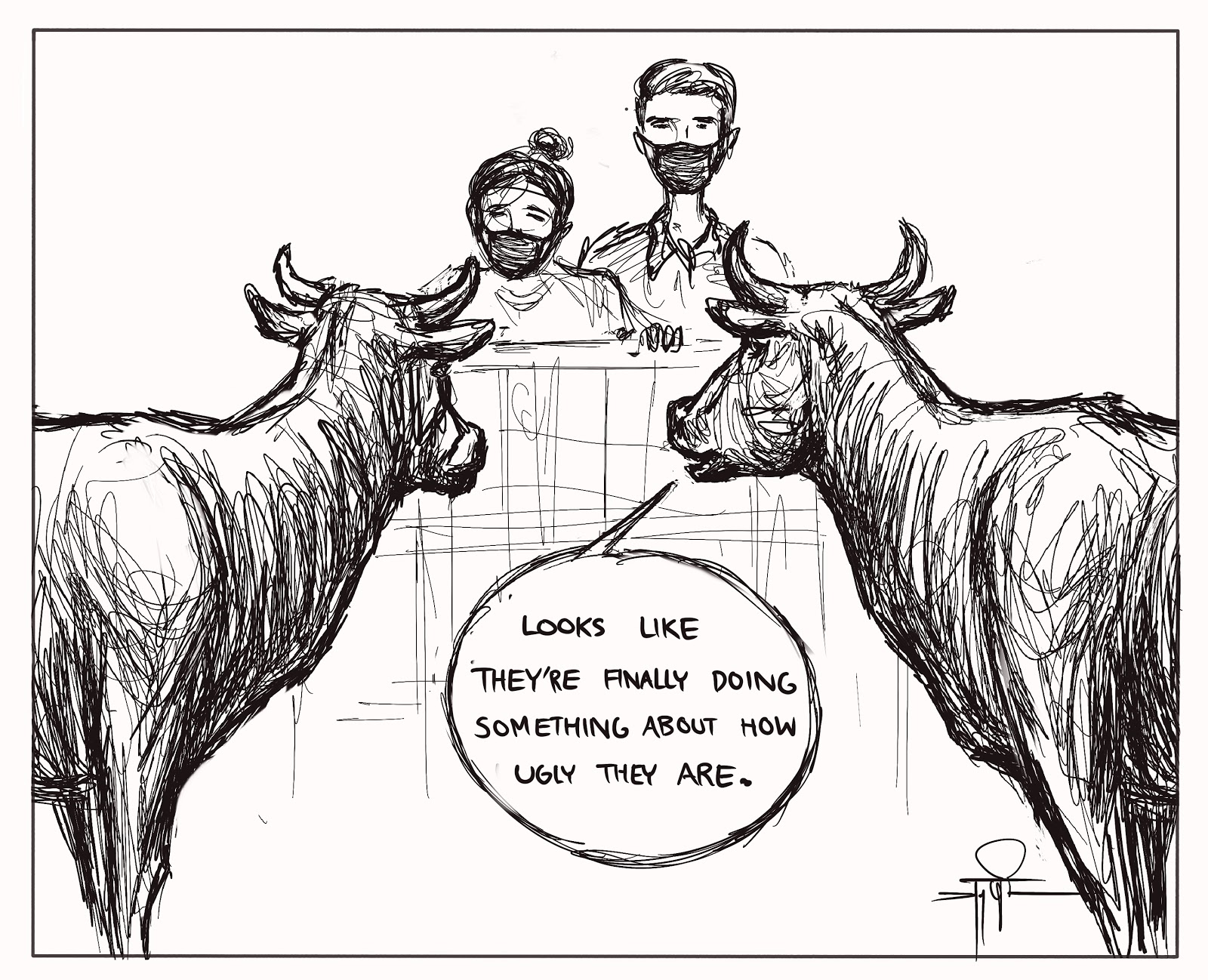
Drawn by: Rushi Tawade –– rntawade@ucdavis.edu
(This cartoon is humor and/or satire, and its content is purely fictional. The story and names of “sources” are fictionalized.)
Drawn by: Rushi Tawade –– rntawade@ucdavis.edu
(This cartoon is humor and/or satire, and its content is purely fictional. The story and names of “sources” are fictionalized.)

The Editorial Board sees multiple misuses of money by UC Davis during this unprecedented pandemic
Attending college right now is challenging. With physical distancing from the COVID-19 pandemic, uncertainty from political insurrections and stress from remote learning, students require greater support from the university in order to succeed. The Editorial Board believes that the university is currently prioritizing its funds incorrectly and students have more pressing needs that must be addressed.
On Monday, Jan. 11, UC Davis announced a series of contests and promotions to encourage healthy habits among the Davis community. According to the contest website, the promotional events serve to excite the community, promote healthy habits to fight COVID-19 and keep UC Davis “healthy and connected to each other.”
To enter the “Every Aggie Together” contest, students, faculty and staff must make a social media post answering the question: “Why is it important to wear a mask?” Participants compete against each other for the chance of winning a 13-inch Apple Macbook Pro, a 64GB Apple iPad Air or an Apple Watch with a wristband, retailing at $1,300, $600 and $400 respectively. The first 500 participants also get a UC Davis face mask, retailing at $5, which totals to $2,500.
For the “In It Together” event, students can participate in new challenges every two weeks that “helps to promote ways to fight COVID-19.” By completing each challenge, students will be eligible to win gift cards to local businesses. The Editorial Board appreciates the inclusion and support of Davis businesses as a part of this event.
The completion of all four challenges provides students the chance of winning a grand prize—20 students will receive up to $2,500 to support rental expenses, a sum that will be taxed by federal and California income tax reporting. In total, $350,000 in prizes will be awarded.
While the Editorial Board appreciates the university’s effort to create fun events and promote correct and consistent mask wearing, the systems of the contest and challenges are majorly flawed. A distraction from the news of rising COVID-19 cases and upcoming online midterms is nice, but students have to focus on matters like working, studying and supporting their mental health and may not have time to spend on contests.
The greatest issue is the price tag of these programs. Boasting about awards worth in total $350,000 is inappropriate and inconsiderate to students who are struggling financially. A California Student Aid Commission survey of over 70,000 college students from May found that seven in 10 students had lost some or all of their income since the start of the pandemic. Instead of dangling the carrot of free rent for 20 people, why not establish new programs to support rent payments for all community members who need it?
For the 2020-21 school year, UC Davis tuition and fees are $14,597.27; the cost of the “In It Together” challenge could pay for close to 24 student tuitions.
The nature of a competition at this time also feels inappropriate. Students who need the most financial help may not have time to enter these promotional events. Since the contest is judged subjectively, students who do not have time to work on their entry may be at a disadvantage. Also, if the idea behind the contest is to keep the community “connected to each other,” why pit students, employees and faculty against each other to win money that they might desperately need?
If UC Davis has spare dollars to spend on expensive prizes, why not use it to reduce student fees, increase mental health resources or establish greater financial aid measures? For a university that furloughed 37 partial-year Student Health and Counseling employees last April and is currently in a lawsuit about campus fees, it is clear that the university does not have their financial priorities completely straight.
For more examples of misallocated funds, not all workers at the COVID-19 testing kiosks are paid. Students may work there as a part of the Mass Testing for COVID-19 course. While students earn course credit and gain hands-on experience with mass-testing and contact tracing, workers should be paid for their weekly three-hour shifts.
Unpaid opportunities are not accessible for all students. Those who desire this experience may not be able to participate, since they need to work and pay their bills. For this work that involves a possible risk of exposure, as well as handling infectious and hazardous materials, pay is necessary for the inherent risks of the situation.
In further misuse of funds, the salaries of UC Davis administrators are shocking in the context of 18% of students having experienced homelessness or some form of housing insecurity and increased economic stress in a pandemic. It is commendable that all UC chancellors, including Chancellor Gary May, have decided to take a 10% pay cut for this fiscal year due to the pandemic. But even with this pay cut, May will still earn a salary of nearly $500,000, provided that his salary was not already set to increase for this year.
It is not just May. The average salary of 13 vice chancellors, provosts and associate chancellors is $340,521.54. This is not including many of the UC Davis deans and other administrators who make close to or more than that number.
UC Davis’ overall enrollment of students for Fall Quarter 2020 is expected to be 39,600. If 18% of them experience homeless or housing insecurity, that is at least 7,128 students who fall into that category. We believe that is far too unacceptable of a number, particularly when the salaries of so many administrators are this egregiously high. The best thing UC Davis can do to support students during this time is encourage administrators to take pay cuts and decrease future salaries, rerouting these extra funds to ensure students have their basic needs met.
Attending UC Davis is expensive and financially-straining for many individuals. Based on the current actions of UC Davis administrators, it seems they have forgotten the hardships some students go through in order to be an Aggie. What students really need right now, to ease the pain and stress of the COVID-19 pandemic, is programs to cover rent, more counseling services and reductions in student fees.
Written by: The Editorial Board

This compound reduces neuroinflammation characteristic in many neurodegenerative disorders
Although there are currently no cures for most neurodegenerative diseases such as Parkinson’s disease (PD) and Alzheimer’s disease (AD), recent advancements in the field have shown promising results. In a study led by Bruce Hammock, a professor in the department of entomology and nematology, in collaboration with the Hui Zheng lab at the Baylor College of Medicine, researchers found that inhibiting an enzyme called soluble epoxide hydrolase (sEH) in mice leads to a reduction in neuroinflammation, which is associated with AD.
Anamitra Ghosh, an instructor in Hui Zheng’s lab, explained that in both human AD patients and their mouse models, there are significantly increased levels of sEH in their brains in comparison to normal individuals. According to their paper, “an epoxide hydrolase inhibitor reduces neuroinflammation in a mouse model of Alzheimer’s disease” because sEH contributes to the rapid hydrolysis of epoxy fatty acids, which have anti-inflammatory properties.
In order to combat the effects of sEH in individuals with Alzheimer’s disease, Hammock’s lab identified the treatment of a compound called TPPU to inhibit the enzyme. Ghosh stated that after administering this molecule to their mice models with AD, the Hui Zheng lab found that epoxy fatty acid levels were restored back to normal and neuroinflammation was reduced. Their paper also stated that “improved synaptic integrity and cognitive function” was observed through two behavioral tests.
Ghosh elaborated that their collaboration with Hammock was vital to this research, as Hammock is known to be a pioneer in the field of sEH and other epoxides. Hammock explained that he began research with this enzyme when he was an entomologist and toxicologist in graduate school. While striving to develop an insecticide that harmed insects with minimal damage to the environment, Hammock studied how to disrupt the process of metamorphosis. It was through this research that Hammock first became familiar with epoxide hydrolases, which led him to more than 50 years of experience in the field.
“So this started as research trying to kill insects, became very basic research on how the insects undergo metamorphosis, then basic research asking what this enzyme from insects does in mammals and now we’re working on chronic disease like Parkinson’s and Alzheimer’s and acute diseases,” Hammock said.
Hammock added that sEH can also be used to treat neuropathic pain, or when the nerves themselves generate pain. He described this pain to be intractable or unable to be controlled with standard medical treatment. Although there are currently no treatments, the sEH inhibitors could potentially help those who are suffering.
“There’s light at the end of the tunnel,” Hammock said. “We’re in human trials and we know the compound is at least safe and soon we’ll be able to ask [if it is] effective. And so now [the time] until it’s available in the drug store is a couple of years and not a couple decades.”
While Hammock’s lab was mainly in charge of the biochemistry aspect of the study, the Hui Zheng lab took charge of the neurobiology and animal studies aspect. Ghosh first became interested in neurodegeneration in graduate school when doing rotations in a lab that dealt with Parkinson’s disease.
“I found [the field of neurodegenerative diseases] really really interesting because even [though] so many people [are] working, still today we do not have any prominent drug which can cure the disease,” Ghosh said. “So that actually was really fascinating to do something. As a researcher, there are a lot of questions [such as] why something is happening and what I can contribute to the field.”
Ghosh explained that neuroinflammation is a relatively new field of study in terms of neurodegeneration. Although there has been a lot of recognition of research concerning neurodegenerative orders, there are still no medicines available that can slow down or stop the process. However, he strongly believes that sEH is a valid target for helping treat such disorders, and that TPPU shows great promise as a potential drug and therapeutic molecule in the future.
“Although we do not have any particular medicine that will cure the disease or slow down the process […] in the last 10 years, we’ve moved tremendously in the field,” Ghosh said. “Now we know there are a lot of genes that are directly associated with risk for AD. So there is this interaction between the gene as well as the environmental cause. We do not have any medicine, but I am hopeful that [we will] soon because we are actually getting to being deep in the field. People need to be a little bit hopeful that it’s actually coming. That’s my promise and I strongly believe that it will not be that far.”
Written by: Michelle Wong — science@theaggie.org
Sport leagues across the world combat the inability to host fans
For a variety of reasons, this past year was difficult for sports around the world. Stadiums were mostly empty because of local restrictions caused by the pandemic. As teams approached their seasons without any fans in the stands, numerous unique innovations were created to fill the void in games. Thanks to technology, fans are now allowed to attend live games from their homes.
The National Football League (NFL) started its season back in September 2020 and the number of attendees drastically dropped, as some stadiums were not allowed to have any fans in the arena. To help fans stay engaged on game days, Microsoft teamed up with the NFL and created a platform so fans could attend the games through a digital screen, which brought a different experience from past years.
“As demographics and viewing habits change and society becomes more digital in the way they consume information, the venues also have to change,” said Bennett Indart, a vice president at NTT Smart World Solutions.
These fan screens are called “fan mosaics” and will only be seen on the end zones of the field in key games with no fans, so that players are able to interact with them. For every game, Microsoft creates audio modifications to project an augmented crowd noise and try to mimic that of a real game.
This year’s fans will not be able to line up on ropes or cheer for their favorite players in the U.S. Women’s Open. While the pandemic made it difficult to host the Ladies Professional Golf Association (LPGA) tournaments, the U.S. Golf Association and Cisco launched an app that provided viewers with an at-home experience.
The virtual experience has been designed so fans can download the app and watch the tournament from a distance. Not only will fans have a complete experience, but they will also have access to real-time scores, stats, highlights, live-streaming video, player tracking and more.
Being connected through a screen not only gives fans the joy of watching live, but it gives leagues an opportunity to expand the audience.
“Cisco brings the technology that enables us to connect fans to the U.S. Open,” said Bryan Miranda, the senior director of partnerships at the United States Golf Association (USGA).
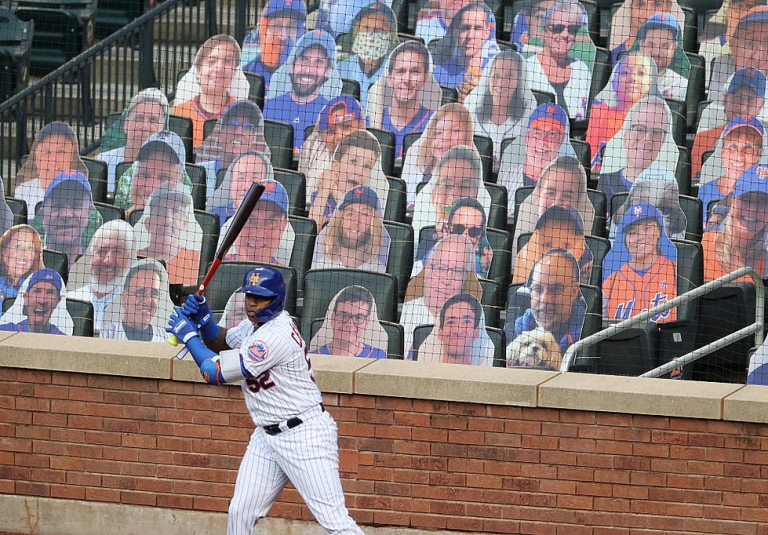
Major League Baseball (MLB) took a different approach to filling in the seats of the stadiums. Teams placed cardboard cutouts of people in each seat, relied on fake fan noise and had music along with the usual in-stadium PA announcers.
At first, Fox Sports had to move quickly and broadcast games without any fans on the stands. As the season progressed, they moved to augmented reality to fill the void of the empty stadium caused by the ongoing pandemic. The MLB teamed up with Silver Spoon Animation to create realistic virtual crowds in the stadium.
“We believe the crowd and seeing people in seats is part of a broadcast, is part of broadcasting high level sports in the major leagues,” said Brad Zager, the executive producer and head of production and operations at Fox Sports. “So we wanted to come up with a solution for that.”
Similarly, in the beginning of the soccer season, fans had no way of interacting with the game. The only way to watch the games was from your home on live television. The stadiums were completely empty, there were no in-stadium commentators and the shouts from players could be heard.
Popular soccer leagues from all over the world began to take different approaches. La Liga, Spain’s top flight league, generated screens with virtual fans, similar to MLB’s and added the normal sounds of a typical game.
“We respect a lot what the Bundesliga are doing and the Premier League, and the NBA, but what we are doing will be different,”said La Liga’s audiovisual director Melcior Soler. “We are thinking of this as a televised entertainment spectacle. What we are going to do is make you recall what you are used to seeing when the stadiums are full.”
Soler says his digital team and La Liga have been working with EA Sports and Norwegian technology specialists Vizrt to produce images which trick the eye into thinking the stands are full of fans.
Every sports league has had a tough time figuring out a solution to help fans feel present at a game. Now, with the never-ending development of technology, they were able to make it possible in less than a few months. As sports continue to evolve and improve, technology seems to do so at the same time.
Written by: Katherin Raygoza — sports@theaggie.org

Years of fantastic music that never quite hit the mainstream, maybe because it was never supposed to
When one of the flag-bearers of the emo revival, Snowing, broke up in 2011, their announcement post included a joke about how the band’s brief three year run made them “over 90 in emo years.” The post—which marked the end of a group that produced some of the rawest, purest emo in the last decade—comes to about 80 words.
The original emo movement came from the lonely basements of the midwest, birthed from more traditional hardcore punk and tempered by melancholy. Those groups—Braid, Mineral, Sunny Day Real Estate, Promise Ring, American Football, to name a few—were bits of lightning captured in the bottles of alternative tuning and reminiscence. All were unbelievably white and unbelievably overwrought in the best ways. And most died within a few years of their debut album. As it turns out, dwelling in songs about your own sadness for hundreds of basement shows isn’t a sustainable way to live.
For this reason and many others, few traditional emo acts have ever truly broken into the mainstream, and its current adherents follow the tradition of glorious two-album runs punctuated by implosion. Imagine what mindstate you’d have to put yourself in to write lines like “Wasting away any trace of normal blood so the fingers feel drunk/Erasing any prospect that the rest of life will feel less numb” (“Fuck, Dantooine is Big” by Marietta) or “Why is it that when we sneeze/There’s a chance we’ll die/Alone, alone, alone, alone” (“It’s Not What You Think It Is” by The Brave Little Abacus). Imagine then putting yourself back into that mindstate to sing those same ridiculous, terribly sad things two or three nights per week, every week. It seems rough. As a listener, you have the privilege of turning off the music whenever you want, but for those making it, it’s their life—they don’t get to stop the set when it becomes too much.
It’s not super surprising that what you might haughtily call “true emo” while turning your nose up at My Chemical Romance is hard to keep around, artistically. Multiply that by the factor of the subject matter being really heavily juvenile a lot of the time—high school crushes, feeling lonely and driving nowhere in particular, the minutiae of teen angst—and the equation looks dire for the bands of the late-2000s/early-2010s emo revival: Into it. Over it., Algernon Cadwallader, Foxing, The Hotelier, CSTVT, etc.
Dear and the Headlights, the pop-y, nearly country-ish emo revival group out of Arizona, followed this formula to the letter, just about. Two godly albums across three years, just peeking over the edge of relevance by touring with Paramore and Jimmy Eat World, only to throw it all away because it was boring work to deal with all the fame. The defining line of their (622 word) breakup post goes like this: “We started meeting and talking about how we could get more fans and how we could get people to our website and not just Myspace or Facebook.” (Yes, this was 2011.) Dismissing any parallels to flushing a lottery ticket down the toilet because you don’t want to talk to a bank clerk that might come to mind reading that line, there’s an almost Greek arc created by the band disappearing so early, warding off any chance of the senility and mediocrity that late-discography releases so often entail. Instead, the band is set in stone as a stellar unit of 2000s culture, a duo of classic albums that won’t age the way the rest of us will.
The emo revival is essentially over as of the mid 2010s, though of course that doesn’t mean that there’s no more emo music coming out. What it really means is that the intricate guitarwork and shrill vocals of that specific wave failed to break into the mainstream, and it happened because those bands were never supposed to. Emo probably wouldn’t be emo if more than a few bands at a time were allowed to graduate from basement solipsism. According to Tom Mullen in his book “Anthology of Emo: Vol. 1,” the genre itself is “music where every note sounds like it could be the last note that person ever played.” Now that’s emo.
Classic emo revival albums like “What It Takes To Move Forward” or “We Cool?” have already cemented themselves into (niche) music history, independent of the temporary nature of the genre. Good art usually gets remembered.
It’s a genre that’s embarrassing, childish and unmistakably heartfelt. And when kids from the midwest get sad enough again (maybe right now?) it will likely come back in full force. Bands like Origami Angel and Hot Mulligan are already picking up the existent slack from where the tide returned to the ocean, and the traditions of emo have long been carved into the annals of the Scene. Even beyond the genre proper, decades of the genre’s presence have had impact beyond emo’s own boundaries.
Proper emo music might never be anything but a rolling series of fireworks displays, with bands vanishing as fast as they light up, but it could be said that that’s really how it’s supposed to be. It’s a product of precious but transient immaturity, and everyone has to grow up at some point.
Dear and the Headlights ended their second and final album with “I Know,” a song railing against the performative sadness they’d engaged with up to that point, which takes on new meaning within the context that this really was their last song. It feels like an almost literary way to end a band—throwing away the very lens that brought them success in the first place. After the band’s breakup, frontman Ian Metzger moved east and got a job in a blueberry field.
Written by: Jacob Anderson — arts@theaggie.org
Trump has shifted the Republican Party towards populism and redefined the Republican candidate, according to professors
Since President-elect Joe Biden was announced the winner of the 2020 presidential election, there has been great discourse about the future of Republican politics. Many Americans have found that President Donald Trump’s time in office has caused a shift in values between the Republican and Democratic parties. UC Davis professors commented on the future of Republican politics and how Trump will affect the Republican Party’s candidates in the coming years.
Isaac Hale, a professor of political science, explained how Trump’s rhetoric has shifted the Republican Party over the past four years.
“In comparison with previous Republican presidential candidates like Mitt Romney or John McCain, Trump ran with a much more populist message,” Hale said. “When I say populist, I mean a more economically liberal and socially conservative message. Trump ran on things like the wall, but he also ran against George W. Bush’s wars in Iraq and Afghanistan. He also ran on protecting Social Security and Medicare, which again was a very strong contrast to previous Republican candidates. But the thing to keep in mind here, is that’s not how we actually govern.”
Christopher Hare, an assistant professor of political science, had a similar perspective on how Trump has moved the Republican Party in a more populist direction. Hare noted that two prominent shifts have been in terms of the style and substance of governance.
“In terms of style, the party has become more confrontational and suspicious of elites,” Hare said. “On substance, the party has deprioritized traditional Republican goals of reigning in government spending, entitlement programs and the national debt. At the same time, it has shifted positions considerably on other issues like immigration and trade. Some of these trends were present before Trump, but [he has] catalyzed these trends more firmly and established them among the Republican Party establishment.”
According to Hale, Trump’s time in office was similar to previous Republican presidents. However, the rhetoric Trump used throughout his time campaigning and in office set him apart from traditional presidents.
“I think the effect of Trump’s words will have great reverberations,” Hale said. “I think we will continue to see much more Trump-like candidates going forward, but I don’t think we will see a drastic realignment of the party away from its policy.”
Since 2016, media platforms have become a battlefield for Trump supporters and opponents to voice their opinions on American politics. Hare explained how the media has influenced the political climate over the past four years.
“The media plays an amplifying role, but there are also real fundamental differences within and between the parties,” Hare said. “I think the media is sometimes unfairly scapegoated as the primary or even sole cause of polarization, but the reality is much more nuanced.”
Seeta Chaganti, an English professor, discussed how the extent of hate speech might change in the media following President-elect Biden’s inauguration.
“On the surface, the official specific rhetoric that floats into everyone’s lives during the current administration might feel different: less hateful and violent towards particular groups,” Chaganti said. “Whether that will actually mean significant policy and social change that will meaningfully protect those groups from the historical harm and dispossession to which they’ve been subjected, I’m not sure.”
During the Trump administration there has been a rise in accusations of fake news from both the Democratic and Republican parties. Chaganti described the extent to which fake news has had a polarizing effect on the two parties.
“I think it’s hard to talk about what people actually believe versus what they are instrumentalizing in order to justify what they’re doing,” Chaganti said. “Fake news definitely offered people a lot of instruments. It did seem to be the case that people who identified with different political affiliations were watching very different news sources. So, there has been this disorienting sense that wildly differing stories about what was happening on the same news day were out there. But I don’t know if that’s fundamentally different from other moments.”
Within the Republican Party itself, Hale noted that there is not as much polarization surrounding Trump’s actions as the media portrays.
“Republicans and groups such as the Lincoln Project have a huge spotlight in the media, but they don’t represent much of the Republican electorate,” Hale said. “The most recent Gallup poll puts Trump’s approval rating at around 87% among Republicans. In contrast, the most recent Republican president George W. Bush, only had a 67% Republican approval rating in December of 2008.”
Since Biden was announced the winner of the 2020 election, there have been accusations of voter fraud. Several polls have found that up to 70% of Republicans are doubtful about the results. Hale commented on how these numbers might influence support for President-elect Biden in the coming years.
“I don’t think that it’s going to affect governance very much,” Hale said. “Democrats viewed President Trump [as] illegitimate in large part due to the electoral college inversion that happened in the 2016 election. But despite that, Trump had a large number of incredibly consequential policy accomplishments like the tax cuts and fixing three Supreme Court justices—and I think the same pattern will follow for Biden.”
The attack on the Capitol was just one severe instance of the opposition to President-elect Biden’s confirmation. Chaganti described the possibility of future riots and the effect they will have on the general public.
“It does seem possible [that the riots will continue] and I am interested to see the response,” Chaganti said. “One result of the Capitol events on [Jan. 6] is that it became very clear how many in that crowd were [law enforcement] and military. And of course there’s the question of why on-duty officers let it go as far as it did. Maybe this is optimistic of me, but I wonder if that has made clear to an even wider mainstream what kinds of deep historical racist structures we’re talking about when we invoke concepts like ‘law and order,’ a phrase that gets used variously to describe both parties.”
Hale explained how the pattern of the division in Congress will be detrimental to the future of our democracy.
“Compared to 30 or 40 years ago, legislative productivity in Congress [has] incredibly declined,” Hale said. “And that’s especially true under a divided government. When one party controls Congress and another controls the White House, that will tend to be the case.”
However, the trend of distrust in the election process is not a Trump-specific story but rather a long-term trend. According to Hale, there has also been a trend of violence among the parties due to election results as of late.
“I think that there’s a scenario where the parties will continue to have polarizing ideologies and a strong dislike between partisans,” Hale said. “I think that we will also continue to see the opposing side believe that there is evidence against an election that transcends the democratic process and people will continue to think that this evidence is a matter of existential life or death, […] which we didn’t see in previous decades.”
Moving forward, Hale believes that although there will likely be Trump-like characters in American politics, it is unlikely that other politicians will be able to mimic Trump’s messages and political base.
“We have already seen 2024 presidential hopefuls like Senators Josh Hawley, Ted Cruz and Marco Rubio using Trump-like messaging and really trying to position themselves as the next Trump,” Hale said. “But I think that this will be a tough sell because Trump has a particular sway within the Republican Party, and the fact that he was a reality TV star before becoming president is not something that every U.S. senator can replicate.”
Hale noted that Trump’s experience in the entertainment industry largely influenced his reach as a candidate in 2016.
“I think, particularly in the Republican Party, we are going to continue to see outsider candidates like Donald Trump,” Hale said. “I think we are going to continue to see them doing well and trying to repeat the success of Donald Trump. But, I don’t think they will be very effective because Trump has a made-for-television personality, and his background gave him a lot of free media coverage which really helped him out in the 2016 election.”
According to Hale, Republican voters seem to be distrustful of the Republican Party and its elites. Surveys taken in 2016 found that a majority of Republicans supported a candidate that was not preferred by the Republican Party establishment.
“Trump was able to credibly claim to voters that, ‘I am not like other Republicans and the Republican Party is corrupt, so you should vote for me,’” Hale said. “In a way, he ran against the Republican Party in 2016, and he was strongly opposed by the Republican Party establishment in the 2016 primary. I don’t think people like Cruz, Rubio or Hawley can make that same kind of commitment.”
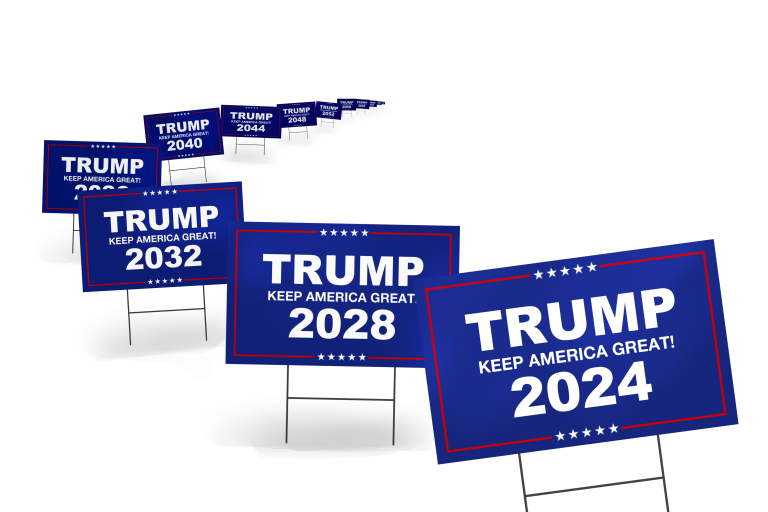
Hale discussed the possibility of Trump running for re-election in the next presidential term.
“I think it is certainly possible that Trump goes into private life,” Hale said. “I think it is very unlikely that he will stay in the public eye. But I am not sure if he will run for re-election in 2024. Grover Cleveland served for two non-consecutive terms as president, but it’s not something that happens very frequently.”
Hare stated that the future of red America will depend heavily on the evolution of the Democratic Party moving forward.
“If [the Democratic Party] continues to move left, I believe Republicans will be able to coalesce around an agenda to prevent European-style socialism,” Hare said. “The big question is whether the Republican Party attempts to rebuild a majority by cementing and adding support among white and minority working-class voters, or by recapturing college-educated, urban and, especially, suburban voters, who might be resistant to some of the policy proposals from the left wing of the Democratic Party.”
Written by: Sneha Ramachandran — features@theaggie.org
Health care workers and long-term care facilities receiving vaccine first, in accordance with California vaccine phases
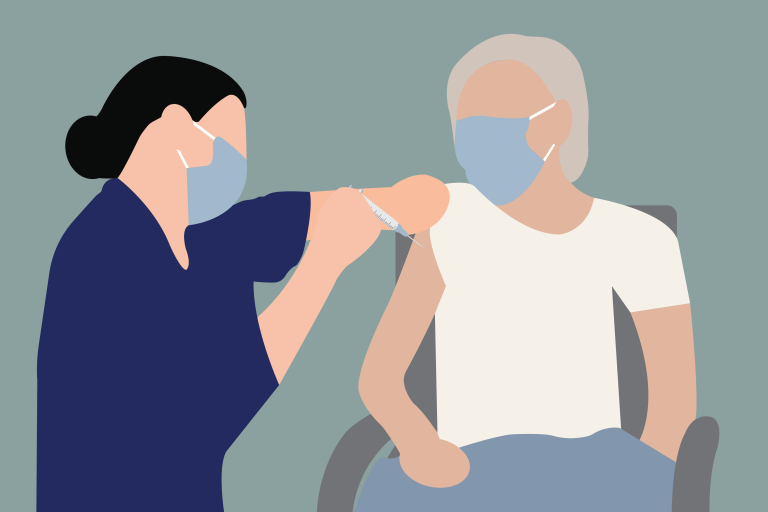
Yolo County began distributing the COVID-19 vaccine made by Pfizer on Dec. 18, 2020. According to Public Information Officer Jenny Tan, the county has also received “roughly 1500 of the Moderna vaccines and are expecting to get more.”
“The Pfizer vaccine is two shots 21 days apart and the Moderna vaccine is two shots 28 days apart,” Tan said. “So the delay between the first and second shot is a little bit longer for the Moderna one; in addition, the Moderna vaccine doesn’t have to be stored in an ultra-cold freezer, while the Pfizer vaccine has to be, so there’s a bit of a storage difference as well.”
As of Jan. 5, the vaccine is going to Tier 1 of Phase 1A of California’s vaccine phases, which includes Woodland Memorial Hospital and Sutter Davis Hospital, long-term care facilities, emergency medical service providers and dialysis centers, according to Tan.
“This week we’re finishing up skilled nursing facilities, and we’re continuing with paramedics, emergency services, fire agencies,” Tan said. “We’re starting dialysis centers maybe later this week. We’re going to start doing the second doses for a lot of the locations in Tier 1, because a lot of them got the Pfizer vaccine, and it’ll be 21 days since they received the first dose, so they’ll be up next. Tier 2 could start as early as next week.”
Because of the logistical issues involved in administering the vaccines, it could be a while before the general public begins receiving shots, Tan said.
“I think it’ll be at least a couple months before we finish Phase 1 in its entirety,” Tan said. “Maybe by spring or summer we’ll get to the general public. It definitely depends on a lot of things—there’s a lot of work, there’s a lot of logistics that goes into it, and we have to give them doses twice. There’s a lot of work that’s gone on behind the scenes that a lot of people don’t realize.”
Yolo County District 4 Supervisor Jim Provenza added that fluctuating vaccine supplies received by the county increase the complexity of providing vaccines.
“The main problem is that we are not getting enough vaccines,” Provenza said via email. “The number of vaccines we do receive is also unpredictable. Last week we received 1,000. This week, we only received 100. Hopefully, this is a problem our governor and new president will address.”
In addition, in many locations, the county must provide not only the vaccines, but also staff who are trained to administer the shots, Tan said.
“Right now, the county is handling most if not all of the vaccines,” Tan said. “For instance, at the hospitals, we didn’t administer it, since the hospitals have their own staff, but we provided them with the vaccine. At the skilled nursing facilities and the dialysis centers, we will be giving it to them and also administering it to staff, because they don’t have the trained staff to do that.”
The original plan was to have pharmacies administer the vaccine, Provenza said.
“The state had asked that pharmacies such as CVS and Walgreens administer the vaccines,” Provenza said via email. “However, because of a delay in the pharmacy program, Yolo County used its own supply of vaccines for both staff and residents of nursing homes and assisted living centers. We are close to completing vaccination [of] all of the staff and residents of these facilities. Almost all residents accepted the vaccines. Almost half of the staff refused.”
Tan also stated that small changes in the tier categories further complicates the effort.
“The state keeps slightly changing who’s in what tier or who’s in what phase, so that adds a burden at the county level to have to make up for those things or to add more clinics or more to the schedule because the state has added something,” Tan said. “There’s a lot of anxiety for people about where they are in the tier or where they are in the phase, but once we get to a certain tier, we will absolutely let people know where to go get it, if they’re in that tier.”
Despite the good news of the vaccine rollout, the stay-at-home orders in Yolo County and the Greater Sacramento Area will likely continue, according to Tan.
“We’ll be under the stay at home order for at least a little bit, at least based on our region’s ICU hospital capacity,” Tan said. “We’ve been under the 15% mark, and we are still seeing cases come in from Christmas. We haven’t seen cases come in yet from New Years; it usually takes 1-2 weeks before we see all those cases come in, so I think we’ll be under it for a while.”
Written by: Rachel Shey — city@theaggie.org
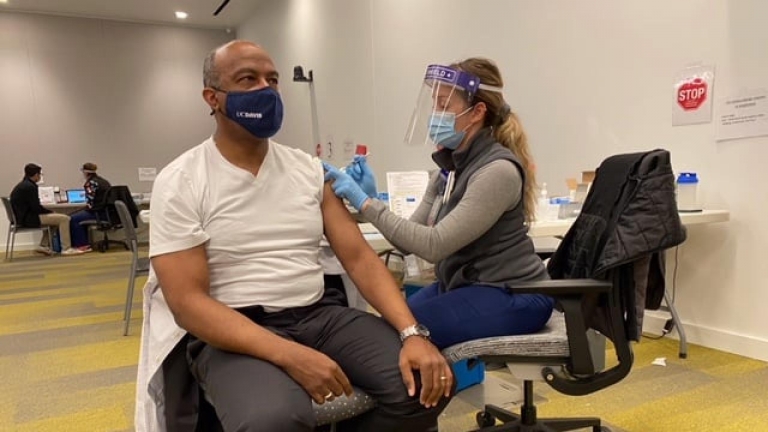
May and UC Davis Health’s Dr. David Tom Cooke said they hope that their vaccinations will ease skepticism about the vaccine in communities of color
On Jan. 5, Chancellor Gary May spoke to The California Aggie about his decision to be vaccinated against COVID-19 last December. May said he took the Pfizer vaccine on behalf of communities of color—particularly the Black community—who he said have expressed skepticism about the rapid development of vaccinations against the deadly virus. In doing so, he says he hopes to ease the concerns of Black people who doubt the efficacy of the new COVID-19 vaccines.
According to a December 2020 Pew Research study, the Black community has been disproportionately affected by COVID-19. Of the Black Americans surveyed, 71% knew someone who had been hospitalized due to COVID-19 or had died of COVID-19, compared to 54% of Americans overall. The percentage of Black Americans who said they would take the vaccine was only 42%, compared to 63% of Hispanic adults and 61% of white adults surveyed in the study.
“There is a cultural DNA of distrust [of the medical establishment] in the Black community,” said Dr. David Tom Cooke, a thoracic surgeon at UC Davis Health who participated in an Aug. 2020 coronavirus vaccine trial.
Cooke, who is Black, referenced the use of Black men in the Tuskegee Syphilis Study and the story of Henrietta Lacks, a Black woman who died of cervical cancer without knowing that her doctor had harvested cells from her cervix that would later be used for groundbreaking medical research—research that benefited the doctors who commercialized her cell cultures.
Cooke also had concerns regarding a lack of diversity in early data release before he participated in the trial.
“I thought that was problematic given the disproportionate effects of COVID-19 in the Black, Latin-American and Indigenous communities,” Cooke said.
The trial was double-blind, meaning that neither its coordinators nor its participants knew whether the participants were being given placebos or the real vaccine.
“I was recently ‘unblinded’ and learned that I’d received the vaccine,” Cooke said.
He received the first Pfizer shot in August and the second, final shot in September.
May was vaccinated following the second shipment of Pfizer vaccines to UC Davis Health in December 2020. He acknowledged the necessity of essential workers receiving the vaccine, saying that approximately 6,000 of those workers at UC Davis Health were vaccinated before he was.
“UC Davis Health received those vaccinations from Pfizer in the second week of December and those two weeks they were really focusing on those essential workers,” said Dana Topousis, a spokesperson for UC Davis.
“I was sensitive to not jumping in front of people and making sure that our essential workers got theirs first,” May said. “I didn’t want to use my privilege to jump the line, but the weight of being able to tell that story to these communities [of color] outweighed that concern.”
May said that the vials containing the Pfizer vaccine in the second shipment to UC Davis Health contained about 20% more material than what was received in the first shipment, enabling more people to access it.
“I’d always planned to get vaccinated—I wasn’t hesitant about that,” he said. “I guess we had an informal conversation in one of our leadership meetings where I was sharing with the team that there was a lot of skepticism and reluctance in the Black community [about the vaccine], even within my family and my friends and my social network. When [UC Davis] got the vaccine a month later, the opportunity presented itself.”
He spoke about the legacy of malpractice and mistreatment by the medical establishment and the U.S. government in the Black community, which may account for the community’s skepticism regarding COVID-19 vaccinations.
“I think there’s a long history,” he said. “If you go back as far as the Tuskegee Syphilis Experiment, where Black patients were injected with syphilis without their knowledge, there are a series of incidents and events like this. There have been instances of mistreatment, maltreatment and there’s the view that Black people have a higher tolerance for pain.”
May said that the historical mistreatment and record speed of the vaccine development contributed to increased skepticism in Black American communities.
“Being someone in science, in a leadership role that is respected within the community, it was good for me to take it,” May said. “I’ve had conversations with people as close to me as my sister and friends and family—some of whom I’ve persuaded and some of whom are deciding on their own.”
According to Cooke, COVID-19 continues to disproportionately affect the Black community due to higher numbers of Black people in essential worker jobs. People of color are also more likely to take public transportation, increasing their potential exposure to COVID-19. He noted that the workers who cleaned up the Capitol building following a violent attack by President Donald Trump supporters on Jan. 6 were people of color.
“When you look at that attack and the aftermath of that attack, if you look at the images and the videos of the people sweeping up the glass and the debris and packaging the debris from that terrorist attack, there are people of color doing that,” Cooke said. “They cannot work from home. They were there in the middle of the night. They were there cleaning up the U.S. Capitol, the seat of our democracy.”
Written by: Rebecca Bihn-Wallace —campus@theaggie.org
Editor’s note: The original story referred to the violent attack on the Capitol as a protest and has since been updated so as not to misrepresent the event.
Students, faculty and staff deserve more information about UC plans
Though the recent University of California Office of the President (UCOP) press release on Jan. 11 stating plans to resume in-person instruction in the fall has come with excitement, the Editorial Board has mixed feelings about the announcement.
The decision was made by UC President Michael Drake in consultation with the 10 UC chancellors, and although we admire the UC’s understanding of “the importance of communicating its plans as early as possible,” the information provided only says that individual campuses will announce further details in accordance with local and state health guidelines.
Around this time of year and in the coming months, there is much for current (and incoming) students to consider, including signing leases, planning for study abroad and the big one—whether to commit to a specific school. In-person instruction is almost certainly a factor that students will consider while making plans for the upcoming year.
But California currently ranks 43rd in the nation in administering the vaccine per 100,000 residents, and across the U.S. there have been issues with rollout. Administrators and graduate students at elite medical centers received vaccines while frontline workers are still waiting, according to The New York Times. In December, the L.A. Times reported that some wealthy patients offered to pay tens of thousands of dollars to cut the line; others are patients with concierge doctors whose services include “working to get their clients vaccinated as soon as it’s possible.”
Phase 2, which most students will likely fall under, has an estimated start date of “Summer/Fall,” and will be determined by California’s vaccine advisory committee. The Editorial Board questions if it is too hasty to presume that COVID-19 vaccines will “soon” become available to students and staff.
The announcement raises more questions than it answers—it provides no real timeline or plan. Will the vaccine be mandatory? Will students need to travel to Davis before Fall Quarter for their vaccinations? And will it be offered to students without a UC Student Health Insurance Plan, free of charge? When asked for further comment on an article by The California Aggie reporting on this news, a UCOP senior communications strategist said that no further information will be provided at this time.
We commend UC Davis on its availability of widespread testing for students and community members—just last week the university administered over 14,000 COVID-19 tests and encouraged students to get tested 1-2 times a week. Given the risks associated with returning to campus for in-person instruction, however, students and faculty deserve more information on how the university plans to ensure access to the vaccine and whether individuals will be required to receive the vaccine before attending classes.
Whether or not UC Davis is actually able to reopen its campus for Fall Quarter 2021, the individual UC campuses should guarantee that there will still be online offerings for both students and staff who feel uncomfortable attending class in-person or are unable to be vaccinated due to health risks.
There are at-risk populations—older and immunocompromised faculty, staff and students—that may suffer extreme consequences from contracting COVID-19. It feels unfair to release a blanket statement without plans in place to ease worries among these groups.
Offering a remote option alongside in-person classes in fall 2021 likely wouldn’t be very difficult—lectures could be livestreamed, and concerned professors could continue to offer their classes remotely. Some people likely won’t feel comfortable returning to campus until the U.S. has herd immunity to COVID-19, which White House health advisor Dr. Anthony Fauci estimated could happen in fall 2021 if the vaccine rollout is efficient—which has not been the case so far and even less so in California.
While the members of the Editorial Board will be getting vaccinated when possible and encourage other students to do so as well, there may be students who have concerns and choose not to receive the vaccine. Will the university provide a minimum threshold of students that need to be vaccinated for classes to resume?
We’ve been hoping for almost a year for the announcement that UC Davis will reopen, but we would like the guarantee that proper measures will be put in place in order to ensure the safety of UC Davis students, staff and faculty. The university must provide answers to the many questions that still remain—releasing vague information can be more stressful than not knowing anything at all.
Written by: The Editorial Board

ASUCD’s six newly elected senators discuss their goals for the year
After all the ballots were cast and the results were announced for ASUCD’s Fall Quarter elections, the six newly elected senators expressed their excitement to represent the student population at UC Davis. As Winter Quarter begins, these senators discuss their first steps towards achieving their long-term goals.
Maahum Shahab is a second-year international relations major. Shahab’s primary goal is to implement legislation that helps protect student activists. She stated that student activists, especially students of color, on college campuses are often targeted for speaking out in support of the causes in which they believe.
“In a country where we value freedom of speech so much, we need to be placing those protections on not just a select few, but on everyone who uses it,” Shahab said.
Another focus of Shahab’s is housing advocacy, especially improving housing policies that impact students who have been affected by the COVID-19 pandemic. In addition to this, Shahab would like to combat sexual assault culture on campus, especially as domestic violence rates increase during the pandemic.
The first steps that Shahab would like to take in achieving her goals involve learning and building relationships with her fellow senators, ASUCD personnel and other students.
“I think the biggest thing we can do is really listen to each other [to] understand where we’re all coming from [and] be friends,” Shahab said. “It’s also important to understand that we’re fellow students who genuinely care about the community. So why don’t we try to understand each other and build those relationships, so that we can work better together?”
Similar to Shahab, Kabir Sahni, a third-year double major in international relations and communication, mentioned his goals of uplifting marginalized communities and bridging the gap between ASUCD and the communities it serves.
Kristin Mifsud is a second-year political science major. One of her main goals is to increase neurodiversity awareness on campus. To work toward achieving this, Mifsud has met with the Autism and Neurodiversity Community, the vice chancellor of Student Affairs and the head of the Student Disability Center (SDC) about implementing neurodiversity seminars, during which individuals can learn about neurodiversity. Mifsud is also working with fellow newly elected Senator Ryan Manriquez, a third-year political science major, and the External Affairs Commission (EAC) to find a new chair for ASUCD’s Disability Rights and Advocacy Committee (DRAC) as the position is currently vacant and the committee has been decommissioned.
“As an individual with ADHD, I have seen on campus the lack of knowledge about neurodiversity and the understanding about what it is and how it affects individuals,” Mifsud said. “So I want to bring more awareness to that and also help people who are neurodiverse get more resources and know that the resources are there to help them.”
Manriquez hopes to provide equal opportunities and support for students with disabilities through this collaboration with Mifsud to reestablish DRAC. He hopes to find a qualified candidate for the chair who can effectively represent the disability community at Davis.
“[DRAC] is a committee that hasn’t been active for a few years, and it’s vital,” Manriquez said. “It’s the bullhorn for the disability community here. So that’s something that needs to be brought back as soon as possible, to make sure that those voices are heard that are marginalized off very often.”
Manriquez also hopes to spend Winter Quarter working with ASUCD’s many units and committees and specifically lend support to the Transfer and Reentry Committee at ASUCD.
“As a transfer student, and as the only transfer student on the Senate table, I feel a great responsibility to bring that perspective,” Manriquez said. “That’s something I want to do often because transfer students make up a big population here at UC Davis.”
Michael Navarro, a first-year political science-public service major, aims to increase diversity at the Senate table and throughout all levels of ASUCD for the long term. He especially wants to advocate for the needs of Dreamers, raise awareness for safe same-sex practices within the LGBTQ community and implement more awareness and safety precautions surrounding COVID-19 on campus.
Navarro would like to focus on the disbursement of DACA vouchers, which were supposed to be passed out to Dreamers last quarter in response to COVID-19. These vouchers were intended to financially help students who did not receive stimulus checks from the government.
“One goal I have is to show the Dreamers and other minorities that ASUCD is here for them, and they shouldn’t go back on their word,” Navarro said. “Students on campus do need that financial support because it’s not being given to them through the government. And if they can’t rely on student government either, then there’s a really big mess up there. So I want to just show them that this was promised, this is something that we should be working on and this is something that you do deserve.”
Lauren Smith, a second-year double major in political science and communication, wants to advocate for mental health support through the pandemic and promote cultural awareness on campus. She is planning to work with the EAC to provide mental health resources off campus in addition to Student Health and Counseling Services.
“I think that in order for students to have access to proper mental health resources and to get the help they need, it would be beneficial for them to be connected to off-campus counselors, therapists, psychiatrists,” Smith said. “Just working with the students to let them know that there are other options.”
Smith would also like to work with the EAC and the Business and Finance Commission to highlight small businesses in Davis, which have been impacted by the pandemic.
“It’s really hard to be in a college town because the economy is very dependent on the college students,” Smith said. “With the pandemic, a lot of Davis businesses have had to close on and off, and some of them have had to close permanently. So we should make sure that we’re supporting our economy. And then maybe someday, when the businesses are back on their feet, we would be able to partner with them for fundraisers, so that both the business and the students could benefit.”
All six senators expressed the same sentiment that the best way for Davis students and community members to help them make meaningful changes on campus is by openly communicating their questions and concerns. While each senator has their own goals that they would like to achieve, each stated their desire to serve the needs of the entire student body and to tackle issues that are important to them. Students can express opinions and raise issues at ASUCD Senate meetings, reach out to the senators through email, attend office hours, stay connected via ASUCD’s social media and share their concerns in the Anonymous Senate “Comment Box.”
Written by: Liana Mae Atizado — features@theaggie.org

Happy New Years—now stop shooting off fireworks!
December 11
“Street sweeper circling the area for the last hour.”
December 13
“Upset that another Co-op resident has been taking her food.”
December 15
“Friend says he is going to commit a felony tonight but wouldn’t elaborate.”
December 18
“Females lying in the middle of the roadway taking photographs.”
December 24
“Female with reaction to envelope adhesive and feels poisoned, feeling dizzy and increased heart rate.”
December 31
“Male singing in backyard for last 2 hours.”
“Brandishing his finger at passerby.”
“Excessive music and fireworks in the area.”
“Bottle rockets landing in respondent’s front yard.”

Yolo County Parks Division encourages outdoor activities for mental and physical well-being during lockdown
On Dec. 4 the Yolo County Parks Division opened a new 1.25 mile trail and dog park located at 30475 County Road 104, approximately three miles south of the City of Davis at Grasslands Regional Park.
According to a press release, construction on the new trail and dog park was completed with grant money awarded to the Yolo County Parks Division and local funds.
“In 2017 the Yolo County Parks Division was awarded a $107,000 grant from the California State Parks’ Habitat Conservation Fund for construction of a new trail system, parking lot and associated site amenities,” the press release reads. “The County used other local funds for developing the dog park.”
Unlike other dog parks, the 10 acre off-leash dog park adjacent to the trail is a natural environment without a manicured lawn, so visitors are advised to be aware of uneven ground.
Yolo County General Services Department Senior Parks Planner Jeff Anderson explained that the new trail system is a working landscape maintained by livestock which promotes an ecologically healthy environment.
“The county contracts with a local sheepherder to manage the grasslands within the trail system and most of the open area at the park,” Anderson said via email. “Grazing reduces thatch accumulation which promotes native plant growth, improves habitat for western burrowing owls, helps surface water drain toward low-lying areas and reduces invasive species that compete with native grasses and forbs.”
Anderson explained that in addition to its unique working landscape, Grasslands Regional Park is a destination for birdwatchers.
“Raptors, such as Swainson’s hawks, white-tailed kites, northern harriers, and turkey vultures are not uncommon to see in the open areas, and western burrowing owls have also been spotted along the trail system,” Anderson said. “Visitors should also be able to spot rabbits and turkeys from time to time.”
The need for additional trails and a large off-leash dog area was identified through a collaborative effort between members of the public, volunteer groups, county staff and the Parks, Recreation, and Wildlife Advisory Committee, according to Anderson.
“The framework for the trail and dog park was laid out in the 2005 Grasslands Regional Park Master Plan, though the project that was developed was scaled down to a more manageable footprint,” Anderson said. “Prior to the final design of the project, the county held public meetings to gather input from interested parties and ended up revising the design several times to avoid environmentally sensitive areas.”
Anderson explained that the nearly 15-year process required an environmental review pursuant to the California Environmental Quality Act and grant money from the California State Parks Habitat Conservation Funds in addition to its design and construction.
“These types of projects often take a long time to construct, as we complete the various components with limited staffing,” Anderson said. “The Parks Division has four full-time maintenance workers that split their time between sixteen park locations across the county. The coronavirus pandemic impacted the construction timeline a bit as we had to figure out how to respond to evolving health guidelines and balance priorities throughout our parks system, but we were able to press forward without too much disruption.”
Anderson urged visitors to follow all health guidelines while at the park, including social distancing and wearing a mask.
“Spending time outdoors is extremely beneficial to our physical and mental health but with the current COVID-19 pandemic, people do need to practice health measures like wearing a mask, physical distancing and others,” Anderson said via email. “In order to keep our parks open to the public during this time, it is imperative that visitors follow the CDC guidelines that we are all familiar with by now, including keeping a social distance of at least six feet from individuals outside of their household and wearing masks when six foot distance cannot be maintained.”
The Parks Division is teaming up with local nonprofit, Cache Creek Conservancy and their partners to promote the health benefits of being outdoors, Anderson explained.
“The project aims to work with Yolo County health care providers to prescribe time outdoors as part of a patient’s plan of health care,” Anderson said. “We are in the process of adding Yolo County Parks on the Parks Rx America website as places that can be prescribed for patients to visit.”
Yolo County resident Jesus Rodriguez explained that although he has not heard of the new park opening, he plans to visit it.
“I think that there are a decent amount of places—but more would be great as dog parks can get crowded,” Rodriguez said. “It is especially important to get out during lockdown. It relieves stress on both the dog and the person.”
Anderson encouraged people to visit Grasslands Park throughout the seasons as long as visitors are safe and respectful to both other park-goers and wildlife.
“Wildflowers bloom in the spring and can be found throughout the park, but it is important to the marked trail so as not to disturb grazing sheep, potential burrowing owl habitat, and sensitive plant species,” Anderson said via email. “The Grasslands trail allows visitors to recreate and enjoy nature while keeping a safe distance from one another.”
Written by: Yan Yan Hustis Hayes — city@theaggie.org
Justice Dodson’s viral videos educate thousands on COVID-19 and microscopic sciences
With the enactment of a stay-at-home order in March 2020, many turned to apps such as TikTok for entertainment. Justice Dodson, a third-year molecular and medical market biology student, was no exception to this. In fact, he began creating content on the app in March and his videos have only grown in popularity during the pandemic.
“I actually posted my first microscope video on March 12,” Dodson said. “At my community college we would have really long labs, so we would finish them early and my professor would let us look at whatever we wanted under the microscope. One of the things that we found was this dead bug and the pressure from the glass on top of the specimen caused it to explode. At that moment I was like ‘Okay this is really cool and I want to share it somewhere,’ so we did it again and I took a video and put it on TikTok.”
Dodson began his TikTok account when he was still a student at Yuba College, using extra time in labs to explore additional findings under the microscope. He explained that when he first started posting, he was strictly doing it for fun and did not expect to gain a wide following.
“In that moment, I wasn’t trying to do something crazy or something big, maybe it’s moved into that more now but originally it was just for fun,” Dodson said. “It got way more views than I thought it would so I was like ‘Okay, I’ll buy a microscope,’ and it just kind of took off from there.”
Throughout the year, Dodson has grown his TikTok platform to over 500,000 followers and has made hundreds of videos. One of his personal favorite videos was a TikTok of a dead centipede that he found. When he put it under the microscope, he found that the camera was actually able to see organisms that the centipede had eaten living inside of it, which he said was unexpected for both him and his followers.
Dodoson said that throughout the pandemic, his content has shifted from just posting microscope videos to trying to dispel rumors and bring awareness to facts about COVID-19. One of his first videos that went viral was a video of the virus on a face mask under the microscope, which highlighted the importance of wearing a mask.
“The original focus was just to share things that were interesting looking, but being at home and in the middle of the pandemic, I think the type of content that I make has kind of shifted,” Dodson said. “There’s so much conflicting information and taking it and putting it into one video where you break down any misconceptions and establish a scientific community on TikTok […] and just taking [the information] and putting it into a format that can be easily digested by anyone is what I’m trying to do.”
In the future, Dodson hopes to expand his audience beyond members of Gen. Z.
“The main thing I want to do is be able to reach a larger audience, and by that I mean more diverse,” Dodson said. “TikTok is a platform that is dominated by our generation and younger people.”
By discovering TikTok and ultimately making content informing people about the COVID-19 pandemic, Dodson has even started to reconsider his ultimate career plans. Although he began TikTok as a hobby and always planned on becoming a pharmacist, Dodson is glad that he’s been able to teach important scientific information to people who aren’t necessarily interested in the field.
“I feel like it’s taught me how to maybe teach people science in non-traditional ways,” Dodson said. “We’ve all gone through a science class and sat there and watched lectures and stuff but I feel like that only works for some people. I’m a science nerd so it’s fascinating to me but not everyone shares that and I think the amount of creativity TikTok lets you have […] taught me how to present the same ideas I’m learning in […] a way that’s outside of the classroom.”Written by: Katie DeBenedetti — features@theaggie.org

The subscription service that gives sex workers autonomy and safety could be jeopardized by the presence of celebrities on the app
By MUHAMMAD TARIQ — arts@theaggie.org
In an age of increasing virtualized convenience, it comes as little surprise that even sex work has become a pay-to-watch monthly subscription.
Just as consumers pay Netflix’s $8.99 a month for a basic plan to access a plethora of shows, British tech entrepreneur Tim Stokely developed a mainstream app-based service in 2016 called OnlyFans.
Through this social media site, content creators are able to sell pictures, videos and other content, whether sexual or non-sexual, to users. OnlyFans uses a subscription-based model, with content prices ranging anywhere from free to a maximum fee of $49.99 per month. Content creators keep 80% of their earnings, with OnlyFans taking a 20% cut.
The content produced by creators is not always sexual. Content creators range from professional sex workers, porn stars, escorts, webcam models and social media stars to people outside of the realm of sex work who are trying to earn more money. There are fitness models and trainers offering workout classes and recipes, as well as individuals doing food mukbangs in which viewers can pay to watch them eat enormous quantities of food.
While the site is not exclusively used for sex work, it has become associated with such, as it allows for nudity and other forms of sexual content.
OnlyFans currently has over 85 million users and over one million content creators. Since the official start of the COVID-19 pandemic last March, OnlyFans saw 3.5 million more sign-ups, 60,000 of which were content creators. In 2020 alone, OnlyFans garnered $2 billion in sales. In a country where the unemployment rate is 6.7% and 10.74 million people are unemployed, OnlyFans has become a way for people to put food on the table and pay their rent.
Because of the controversy and taboo surrounding sex workers, people tend to confuse sex work and sex trafficking. Even though both may involve some form of sexual act, sex work is a willing engagement in exchanging sexual acts for compensation, whereas sex trafficking is the unwilling, forced and coerced practice of exchanging sex for compensation.
In the U.S., federal and international law defines sex trafficking as the forced and coerced movement of a person into the sex trade, and prostitution is defined as the act of engaging in some form of sexual act; however, it is a term used in legal jargon by state and local governments to criminalize certain forms of sex work.
U.S. law recognizes that there are willing forms of sex work as there is no federal law banning sex work, but many states have implemented legal stipulations, fines and criminal charges used against those engaging in different forms of sex work. Sex work can be street-based, online-based, escorting-type services or through a camera lense.
The criminalization of prostitution has created an environment where those who willingly engage in sex work as a form of income are often in unsafe working conditions. Given that the nature of exchanging compensation for sex can be easily criminalized in a court of law, many sex workers tend to face abusive and dangerous interactions with clients, abuse and manipulation by law enforcement and financial burdens of engaging in sex work such as repeated fines and legal fees.
A study published in the American Journal of Public Health, “A Systematic Review of the Correlates of Violence Against Sex Workers,” found that 45-75% women have reported a history of some form of violence when engaging in sex work. Other potential dangers of sex work include increased risk of HIV, sexually transmitted infections, violence and rape by clients and sexual and physical abuse by law enforcement.
The arrival of OnlyFans has made sex work potentially safer as sex workers are not physically meeting with clients. In addition, online sex workers are able to conduct their work legally and on their own terms without the threat of violence or police harassment.
OnlyFans has become so mainstream that even Beyoncé name-dropped OnlyFans in her feature on Megan Thee Stallion’s “Savage” remix—“Hips TikTok when I dance/On that Demon Time, she might start an OnlyFans (OnlyFans).”
Extremely successful and popular celebrities such as Cardi B joined OnlyFans back in August to release behind-the-scenes content of music videos, address controversies and offer her fans a more intimate look into her life.
B-list celebrities such as Tyga and social media personality and controversy-causing actress Bella Thorne have also joined the site. Tyga officially joined in September 2020 through his launch of Too Raww, his OnlyFans management and lifestyle company, and has allegedly made $7.9 million. And Thorne joined OnlyFans in August 2020, earning $2 million in just one week.
Thorne, however, was charging upwards of $200 per picture with allegedly misleading claims of nudity, which angered buyers who did not receive the nude photos they paid for. Her deceptive actions came right before OnlyFans placed a limit on the prices creators could charge for pay-per-view content and reduced the tip amount a user could give from $200 to $100, prompting other OnlyFans creators to blame Thorne’s behavior for the policy changes. These measures further limited the ability creators have to dictate the price of their content.
A potential pitfall of a subscription-based site like OnlyFans is that individuals with a large social media following tend to be more successful on such a site. Instagram personalities and celebrities are able to use their large followings to reel in their supporters, potentially with misleading promises of seeing them in sexually-suggestive pictures and videos, thus taking business and potential income away from smaller creators.
As wealthy celebrities, social-media stars with six-figure brand-deals and other already established personalities join OnlyFans as a cash-grab, it undercuts sex workers and other individuals who rely on OnlyFans as their main source of income.
While OnlyFans provides a safe environment for sex workers to exercise agency in their work, it might be at risk of becoming yet another platform for social media stars to take advantage of their status at the expense of smaller creators.
Correction: A previous version of this story incorrectly stated that a YouTube content creator posted on OnlyFans. Their name has been removed.
Written by: Muhammad Tariq — arts@theaggie.org
Over 300 historians and constitutional law scholars alike have signed an open letter, published on Jan. 11, that calls for the second impeachment of President Donald Trump.
“Trump has defied the Constitution and broken laws, norms, practices, and precedents, for which he must be held accountable now and after he leaves office,” the letter states.
It follows the violent protest on Jan. 6, after Trump encouraged his supporters to “show strength” at the Capitol during the ceremonial confirmation of President-elect Joe Biden. The House of Representatives has since introduced an article of impeachment that charges the president of “incitement of insurrection.” The letter addresses ideas behind this charge, stating that Trump is a “clear and present danger to American democracy.”
Gregory Downs, a professor of U.S. history at UC Davis, is one of the signatories of the letter. As a scholar of the American Civil War and Reconstruction era, he has studied periods when there were significant threats to the country’s survival, and, according to him, the letter was designed to emphasize that the recent events are unlike other times in U.S. history.
“In this case, what historians are saying is: ‘Even having seen a lot of extremely conflictual times in U.S. history, this stands out; even having seen a lot of times when democracy [failed], this stands out; even having seen times when the survival of the country seemed at stake, this stands out,’” Downs said.
Eric Rauchway, a professor of American history at UC Davis said that, for him, signing the letter was a “no-brainer.”
“It doesn’t take a sophisticated academic analysis to say, there’s a lot of damage that the president can still do, even with a relatively short time in office,” Rauchway said.
Similar to Downs, he stated that, though there have been many instances of violence in U.S. history, the president’s involvement in this event remains unique.
“There has been violence relating to elections throughout American history,” Rauchway said. “There has even been white supremacist violence relating to elections throughout American history, so I don’t want to say that none of that has happened before. But, I feel this is an important distinction to make for the president himself to incite a white supremacist mob to attack the Capitol with the express purpose of disrupting the election that he lost.”
According to Downs, in congruence with the letter, by intending to halt the processes of democracy, Trump has failed to uphold and protect the Constitution.
“All Republics are premised upon the idea of a peaceful transfer of power; the idea that people lose elections without trying to bring down the country,” Downs said. “As Abraham Lincoln said, the threat to secede if you didn’t win an election is the ‘essence of anarchy.’”
The open letter is the second call of historians for the impeachment of Trump. The first, published Dec. 16, 2019, received over 2,000 signatures from members of the field, including Downs.
Now nearing the end of Trump’s term, rather than waiting for Biden’s inauguration on Jan. 20, Downs stated that impeachment is crucial to limit future instances of violence. Furthermore, though Trump will no longer be president in a matter of days, should he be convicted, the Senate has the power to prevent Trump from holding public office in years to come.
“It’s important to remove him from office as quickly as possible, even if it ends up being just a day or a few hours because the damage he can do in the White House remains significant,” Downs said. “And it is important to try and disqualify him from future office because […] the Republican Party cannot do that.”
Encouragement of the violence at the Capitol by the president and the insurrection itself, has the potential to set a dangerous precedent, Downs said.
“One thing that’s very clear is these are rarely one-time crises,” Downs said. “Once you introduce the power, it’s going to be used again. So it’s a test of the country. Do we want to be back in this situation in 2024 or not?”
Written by: Sophie Dewees — features@theaggie.org

©2021, ASUCD. Designed by Creative Media.