

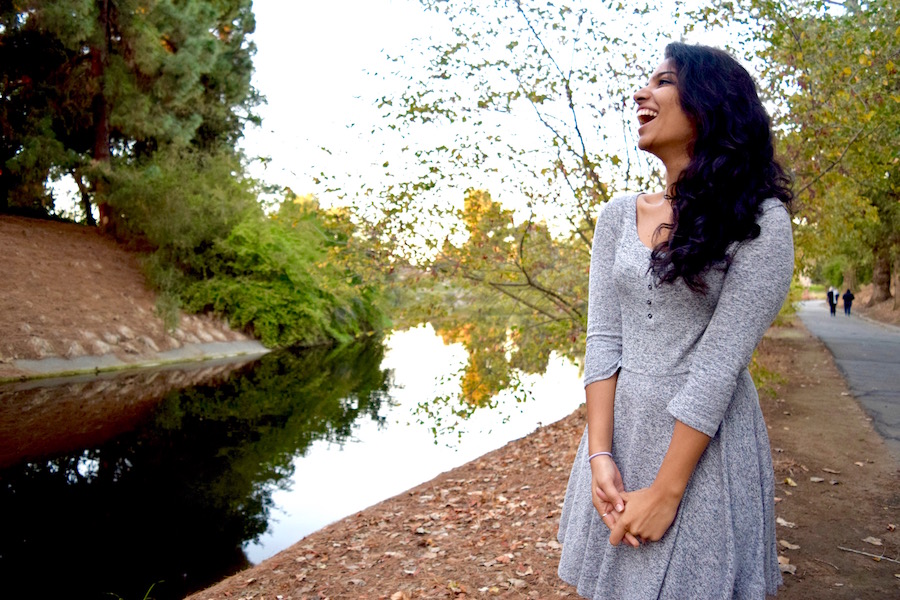
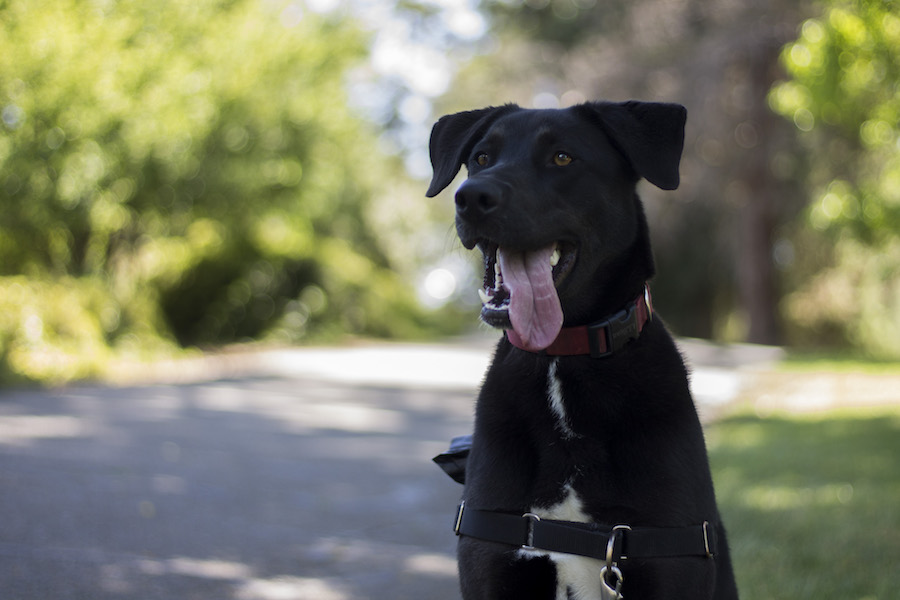
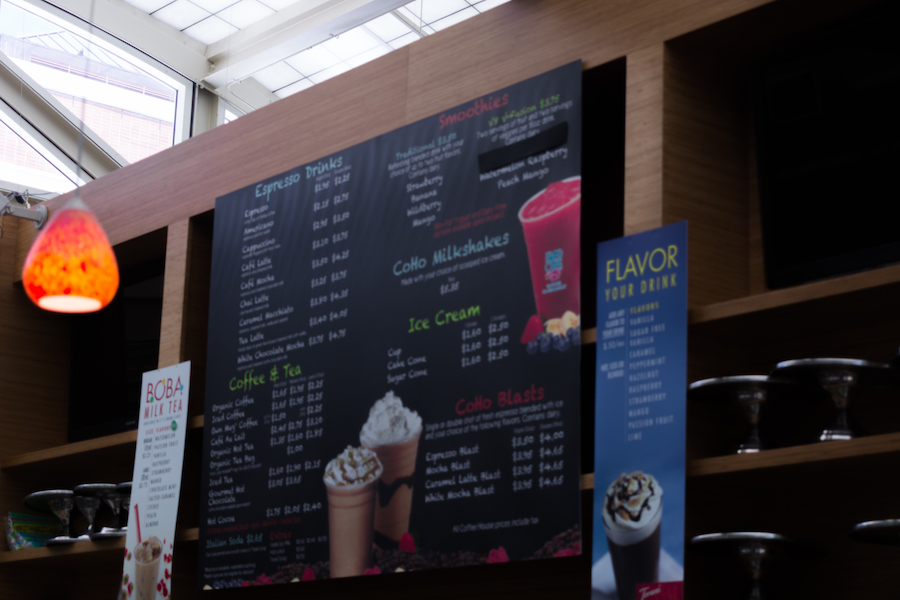
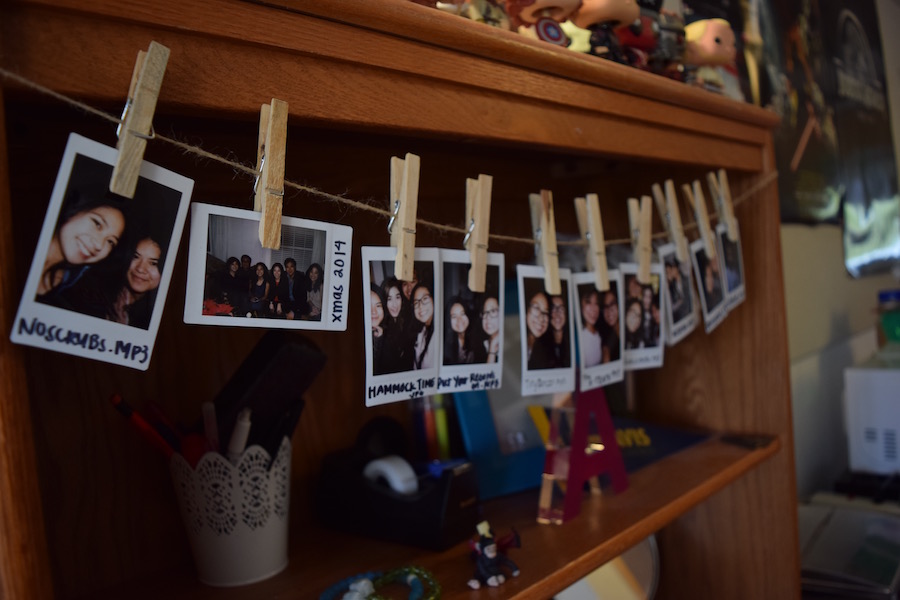
Aggie photographers discuss what makes them happy
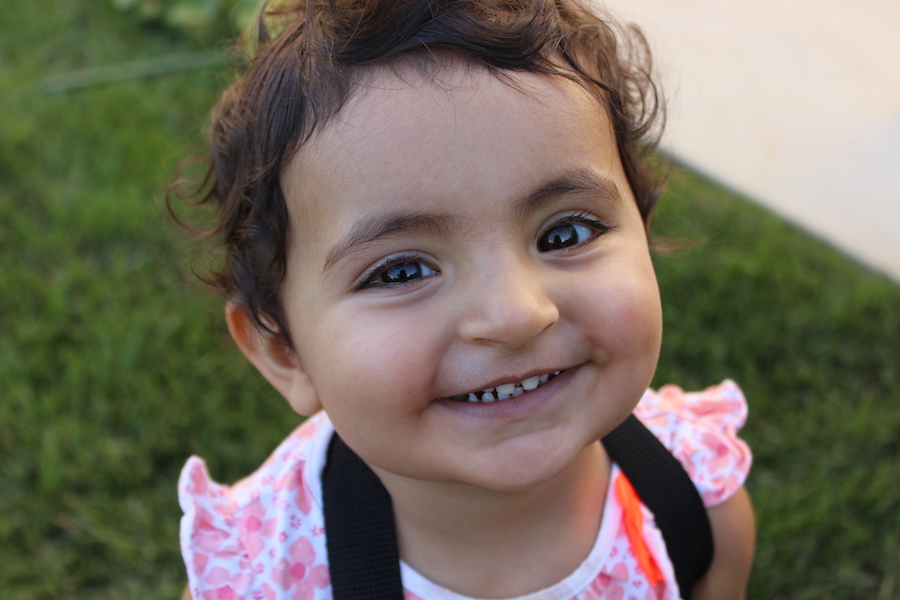

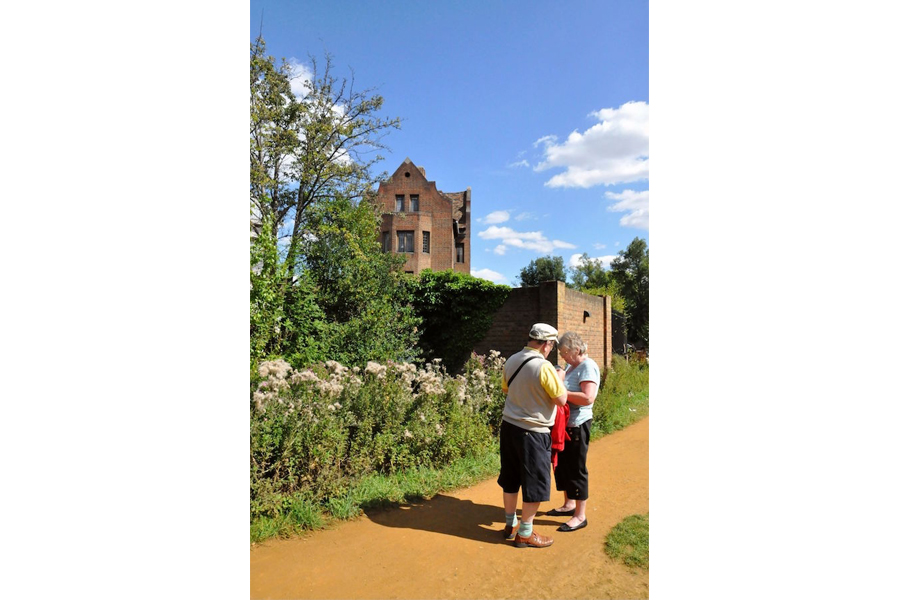
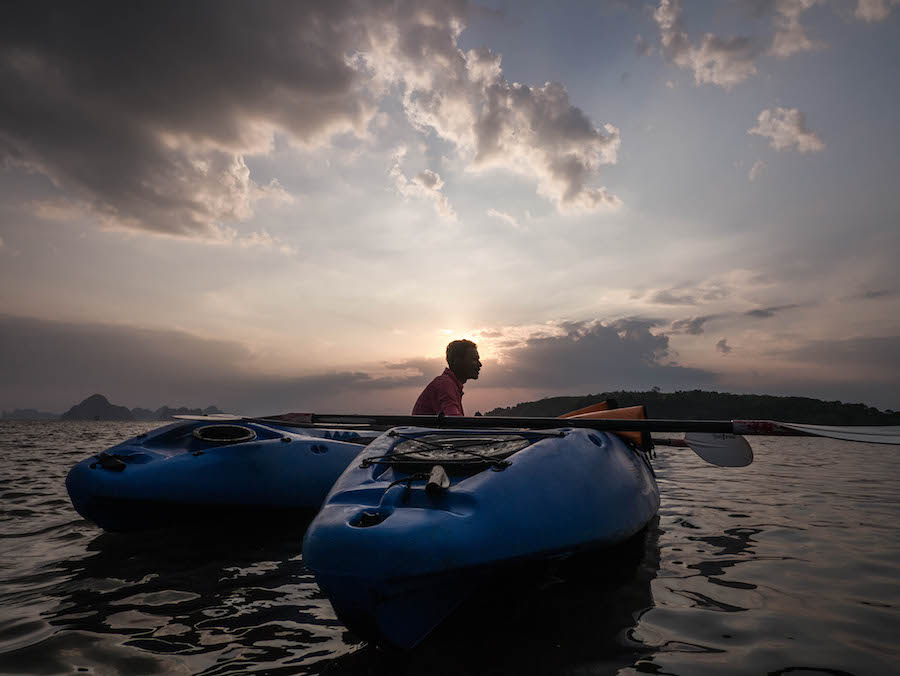

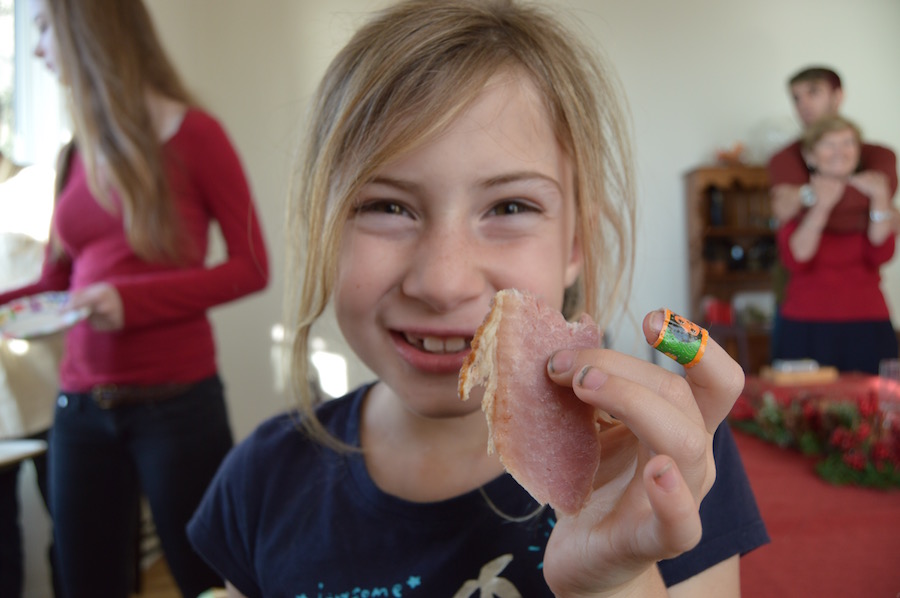


Compiled by: The California Aggie Photo Desk – photo@theaggie.org
Aggie photographers discuss what makes them happy
Compiled by: The California Aggie Photo Desk – photo@theaggie.org
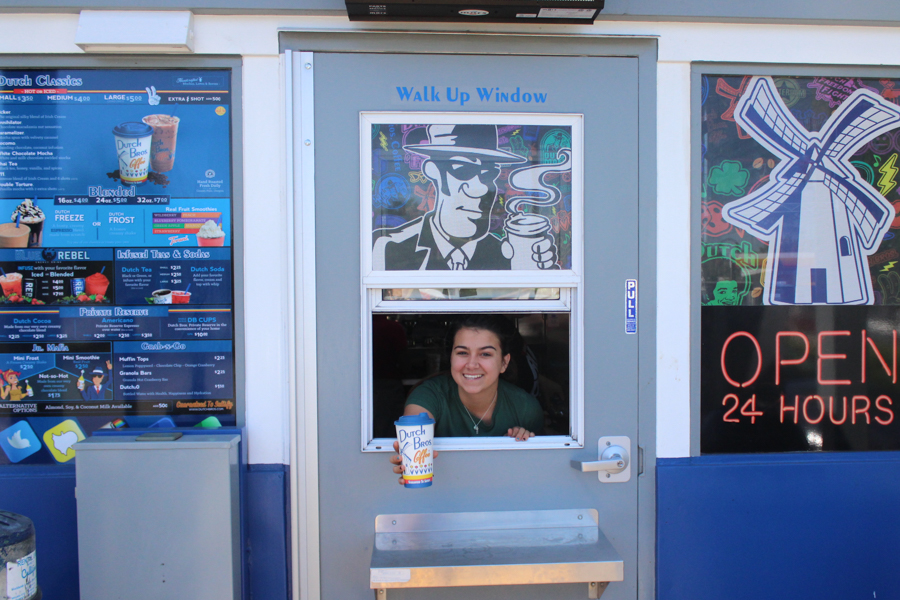
When one thinks of a café, the usual image is warm lighting, jazz music, students studying for classes and a desperately European-looking interior design. This year’s best coffee went to the place that boldly challenges all café preconceptions: Dutch Bros.
Instead of a sit-down-and-study location, it stands as a 24-hour drive-thru that mostly serves commuters, travelers, bikers and even pedestrians. Rather than employees who are only occasionally sociable, Dutch Bros actively encourages their staff to be casual, friendly and as social as possible. In addition, they crank up their energy and speed with high-powered music to help staffers remain in a state of happy productivity.
But the most important difference of all is their drinks. With items such as “The Kicker,” “The Caramelizer” and “The Annihilator,” you know your taste buds are in for a ride.
“[It isn’t unnatural] for a customer to ask for a 20-second shot of espresso,” said Sara Seeley, a Dutch Bros employee.
Located on 980 Olive Drive, Dutch Bros is right next to the entrance to Highway 80, putting it in a hotspot for car commuters between Sacramento and San Francisco. The staff is especially active during the mornings, when they are met with lines of carpoolers waiting to get their first cup of morning coffee.
“[The business model] can either make or break a company,” Seeley said.
The Dutch Bros company donates funds to fight amyotrophic lateral sclerosis and muscular dystrophy, and supports groups such as the American Cancer Society and the Boys and Girls Clubs of America. The local Dutch Bros location does its own charity as well, including occasional day fundraisers.
By striving for convenience, character and caffeinated craftsmanship, Dutch Bros takes the espresso express into number one best coffee in Davis.
Written by: Evan Liley — features@theaggie.org


Three recruits, David Goulak, Mitchell Iwahiro and Max Pham, to join UC Davis men’s tennis
After ending their season with a 17-7 record, the UC Davis men’s tennis team looks to build on its legacy with three new recruits: David Goulak, Mitchell Iwahiro and Max Pham.
The new recruits will technically not be considered UC Davis athletes until they start scheool in the fall, so The California Aggie sat down with men’s tennis coach Eric Steidlmayer and junior Alec Adamson to gain some perspective on the recruitment process for the UC Davis men’s tennis program.
According to Steidlmayer, UC Davis recruiters look for the best players who would do well not only on the court, but also in the classroom.
“We try to get know who in California might be a good fit for UC Davis both athletically and academically,” Steidlmayer said. “Are they talented enough to play on our team and academically, are they going to be suitable to do well given the rigors of the academic program here?”
The process starts as early a player’s junior year of high school, according to Steidlmayer, though it varies from player to player. For example, Adamson — who was just named Big West Player of the Year — was not recruited until well into his senior year.
“Before my senior year, I wasn’t heavily recruited,” Adamson said. “I started to improve during the end of my junior year […] so it wasn’t until the beginning of my senior year when I started getting [contacted].”
Adamson committed to UC Davis during the first signing period in the fall of his senior year of high school.
So who is set to join men’s tennis on the court for next season? The Aggies signed three new players who met all the UC Davis standards.
David Goulak is a three-year varsity letter winner at Oak Park High School and is from Thousand Oaks, Calif. He led his team to a league title as a junior and helped them reach the California Interscholastic Federation Southern Section Playoffs three times. Goulak committed to UC Davis back in November 2015.
Joining him is Sacramento area local Mitchell Iwahiro, who has set records since his freshman year. Iwahiro built his resume even outside of high school tennis, participating in the United States Tennis Association Winter, Spring and National Championships. He was the Sierra Foothill League champion at Granite Bay High School and simultaneously posted an undefeated season as a freshman.
Rounding out the three new Aggies is Max Pham from Newport Beach, Calif.
“I knew Max from growing up,” Adamson said. “I played tournaments with him growing up so I know him well.”
Hailing from the same area as Adamson, Pham is a three-time team most valuable player at Fairmont Preparatory Academy in Anaheim and is undefeated in the regular season. He was ranked as high as No. 19 in the nation in 2013 and made it to the round of 32 in both singles and doubles at the Easter Bowl. He signed his Letter of Intent in April of this year.
Steidlmayer is hopeful that the new recruits will be a big factor in the seasons to come.
“All are good players, good guys,” he said. “And they should add to our team if not next year, then the years to come.”
Written by: Nicolette Sarmiento — sports@theaggie.org
Rave culture comes to Davis
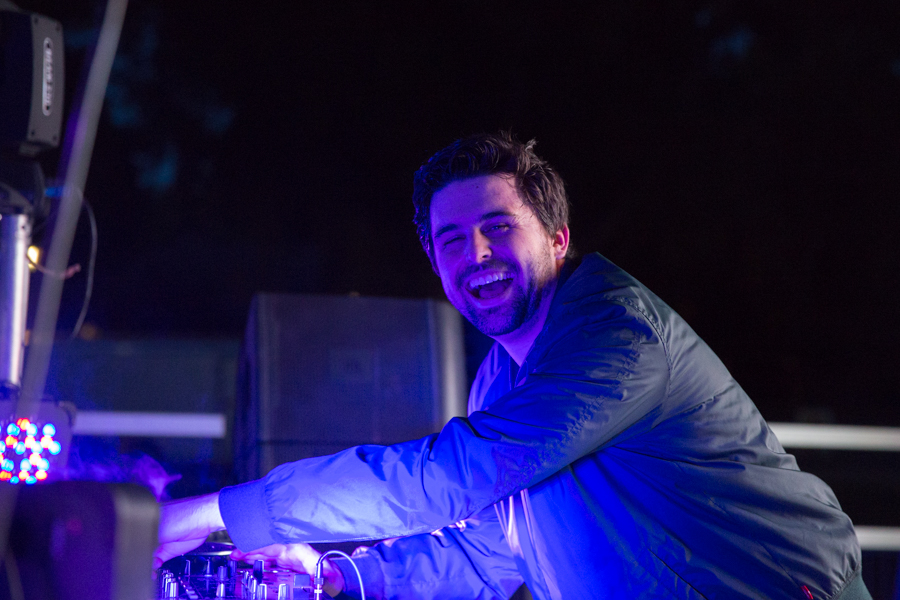
On Friday, May 13, thousands of students waited on the Quad in anticipation for the annual Lawntopia concert hosted by Entertainment Council (EC). Individuals listened and danced to opener DJ Sydewaze and headliner Mako, an EDM duo consisting of Alex Seaver and Logan Light (Seaver, however, was the only one present at Lawntopia). Mako has performed at multiple raves and music festivals such as Electric Daisy Carnival, Coachella and Lollapalooza.
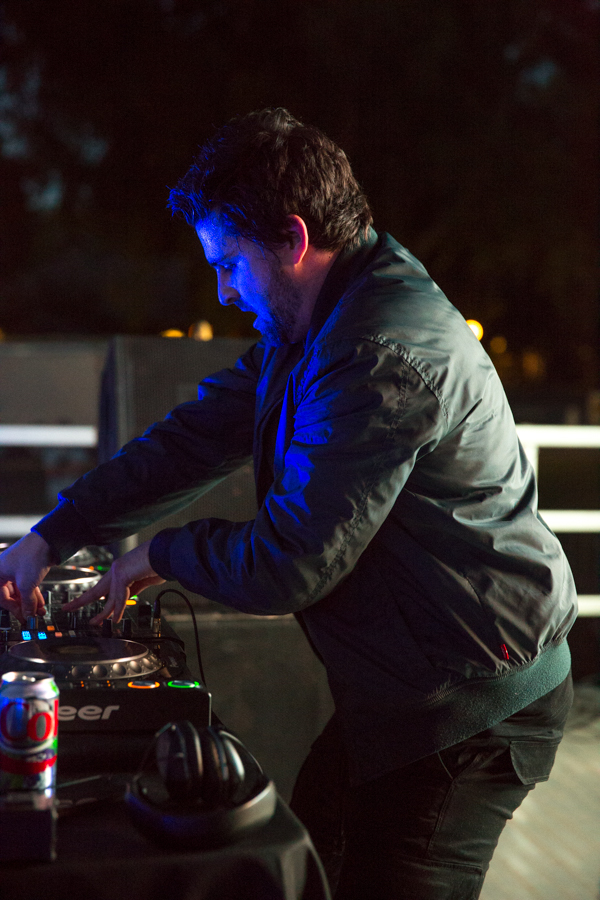
EDM duo Sydewaze, which consists of UC Davis students Brandon Bolender and Nick Casas, opened Lawntopia. They played popular EDM Mako was welcomed by the audience with a flurry of applause and cheering. He played many remixed versions of upbeat and well-known EDM songs such as Galantis’ “Runaway,” Zedd’s “Clarity” and Alesso’s “Cool.”
From my perspective, Mako mostly stood there and did not DJ or have many original remixes. Despite this, he was able to energize the crowd, and appealed to those who were not huge fans of EDM music by playing remixed pop songs such as MAGIC!’s “Rude.”
Aside from failing to DJ, Mako also did not smoothly transition from one song to another. When one song finished, another would abruptly begin, ruining the flow of his set. This interrupted the crowd’s dancing and cheering, causing more waiting time and standing in anticipation for the next song.
Mako’s visuals for Lawntopia were bland and limited, and he featured variations of the same graphic for the majority of the evening. It was disappointing that a mildly popular and well-known EDM artist did not have stronger visuals to stimulate the audience.

Lawntopia reminded me of a rave as it smelled like a mixture of weed, alcohol and cigarettes. Individuals also pushed their way to the front, making it overcrowded and difficult to see at times. However, there was a lively atmosphere and I saw many students having an enjoyable time by singing and dancing with their peers.
I liked that Mako played popular EDM and pop songs to encourage dancing and singing in the crowd. I noticed that with every drop, the crowd became livelier.
After playing well-known songs, Mako ended the night with two originals: “Into the Sunset” and “Smoke Filled Room.” These songs were on the slower side and therefore fun to sing along to.
I enjoyed Mako’s “Smoke Filled Room” the most, with its catchy lyrics and beat. Although Mako’s two original songs did not have a bass drop, the audience intently listened.
Despite Mako not having the best transitions or visuals, I thought that Lawntopia was a good stress reliever from midterms. I enjoyed the event’s carefree and lively ambience.
Overall, the rave culture Mako and Sydewaze brought to Lawntopia were memorable in that they were a change of pace from Davis’ usual atmosphere.
Written by: Jennifer Duong – arts@theaggie.org
Introductory press conference held for Acting Chancellor Hexter’s appointee to lead Athletics Department
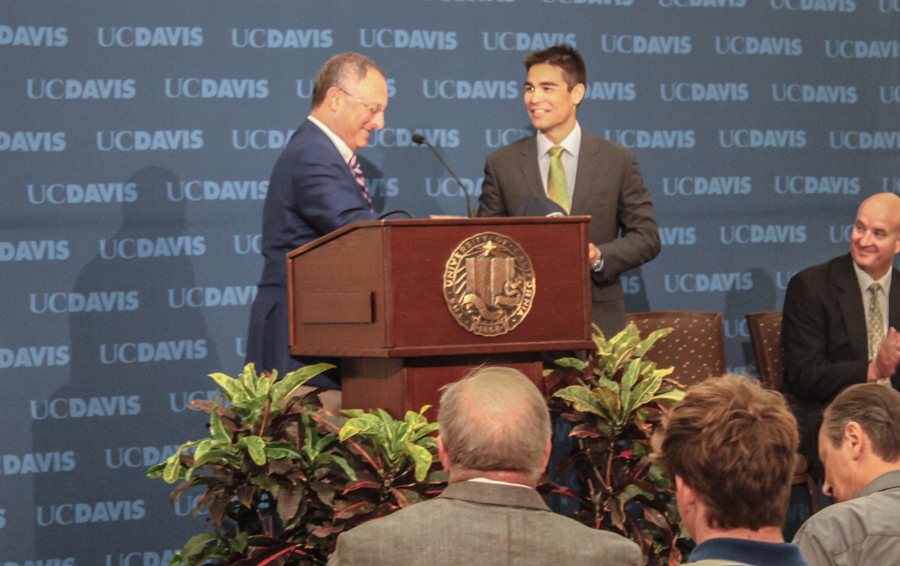
On May 17, UC Davis Acting Chancellor Ralph J. Hexter and Scott Carrell, faculty athletics representative and recruitment advisory committee chair, held a press conference introducing Dr. Kevin Blue as the new UC Davis director of athletics.
This announcement is the fruit of a months-long search by a recruitment advisory committee dedicated to filling the vacant athletics director position, which is currently run by interim athletics director Teresa Gould. Blue, a rising star among intercollegiate athletics and sports-business circles, begins his appointment on June 21.
The conference, which was held at 11 a.m. at the UC Davis Conference Center, featured an introduction of Blue and his accomplishments, a short discussion on the vetting process the selection committee went through and ended with Blue sharing his thoughts and answering questions.
“Our objective was to deliver a pool of no less than three candidates to the chancellor to consider,” Carrell said. “We had a very deep pool of candidates and we are very excited about Kevin.”
Before introducing Blue’s professional accomplishments as senior associate athletics director at Stanford and his personal achievements before that, Acting Chancellor Hexter’s opening remarks covered the athletic tradition found at UC Davis.
“I’ve been very impressed by Kevin’s vision for UC Davis,” Hexter said. “He is clearly committed to our student athletes, to propelling our Aggies to new heights.”
Before Blue took the podium, Acting Chancellor Hexter presented the new athletics director with a UC Davis snapback, a sign of the new home he will occupy at Davis.
“I am humbled and honored to serve UC Davis in the capacity of athletics director, and I really can’t wait to get started,” Blue said.
Blue cites the philosophical outlook present in the student-athletes, administration and coaching staff at UC Davis as what attracted him to the position. The pursuit of academic rigor coupled with championship competitiveness fuels the fundamental value of UC Davis’ scholar-athlete ideal.
“In the period of time where I was reflecting on this transition and this opportunity, it occurred to me and it [was] reinforced to me that what we do in intercollegiate athletics is really fundamentally educational in nature,” Blue said.
Not only is education a major aspect of Blue’s athletics philosophy, he is also a proponent of competition.
“I personally believe there is a very significant difference between competition and mere participation,” Blue said. “As we go forward, it is our aspiration to compete, not just to play.”
After his introductory comments, Blue took questions about the possible reinstatement of sports programs cut under budget constraints and about galvanizing the student populations into increased athletics participation. After the conference, Blue entertained one-on-one media questions.
“The philosophy of our organization is based on the scholar-athlete ideal, and we’re committed to having student athletes that will be successful academically as well as athletically,” Blue said.
One of Blue’s prominent professional qualities is his affinity for external business units in athletics. At Stanford, Blue provided savvy executive insight into sales, marketing, communications, business strategy, relationships and branding. Branding of UC Davis Athletics and the UC Davis name has been a key feature of Blue’s vision.
“Our intent is to be proactive and consistent in describing what we’re all about,” Blue said.
Written by: Aaron Sellers – sports@theaggie.org
Two nights of local filmmakers’ work showcased
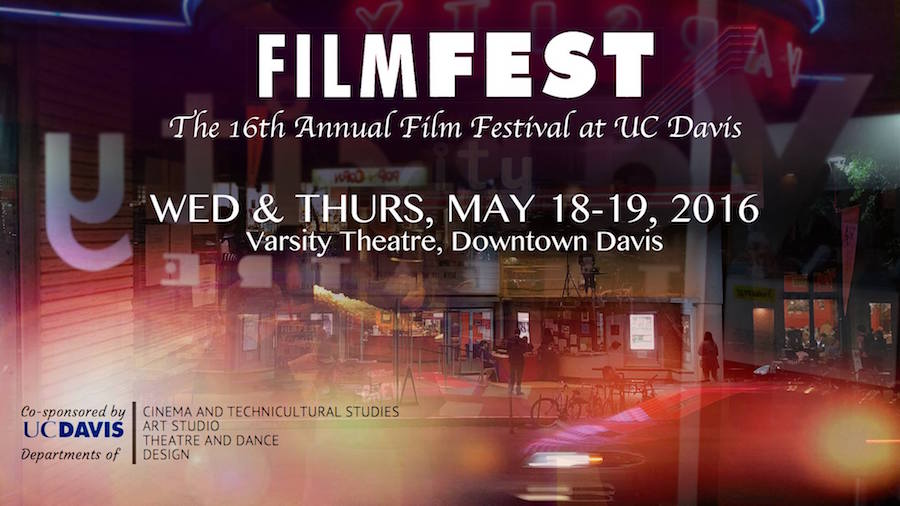
The Film Festival Club at UC Davis will be hosting its 16th annual film festival this Wednesday and Thursday at Varsity Theatre downtown, showcasing some of Davis’ most talented filmmakers.
For an hour each night, the festival will show a collection of films from a variety of genres, all of which share a common feature: of the 35 submissions, only 20 were selected by the jury comprised of design and art department faculty.
Though the Film Festival Club hosts various events and fundraisers throughout the year, this is the most notable culmination of its efforts. Head student producer of the festival and third-year English and film studies major Allison Dorantes reflected on the excitement of the evening.
“The atmosphere is really great,” Dorantes said. “We get to be at this small, locally-owned theatre for two nights of the year.”
But hosting the festival at the Varsity isn’t the only demonstration of its prioritization of local and student work. There will also be a raffle (winners announced at the end of Thursday) that boasts gift baskets and gift cards from local Davis businesses. The tight-knit community extends to that of the filmmakers as well.
The festival’s social media manager, third-year statistics major David Fung, highlighted the festival’s priority on showcasing UC Davis students and recent graduates’ work.
“Because any student or recent graduate can submit a film, the festival becomes a rare and direct showcase of stories that our fellow Aggies want to tell,” Fung said. “Films that come into the festival are diverse and unique, mirroring our student body and campus community.”
Though the films shown range from documentaries to satire and comedies to experimental works, any attendee can enjoy the films.
“The result is a festival showing some of the most unfiltered and independent work on a big screen,” Fung said. “Coupled with the fact that this is a student-run event, the festival is a celebration of talents and diversity in our community.”
But more importantly, the festival is an opportunity for aspiring filmmakers to showcase their work and receive feedback during the Q&A session held after the showings.
“The film festival is one of the grooviest events of the year for students within the realm of TCS/CDM [Cinema and Digital Media], among other departments, to share their projects with the larger Davis community,” said returning film-submitter and second-year technocultural studies major Dakota Hill.
For Hill, however, the most exciting part of the festival is experiencing others’ work in addition to sharing his own.
“There’s something really fulfilling about sharing you and your peers’ work with other students. I really look forward to seeing what the other filmmakers on campus have been up to.”
This year, three of Hill’s films will be showcased at the festival, including Race Against Time, All I Can Say is Thank You, and 牛の風景 – cow scenery. For his most unique submission, 牛の風景 – cow scenery, Hill hopes all viewers will have a similar reaction to that of his classmate’s peer review: “I dare anyone who finishes watching this film to not stare at their pulsating palms, and feel sick at the realization of our innate fleshiness. Because if anything, the film is simply horrific.”
Tickets for the festival will be sold at the door — $7 for one night or $10 for both. For more information, visit the Facebook event page. Check out the open application to become involved in the Film Festival Club at next year’s festival.
Written by: Ally Overbay – arts@theaggie.org
UC Davis’ first-ever major hacking event.
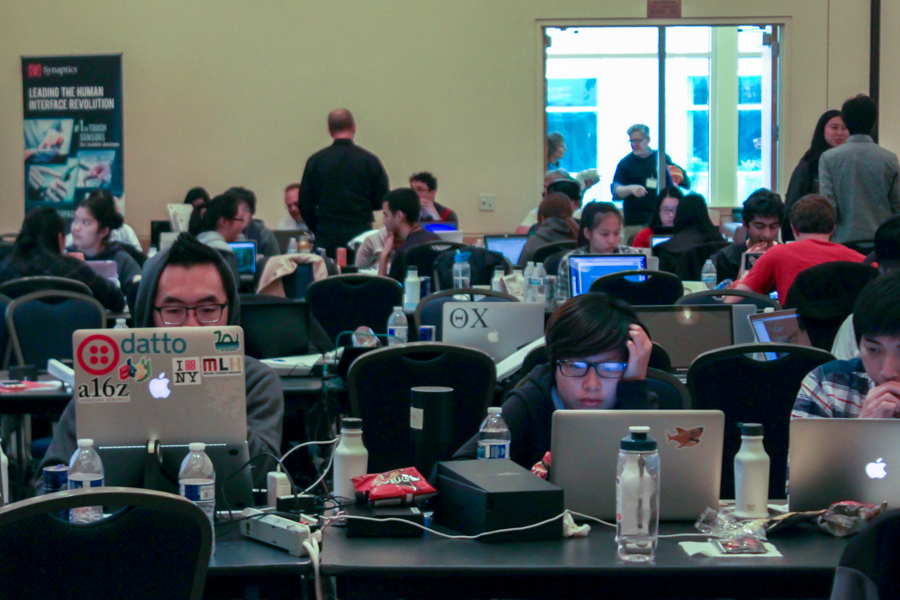
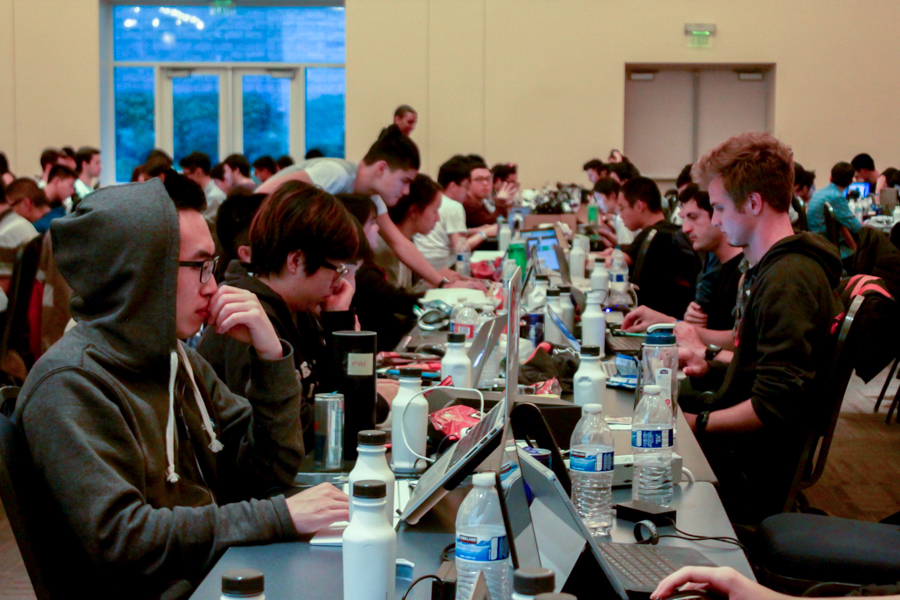
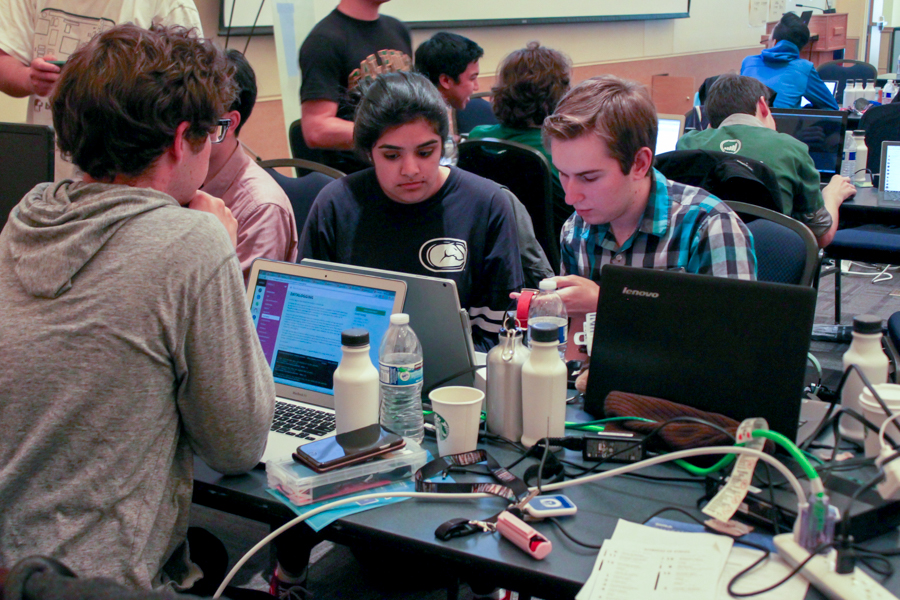
UC Davis students, along with hackers from UCLA and Sacramento State, competed in a 24-hour programming event called HackDavis, using their coding and software skills to design projects useful for the environment, education or health. The event was held from Saturday, May 7 through Sunday, May 8 in the Activities and Recreation Center Ballroom.
“My group’s project for the hackathon was called “Lemonade,” which is an online forum that provides a community for people that suffer from mental health disorders to share their stories, support and inspire each other,” said third-year computer science and engineering double major Priscilla Yu.
A hackathon, typically spanning over a period of several days, is an event in which people meet to work on computer programming. Various UC schools such as UC Santa Cruz, UC Los Angeles, UC Irvine and UC Berkeley have also held hackathons this year.
HackDavis was Yu’s third hackathon, but many of the participants were first-time hackers with experience in only one or two programs. According to HackDavis co-founder and third-year computer science major Rohit Tigga, the beginner hackers responded positively to the experience, and organizers hope for an even more successful hackathon next year.
“We saw a great turnout of more than 300 students, including a lot of beginner programmers and people getting introduced to hacking,” Tigga said. “People were really passionate about the social good aspect, and we submitted more than 50 projects, which allowed us to donate $6,000 to charity.”
Despite this being UC Davis’ first-ever major hackathon, the coordinators received about 1,200 applicants, which was far more than they expected. A major reason behind HackDavis’ first-time success was due to the efforts of UC Davis’ Society of Women Engineers, who co-hosted the event, making sure it was accessible to women and minorities in particular. HackDavis was designed as a space for diverse and creative thinkers to create original technological advancements. Despite a history of male-dominated hackathons, the event was able to achieve a 50/50 gender ratio consisting of women and men of a variety of majors. In addition, the event received immense support from sponsors such as Google, IBM, Amazon and several donors within the university who provided workshops, mentors and helpful resources for students to create their projects.
“UC Davis is probably one of the first in this area to have a hackathon of this caliber with really important sponsors who come and teach students their technology and how to use it for programs,” said second-year computer science major Zarra Stamboel. “The great support from sponsors gives us confidence that this event could be successful again and grow even bigger.”
The event hoped to inspire hackers to continue intersecting technology and social good in their everyday lives, creating programs that benefit different aspects of society beyond the weekend of HackDavis.
“I was pleasantly surprised with how well people were able to construct such great projects in the span of only 24 hours,” Tigga said. “One project used IBM image recognition software to take a picture of a piece of trash, such as a wrapper or a chips bag, and the software tells you if it belongs in the trash, compost, recycling, etc. This was just one example of how well all the programmers were able to implement solutions to common social problems.”
Thanks to the various sponsors, HackDavis was able to give away new tablets to a few winning hacking teams. However, not all of the hackathon’s benefits were tangible — partners and sponsors gave out summer internships for students who won the competition. HackDavis encouraged students like Yu to continue competing and learning more about programming.
“I learned the most at HackDavis — more than any other hackathons I attended,” Yu said. “Knowing that we only had 24 hours, my team made use of every minute so when we got there we knew exactly what to do. I’m really satisfied with how the hackathon went.”
The success of UC Davis’ first hackathon is a sign of a strong and growing hacking community which will allow for an even larger HackDavis next year, according to Tigga and other event organizers.
“Next year we are trying to scale up to 700 students and have a bigger presence and impact on campus overall,” Tigga said. “I definitely feel that this hackathon was a great way to get students’ feet wet and build connections, and I am positive people will pursue many of the projects that were developed at the hackathon.”
Written by: Gillian Allen — features@theaggie.org
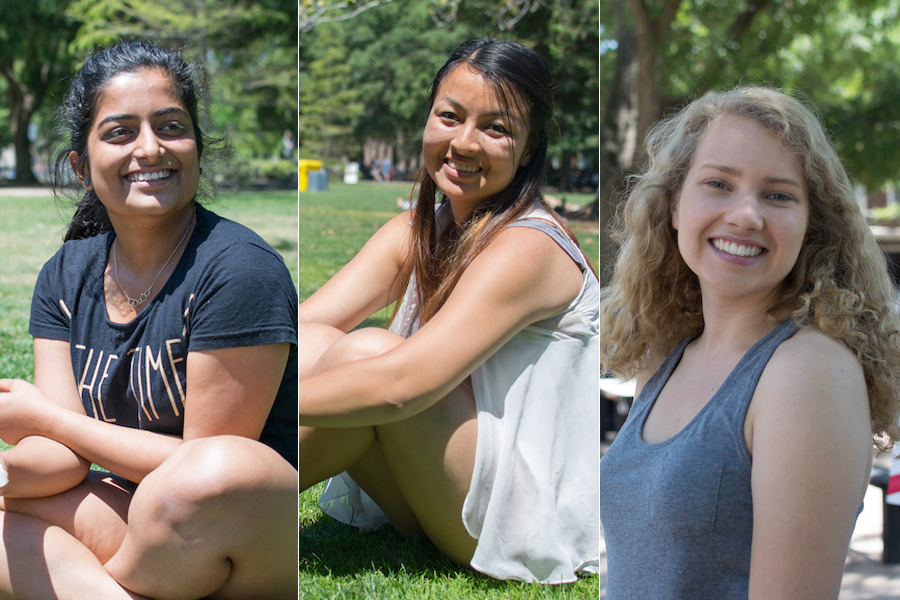
Students discuss what they would tell incoming students about college life.
If you could tell high schoolers one thing about college, what would it be?
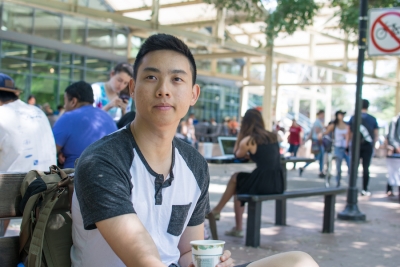 Brandon Nguyen, fourth-year computer science major
“I would tell them to put a lot of effort into researching the school as opposed to [picking] the first one they see.”
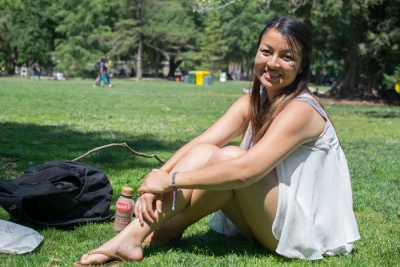 Mackenzie Emi, second-year psychology and managerial economics double major
“You don’t have to feel like you need to have your life figured out when you get to college; have an open mind to see what you want to do.”
 Jon Peña, second-year neurobiology, physiology and behavior major
“Manage your time.”
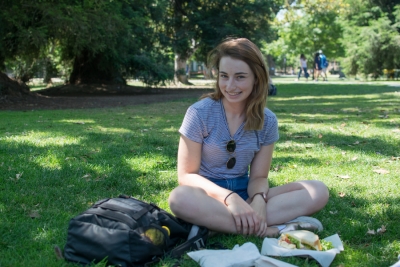 Grace Weeks, second-year environmental science major
“Enjoy your pets at home because you’ll miss them.”
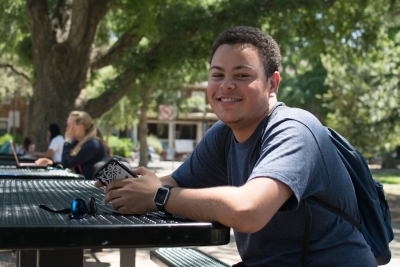 Jonathan Thomas, first-year computer science major
“It’s not like high school, it’s a lot harder. You gotta study ahead and not the night before […] to get an A.”
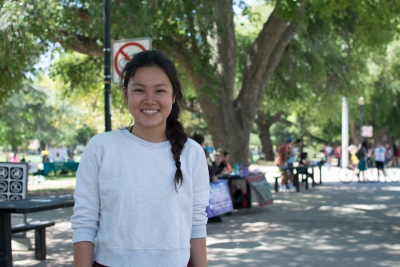 Joanne Agus, first-year clinical nutrition major
“You’ll feel like you’re a small fish in a big ocean.”
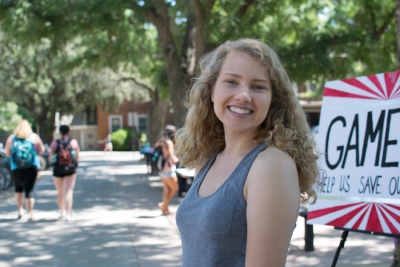 Marly Jeane, second-year environmental policy analysis and planning major
“Talk to every single person you meet and learn how to shake hands well.”
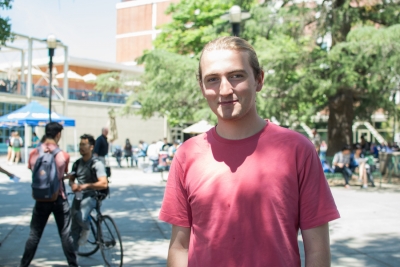 Dylan Scalzo, second-year biological sciences major
“Get involved early because you’ll meet more people and you’ll find your place.”
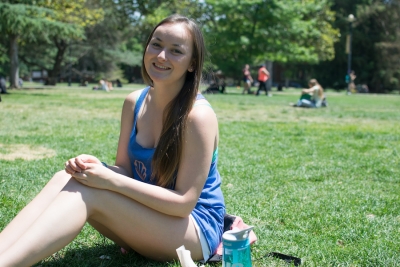 Emily Rabbitt, first-year biomedical engineering major
“Know yourself and have a routine.”
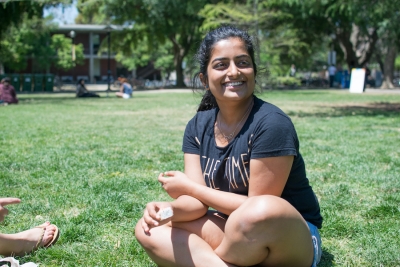 Shailaja Chadha, first-year sustainable agriculture and food systems major
“Not working and not studying will not help you. You will fail or not pass well.”
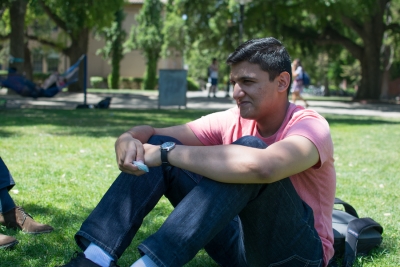 Shyamal Sheth, third-year neurobiology, physiology and behavior major
“Doing community college first is an intelligent decision. It should not be looked down upon.”
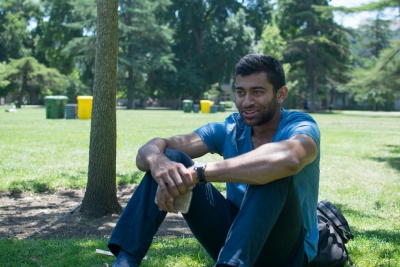 Keshav Tirumurti, third-year computer science major
“Start taking interest in your classes. That’s where you’ll find your passion and what you want to do.”
Written by: Alan Castillo — features@theaggie.org
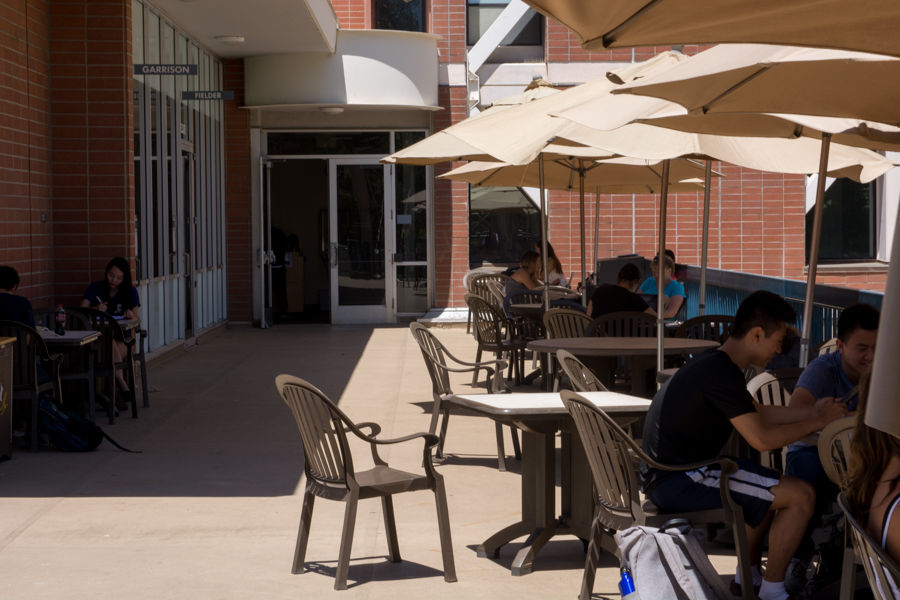
The six best on-campus study spots you didn’t know existed
As finals week approaches, it becomes increasingly harder to snag a spot at the typical study spots, such as the library and the CoHo. However, with a bit of creativity, it is no large feat to find yourself a new place to make sure you ace those exams.
As the CoHo itself is a nearly impossible place to find a place to sit, just a short walk up the north side stairs leads to an array of outdoor tables, as well as study rooms (available if no meetings are taking place). So grab your coffee and scone, and head upstairs! Make sure to enjoy everyone below who can’t find a seat; little do they know, they’re missing out on a collection of outdoor study spots.
2) Picnic tables at the Arboretum
Do you have a longing for nature? Want to feel more in tune with the squirrels? Then the picnic tables at the Arboretum are the perfect spot for you. Just near the Redwood Grove, these picnic tables serve as an nice escape from campus, and offer a wonderful hint of fresh air.
3) The Good Scoop
Finals aren’t so sweet, but ice cream is. The Good Scoop, Davis’ newest organic ice cream shop on G Street, surprisingly doubles as an outstanding study spot. Not only do you have the convenience of eating all the ice cream you please, the shop also sells cold brew coffee and offers free wifi access. The colorful atmosphere, friendly workers and large amount of seating make for an awesome study environment.
4) Atop the Segundo Services Center
With this spot there is a luck factor involved; however, if you find yourself winning a seat on the outside patio of the Segundo Services Center, it is quite the treat. Pro tip: you must have an ID card to access this rooftop patio, so upperclassmen: find yourself a freshman buddy (and have them swipe you into the DC while you’re at it).
5) The ARC cubbies
A more unconventional spot, the cubby areas built into the walls adjacent to the ARC ballroom are actually a great spot to set up camp. Conveniently located near the ARC Starbucks, this is a great place to go if you have a long day ahead of you and want somewhere to relax.
6) The lower level of Olson Hall
Have you ever found yourself in an awkward break between classes, but don’t want to commit to the library? The lower level of Olson, next to the scantron machine, can be a perfect place to finish up homework or charge your electronics when you have a short period of time to get things done.
Written by: Austin Carroll — features@theaggie.org
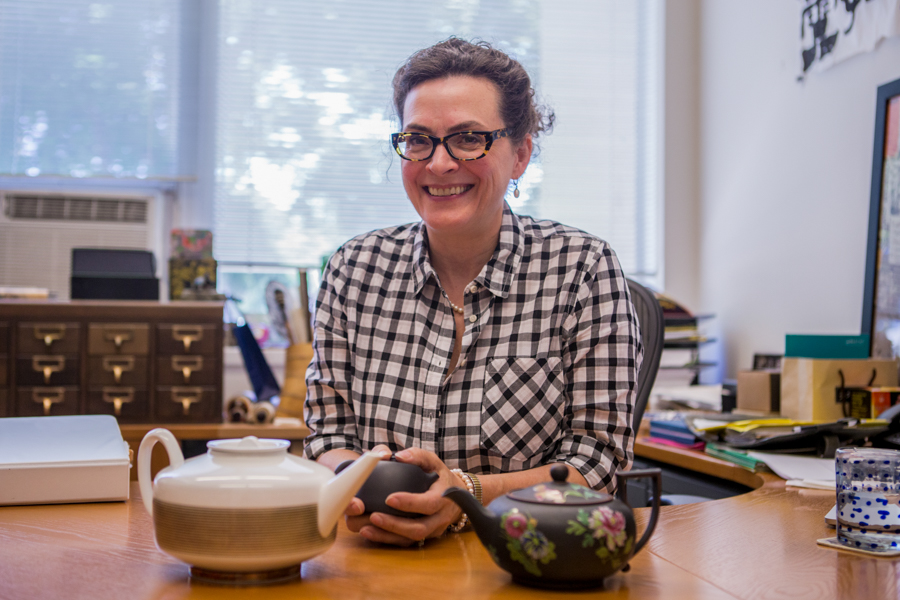
UC Davis establishes The Global Tea Initiative
On May 12, UC Davis hosted the first of three international colloquiums to kick off the Global Tea Initiative, which will study both the cultural and scientific aspects of tea.
“The wonderful thing about tea is that you can think about it in all sorts of ways. You can think about it in terms of the culture, the society, the nutrition, the health, the science and all of these ways are viable,” said Katharine Burnett, initiative director and associate professor of art history. “This colloquium helps us communicate quickly the breadth of our vision that it really is global. We want every kind of discipline involved because we will benefit from this kind of study.”
The colloquium featured several talks about tea, including a talk on the history of a popular purple sand clay teapot created by tea master Wingchi Ip of Lock Cha Tea House in Hong Kong, and a discussion about different tea varieties from Yaoping from Zhejiang University in China.
Kristin Surak, a lecturer from the University of London, discussed tea practices in Japanese culture, while Carl L. Keen, a UC Davis professor of nutrition and internal medicine, explored the potential positive cardiovascular effects of tea in his talk.
“I am so pleased that this got support from the administration,” said Xioa Ling Shu, a member of the Global Tea Initiative’s executive board and UC Davis sociology professor. “We are also starting to attract international partnerships; a number of universities in other countries have contacted us [about] this.”
In coming years, the initiative will establish an institute for the study of tea, making UC Davis the leader in the field. Burnett has many ambitions for how the initiative will affect the campus, including the introduction of a tea garden and tea shop where students can study or try teas from across the world.
Since UC Davis scientists already look into some areas of tea research, the initiative will hopefully further and support those studies. For example, Shu conducts research on influences the process of globalization consumption has on behavior of tea in China. More specifically, he deals with how the introduction of coffee in China by larger corporations, such as McDonalds and Starbucks, affects the preservation of tea culture — something that will become increasingly important as more corporations take over the food and drink markets.
“The proportion of tea drinkers declined in China and the decline is larger among the more educated but not among the wealthiest,” Shu said. “The proportion of coffee drinkers at the same period increased but there is little education or income based variation in this increase. So this is probable consistent with the western convergence model that western lifestyle is replacing the more traditional Chinese lifestyle. So coffee is to some extent replacing tea.”
Dr. Yvonne Wan from the UC Davis Medical Center pathology department studies how natural products can improve health. Wan stressed the importance of educating people on the health benefits of tea.
“For a long time, we have known that tea is an antioxidant; that is why a lot of people drink green tea — but there is more to it,” Wan said. “In my laboratory, we are initiating a study where we are looking at a key component in the tea and how that key component can change our gut microbes, and in turn, improve metabolism and [prevent] western-diet-induced metabolic disorder.”
While UC Davis has programs in place for the study of tea, beer and wine, this initiative is the first attempt to bring together the professionals from around the world who study tea.
“I think this is a perfect topic; UC Davis has diverse research interests,” Wan said. “[We] definitely need to study the beneficial health effects of [tea] in addition to the culture and art. I think we can take care of almost all aspects of tea research, including cultural history and social science to health benefits.”
Written by: Amanda Cruz — features@theaggie.org

City passes resolution to increase parking violation fees, now in effect
In March, the Davis City Council approved a resolution to adopt a parking fine schedule and implement an Automated License Plate Reader (ALPR) program, recommended by city staff. In order to carry through this recommendation, an increase in parking violation fees in the city of Davis came into effect on April 15.
According to Kelly Stachowicz, assistant city manager for the City of Davis, the city staff periodically reviews and updates violation fees through a public process. This ensures that all fees are adequate for the type of service they provide and in close price range to neighboring cities and other jurisdictions. In the case of parking violations, Davis fell below the fee violation range in comparison to other cities, including Woodland.
“There was a study done by the Downtown Parking Task Force from 2012 to 2014 regarding a number of different issues related to parking,” Stachowicz said. “They provided a list of recommendations to the City Council and the council passed those recommendations and directed staff to start implementing them.”
The increase in parking violation fees are as follows: Disabled parking violation fee increased from $283 to $308, violations for parking in front of a driveway increased from $43 to $55 and general parking violations for parking in a spot for too long increased from $43 to $50.
The new parking fee increase will only be applied to tickets received in the city and does not apply to those administered on the UC Davis campus by Transportation and Parking Services (TAPS).
Director of TAPS, Clifford Contreras, explains that UC Davis is not imposing any increase in parking violation fees.
“All the court looks for within the county is to ensure that [TAPS] fine amounts are within a reasonable [range of Woodland and Davis],” Contreras said. “We’ve tended to be in a five dollar difference [of the city] and now it looks like Davis is going to be equal to our lowest citation, $50.”
Stachowicz understands that parking in Davis, especially in the downtown area, is troublesome due to the limited availability of parking spots compared to the number of cars. The City of Davis presents information regarding transportation and parking in Davis to alleviate parking issues for residents. The city council has also directed the Davis Chamber of Commerce to discourage all of their employees from parking their cars in downtown while at work.
“That’s part of the overall hope and plan,” Stachowicz said. “We hope that we will be able to help manage the parking downtown and let people know where they can park.”
The Davis City Council first received recommendations from the Davis Police Department regarding parking in downtown in 2014. One of the recommendations was the implementation of ALPR technology, which will equip parking enforcement with easy-to-use and reliable technology to assert parking time limits for each car instead of chalking tires. In order to invest in this technology, parking violation fees were recommended to increase to make up for the cost.
“[Automated License Plate Readers] will allow better parking and flow of the downtown area because one of the long-term issues [in Davis] is that parking is hard to come by. With better technology, we will be able to provide better ideas of where parking is available and move people along during the allotted times on a regular basis more efficiently,” said Davis Police Service supervisor Michelle Sharitz.
Sharitz estimates that Davis parking enforcement will begin using the ALPR technology sometime in late August or early September.
Written by: SHIREEN AFKARI – city@theaggie.org
Unitarian Universalist Church hosts free event at Davis Cemetery
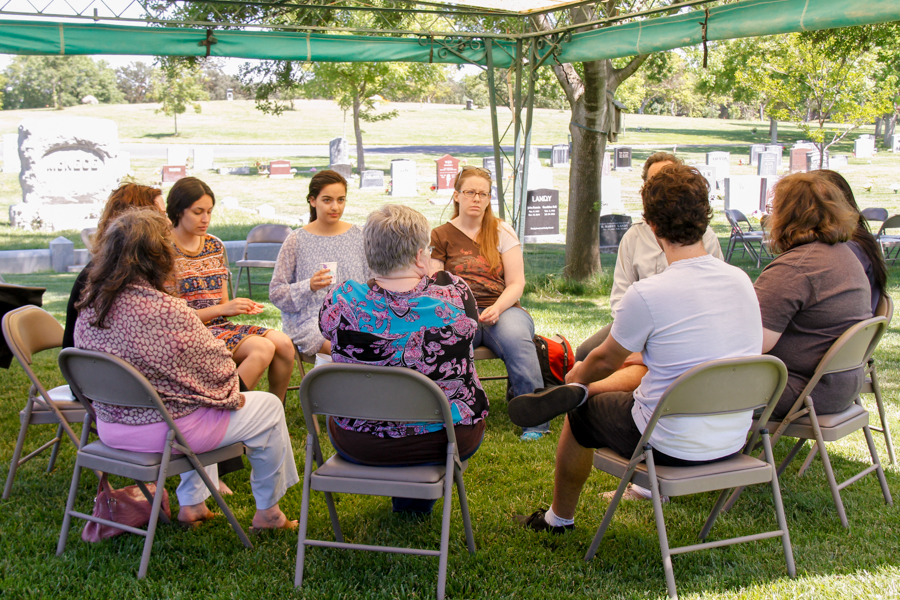
On Saturday, May 15, the Unitarian Universalist Church of Davis hosted its third Death Cafe at the Davis Cemetery. The event is a unique opportunity for people of all ages and backgrounds to come together and discuss their thoughts and experiences with death.
The Davis Cemetery District & Arboretum facilitated the event, providing an outdoor area under tents. Snacks and refreshments were provided while extremely invigorating and enlightening conversation took place.
The Death Cafe began in 2011 in the United Kingdom as a simple gathering at someone’s house. People around the world quickly gained interest in the concept, which enables people to have an open discussion on a universal topic that is often taboo and not discussed.
According to the Death Cafe website, the objective of each meeting is “to increase awareness of death with a view of helping people make the most of their finite lives.”
The event is free and is not intended to draw conclusions or to force ideas on people.
Kristi Dvorak, the community outreach director for the Davis Cemetery, states that she has only heard positive feedback from those who attended and that she has seen people return for numerous years in a row. She adds that people from all walks of life and of all ages come to the event and value the insight. The growing interest had been recognized and she plans to continue the event as long as people want.
“We usually break [attendants] up into groups of eight. We don’t have any formal rules. We might have someone help get the conversation going and people just talk about how they feel and what’s going on in their life,” Dvorak said. “It’s a way for people to gather in an informal way and have cake and coffee or whatever and talk about death and life and what your concerns are or what your story is. Everyone has their own reasons for coming, but it’s something that affects all of us.”
Laura Thompson, ministerial intern for the Unitarian Universalist Church of Davis, emphasizes her belief that youth will benefit more from participating in death cafes than seniors. She states that although the majority of those who come out are older, the older population typically has more experience with death and is more comfortable with the topic. However, Thompson believes that because the youth have less experience with life and death, the topic brings more anxiety to them, due to fear of the unknown.
“I think it’s important because we don’t talk about death as much as we should in our culture,” Thompson said. “It provides a really non-threatening, non-crisis setting for that to happen because often times when we do talk about it, it is in the hospital, or the lawyer’s office, or a really stressful time. And so here it’s an opportunity for people to talk about it and share their experiences and make space for that.”
Sophia Flores, a second-year Chicano studies and sociology major, has attended the Death Cafe and explains that the experience she enjoyed hearing different ideas on death.
“I never openly thought of death being something that is also living — it has not been something that has ever been in conversation around me. And I think that something I got out of it was that no matter how each of us has experienced death, we’re not alone in the process through it,” Flores said.
Written By: HADYA AMIN – city@theaggie.org

Students gather for presidential campaign rally
On Monday, May 9, 21,000 people crowded into Sacramento’s Cal Expo to hear presidential candidate Bernie Sanders speak at a campaign rally. Despite the rally location being announced only three days in advance, many attendees waited hours to enter the event.
Vermont Senator Sanders discussed the major tenets of his campaign. He emphasized his belief in the need for universal health care, an increased minimum wage, renewable energy sources and reduced income inequality.
Social media users created the #BernieinSacramento hashtag to share photos and information regarding the event, showcasing the long line to the event entrance. On Facebook, members of the “UCD Students for Bernie” group used the page to coordinate carpools to Sacramento.
“I was pretty impressed at how many people went to see him speak in person. I thought it was great how many people he motivated to be a part of the political process. I think he speaks to a lot of people that are hurt by the status of the economy and the low wages that are hurting the middle class. I think he inspires people by giving them a voice in the political process,” said third-year political science major James Dalrymple.
Dalrymple explains that Sen. Sanders used the example of the Walton family, the founders of Walmart, to express his belief that wealthy families can profit from low-wage labor of employees who end up dependent on social services.
Even though Dalrymple will be voting for former Secretary of State Hillary Clinton in the Democratic primary, he attended Sanders’ rally because he supports Sanders’ message of widespread political involvement and wanted to see him speak in person.
Dalrymple is vice president of UC Davis Students for Hillary, and was a precinct captain for the Clinton campaign at the Nevada caucuses. He even met the former secretary of state at a student event last year.
Dalrymple added that many attendees at the rally expressed unfavorable views of Clinton, which he worries will create division among Democrats in the general election. He is concerned that divisive rhetoric between Sanders and Clinton could cause supporters of either candidate to defect to supporting Donald Trump, the presumptive Republican nominee.
Daniel Schooling, a third-year history and digital media double major, attended the rally as a longtime supporter of Sen. Sanders. Schooling also met Sen. Sanders in 2010 in Washington, D.C. at the Washington Mall, where Sanders was holding a small rally.
“I was at Occupy Wall Street in New York about six months before. I will always remember people saying, ‘you can’t trust any politician, well except this one guy, Bernie, who is already advocating on our behalf,’” Schooling said.
Schooling noted that drug reform policy has harmed neighborhoods he has lived in and supports Sanders’ stance on the issue. He was also grateful to hear Sanders advocate for free college tuition and keeping corporate money out of politics, which Schooling notes are issues that appeal to younger voters.
“I don’t even have words to describe [the rally]. Sometimes when we table at the MU, people say they don’t care; we only get 10 registries to vote each day and it can be discouraging. To see that people came out, over 21,000 people came on three days notice, they decided to take time out of their classes and work to show up starting at 10 a.m.,” said Brenda Balderas, a second-year political science and history major and vice president of UC Davis Students for Bernie.
Balderas attended the rally and is heavily invested in Sen. Sanders’ campaign, although she will be ineligible to vote in this year’s elections because she is not yet a U.S. citizen. Balderas contributes to UC Davis Students for Bernie by tabling in Downtown Davis and on campus, phone banking and going door to door to talk to voters.
Balderas added that even those ineligible to vote can play an important role in campaigning by spreading information on campaign issues and explaining the logistics of voter registration.
“It was an amazing experience to see the support of people trying to make a difference. I can look back and say, I marched with Bernie,” Balderas said. “We are going to be be part of that history.”
Written By: CAROLINE STAUDENRAUS – city@theaggie.org
Convenience store, sandwich bar, pizza location to be built alongside additional space and seating for food trucks
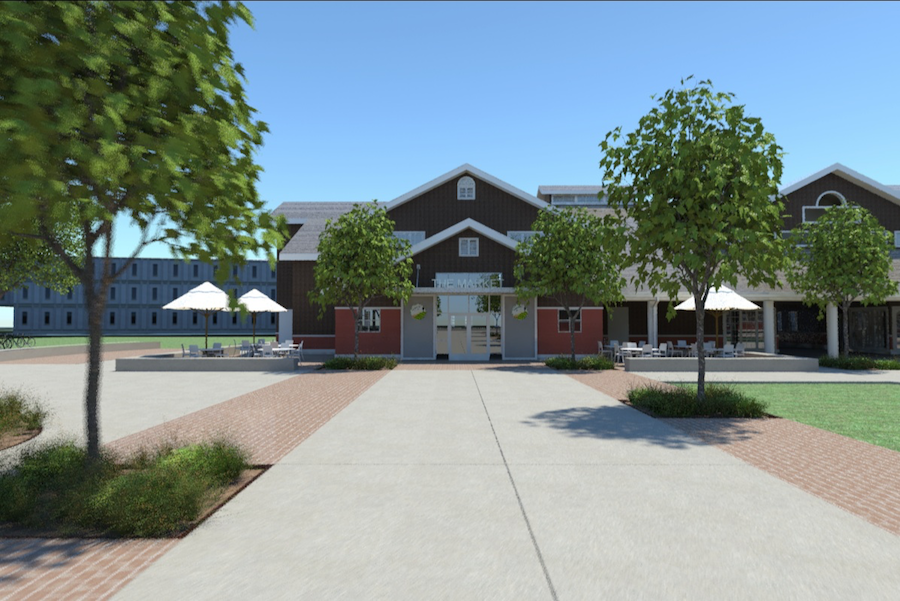
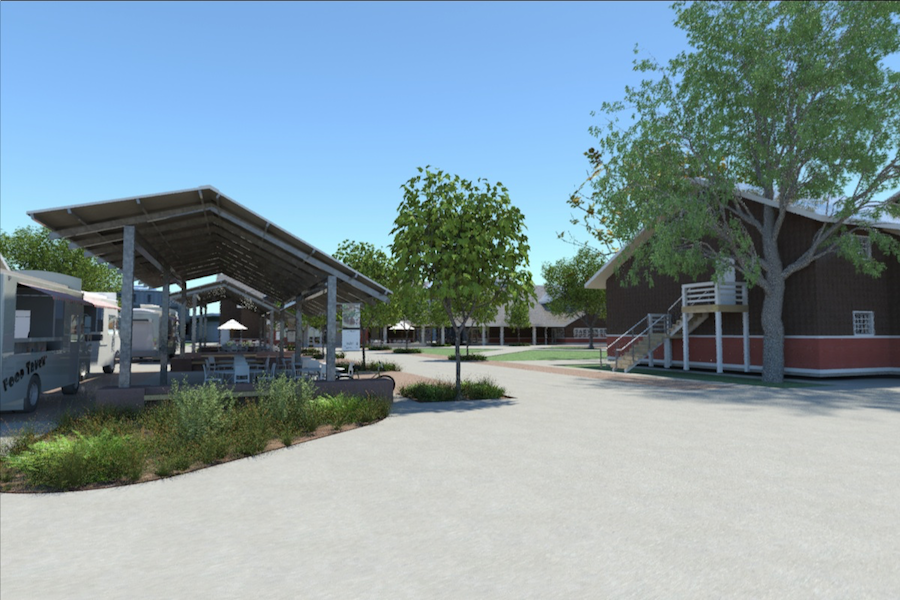
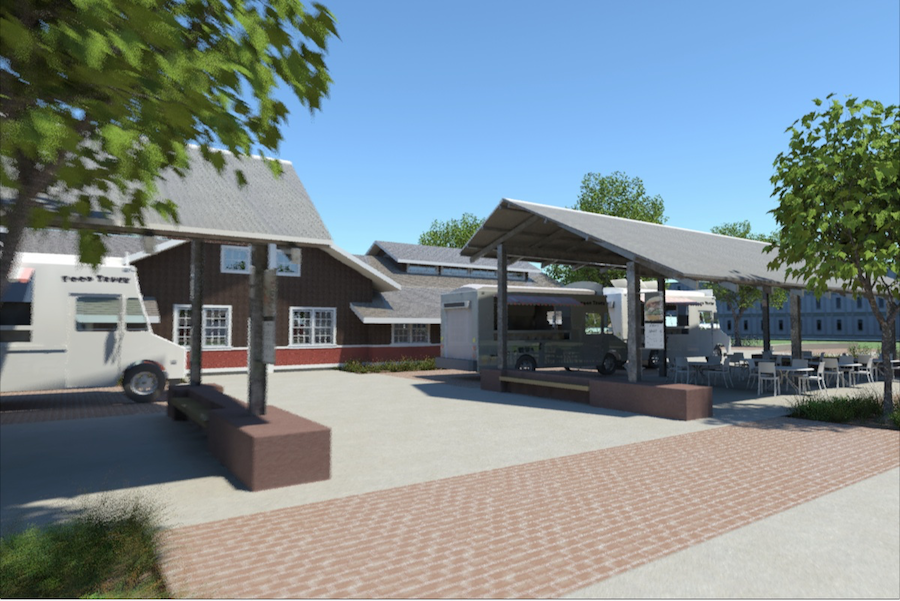
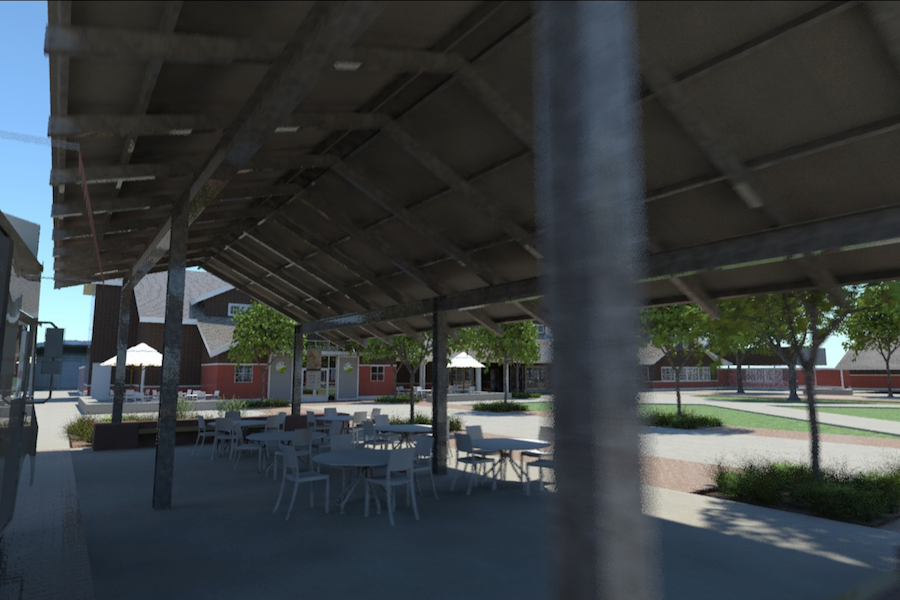
On May 2, construction began on portions of the South Silo to make room for a new convenience store, a location to buy made-to-order sandwiches and a place to purchase pizza. Additionally, a “Food Truck Row” will be built alongside the Bike Barn that will provide additional space and seating for food trucks and their patrons.
The main Silo building, one of the oldest buildings on campus, will not be changed by this project.
“Nothing in the main Silo building is being touched,” said Mike Sheehan, director of Facilities Services in Student Housing, in an email interview. “This project is repurposing first-floor space in the South Silo. That space previously housed the Student Disability Center, which moved to a new location, and a UC Davis Stores location, which was taken offline.”
Sheehan further explained that the hired contractor is DG Granade Inc. from El Dorado County. Funding for the $5.2-million project is coming from three departments: Student Housing, Campus Recreation and Unions and Student Affairs.
To determine what the South Silo should be turned into, students were consulted in 2012.
“There was a market survey put on by Sodexo back in 2012 that canvassed campus and there was a lot of input on what kind of food desires were requested at that time over there [at the Silo location],” said Kraig Brady, director of hospitality and dining services for Student Housing. “If you think about the North Silo, there is an existing C-Store already in there, so that is hugely successful and that was obviously something to expand upon.”
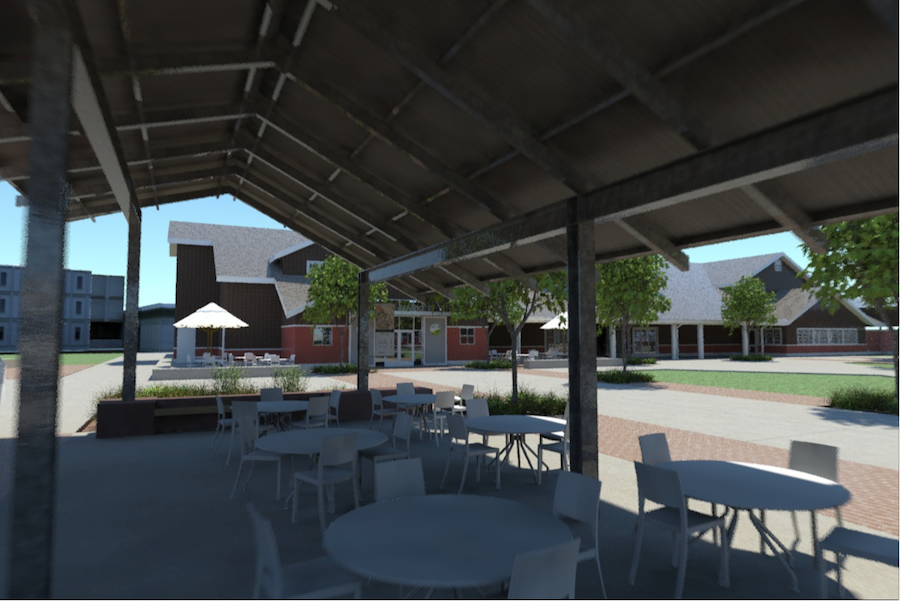
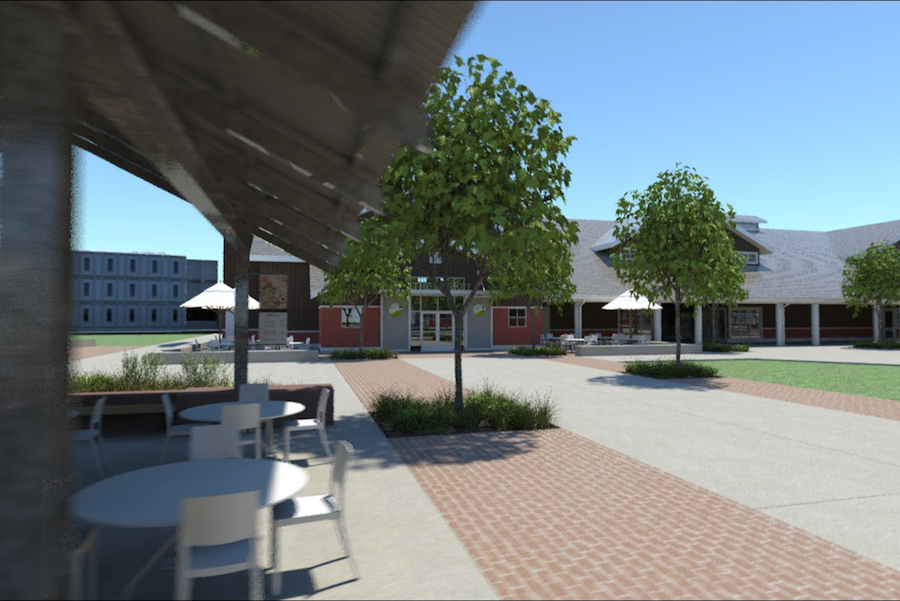
The other main draw of the construction project is the “Food Truck Row.” This area is set to include space for four food trucks and a covered seating area.
“With the renovation process, we are going to deploy a food truck structure that will house four trucks near the [current] Star Ginger and the Halal truck locations,” Brady said. “With the revamp of that space, we will provide much more seating. I believe it is even covered seating with a metal structure awning. It will allow us more flexibility of space [and] will expand cuisine styles and choices.”
For Radai Mashriqi, co-owner of Fusion Fresh Café and Shah’s Halal Food, the changes to the food truck area are beneficial and he looks forward to them.
“It’s great for the students,” Mashriqi said. “I have been to the Silo and that location tends to be extremely busy. The ability for students to come out and have another location to sit, it draws other students from other areas in. [Having the awning] will be really fantastic because during rainy weather they can sit under there. I think it’s a win-win, not just for UC Davis, but for the students as well because now they will have a better dining experience.”
The new locations will also be managed by Sodexo, the company that currently manages most of the dining locations on campus. Sodexo has been interested in input from food truck owners like Mashriqi.
“We know that Sodexo and UC Davis have approached us and said, ‘This is what we’re doing, if you have any disagreements, then we are happy to look at your requests,’” Mashriqi said.
The timeframe for the construction places completion around the middle of Spring Quarter 2017.
“The contractor was given the notice to proceed for interior work on May 2,” Sheehan said. “They will begin exterior work on the courtyard and roof after the Spring Quarter ends. The goal is to have exterior work and roof work completed this summer. The entire project is scheduled for completion by March 2017.”
Written by: Kenton Goldsby – campus@theaggie.org

©2021, ASUCD. Designed by Creative Media.