





The resurgence of the ‘R-word’
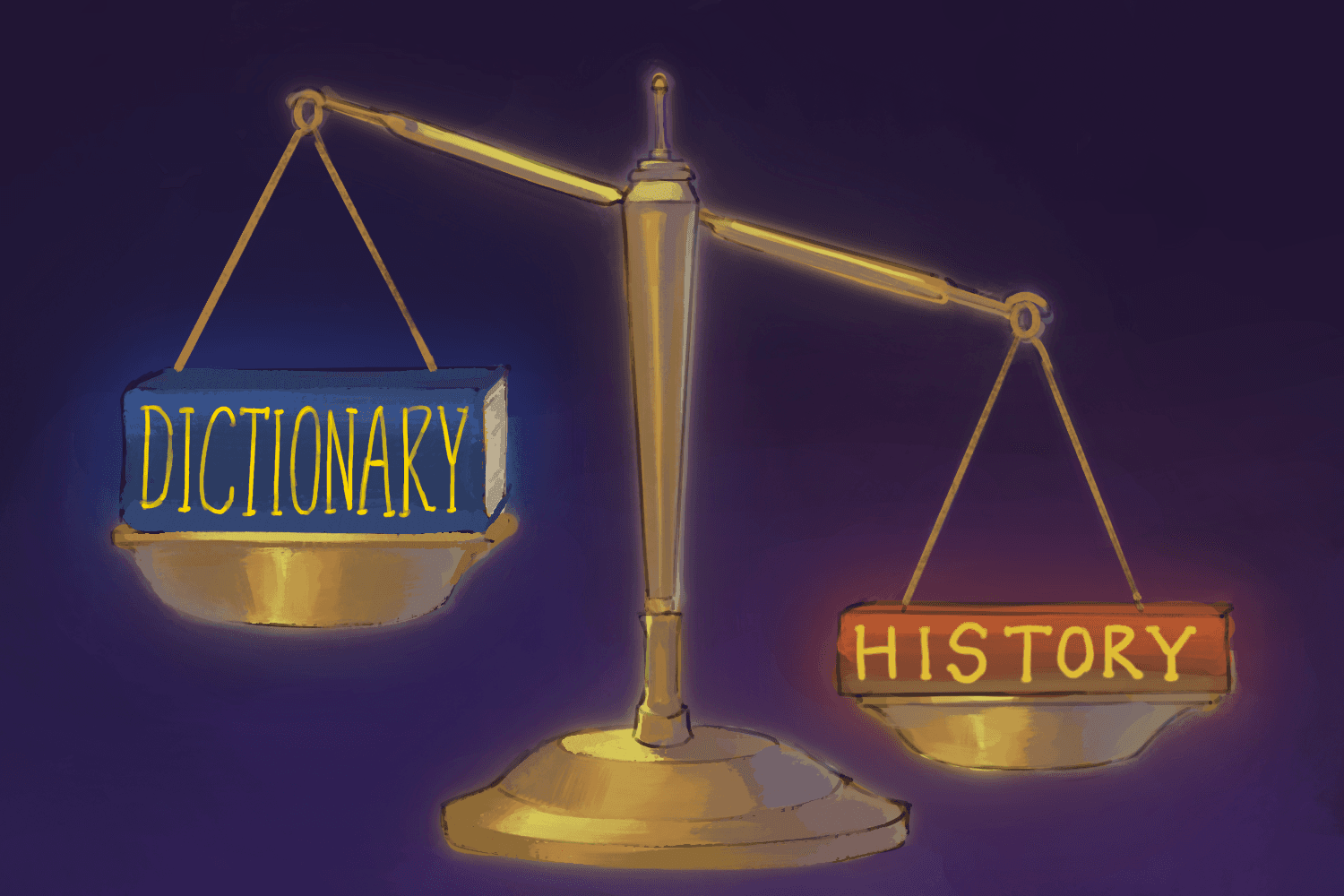
Why this slur needs to be left behind
By TARA ROMERO — tcrome@ucdavis.edu
I can’t believe I even have to write this article, and yet, here we are. My argument here is pretty straightforward: Stop using the R-slur.
You’d think saying something like “Don’t say slurs” isn’t necessary in 2025, but there’s been a particularly strong resurgence of this slur both online and in daily life in the past few years. Under nearly any slightly polarizing post online, the comments are full of the R-slur. I’ve seen the slur edited into the Charli XCX “Brat” logo and in every possible meme format. At the workplace and in the classroom, I’ve heard the word thrown around in casual conversation. It feels like, all of a sudden, everyone is okay with bringing this word back.
The R-slur was originally used in the early 20th century to refer to intellectually disabled people. Being labeled “mentally r*tarded” served as justified reasoning to place people into health institutions with harmful living conditions, mistreatment and abuse. During this same time, eugenics movements for “selective breeding” and “involuntary sterilization” of disabled people used this word to classify people who should be barred from reproduction — as seen with the Buck versus Bell 1927 Supreme Court case which upheld that states have the right to forcibly sterilize someone deemed “unfit to procreate” due to “mental deficiency.”
This word has consistently been used in laws to justify limitations on the rights of disabled people, enforced through marriage laws, guardian and conservatorship laws, inheritance laws and voting laws.
In 2010, Rosa’s Law replaced the word “mental r*tardation” with “intellectually disabled” in federal law. Let’s be clear: This switch does not undo the abhorrent government restrictions on disabled peoples’ rights. There are still many limitations in regards to social security, marriage and conservatorships. However, a study from Ohio State University tested college students’ tolerance of intellectually disabled people simply based on word choice — “mental r*tardation” compared to “intellectual disability.” The study found that students were more likely to endorse negative views of intellectually disabled people when they were referred to with the old term. The R-slur perpetuates long-standing prejudices against intellectually disabled people, and changing the phrasing actually impacts how neurodivergent people are viewed.
However, the word is not limited to directly discussing neurodivergent people. Instead, the word only implies disability when used in casual conversation. Through the 1980s, 1990s and early 2000s (and seen again now), the word has been used casually as a way to denounce someone’s intelligence. While not directly discussing or being used against a disabled person, the word implies the disabled label.
“Whenever we decide we want to insult somebody or throw hate to somebody, we attach them to a disability regardless of whether or not they have one,” Imani Barbarin, a disability advocate, said.
The R-slur operates in a way that can be applied to anybody — disabled or not. The word is always used with the intent to degrade the recipient of the word by associating them with disability, therefore perpetuating the ableist idea that neurodivergent people are “lesser” than others.
Some people grew up using this word their entire lives. Others learned it was wrong, but decided it was “cool” and “edgy” to bring it back. For many, this word has a layered and hurtful meaning that reminds them that the world sees them as lesser than, simply for who they are.
While the word’s history and intent give reasoning to refrain from its use, I don’t believe that is the main reason why the R-slur needs to be left in the past. It shouldn’t be said, because many neurodivergent people have spoken out and asked for neurotypical people to not use the word — that reason alone should be more than enough.
“We are a group of people willing to have a conversation, rather than everybody talking around us in this fraternalistic manner, telling us what we should and shouldn’t want for ourselves,” Barbarin said. “And so, when we talk about the R-word, do they trust us enough to say that this is something we don’t want to hear?”
Written by: Tara Romero— tcrome@ucdavis.edu
Disclaimer: The views and opinions expressed by individual columnists belong to the columnists alone and do not necessarily indicate the views and opinions held by The California Aggie.