






The extinction of public spaces
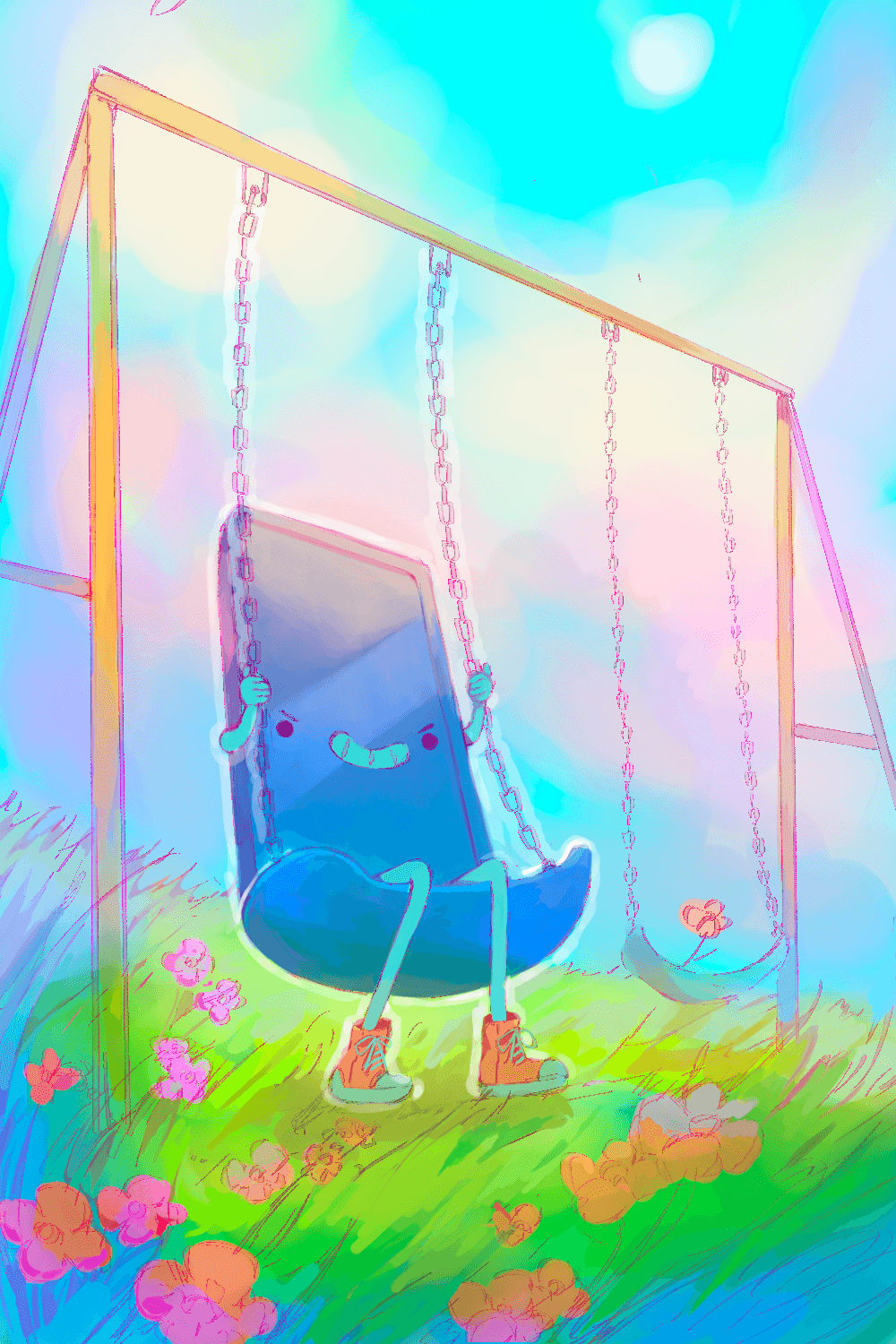
From sidewalks to screens, policies to partition
By NEVAEH KARRAKER — nakarraker@ucdavis.edu
Sometimes the loud hammering of construction, beeping of trucks and barricaded roads make me question whether it’s even worth going to class. Sidewalks are unusable and classrooms are nearly inaccessible near the Touchdown Tower (one of UC Davis’ iconic water towers) as bike racks continue to be uprooted and unusable.
Like the chain-linked fence between the road and sidewalk, public spaces are often altered without the community realizing the implications of that kind of change. Construction is a physical reflection of the actual separation it’s giving rise to, which is subtle, but nonetheless present.
For example, building new apartments may seem like an excellent idea to combat the housing crisis, but what are the ramifications of it? Does it tear down senior centers? Does it actually help people, or will modernity contribute to gentrification and push out already existing neighborhoods? Before they get put into motion, these plans need to be analyzed from an outside perspective, through proper research and consideration of how they’ll impact the community as a whole.
Then comes normalization — believing the price for progress is inevitable. While in some ways it is, we don’t have to accept the first deal we’re offered. In many cases, policies are passed without thorough analysis and we end up sabotaging the integrity of our communities, even though we only intended to improve it.
Technological advancement (including metropolitan development and digital progress) enhances education and careers, but not without repercussions. Libraries are swapped out for databases of digital files, small owned businesses are being drowned out by large companies and trails and parks are shrinking under real estate pressure.
Similarly, social media has become the new digital playground. It’s disgustingly over-monetized and algorithmic; there is no coexistence online like there is in the real world, it’s either strong animosity or enthusiastic encouragement. Face-to-face interaction promotes genuine connection in a way that online communication simply does not. As we spend more time on our phones and less time with each other, we lose not only those connections, but our ability to connect with each other in the first place.
We claim that we want to nurture inclusivity, and yet we disregard the importance of community engagement. If we have nowhere to gather — especially nowhere that has free parking or admission — then disunion and contempt become the norm. Genuine interactions are what make us empathetic, grant us the ability to peacefully converse and temporarily breach our isolated bubbles; we can’t sacrifice our already scarce social opportunities for a new apartment building or department store.
Forcibly closing public spaces — and therefore reducing our ability to form and foster interpersonal connections — does two major things: it indirectly reduces our critical thinking skills by stifling activities that promote neurological activities (like those that take place outdoors or in a group). As a result, we become dependent on screens for entertainment and recreation, which makes it easier to indoctrinate our population and form dependent thinkers who aren’t used to questioning the information that crosses their social media feeds.
Society also becomes defenseless and easy to control if people have nowhere to congregate. The locations that were once the unifying bridge between all political parties, all races and all socioeconomic levels, are now driven by profit and consumption — you’re all “welcome,” but only if you buy something. You can enjoy yourself, but only if you sign up for monthly payments. The businesses that remain have to accommodate this new jurisdiction just to stay afloat.
A construction project can easily transgress into a cultural shift. As the sidewalk concrete cracks without repavement in sight, public spaces become obsolete — as does the foundation of our society.
We cannot allow ourselves to become dependent on the technology freely given to us, and we cannot be naive to the consequences of the extinction of our public spaces — they are our livelihood and we must treat them as such. Our public spaces are integral to our social connections and our cultural autonomy, so it’s important to pay attention to what’s going on around us so that we can protect them. If we want to preserve the integrity of our society, we must consider the ramifications of development plans before we put them into action; what might seem like a good idea on the surface might end up causing more harm than good.
Written by: Nevaeh Karraker—nakarraker@ucdavis.edu
Disclaimer: The views and opinions expressed by individual columnists belong to the columnists alone and do not necessarily indicate the views and opinions held by The California Aggie.