






Commentary: Cable TV’s reality in a world dominated by streaming services
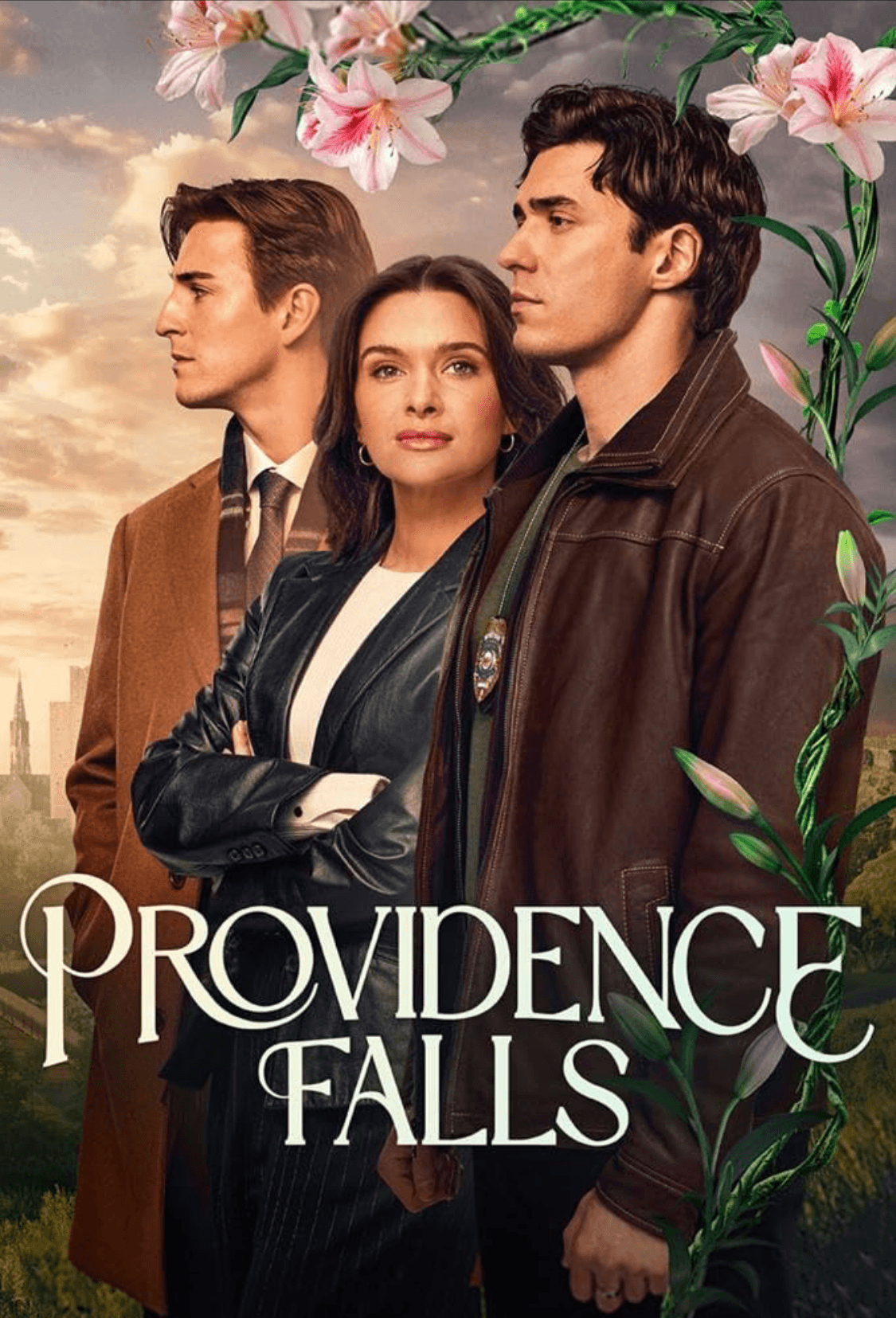
Hallmark hit ‘Providence Falls’ shows that cable TV can still remain relevant in modern-day viewing
By IQRA AHMAD — arts@theaggie.org
In the endless whirl of streaming services — Netflix, Prime Video, Hulu, Peacock, Disney+, Apple TV+, Paramount+ and more — viewers are drowning in choice. What once felt like liberation from cable’s grip has twisted into a tangled web of logins, monthly fees and an eternal search for which platform owns which shows.
Somewhere between all the buffering and password sharing, another question arises: Whatever happened to cable television?
Surprisingly, it turns out that it never really left. 27% of Americans said they mainly use cable TV to watch live sports and 26% kept cable because of comfort and convenience, according to a 2024 survey of 11,000 Americans by CableTV.com. No autoplay countdowns, no vanishing titles — viewers just turn the TV on and something’s already there.
While streaming giants continue to raise prices and compete for attention, and as many Americans begin cancelling their subscriptions and trimming their streaming budget, cable is perhaps making an unexpected comeback. Networks, like Hallmark Channel, are reviving their charm with feel-good classics and originals.
Hallmark’s comfort comeback
Hallmark has long been the home of cozy predictability, with snow-covered towns, second chances and that one bakery that saves Christmas every year. But with its new original series, “Providence Falls,” the network shows that even in a streaming-saturated world, there’s still a hunger for slower, feel-good storytelling. The series mixes Hallmark’s signature sweetness with a touch of magical realism and historical romance that draws viewers in.
This three-part series shows that cable TV is not recycling old formulas and plotlines, but rewriting them. Based on novels by Jade Deveraux and Tara Sheets, the series follows Liam O’Connor, a 19th-century Irish rogue sent forward in time to modern day Oregon to help his ill-fated love find her “destined” partner, even though he is still in love with her. It’s part romance, part mystery and time-travel fantasy: a bit bolder than the typical Hallmark holiday story.
While viewership numbers and ratings are modest, with 6.8 out of 10 stars on IMDb, these ratings don’t tell the full story. The fact that Hallmark invested in a three-part special event, produced partially in Ireland and Vancouver, signals a renewed ambition to change their usual small-town storylines and implement something new.
The chemistry between the leads also gives the story its heart. The actors balance Hallmark’s sincerity with a more grounded emotional connection. Liam isn’t just a stock romantic lead, but flawed and human, which makes the fantastical premise and the way he navigates time travel believable.
While the series still feels familiar and comforting for loyal Hallmark fans, its imaginative and new formula still works to attract new ones back to the world of cable.
Why cable still matters in 2025
While cable TV might not dominate the conversation like it once did, and many assume it’s on the road to obsolescence as networks continue to lose subscribers each year, some providers are fighting back. Cable companies such as Spectrum and DirecTV have held press events to showcase their efforts to make the viewing experience more seamless and accessible; integrating traditional cable with popular streaming apps and on-demand content.
Beyond that, cable still offers various comforts that streaming services cannot yet fully replace. Cable remains a popular choice because it provides high-quality picture and sound — without the buffering or compression that often plague streaming services. Cable TV users also have longer-standing relationships and tenure than with streaming services.
Though, it is important to recognize that streaming services have ultimately changed the way TV is viewed. Streaming services have captured 45% of the United States’ TV viewership in May 2025, according to an article by the New York Times. This dominance of streaming services reinforces why cable’s remaining foothold in live sports, local news and convenience is so valuable.
Despite the rise of streaming, cable TV remains a vital part of the media landscape. Its reliability, access to live programming and connection to local communities give it a niche which algorithms and streaming services can’t replace. In an age of endless choice, cable provides consistency, convenience and comfort that still matter. It seems that some stories are best enjoyed the old-fashioned way: on a familiar channel, at a familiar time.
Written by: Iqra Ahmad — arts@theaggie.org