






Gen Z: The generation that time travels
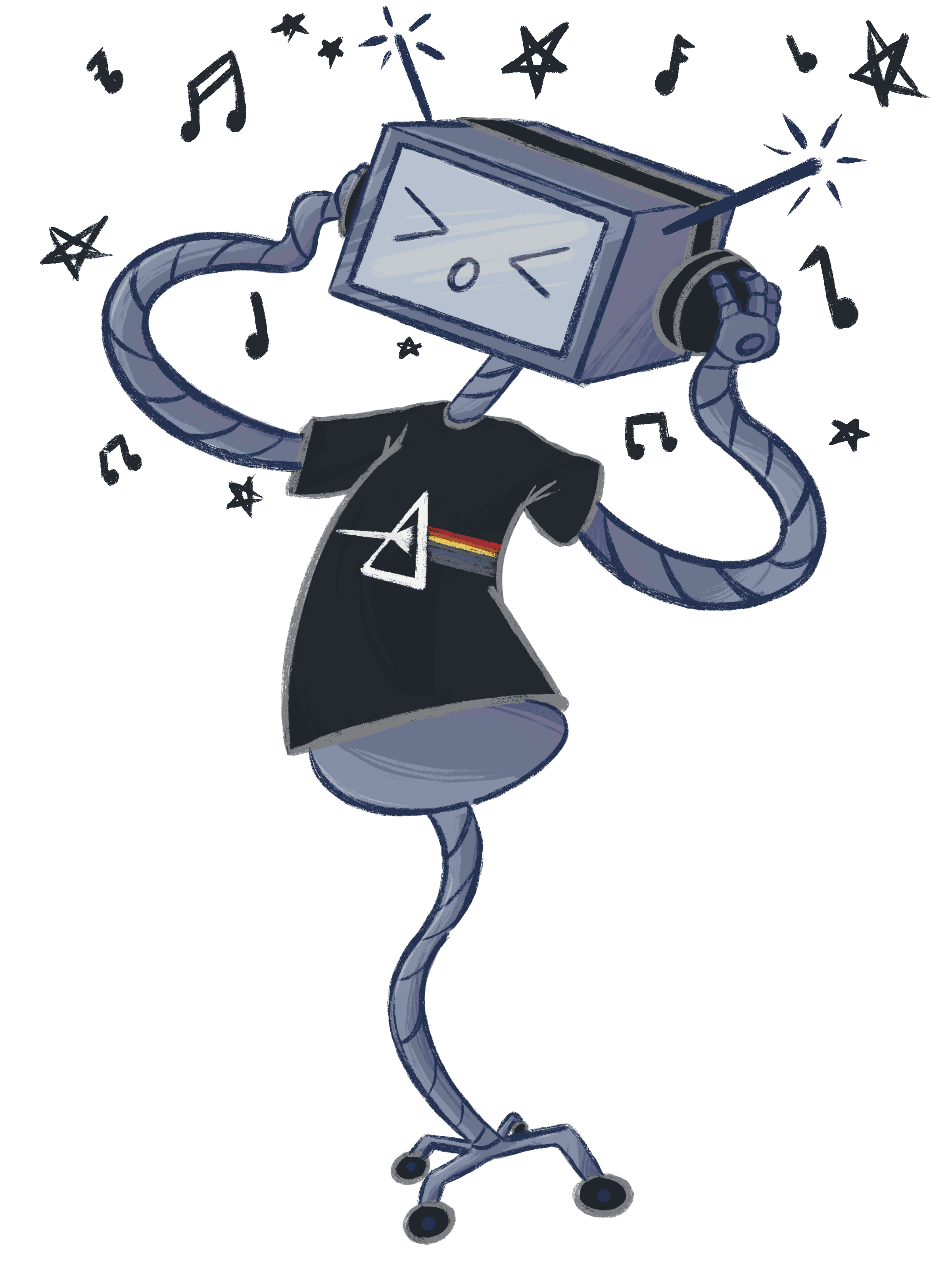
Exploring how people perceive themselves in time
By VIOLET ZANZOT— vmzanzot@ucdavis.edu
Perhaps the present pandemonium about the future is all a response to the past. If we believe ourselves to exist at the end of history, life may continue on as we know it simply because we have evolved enough as a society. Maybe it’s because dystopian media has been so popular with our generation, but whatever the cause may be, people seem to think a clear fear of an imminent future is written in stone — or, more aptly, permanently coded in artificial intelligence.
It’s almost comical how this seemingly constant anxiety about the future diametrically opposes the nostalgia that exists in popular culture. In movies, fashion and music alike, there is a general gravitation towards the past. Amidst trepidation about the future and longing for what used to be, our generation is caught between eras.
It seems that as society has progressed into late-stage capitalism and the age of technology has taken over, anxiety about the future has overwhelmingly increased. Despite this, we have also seen a cultural shift toward idealizing the past. This growing sense of nostalgia not only reflects back on earlier generations, but is also reminiscent of our own childhoods — such as the rise in biopic films and “show yourself five years ago today” trends on Instagram.
It is not necessarily that the increased prevalence of technology and hyper-globalization has a greater magnitude than any other revolutionary time; the difference is that today, these anxieties (while possibly man-made), seem to circumvent human control. It’s unclear where the stopping point of growth is and what that means — there is no certainty that what we know as reality today will still feel so real a month from now.
At the same time, however, technology allows us to access the past in ways we’ve never been able to before. It’s never been so easy to see ourselves constantly through a camera lens, let alone to look back on what we once were. Further, we’re now able to immediately view the past as a living history more than we ever could. We use culture and media to personify the endless facts about the past that we only now have access to — just think about every recent movie, show, song or fashion piece that harkens back to an earlier era.
What are the implications of all of this? Could it possibly be good that we’re caught between two vastly different imaginations of time? The world is constantly spinning so fast and far away from us that it can feel impossible to keep up. At the same time, there are so many parts of society that feel irretrievable; it’s sad to think we can never band together and put on Live Aid or go out for dinner without a phone to keep us safe and properly distracted. By many appearances, much of the past seems kinder, safer and more open to change compared to today.
But, it’s not all hopeless. Our generation is becoming something new; although sometimes it seems we haven’t yet had the agency to call it the present culture. We’ve been scared to take ownership of the present moment, but there are still ways in which we seem to be regaining control. We can make an impact on the present. We can speak to the happenings of today, not just yesterday or tomorrow.
Politicians like Zohran Mamdani, Abigail Spanberger and Mikie Sherrill, along with Proposition 50 and the “No Kings” marches, are awakening a modern political pushback. I’m so proud to be part of a generation that is trying to combat the tug-of-war between the past and present that we’ve been subjected to. Time is not the villain — but allowing it to rule our lives is. It may do us some good to learn from the past and think of the future, while living in the present.
Written by: Violet Zanzot— vmzanzot@ucdavis.edu
Disclaimer: The views and opinions expressed by individual columnists belong to the columnists alone and do not necessarily indicate the views and opinions held by The California Aggie.